Top 13 Lakes around Whitby
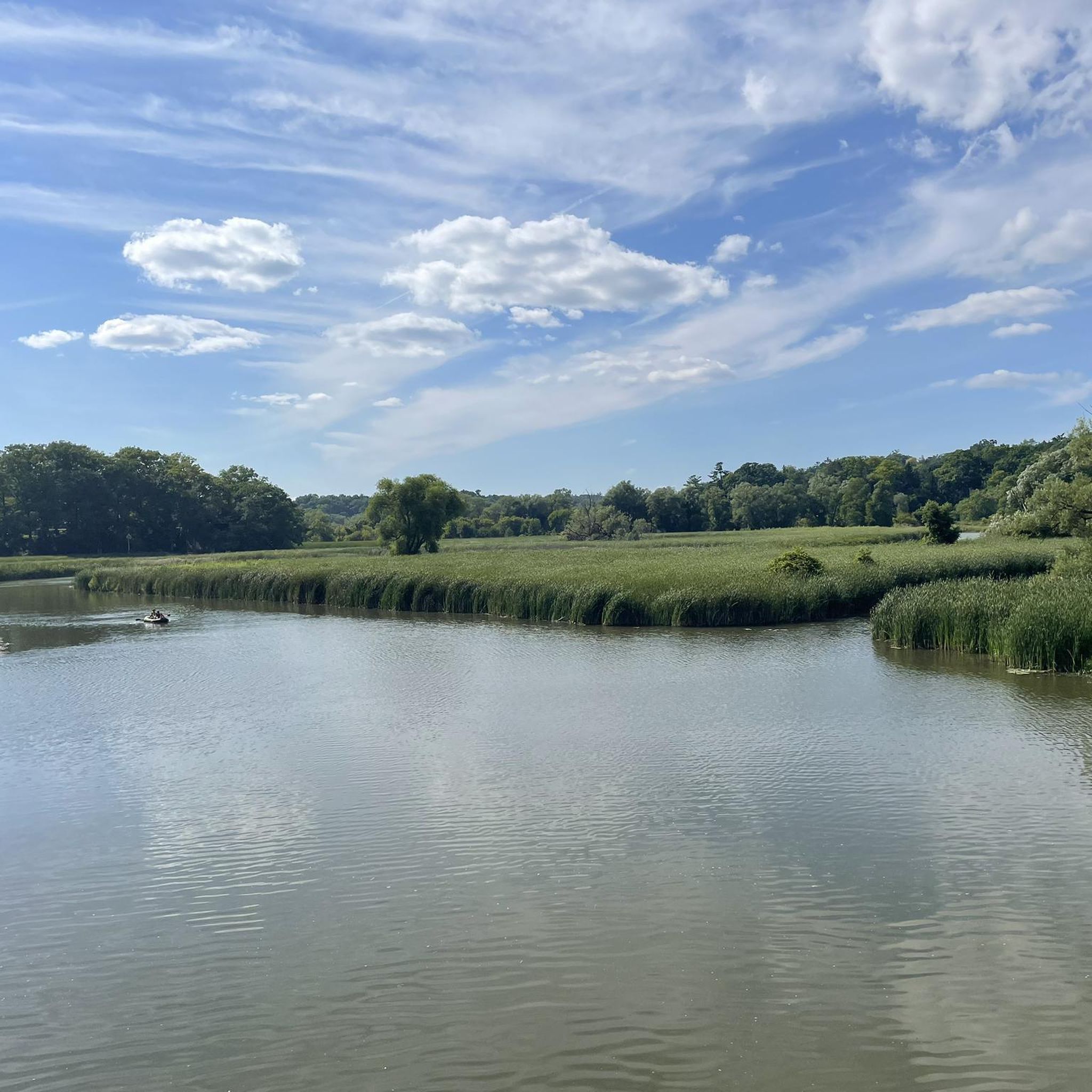
Best lakes around Whitby include significant marshlands and direct access to Lake Ontario, offering diverse aquatic environments. The region features several conservation areas that preserve important wetlands and natural habitats. These areas provide opportunities for recreation and wildlife observation within the Durham Region. Whitby's natural landscape is characterized by its position on the northern shore of Lake Ontario and its network of protected marshlands.
Best lakes around Whitby
- The most popular lakes is Darlington Provincial Park Nature Trail, a trail that borders Highway 401 to the north and the shores of Lake Ontario to the south. This recreational park is situated on a cliff formed at the end of the last ice age.
- Another must-see spot is Duffins Creek Wetlands, an other_natural area where Duffins Creek flows into Lake Ontario. Approximately 40% of its watershed is covered by forests, meadows, and wetlands.
- Visitors also love McLaughlin Bay Wildlife Reserve, an other_natural area home to numerous plant and bird species. This reserve supports the protection of ecologically sensitive areas.
- Whitby is known for its marshlands, conservation area ponds, and Lake Ontario shoreline. These areas offer a variety of aquatic environments to see and explore.
- The lakes around Whitby are appreciated by the komoot community, with 2 upvotes and 10 photos shared.
Last updated: October 13, 2026
Levay's Lane Trail
Highlight • Trail
Tip by

Lynde Shores Conservation Area
Highlight • Natural
Tip by
Sign up now to discover places like this
Get recommendations on the best single tracks, peaks, & plenty of other exciting outdoor places.
McLaughlin Bay Wildlife Reserve
Highlight • Natural
Tip by

McLaughlin Bay Trail
Highlight (Segment) • Trail
Tip by

Darlington Provincial Park Nature Trail
Highlight • Trail
Darlington Provincial Park is one of the most intensively used recreational areas in Ontario. It is close to Oshawa and Metro Toronto and is easily accessible via Highway 401. (Visit June 5, 2025)
ontarioparks.ca/park/darlington
Tip by
Sign up for free to discover even more lakes around Whitby.
Already have an account?
Start today with a free account
Your next adventure awaits.

Tips from the Community

Access to the LeVay’s Lane Trail is via the Waterfront Trail from the parking areas at Halls Road South and Victoria Street West. However, the latter parking area is for annual parking pass holders only. The LeVay’s Lane Trail is a loop trail through the Lynde Shores Conservation Area with access to an observation deck at Lynde Creek Marsh. The observation deck at Cranberry Marsh is accessed via the Lake Ontario Trail 1, which branches off the private road from the LeVay’s Lane Trail and heads south to Lake Ontario. https://www.cloca.com/lynde-shores Visited June 24, 2026
0
0
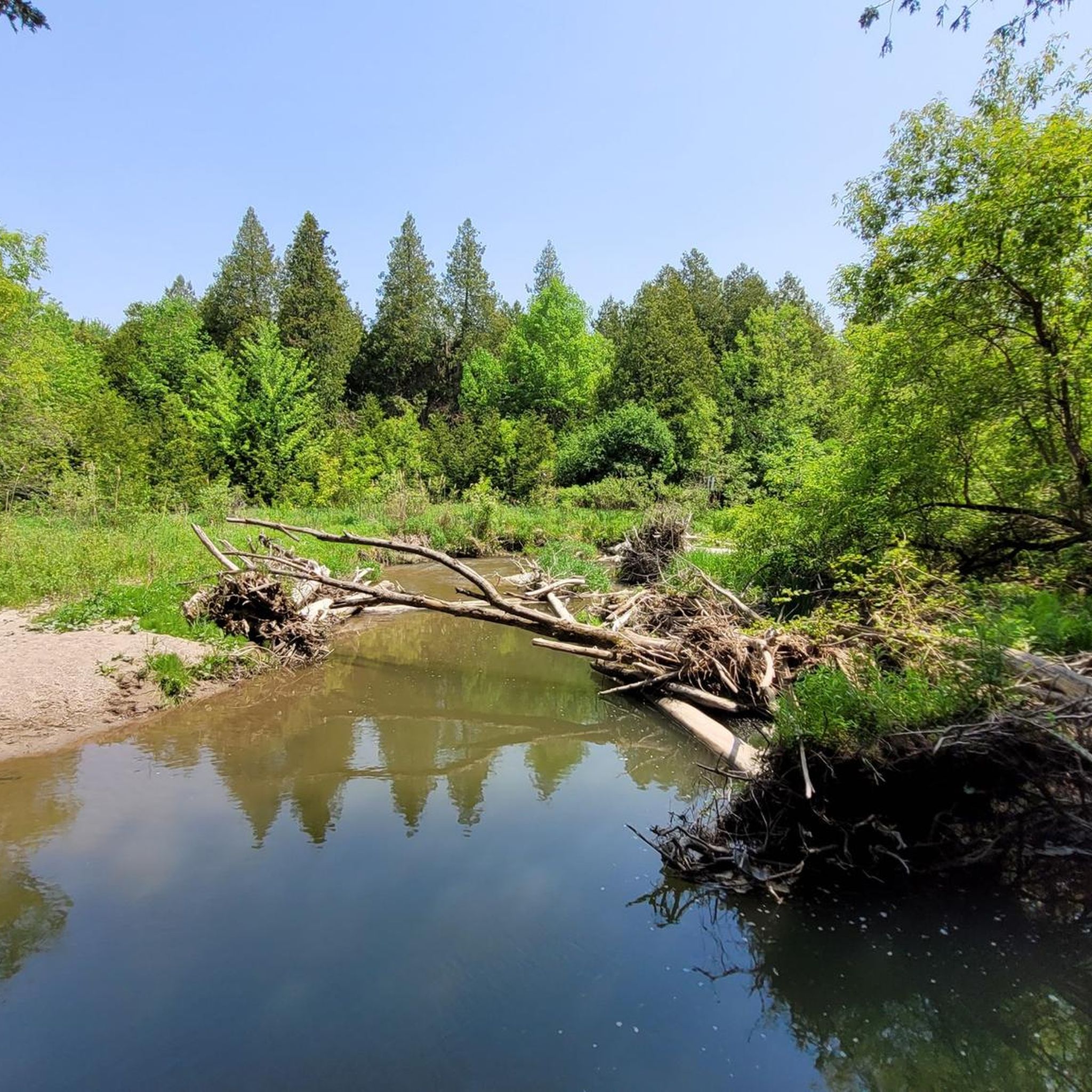
The Lynde Shores Conservation Area is a conservation area that includes the Lynde Creek Marsh and Cranberry Marsh on Lake Ontario and was established in 1972. Due to its proximity to urban centers, the area receives many visitors throughout the year, including walkers, hikers, and bird lovers. Interestingly, feeding songbirds is permitted here - but only with plant seeds. On a part of the park grounds, extensive interventions are being carried out to restore a natural state. The vegetation has been completely removed from the area southwest of the parking lot, and the terrain has been modeled with two lakes. The fallow landscape leaves a peculiar impression; one can only hope that the project will be successful and visible by 2028. https://www.cloca.com/lynde-shores Visit on June 24, 2026
0
0

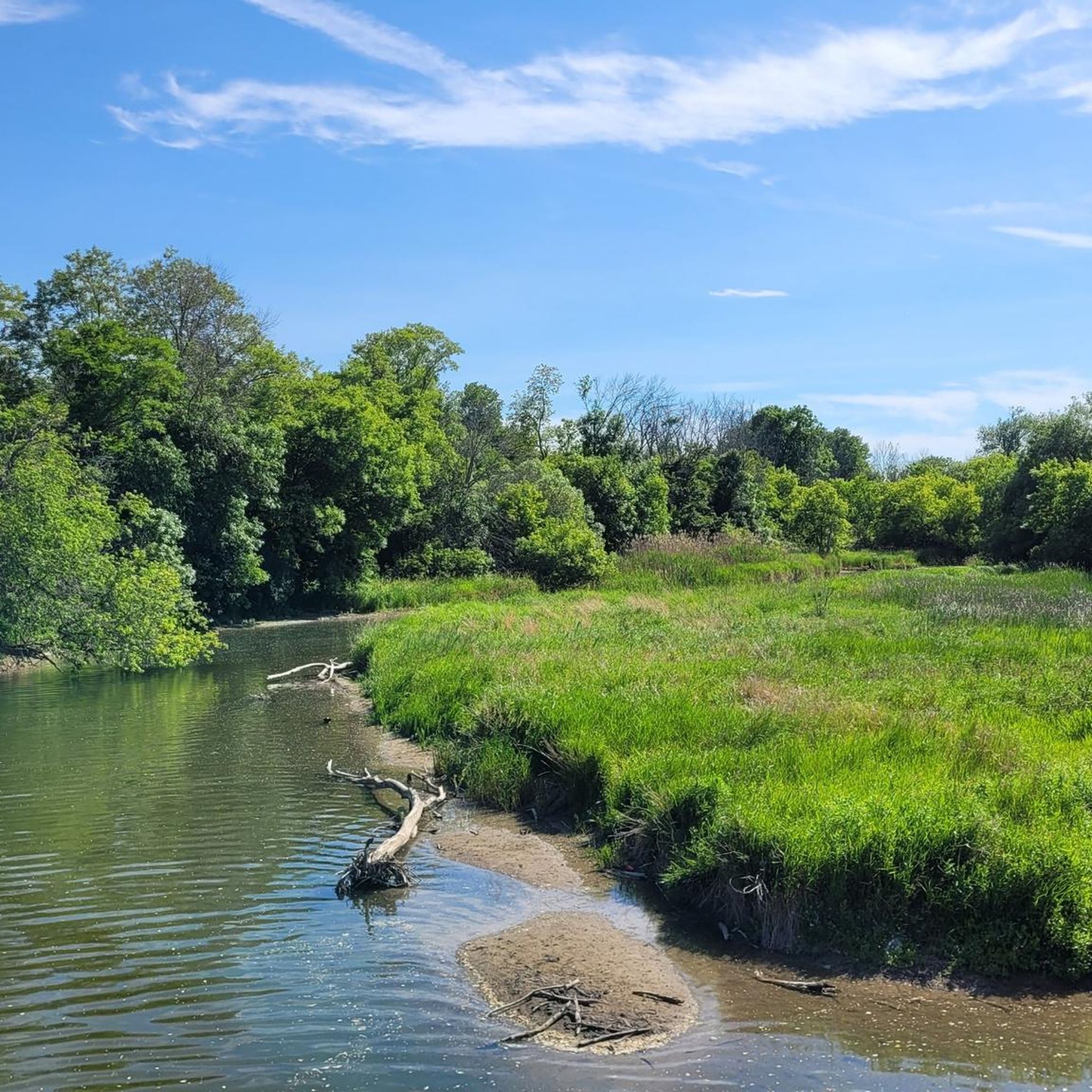
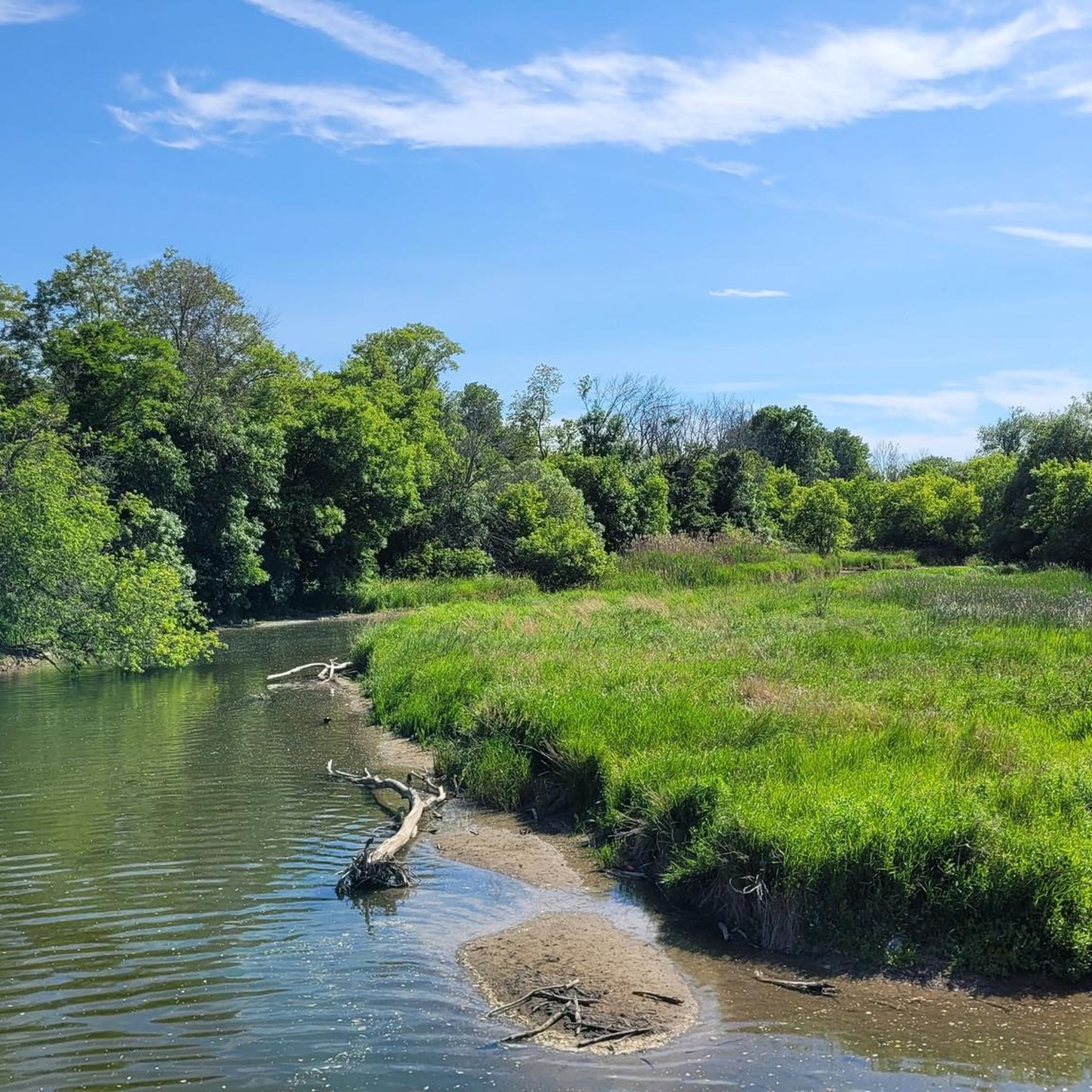
McLaughlin Bay Wildlife Reserve is a peaceful natural area in Oshawa, where wetlands, meadows, and wooded trails create a quiet setting along the Lake Ontario shoreline. Walking paths wind through marshland and forested sections, with boardwalks, lookout areas, and excellent opportunities to spot birds, deer, turtles, and other wildlife throughout the reserve. Surrounded by protected habitat near Second Marsh, it has a calm, tucked-away feel that makes it especially popular for walking, birdwatching, and enjoying nature close to the city.
0
0

Established in 1972, Lynde Shores Conservation Area offers a network of flat, easy trails that wind through marsh, meadow, and lakeshore forest. Boardwalks and wide paths take you through the mix of wetlands and wooded pockets that draw in waterfowl, deer, and plenty of songbirds creating a relaxed environment near the shore of Lake Ontario.
0
0
The Levay's Lane Trail offers an easy loop with a mix of shaded paths and open clearings. The route follows gentle terrain, crossing small bridges and pockets of wetland where songbirds and waterfowl are common. A short branch of the trail goes along Cranberry Marsh to the shore of Lake Ontario where you'll find a small beach.
0
0
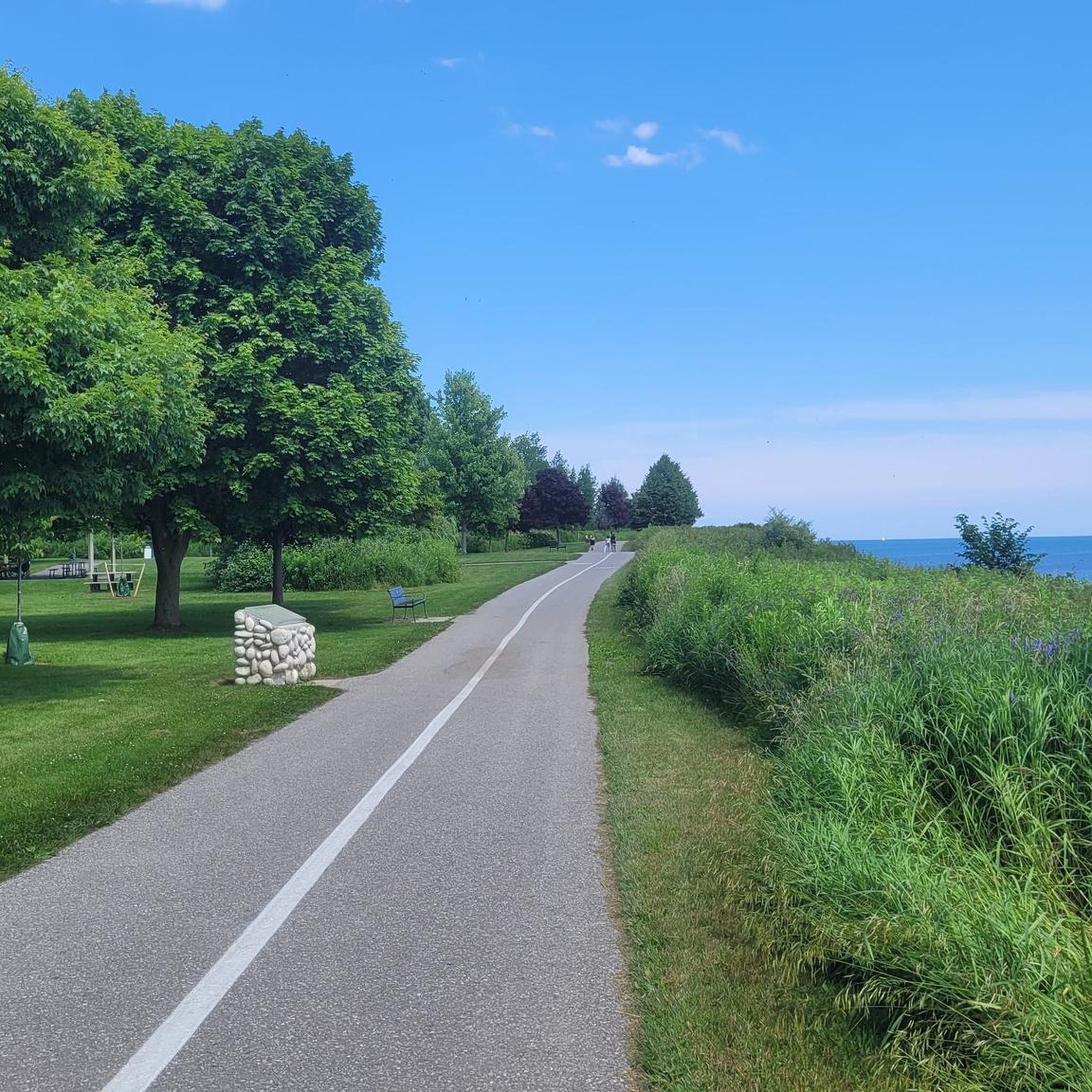
Darlington Provincial Park was established in 1959 and is classified as a recreational park. It borders Highway 401 to the north; the shores of Lake Ontario lie to the south, and the McLaughlin Bay Marsh to the southwest. The park is situated on a cliff formed at the end of the last ice age. Part of the park is used as a campground. Darlington Provincial Park is one of the most intensively used recreational areas in Ontario. It is close to Oshawa and Metro Toronto and is easily accessible via Highway 401. (Visit June 5, 2025) https://www.ontarioparks.ca/park/darlington
1
0
The McLaughlin Bay Trail leads from the parking lot along McLaughlin Bay to the beach on Lake Ontario. We are in the transition zone between wetland and dryland; depending on the time of year, the trail becomes swampy and impassable. However, other trails allow you to bypass the wetland. (Visit June 5, 2025)
2
0
The McLaughlin Bay Marsh area is owned by General Motors of Canada. In 2023, the company donated the McLaughlin Bay Wildlife Reserve to the City of Oshawa to support the protection of ecologically sensitive areas. The reserve was originally created in 1990 and is home to numerous plant and bird species. The area is named in honour of Samuel McLaughlin, the founder of General Motors of Canada and a pioneer of the Canadian automotive industry. Source: https://www.ontariotrails.on.ca/trail/mclaughlin-bay-wildlife-reserve
2
0
Frequently Asked Questions
What kind of natural environments can I expect to find around Whitby's lakes?
Whitby's natural landscape is characterized by its position on the northern shore of Lake Ontario and its network of protected marshlands. You'll find significant coastal wetlands, marsh systems, and direct access to Lake Ontario. Areas like Darlington Provincial Park Nature Trail and Duffins Creek Wetlands showcase diverse habitats including forests, meadows, and reed beds.
Are there good places for birdwatching and wildlife viewing near Whitby?
Yes, Whitby is excellent for birdwatching and wildlife viewing. Lynde Shores Conservation Area, including Lynde Creek Marsh and Cranberry Marsh, is a provincially significant wetland known for diverse habitats supporting nesting birds and migratory waterfowl. McLaughlin Bay Wildlife Reserve and Second Marsh are also home to numerous plant and bird species, making them valuable spots for nature observation.
What are some family-friendly lake areas in Whitby?
Several areas around Whitby are great for families. Darlington Provincial Park Nature Trail is classified as a recreational park with a campground. Lynde Shores Conservation Area offers over 5 km of looping trails, including the accessible Chickadee Trail, suitable for strollers. Heber Down Conservation Area also provides a tranquil setting with nature walks and picnicking opportunities.
Are there accessible trails around Whitby's lakes?
Yes, Lynde Shores Conservation Area features the accessible Chickadee Trail, which is suitable for strollers and wheelchairs. Heber Down Conservation Area also has an accessible trail, shaped like a maple leaf, located at its main entrance, making it easier for everyone to enjoy nature.
Can I go hiking or walking near the lakes in Whitby?
Absolutely. Whitby offers various hiking and walking opportunities near its water bodies. You can explore trails at Lynde Shores Conservation Area, Heber Down Conservation Area, and the expansive Great Lakes Waterfront Trail which passes through Whitby. For more options, check out the easy hikes around Whitby or the general hiking guide for Whitby.
What other outdoor activities are available around Whitby's water bodies?
Beyond hiking, you can enjoy fishing and canoeing at Lynde Shores Conservation Area (with specific seasonal availability). Heber Down Conservation Area offers mountain biking, snowshoeing, and cross-country skiing. The Lake Ontario shoreline provides opportunities for relaxing at beaches like Iroquois Beach Park and boating from the town's marina. You can also find gravel biking routes around Whitby.
Are there any historical or significant landmarks near Whitby's lakes?
Heber Down Conservation Area holds historical significance with remnants like an abandoned railway bridge abutment. Additionally, McLaughlin Bay Wildlife Reserve is named in honor of Samuel McLaughlin, a pioneer of the Canadian automotive industry, reflecting local heritage.
Where can I find marshlands and wetlands in Whitby?
Whitby is known for its significant marshlands and wetlands. Key areas include Lynde Shores Conservation Area (encompassing Lynde Creek Marsh and Cranberry Marsh), Duffins Creek Wetlands, McLaughlin Bay Wildlife Reserve, Second Marsh, and Pumphouse Marsh Wildlife Reserve. These areas are crucial for wildlife and offer unique ecological experiences.
What is the best time of year to visit Whitby's lakes?
The best time to visit Whitby's lakes depends on your preferred activities. Spring and fall are ideal for birdwatching due to migratory patterns. Summer offers pleasant weather for hiking, picnicking, and enjoying the beaches along Lake Ontario. Some activities like canoeing at Lynde Shores are permitted from mid-July to mid-September to protect wildlife during breeding seasons.
Can I bring my dog to the lake areas in Whitby?
While many outdoor areas are dog-friendly, it's always best to check specific conservation area rules regarding pets, especially in sensitive wildlife habitats. Generally, dogs are permitted on trails in many conservation areas, but often require leashes. Please respect signage and wildlife protection guidelines.
Are there places to picnic near Whitby's lakes?
Yes, picnicking is a popular activity at several locations. Lynde Shores Conservation Area and Heber Down Conservation Area both offer suitable spots for picnicking. The Whitby waterfront along Lake Ontario, including areas like Iroquois Beach Park, also provides scenic settings for a meal outdoors.
Is there direct access to Lake Ontario from Whitby?
Yes, Whitby is situated directly on the northern shore of Lake Ontario, offering extensive access. The Whitby waterfront includes sandy shorelines and scenic views, with areas like Iroquois Beach Park and Kiwanis Heydenshore Park. You can also enjoy views along Lion's Promenade at Whitby Harbour and utilize the boat launch and marina.
What are some popular trails for walking near Whitby's lakes?
The Chickadee Trail at Lynde Shores Conservation Area is popular for its accessibility and marsh views. The Great Lakes Waterfront Trail, which passes through Whitby, offers paved sections for walking and cycling along Lake Ontario. Heber Down Conservation Area also provides a variety of trails for nature walks. For more specific routes, consider the easy hikes around Whitby.
Most popular routes around Whitby
Most popular attractions around Whitby

Get inspired with the komoot mobile app


Explore more
Still not found your perfect lake around Whitby? Check out the guides of these regions to see even more beautiful places.
