The 6 Most Amazing Peaks in Maui County
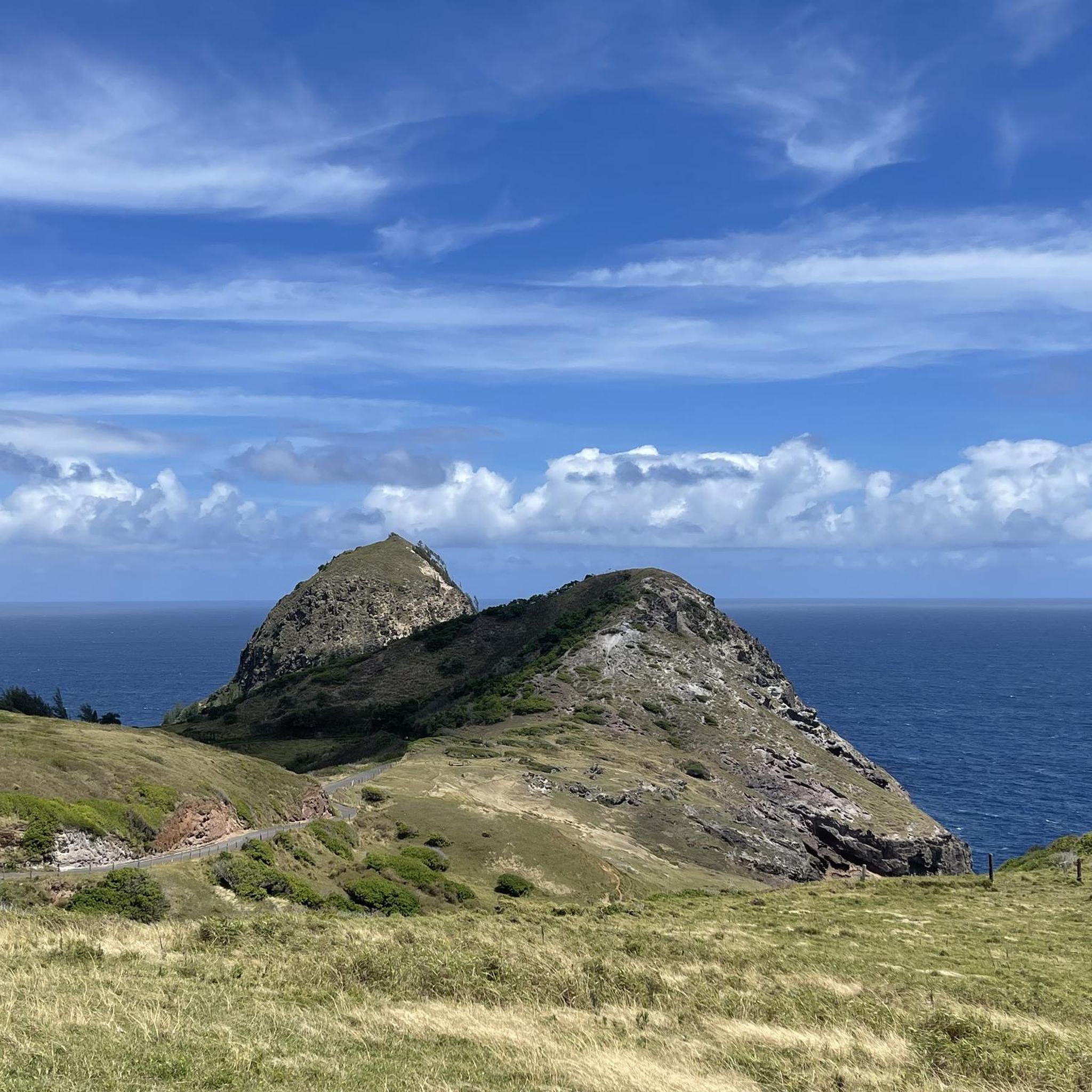
Best mountain peaks in Maui County are found across the islands of Maui, Lānaʻi, Molokaʻi, and Kahoʻolawe, with the most prominent on Maui itself. The region is characterized by two dominant mountain ranges: the East Maui Volcano, known as Haleakalā, and the West Maui Mountains, or Mauna Kahalawai. These areas feature diverse landscapes, from volcanic craters to lush rainforests, shaped by ancient geological activity and significant erosion. The mountains are vital for biodiversity and water resources, offering varied terrain for exploration.
Best mountain peaks in Maui County
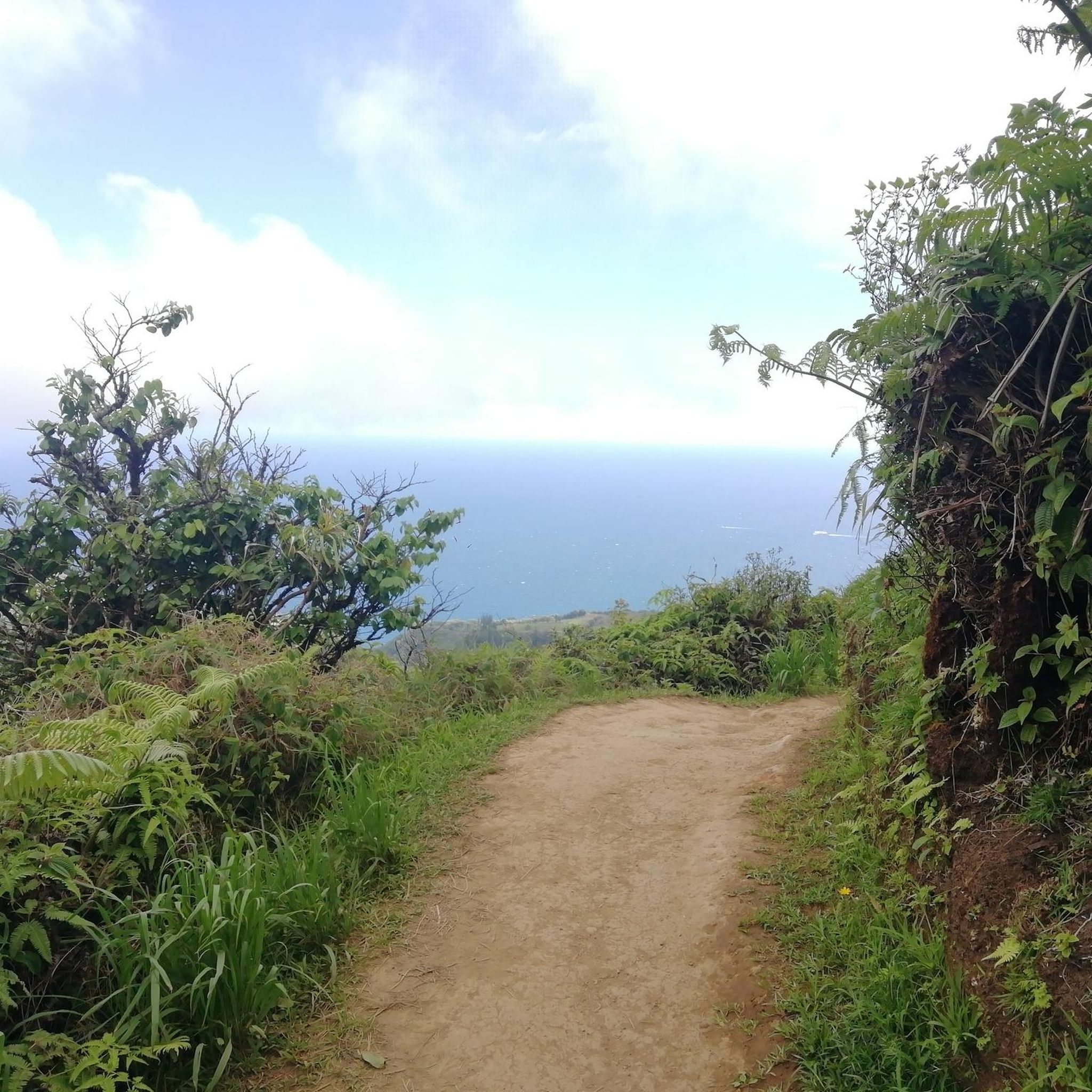
- The most popular mountain peaks is Waihee Ridge Trail, a trail that offers good views, especially when started early to avoid clouds. This trail is known for its scenic beauty and requires adequate hydration.
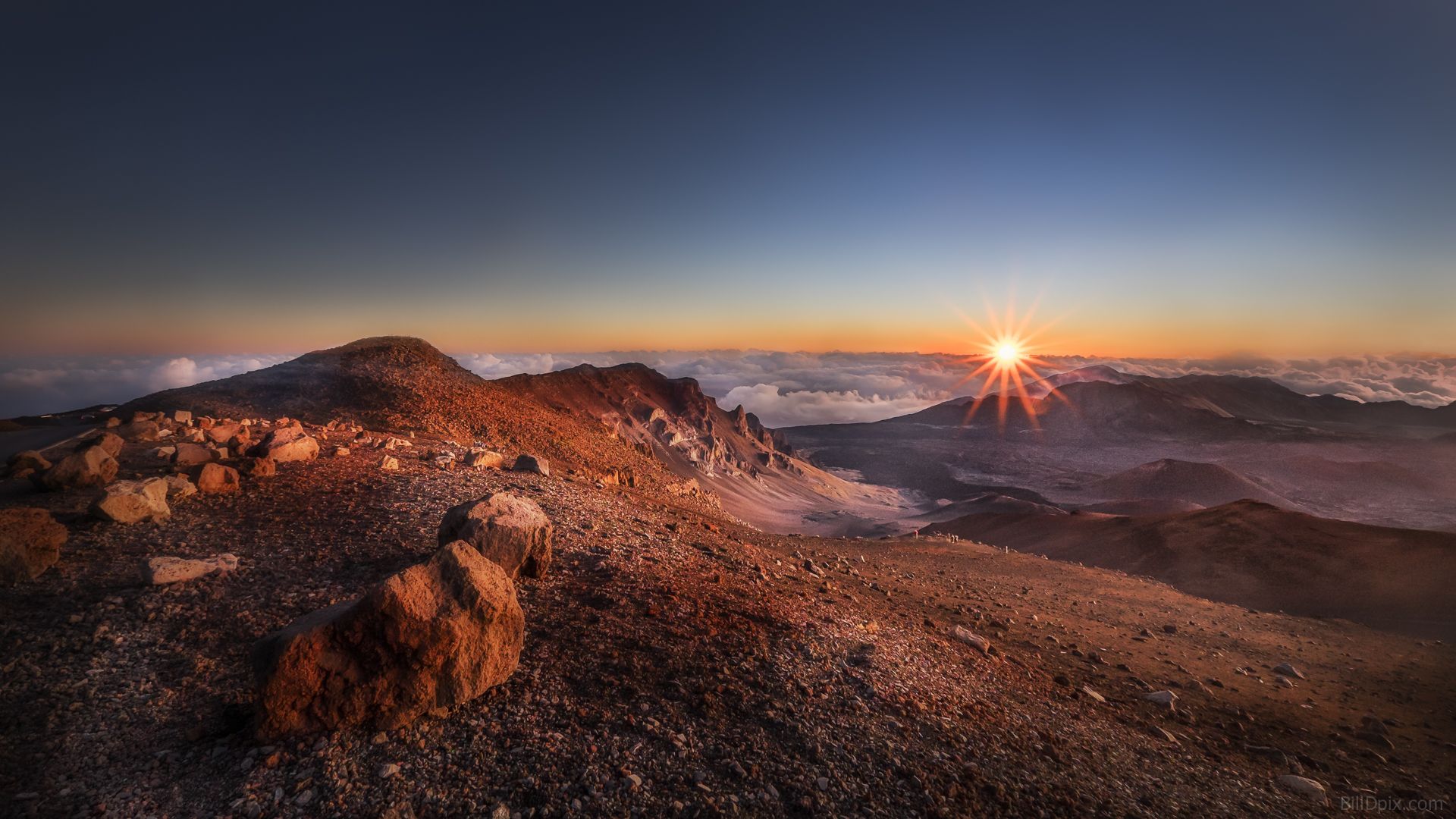
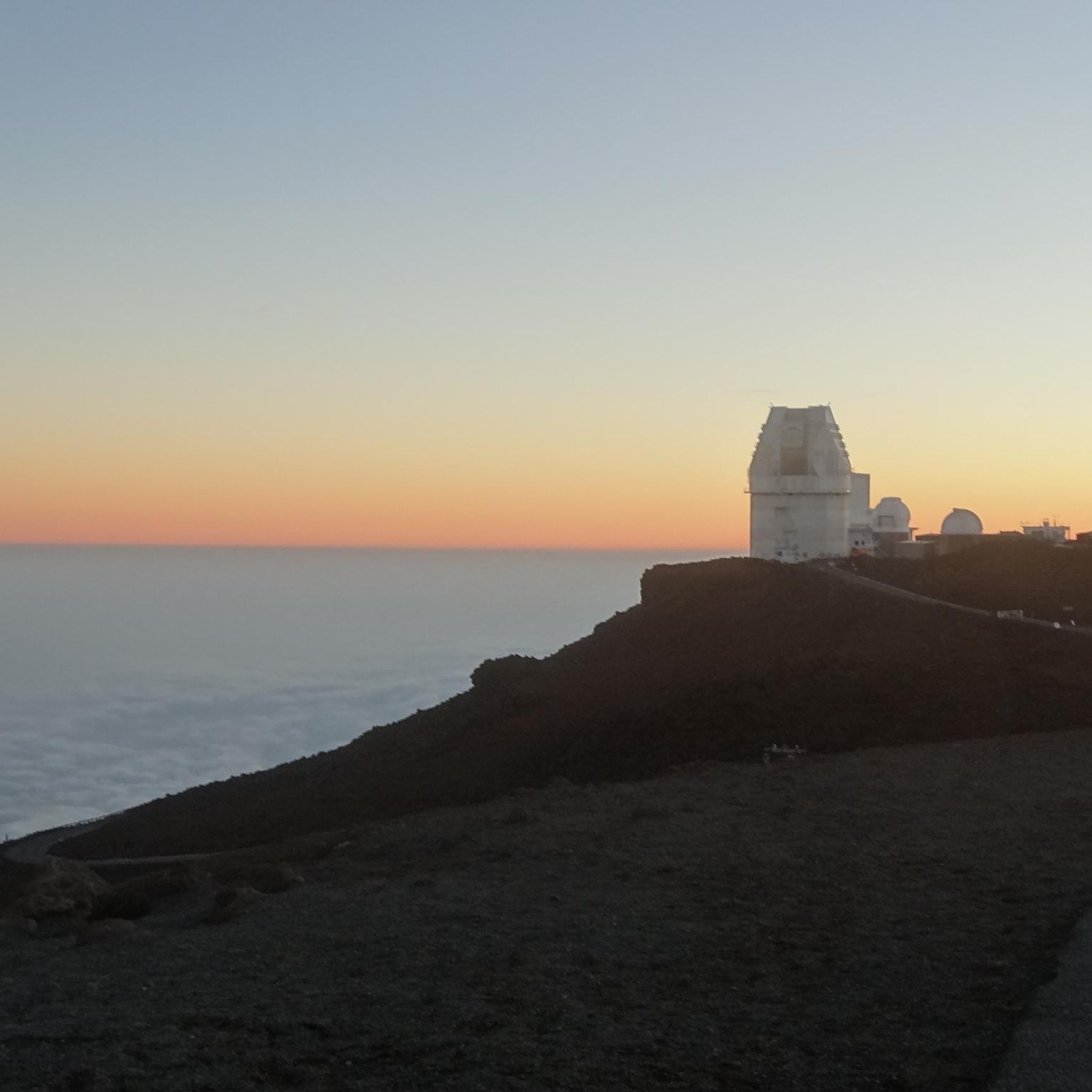
- Another must-see spot is Summit Building, a summit and viewpoint. This location provides expansive views above the clouds at an altitude of over 3,000 meters, with various hiking options available.
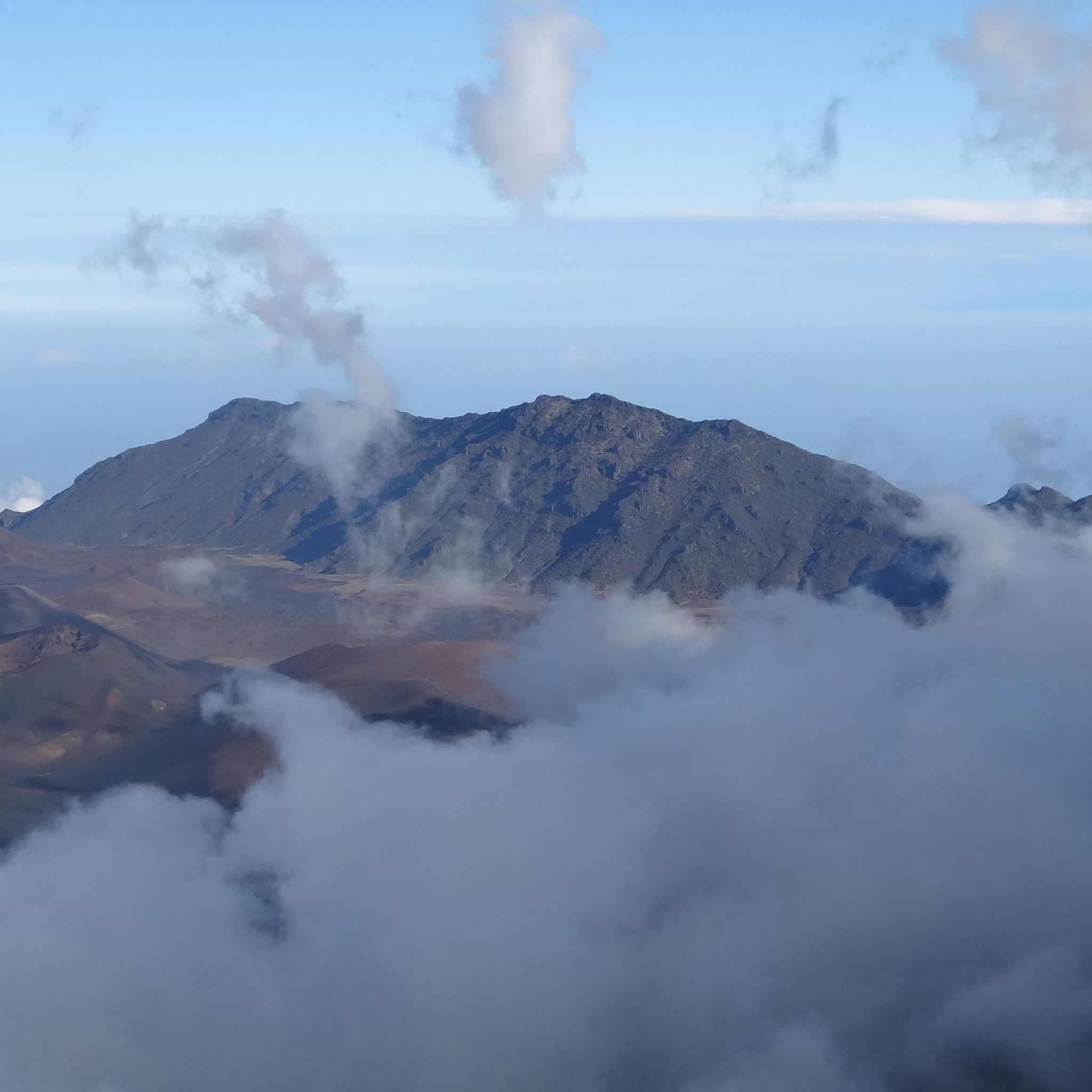
- Visitors also love Pā Ka'oao Overlook, a viewpoint near the Visitor Center. This overlook provides views of the crater and can be windy and cool.
- Maui County is known for its volcanic peaks, ancient shield volcano remnants, and diverse mountain trails. Visitors can explore a variety of mountain peaks, from high-altitude summits to lush ridge trails.
- The mountain peaks in Maui County are appreciated by the komoot community, with 14 upvotes and 42 photos shared across 5 highlights.
Last updated: October 13, 2026
Summit Building
Highlight • Summit
Translated by Google •
Tip by

Waihee Ridge Trail
Highlight • Trail
Translated by Google •
Tip by
Sign up now to discover places like this
Get recommendations on the best single tracks, peaks, & plenty of other exciting outdoor places.
Pā Ka'oao Overlook
Highlight • Viewpoint
Tip by

Haleakalā
Highlight • Volcano
Tip by

Haleakala Climb
Highlight (Segment) • Climb
Once you leave the city, you’ll begin your ride on Baldwin Avenue, which turns into Haleakala Avenue. Eventually, you will merge onto the Haleakalā Highway.
The first stretch of the highway is relatively gentle, with a slight gradient. On this small 6-mile stretch, you'll pass through the town of Kula and into Haleakala National Park.
Once you hop onto Crater Road, it’s another 22 miles to the top. You’ll pass some switchbacks and a long, steady hill before you reach the gate to the park entrance, where there is a $15 entrance fee for bikes. Once you enter the park, you'll reach the visitor center. This is your last chance to refill water bottles.
As you continue climbing, you'll break through a moon-like terrain and into the clouds, enjoying stunning views of the entire island of Maui, including the crater. On especially clear days, you can spot the peaks of Mauna Kea and Mauna Loa on the Big Island.
National Park Information: nps.gov/hale/planyourvisit/fees.htm
Tip by

Haleakalā Summit Parking and Restroom
Highlight • Parking
Translated by Google •
Tip by

Start today with a free account
Your next adventure awaits.



Tips from the Community

As always, it's good to have a decent parking lot and restroom facilities. There's a mini trail here with a view of the volcano.
0
0

The climb up Haleakala is both challenging and long, taking several hours to complete. Starting from sea level, you'll make your way up 10,000 feet over 36 miles of paved road to reach the summit of the Haleakala volcano. Once you leave the city, you’ll begin your ride on Baldwin Avenue, which turns into Haleakala Avenue. Eventually, you will merge onto the Haleakalā Highway. The first stretch of the highway is relatively gentle, with a slight gradient. On this small 6-mile stretch, you'll pass through the town of Kula and into Haleakala National Park. Once you hop onto Crater Road, it’s another 22 miles to the top. You’ll pass some switchbacks and a long, steady hill before you reach the gate to the park entrance, where there is a $15 entrance fee for bikes. Once you enter the park, you'll reach the visitor center. This is your last chance to refill water bottles. As you continue climbing, you'll break through a moon-like terrain and into the clouds, enjoying stunning views of the entire island of Maui, including the crater. On especially clear days, you can spot the peaks of Mauna Kea and Mauna Loa on the Big Island. National Park Information: https://www.nps.gov/hale/planyourvisit/fees.htm
0
0

This is a wonderful drive on an excellent road up to 3060 m altitude. We drove partly through clouds and short before the summit it cleared up and we got awarded with an outstanding view around the island.
0
0

Haleakalā's summit currently resides at 10,023 feet. It is believed that it once sat at 15k feet, but it is so heavy that the volcano is sinking into the earth's crust. Today, the volcano is 28,000 feet above the sea floor making it the THIRD tallest mountain on earth!
0
0
Haleakalā's summit currently resides ar 10,023-feet. It is believed that it once sat at 15k feet, but it is so heavy that the volcano is sinking into the earths crust. Today, the volcano is 28,000 feet above the sea floor making it the THIRD tallest mountain on earth!
0
0

This trail is located near the Visitor Center, and both of them are worth a visit. Breathtaking views of the crater!
1
0

Must see on Maui, if possible at sunrise. Don't forget to make a reservation.
4
1
Frequently Asked Questions
What are the most popular mountain peaks and trails in Maui County?
Among the most popular spots are the Waihee Ridge Trail, known for its scenic beauty and good views, especially when started early to avoid clouds. The Summit Building on Haleakalā offers expansive views above the clouds at over 3,000 meters. Another favorite is the Pā Ka'oao Overlook, providing breathtaking views of the Haleakalā crater.
What are the best hiking routes on Haleakalā?
Haleakalā National Park offers over 30 miles of trails. Popular options include the Sliding Sands Trail (Keoneheʻeheʻe Trail), which descends into the crater, revealing a Mars-like landscape with diverse colors and cinder cones. The Halemauʻu Trail is another excellent choice. For a different experience, the Pīpīwai Trail in the Kīpahulu District leads through bamboo forests and past waterfalls to the Pools of ʻOheʻo. You can find more hiking options in the Hiking in Maui County guide.
Are there easy hiking trails in Maui's mountains?
Yes, there are several easy trails. The Pīpīwai Trail, while leading to waterfalls, is generally considered easy. Within the West Maui Mountains, the ʻĪao Needle Lookout Trail and Ethnobotanical Loop in ʻĪao Valley State Monument is an accessible and easy option. The Haleakalā Summit Parking and Restroom area also has a mini trail with volcano views suitable for an easy walk.
What are the weather conditions like at Haleakalā summit, and what should I wear?
The summit of Haleakalā is at over 10,000 feet (3,055 m) and can be significantly colder and windier than sea level, even on a sunny day. Temperatures can drop below freezing, especially for sunrise or sunset viewing. It's crucial to dress in layers, including a warm jacket, hat, and gloves. Visitors to the Pā Ka'oao Overlook also report it being very windy and cool.
What kind of wildlife and unique plants can I see on Maui's mountain trails?
Haleakalā National Park is home to more endangered species than any other park in the National Park Service. You might spot the Nēnē (Hawaiian goose) and the endemic ʻāhinahina (Haleakalā silversword) plant. The West Maui Mountains, particularly the Puʻu Kukui Watershed Preserve, protect numerous rare and endemic plant species, including a miniature forest where native ʻōhiʻa trees grow only six inches tall, and provide habitat for native birds and the Hawaiian hoary bat.
What is the difference between hiking Haleakalā and the West Maui Mountains?
Hiking Haleakalā offers a dramatic, often lunar-like landscape, especially within its crater, with high-altitude trails and opportunities for sunrise, sunset, and stargazing. The West Maui Mountains (Mauna Kahalawai) present a contrasting experience with lush, verdant rainforests, deep valleys, and numerous waterfalls, due to being one of the wettest places on Earth. Haleakalā is known for its volcanic features, while the West Maui Mountains are remnants of an ancient, heavily eroded shield volcano, offering a more tropical hiking environment.
Are there family-friendly mountain activities in Maui County?
Yes, several areas are suitable for families. The Haleakalā Summit Parking and Restroom area offers facilities and a short trail with views. The ʻĪao Needle Lookout Trail and Ethnobotanical Loop in ʻĪao Valley State Monument is an easy, accessible trail perfect for families. The Pools of ʻOheʻo (Seven Sacred Pools) in Haleakalā's Kīpahulu District also offer a beautiful, family-friendly destination.
What other outdoor activities can I do near these mountain peaks?
Beyond hiking, Maui County offers diverse outdoor activities. Road cycling is popular, with challenging routes like the Paia to Haleakalā (Cycle to the Sun), which is a long and challenging climb. The Haleakala Climb is a notable cycling challenge. There are also numerous waterfall hikes, such as the Pua'a Ka'a Falls Trail, offering refreshing experiences.
When is the best time to visit Maui's mountains for hiking?
Maui generally has pleasant weather year-round, but for mountain hiking, the dry season from April to October often offers clearer skies and less rain, especially for areas like Haleakalā. However, the West Maui Mountains, being a rainforest, can experience rain at any time. For trails like the Waihee Ridge Trail, starting early in the morning is recommended to avoid clouds and enjoy the best views, regardless of the season.
Where can I find parking for attractions like ʻĪao Valley State Monument?
ʻĪao Valley State Monument, located within the West Maui Mountains, has dedicated parking facilities. It's advisable to arrive early, especially during peak tourist seasons, as parking lots can fill up quickly. For Haleakalā, the Haleakalā Summit Parking and Restroom provides convenient access to the summit area and viewpoints.
What are the unique geological features of Maui County's mountain peaks?
Maui County's peaks are dominated by two main geological formations: the East Maui Volcano (Haleakalā) and the West Maui Mountains (Mauna Kahalawai). Haleakalā is a massive, active shield volcano forming over 75% of Maui, featuring a dramatic crater and lunar-like landscapes. Mauna Kahalawai is the remnant of an ancient, heavily eroded shield volcano, characterized by narrow ridges, steep slopes, and deep valleys sculpted by significant stream erosion, creating diverse microclimates.
What do visitors enjoy most about the mountain peaks in Maui County?
Visitors frequently praise the breathtaking views, especially the sunrises and sunsets from Haleakalā's summit, often described as being 'above the clouds.' The unique landscapes, from Haleakalā's volcanic crater to the lush rainforests of the West Maui Mountains, are highly appreciated. Many also enjoy the diverse hiking opportunities and the chance to spot unique Hawaiian wildlife and plants. The Waihee Ridge Trail is particularly noted for its scenic beauty.
Most popular routes in Maui County
Most popular attractions in Maui County

Get inspired with the komoot mobile app


Didn’t find what you were looking for?
Discover Maui County’s best peaks and summits by region:
Explore more
See even more amazing summits in Maui County with these guides:
