Top 5 Castles around Sierra de Albarracín
Best castles around Sierra de Albarracín are found in a region known for its rich history and strategic importance. This area features a landscape characterized by rocky outcrops and valleys, providing natural defensive positions for its numerous fortifications. The Sierra de Albarracín offers a glimpse into medieval military architecture and historical settlements, with many structures dating back to Islamic periods. Its unique reddish sandstone formations contribute to the distinct appearance of some of its castles.
Best castles around Sierra de…
Last updated: October 13, 2026
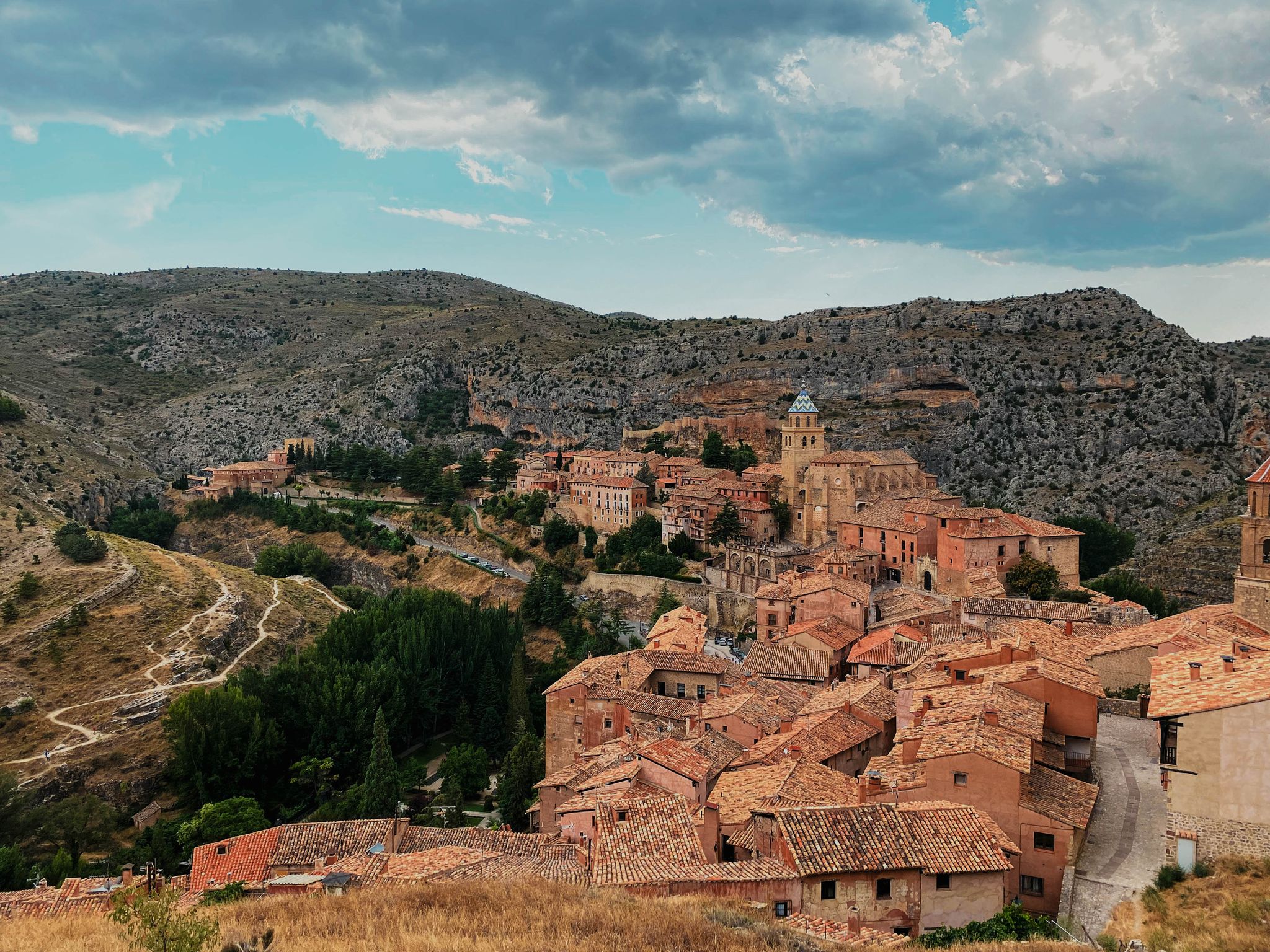
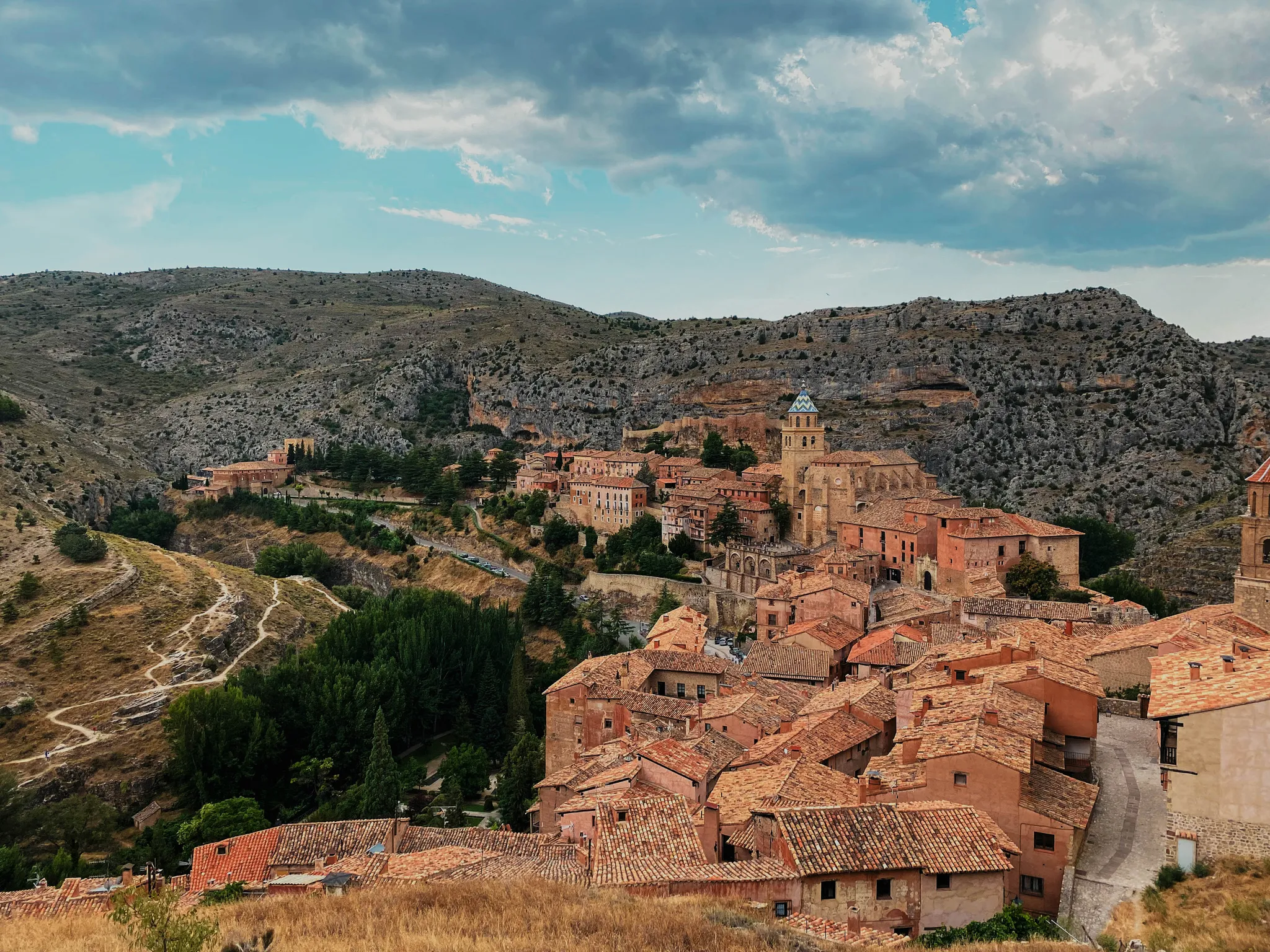
Albarracín Old Town
Highlight • Settlement
Translated by Google •
Tip by

Historic Town of Albarracín
Highlight • Historical Site
Showing Translation
Tip by

Sign up now to discover places like this
Get recommendations on the best single tracks, peaks, & plenty of other exciting outdoor places.
Doña Blanca Tower
Highlight • Castle
Translated by Google •
Tip by
Peracense Castle
Highlight • Castle
Translated by Google •
Tip by
Castillo de los Ares
Highlight • Castle
Tip by

Start today with a free account
Your next adventure awaits.
Popular around Sierra de Albarracín
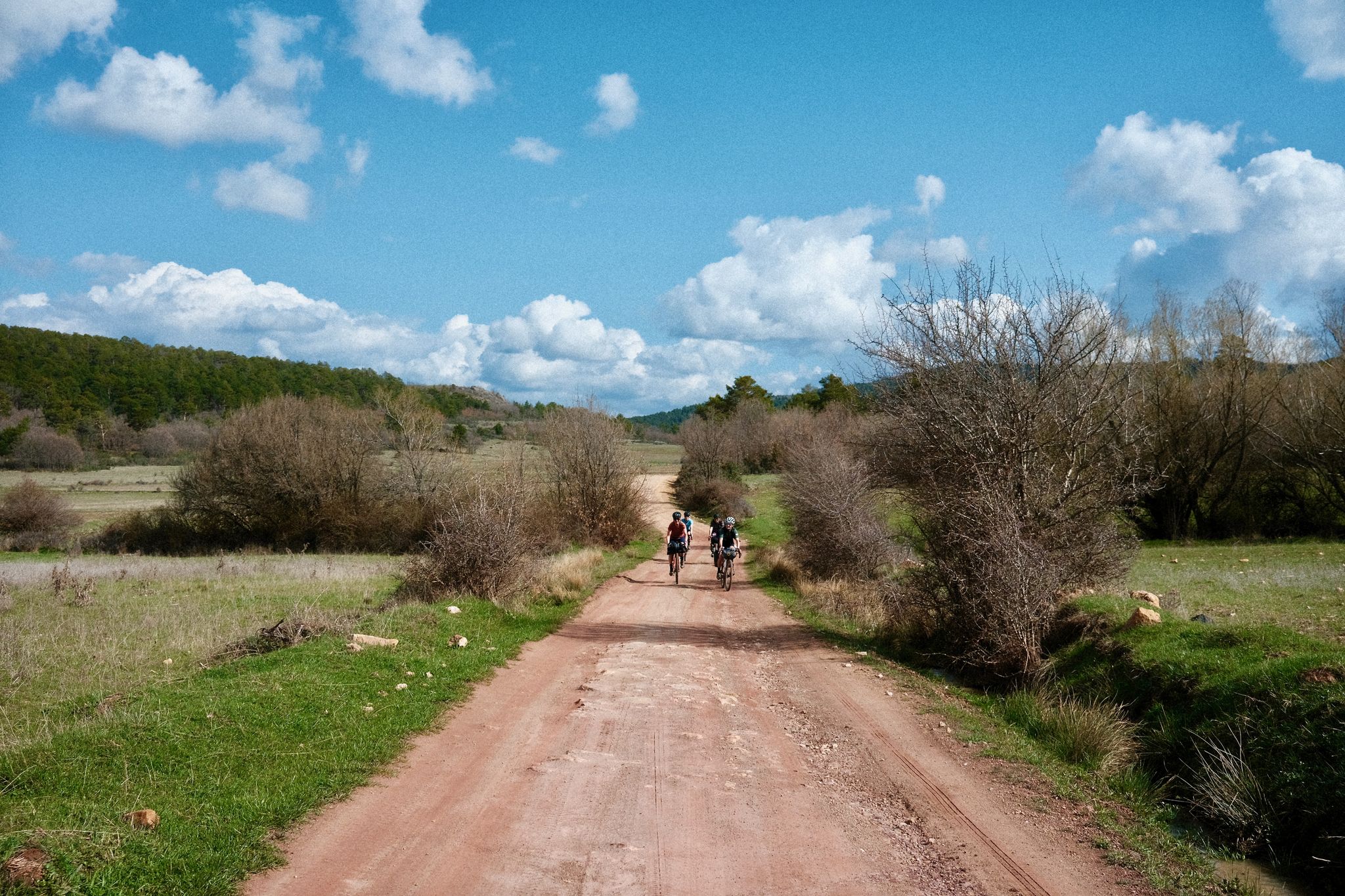
Women's Montañas Vacías 2022 — bikepack in rural Spain
MontañasVacías official — bikepacking across the Spanish Lapland
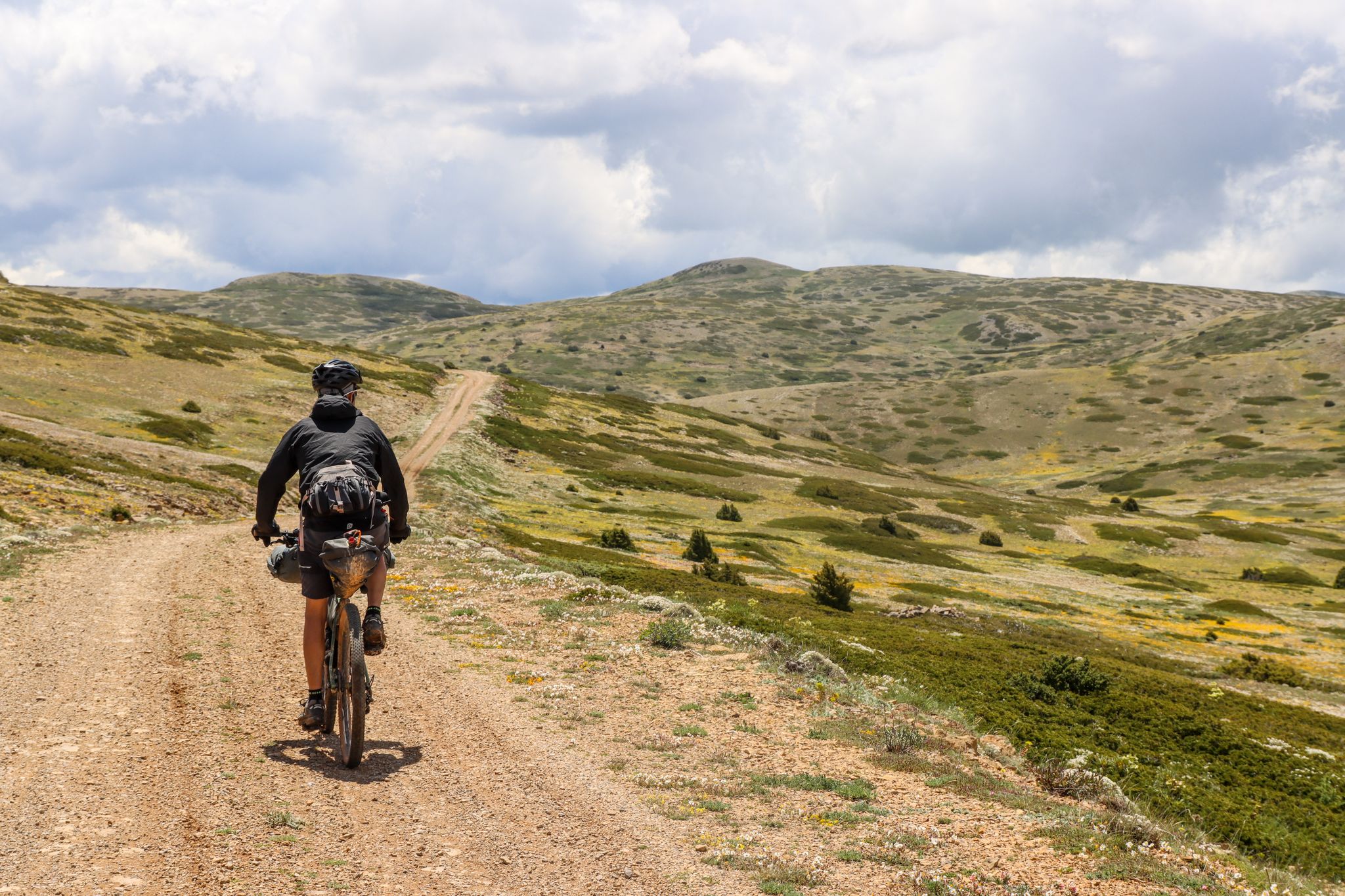
Montañas Vacías — bikepacking the wild and remote 'Empty Mountains'
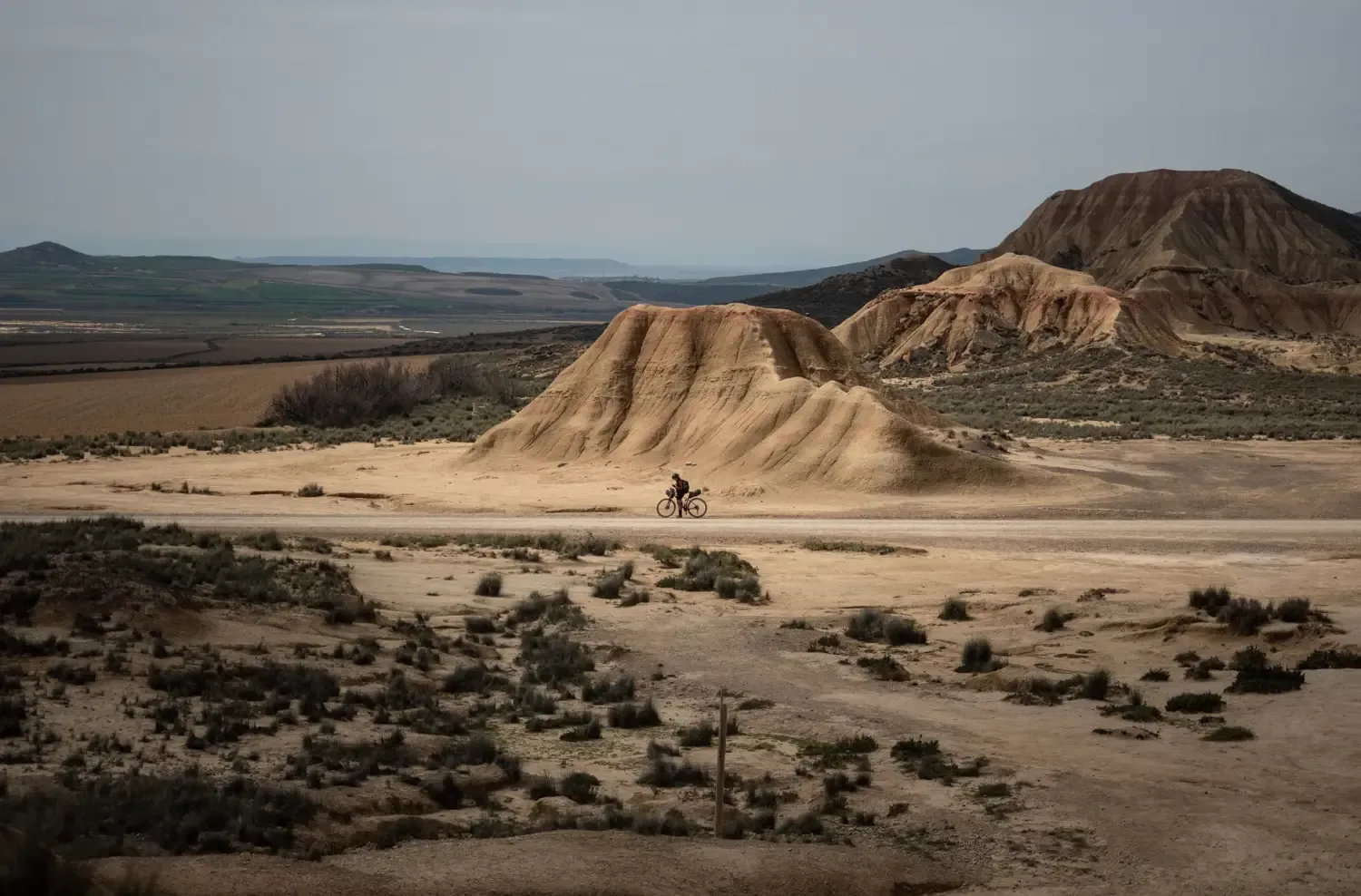
9 mountain biking routes in undiscovered Spain
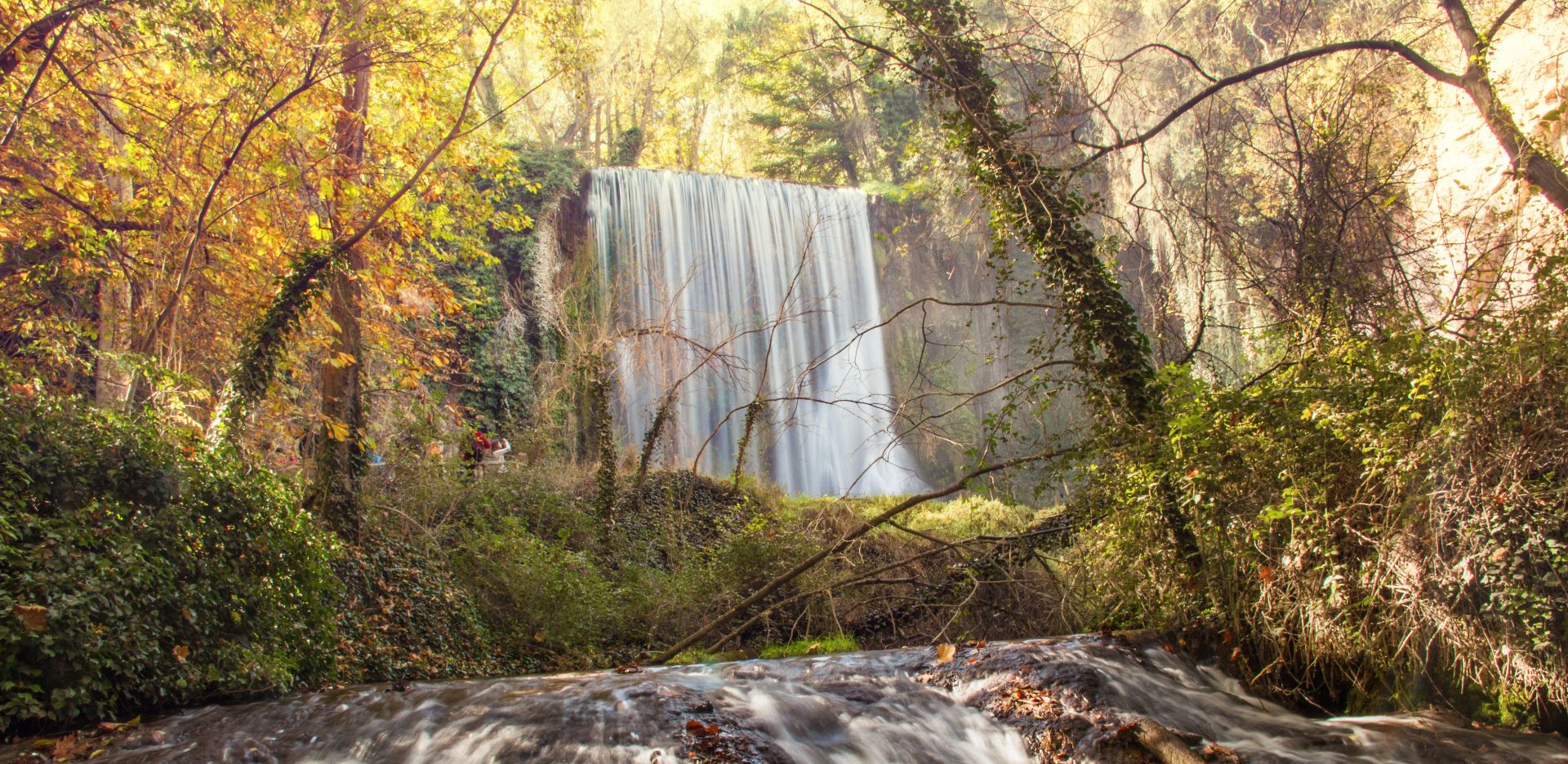
Landscapes of water and rock – Spain’s Jalón and Jiloca Trail (GR 24)
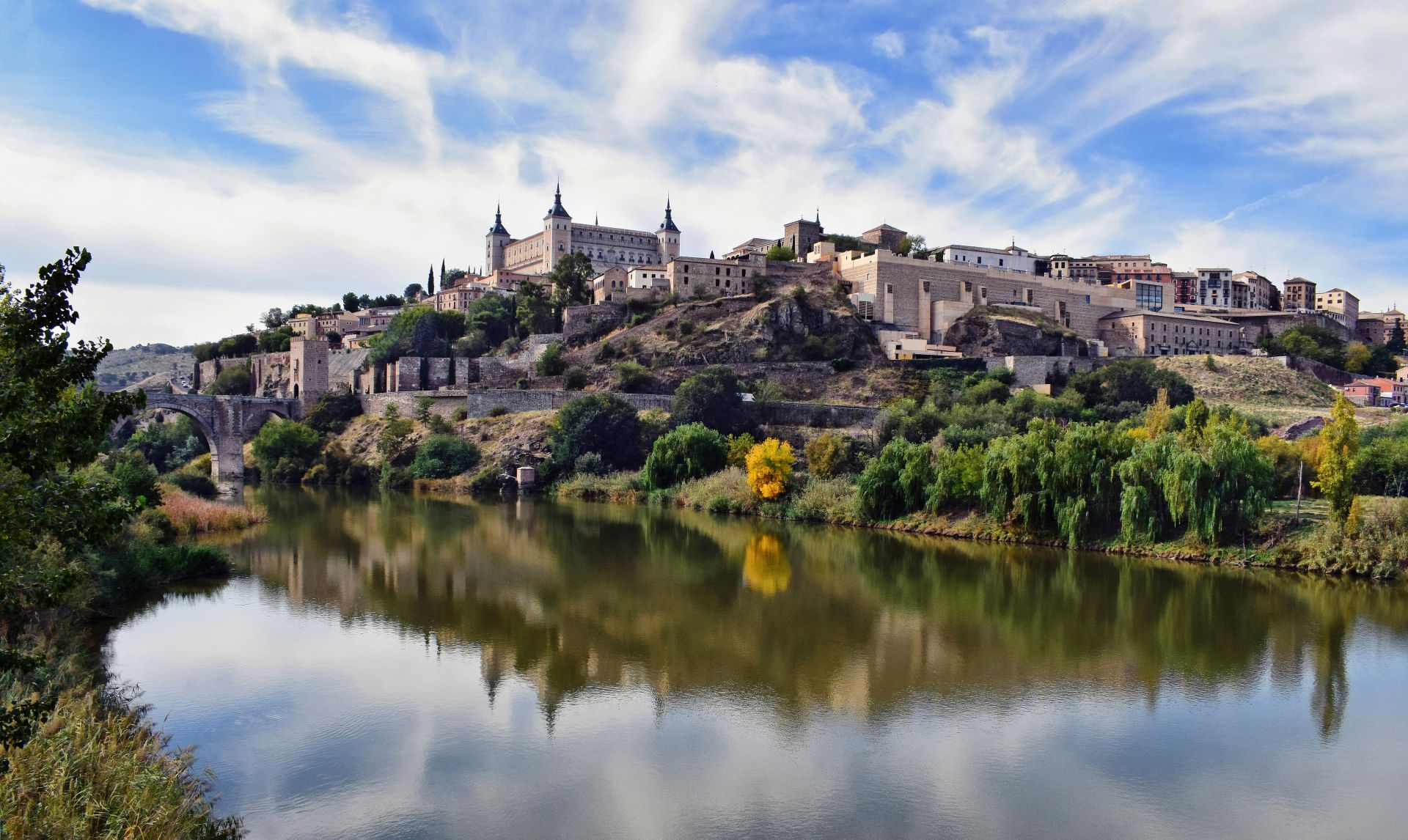
Albarracín to Toledo – Eastern Tagus Nature Trail
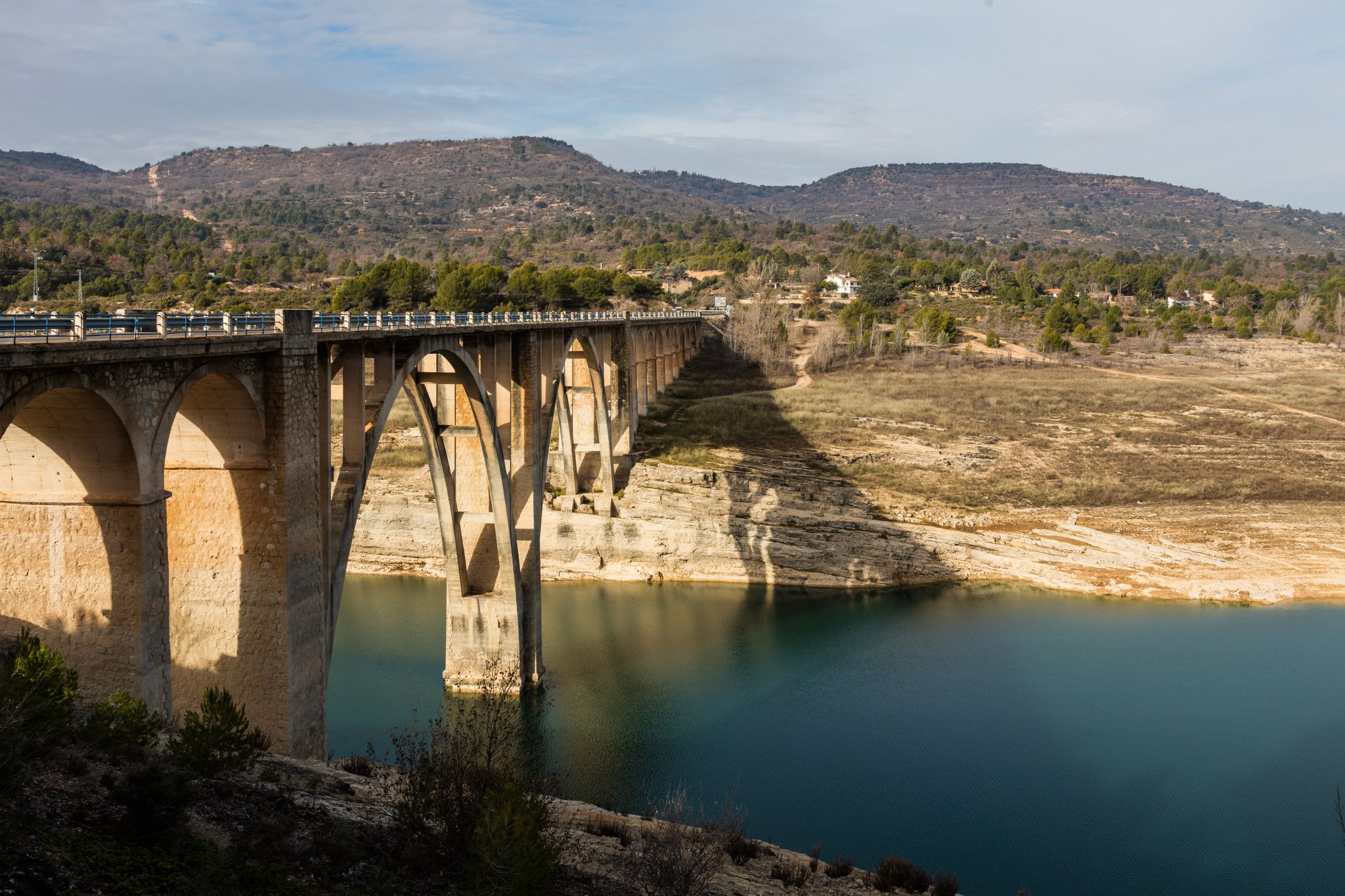
A journey on the Iberian Peninsula – Tagus Nature Trail
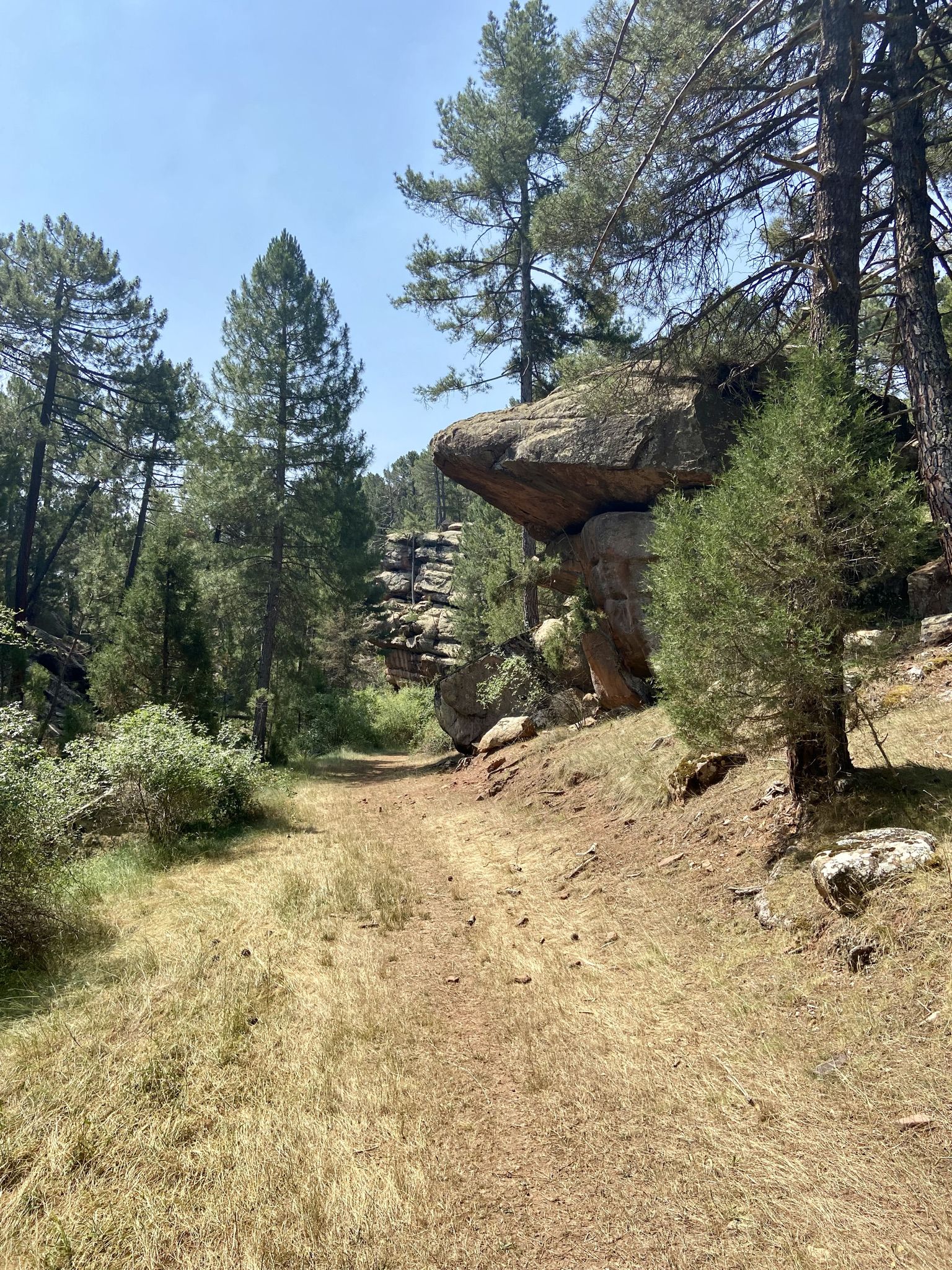
Nature in its purest form – bikepacking in the Sierra de Albarracín
The Three Taifas by gravel bike – El Camino del Cid
The Way of El Cid by bike – The Three Taifas
Other adventures around Sierra de Albarracín


Tips from the Community

Al.barracín, a spectacular old "pink" village with 1050 inhabitants, is located at an altitude of 1182 m, with beautiful views of the Río Guadalaviar. The village is located in the province of Teruel (southern Aragón), 37 km northwest of Teruel, the city of Mudéjar architecture. It is surrounded by an impressive landscape of mountain massifs of the Sierra de Albarracín.
13
0

Beautiful place, the village, the castle, the church, everything!
0
1

A very picturesque old town, dating back to the first millennium BC. Its eventful history is reflected in its cityscape. Until the mid-19th century, it was even a bishopric. Defense has always been of paramount importance to this town. To protect itself from attackers, the town was built on a hill and is thus surrounded by a naturally formed moat. This defensive function is still omnipresent today, evident in the oversized city walls. However, the town's growth apparently could not keep pace with the expansion of the city walls. Today, despite the picturesque townscape and the beautiful surroundings, the population has been declining for years.
5
0

Albarracín is a fascinating place to discover! Albarracín has its roots in the Iron Age, but it was during the Muslim period that it began to take its current form. The name comes from the Berber family of the Banu Razin. The town is surrounded by walls dating back to the 11th century, offering stunning views of the surrounding valley. The Torre del Andador and the Catedral del Salvador are two of the most prominent monuments. The cathedral, built in the 16th century, combines Gothic and Renaissance elements. The region offers a spectacular natural environment, ideal for outdoor activities such as hiking, mountain biking and running. ⛪😍😎🚶♀️🌄🚴🌺🌒🐶
15
1
It is known for its characteristic reddish colour, the result of the use of local rodeno stone in its construction. This castle, one of the best preserved in Aragon, is located in a strategic position on a rock formation, which gives it spectacular views of the surroundings, especially the Jiloca valley. Its history dates back to the Bronze Age, although the current structure dates from the 12th to the 14th centuries.
7
0
This picturesque medieval town, located in the province of Teruel, is transformed when the sun goes down. The cobbled streets and houses with whimsical architecture take on a special charm under the light of the moon and the street lamps. Walking through Albarracín at night is like travelling back in time. The historical monuments, such as the Cathedral and the walls, are illuminated, creating a magical and romantic atmosphere. In addition, during the summer months, you can enjoy guided night tours like the one we do that allow you to discover the secrets and legends of this charming place. A visit is totally recommended. 🚶♀️🌒😊
24
0
The castle sits on a rock formation of rodeno, which gives it spectacular views of the surroundings, especially the Jiloca valley. Its history dates back to the Bronze Age, and it has been an important fortress during the Muslim period and the Middle Ages.
6
0
Built in the 13th century, this watchtower tower stands on a rocky promontory, reaching a height of 18 metres. Its thick masonry walls and its door raised more than eight metres from the ground outside made it practically inaccessible, thus guaranteeing its defensive function. In the 17th century, the tower lost its defensive function and was given to the nearby Dominican convent, which used it as a library. However, with the disappearance of the convent, the tower remained in ruins until it was restored in 2001 by the Santa María de Albarracín Foundation. Today, the tower has been converted into a space for art exhibitions and offers stunning views of Albarracín and its surroundings.
27
0
Frequently Asked Questions
What are some historically significant castles in the Sierra de Albarracín region?
The region is rich in history, with several castles showcasing its past. The Albarracín Old Town and its associated fortress, the Castillo de Albarracín, are deeply linked to the town's Islamic origins, dating back to the 10th century. Peracense Castle, built in the 13th century, played a crucial role in defending the border between the kingdoms of Castile and Aragon. Castillo de Santa Croche, dating back to at least 1186, served as an advanced defensive outpost for Albarracín.
Which castles offer the best panoramic views?
For exceptional panoramic views, the Castillo de Albarracín, located within the Albarracín Old Town, provides stunning vistas of Albarracín and the Guadalaviar valley. Peracense Castle also offers impressive views of the surrounding area, including Monreal del Campo and other towns, with the best overall views from San Ginés Hill. The Doña Blanca Tower, a former watchtower, has been converted into an exhibition space and offers stunning views of Albarracín and its surroundings.
Are there family-friendly castles to visit in Sierra de Albarracín?
Visiting the castles in Sierra de Albarracín can be a great family activity. Exploring the Albarracín Old Town and its walls offers a journey back to the Middle Ages, which can be engaging for all ages. Peracense Castle, with its unique natural setting and reddish hue, provides an impressive backdrop for exploration. Many castles are open for visitors to walk around and imagine their historical significance.
Can I bring my dog to the castles or nearby trails?
While specific rules for dogs inside castle structures may vary, the Historic Town of Albarracín and its surrounding natural environment are generally welcoming to dogs, especially on outdoor trails. Many visitors enjoy walking through Albarracín with their pets. It's always advisable to keep dogs on a leash and clean up after them. For hiking trails, you can explore options like those found in the Hiking around Sierra de Albarracín guide, which often accommodate dogs.
What kind of natural features can I expect to see around the castles?
The castles in Sierra de Albarracín are often integrated with the region's unique natural landscape. You'll find them perched on rocky outcrops and within valleys, utilizing the natural topography for defense. The area is known for its reddish sandstone formations, particularly visible at Peracense Castle and Castillo de Santa Croche, which blend seamlessly with the landscape. The Guadalaviar valley, visible from many castle viewpoints, adds to the scenic beauty.
Are there hiking or outdoor activities near the castles?
Yes, the Sierra de Albarracín region offers numerous outdoor activities. You can find various hiking trails, such as the 'Ravine of La Hoz from Calomarde' or the 'Guadalaviar Riverside Walk', which are detailed in the Hiking around Sierra de Albarracín guide. For mountain biking enthusiasts, there are trails like the 'Bronchales Sierra Alta' loop, available in the MTB Trails around Sierra de Albarracín guide. Many of these routes offer views of the historical landscape and are easily accessible from the castle areas.
What is the best time of year to visit the castles in Sierra de Albarracín?
The Sierra de Albarracín region can be enjoyed throughout the year, but spring and autumn generally offer the most pleasant weather for exploring the castles and surrounding areas. During these seasons, temperatures are mild, and the natural scenery is vibrant. Summer can be warm, making early mornings or late afternoons ideal for visits. Winter offers a unique, quieter experience, though some facilities or access might be limited by weather conditions.
How long does it typically take to visit the main castles?
The time required to visit each castle varies. For the Albarracín Old Town and its castle, you could easily spend half a day or a full day exploring the town, its walls, and the castle museum. Peracense Castle might take 1-2 hours to explore thoroughly. Castillo de Santa Croche, being more ruinous, could be a shorter visit of about an hour, often combined with other nearby sights. Plan for travel time between locations.
Are there any lesser-known or 'hidden gem' castles worth exploring?
While Peracense Castle is well-regarded, it is sometimes considered a lesser-known gem compared to more famous Spanish castles, distinguished by its unique natural setting and reddish hue. The Castillo de Santa Croche, though in progressive ruin, offers a suggestive glimpse into medieval fortifications and wide views of the Guadalaviar valley, making it a worthwhile stop for history enthusiasts looking for a quieter experience.
Where can I find parking when visiting the castles?
For the castles within or near Albarracín, such as the Castillo de Albarracín and the Doña Blanca Tower, parking is typically available at the entrances to the Albarracín Old Town, often just outside the historic center. For Castillo de Santa Croche, parking is conveniently available near the site, easily accessible from the road. Peracense Castle also has designated parking areas for visitors.
What makes the architecture of the Sierra de Albarracín castles unique?
The castles in Sierra de Albarracín are unique due to their integration with the natural landscape and the materials used. Many, like Peracense Castle and Castillo de Santa Croche, are built predominantly from local reddish 'rodeno' sandstone, which gives them a distinctive color and allows them to blend with the environment. Their designs often leverage natural topography for defense, featuring irregular layouts, concentric enclosures, and strategic tower placements, reflecting centuries of military architecture from Islamic to Christian periods.
Are there any cafes or amenities near the castles?
The Albarracín Old Town, being a vibrant historic settlement, offers numerous cafes, restaurants, and accommodation options within easy walking distance of its castle and other historical sites. For castles like Peracense Castle and Castillo de Santa Croche, which are more isolated, amenities might be limited directly at the site. However, nearby villages and towns will provide dining and refreshment options.
Most popular routes around Sierra de Albarracín
Most popular attractions around Sierra de Albarracín

Get inspired with the komoot mobile app


Didn’t find what you were looking for?
Explore Sierra de Albarracín’s best castles region by region:
Explore more
Looking for the best castles somewhere else? Discover other guides around Sierra de Albarracín:
