Top 8 Castles around Hoya De Huesca
Best castles around Hoya De Huesca are found in a region rich in history and natural beauty, located in Aragon, Spain. This area is characterized by its medieval castles, strategic promontories, and diverse landscapes ranging from plains to mountain ranges. The castles here served significant military and religious roles, particularly during the Christian Reconquest. Visitors can explore well-preserved Romanesque architecture and ruins offering panoramic views of the surrounding terrain.
Best castles around Hoya De Huesca
- The most popular castles is…
Last updated: August 20, 2026
Loarre Castle
Highlight • Castle
Translated by Google •
Tip by

Montearagón Castle
Highlight • Castle
Translated by Google •
Tip by

Sign up now to discover places like this
Get recommendations on the best single tracks, peaks, & plenty of other exciting outdoor places.
Sign up for free
Marcuello Castle
Highlight • Castle
Translated by Google •
Tip by

Marcuello Castle and Hermitages
Highlight • Castle
Translated by Google •
Tip by

Almudévar
Highlight • Settlement
The origins of Almudévar date back to pre-Roman times, when Basques lived there. …
Translated by Google •
Tip by
Castillo de Sen
Highlight • Castle
Translated by Google •
Tip by

Novales
Highlight • Settlement
Located on an elevation of land next to the Guatizalema …
Translated by Google •
Tip by
Blecua Village and Historical Sites
Highlight • Settlement
Translated by Google •
Tip by

Vulture Viewpoint (Mirador de los Buitres)
Highlight • Viewpoint
Translated by Google •
Tip by

Start today with a free account
Your next adventure awaits.
Login or Signup
Popular around Hoya De Huesca
In the footsteps of the Roman road - GR 95
Hiking between geology and history – GR1 in Aragón
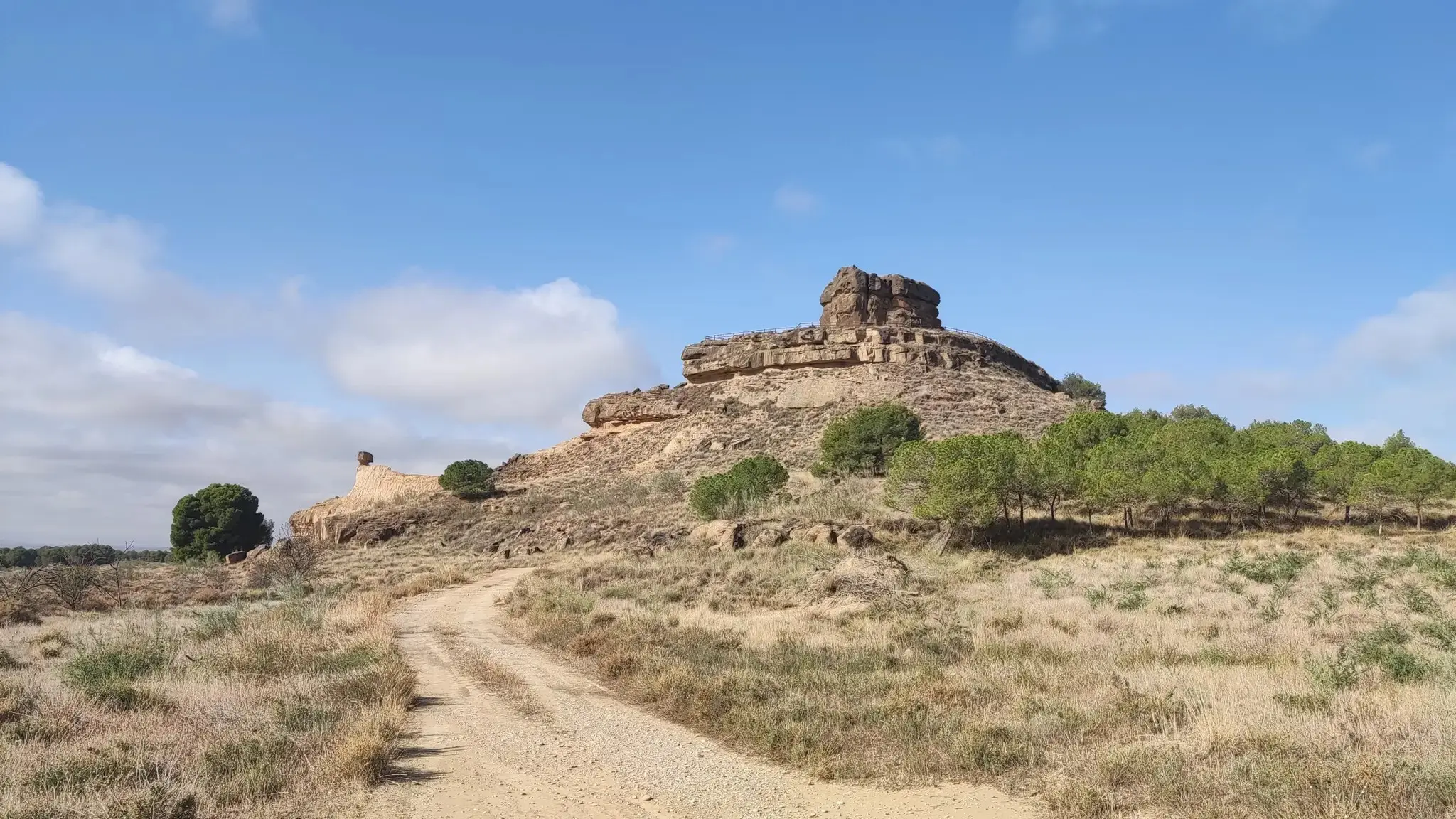
Rock formations, deserts and lagoons - Gravel round in Aragon
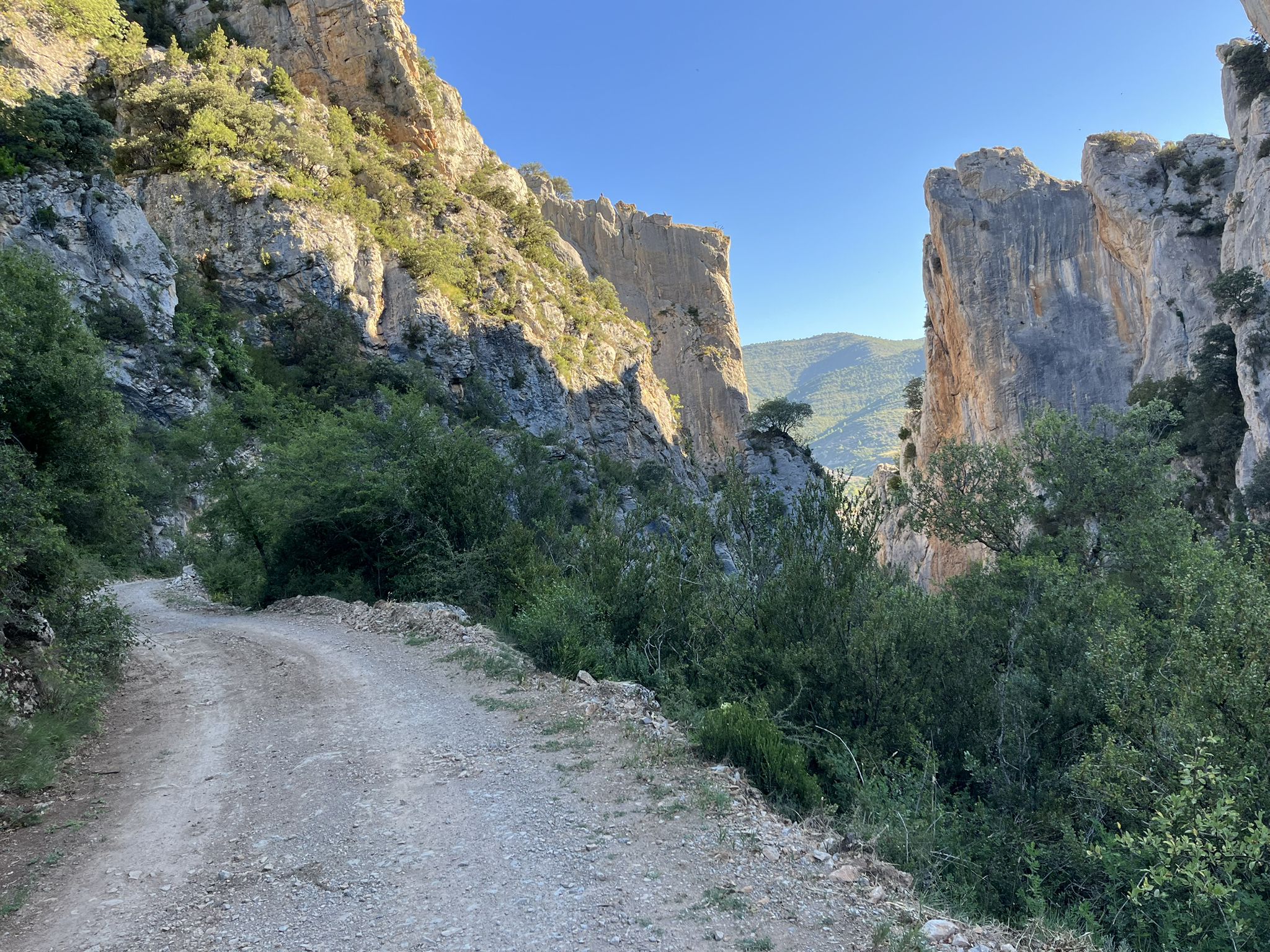
La Esperanza — The Road Of Hope
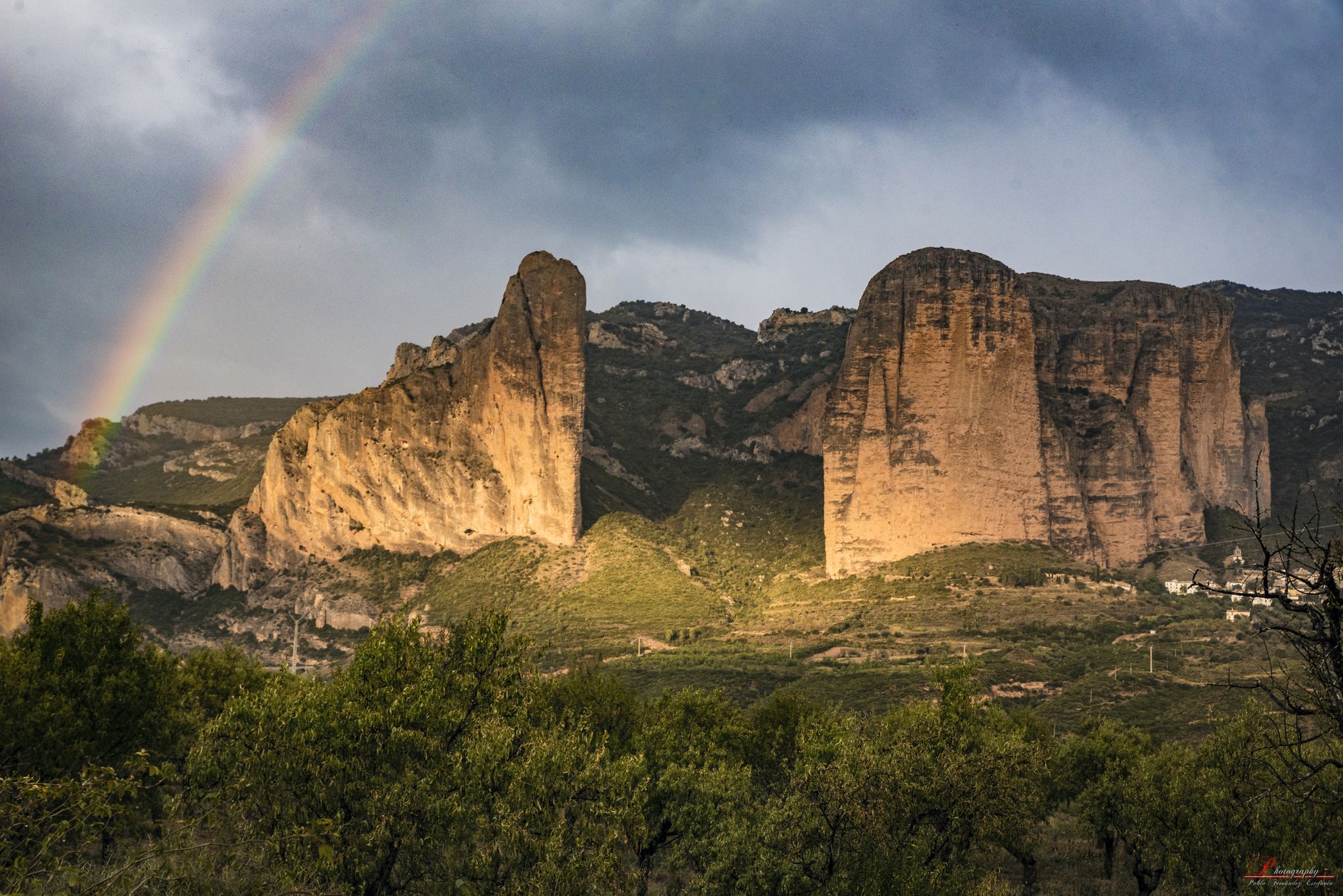
Medieval and natural treasures — Cycling in the Pre-Pyrenees
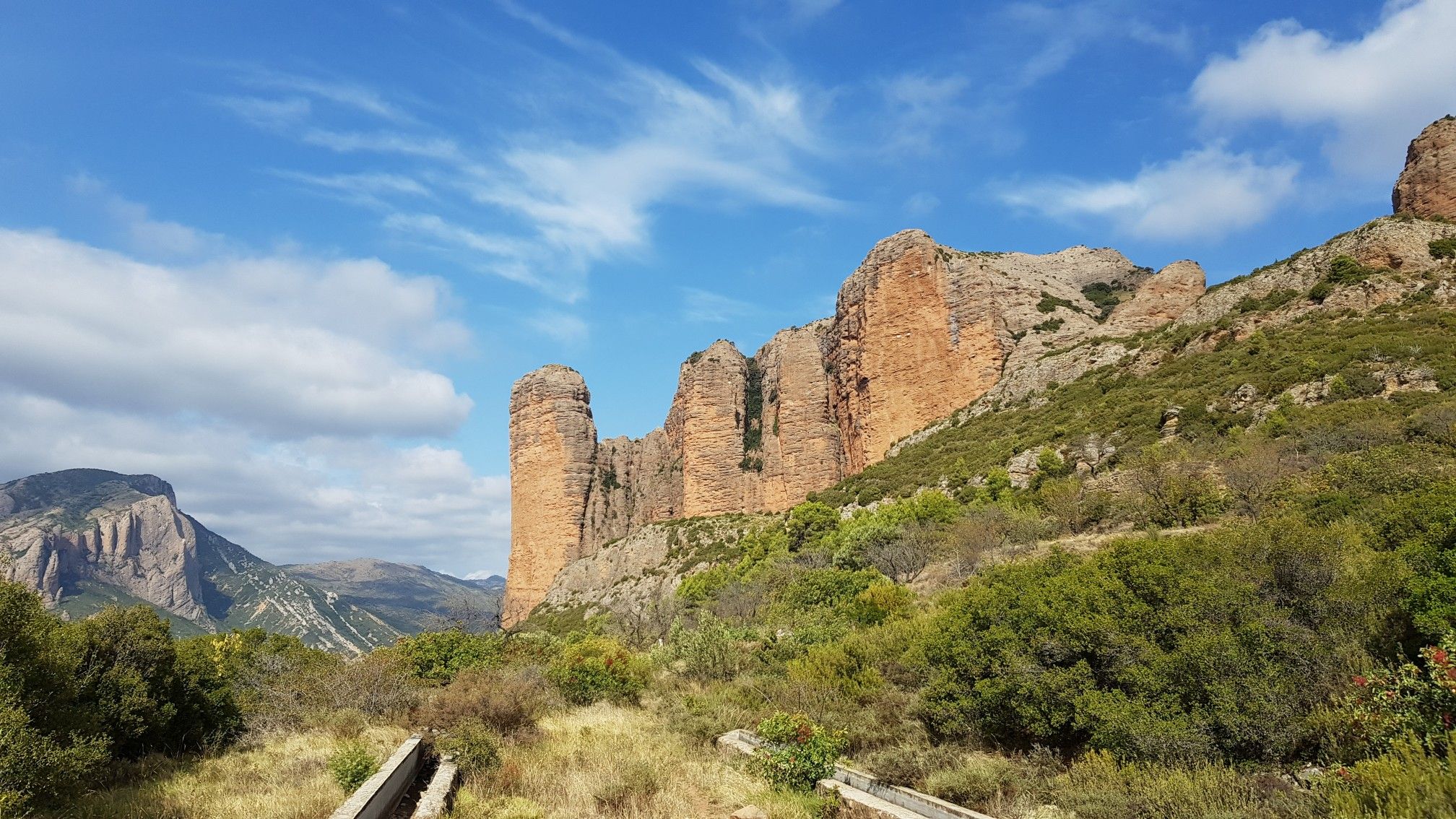
Monumental landscapes and culture — the Pre-Pyrenees by MTB
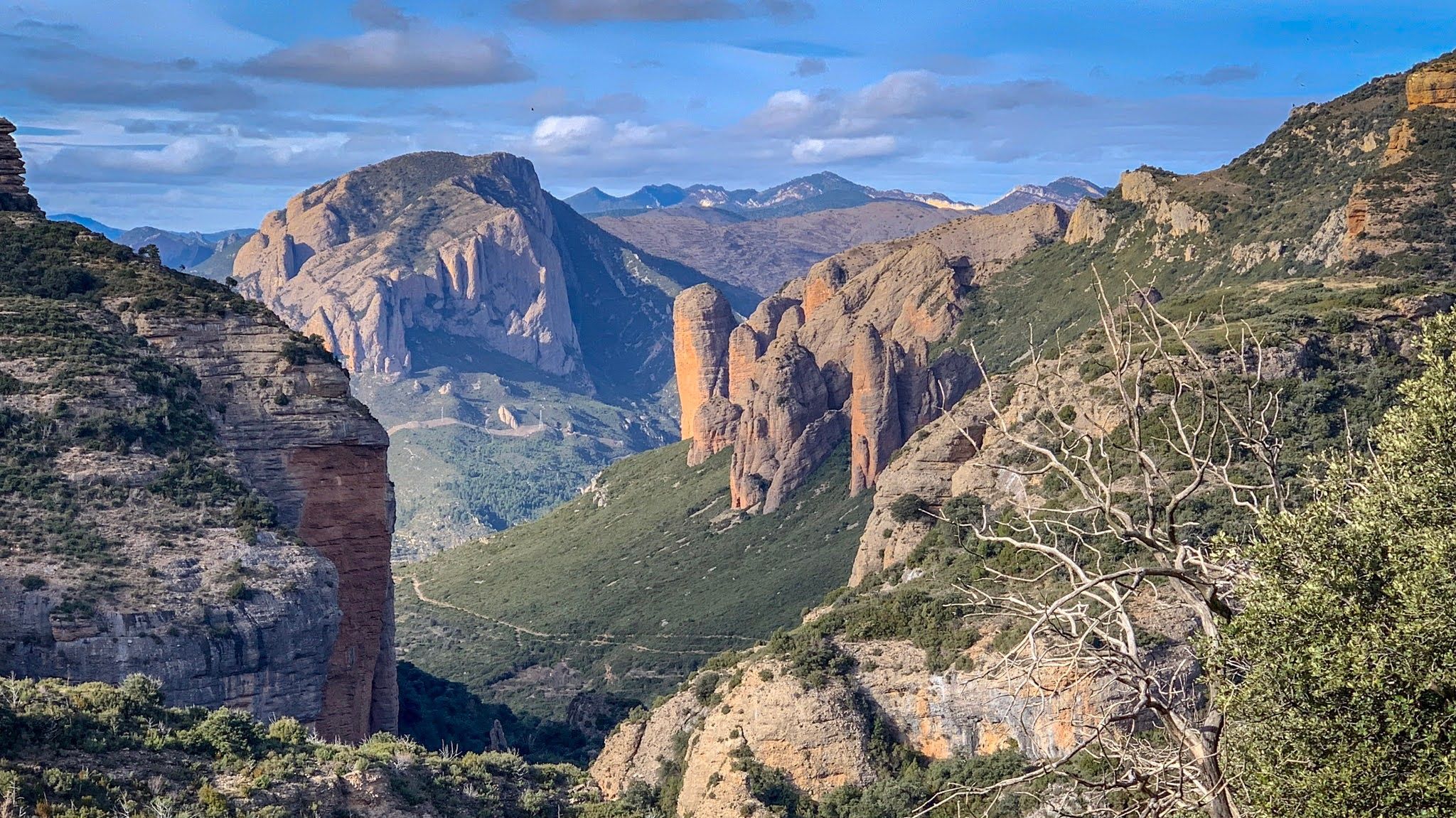
Gravel and geology – Huesca Valley nature trail
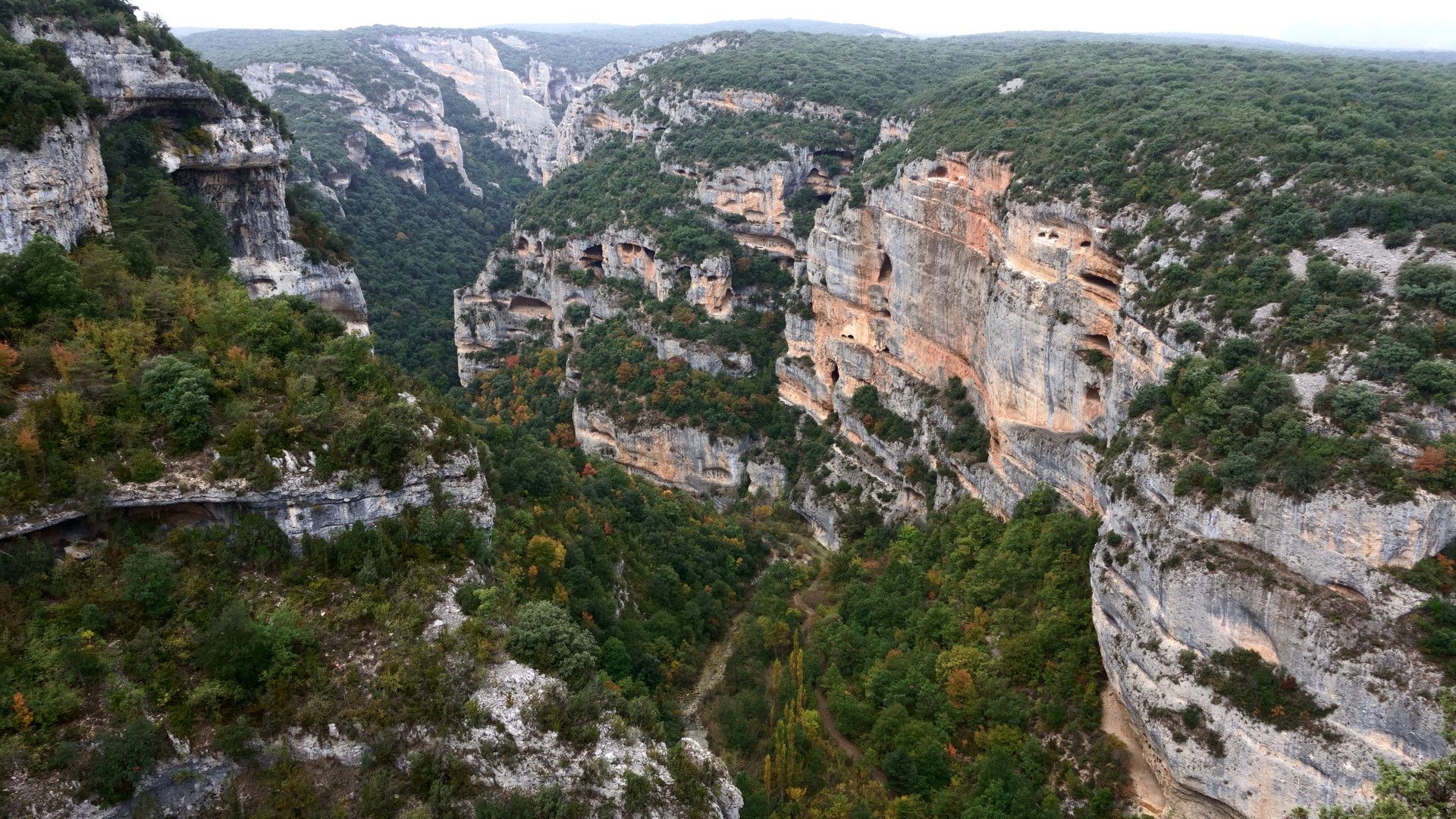
Trails and paths – Sierra de Guara and Biello Sobrarbe
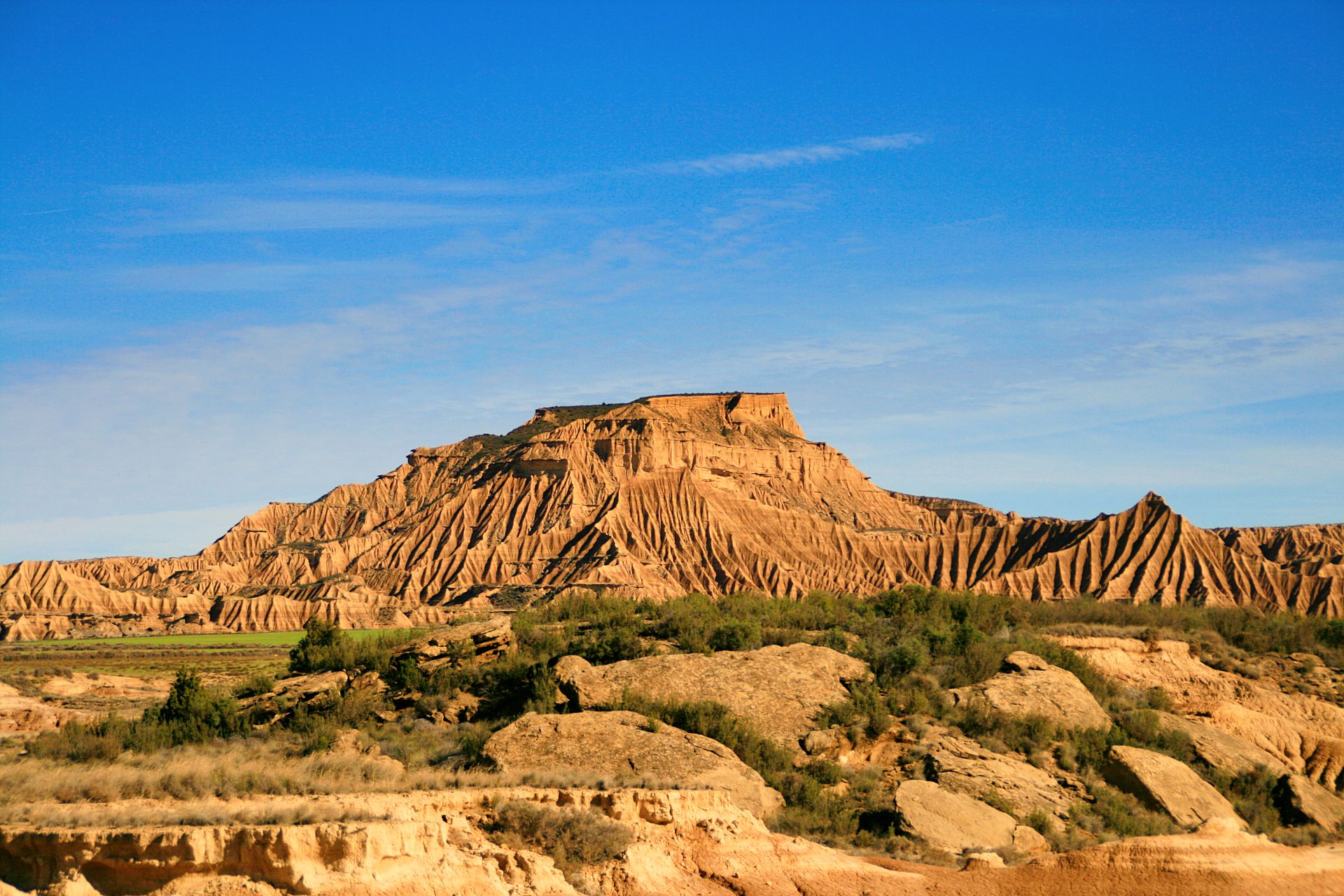
Spain’s Wild West – Sierra de Guara to the Bardenas
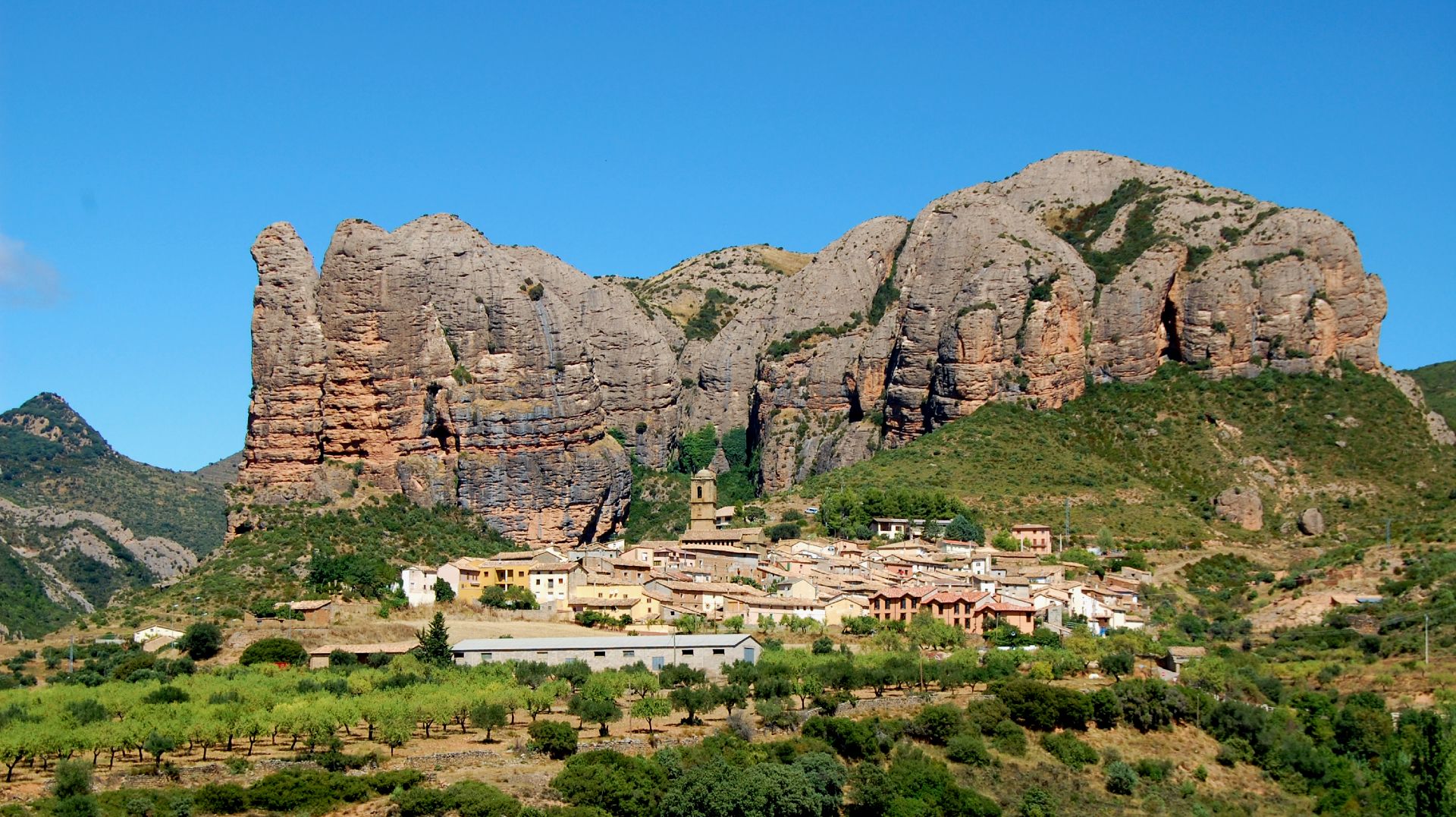
Land of rock and water – Sendero Histórico en Aragón
Other adventures around Hoya De Huesca


Tips from the Community

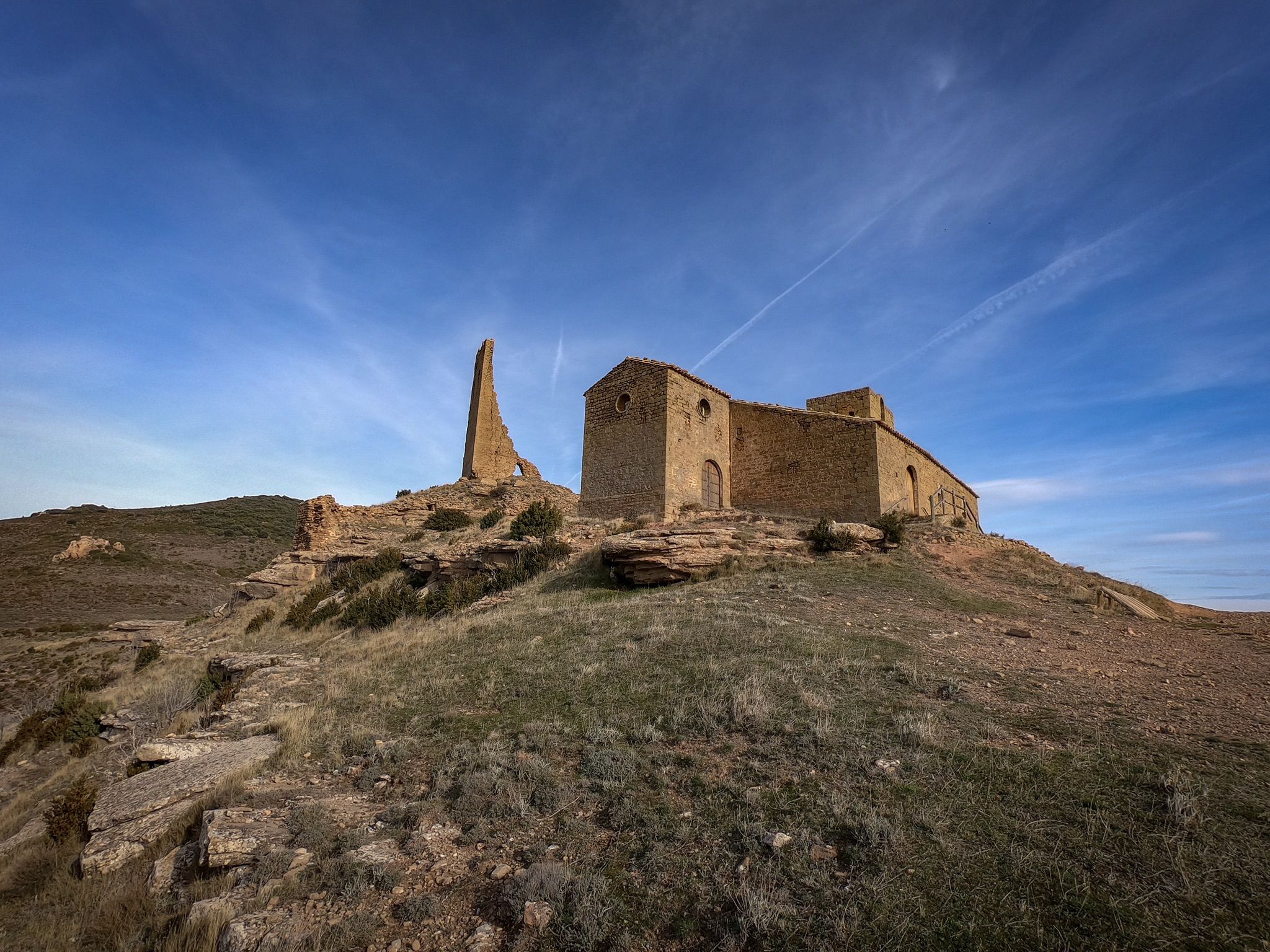
The castle contains elements of Romanesque architecture and has Bien de Interés Cultural status, which indicates its importance to the Spanish architectural heritage.
2
0

Located in the Marcuello Castle, it offers magnificent views of the area. It is also possible to see an abundant colony of vultures.
0
0

Loarre Castle or Loarre Abbey Castle (in Aragonese castiello de Lobarre) is a Romanesque castle located in the province of Huesca, Aragon, Spain. It was built in the 11th century and is in a good state of preservation, making it one of the best examples of Romanesque military and civil architecture in Spain. The castle sits on a limestone promontory that it uses as a foundation. This was a great defensive advantage, since the walls could not be mined (a common technique in the siege of fortresses, which consisted of building a tunnel under the wall and then collapsing it to open a breach through which to attack). It is also surrounded by a wall with towers. The castle is in a fairly good state of preservation (except for the part of the old castle of Sancho III of Navarre, which is much more deteriorated) and is considered the best preserved Romanesque fortress in Europe.
2
0

Really beautiful castle in the middle of a semi arid landscape with perfect gravel roads. Surprisingly empty!
1
0

Founded and built by Sancho Ramírez of Aragón in Romanesque style in the 11th and 12th centuries, Montearagón Castle was a fortified complex that included military housing, a church and a royal monastery. It is located on a strategic promontory in the Huesca town of Quicena, in the Hoya de Huesca region, Aragon. Although its military function ended with the taking of Huesca and the end of the Spanish-Arab wars, it continued to house the canonical abbey under the name of the Abbey of Jesús de Nazaret de Montearagón. Several Aragonese kings were buried in the castle in addition to its founder, Sancho Ramírez of Aragón.
2
0
The town of Novales is in the province of Huesca, in the community of Aragón, region of Hoya de Huesca. Located on an elevation of land next to the Guatizalema River, Novales appears for the first time in records at the end of the 11th century. In the highest part of the town are the remains of a 15th century castle. Built of ashlar, it had a walled enclosure, a tower and a portal with a semicircular arch. Older is the church of Nuestra Señora del Rosario, Romanesque style (12th century), expanded in the 16th century.
0
0
Almudévar is a town in Huesca in the Hoya de Huesca region, in the community of Aragón. The origins of Almudévar date back to pre-Roman times, when Basques lived there. Since Romanization it acquired great importance, being located in the heart of Vía Lata, the Roman road that linked Zaragoza with Lérida. After the Muslim domination it acquired the current toponym, which means "round", referring to the outline of the castle, a Muslim fortress known as Castle of the Crown. Among its heritage, the parish church of the Assumption stands out, whose construction began in 1757, as the old church, located within the castle grounds, threatened ruin.
0
0

the pleasure of seeing the vultures resting on the ruin of this castle
0
0
Frequently Asked Questions
Which castles in Hoya de Huesca are considered the best preserved?
The most exceptionally preserved castle in the region is Loarre Castle. It is widely regarded as the best-preserved Romanesque castle in Europe, featuring well-intact walls, towers, and even religious buildings like the San Pedro church.
What historical significance do the castles in Hoya de Huesca hold?
The castles in Hoya de Huesca played crucial roles during the Christian Reconquest against the Moslems. Sites like Loarre Castle and Montearagón Castle were strategically important military and religious centers, with Montearagón even serving as a royal monastery and burial site for Aragonese kings.
Are there castles in the region that offer panoramic views?
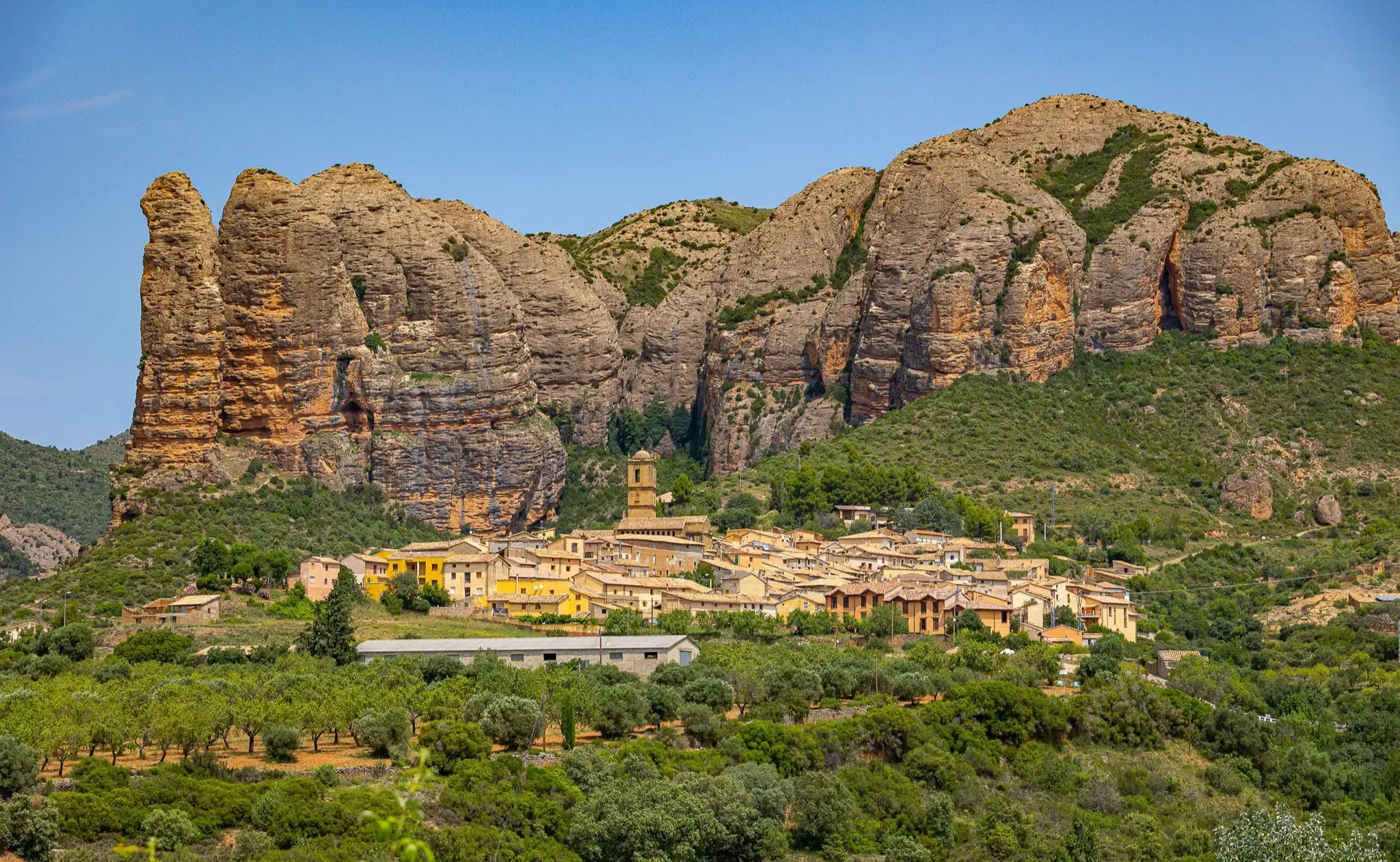
Yes, several castles provide stunning panoramic views. Marcuello Castle offers unparalleled views over La Galliguera and the dramatic Riglos Mallos. Montearagón Castle, situated on a strategic promontory, also provides breathtaking vistas of the region and the Sierra de Guara. Additionally, Castillo de Sen offers extensive visual control over the passes towards Hoya de Huesca and views of the Pyrenees.
What kind of outdoor activities can I do near the castles?
The region around Hoya de Huesca's castles is excellent for outdoor activities. You can find various routes for running, gravel biking, and road cycling. For example, there are challenging gravel biking routes like the 'Vultures Viewpoint – Peñas de Riglos loop from Loarre' near Loarre Castle. Explore more options in the Running Trails, Gravel Biking, and Road Cycling Routes guides for Hoya de Huesca.
Are there family-friendly castles or historical sites in Hoya de Huesca?
Yes, the region offers options suitable for families. While not a castle itself, Blecua Village and Historical Sites is listed as family-friendly and includes historical elements. Loarre Castle, with its exceptional preservation and historical context, can also be a captivating experience for families, allowing them to imagine medieval life.
What are some lesser-known or 'hidden gem' castles in the area?
While Loarre Castle and Montearagón Castle are well-known, Marcuello Castle, though less preserved, is a hidden gem for its dramatic views over the Riglos Mallos. The ruins of Castillo de Sen also offer a unique experience for those seeking a more rugged, elevated historical site with incredible panoramas.
What do visitors particularly enjoy about the castles in Hoya de Huesca?
Visitors frequently praise the impressive views and the sense of stepping back in time. For Loarre Castle, its exceptional state of preservation and cinematic history (featured in 'Kingdom of Heaven') are often highlighted. For Montearagón Castle, its strategic location and historical layers are appreciated, while Marcuello Castle is loved for its spectacular views.
Are there any settlements or towns near the castles with historical significance?
Yes, the region includes several historically rich settlements. Almudévar, for instance, has origins dating back to pre-Roman times and features a Muslim fortress known as the Castle of the Crown. The village of Novales also has historical significance, with a castle mentioned in its categories.
What is the best time of year to visit the castles in Hoya de Huesca?
While specific seasonal conditions are not detailed for each castle, the Hoya de Huesca region experiences a Mediterranean climate. Spring and autumn generally offer pleasant temperatures for exploring the castles and their surroundings. Summer can be hot, especially at exposed sites, while winter might bring cooler temperatures and potentially snow at higher elevations, offering a different, often dramatic, perspective.
Can I find Romanesque architecture among the castles?
Absolutely. Loarre Castle is the prime example, considered the best-preserved Romanesque castle in Europe. Montearagón Castle was also founded and built in Romanesque style. Even the ruins of Marcuello Castle contain elements of Romanesque architecture.
Are there any viewpoints near the castles where I can see local wildlife, like vultures?
Yes, the Vulture Viewpoint (Mirador de los Buitres) is a notable spot in the region. While not a castle itself, it is categorized with historical sites and castles, suggesting it's a great place to observe local wildlife, particularly vultures, in the vicinity of these historical landmarks.
Most popular routes around Hoya De Huesca
Most popular attractions around Hoya De Huesca

Get inspired with the komoot mobile app


Didn’t find what you were looking for?
Explore Hoya De Huesca’s best castles region by region:
Explore more
Looking for the best castles somewhere else? Discover other guides around Hoya De Huesca:
