Top 7 Castles around Ribargorza
Best castles around Ribargorza are found in the Aragonese Pyrenees, a historical comarca known for its strategic importance. These strongholds are often situated on rocky outcrops, providing insight into medieval life and military architecture. The region offers a collection of fortifications that showcase its rich history and provide panoramic views.
Best castles around Ribargorza
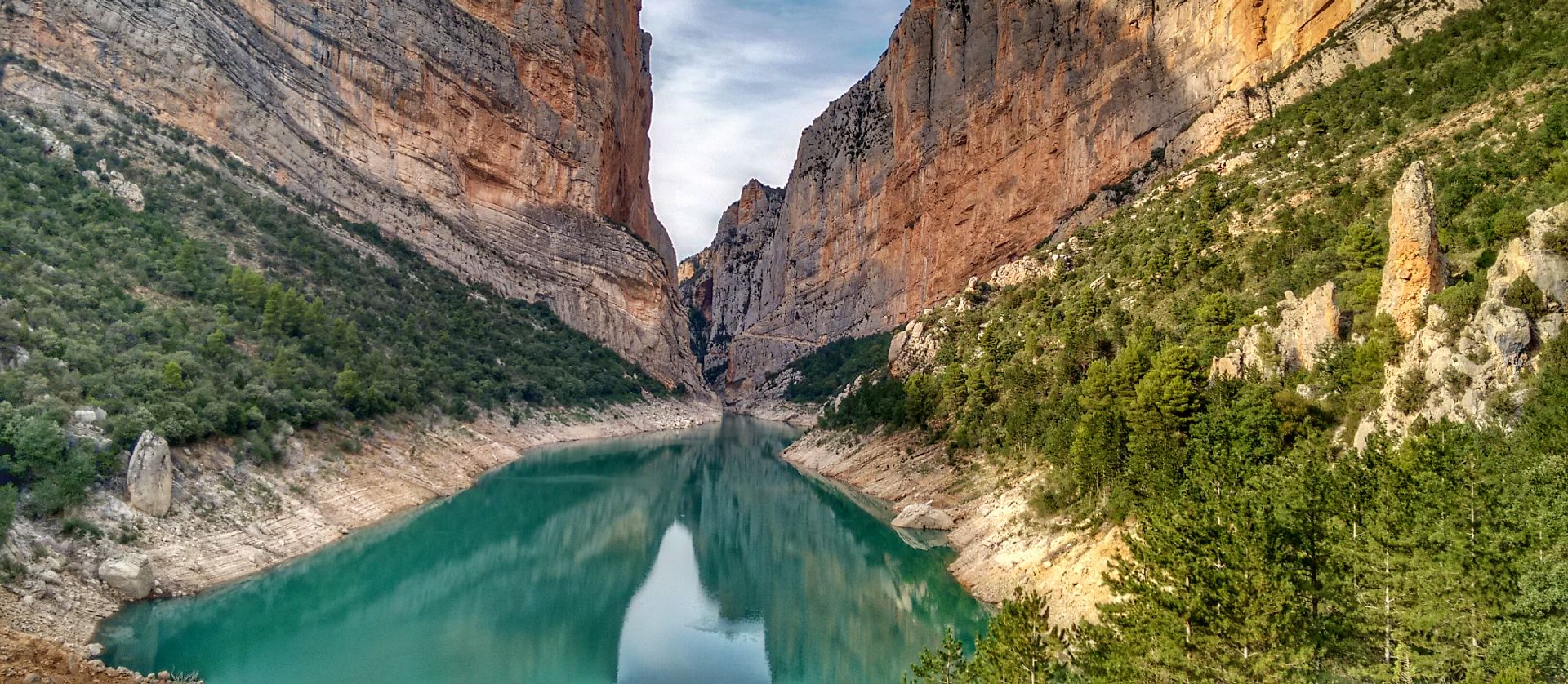
- The most popular castles is Chinese Wall of Finestres, a natural monument that is a unique geological formation. This site was historically known as "Roques…
Last updated: April 28, 2026
Chinese Wall of Finestres
Highlight • Natural Monument
Translated by Google •
Tip by

Castle of Perrarúa and Hermitage of San Climent
Highlight • Castle
Translated by Google •
Tip by
Sign up now to discover places like this
Get recommendations on the best single tracks, peaks, & plenty of other exciting outdoor places.
Sign up for free
Abandoned Village of Castarlenas
Highlight • Historical Site
Translated by Google •
Tip by

Castillo de Benabarre
Highlight • Castle
Numerous battles were fought in the castle of Benabarre and it was demolished at the beginning of the …
Translated by Google •
Tip by
Torre de Viacamp and Hermitage of San Esteban
Highlight • Historical Site
The fortified complex is located on a plateau above the village of Viacamp and consists of the remains of the perimeter wall, a slender cylindrical tower and a hermitage of Romanesque origin, possibly the castle chapel.
Translated by Google •
Tip by

Roda Wall
Highlight (Segment) • Historical Site
Translated by Google •
Tip by

Chiriveta Castle
Highlight • Castle
Translated by Google •
Tip by
Start today with a free account
Your next adventure awaits.
Login or Signup
Popular around Ribargorza
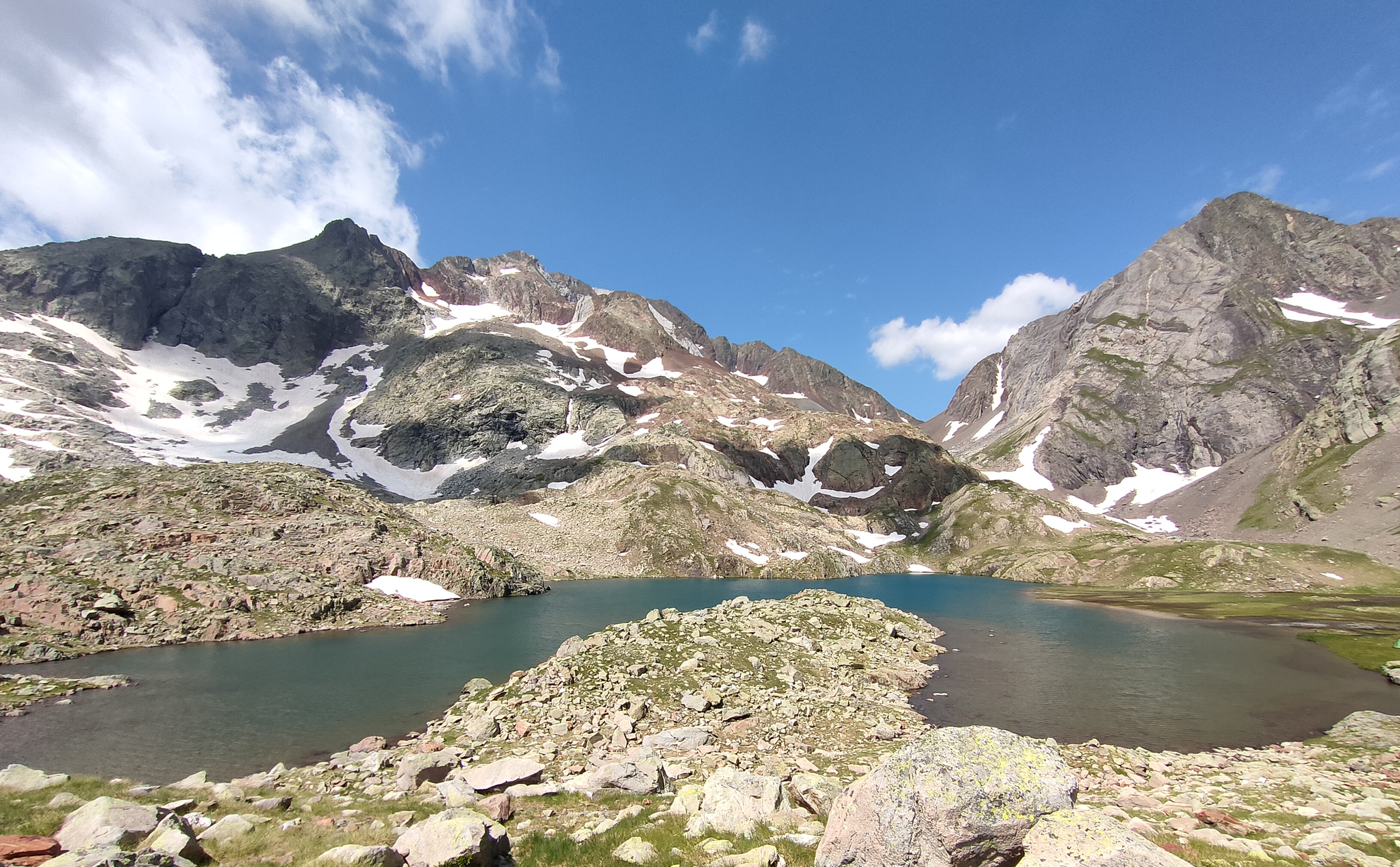
Panoramic Pyrenees – 15 hikers' peaks of over 3,000 metres
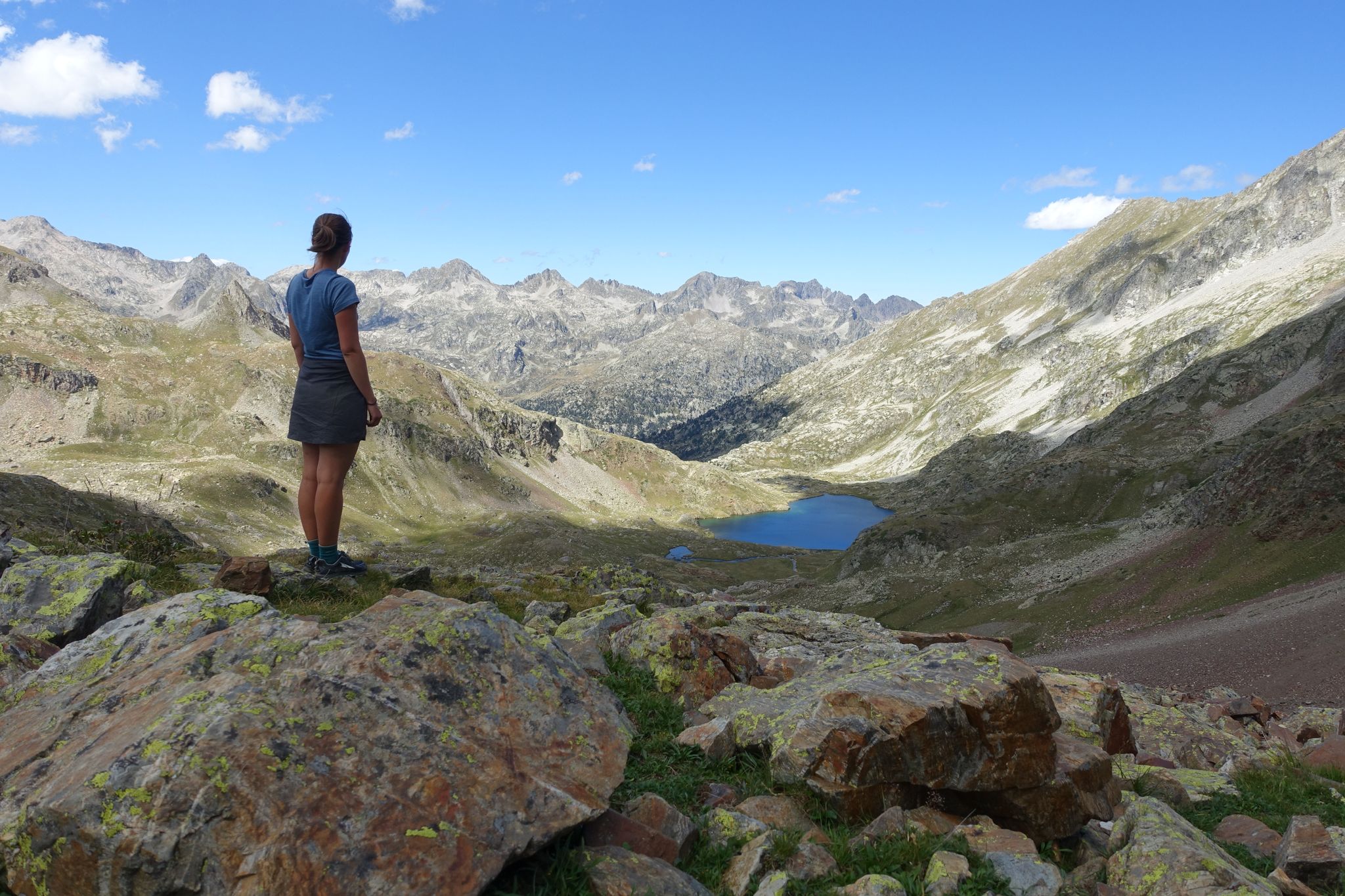
Haute Route Pyrénéenne – Pyrenees Crossing
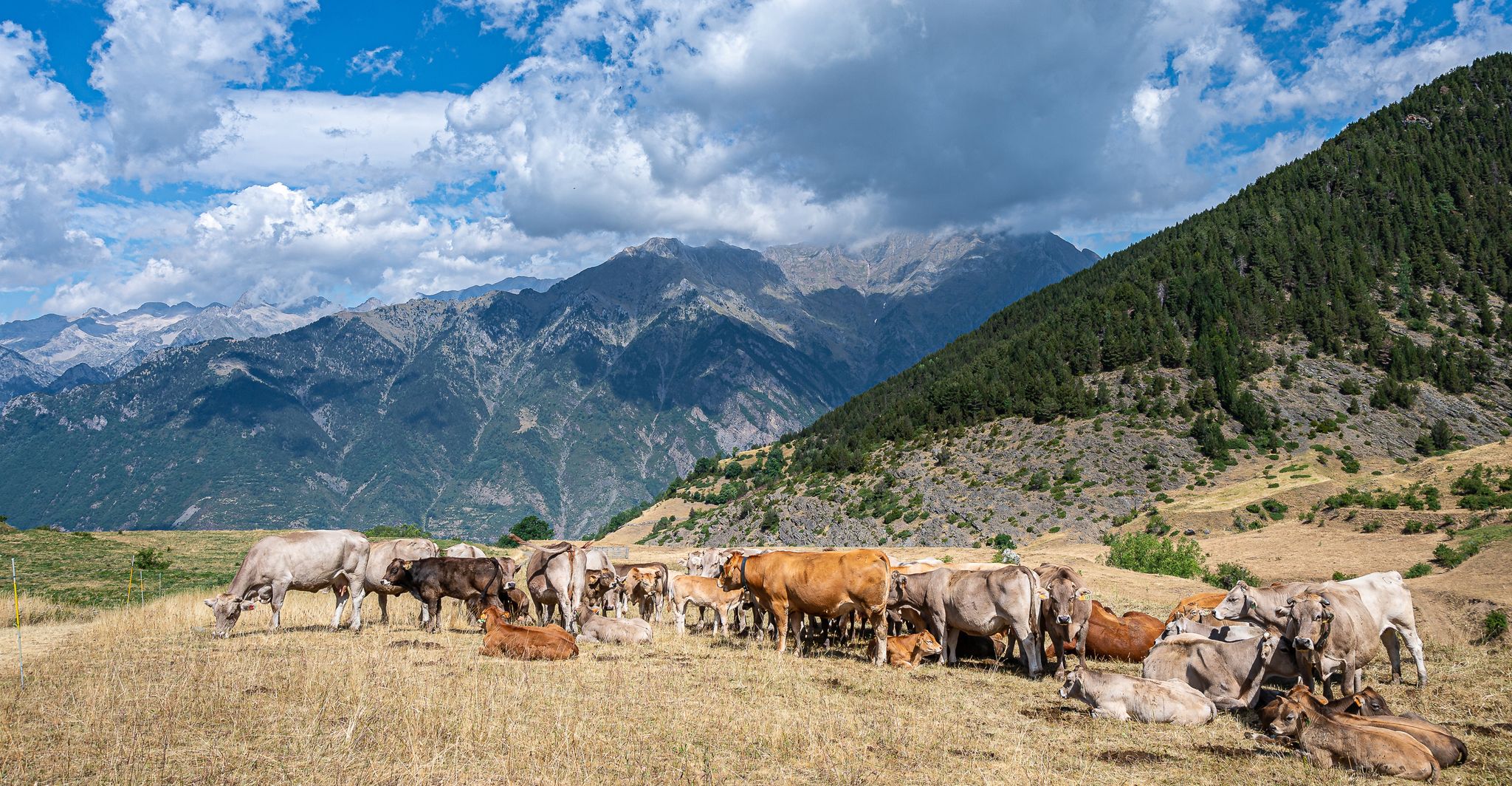
Journey to the heart of the Pyrenees – Ribagorza Path (GR 18)
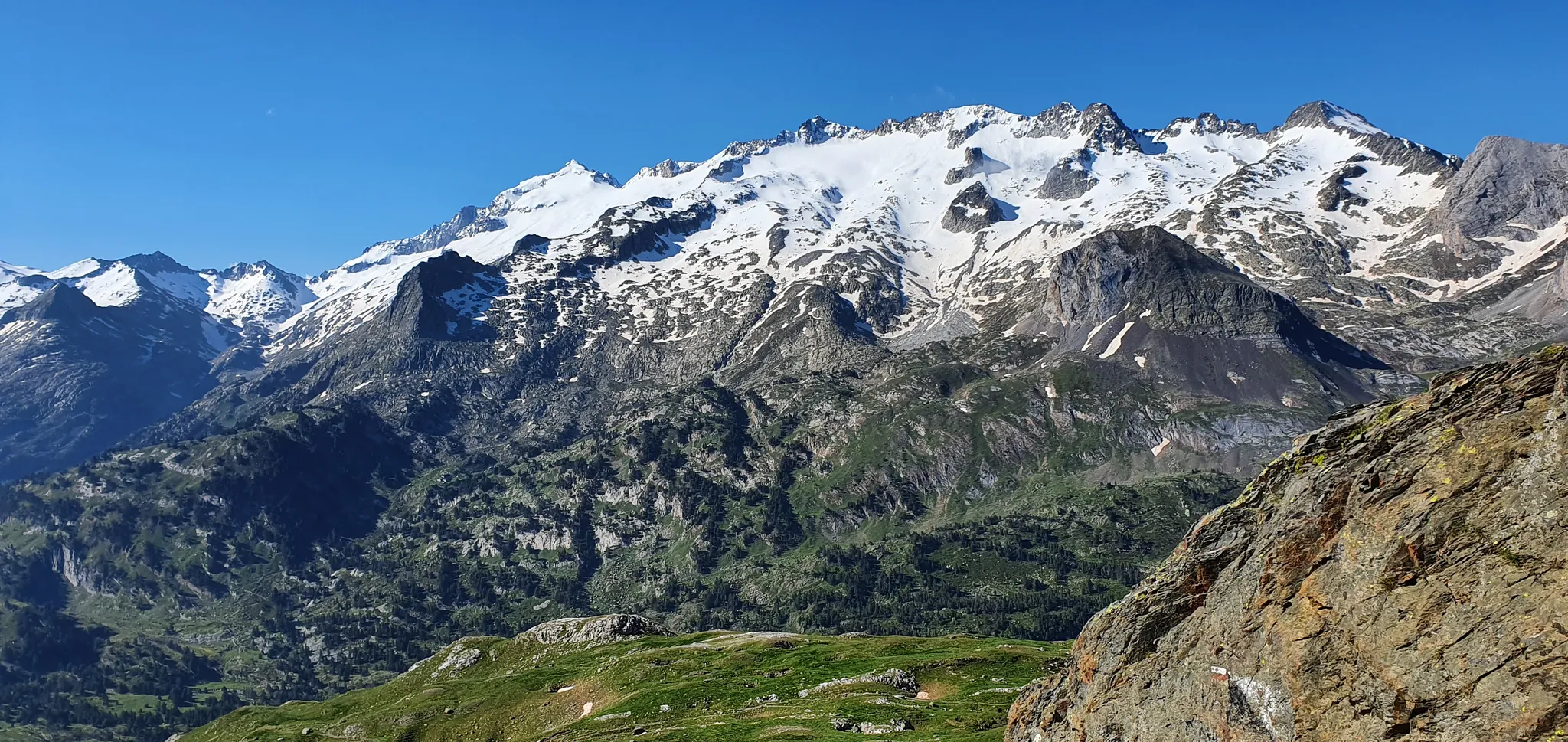
From the Queen to the King of the Pyrenees – a spectacular loop from Luchon
Lleida to El Pont d'Orrit – Sendero Central de Cataluña (GR3)
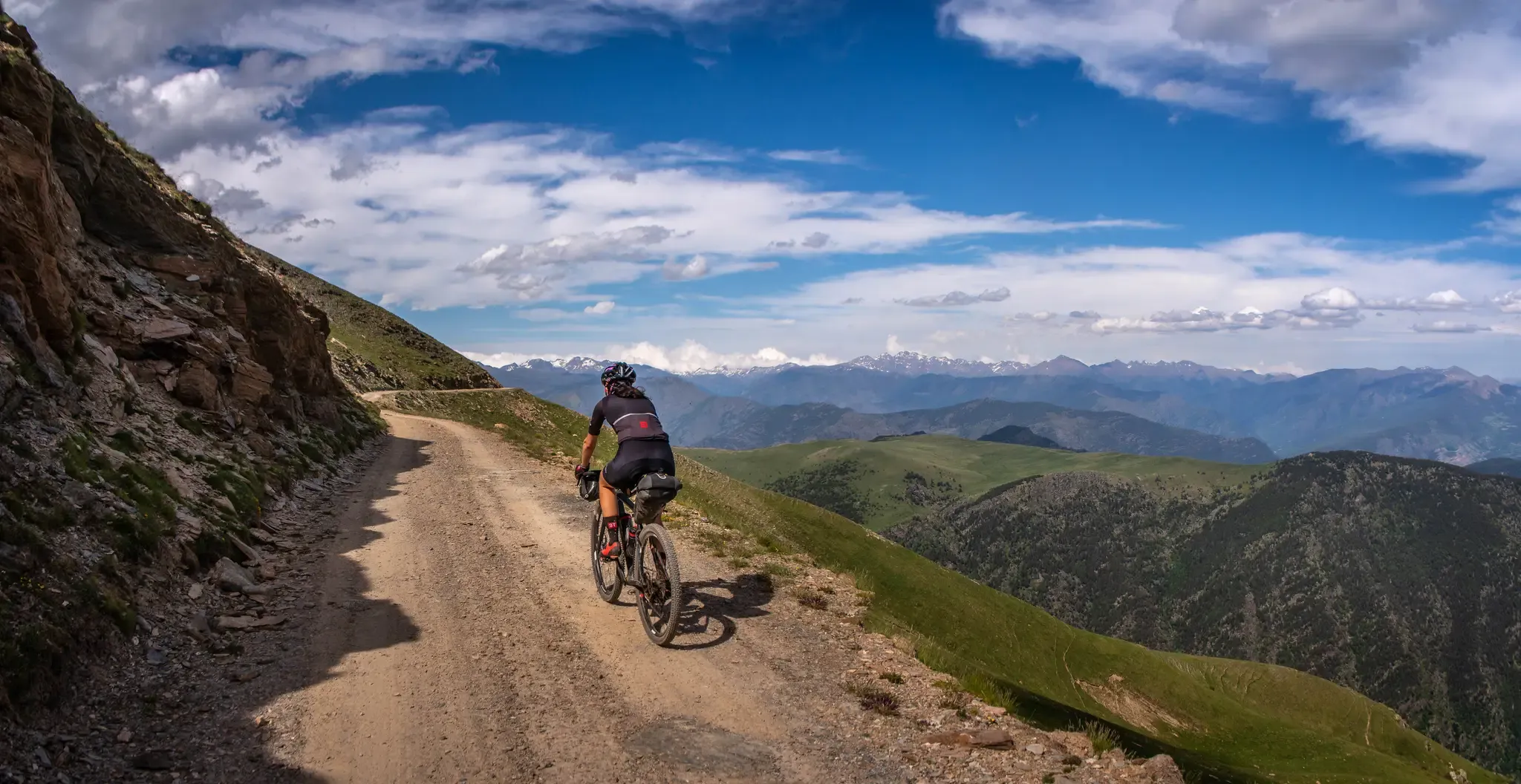
A high-altitude journey – Transpirenaica MTB
Aran to Somontano – GR 17 in the Pyrenees by MTB
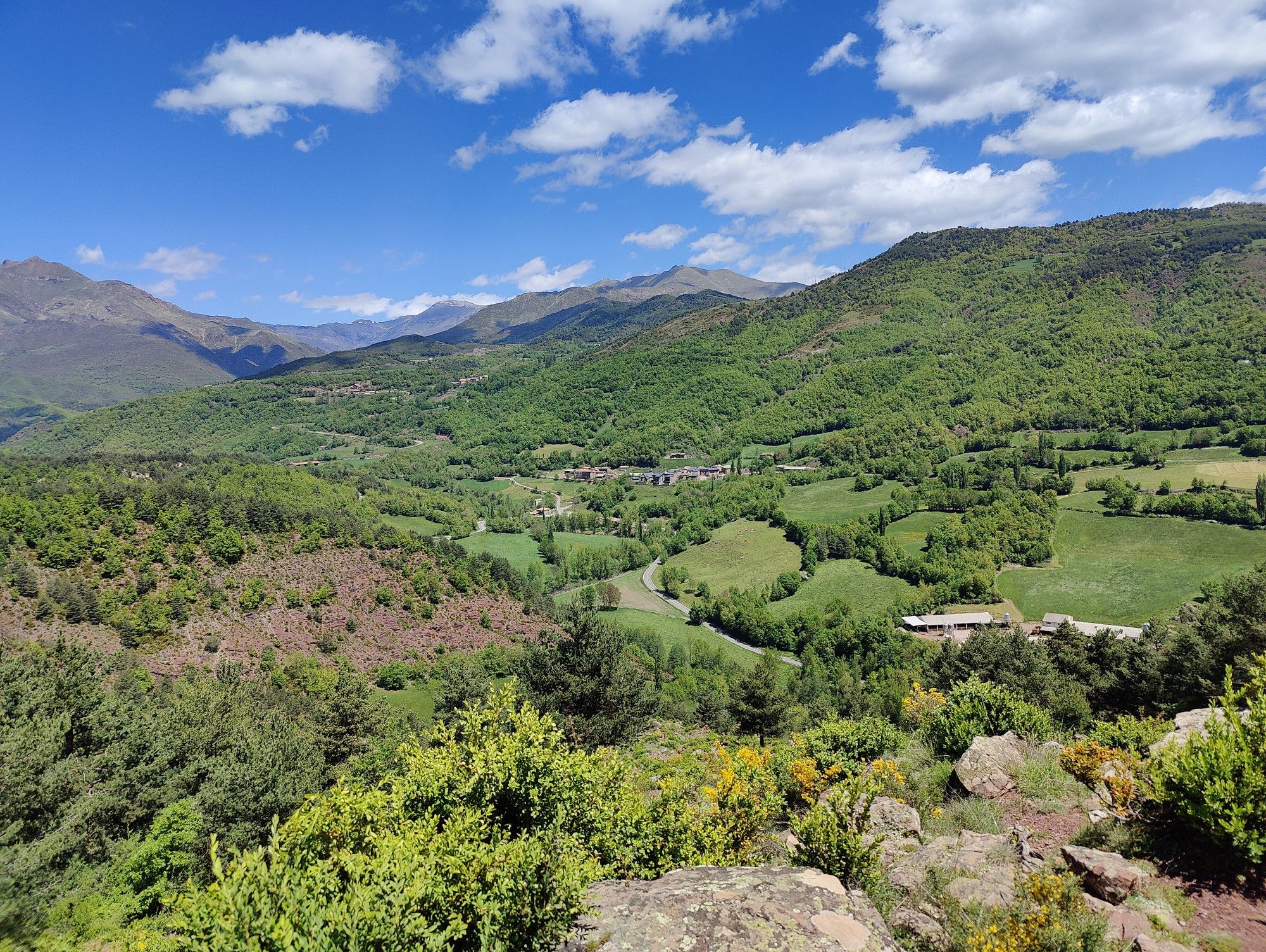
Between summits and villages – magical Pre-Pyrenees Trail (GR 15)
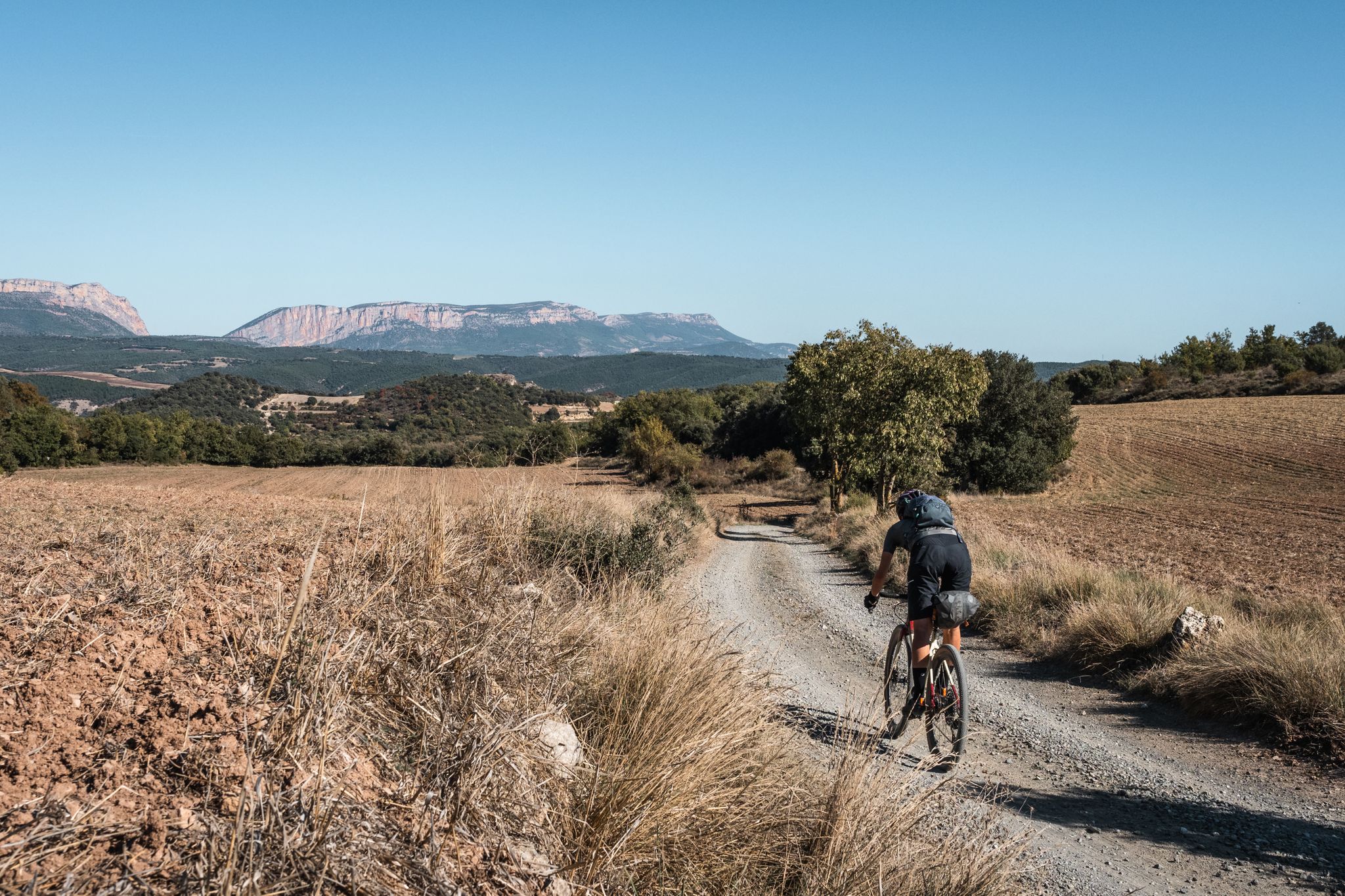
Huesca Escondida – Gravel Tour of Litera and Ribagorza
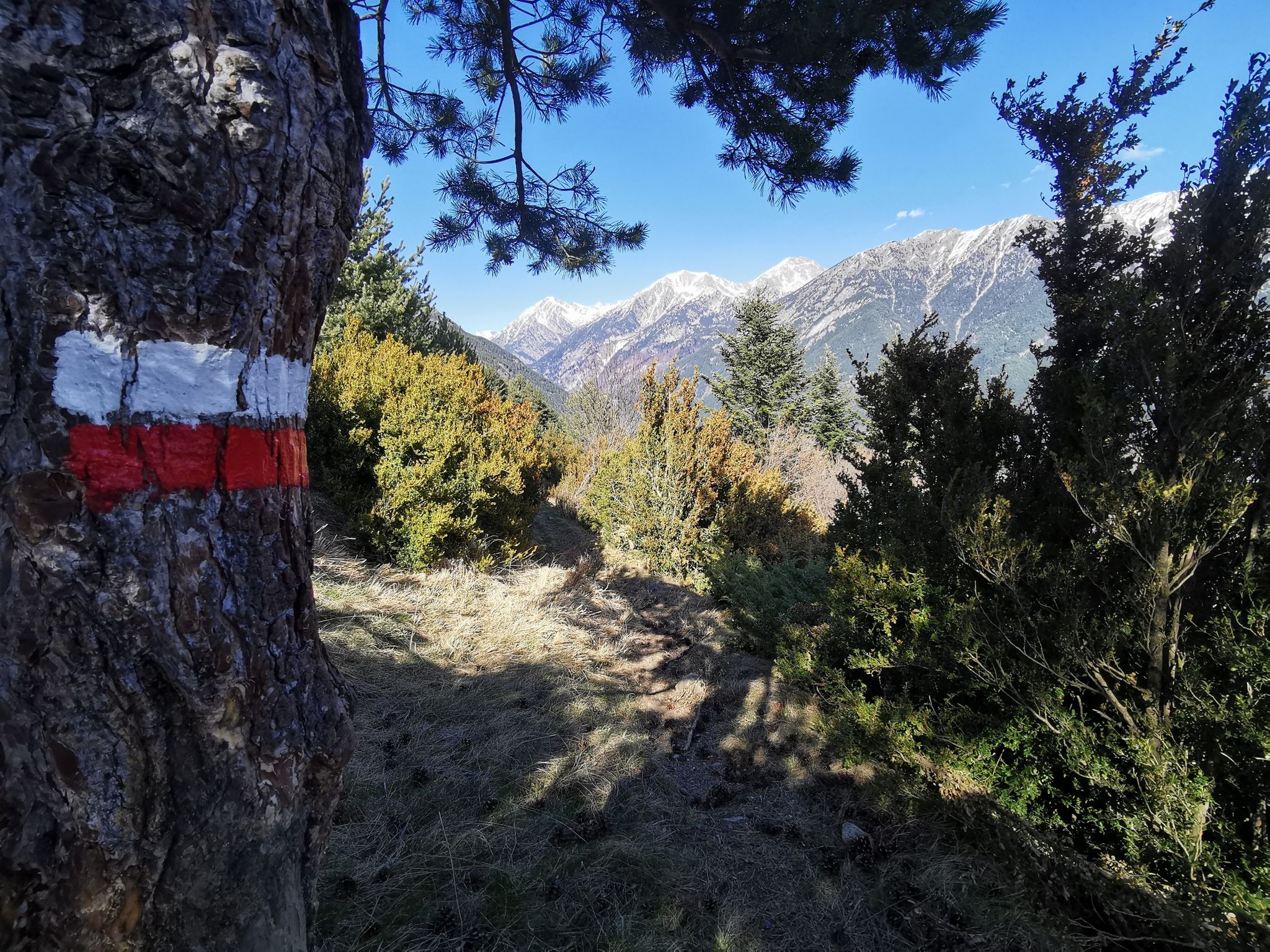
The Ribagorza from north to south – GR 18 Pyrenees MTB trail
Other adventures around Ribargorza


Tips from the Community

A medieval watchtower. It was part of the network of towers and castles that were built throughout the Ribagorza and Sobrarbe mountain ranges during this period of reconquest (Vicampa, Luzás, Benabarre Castle, La Mora, Monzón Castle, Samitier, Puebla de Fantova, Cajigar...among many others...)
0
0

Beautiful fortification of the old town, it has been restored and the walk around it has very nice views.
0
0


The route to the hermitage of Sant Vicente, the place where it is located and the views it offers of the reservoir.... these whims of nature 🏞️ are unforgettable 🤩
1
0

https://www.montsecdelestall.com/ruta/ficha/Torre_De_Viacamp The fortified complex is located on a plateau above the village of Viacamp and consists of the remains of the perimeter wall, a slender cylindrical tower and a hermitage of Romanesque origin, possibly the castle chapel. The tower has a circular plan, a diameter of about 11 meters and a height of 20 meters, with walls almost 3 meters thick. As it is built, it seems to have been built both inside and outside with the help of a double scaffold, which is due to the great thickness of the walls. Like most defensive structures of the period, the ground floor was walled, with a high, round-arched entrance facing south-east. The ground floor was used as a storage room and is not accessible from the outside. After the restoration work carried out in 2005 and 2006, it was found that the tower had five floors, although only four of them remain today. The upper part, which has now disappeared, could have been made up of small defensive openings in the form of battlements or a conical roof. Very close to the tower and within the walls is the church of San Esteban de Viacamp, of Romanesque origin, a classic among the fortresses of the Upper Ragon. Originally dedicated to the Archangel Michael, it was later dedicated to Saint Stephen. Next to the church is the old cemetery, which has not been abandoned. The remains of the external enclosure are in the areas bordering the plateau and are made of ashlar and masonry with some high-quality parts. Remains of walls and foundations or the beginnings of towers have been preserved, although they are not very high. (Wikipedia)
1
0

Castarlenas is a town that, unfortunately, was depopulated about fifty years ago. Even so, you can easily reach it by walking from the town of Torres del Obispo, although you will have to be careful if you try to enter its streets, since a large part of its buildings are in ruins, so it is not highly advisable. In addition to an information panel where you can learn much more about this place, you will have excellent views of the Barasona reservoir and the Carrodilla mountain range.
1
0

Frequently Asked Questions
What are some of the most historically significant castles in Ribagorza?
Ribagorza is rich in history, with several castles showcasing its strategic past. The Castillo de Benabarre, also known as the Castle of the Counts of Ribagorza, is a monumental complex with elements from the 11th century through the 19th-century Carlist Wars. Castle of Perrarúa and Hermitage of San Climent (El Mon de Perarrúa) is another significant site, likely fortified in the mid-11th century, offering insights into early medieval architecture.
Are there any castles in Ribagorza that offer unique natural features or viewpoints?
Yes, several castles are notable for their integration with the landscape and offer stunning views. The Chinese Wall of Finestres, while a natural monument, was historically used as a defensive wall and offers a unique geological formation. The Castle of Perrarúa and Hermitage of San Climent stands on a rocky outcrop, providing magnificent views of the Ésera valley. The Castillo de Benabarre, perched atop a town, also offers commanding views of the surrounding area.
What outdoor activities can I combine with a visit to the castles in Ribagorza?
The Ribagorza region offers numerous outdoor activities. You can find various waterfall hikes, such as the Route of the Three Waterfalls of Ardonés, or explore challenging mountain hikes like those leading to Posets Summit. For cycling enthusiasts, there are many MTB trails, including routes from Benasque to Llanos del Hospital.
Are there any castles in Ribagorza that are particularly family-friendly or easy to access?
While many castles involve some walking, Castillo de Benabarre is located at the top of the town of Benabarre and is accessible via stairs, making it relatively easy to reach. For Arén Castle, a short 10-minute path from the village leads to the ruins, which might be suitable for families looking for a less strenuous walk.
What can I expect to see at Arén Castle?
Arén Castle, considered the first documented castle of Ribagorza County, is largely in ruins but offers a fascinating look into early medieval fortifications. Visitors can explore the remains of a necropolis with anthropomorphic tombs dating back to the 11th century, which is currently under archaeological study. Adjacent to the castle ruins, you'll also find a Romanesque church, forming a traditional castle-church complex.
What is the best time of year to visit the castles in Ribagorza?
The best time to visit the castles in Ribagorza is generally during the spring (April-June) and autumn (September-October) months. During these periods, the weather is typically mild and pleasant for exploring outdoor sites and hiking. Summer can be hot, especially in July and August, while winter can bring colder temperatures and snow, potentially limiting access to some higher-altitude or less maintained sites.
Are there any abandoned historical sites near the castles in Ribagorza?
Yes, the region features interesting abandoned historical sites. The Abandoned Village of Castarlenas is a notable example. This depopulated village offers a glimpse into the past, with many buildings in ruins, and provides excellent views of the Barasona reservoir and the Carrodilla mountain range. It can be reached by walking from Torres del Obispo.
What kind of architecture can I observe among Ribagorza's castles?
Ribagorza's castles display a diverse range of architectural styles reflecting different historical periods. You can see medieval castle remnants, modern fortress elements, and 19th-century military fortifications, particularly at the Castillo de Benabarre. Sites like Arén Castle and Castillo de Perrarúa showcase early medieval fortifications, often integrated with natural rock formations. Some, like Castillo de Fantova, even combine palace-residence functions with military purposes.
Can I find cafes or restaurants near the castles in Ribagorza?
Yes, you can often find amenities in the towns or villages associated with the castles. For instance, the Castle of Perrarúa and Hermitage of San Climent is mentioned as being a half-hour climb from the Chill-Outdoor café. Larger towns like Benabarre, home to the Castillo de Benabarre, will also offer various dining options.
What do visitors enjoy most about the castles in Ribagorza?
Visitors frequently appreciate the rich history, the stunning panoramic views from the strategic locations of the castles, and the unique blend of natural and historical elements. The opportunity to explore ancient ruins, see geological formations like the Chinese Wall of Finestres, and experience the strategic importance of these sites throughout history are often highlighted.
Are there any lesser-known or 'hidden' castles worth exploring in Ribagorza?
Beyond the more prominent sites, Ribagorza is home to several other historical fortifications that offer a glimpse into the region's past. These include the castles of Güel, Laguarres, Luzás, and Viacamp, as well as the walled complex of Montañana. While perhaps less preserved, they collectively tell the story of a region rich in medieval conflict and defense, often strategically located on challenging geographic points.
Most popular routes around Ribargorza
Most popular attractions around Ribargorza

Get inspired with the komoot mobile app


Didn’t find what you were looking for?
Explore Ribargorza’s best castles region by region:
Explore more
Looking for the best castles somewhere else? Discover other guides around Ribargorza:
