Top 7 Lakes around Campiña Baja
Best lakes around Campiña Baja offer diverse natural beauty and recreational opportunities across several Andalusian provinces. This region features a mix of reservoirs and natural wetlands, providing important ecological habitats. Visitors can explore landscapes ranging from Mediterranean forests to agricultural fields and dehesas. The area is known for its tranquil settings and opportunities for outdoor activities.
Best lakes around Campiña Baja
- The most popular lakes is Blue Lake, a lake that formed in the 1960s from quarry work when…
Last updated: June 26, 2026
Reservoirs Route
Highlight (Segment) • Trail
Translated by Google •
Tip by

Lake La Encantada
Highlight • Lake
Translated by Google •
Tip by

Sign up now to discover places like this
Get recommendations on the best single tracks, peaks, & plenty of other exciting outdoor places.
Sign up for free
Navallana Reservoir
Highlight • Lake
Translated by Google •
Tip by

La Breña Reservoir
Highlight • Lake
Translated by Google •
Tip by

Blue Lake
Highlight • Lake
Translated by Google •
Tip by
View of La Breña Reservoir
Highlight (Segment) • Viewpoint
Translated by Google •
Tip by

Start today with a free account
Your next adventure awaits.
Login or Signup
Popular around Campiña Baja
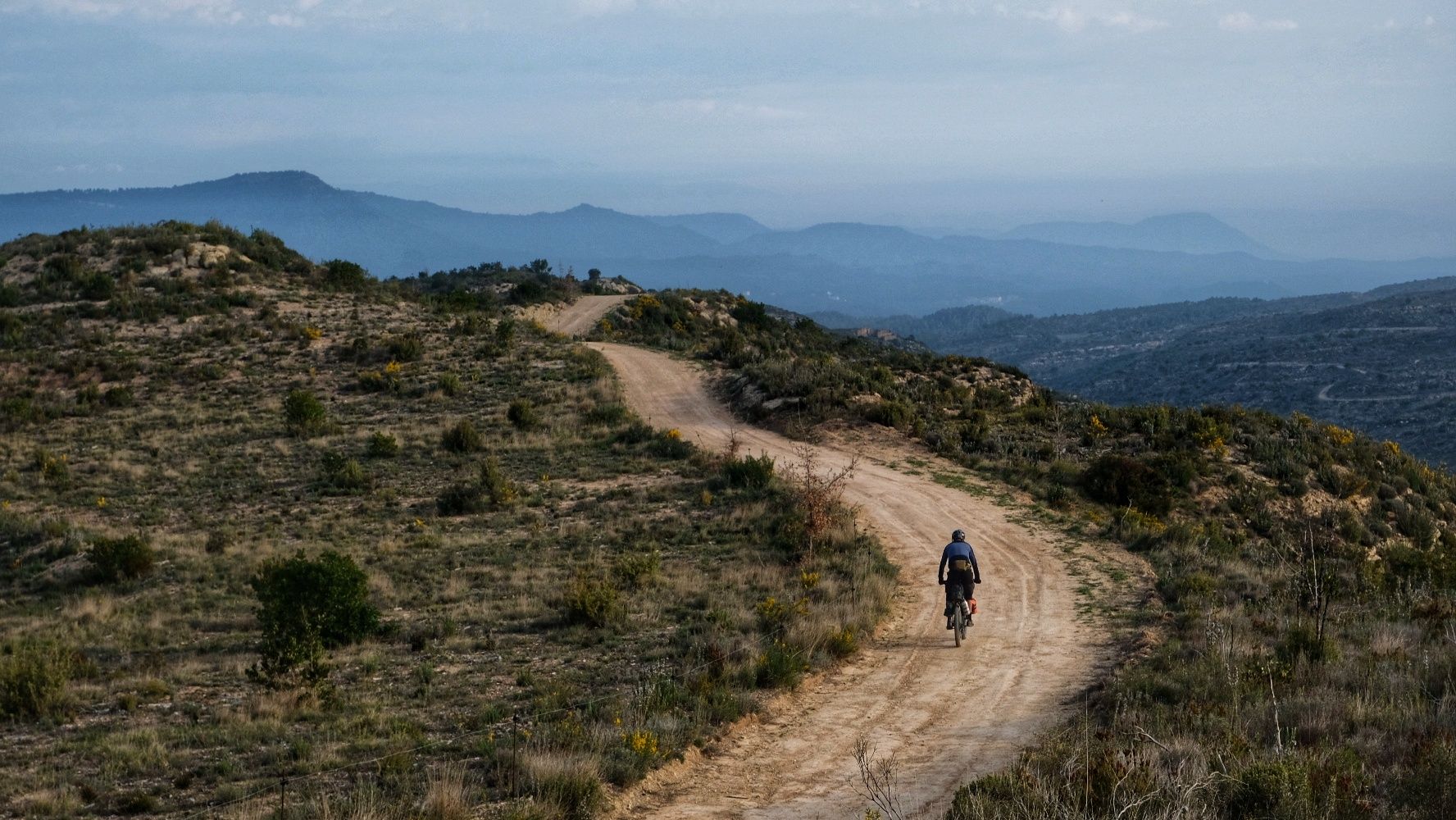
European Divide Trail — 7,600 km across the continent
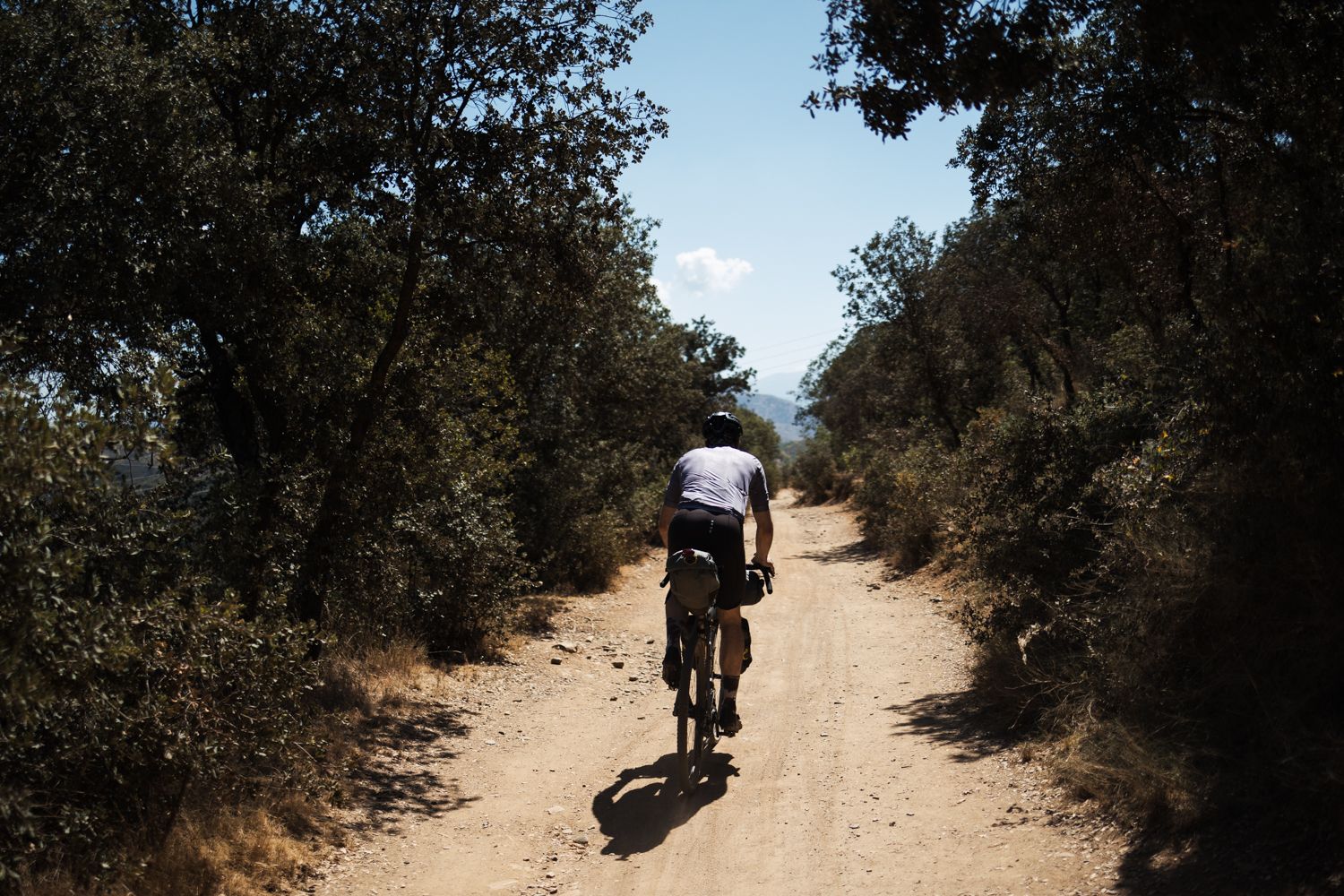
Mozarabic Way to Santiago – Gravel between two worlds
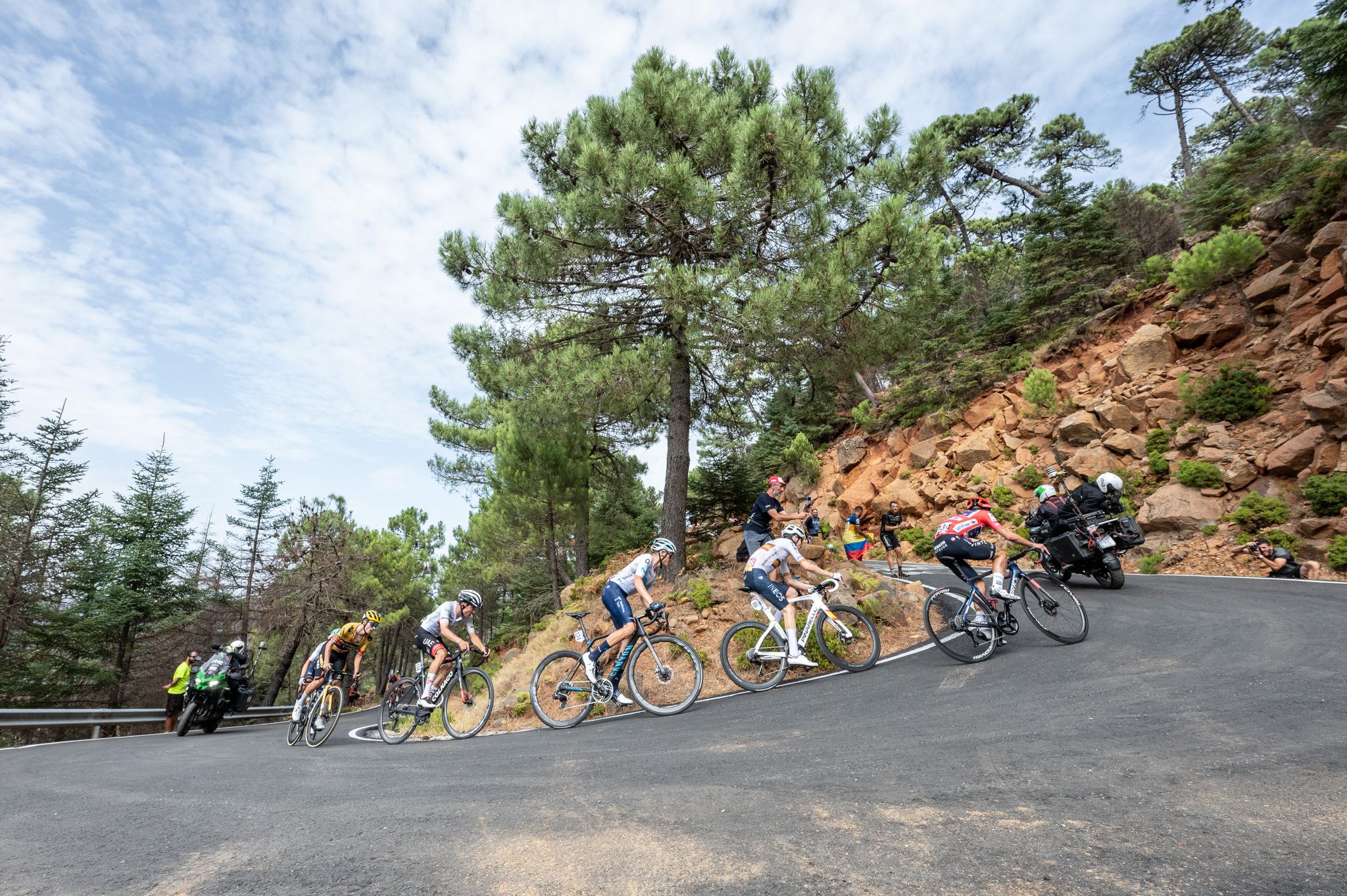
La Vuelta 26 — All Official Stages
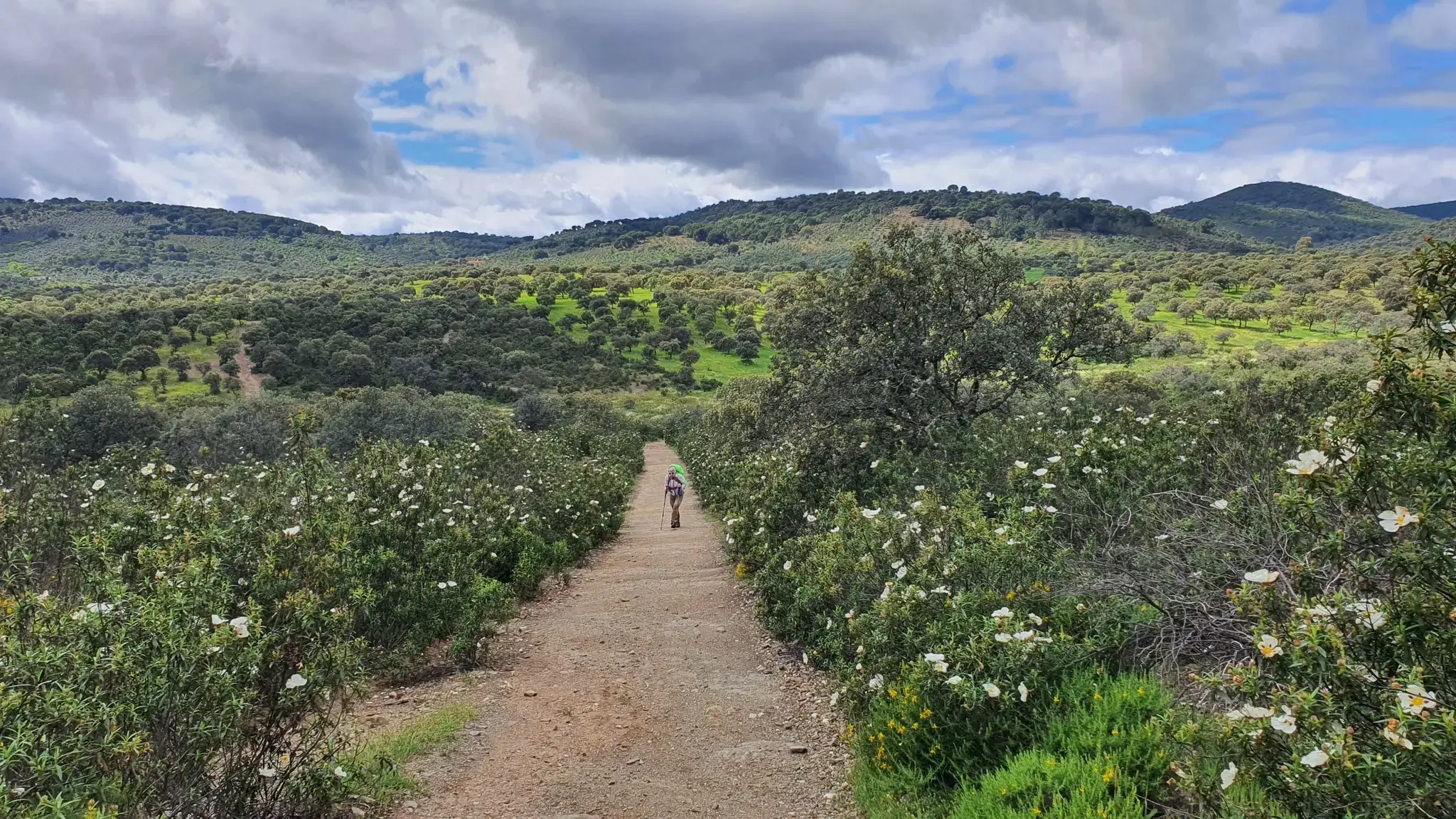
Pastures, Pedroches and farmhouses — Cañada Real Soriana (GR 40)
A winter getaway along the greenways of Andalusia in Spain
European Divide Trail across the Iberian Peninsula – south
Cycling among the mysterious faults – Sierra Morena (GR 48)
Let’s head south – cycle in Andalusia with me and my dog
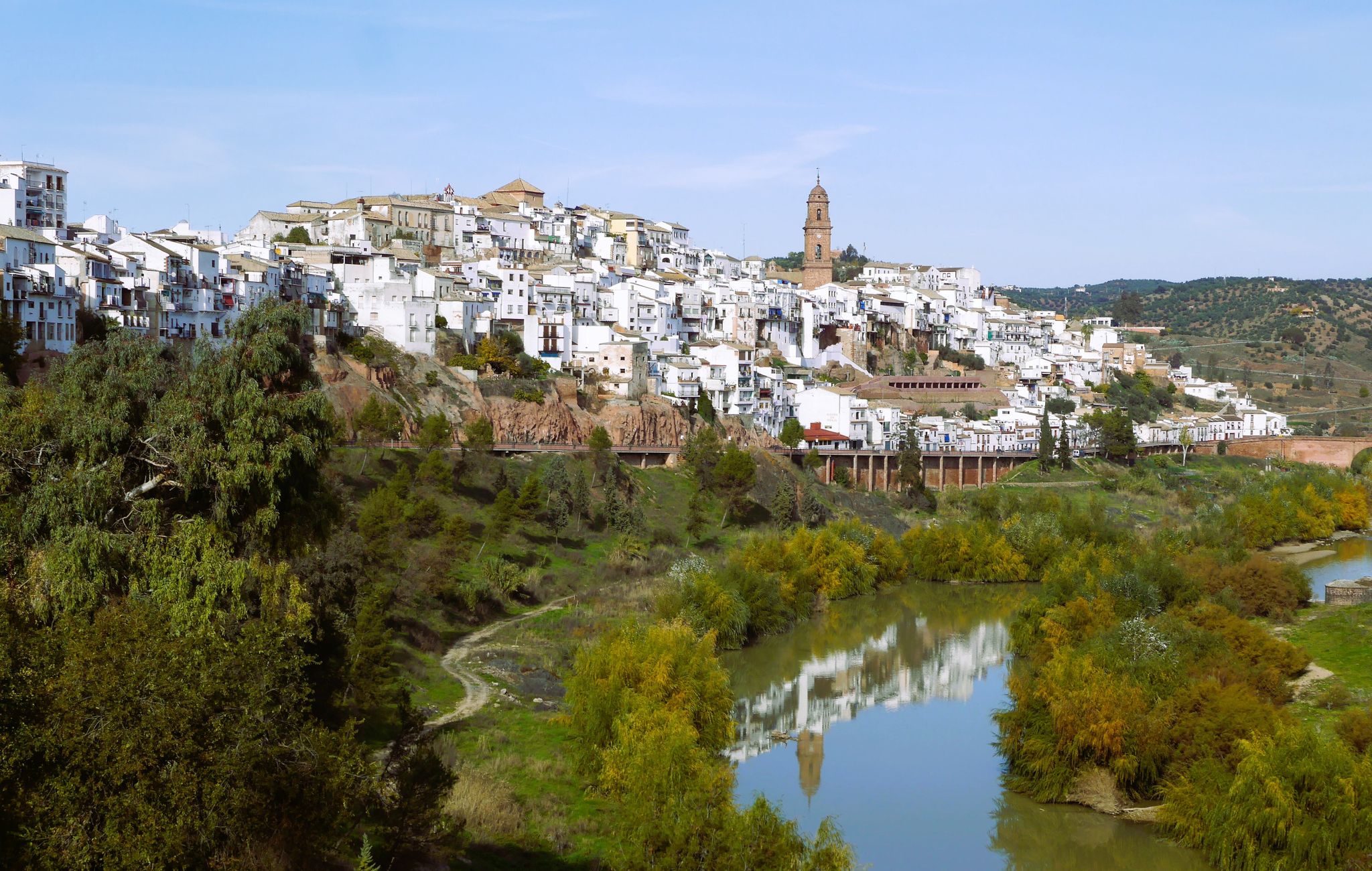
Hike the glorious countryside of Cordoba and Jaen – Sierra Morena (GR 48)
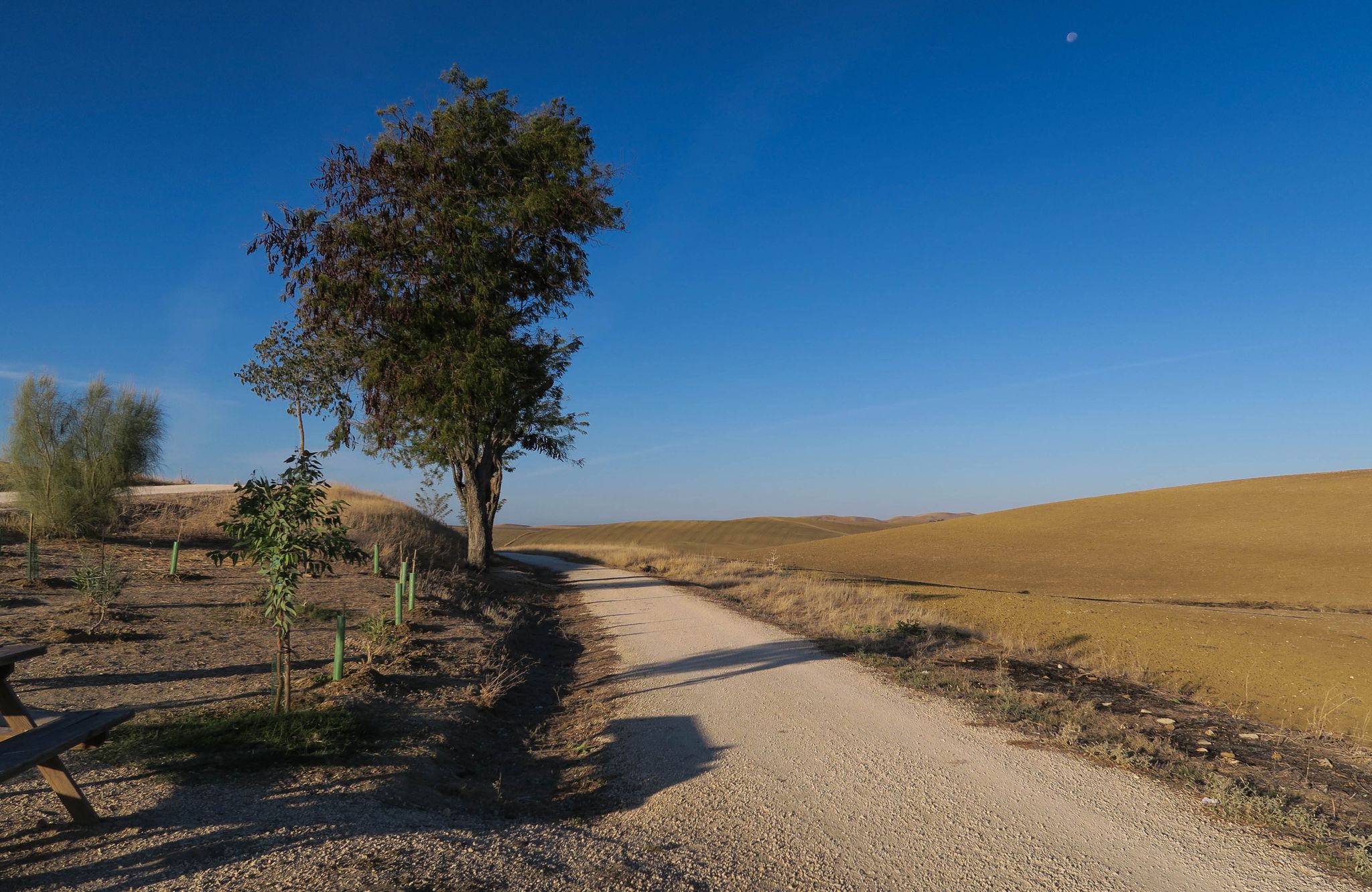
Cycle through the countryside of Spain’s Cordoba – Via Verde de la Campiña
Other adventures around Campiña Baja


Tips from the Community


The new dam is no longer accessible, which makes it that the route can no longer be done as described. Hiking down to the lake however gives many nice views however.
1
1

The Breña Reservoir —located between Posadas, Almodóvar del Río and Santa María de Trassierra— is a huge pool of blue waters that gives life to the Sierra de Hornachuelos Natural Park. It has a beach, several beach bars and recreational areas for water sports.
2
0

This lake arose in the 1960s as a result of the work carried out by the quarries of the Asland company that supplied the cement factory that the company had in Córdoba, still in operation today. It is believed that a spring was punctured that filled the excavation with water and formed this lake.
3
0
Urbanization on the outskirts of Córdoba with a beautiful lake called "La Encantada" that is very nice to go for a walk.
1
0

Nice walk around La Encantada Lake
1
0

The old La Breña dam built between 1931 and 1935 is currently submerged since its reservoir capacity was insufficient to store the abundant contributions from the Guadiato basin, which is why the reservoir was expanded by building La Breña. II. The La Breña I dam was located 120 m upstream of La Breña II.
4
1

The lake was formed from quarry work in the 1960s, which found an underground source from which the accumulation of water would have been formed.
1
0
Frequently Asked Questions
What types of outdoor activities can I enjoy around the lakes in Campiña Baja?
The lakes in Campiña Baja offer a wide range of outdoor activities. You can find opportunities for hiking, cycling, mountain biking, kayaking, and boating. For example, the Embalse del Retortillo and Embalse del Bembézar are excellent for hiking and cycling, while the Bornos Reservoir is a hub for water sports like canoeing, sailing, windsurfing, and stand-up paddleboarding. You can also explore various routes, such as those found in the Road Cycling Routes around Campiña Baja or Cycling around Campiña Baja guides.
Are there any family-friendly lakes in the Campiña Baja region?
Yes, several lakes in Campiña Baja are great for families. Lake La Encantada, located on the outskirts of Córdoba, is a pleasant spot for leisurely walks. The Navallana Reservoir also offers family-friendly access, where you can cool off from a bridge. Additionally, the Blue Lake is considered a natural monument and is suitable for families.
Which lakes are best for birdwatching and wildlife observation?
Campiña Baja is a fantastic region for birdwatching and wildlife. The Embalse del Retortillo is a significant refuge for diverse Iberian wildlife and popular for birdwatching, with sightings of cormorants and herons. The Embalse del Bembézar is home to otters, foxes, lynx, and various vultures. For aquatic birds, the Cola del Embalse de Bornos Natural Area is a crucial nesting site for species like the Night Heron and Purple Heron. The Embalse de Arroyo Conejo and Embalse del Rosal are internationally important wetlands for aquatic birdlife, and Laguna de Medina is a critically important nature reserve for ornithology, hosting flamingos and endangered species like the white-headed duck.
Can I go wild swimming in any of the lakes?
While specific 'wild swimming' spots are not explicitly highlighted, the Embalse del Retortillo is mentioned as suitable for recreational activities like bathing. The Bornos Reservoir also features an artificial beach for relaxation and water-based activities, offering a safe and enjoyable environment for swimming.
What natural features characterize the lakes of Campiña Baja?
The lakes in Campiña Baja are set amidst diverse natural features. You'll find well-preserved Mediterranean forests with holm oaks and cork oaks around the Embalse del Retortillo. The Embalse del Bembézar boasts extreme natural beauty with deep valleys, steep slopes, and forests of holm oaks, cork oaks, and arbutus. Wetlands like Laguna de Medina and Embalse de Arroyo Conejo are characterized by reeds, bulrushes, tamarisk, and surrounding agricultural fields, pastures, and dehesas.
Are there any historical or cultural sites near the lakes?
Yes, some lakes are close to interesting historical and cultural sites. Near the Bornos Reservoir, you can explore the historic town of Bornos, which offers cultural attractions such as a castle-palace and Renaissance gardens. The Arcos Reservoir is situated near the picturesque town of Arcos de la Frontera, known for its charming white villages and rich historical experiences.
What is the best time of year to visit the lakes in Campiña Baja?
The best time to visit depends on your interests. For birdwatching, late autumn and winter are ideal, as Laguna de Medina serves as a crucial wintering ground and migratory stopover for many species. Spring and early summer offer pleasant temperatures for hiking, cycling, and water sports before the peak summer heat. The natural beauty of the Mediterranean forests and wetlands can be enjoyed year-round.
Where can I find easy walking trails around the lakes?
For easy walks, Lake La Encantada on the outskirts of Córdoba is a pleasant spot for leisurely strolls. The Embalse del Retortillo also offers various hiking routes suitable for different levels. Many of the natural wetlands, like Laguna de Medina, have paths around them that are generally flat and accessible for easy exploration.
Are there opportunities for cycling around the lakes in Campiña Baja?
Absolutely. The Embalse del Retortillo area offers various cycling routes, including a section of the GR48 'Sendero de Sierra Morena'. Mountain biking is also popular around the Embalse del Bembézar. You can find more detailed cycling options in guides like Road Cycling Routes around Campiña Baja and Cycling around Campiña Baja, which feature routes like the 'Córdoba West Loop and City Trail' and 'Almódovar del Río from Córdoba'.
What makes the Embalse del Bembézar a unique destination?
The Embalse del Bembézar, located within the Sierra de Hornachuelos Natural Park, is renowned for its extreme natural beauty, dramatic landscapes of deep valleys and steep slopes, and well-preserved forests. It's a prime spot for nature walks, active water sports, and immersive wildlife experiences. A unique feature is that when water levels are low, submerged bridges and houses from the time the dam was constructed can be seen.
What is special about the Blue Lake?
The Blue Lake is a unique natural monument that formed in the 1960s. It originated from quarry work when a spring filled the excavation with water, creating this distinctive lake. It's appreciated for its beauty and is a popular spot in the area.
Can I find information about the local flora and fauna at any of the lakes?
Yes, the Embalse de Arroyo Conejo, one of the internationally important wetlands in the Campiña Sur region of Badajoz, features a Nature Interpretation Center. This center provides educational insights into the local flora and fauna, making it an excellent resource for learning about the region's biodiversity.
Most popular routes around Campiña Baja
Most popular attractions around Campiña Baja

Get inspired with the komoot mobile app


Didn’t find what you were looking for?
Find the best lakes around Campiña Baja per region:
Explore more
Still not found your perfect lake around Campiña Baja? Check out the guides of these regions to see even more beautiful places.
