Top 6 Caves around la Costera
Best caves around La Costera, a region in the province of Valencia, Spain, are known for their archaeological significance and natural beauty. The area features sites that provide insights into prehistoric human life and early hominid communities. La Costera's landscape includes river trails and pine forests, offering opportunities for exploration alongside historical discoveries. This region combines natural features with a rich cultural past.
Best caves around la Costera
- The most popular caves is Cova Negra, a cave and natural monument. It is known for its dark walls, attributed to fires lit by Neanderthal inhabitants, and significant archaeological findings including flint tools. This site is a Municipal Natural Area with trails along the Albaida River.
- Another must-see spot is La Cueva Santa, a cave located on the Capurutxo mountain range. Its first section does not require technical equipment, making it a frequently visited cave.
- Visitors also love Trail from Xàtiva to the Albaida River and the Cova Negra, a mountain path that runs through pine forests. This trail allows access to the banks of the Albaida River and the Cova Negra.
- la Costera is known for archaeological caves, natural monuments, and historical sites. Visitors can explore a variety of caves, from those with prehistoric rock paintings to those offering river trails.
- The caves around la Costera are appreciated by the komoot community, with more than 110 upvotes and 51 photos shared across the highlights.
Last updated: June 26, 2026
Cova Negra
Highlight • Cave
Translated by Google •
Tip by

La Cueva Santa
Highlight • Cave
Translated by Google •
Tip by

Sign up now to discover places like this
Get recommendations on the best single tracks, peaks, & plenty of other exciting outdoor places.
Sign up for free
Trail from Xàtiva to the Albaida River and the Cova Negra
Highlight • Trail
Translated by Google •
Tip by

Cova de les Finestres Rock Paintings
Highlight • Historical Site
Tip by

Start today with a free account
Your next adventure awaits.
Login or Signup
Popular around la Costera
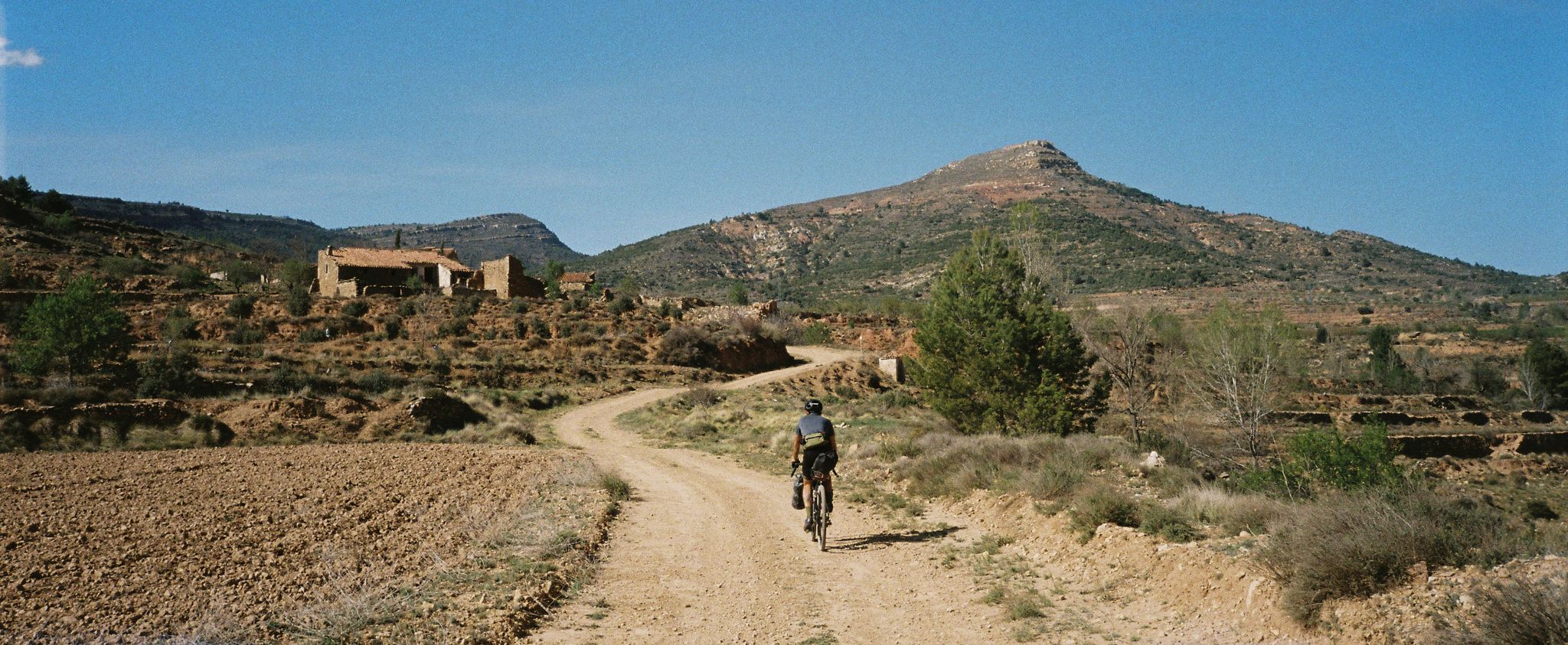
Path of the Tasters - Bikepacking in the Valencian ranges
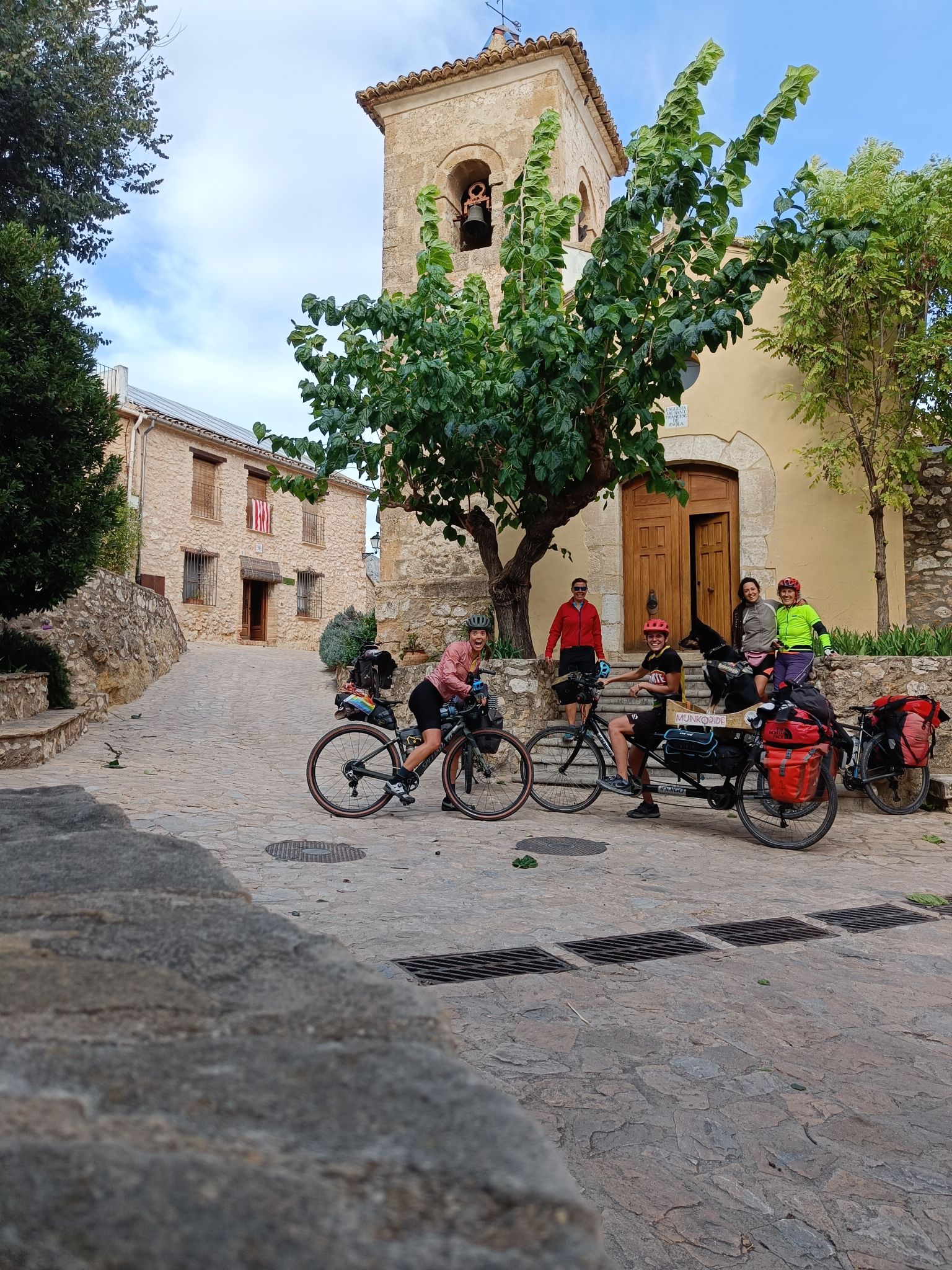
Community ride through the east of Spain – an autumn adventure
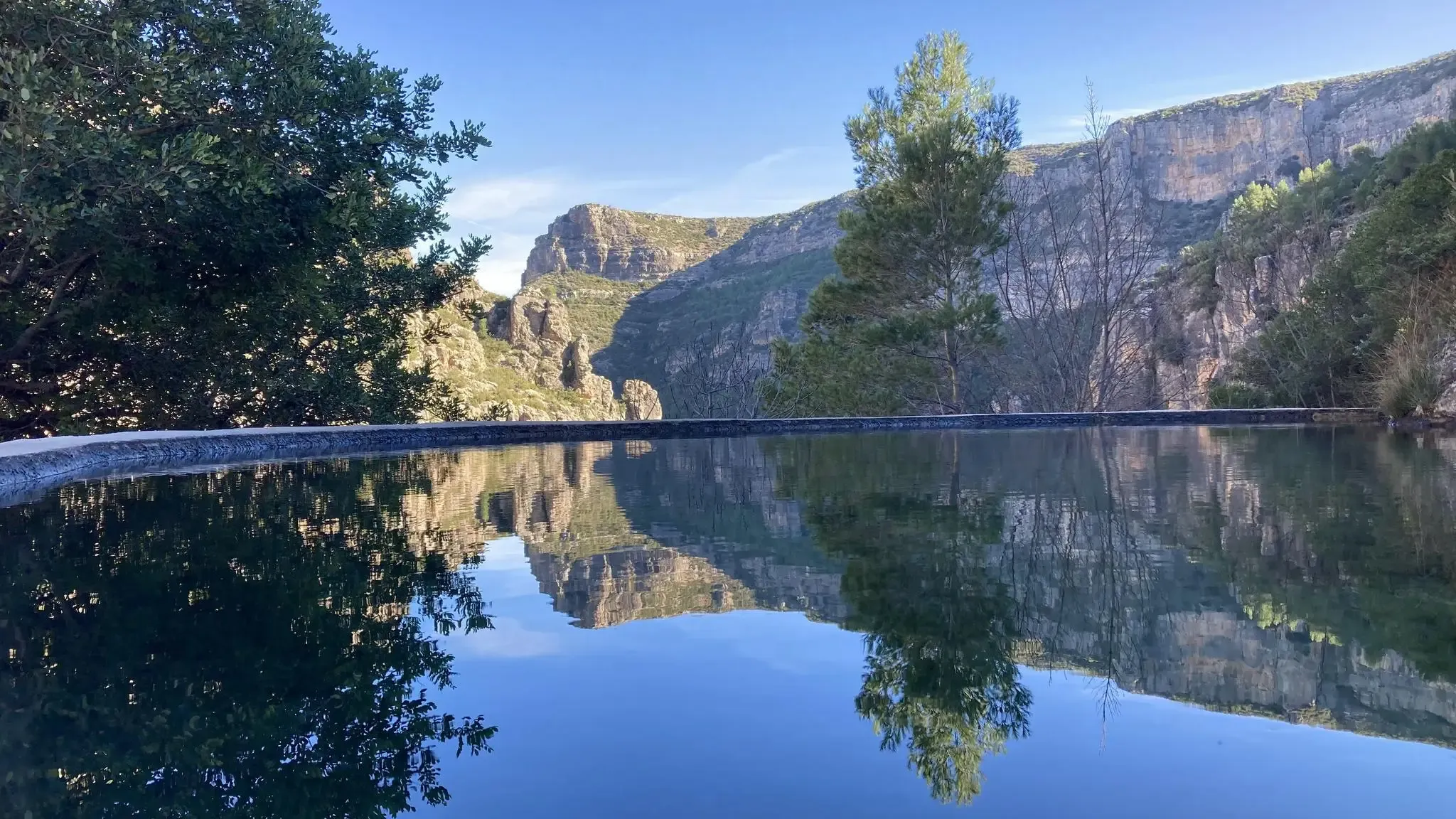
The hidden gem of Valencia – Caroig Massif (GR 237)
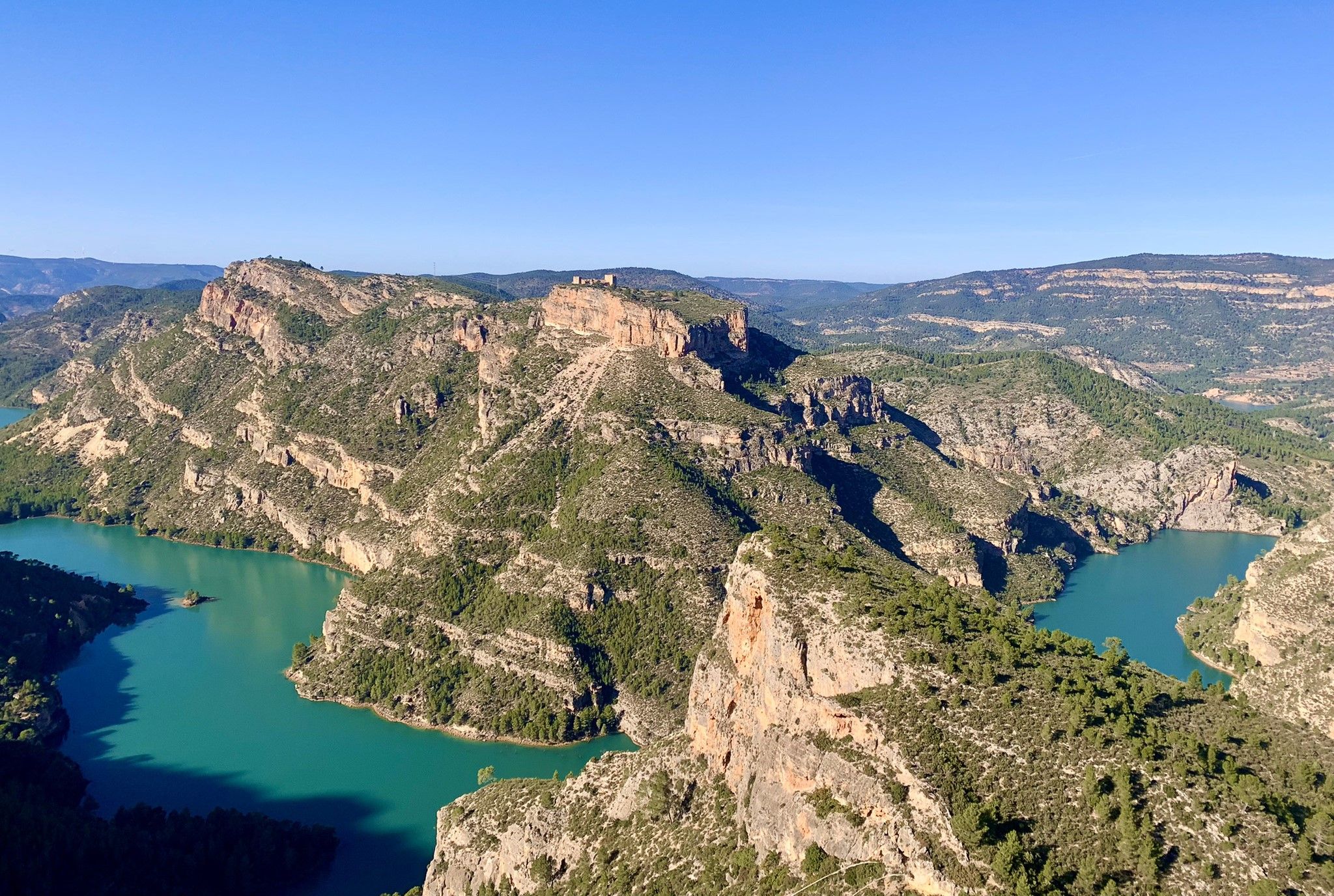
A journey full of discoveries – the Valencia region on foot (GR7)
A journey to the interior of the Iberian Peninsula – Levante Way (GR 239)
Road Cycling Routes around la Costera
Hiking around la Costera
MTB Trails around la Costera
Running Trails around la Costera
Cycling around la Costera
Other adventures around la Costera


Tips from the Community

a short uphill side track brings you to a well preserved and well protected site with some rock paintings.
1
0

The La Cova Negra municipal natural area is located in the municipality of Játiva, province of Valencia. In the Cova Negra is the Middle Paleolithic site in which remains of Homo Neanderthal have appeared. This natural area is located in the narrow valley formed by the Albaida River, as it crosses the reliefs of the Sierra Grossa, at the exit of the so-called Estret de les Aigües. In the widest meander formed by the Albaida River, at the height of Pico del Paller, you can see the Cova Negra, named for the blackish appearance of its walls.
2
1

Deviating about 45 m in the NW direction you will find the Cueva Santa, a notable point on the route, it is located on one of the cliffs of the Capurutxo mountain range. It is a very visited cave, since its first section does not require any technical equipment.
2
0

La Cova Negra is a cavity that is located in a gorge called the Strait of Waters. Its black color is mainly due to the smoke from the bonfires made by its former inhabitants, the Neanderthals who occupied it for a few months of the year. An important amount of flint tools and other archaeological remains have been found here.
3
0

La Cova Negra is an important archaeological site, located in the widest meander of the Albaida river. It was home to Neanderthal man in the Paleolithic. The cave gets its name from the dark color of the walls. Human remains and paintings have been found inside.
2
0
La Cova Negra is an important archaeological site, located in the widest meander of the Albaida river. It was home to Neanderthal man in the Paleolithic. The cave gets its name from the dark color of the walls. Human remains and paintings have been found inside. It is a space of fundamental importance for understanding the culture of the Mosterian and the reality of the Neanderthals. The Almodí Museum exhibits an exact reproduction of a parietal bone from the period, discovered in the cave.
2
0
Mountain path that allows you to approach the banks of the Albaida river and also to the Cova Negra by a path. It runs through beautiful pine forests.
1
0

Cave within the natural area of the same name with great historical and landscape value. It is a very nice place with trails that run along the Albaida River. You can get to the foot of the cave.
1
1
Frequently Asked Questions
What makes the caves in La Costera historically significant?
The caves in La Costera are highly significant for their archaeological value, offering insights into prehistoric human life. Sites like Cova Negra are renowned for Neanderthal occupation and findings of flint tools, while Cueva de Bolomor provides some of the earliest evidence of controlled fire use in Europe, dating back over 350,000 years with remains of early hominid communities.
What can I expect to see at Cova Negra?
At Cova Negra, you'll find a cave known for its dark walls, believed to be stained by fires lit by Neanderthal inhabitants. It's an important archaeological site where flint tools and other remains have been discovered. The surrounding Municipal Natural Area also features beautiful pine forests and trails along the Albaida River.
Is La Cueva Santa accessible for casual visitors?
Yes, La Cueva Santa is a very visited cave because its first section does not require any technical equipment, making it accessible for casual visitors. It is located on one of the cliffs of the Capurutxo mountain range.
Are there other caves or historical sites worth visiting in the region?
Beyond the main caves, you can also visit Cova de les Finestres Rock Paintings, which features well-preserved ancient rock art. Additionally, the nearby Cueva de Bolomor is celebrated as one of the oldest and most important archaeological sites in the Valencian Community, offering guided tours into early human history.
Are there hiking trails associated with the caves?
Yes, there are several hiking opportunities. For instance, the Trail from Xàtiva to the Albaida River and the Cova Negra is a mountain path through pine forests that leads to the Albaida River banks and Cova Negra. You can find more hiking options in the region by exploring guides like Hiking around la Costera.
Are the caves in La Costera suitable for families?
Many of the areas around the caves, particularly the natural areas like Cova Negra with its river trails, are suitable for families. For caves like La Cueva Santa, the initial sections are easily accessible without special equipment, making them good options for family exploration.
What natural features can I explore around the caves?
The region offers diverse natural features. Around Cova Negra, you can explore the natural area with its pine forests and trails along the Albaida River. La Cueva Santa is situated on the Capurutxo mountain range, offering scenic views and a mountainous environment.
When is the best time to visit the caves in La Costera?
The best time to visit the caves and explore the surrounding natural areas in La Costera is typically during the spring (April-May) and autumn (September-October) months. The weather is generally milder and more pleasant for hiking and outdoor activities, avoiding the intense heat of summer.
Is there parking available near the main cave sites?
While specific parking details for every cave are not always listed, popular sites like Cova Negra, located near Xàtiva, generally have accessible parking options in the vicinity or at trailheads leading to the cave. It's advisable to check local information for specific parking areas before your visit.
What kind of outdoor activities can I do near these caves?
Besides exploring the caves, the region offers various outdoor activities, especially hiking. You can find easy hikes, as well as more challenging routes, and even waterfall hikes in the broader La Costera area. Many trails run through pine forests and along rivers, providing scenic routes.
Are permits required to visit the caves in La Costera?
For general access to the main, easily accessible sections of caves like Cova Negra or La Cueva Santa, permits are typically not required. However, for deeper exploration or specific archaeological sites, it's always recommended to check with local tourism offices or site management for any specific access rules or guided tour requirements.
Can I bring my dog to the cave areas?
While specific regulations for each cave may vary, the natural areas surrounding caves like Cova Negra, with their trails and open spaces, are generally suitable for dog walking. It's always best to keep dogs on a leash and follow local guidelines regarding pets in natural parks and protected areas.
Most popular routes around la Costera
Most popular attractions around la Costera

Get inspired with the komoot mobile app


Didn’t find what you were looking for?
Discover more caves around la Costera region by region:
Explore more
Extend your search for the best caves by checking out these guides of the top ones around la Costera:
