Top 7 Caves around Riberas Del Jucar
Best caves around Riberas Del Jucar are found in a region characterized by its unique geological formations and cultural history, particularly around Alcalá del Júcar. The area features numerous caves, many of which have been adapted for various uses over centuries. These natural features offer insights into the region's past, from ancient dwellings to archaeological sites. The landscape is shaped by the Júcar river, creating canyons and rock formations that house these subterranean structures.
Best caves around Riberas Del Jucar
- The most popular caves is Cova Negra, a cave and historical site that is a significant Paleolithic site where Neanderthal remains have been discovered. It is recognized as a Municipal Natural Site due to its ecological and scenic value.
- Another must-see spot is Cova de la Galera, a natural cave and historical site. This cave features impressive panoramic views of the coastline and has archaeological evidence of human occupation since the Bronze Age.
- Visitors also love La Murta Municipal Natural Park, a natural monument with several chasms and caves. This park is known for its high landscape value, steep mountain ranges, and diverse flora.
- Riberas Del Jucar is known for its archaeological caves, natural caves, and adapted cave dwellings. Visitors can explore sites with ancient human history, unique geological formations, and traditional troglodytic architecture.
- The caves around Riberas Del Jucar are appreciated by the komoot community, with more than 110 upvotes and 51 photos shared across various highlights.
Last updated: June 26, 2026
Cova Negra
Highlight • Cave
Translated by Google •
Tip by

Cova de la Galera
Highlight • Cave
Translated by Google •
Tip by

Sign up now to discover places like this
Get recommendations on the best single tracks, peaks, & plenty of other exciting outdoor places.
Sign up for free
La Murta Municipal Natural Park
Highlight • Natural Monument
Translated by Google •
Tip by

Trail from Xàtiva to the Albaida River and the Cova Negra
Highlight • Trail
Translated by Google •
Tip by
Cueva del Tornero
Highlight • Cave
Translated by Google •
Tip by

Start today with a free account
Your next adventure awaits.
Login or Signup
Popular around Riberas Del Jucar
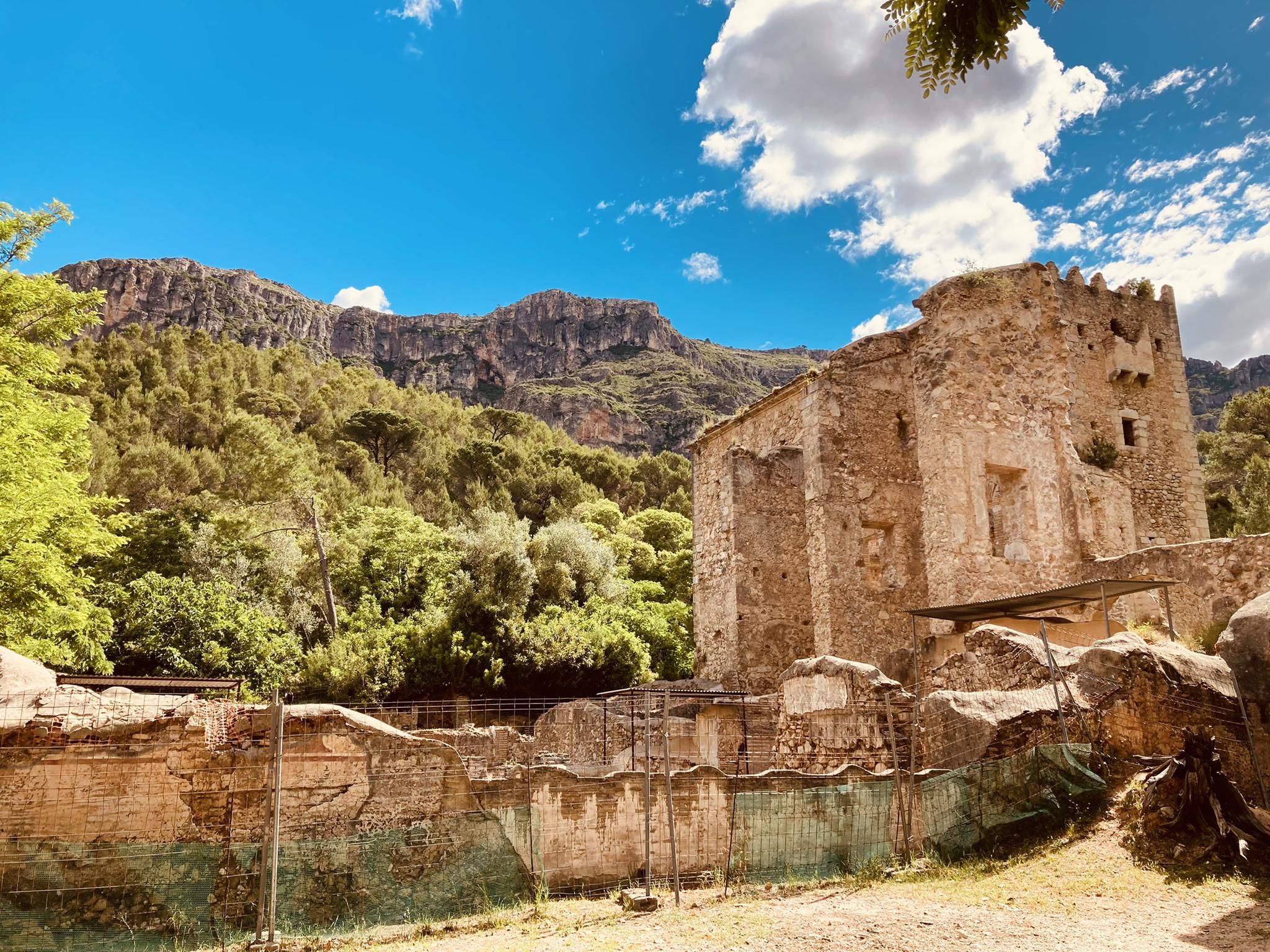
A spiritual walk - Monasteries of Valencia Route (GR 236)
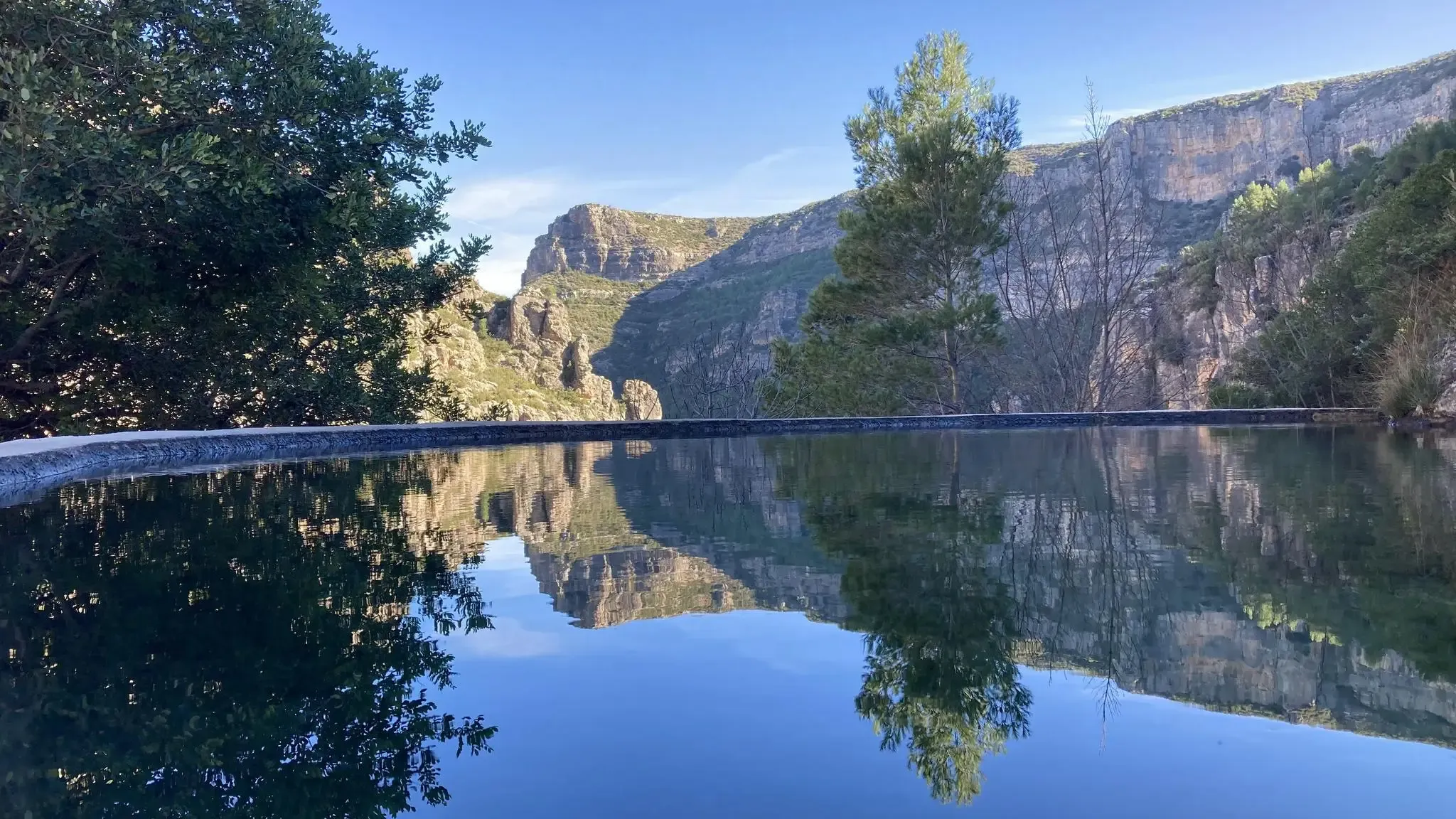
The hidden gem of Valencia – Caroig Massif (GR 237)
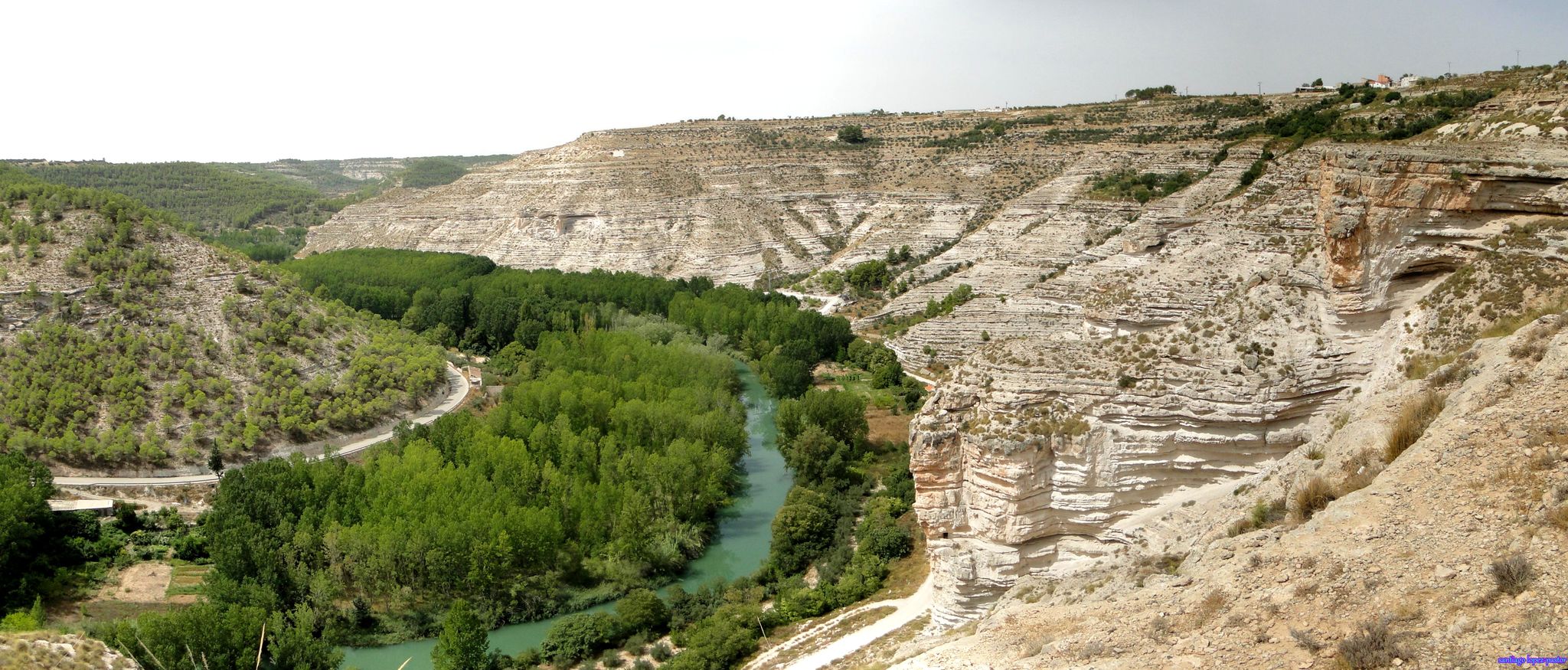
Explore Spain’s Júcar River by bike
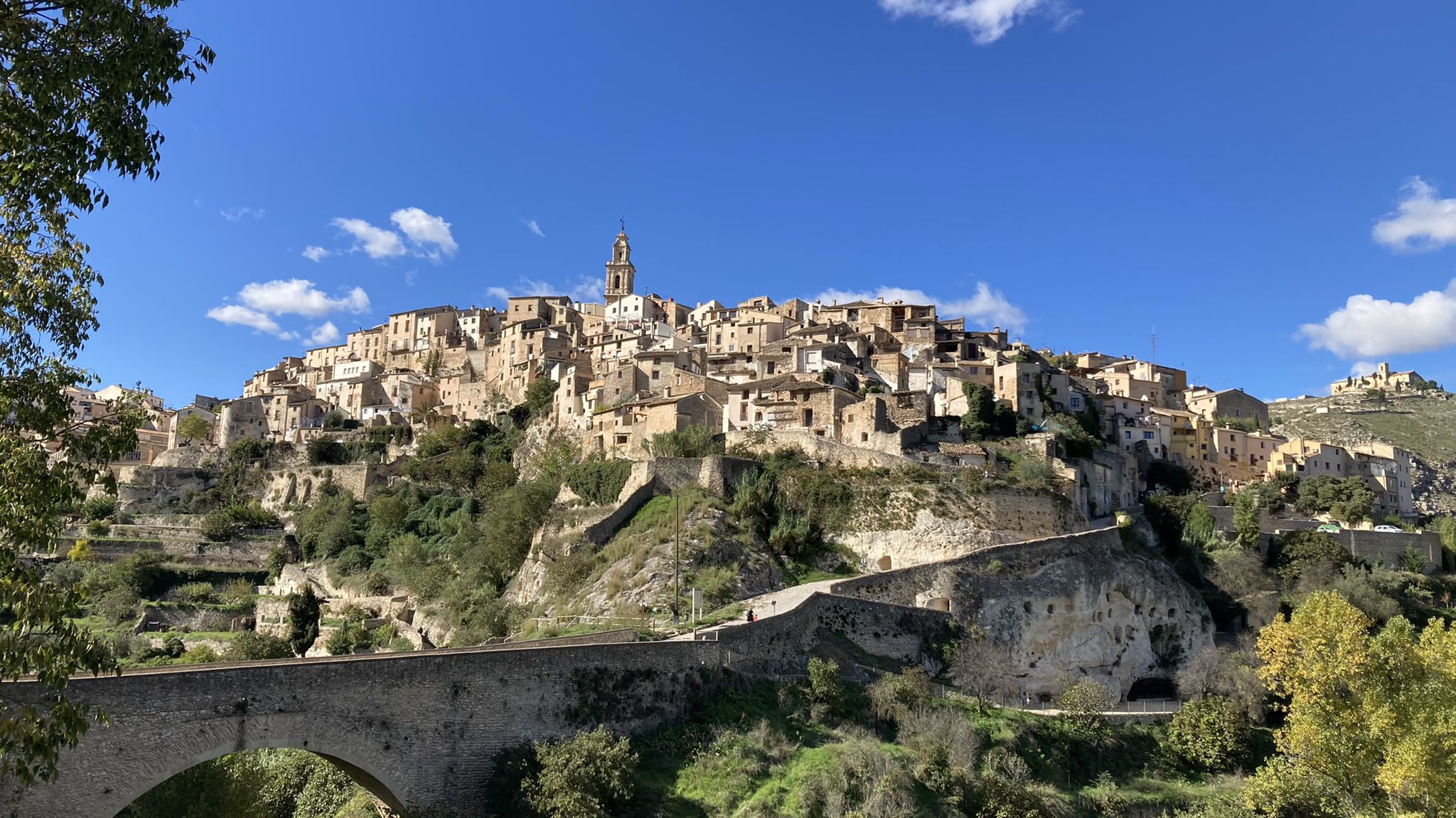
El Camino del Cid – defence of the south by gravel bike
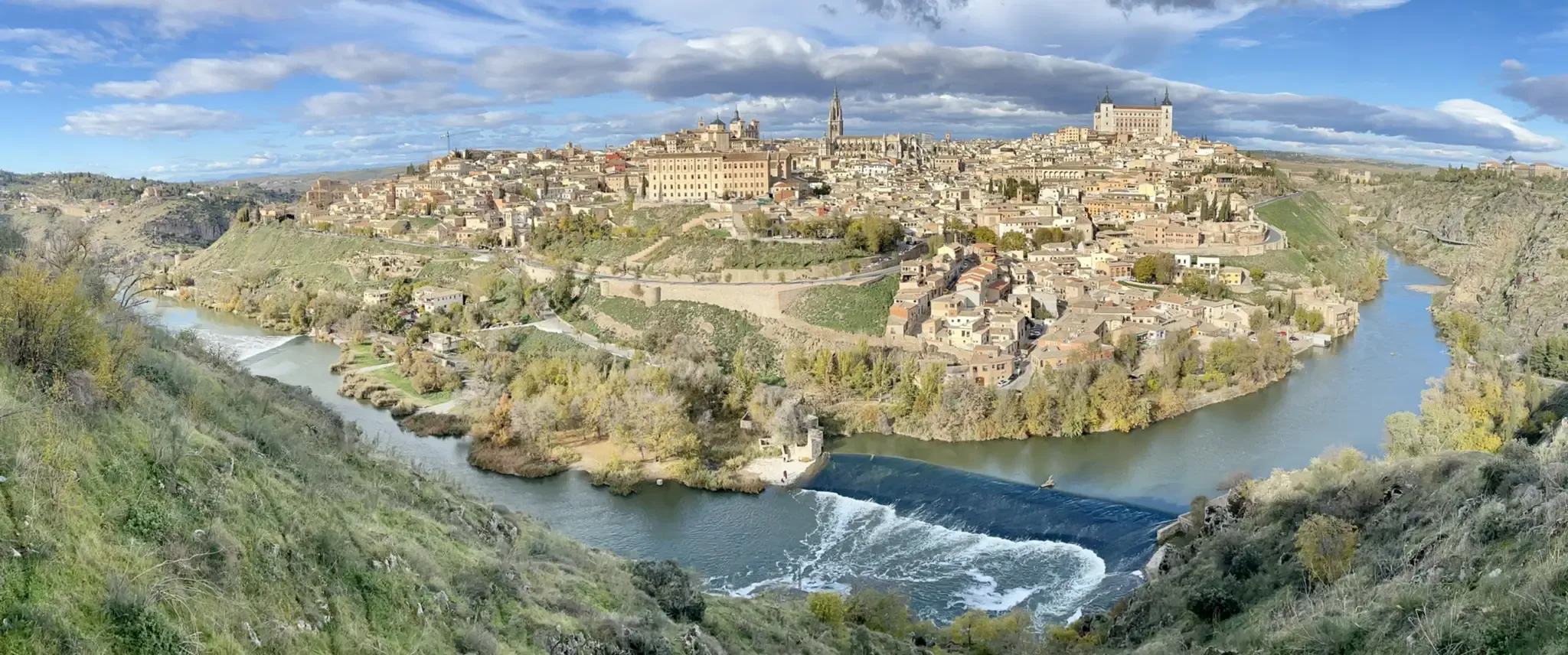
A journey to the interior of the Iberian Peninsula – Levante Way (GR 239)
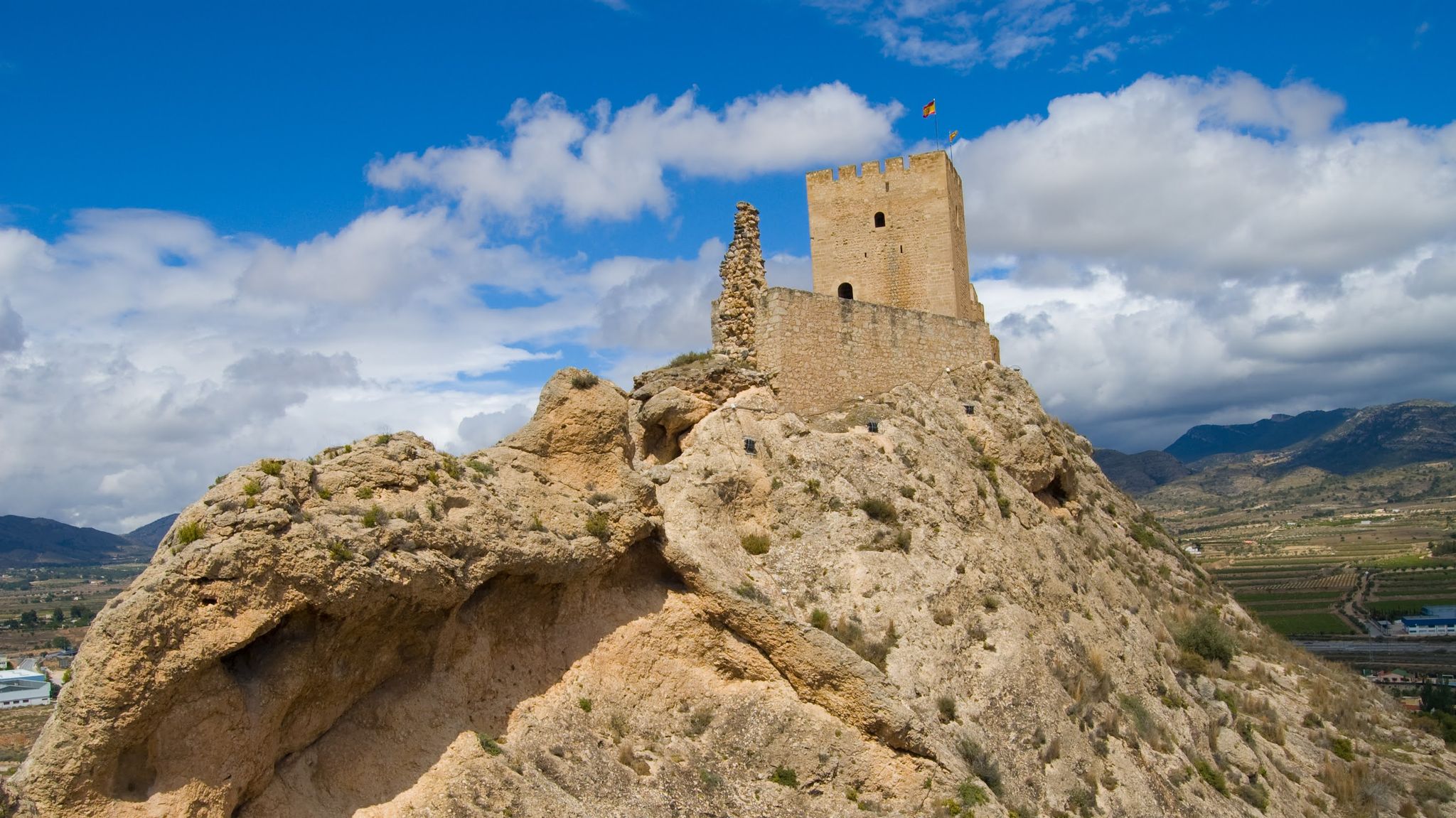
El Camino del Cid – defence of the south on MTB
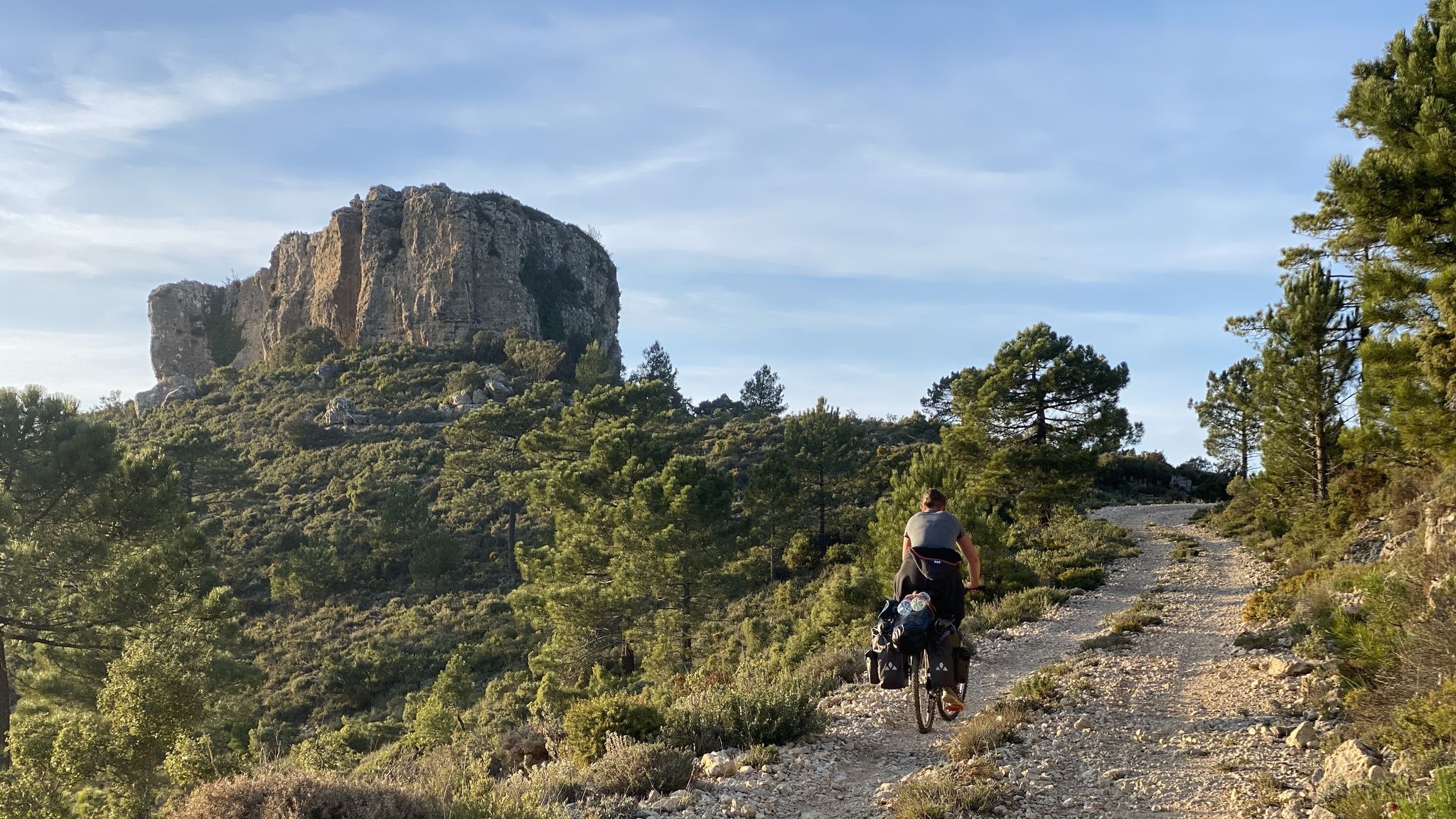
The unknown face of Valencia – Caroig Massif
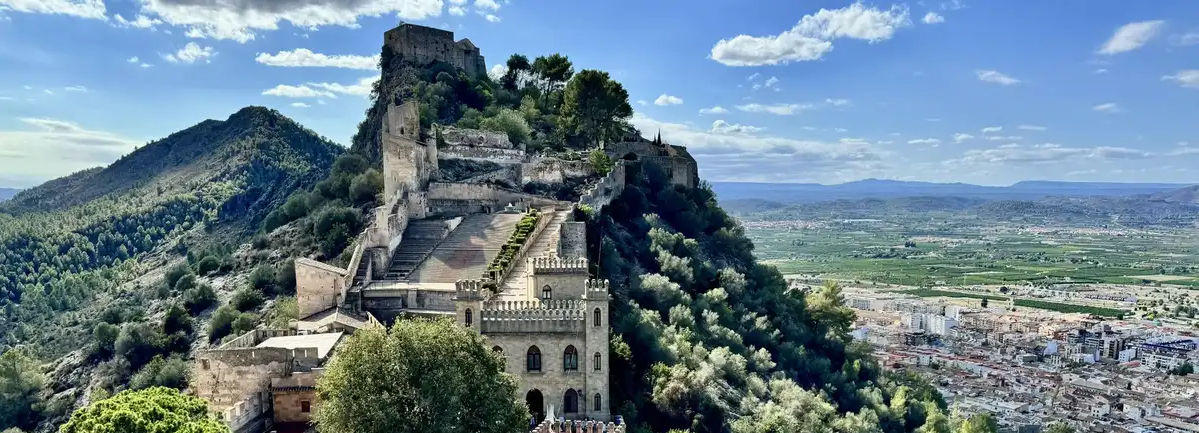
The Way of El Cid by bicycle – La Defensa del Sur (The Defence of the South)
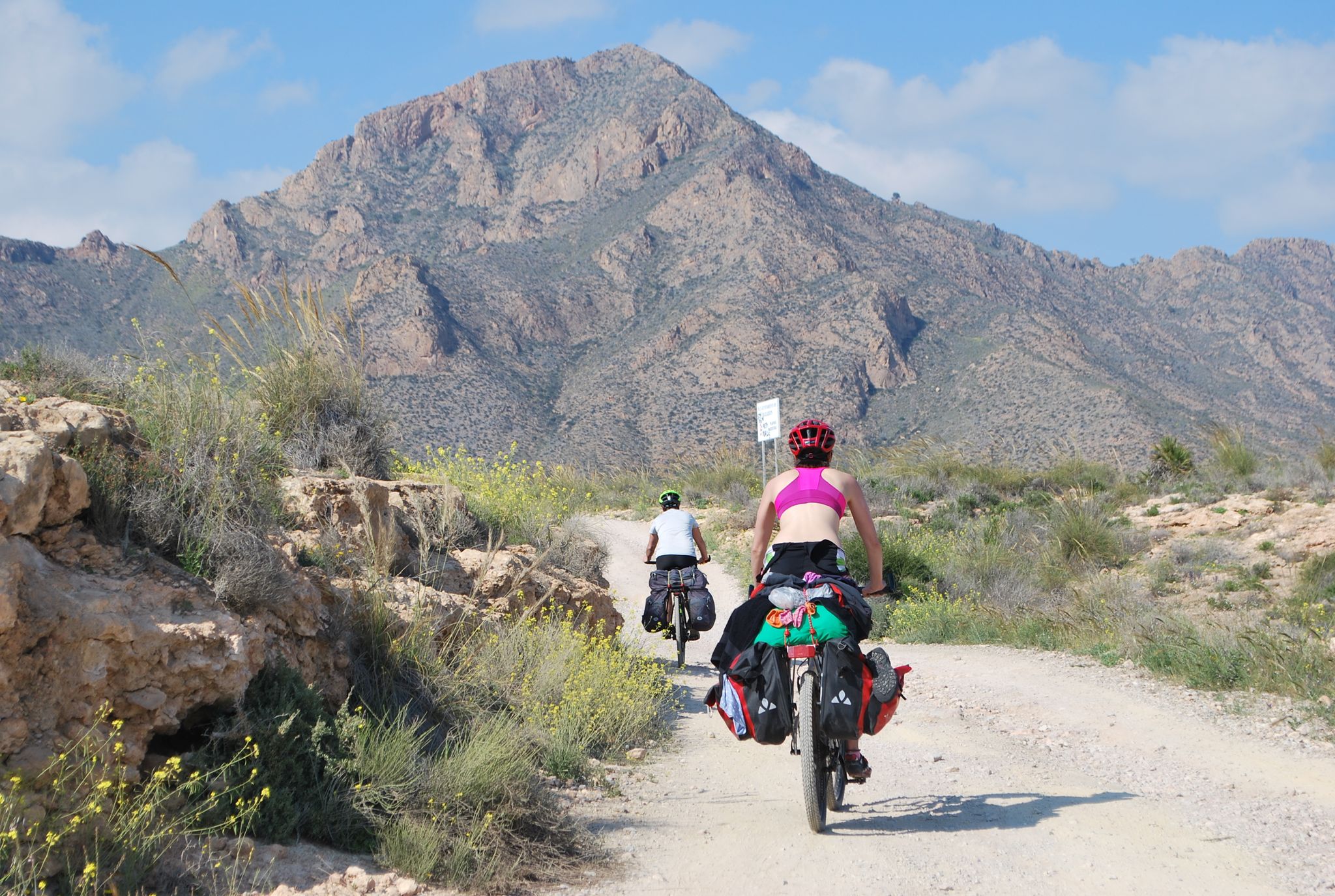
Mediterranean coastal paradise – EuroVelo 8 in Spain
Hiking around Riberas Del Jucar
Other adventures around Riberas Del Jucar


Tips from the Community

The Cova de la Galera is an impressive natural cave located in Favara, in the province of Valencia. This cave is located in the Sierra de Corbera, about 410 meters above sea level. It is known for its spectacular nature and its whimsical shape, with stalactites and stalagmites decorating its interior. The cave has been used throughout history for various purposes, from shelter for livestock to hiding during the Spanish Civil War. In addition, evidence of human use has been found dating back to the Bronze Age.
4
0

The La Cova Negra municipal natural area is located in the municipality of Játiva, province of Valencia. In the Cova Negra is the Middle Paleolithic site in which remains of Homo Neanderthal have appeared. This natural area is located in the narrow valley formed by the Albaida River, as it crosses the reliefs of the Sierra Grossa, at the exit of the so-called Estret de les Aigües. In the widest meander formed by the Albaida River, at the height of Pico del Paller, you can see the Cova Negra, named for the blackish appearance of its walls.
2
1

Great cave. It's worth going down. It's dripping everywhere. Flashlight recommended.
1
0

La Cova Negra is a cavity that is located in a gorge called the Strait of Waters. Its black color is mainly due to the smoke from the bonfires made by its former inhabitants, the Neanderthals who occupied it for a few months of the year. An important amount of flint tools and other archaeological remains have been found here.
3
0

La Cova Negra is an important archaeological site, located in the widest meander of the Albaida river. It was home to Neanderthal man in the Paleolithic. The cave gets its name from the dark color of the walls. Human remains and paintings have been found inside.
2
0
La Cova Negra is an important archaeological site, located in the widest meander of the Albaida river. It was home to Neanderthal man in the Paleolithic. The cave gets its name from the dark color of the walls. Human remains and paintings have been found inside. It is a space of fundamental importance for understanding the culture of the Mosterian and the reality of the Neanderthals. The Almodí Museum exhibits an exact reproduction of a parietal bone from the period, discovered in the cave.
2
0
Mountain path that allows you to approach the banks of the Albaida river and also to the Cova Negra by a path. It runs through beautiful pine forests.
1
0
The spectacular natural cave of Ribera Baixa.
7
0
Frequently Asked Questions
What historical significance do the caves in Riberas del Júcar hold?
The caves in Riberas del Júcar are rich in history. For example, Cova Negra is a significant Paleolithic site where Neanderthal remains and Mousterian tools have been discovered. The Cuevas del Diablo connect to the ancient Cueva de Garadén, traditionally inhabited by the Moorish king Agradén. The Cuevas de Masagó have an Almohad origin, and the Casas Cueva de la Ribera de Cubas show evidence of Iberian, Roman, Visigothic, and Islamic presence, serving as dwellings, defensive structures, and agricultural spaces.
Are there family-friendly caves to visit in the Riberas del Júcar region?
Yes, several caves offer experiences suitable for families. The Cuevas del Diablo and Cuevas de Masagó in Alcalá del Júcar are popular tourist attractions with unique interiors and amenities like museums and restaurants. Additionally, La Murta Municipal Natural Park, which contains several chasms and caves, is listed as family-friendly and offers diverse flora and scenic beauty.
What unique natural features can I expect to see in the caves?
The caves in the region showcase diverse natural features. Cova de la Galera is known for its spectacular natural formations, including stalactites and stalagmites, and offers impressive panoramic views of the coastline. The Cueva del Tornero features a labyrinth of tunnels, impressive chambers, and rock formations. Cova Negra is situated in a narrow gorge with striking contrasts of riverside and mountain vegetation, recognized for its ecological value.
What is the best time of year to visit the caves in Riberas del Júcar?
Many caves in the Riberas del Júcar region maintain a naturally cool and constant temperature, making them pleasant to visit year-round. For instance, the Cuevas del Diablo stay around 18°C, providing a refreshing escape, especially during warmer months. Generally, spring and autumn offer comfortable weather for exploring the surrounding areas and trails.
Are there any caves that require special permits or guidance to explore?
Yes, some caves, particularly more complex or extensive systems, may require specialized guidance. The Cueva del Tornero, one of the longest underground cave systems in the Iberian Peninsula, is known for its complex nature, and visits typically require specialized guidance due to its extensive galleries and formations.
What outdoor activities can I combine with a visit to the caves?
The Riberas del Júcar region offers various outdoor activities. You can find numerous hiking trails, such as those around Cova Negra, which run along the Albaida River. For more hiking options, explore the easy hikes around Riberas Del Jucar. The area also provides opportunities for gravel biking, with routes like those found in the Gravel biking around Riberas Del Jucar guide, and waterfall hikes, as detailed in the Waterfall hikes around Riberas Del Jucar guide.
Can I find accommodation within or near the cave dwellings?
Yes, some of the unique cave structures in the region have been adapted for accommodation. Parts of the Cuevas de Masagó have been converted into rural accommodations, offering an immersive experience. Similarly, many of the fascinating Casas Cueva de la Ribera de Cubas in Jorquera have been rehabilitated and now function as charming rural accommodations, allowing visitors to experience this ancient way of life firsthand.
What can I expect when visiting the Cuevas del Diablo in Alcalá del Júcar?
The Cuevas del Diablo offer a captivating experience with stunning interiors filled with historical artifacts and antique items. Visitors can enjoy complimentary drinks on a balcony providing privileged views over the Júcar river. These caves maintain a naturally cool temperature of around 18°C year-round, making them a comfortable visit in any season. They also connect to the ancient Cueva de Garadén.
Are there dining options available at any of the cave attractions?
Yes, some cave attractions integrate dining experiences. The Cuevas de Masagó, for example, house a restaurant serving traditional Manchegan cuisine and a bar, allowing visitors to enjoy local flavors within the unique cave setting after exploring the museums and tunnels.
What makes the Casas Cueva de la Ribera de Cubas unique?
The Casas Cueva de la Ribera de Cubas in Jorquera are unique because they are excavated directly into the limestone rock of the Júcar canyon, showcasing a distinctive model of human settlement. Their history dates back to at least the 4th and 3rd centuries BC, with evidence of various ancient cultures. Beyond residential use, they also served defensive and agricultural purposes, and many have been rehabilitated into rural accommodations.
What is the significance of <a href="https://www.komoot.com/highlight/4758759" target="_blank" rel="noopener">La Murta Municipal Natural Park</a>?
La Murta Municipal Natural Park is an emblematic enclave known for its high landscape value, steep mountain ranges, and diverse flora. It features numerous chasms and caves, creating a beautiful landscape that contrasts with the coastal plain and the Xúquer river valley. It's a great spot for nature lovers and families, offering scenic views from its peaks.
What kind of views can I expect from <a href="https://www.komoot.com/highlight/3297906" target="_blank" rel="noopener">Cova de la Galera</a>?
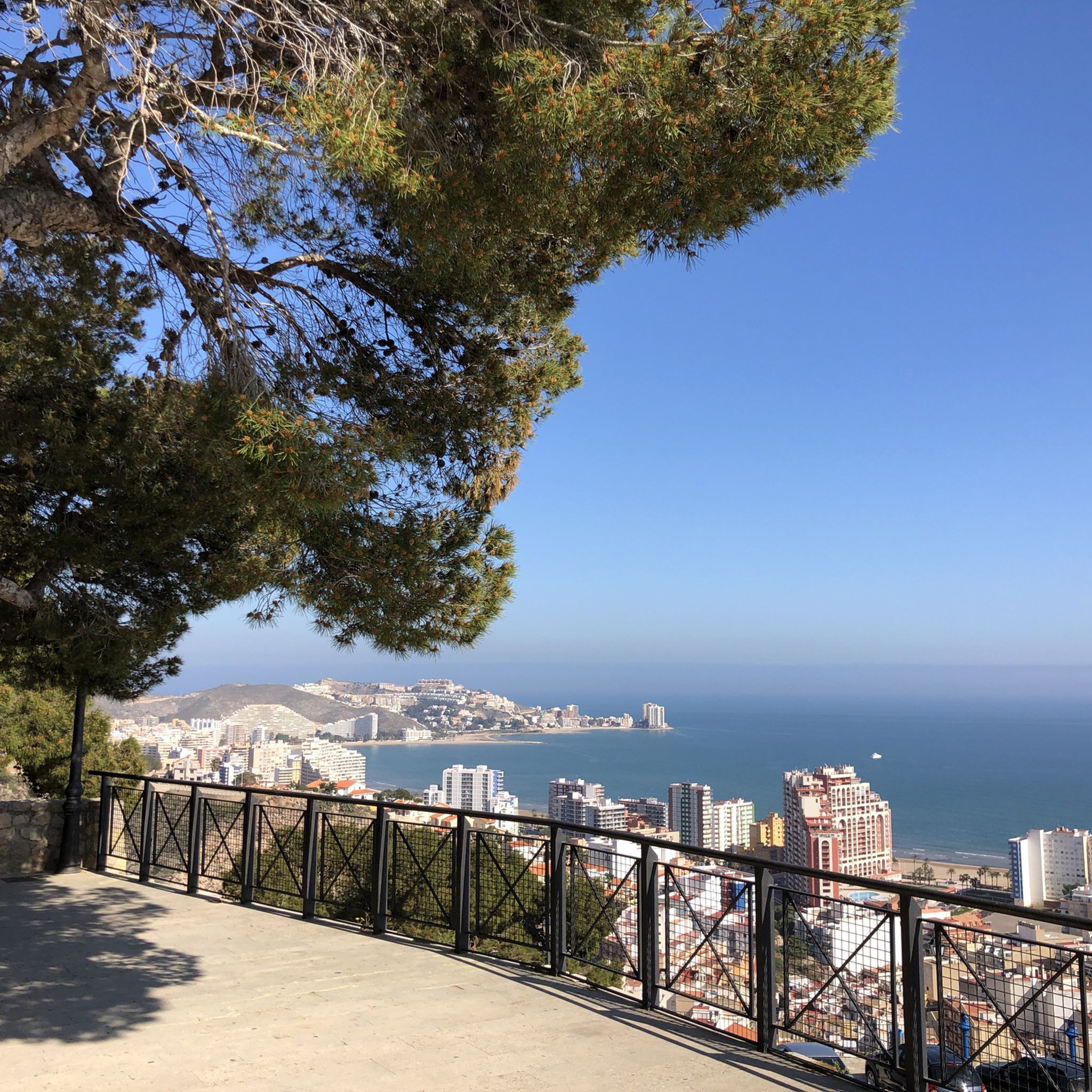
From the entrance of Cova de la Galera, you can expect impressive panoramic views of the coastline, including the town of Cullera. The path leading to the cave is well-maintained and offers a pleasant hike, culminating in these stunning vistas.
Most popular routes around Riberas Del Jucar
Most popular attractions around Riberas Del Jucar

Get inspired with the komoot mobile app


Didn’t find what you were looking for?
Discover more caves around Riberas Del Jucar region by region:
Explore more
Extend your search for the best caves by checking out these guides of the top ones around Riberas Del Jucar:
