Top 7 Caves around Palancia
Best caves around Palancia are found in a region characterized by its diverse subterranean landscape. Palencia, located in the Castilla y León region of Spain, features numerous underground cavities, predominantly in its northern "Páramo" area. These formations are a result of centuries of limestone dissolution by underground water. The area offers a mix of natural geological wonders and sites with historical significance.
Best caves around Palancia
- The most popular caves is The Cueva Negra, a cave of immense dimensions.…
Last updated: October 13, 2026
The Cueva Negra
Highlight • Cave
Translated by Google •
Tip by

Ruins of Las Cuevas Calientes
Highlight • Cave
Translated by Google •
Tip by
Sign up now to discover places like this
Get recommendations on the best single tracks, peaks, & plenty of other exciting outdoor places.
Caves
Highlight • Cave
Translated by Google •
Tip by

Rufino Rock Shelter
Highlight • Cave
Translated by Google •
Tip by

Civil War shelters
Highlight • Historical Site
Translated by Google •
Tip by

Unusual holes
Highlight • Cave
Translated by Google •
Tip by

Cirat Cave
Highlight • Cave
The access is via a dirt track, although with considerable slope it is easy to reach by MTB 🚵🏽♀️ or off-road vehicle. …
Showing Translation
Tip by

Santa Ana Cave
Highlight • Cave
To reach the chapel built in the s. XVII you descend by a staircase.
Translated by Google •
Tip by

Start today with a free account
Your next adventure awaits.
Popular around Palancia
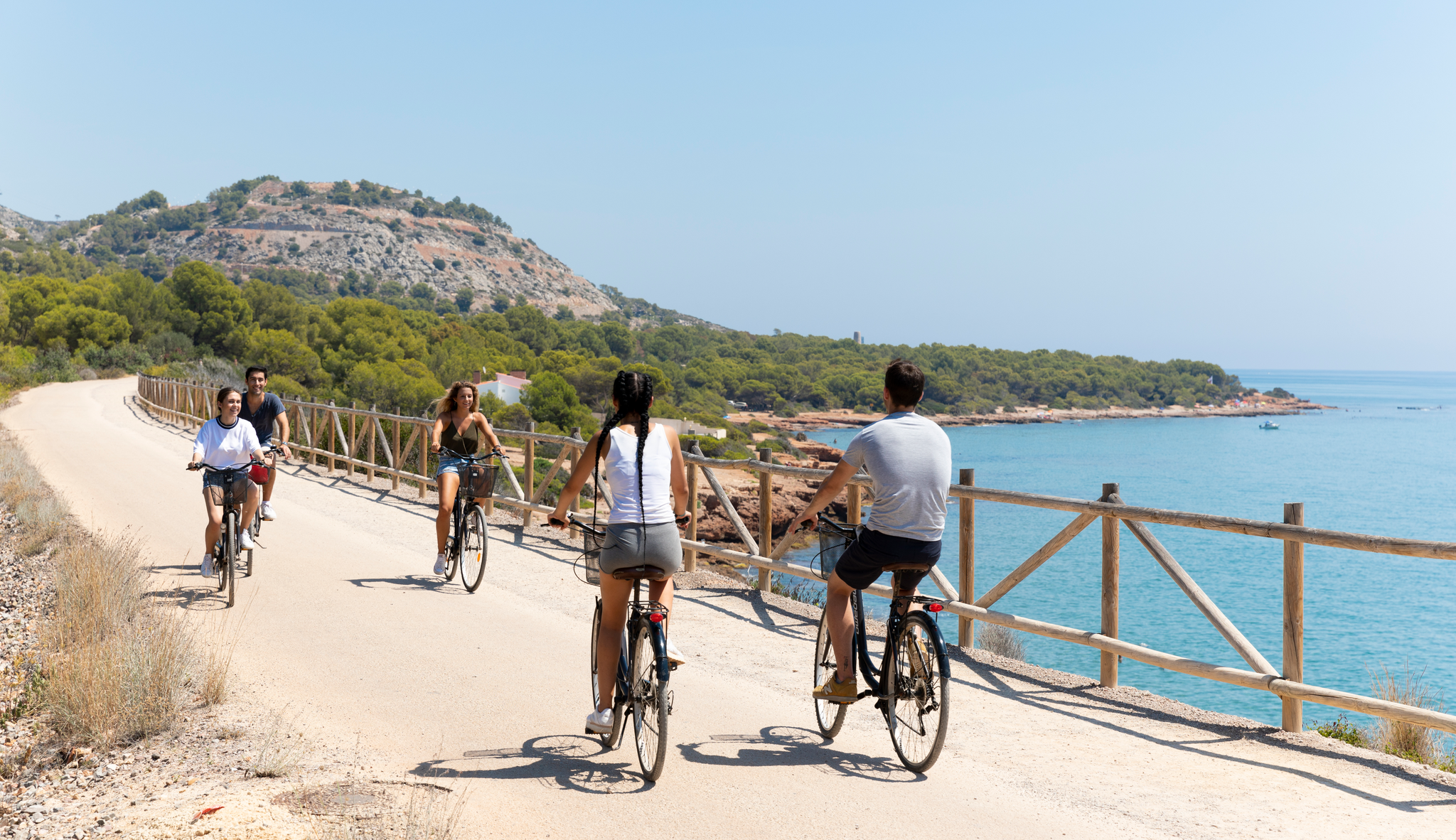
Costa del Azahar and the interior of Castellón by its greenways
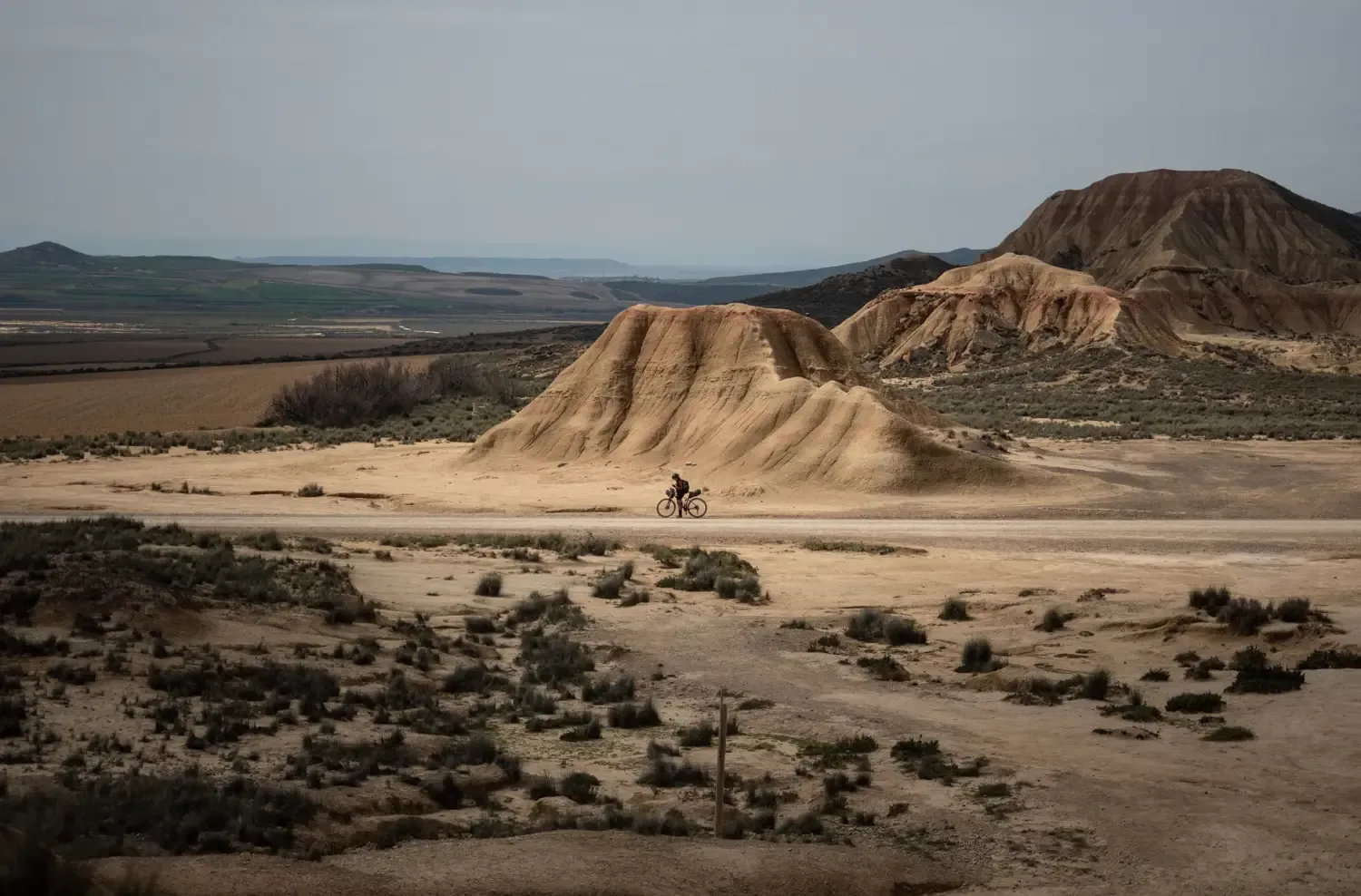
9 mountain biking routes in undiscovered Spain
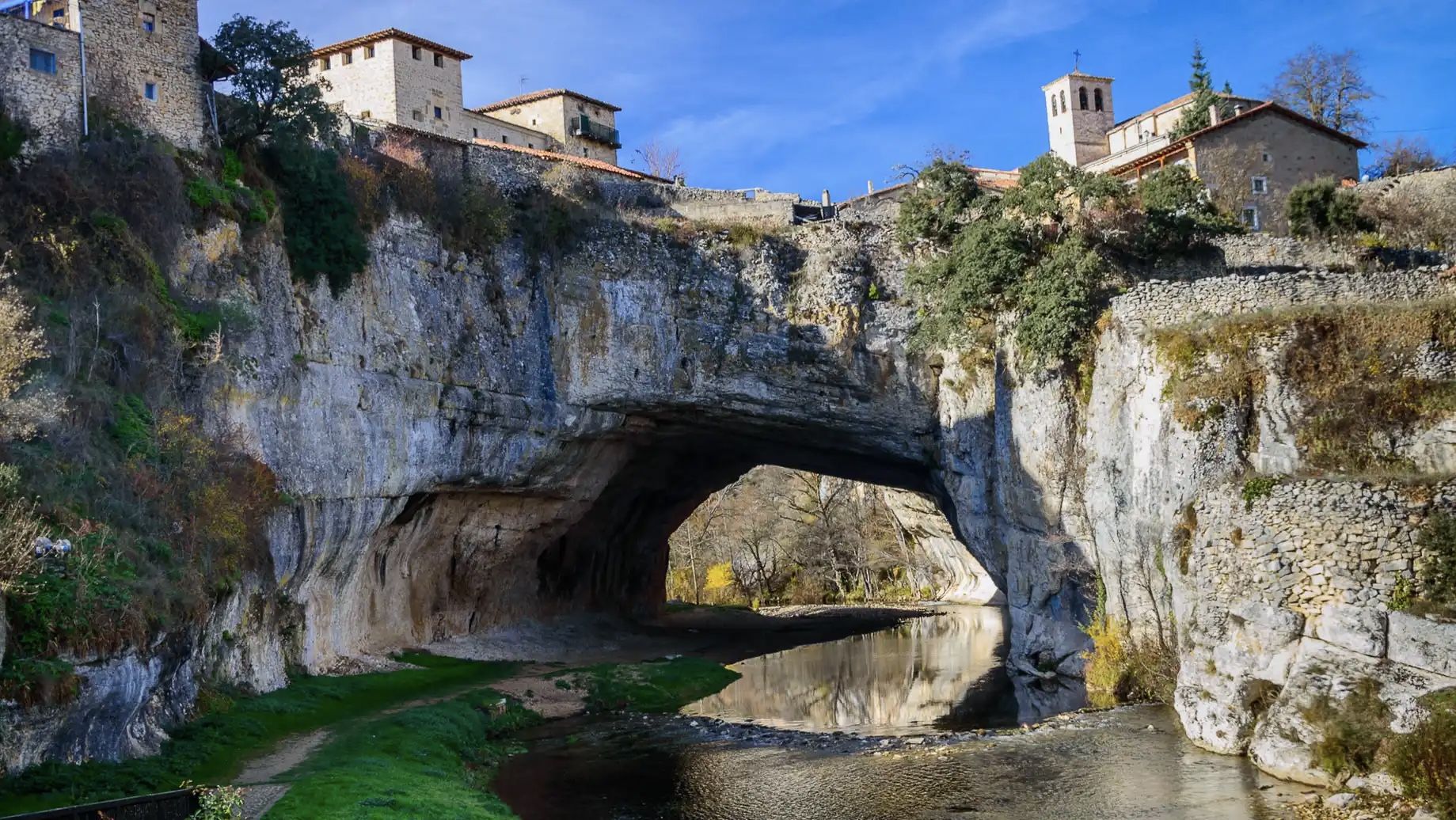
An epic getaway – Santander-Mediterráneo Nature Trail
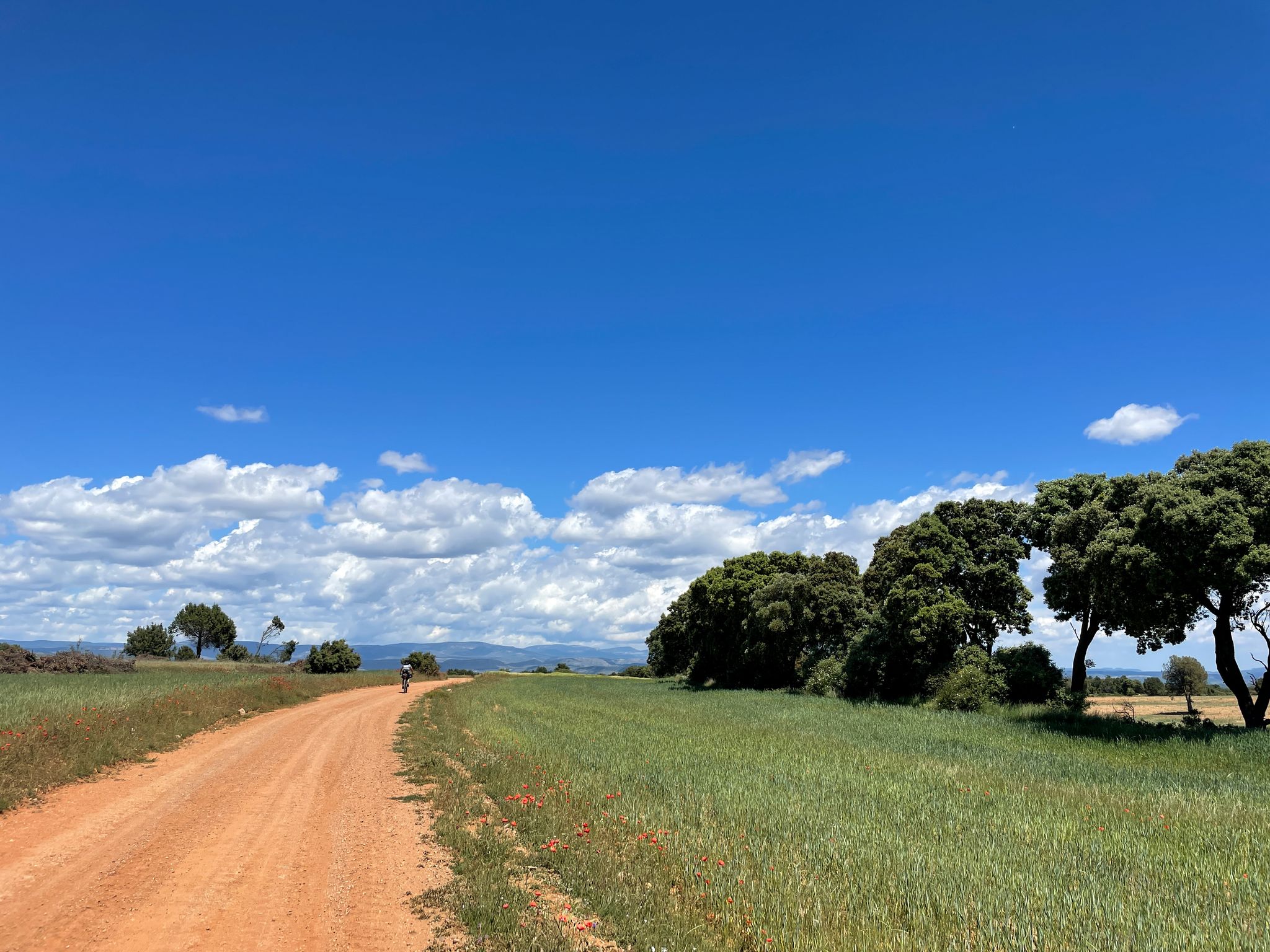
El Camino del Cid – conquest of Valencia by gravel bike
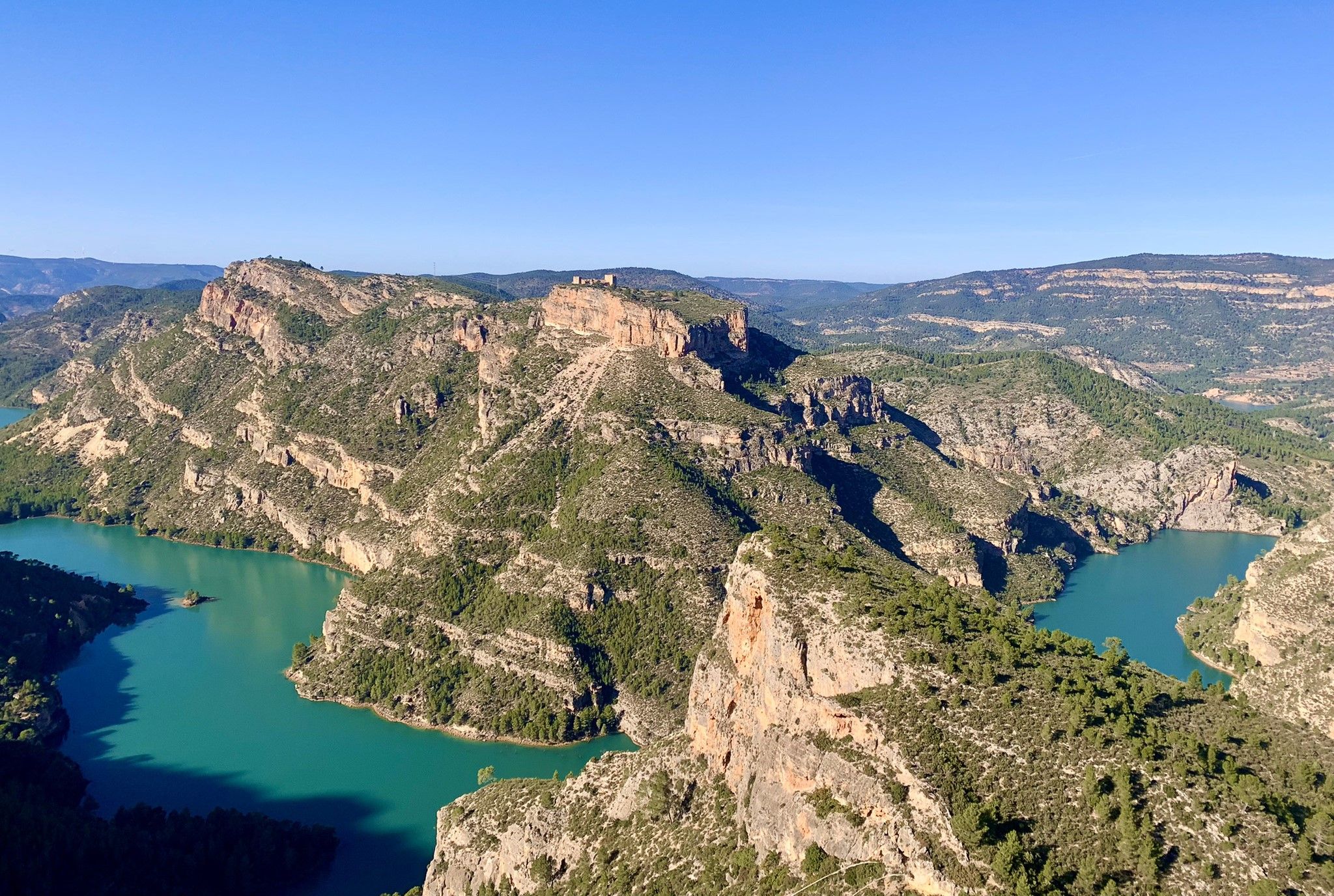
A journey full of discoveries – the Valencia region on foot (GR7)
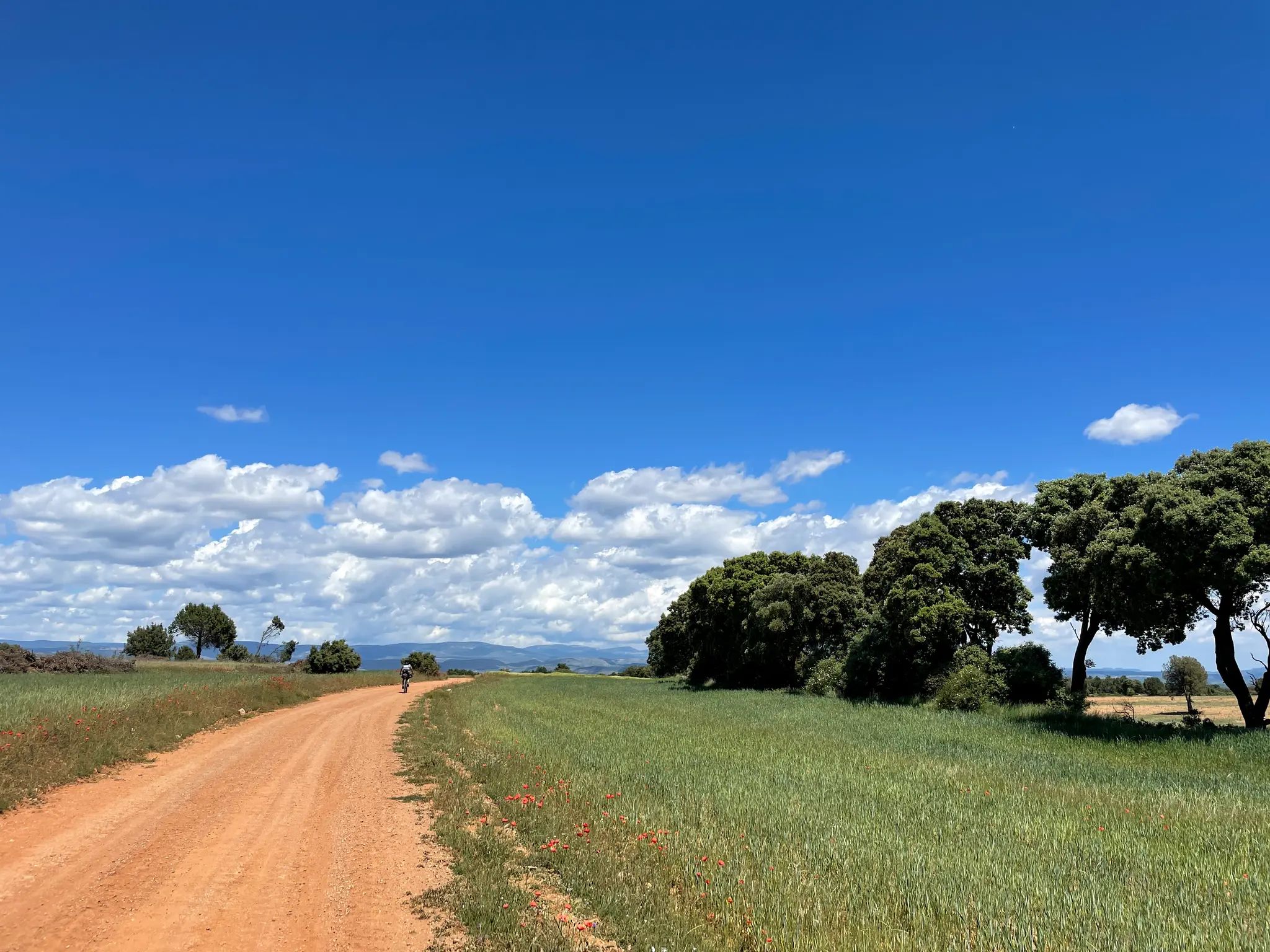
El Camino del Cid – The Conquest of Valencia on MTB
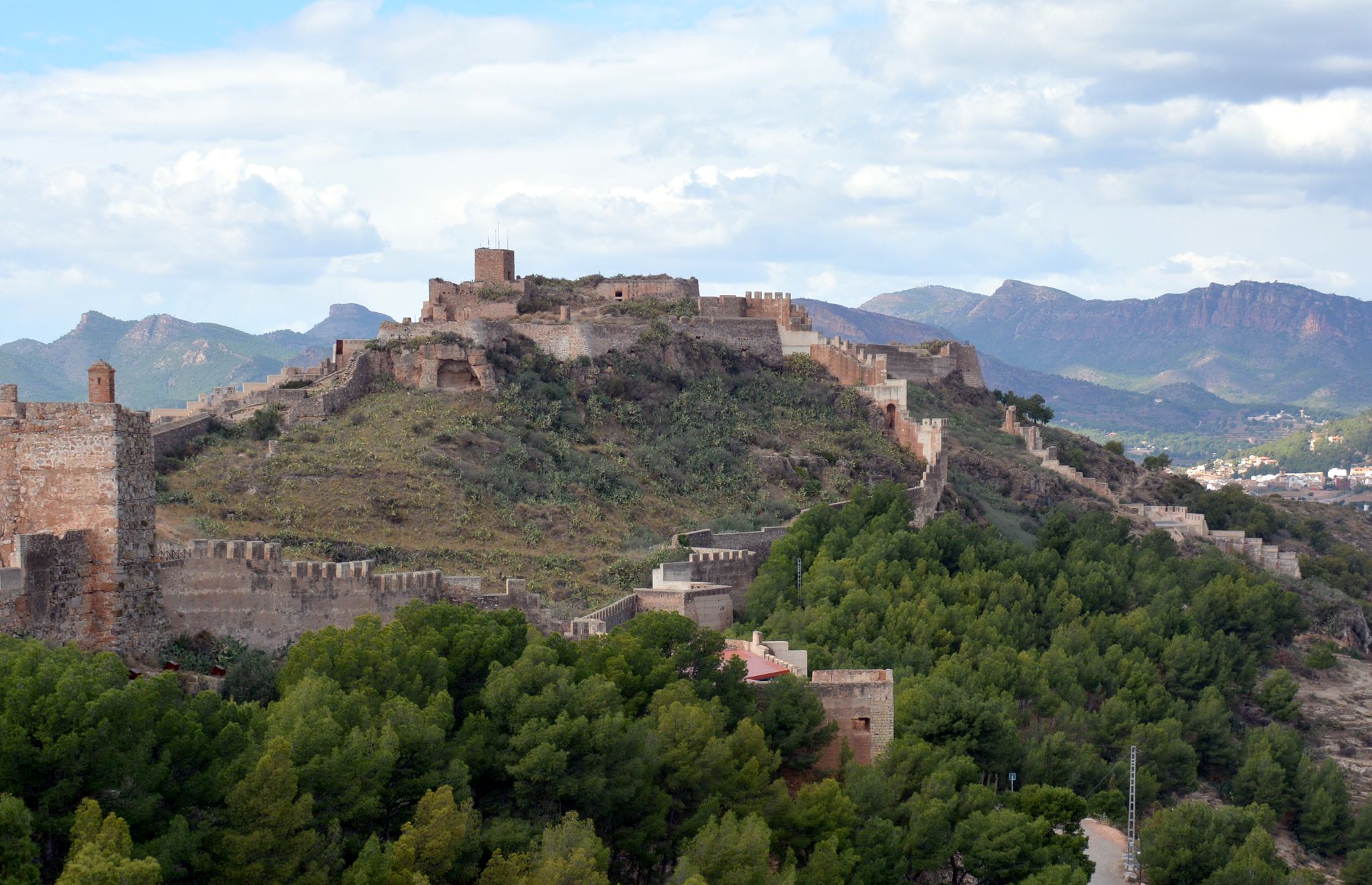
The Way of El Cid by bicycle – Conquest of Valencia
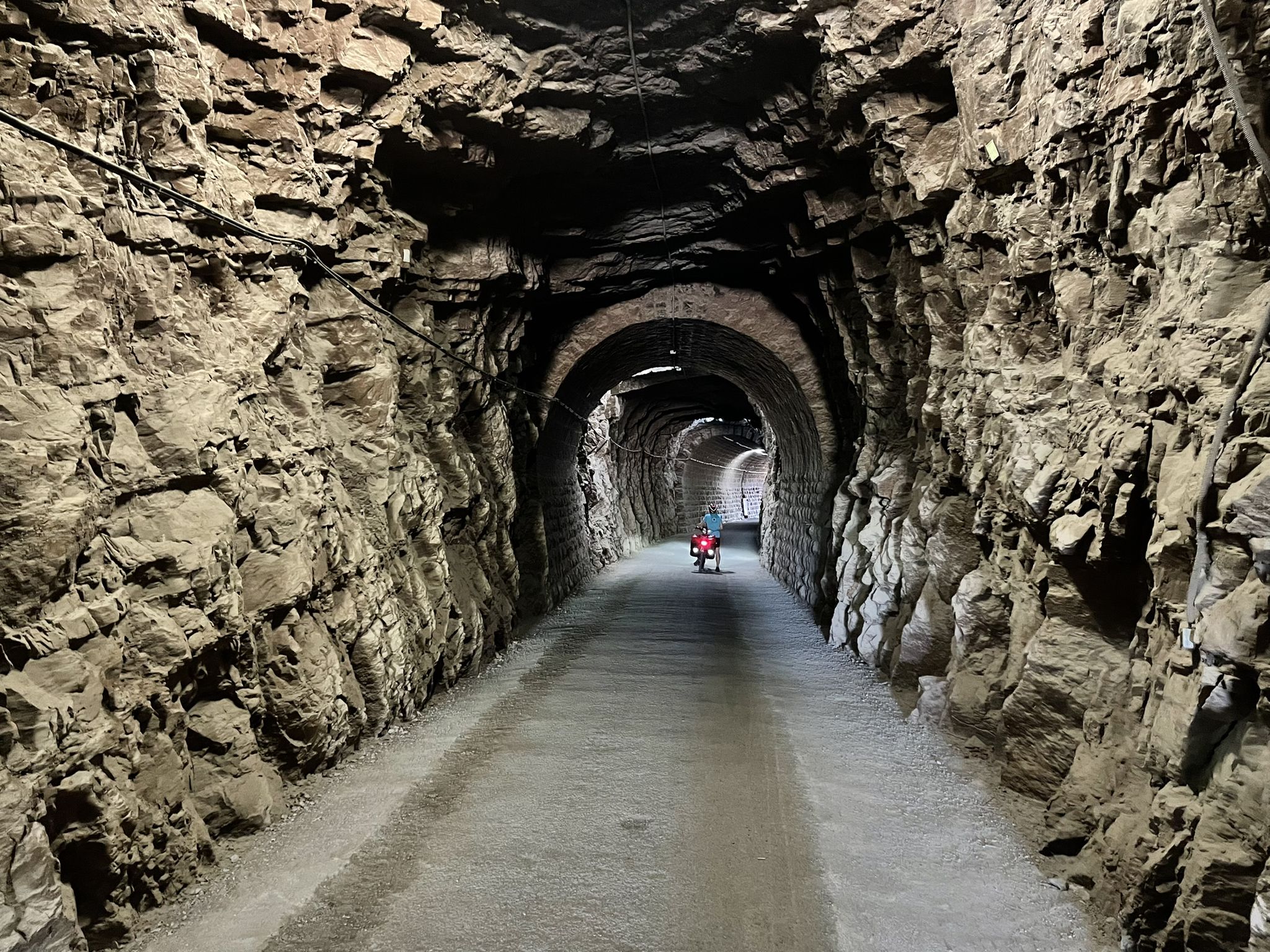
A return to the past on Spain’s longest greenway – Ojos Negros
Hiking around Palancia
MTB Trails around Palancia
Other adventures around Palancia


Tips from the Community

The cave of Cirat is located near Montán. The access is via a dirt track, although with considerable slope it is easy to reach by MTB 🚵🏽♀️ or off-road vehicle. Forget about going up to it in a street vehicle 🚙. Although the first few meters of the cave are accessible, it is a large cave, so you must be equipped and accompanied by someone experienced to explore it in depth.
0
0

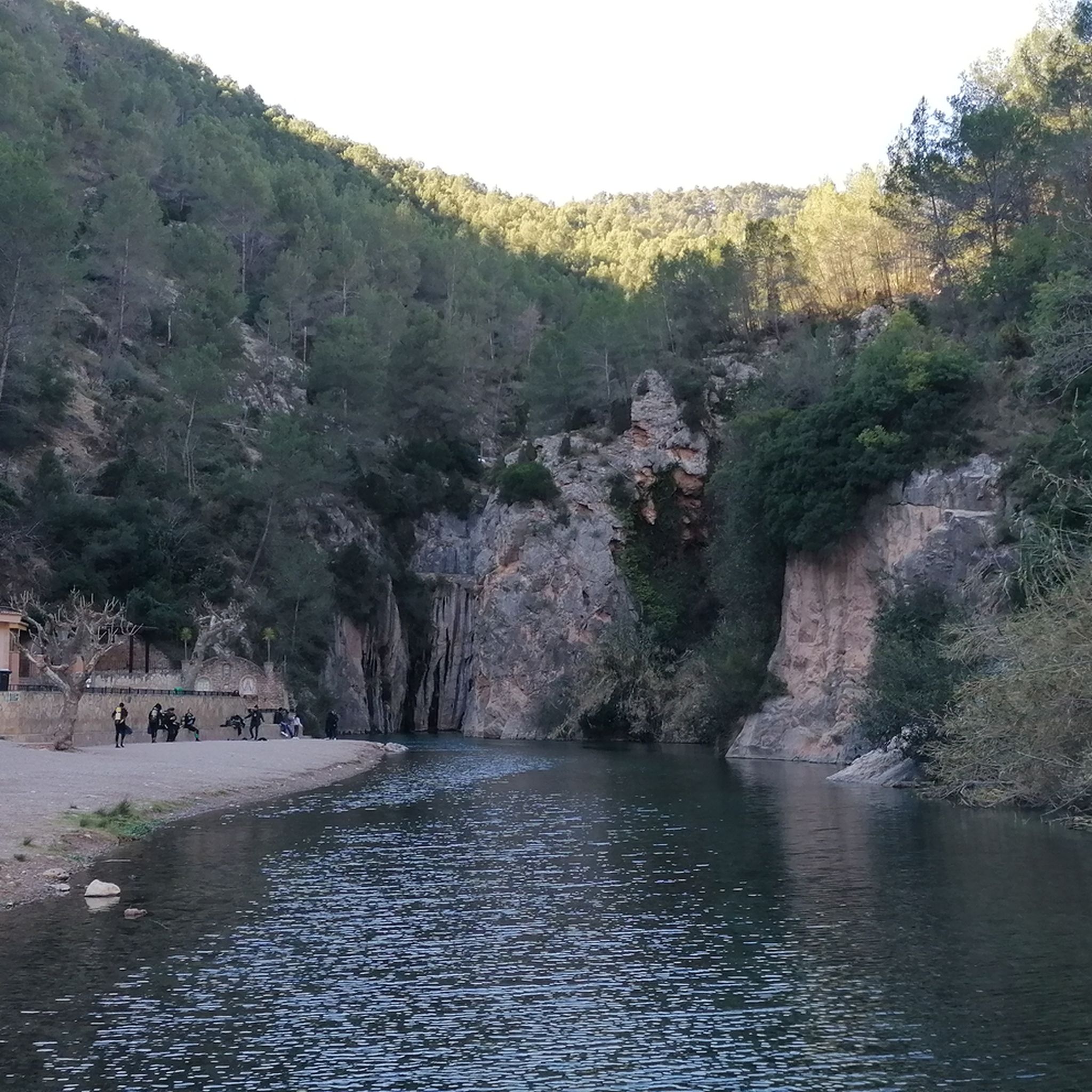
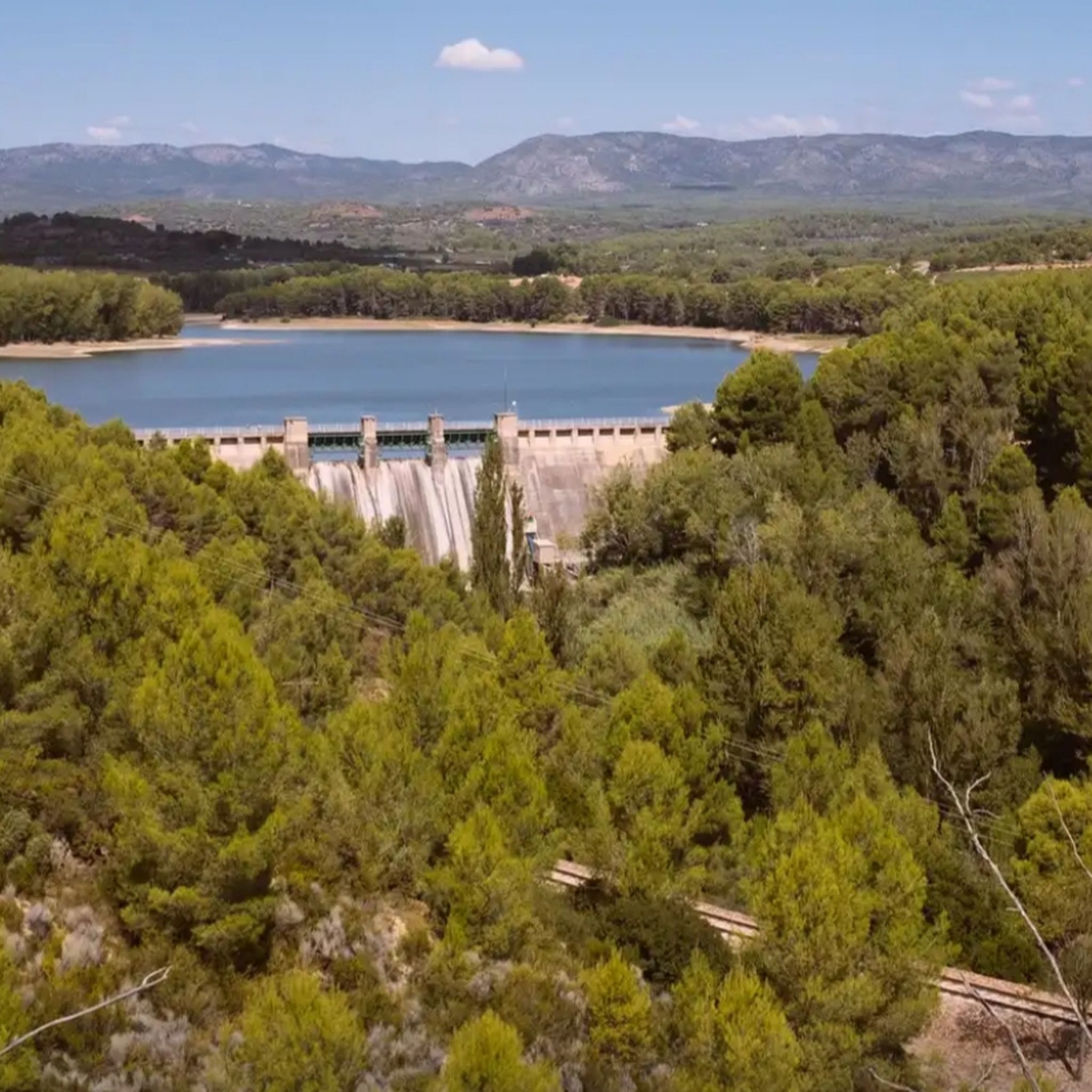
The Abrigo de Rufino is a well-known rock overhang and a key point on a popular hiking route in Montanejos, Castellón province, Spain, part of the Valencian Community. This route often leads to the Fuente de los Baños spring, past the Mirador de Chillapájaros viewpoint and the Cirat Dam (Presa de Cirat), and offers spectacular scenery with gorges, rivers, and rock formations.
0
0

Without further indication, you will find mysterious pieces of rock with holes/small caves somewhere along the Via Verde.
12
0

Almedíxer is located in the heart of the Sierra de Espadán and was occupied by the Republican army under the command of General Leopoldo Menéndez. The XYZ line (or Matallana line) crossed it, and several historical vestiges remain of it. This XYZ line was made up of a network of trenches and shelters dug to take advantage of the rough terrain of the hills located to the north and northeast of Valencia, which made it difficult to destroy them only by means of air attacks. Given the danger of bombers, frequent during the time of the confrontation between the two armies around the XYZ line, shelters were built where the inhabitants of Almedíjar could hide from the presence of the "Pava", the sound of which alerted the population and preceded the dropping of bombs. The "Pava" was the name by which the Heinkel He 46 combat aircraft, a German monoplane that participated in the bombings carried out during the Civil War, was popularly known. Today, a large part of the defensive constructions of the Civil War, such as parapets or observation points, are preserved. Among these, the shelters of Castillet, Mosquera and Canyar stand out. This last shelter has the typical structure of this type of war construction, since it had three entrances, a corridor that connected them and a rectangular room where people sat down to wait for the bombing to end. Currently, only one entrance and the room where people waited for the bombing to end are preserved.
1
0

Chapel of Santa Ana, located at the bottom of a 20-meter-deep cave, once used by shepherds as a refuge. To reach the chapel built in the s. XVII you descend by a staircase.
1
0

A landscape with history. In the vicinity of Xàtiva is the Cova Negra, declared a Municipal Natural Area in 2006, an essential visit.
11
3

These caves are located just off the path. Most were used to preserve food. They are currently in disuse.
2
0

One of the places to visit if you are in the Montanejos area and without a doubt it will surprise you! It is a cave of immense dimensions that you can enter and you will feel small inside. A very curious place to visit especially with children.
7
1
Frequently Asked Questions
Which cave in Palencia is most accessible for public visits?
The Cueva de los Franceses in Revilla de Pomar is the only cave in Palencia open to the public for guided tours. It features a well-equipped visitor reception area and a visitable route of approximately 500 meters, making it the most accessible option for general visitors.
What kind of geological formations can I expect to see in Palencia's caves?
Palencia's caves, particularly the Cueva de los Franceses, are known for remarkable geological formations such as beautiful stalactites, stalagmites, and columns. Other caves like Cueva de Guantes feature karstic cavities and chambers carved by water.
Are there family-friendly caves to visit in Palencia?
Yes, several caves are suitable for families. The The Cueva Negra is noted for its immense dimensions and is a curious place to visit, especially with children. The Rufino Rock Shelter is also categorized as family-friendly. The Cueva de los Franceses offers guided tours and a visitor center, making it a good option for families.
What historical significance do the caves around Palencia hold?
Many caves in Palencia have historical importance. The Cueva de los Franceses is named after a legend of French soldiers from the War of Independence. Caves near the path were historically used to preserve food. The Civil War shelters highlight the region's role during the conflict, with preserved trenches and shelters. Additionally, Cueva Corazón has yielded Neanderthal remains, indicating archaeological significance.
What is the best time to visit the caves in Palencia?
For the Cueva de los Franceses, it's best to check for updated opening dates and guided tour availability as it undergoes an integral project. For caves like Cueva de Guantes, which can flood, summer and autumn are recommended for visits due to lower humidity and water levels.
Are there any caves in Palencia known for unique natural features like water outlets?
Yes, the Cueva del Agua, located near Castrejón de la Peña, is notable for its two distinct water outlets. While not open to visitors, its unique formation makes it a subject for photography.
What outdoor activities can I do near the caves in Palencia?
The region around Palencia's caves offers diverse outdoor activities. You can find numerous gravel biking routes, such as the challenging 'Historic center of Jérica – Ojos Negros Greenway loop'. There are also running trails like the 'Monte la Copa and Morrón de Campos Trail', and waterfall hikes, including the 'Route of the Springs: Navajas to Segorbe'. For more details, explore the Gravel biking around Palancia, Running Trails around Palancia, and Waterfall hikes around Palancia guides.
What should I wear when exploring caves in Palencia?
For publicly accessible caves like the Cueva de los Franceses, comfortable walking shoes and a light jacket are usually sufficient as cave temperatures are cooler. For less developed caves, such as Cueva de Guantes, appropriate clothing and footwear are recommended due to narrow passages and humidity.
Are there any caves in Palencia that are significant for their archaeological findings?
Yes, the Cueva Corazón, located in the Cañón de la Horadada near Mave, is archaeologically significant. It has yielded Neanderthal remains, and excavations are ongoing to further explore its past.
What do visitors enjoy most about the caves around Palencia?
Visitors appreciate the diverse experiences offered by Palencia's caves. Highlights like The Cueva Negra are praised for their immense dimensions and unique atmosphere, especially for families. The Ruins of Las Cuevas Calientes are admired for their visually striking mountainous formations and historical mystery. The general appeal lies in the mix of natural geological wonders, historical sites, and archaeological interest.
How long does it typically take to explore the main caves in Palencia?
For the Cueva de los Franceses, guided tours typically cover a visitable route of approximately 500 meters, which can take around 45 minutes to an hour. For other, less developed caves, exploration time can vary greatly depending on their accessibility and your level of experience.
Most popular routes around Palancia
Most popular attractions around Palancia

Get inspired with the komoot mobile app


Didn’t find what you were looking for?
Discover more caves around Palancia region by region:
Explore more
Extend your search for the best caves by checking out these guides of the top ones around Palancia:
