Top 12 Castles around Litoral Norte
Best castles around Litoral Norte offer a journey through history along the Spanish coast. This region is characterized by its strategic coastal positions and mountainous terrain, providing historical fortifications with panoramic views. The area features ancient castles, many with Islamic origins and later Templar additions, set within natural parks. Visitors can explore these sites, which combine historical significance with scenic landscapes.
Best castles around Litoral Norte
- The most popular castles is Polpis Castle, a castle that is an ancient…
Last updated: August 20, 2026
Peñíscola Castle
Highlight • Castle
Translated by Google •
Tip by

Castillo de Xivert
Highlight • Castle
Translated by Google •
Tip by
Sign up now to discover places like this
Get recommendations on the best single tracks, peaks, & plenty of other exciting outdoor places.
Sign up for free
Polpis Castle
Highlight • Castle
Translated by Google •
Tip by

View of Peñíscola Castle and Bay
Highlight • Viewpoint
Translated by Google •
Tip by

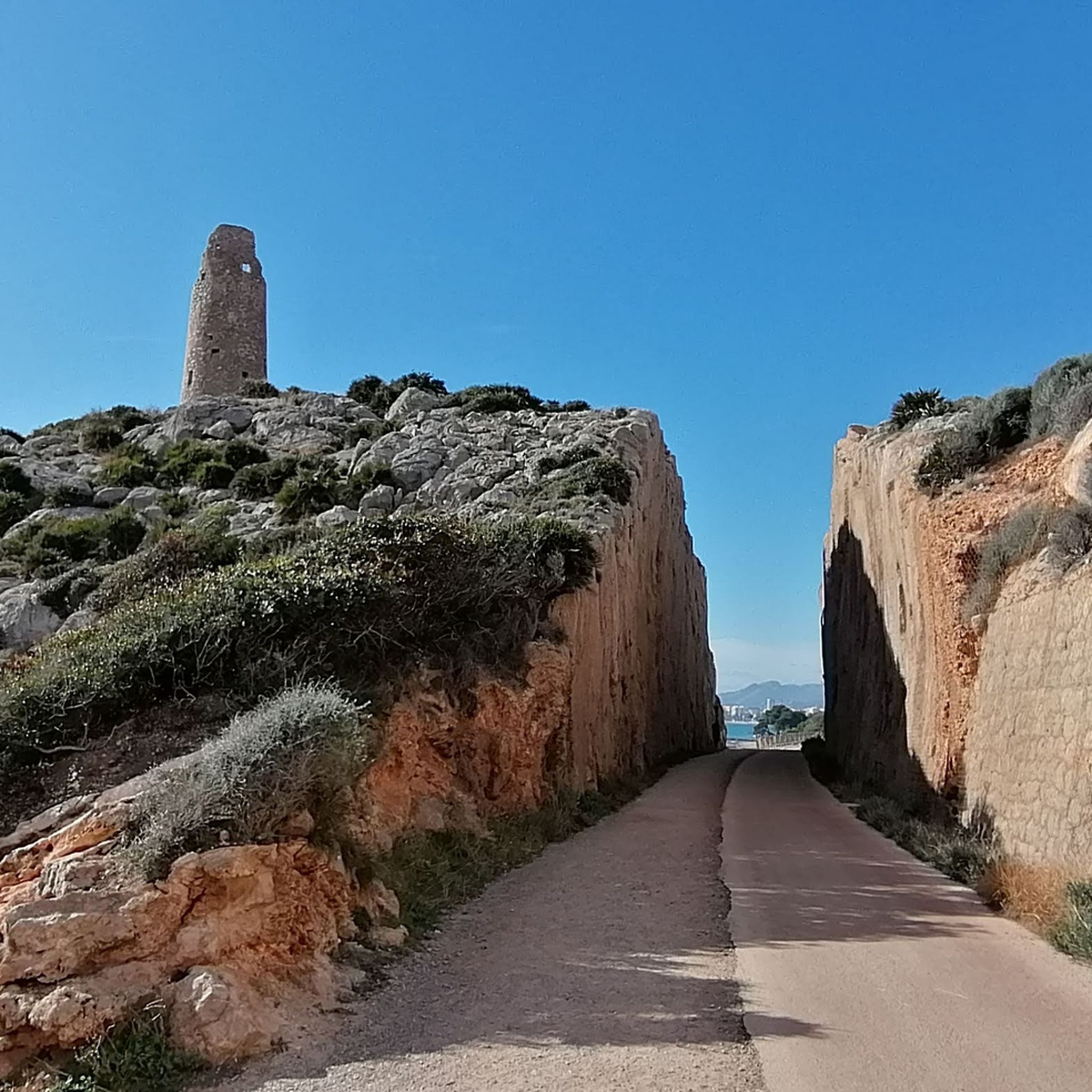
Trail to Coll de la Bota and Polpís Castle
Highlight • Trail
Translated by Google •
Tip by
🇪🇸 Peñíscola Papa Luna Old Town Peñíscola
Highlight • Historical Site
Very well-kept beach.
Translated by Google •
Tip by

View of Peñíscola Castle from Platja Nord (North Beach)
Highlight • Viewpoint
Translated by Google •
Tip by

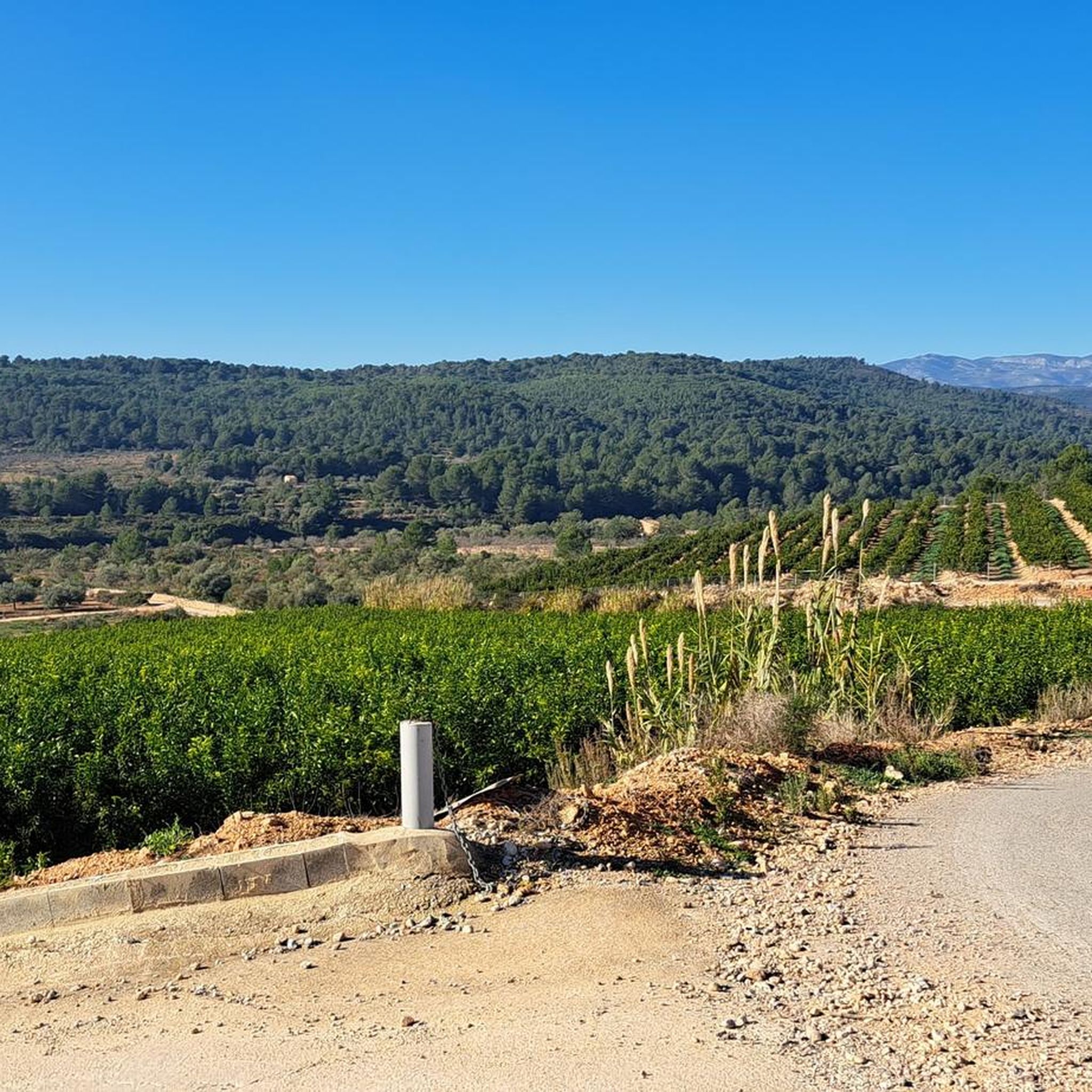
View of Alcalà and its valley
Highlight • Viewpoint
Translated by Google •
Tip by
Start today with a free account
Your next adventure awaits.
Login or Signup
Popular around Litoral Norte
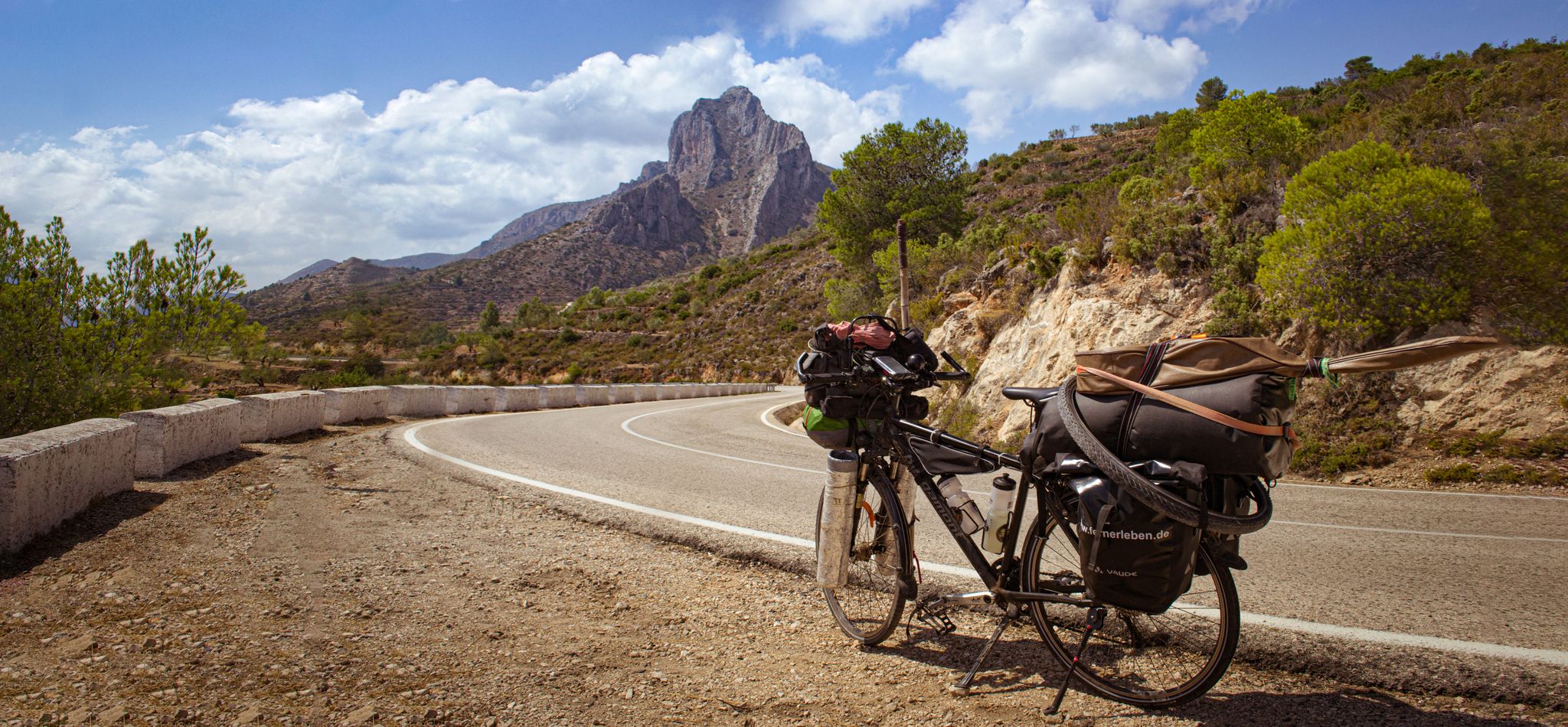
On the road to the sun — bikepacking to southeast Spain
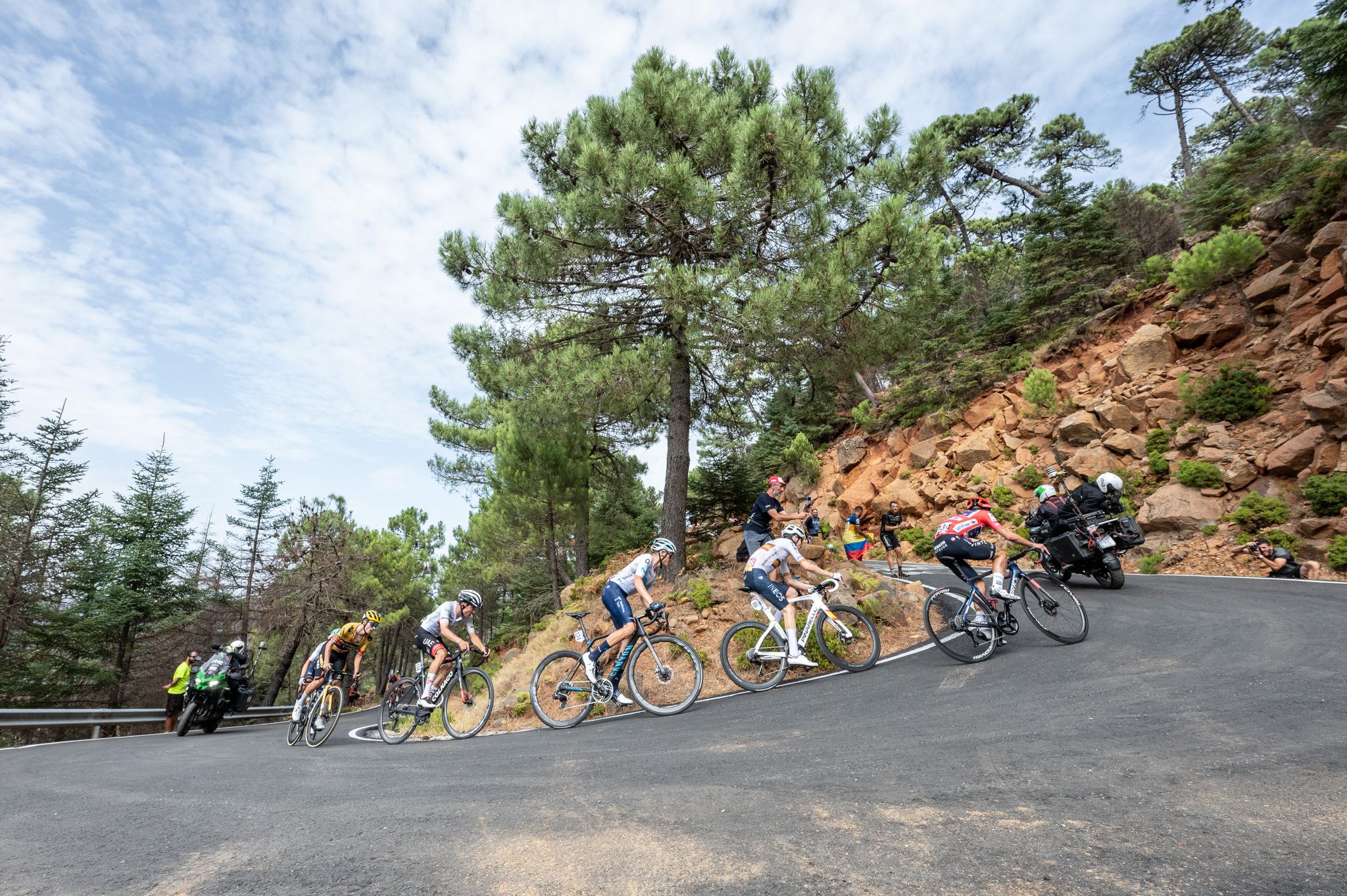
La Vuelta 26 — All Official Stages
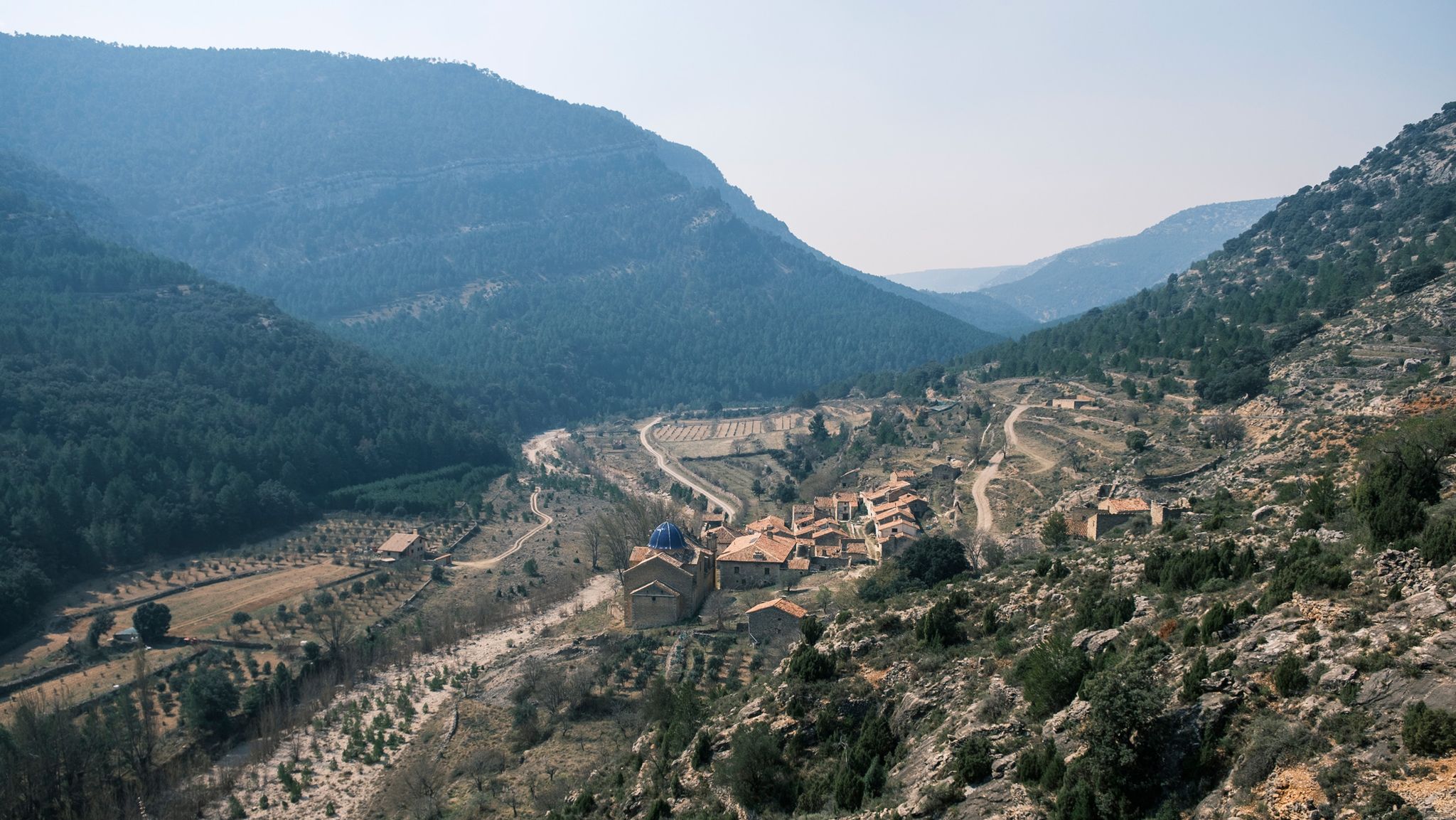
Four Mediterranean nature parks – Gran Vertical 2023
Cycling around Litoral Norte
Road Cycling Routes around Litoral Norte
Hiking around Litoral Norte
MTB Trails around Litoral Norte
Running Trails around Litoral Norte

Gravel biking around Litoral Norte


Tips from the Community

Nice walk
0
0


Templar Castle of Peñíscola
1
0

I hadn't seen Alcalà from this angle before. I liked it.
0
0
General view of part of the Alcalá valley and its population with the Xivert Castle
0
0

The old town is located on an imposing rock that rises 64 m above the sea and is connected to the mainland by a strip of sand that used to be washed away by the waves during storms, temporarily turning the city into an island. The history of today's city goes back to around 1000 BC. The current old town was a castle at the time. The current castle was built by the Knights Templar between 1294 and 1307 on the ruins of a Moorish fortress. It was also the residence of the two popes Benedict XIII (Papa Luna) and Clement VIII. Source: Wikipedia
1
0

Frequently Asked Questions
What makes the castles around Litoral Norte unique?
The castles in Litoral Norte are distinctive for their strategic coastal positions and mountainous terrain, offering fortifications with panoramic views. Many have ancient Islamic origins, later enhanced by Templar additions, blending significant history with scenic landscapes. For example, Peñíscola Castle is internationally recognized for its picturesque setting on a rock overlooking the sea.
Which castles offer the best panoramic views in Litoral Norte?
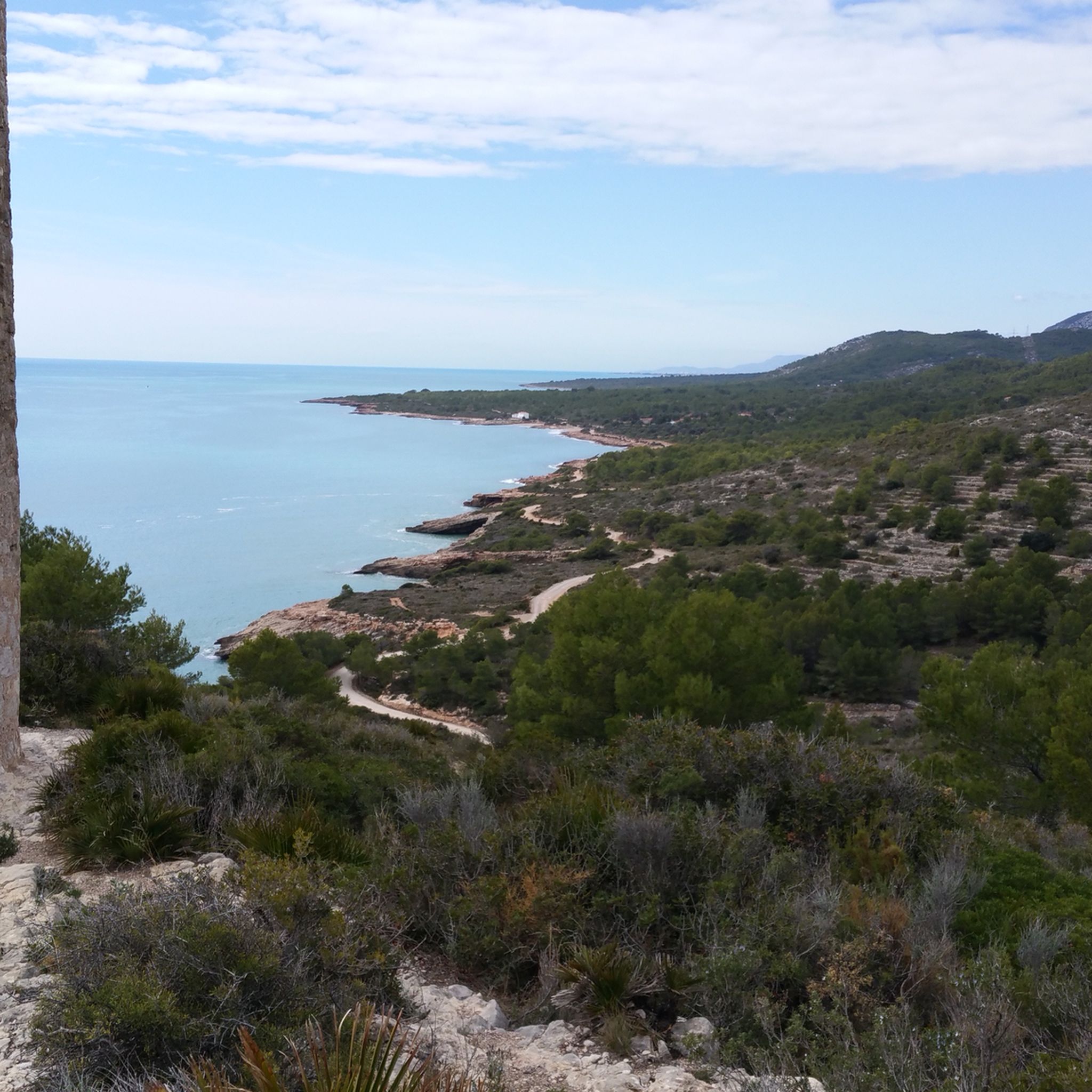
Several castles in Litoral Norte are renowned for their impressive views. Peñíscola Castle, situated on a rock, provides stunning panoramic vistas. Castillo de Xivert, located atop Xivert mountain within the Parc Natural de la Serra d'Irta, also offers impressive views. Similarly, Polpis Castle, at the top of the Irta Mountains, provides unique views of the town and the entire valley.
Are there family-friendly castles to visit in Litoral Norte?
Yes, several castles in Litoral Norte are considered family-friendly. Peñíscola Castle is an ideal place to visit with the whole family, offering a walk through narrow streets and colorful houses to its doors. Castillo de Xivert is also listed as family-friendly, providing an engaging historical experience within a natural park setting.
What kind of history do the castles in Litoral Norte represent?
The castles in Litoral Norte primarily represent a rich history of Islamic and Templar periods. Many, like Castillo de Xivert and Polpis Castle, originated as Muslim fortifications dating back to the 10th-11th centuries. Later, the Templars added significant architectural elements, such as towers and churches, after the Christian Reconquista. These sites offer a deep dive into medieval defense strategies and the cultural shifts of the region.
Can I combine a castle visit with outdoor activities in Litoral Norte?
Absolutely. The castles in Litoral Norte are often situated within or near natural areas, making them perfect for combining with outdoor activities. For instance, Castillo de Xivert is located within the Parc Natural de la Serra d'Irta, which offers various routes. You can find numerous running trails, road cycling routes, and gravel biking routes throughout the Litoral Norte region that pass by or near these historical sites.
Are there hiking trails that lead to or past castles in Litoral Norte?
Yes, there are several trails that incorporate castle visits. For example, the Trail to Coll de la Bota and Polpís Castle is a designated route. Many castles, like Polpis Castle, are accessible via pleasant trails, often starting from nearby towns or parking areas. The region's mountainous terrain means many castle visits involve a walk or hike, offering scenic views along the way.
What is the best time of year to visit the castles in Litoral Norte?
The Litoral Norte region, being coastal, generally enjoys mild weather. Spring (April-May) and Autumn (September-October) are often ideal, offering pleasant temperatures for exploring without the intense heat of summer or the cooler, potentially wetter conditions of winter. These seasons are also great for combining castle visits with outdoor activities like hiking.
How long should I plan for a visit to a castle in Litoral Norte?
The duration of a visit can vary depending on the castle and your interest. For major sites like Peñíscola Castle or Castillo de Xivert, plan for 2-3 hours to explore the ruins, enjoy the views, and read historical information. If you combine it with a hike or exploring the surrounding town, a half-day or full-day excursion might be more appropriate.
Are there any lesser-known or 'hidden gem' castles in Litoral Norte?
While Peñíscola Castle is internationally recognized, castles like Polpis Castle, an ancient Muslim fortification atop the Irta Mountains, might be considered more of a hidden gem. It offers a unique site and great views, often with fewer crowds than the more prominent coastal castles. Exploring the trails around these less-visited sites can offer a more secluded historical experience.
What are the parking options when visiting castles in Litoral Norte?
Parking options vary by castle. For Polpis Castle, visitors can drive to the cemetery of Santa Magdalena de Polpis and park there, then follow a trail. For castles located within towns, like Peñíscola Castle, parking is typically available in designated areas within the town, though it might require a short walk to the castle entrance, especially during peak season.
Is public transport available to reach the castles in Litoral Norte?
Public transport availability varies depending on the specific castle's location. Major towns like Peñíscola, where Peñíscola Castle is located, are generally well-connected by bus services. However, more remote castles, such as those deep within natural parks like Castillo de Xivert or Polpis Castle, may require a car or a combination of public transport and a significant walk/hike to reach.
What do komoot users enjoy most about the castles in Litoral Norte?
Komoot users frequently highlight the stunning views and the historical significance of the castles. They appreciate the picturesque settings, the well-preserved architecture, and the opportunity to explore narrow, charming streets leading to the castles. Many also enjoy the combination of history with natural beauty, especially the panoramic coastal and valley views from the castle ramparts.
What should I wear when visiting castles in Litoral Norte, especially in cooler months?
For visits during cooler months (late autumn to early spring), it's advisable to wear layers. Coastal areas can be windy, so a windproof jacket is recommended. Comfortable walking shoes are essential, as many castles involve walking up hills, stairs, or along uneven terrain. Even in warmer months, good footwear is key for exploring.
Are there cafes or restaurants near the castles in Litoral Norte?
Yes, especially for castles located within or adjacent to towns. For instance, around Peñíscola Castle, the old town is filled with numerous cute shops and restaurants. Even near more remote sites, you can often find cafes or eateries in the closest villages, such as Alcalà de Xivert near Castillo de Xivert.
Most popular routes around Litoral Norte
Most popular attractions around Litoral Norte

Get inspired with the komoot mobile app


Didn’t find what you were looking for?
Explore Litoral Norte’s best castles region by region:
Explore more
Looking for the best castles somewhere else? Discover other guides around Litoral Norte:
