Top 6 Castles around Rioja Baja
Best castles around Rioja Baja are situated in a sub-region of La Rioja, Spain, known for its historical fortifications. These structures, often strategically located on hillsides, played significant roles in past conflicts, particularly between the kingdoms of Navarre and Castile. The area's landscape features river valleys like the Cidacos and Ebro, providing natural defensive positions for these ancient strongholds. Exploring these castles offers insights into medieval military architecture and the region's rich cultural history.
Best castles around Rioja Baja
- The…
Last updated: August 20, 2026
Castle of Arnedo
Highlight • Castle
The fortification from Roman times …
Translated by Google •
Tip by

Castillo de Quel
Highlight • Castle
The castle stands on a hill about 100 meters high, with privileged views of the surroundings, …
Translated by Google •
Tip by
Sign up now to discover places like this
Get recommendations on the best single tracks, peaks, & plenty of other exciting outdoor places.
Sign up for free
Herce Castle
Highlight • Castle
Translated by Google •
Tip by
Inestrillas Castle
Highlight • Castle
Translated by Google •
Tip by

Views of the Castle of Cervera from the GR 93
Highlight • Viewpoint
Translated by Google •
Tip by

Castillo de Arnedo
Highlight • Castle
Translated by Google •
Tip by

Start today with a free account
Your next adventure awaits.
Login or Signup
Popular around Rioja Baja
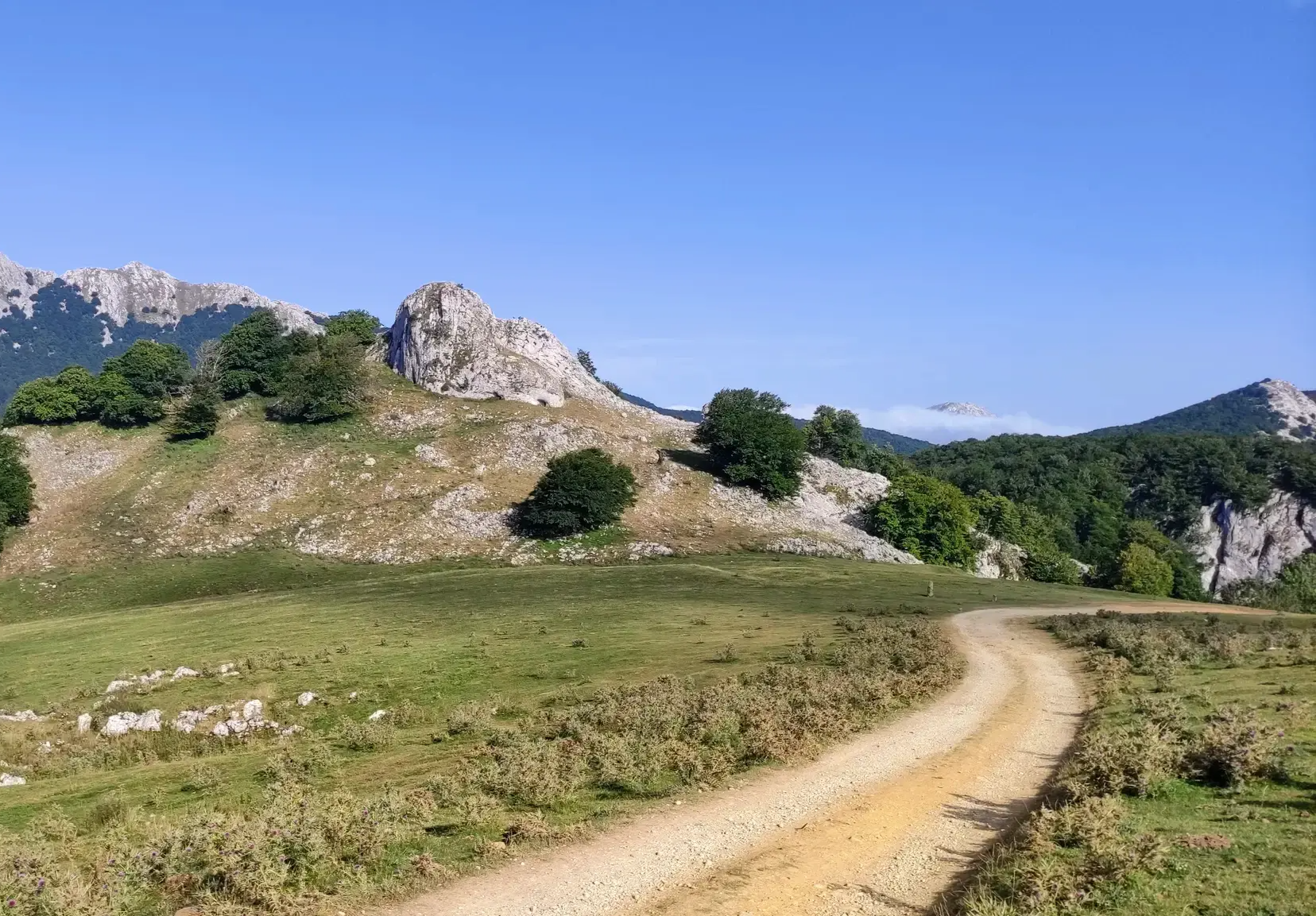
The Ignatian Way - In the footsteps of Ignatius of Loyola

Zazpiak Bat Packing – a cycling adventure in the Basque Country
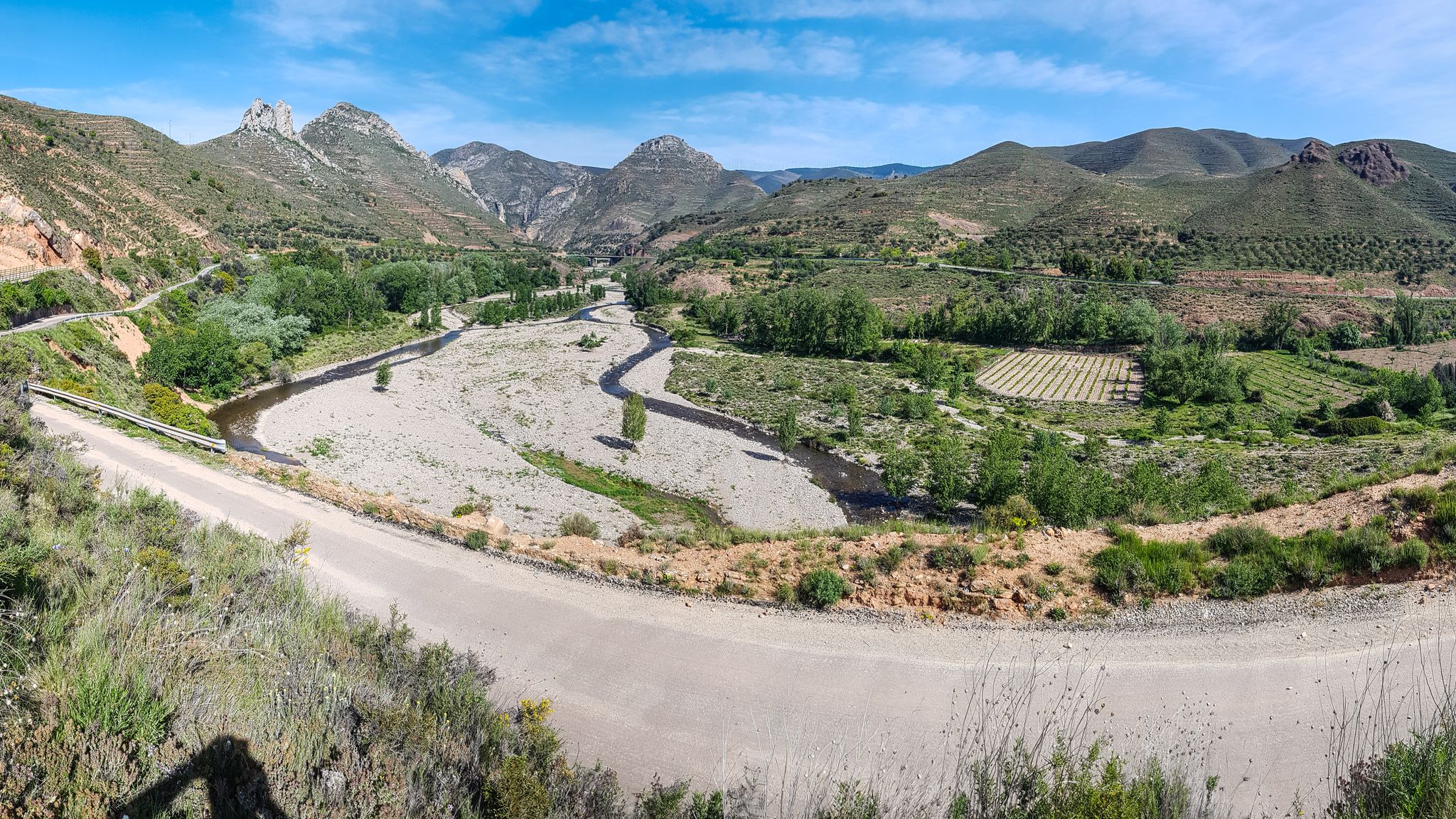
Orchards and karst peaks in La Rioja – Cidacos Greenway
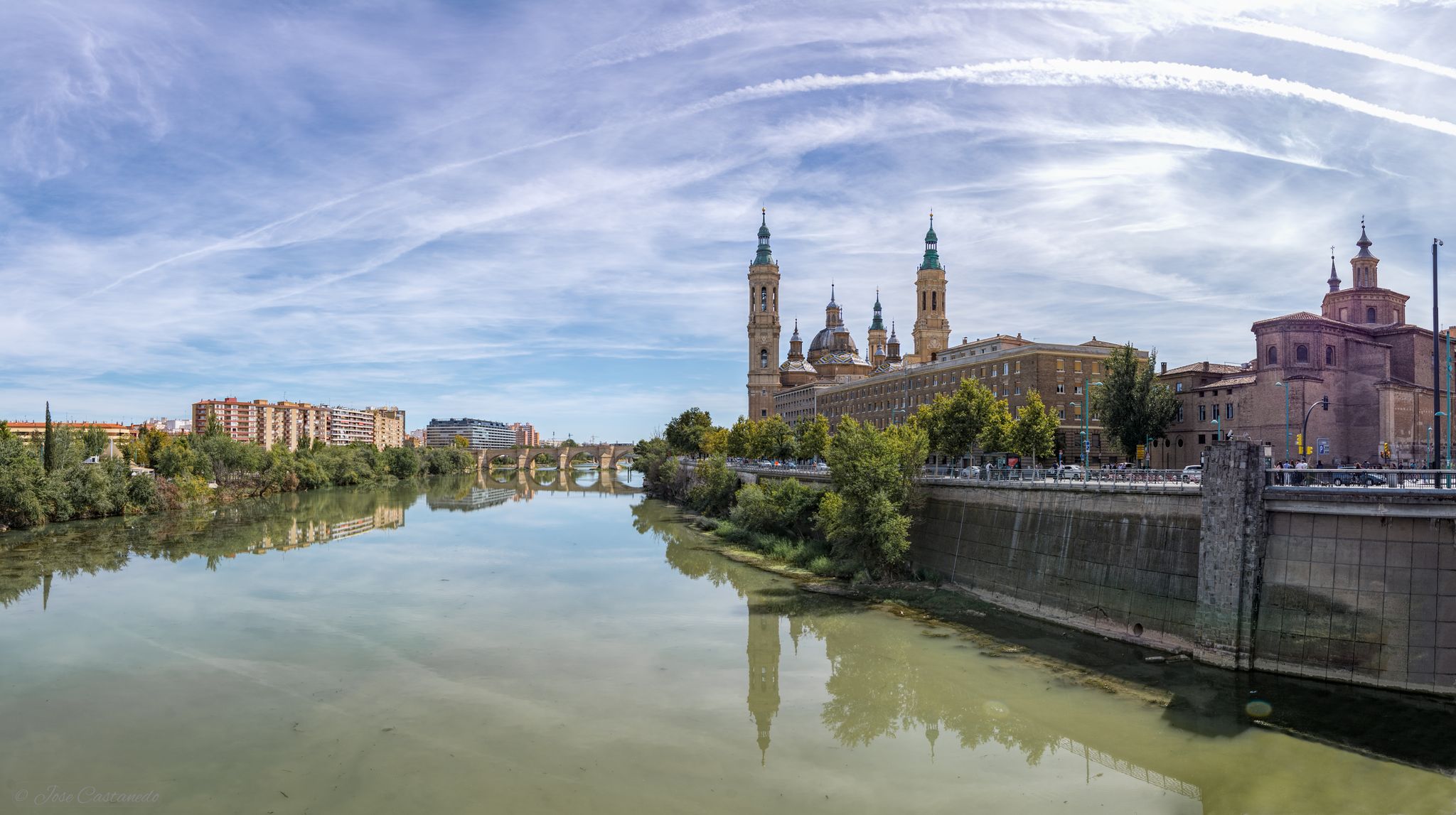
A river getaway – Ebro Natural Trail (GR 99)
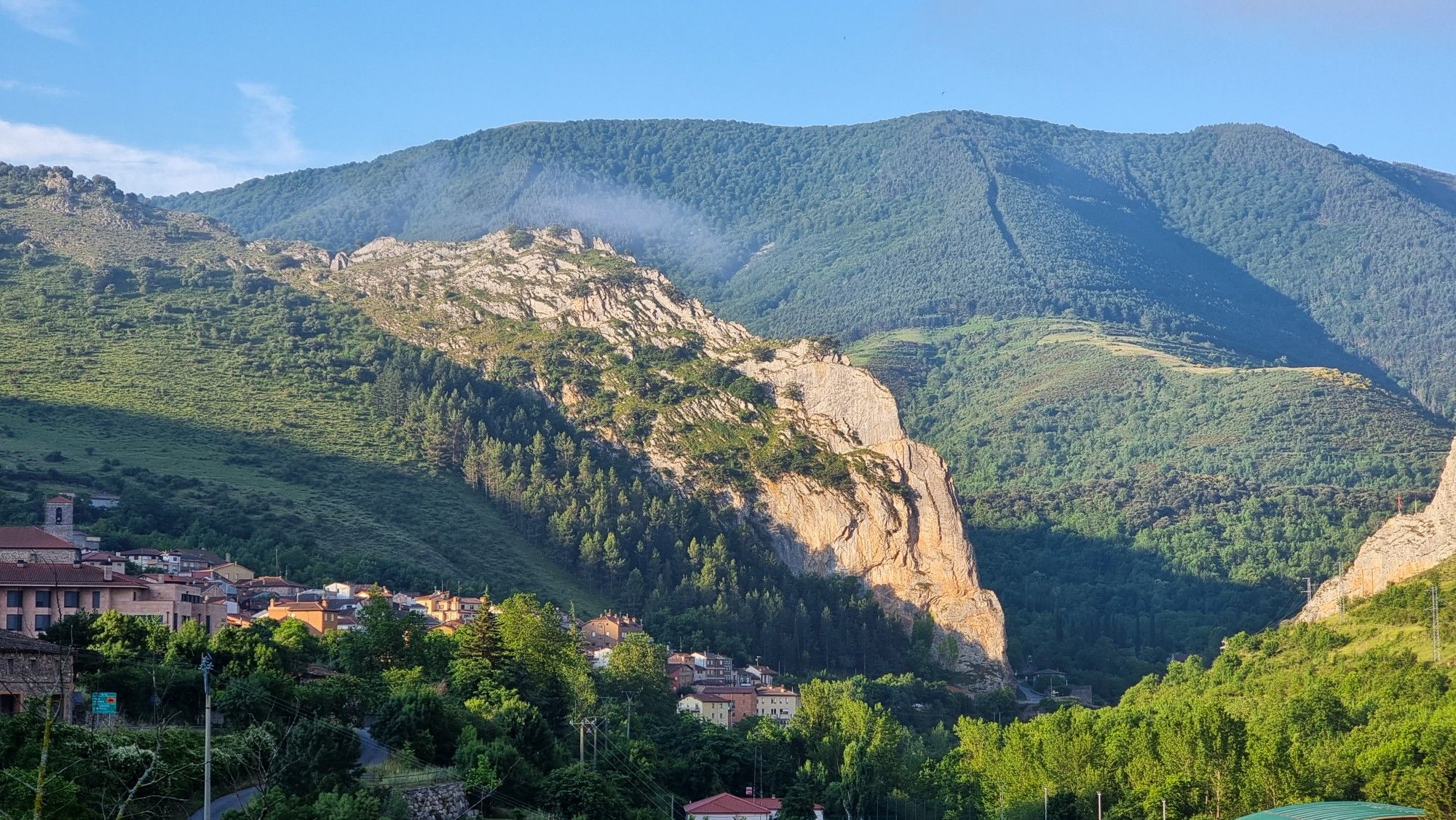
Passes and dinosaur footprints – Spain’s Sierras Riojanas (GR 93)
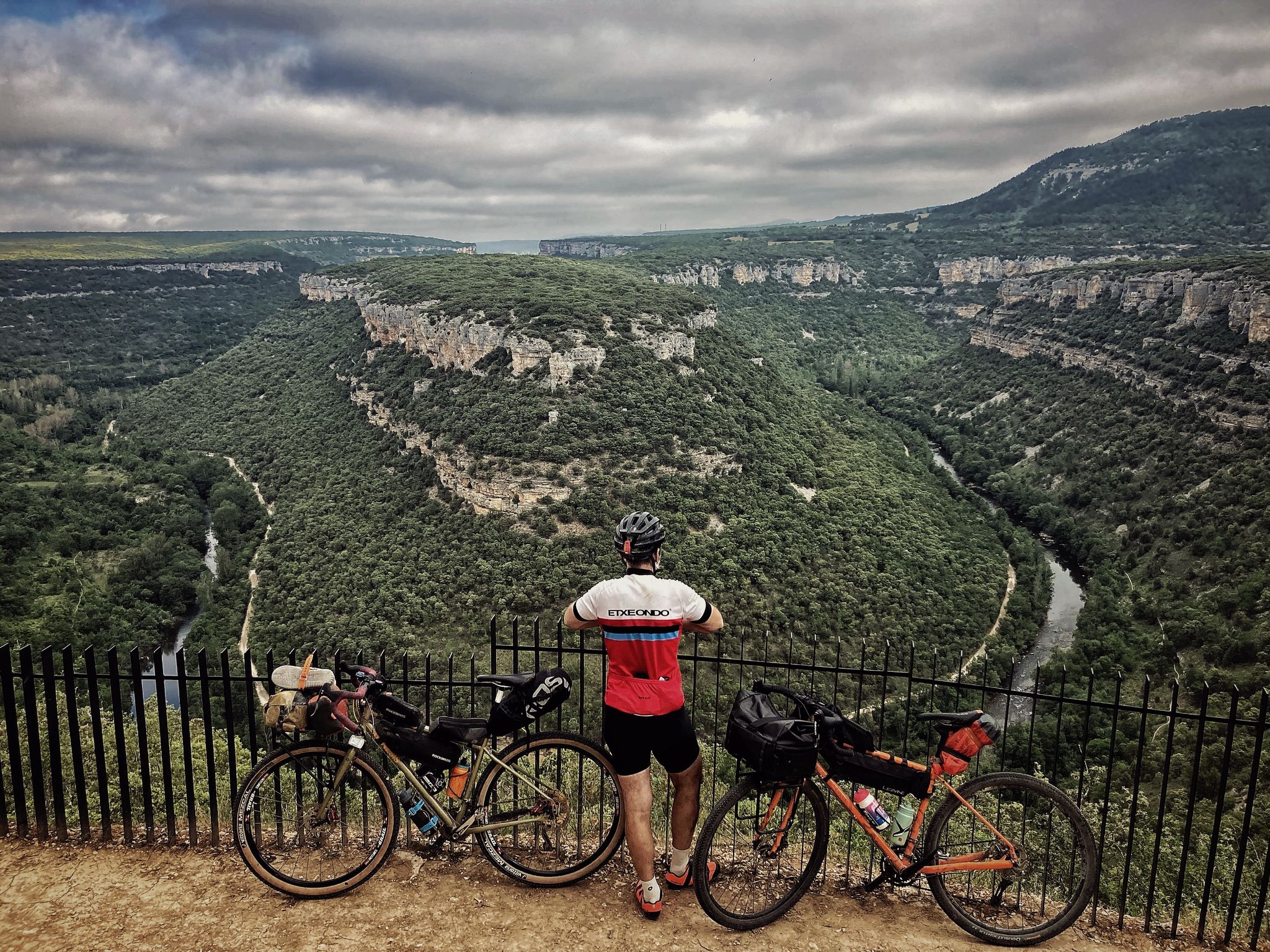
Spain's great river by bike – the Ebro Nature Trail
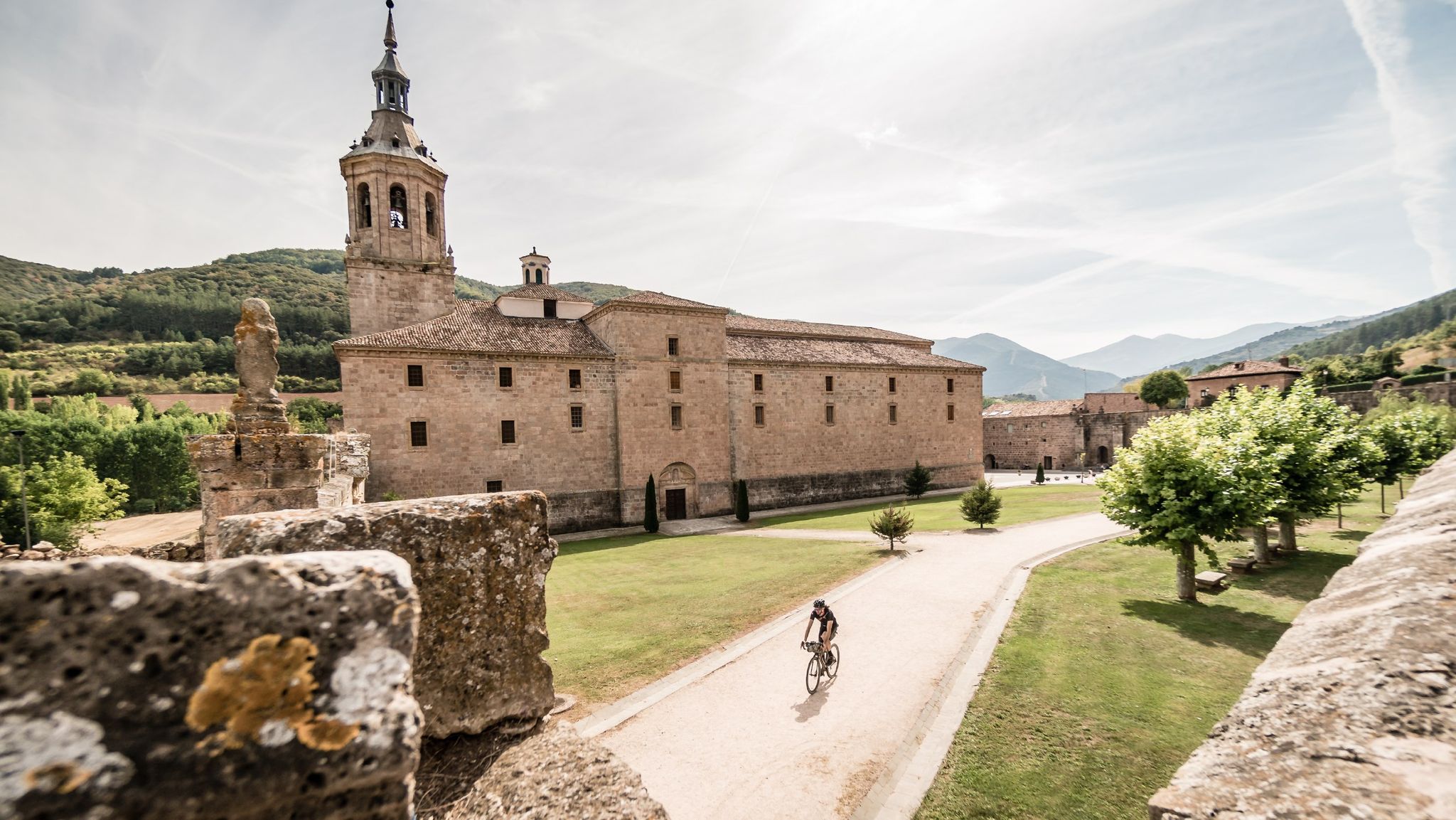
Between valleys and mountains – Mymerak gravel routes
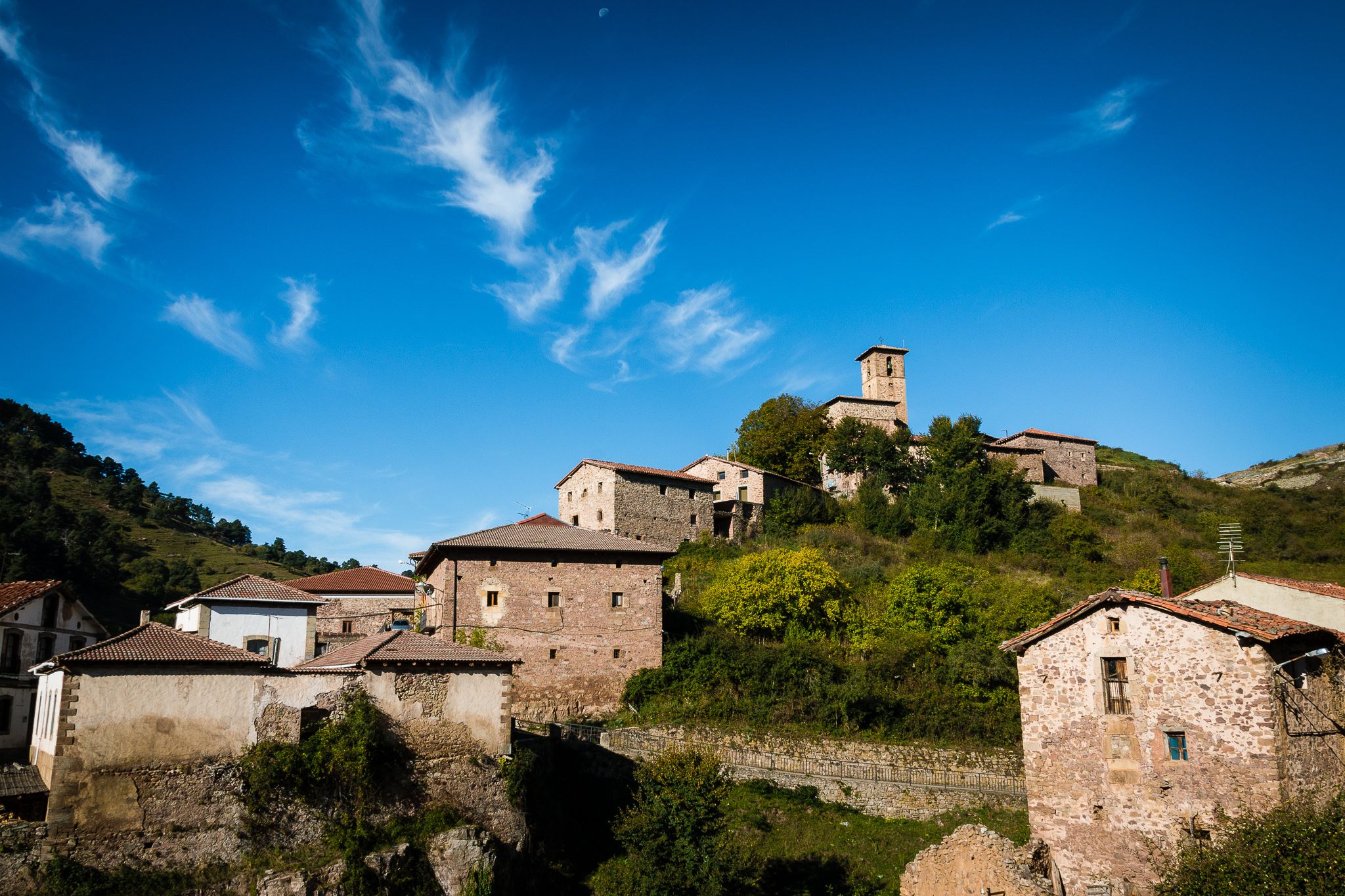
An adventure on quiet roads – MyMerac Rioja
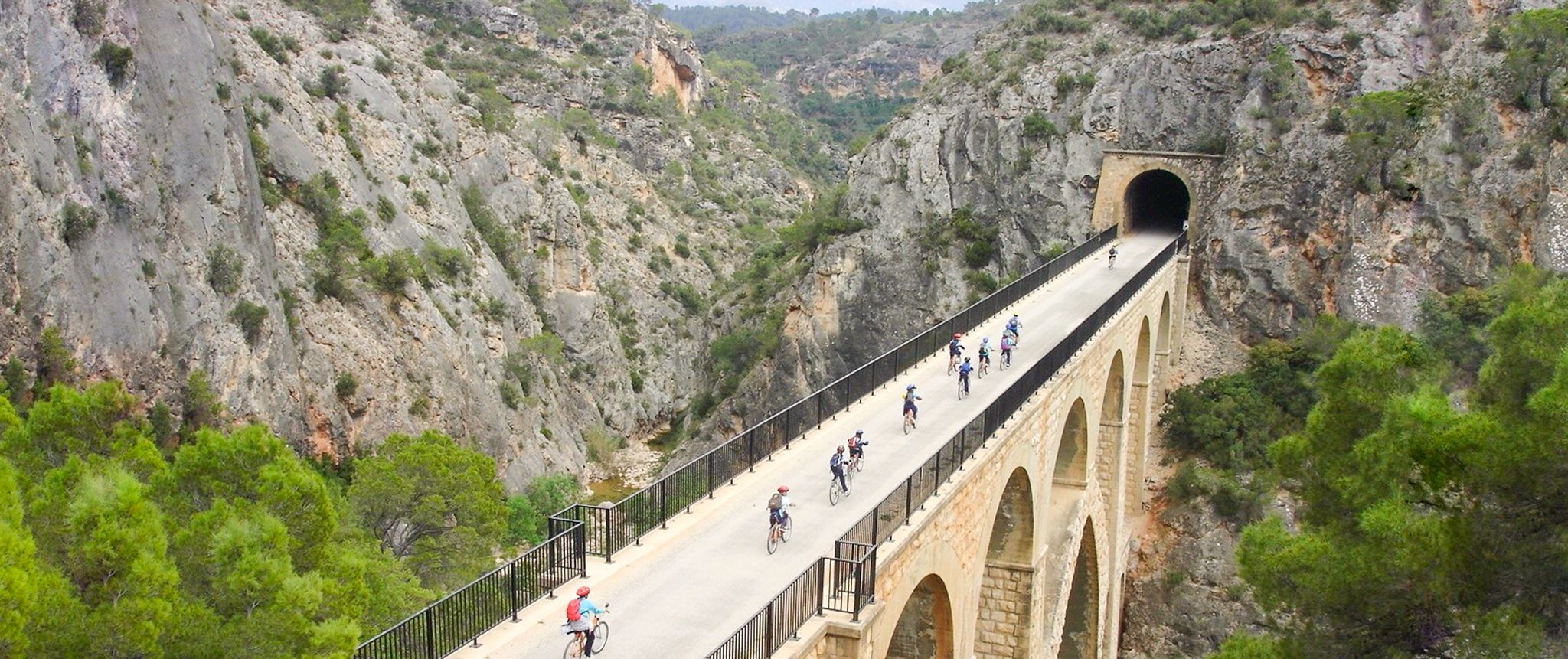
Vías Verdes – traffic-free cycling along railway history in Spain
Hiking around Rioja Baja
Other adventures around Rioja Baja


Tips from the Community

Impressive population that is attached to one of the walls created by the river itself, not only the church but also the houses and the castle. It's worth a stop.
0
0

Impressive castle, dominated by access walkways, on top of a hill. The bad thing is that I caught it closed!
1
0
Nice castle partially restored, accessible by car almost to the start.
1
0
A wonderful site, both for the castle itself (you can climb a few steps in the keep) and for its location, dominating the view of the town of the same name.
2
0

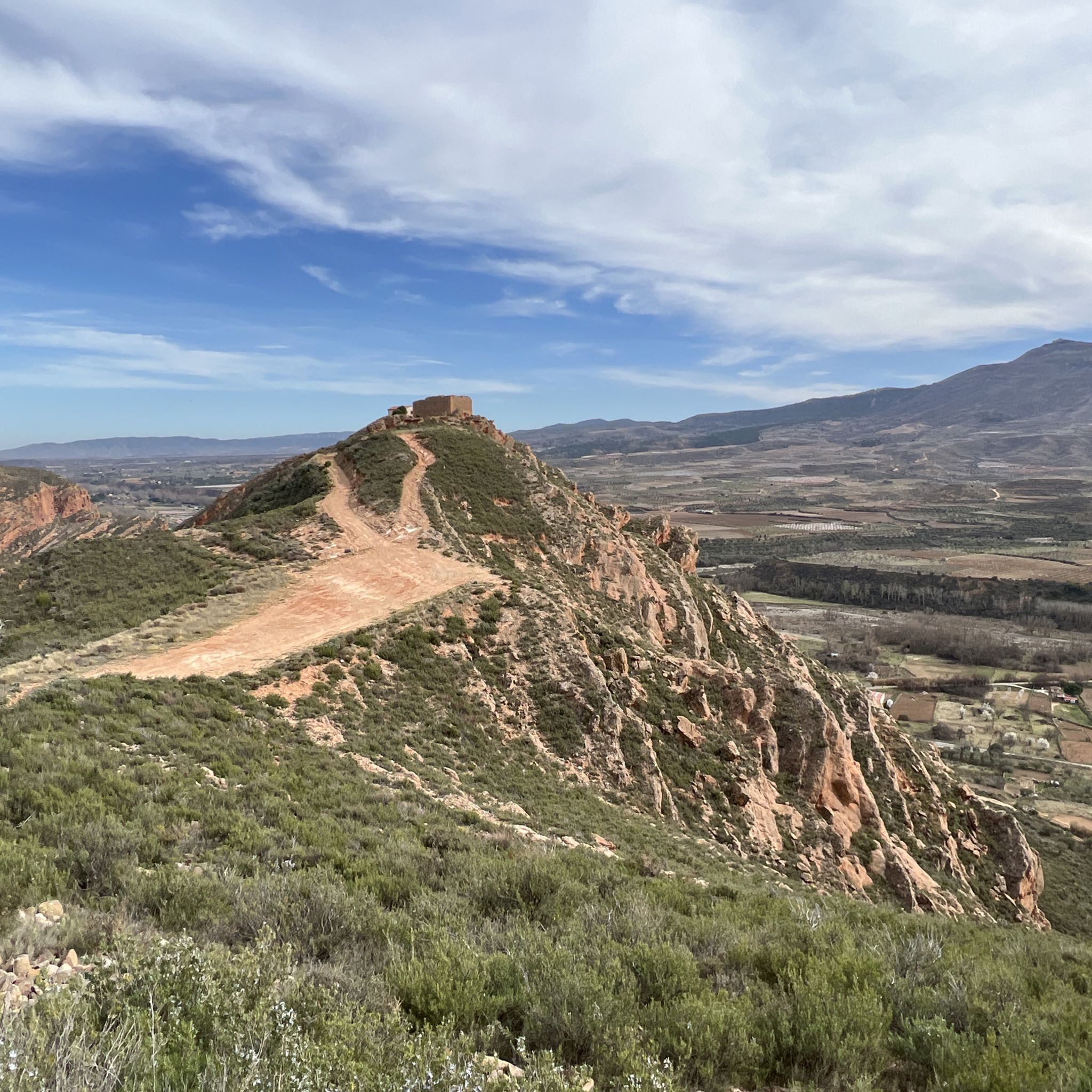
Fortress built in the year 1470 formed by a rectangular keep and three heights. The castle stands on a hill about 100 meters high, with privileged views of the surroundings, where it was possible to monitor and communicate with other fortresses. It is intuited that, at first, the space was a Roman settlement that only had a watchtower, but that later, and during the Muslim domination, the castle was built.
2
0
At 525 meters above sea level, located in the middle valley of Cidacos, in the region of La Rioja Baja, is the city of Arnedo. The fortification from Roman times stands out, which was rebuilt by the Arabs during the occupation in the 9th century. The castle stands on an imposing rocky hill from where it has control of the town and its surroundings.
1
0
Castle built around the year 1200 taking advantage of a previous Islamic fortification. Strategically located with a great view of the middle valley of the Cidacos river, the Serbian fortification of surveillance space, as well as being an important point of communication with the other castles and towers in the area. Near the castle is the Hermitage of El Salvador.
2
0

Frequently Asked Questions
What are some notable castles to visit in Rioja Baja?
Rioja Baja features several historically significant castles. The Castle of Arnedo, with origins in Roman times and largely reflecting 9th-century Muslim construction, offers control over the town and its surroundings. Castillo de Quel is a well-preserved 15th-century fortress dramatically situated on a rocky crag, providing spectacular views of the Cidacos Valley. You can also explore the ruins of Cervera del Río Alhama, located on "La Peña," which has origins tracing back to Celtiberian times with Roman and Muslim influences. Cornago Castle, a 13th-century fortress, is another representative example, strategically important as a border defense.
Are there family-friendly castles in Rioja Baja?
Yes, some castles offer features that are enjoyable for families. Herce Castle, for instance, is listed as family-friendly in the komoot community. Its partially restored structure and accessible location make it a good option. The dramatic setting of Castillo de Quel and the walking areas around the Castle of Arnedo can also be engaging for families, offering space to explore and enjoy the views.
Can I bring my dog to the castles or on nearby trails?
While specific dog policies for individual castle interiors are not always published, many outdoor areas and trails around the castles in Rioja Baja are generally dog-friendly. For example, the Cidacos Greenway, which passes near several castles like Arnedillo, is a popular route for walks with dogs. Always keep your dog on a leash and clean up after them.
What kind of historical significance do the castles of Rioja Baja hold?
The castles in Rioja Baja are deeply rooted in the region's history, primarily serving as crucial defensive fortifications during conflicts between the kingdoms of Navarre and Castile. Many, like Cornago Castle, were border defenses. Others, such as the Castle of Arnedo, show influences from Roman and Muslim construction, reflecting centuries of changing hands during the Reconquista. They offer insights into medieval military architecture and the strategic importance of the river valleys like the Cidacos and Ebro.
Are there hiking opportunities near the castles?
Yes, Rioja Baja offers various hiking opportunities that allow you to explore the castles and the surrounding natural landscape. For easy hikes, consider routes like the Herce Castle and El Salvador Hermitage Trail or the Castillo de Quel and Cidacos Greenway Loop. You can find more hiking options in the Easy hikes around Rioja Baja guide.
What is the best time of year to visit the castles in Rioja Baja?
The best time to visit the castles in Rioja Baja is typically during the spring (April to June) and autumn (September to October). During these seasons, the weather is generally mild and pleasant for exploring the outdoor castle ruins and engaging in hiking activities. Summers can be quite hot, while winters may be chilly, though winter visits can offer a unique, quieter experience.
Are the castles in Rioja Baja generally accessible?
Accessibility varies significantly among the castles. Many are perched on hills or rocky crags, like Castillo de Quel, which may involve steep or uneven terrain. The Castle of Arnedo offers a nice walking area and viewpoint, and Herce Castle is accessible by car almost to the start. For specific interior access, it's best to check with local tourism information, as some interiors, like Arnedo's, may require reservations.
Where can I find parking when visiting these castles?
Parking availability varies by castle. For castles located within or near towns, such as the Castle of Arnedo or Cornago Castle, you can often find parking in the nearby town centers or designated areas. Herce Castle is accessible by car almost to its base, suggesting nearby parking. For more remote ruins like Autol Castle, parking might be less formal, requiring you to park in the town and walk up.
Are there any hidden gem castles worth exploring?
While not explicitly 'hidden,' the ruins of Autol Castle, sitting atop a hill overlooking the town and Cidacos Basin, offer beautiful views and a glimpse into ancient Arab urban planning. Similarly, the remains of Préjano Castle, with its visible 15-meter-high tower, provide an intriguing historical context in an area once known for coal mines. These sites offer a quieter, more reflective experience compared to the more prominent castles.
What amenities, like food or accommodation, are available near the castles?
Many castles are located near towns or villages where you can find amenities. For example, Arnedo, Quel, and Cornago have local restaurants, cafes, and accommodation options. Arnedillo, known for its thermal springs, also offers pleasant walks and places to stay. It's advisable to check local listings for specific establishments in the towns closest to the castles you plan to visit.
How long should I plan for a visit to a castle in Rioja Baja?
The time needed to visit a castle in Rioja Baja depends on its condition and your interest. For well-preserved castles like Castillo de Quel or Cornago Castle, you might spend 1-2 hours exploring the structure and enjoying the views. For ruins like Arnedillo or Autol Castle, a visit might be shorter, around 30 minutes to an hour, often combined with exploring the surrounding town or natural area. If you plan to hike to or around a castle, allocate more time.
What kind of views can I expect from the castles?
The castles in Rioja Baja, often strategically perched on hillsides, offer spectacular panoramic views. From Castillo de Quel, you can see the Cidacos Valley and the Ebro River. The Castle of Arnedo provides control over the town and its surroundings. Even from ruins like Autol Castle or Muro de Aguas Castle, you can enjoy scenic vistas of the towns and river basins, highlighting the strategic importance of their locations.
Are there any specific routes for cycling near the castles?
Yes, Rioja Baja offers several cycling routes that pass near or provide views of the castles. For touring bicycles, you can find routes like 'Torre de Préjano y Castillo de Herace – circular from Arnedo via the Vía Verde' in the Cycling around Rioja Baja guide. Gravel biking options include the 'Autol and its Picuezos – Cidacos Greenway loop from Arnedo' in the Gravel biking around Rioja Baja guide, which can take you past various historical sites.
Do I need permits or pay entrance fees to visit the castles?
Most of the castles in Rioja Baja are either ruins or publicly accessible historical sites, and generally do not require permits or entrance fees for exterior viewing. However, for specific castles with restored interiors or special exhibitions, such as the Castle of Arnedo, visits might require prior reservation or have a small fee. It's always best to check local tourism information for the most up-to-date details on specific sites.
Most popular routes around Rioja Baja
Most popular attractions around Rioja Baja

Get inspired with the komoot mobile app


Didn’t find what you were looking for?
Explore Rioja Baja’s best castles region by region:
Explore more
Looking for the best castles somewhere else? Discover other guides around Rioja Baja:
