Top 5 Caves around Rioja Media
Best caves around Rioja Media offers a diverse range of underground experiences, from natural geological formations to historical man-made excavations. This sub-region within La Rioja, Spain, features a landscape shaped by both natural processes and human activity over centuries. Visitors can explore ancient rock caves, historical mining sites, and archaeological settlements with carved structures. The area provides insights into the region's geology, history, and traditional uses of its subterranean spaces.
Best caves around Rioja Media
- The most popular caves is…
Last updated: June 26, 2026
Cuevas de Palomares
Highlight • Cave
Translated by Google •
Tip by

Providencia Mine
Highlight • Cave
Translated by Google •
Tip by
Sign up now to discover places like this
Get recommendations on the best single tracks, peaks, & plenty of other exciting outdoor places.
Sign up for free
Monte Cantabria Archaeological Site
Highlight • Historical Site
Translated by Google •
Tip by

Sala de los Moros (Moors' Cave)
Highlight • Cave
Translated by Google •
Tip by
Lead Mines
Highlight • Cave
Translated by Google •
Tip by
Start today with a free account
Your next adventure awaits.
Login or Signup
Popular around Rioja Media
Camino Francés and Camino Finisterre – Cycling pilgrimages in Spain
Santiago de Compostela – A journey through northern Spain (10 days)
The Ignatian Way - In the footsteps of Ignatius of Loyola
Legendary climbs - Ports of La Vuelta a España
An Iberian pilgrimage – French Way of Saint James
A river getaway – Ebro Natural Trail (GR 99)
Between valleys and mountains – Mymerak gravel routes
An adventure on quiet roads – MyMerac Rioja
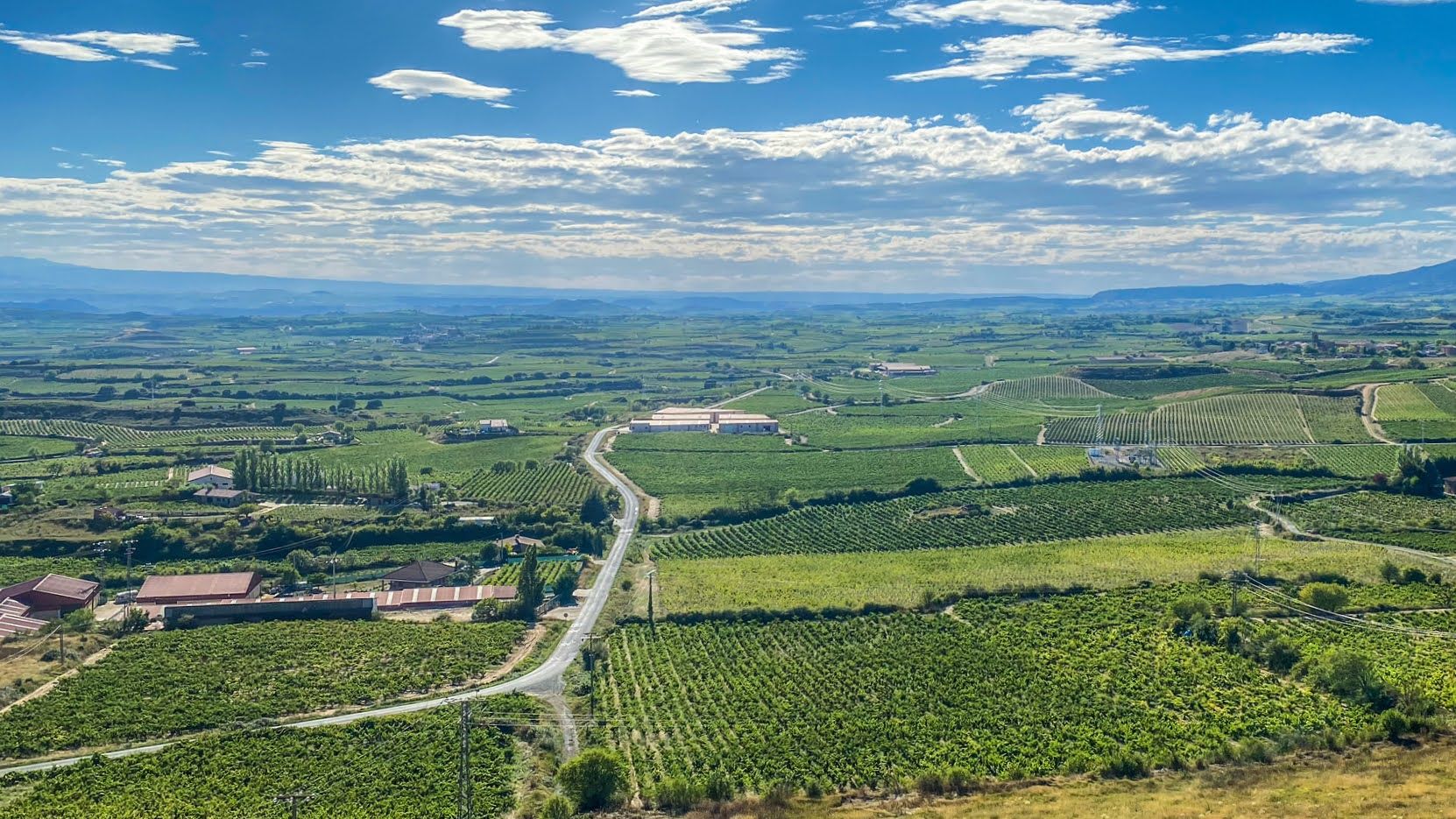
Endless asphalt between La Rioja’s vineyards – Spain’s Ruta del Vino
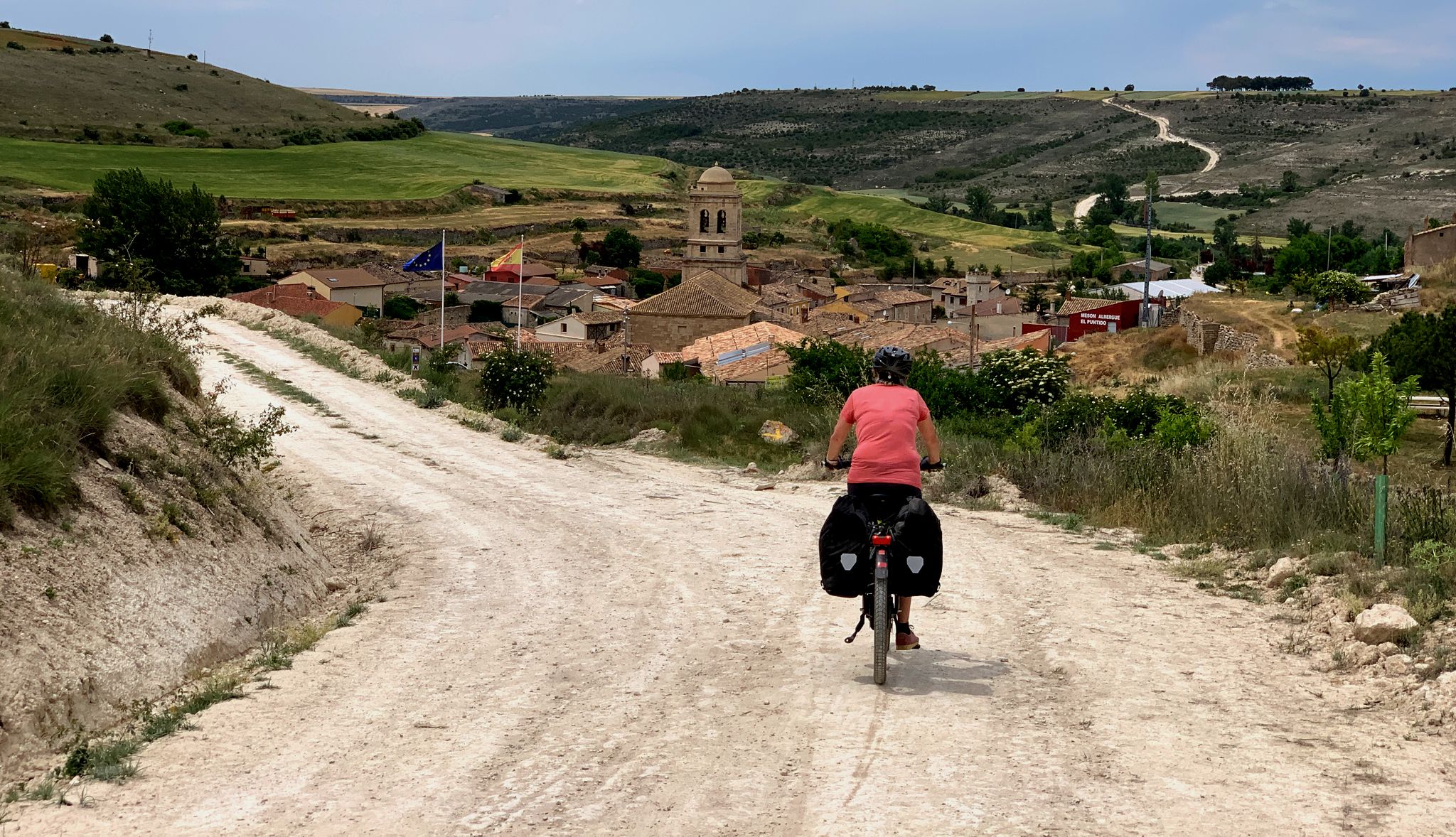
The Pilgrim Route — EuroVelo 3 through Spain
Other adventures around Rioja Media


Tips from the Community

Access is not without risks and is not at all clear.
2
0

The archaeological ruins found on "Monte Cantabria" have historical references to the limits of the ancient kingdom of Cantabria. The settlement is now believed to have been built in pre-Roman times. Located on a plateau above the Ebro River, Monte Cantabria offers you incredible views of Logroño. There are some amazing caves built into the mountain cliff.
0
0
Just below the summit of Eagle Peak in the Sala Mountains you can find these incredible caves, curved by water and time in the clay rock. The caves are called "the Hall of the Moors".
1
0

It is the largest set of caves in Valle del Iregua, with about 75 meters in length. Its walls are almost entirely pierced by a multitude of niches, in the shape of a semicircular arch, arranged in regular rows.
1
0
Quite an experience to visit these rock caves, very very curious
4
0

Curious place, totally rehabilitated, suitable to arrive both on foot, or by mountain bike. Highly recommended.
0
0
One past the cave, accessed through a small tunnel and you reach a huge cavity with a large upper mouth, several entrances in the circumference, a small lake below and a waterfall that comes out of a spring. I loved it!
2
0
A very cool environment, with caves, the entrance (closed today) to a mine and remains of the mine buildings. Very interesting.
1
0
Frequently Asked Questions
What types of caves can I explore in Rioja Media?
Rioja Media offers a mix of natural geological formations and historical man-made underground structures. You can find natural rock caves, historical mining tunnels like Providencia Mine and Lead Mines, and ancient archaeological cave dwellings such as those at Monte Cantabria Archaeological Site. The region also features unique rupestrian architecture, like the Cuevas de los Cien Pilares, and numerous underground wine cellars.
Are there any natural caves adapted for tourist visits in the broader La Rioja area?
Yes, the Cuevas de Ortigosa, located in Ortigosa de Cameros, are the only natural caves in La Rioja adapted for tourist visits. They feature impressive speleothems, including stalactites, stalagmites, and giant columns, formed over millions of years. Guided tours are available.
What is unique about the Cuevas de los Cien Pilares in Arnedo?
The Cuevas de los Cien Pilares in Arnedo are a remarkable example of rupestrian architecture, dating back to the Middle Ages. Inhabitants carved interconnected galleries and rooms into the soft sandstone, creating a complex with numerous pillars. It is believed the Monastery of San Miguel was once housed here. Guided tours are available through the Arnedo Tourist Office, and there's an Interpretation Center.
Can I visit historical mining sites in Rioja Media?
Absolutely. You can visit sites like Providencia Mine, which features a large cavity with a waterfall and a small lake, offering insight into historical lead extraction. Another interesting spot is Lead Mines, where you can explore caves and remains of mine buildings.
Are there any archaeological cave sites to explore?
Yes, the Monte Cantabria Archaeological Site features caves built into the mountain cliff, alongside archaeological ruins believed to be pre-Roman. This site also offers incredible views of Logroño.
What are the Cuevas de Palomares known for?
The Cuevas de Palomares represent the largest set of rock caves in Valle del Iregua, extending about 75 meters. They are notable for their walls pierced by a multitude of niches, originally constructed to house pigeon nests.
What are 'calados' or 'calaos' in La Rioja?
Beyond natural caves, La Rioja is rich in 'calados' or 'calaos,' which are underground wine cellars. These man-made caverns, some dating back to the 16th century, were excavated to store and age wine due to their stable temperatures and humidity. Many are open for visits as part of wine tourism experiences.
Are there challenging cave explorations in the region?
For those seeking a challenge, the Sala de los Moros (Moors' Cave) is located just below the summit of Eagle Peak. Access to these incredible caves, curved by water and time in the clay rock, is noted as not without risks and not entirely clear.
What outdoor activities can I do near the caves in Rioja Media?
The area around Rioja Media's caves offers various outdoor activities. You can find numerous hiking trails, including easy options like the Monte Cantabria route or moderate waterfall hikes. For more details on routes, explore the Waterfall hikes around Rioja Media or Easy hikes around Rioja Media guides. There are also running trails available, as detailed in the Running Trails around Rioja Media guide.
Is public transport available to reach the main cave sites?
Public transport options to specific cave sites like Cuevas de Ortigosa (Ortigosa de Cameros) and Cuevas de los Cien Pilares (Arnedo) exist, though they may require planning. It's advisable to check local bus schedules for routes connecting to these villages from larger towns in La Rioja.
What should I wear when visiting caves in Rioja Media?
When visiting caves, it's generally recommended to wear comfortable shoes with good grip, as surfaces can be uneven or damp. Even on warm days, cave interiors maintain a cooler, constant temperature, so bringing a light jacket or sweater is advisable.
Are there family-friendly cave options in the region?
Yes, the Cuevas de Ortigosa are well-adapted for tourist visits and offer guided tours, making them suitable for families. The Cuevas de los Cien Pilares also provide an engaging historical experience with guided tours and an Interpretation Center that can be interesting for children.
Where can I find accommodation and dining near the caves?
Villages like Ortigosa de Cameros (near Cuevas de Ortigosa) and Arnedo (near Cuevas de los Cien Pilares) offer various accommodation and dining options, including cafes, pubs, and restaurants. These towns provide a good base for exploring the surrounding cave systems and the wider Rioja Media region.
Most popular routes around Rioja Media
Most popular attractions around Rioja Media

Get inspired with the komoot mobile app


Didn’t find what you were looking for?
Discover more caves around Rioja Media region by region:
Explore more
Extend your search for the best caves by checking out these guides of the top ones around Rioja Media:
