Top 10 Castles around Cuenca Pamplona
Best castles around Cuenca Pamplona offer a journey through Spain's rich history and architectural heritage. Cuenca, known for its medieval old town, provides a backdrop for ancient fortifications often integrated into dramatic landscapes. Pamplona, the capital of Navarre, is characterized by its robust Renaissance military architecture and historical significance, featuring impressive fortifications. Both regions feature a diverse landscape, from river gorges to plains, where these historical structures are strategically located.
Best castles around Cuenca Pamplona
- The most popular castles is…
Last updated: June 26, 2026
Pamplona Cathedral and the Citadel
Highlight • Historical Site
Translated by Google •
Tip by

Irulegi Castle
Highlight • Castle
Translated by Google •
Tip by

Sign up now to discover places like this
Get recommendations on the best single tracks, peaks, & plenty of other exciting outdoor places.
Sign up for free
Citadel of Pamplona
Highlight • Historical Site
Translated by Google •
Tip by
Pamplona Citadel
Highlight • Castle
Translated by Google •
Tip by
Arnotegi Hermitage
Highlight • Religious Site
Translated by Google •
Tip by

Castillo de Tiebas
Highlight • Castle
It is worth an in-depth visit of what remains today.
Translated by Google •
Tip by
Castillo Orarregi
Highlight • Castle
Translated by Google •
Tip by
Garaño Castle
Highlight • Castle
Translated by Google •
Tip by
Olcoz Palace Tower
Highlight • Castle
Translated by Google •
Tip by
Ruins of Miravalles Castle
Highlight • Castle
Translated by Google •
Tip by
Start today with a free account
Your next adventure awaits.
Login or Signup
Popular around Cuenca Pamplona
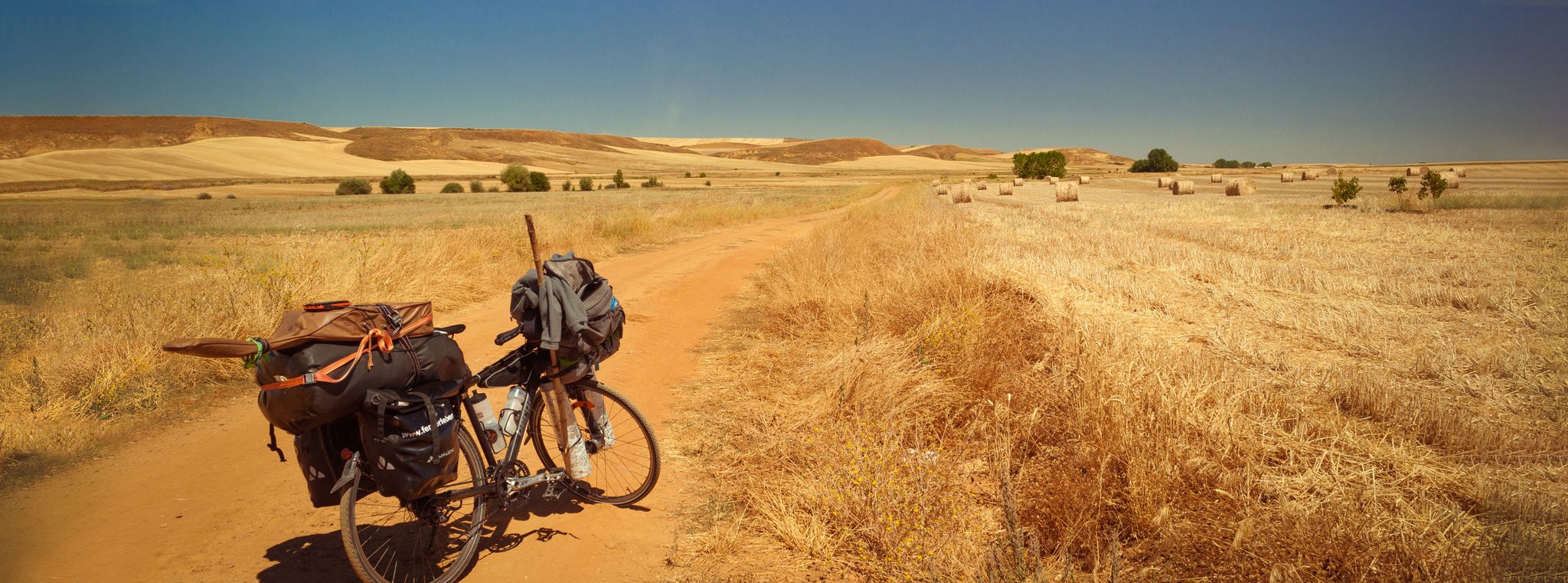
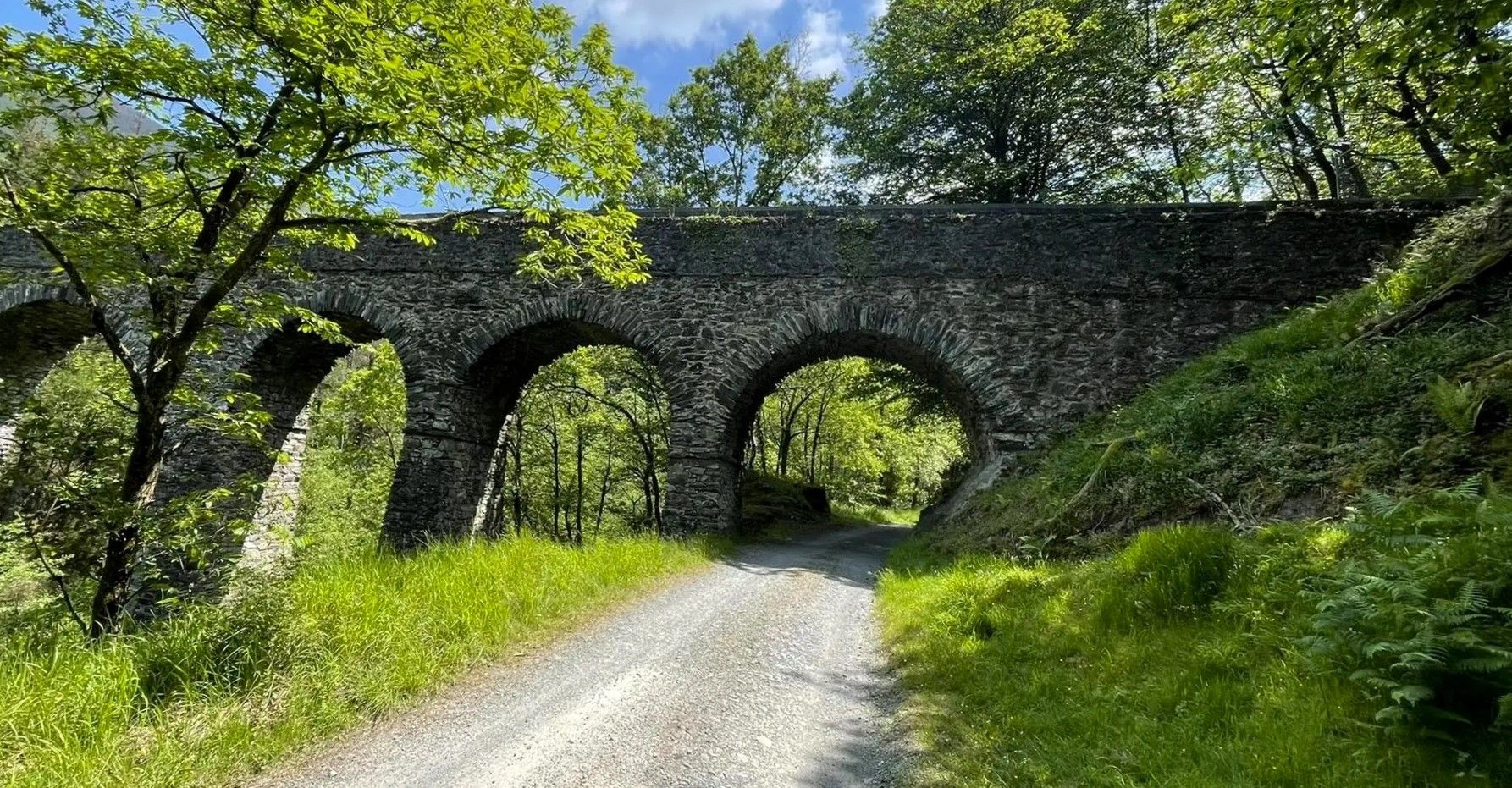
Camino Francés and Camino Finisterre – Cycling pilgrimages in Spain
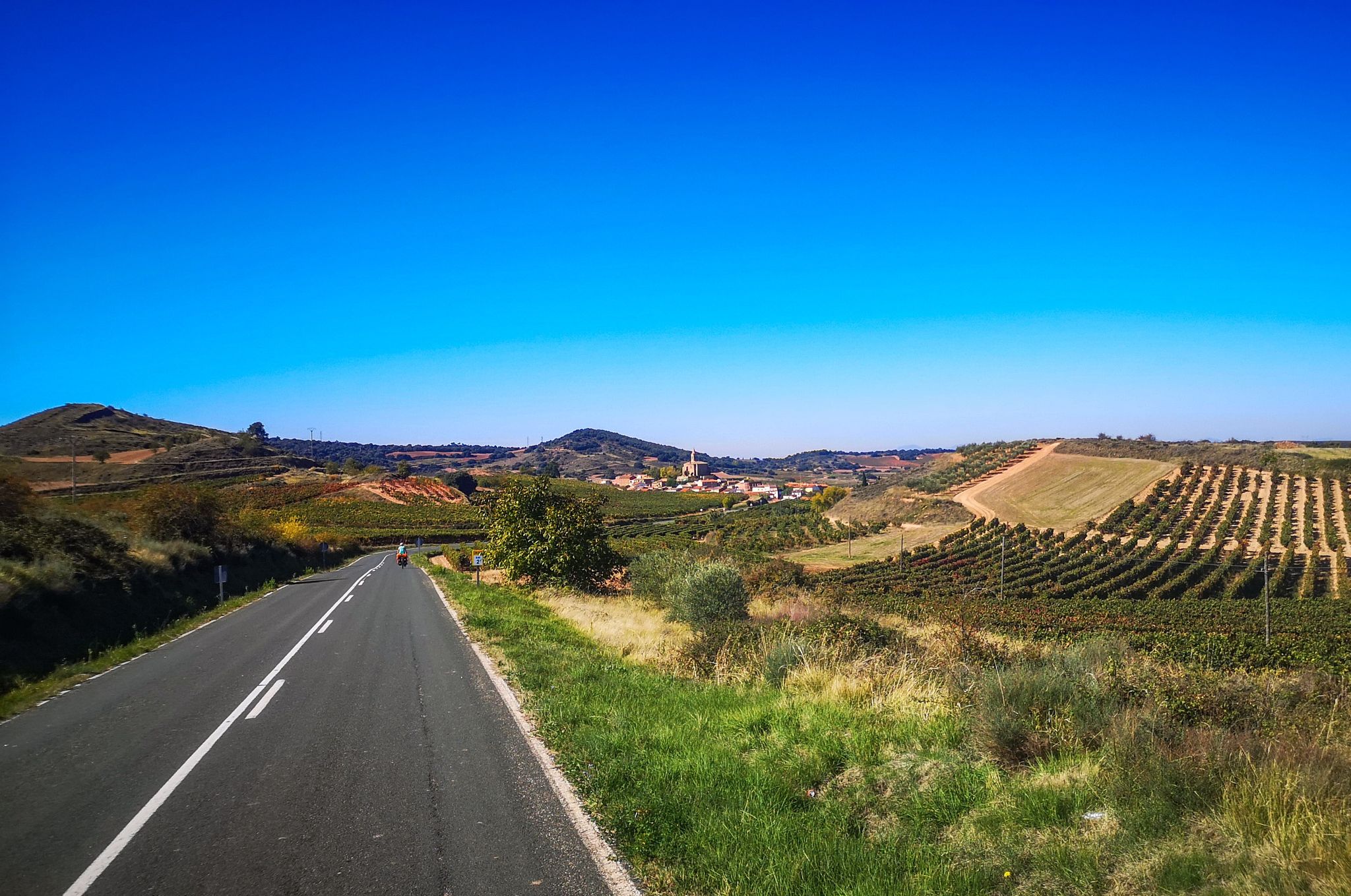
Santiago de Compostela – A journey through northern Spain (10 days)
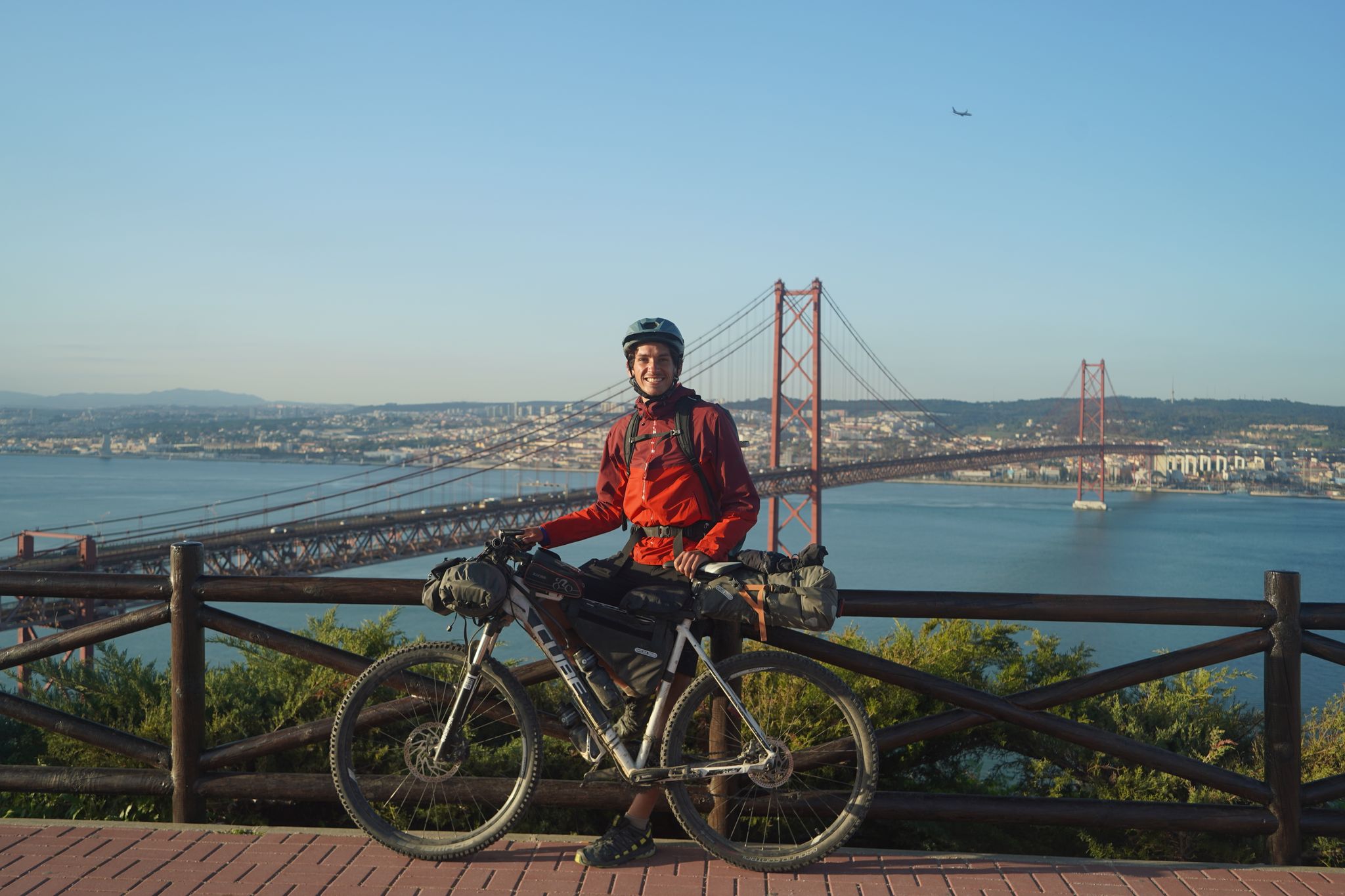
Road to Lisbon – bikepacking the Alps, Pyrenees and Picos de Europa
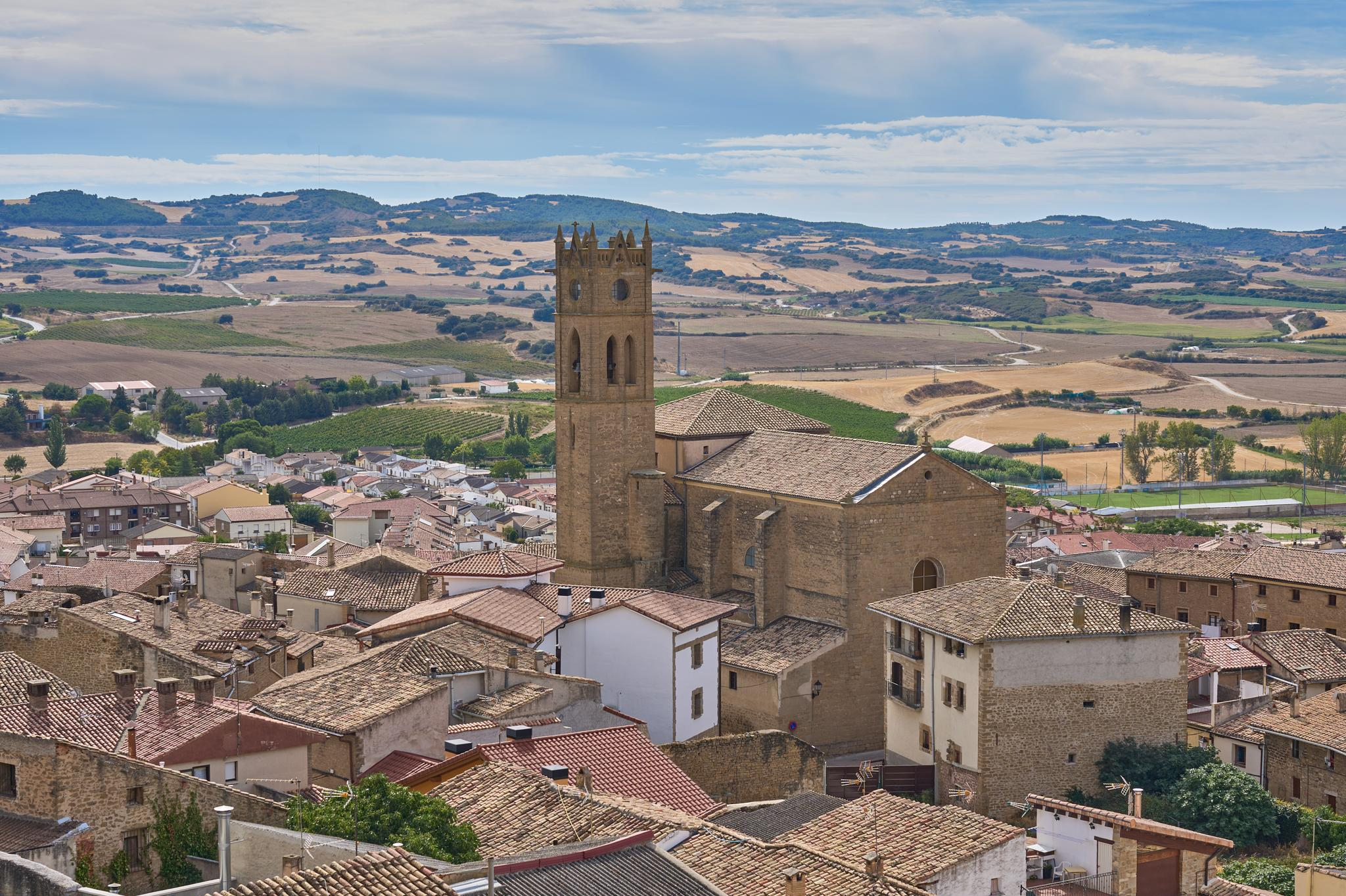
Path of the Templars — Path of the True Cross (GR 250)
A magical bike Tour in Spain’s Basque Country – Plazaola Greenway
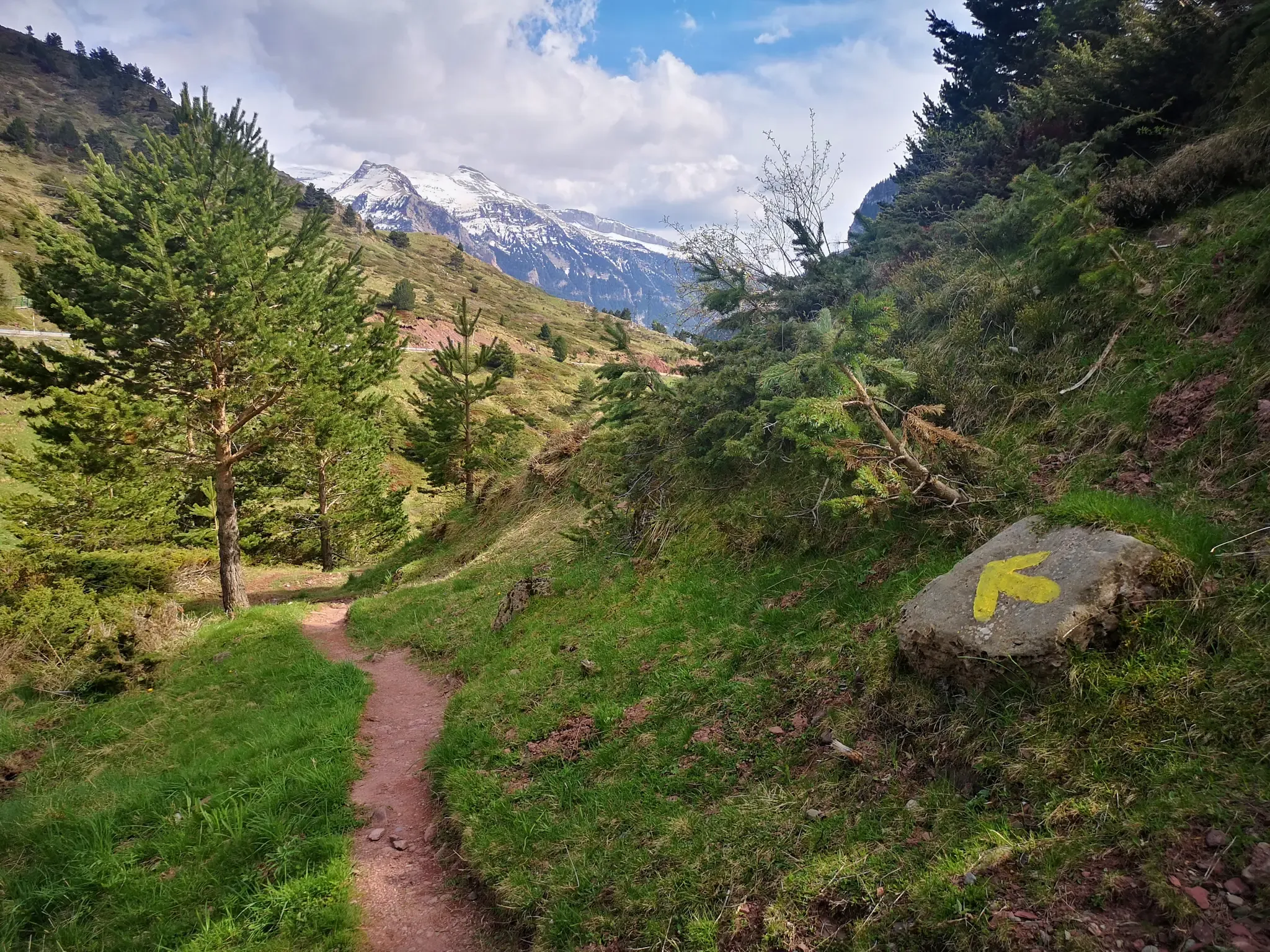
The great forgotten Jacobean pilgrimage – the Aragonese Way
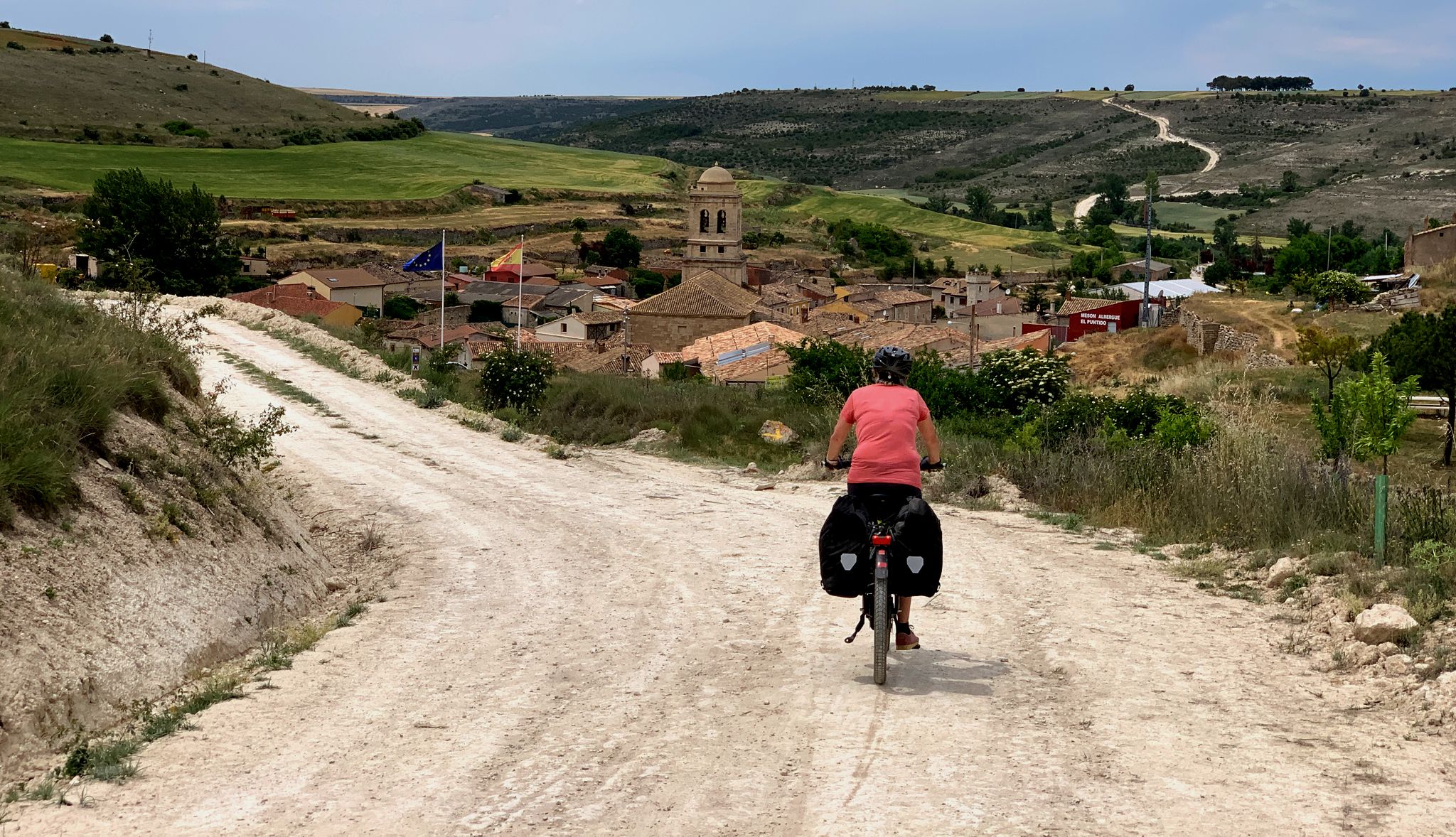
The Pilgrim Route — EuroVelo 3 through Spain
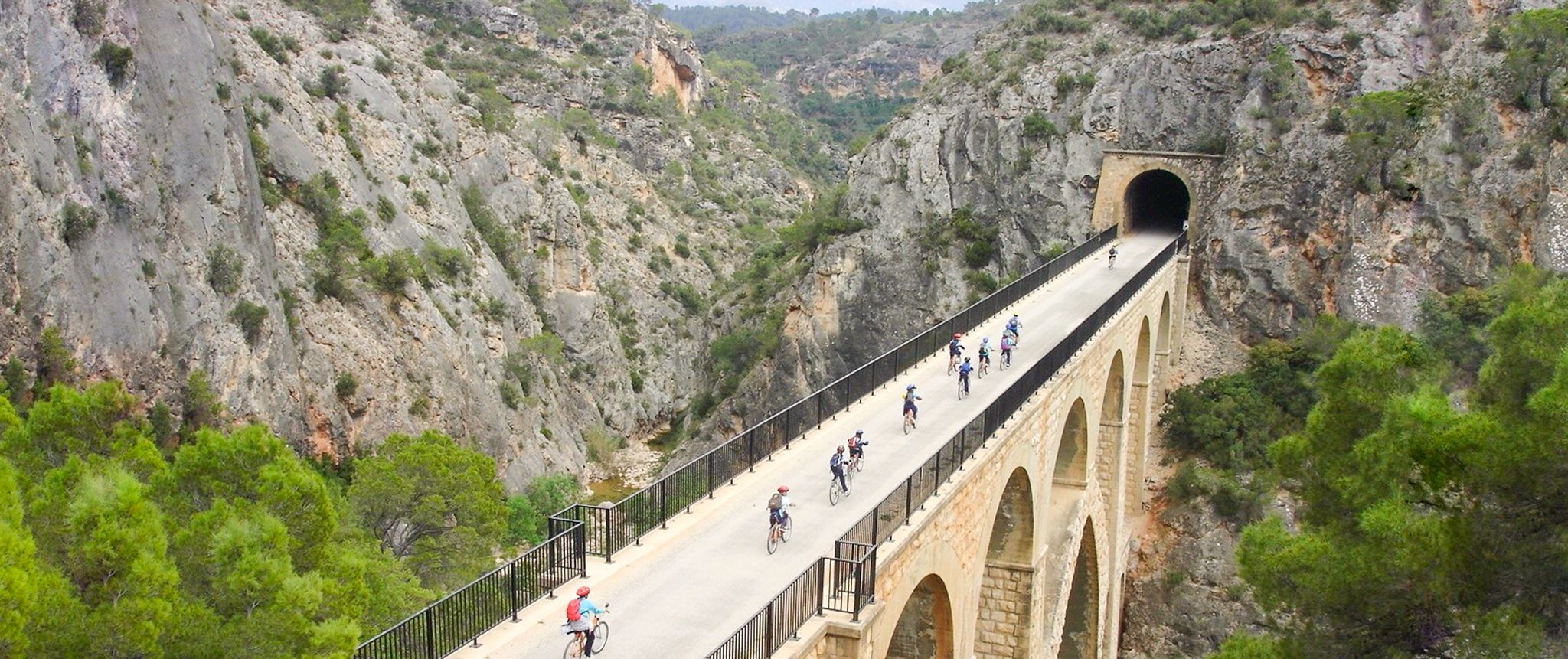
Vías Verdes – traffic-free cycling along railway history in Spain
Road Cycling Routes around Cuenca Pamplona
Hiking around Cuenca Pamplona
Other adventures around Cuenca Pamplona


Tips from the Community


During the Pamplona bullfight, young men in particular risk their health and sometimes their lives. Despite protests from animal rights activists, the "Sanfermines" festival attracts millions of people every year. Around 6,000 bulls are said to have died in the arena over the past 100 years. Since 1911, a total of 16 deaths have been linked to the Pamplona bull runs and fights.
2
1

Huge star-shaped citadel from 1571. Extremely well preserved and very easy to walk around inside, outside and through the middle.
1
0
Huge star-shaped citadel from 1571. Extremely well preserved and very easy to walk around inside, outside and through the middle.
0
0

Open Saturdays and Sundays. The interior is empty (it is an exhibition hall) but the exterior is spectacular, along with the Church of San Miguel, which is related to the Church of Eunate, as both towns are on the Camino de Santiago.
1
0

"Although this is the most populous city on the Way of St. James, crossing it is relatively pleasant. We enter the old town directly, are led through it to the Citadel Park and quickly leave the city again after a short stretch through the new town." (Text source: Cordula Rabe in "Camino Frances. Spanish Way of St. James from the Pyrenees to Santiago de Compostela", Rother Verlag)
3
0

Beautiful, well-preserved fortification from the Renaissance.
3
0
Beautiful, well-preserved fortification from the Renaissance.
2
0
Frequently Asked Questions
What are some of the most historically significant castles to visit in the Cuenca Pamplona region?
The region boasts several castles with deep historical roots. In Cuenca, the Castillo de Belmonte, built in 1456, is notable for its unique star-shaped plan and blend of Gothic and Mudejar styles. The ruins of Castillo de Cuenca, dating back to the 12th century, showcase Islamic and Christian architectural influences. Near Pamplona, the Castle of Xavier, a 10th-century fortress, is the birthplace of Saint Francis Xavier and features unique murals and a museum. The Citadel of Pamplona, a Renaissance-era military bastion from the 16th century, is considered one of Europe's best-preserved defensive sites.
Are there any family-friendly castles in the Cuenca Pamplona area?
Yes, several castles are great for families. Irulegi Castle, located in the Sierra de Tajonar, offers a pleasant journey and magnificent views, making it ideal for families. The Pamplona Citadel has been transformed into a large public park with many paths and places to rest, perfect for a family outing. The Castillo de Belmonte also hosts medieval combat tournaments and cultural events that can be engaging for all ages.
What kind of views can I expect from the castles in this region?
Many castles offer stunning panoramic views. From the ruins of Castillo de Cuenca, you can see the Huécar River gorge and the famous "Casas Colgadas" (Hanging Houses). The Castillo de Belmonte provides sweeping views of the La Mancha plain and surrounding windmills. Irulegi Castle is known for its magnificent vistas over the landscape. The Citadel of Pamplona offers great views of the city from its well-preserved walls.
What outdoor activities can I do near the castles in Cuenca Pamplona?
The region around Cuenca Pamplona offers various outdoor activities. You can find numerous hiking and cycling routes. For example, there are several waterfall hikes, such as the 'Cascada de Artazul' loop, and longer hiking trails like the 'City tour of Pamplona/Iruña' which passes by the Citadel. Cycling enthusiasts can explore routes like the 'Ororbia, City of Pamplona – Circular Route'. You can find more details on these activities in the hiking guide and cycling guide for the area.
What is the best time of year to visit the castles in Cuenca Pamplona?
While specific recommendations vary, generally spring (April-May) and autumn (September-October) offer pleasant weather for exploring the castles and their surroundings. Summers can be hot, especially in Cuenca, but the Pamplona Citadel, with its park setting, can still be enjoyable. If you're interested in the annual pilgrimage to the Castle of Xavier, plan your visit for early March.
Are there any castles that are less restored and offer a more 'raw' historical experience?
Yes, if you prefer a less-restored site, the Castillo de Cuenca, while largely in ruins, retains fragments of ancient walls and turrets, offering a glimpse into its past without extensive modern reconstruction. Similarly, the Castle of Santiago de la Torre, though largely in ruins, conveys a sense of its past grandeur.
What makes the Citadel of Pamplona unique?
The Citadel of Pamplona is unique as one of Europe's best-preserved Renaissance military bastion forts. Its distinctive pentagonal, star-shaped design was revolutionary for defense. No longer military, it has been transformed into a vibrant public park and cultural hub, hosting art exhibitions and performances within its historic buildings, blending history with modern urban life.
Can I find accommodation or cafes near the castles?
Yes, both Cuenca and Pamplona are well-equipped with amenities. Near the Castillo de Cuenca, you'll find various cafes, pubs, and accommodation options within the historic old town. The Pamplona Citadel is located within the city, providing easy access to numerous cafes, restaurants, and hotels. For castles further afield, like Castillo de Belmonte or Castle of Xavier, nearby villages will offer local dining and lodging choices.
What architectural styles are prominent among the castles in the Cuenca Pamplona region?
The castles in this region showcase a rich variety of architectural styles. You'll find examples of Gothic and Mudejar elements, particularly in the Castillo de Belmonte. The ruins of Castillo de Cuenca display a blend of Islamic and Christian styles. The Citadel of Pamplona is a prime example of Renaissance military architecture, known for its robust defensive design.
What do visitors enjoy most about the castles around Cuenca Pamplona?
Visitors frequently praise the historical significance and architectural beauty of the castles. Many appreciate the panoramic views offered from sites like Irulegi Castle and the Pamplona Citadel. The transformation of the Citadel into a public park and cultural space is also highly valued. The komoot community has shown strong engagement, with over 190 upvotes and 110 photos, indicating a popular and appreciated experience.
Are there any castles that were important for defense in the region?
Yes, many castles in the region served crucial defensive roles. Irulegi Castle was strategically located to defend Pamplona from sieges. The Citadel of Pamplona was a key military fortification built to protect the city. Paracuellos Castle was part of a defensive chain established after the Christian conquest of Cuenca.
Most popular routes around Cuenca Pamplona
Most popular attractions around Cuenca Pamplona

Get inspired with the komoot mobile app


Didn’t find what you were looking for?
Explore Cuenca Pamplona’s best castles region by region:
Explore more
Looking for the best castles somewhere else? Discover other guides around Cuenca Pamplona:
