Top 8 Caves around Vegas
Best caves around Vegas offer a diverse range of subterranean experiences within the region. The landscape surrounding Vegas features geological formations that have created various cave types. These sites provide insights into natural processes and historical human activity. The area's terrain includes gypsum and limestone cliffs, as well as man-made excavations.
Top caves around Vegas
- The most popular caves is View of the Caves Cliff in Tielmes, a cave and historical site that features cavities carved into gypsum and…
Last updated: October 13, 2026
Civil War Caves
Highlight • Cave
Later they were used to plant mushrooms and other similar mushrooms.
At present they are closed to avoid their destruction.
Translated by Google •
Tip by

The Chinchón Sinkhole
Highlight • Cave
Translated by Google •
Tip by

Sign up now to discover places like this
Get recommendations on the best single tracks, peaks, & plenty of other exciting outdoor places.
View of the Caves Cliff in Tielmes
Highlight • Cave
Translated by Google •
Tip by

Risco de las Cuevas of Perales de Tajuña
Highlight • Cave
Translated by Google •
Tip by

Minas del Consuelo
Highlight • Structure
Translated by Google •
Tip by

Quarries and Caves of Pocilla Villa and Valdepinar
Highlight • Cave
Translated by Google •
Tip by
Cueva de la Sima
Highlight • Cave
Translated by Google •
Tip by
Cave of the Friars
Highlight • Cave
Translated by Google •
Tip by
Start today with a free account
Your next adventure awaits.
Popular around Vegas
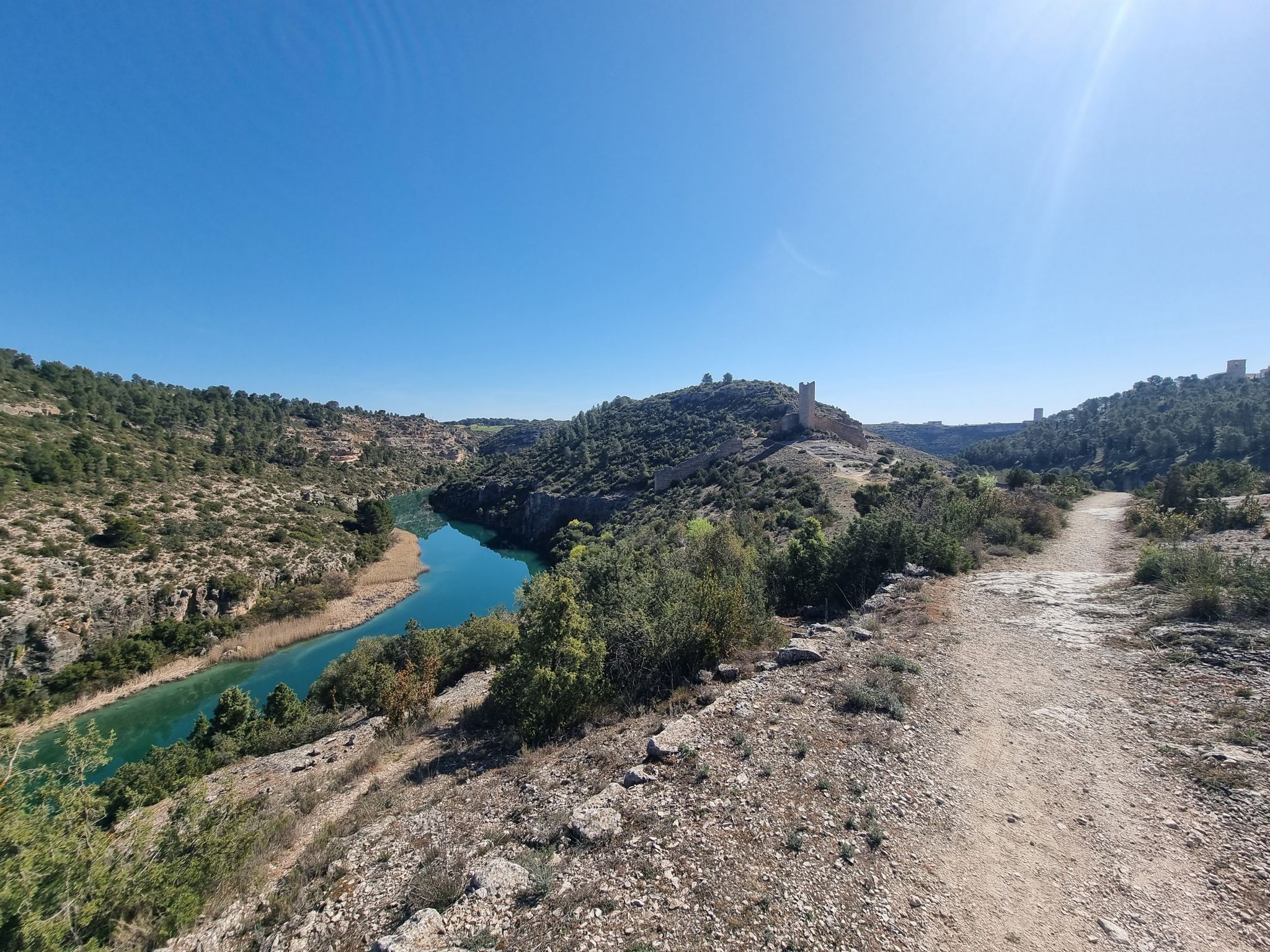
A gravel bike adventure between Madrid and Valencia
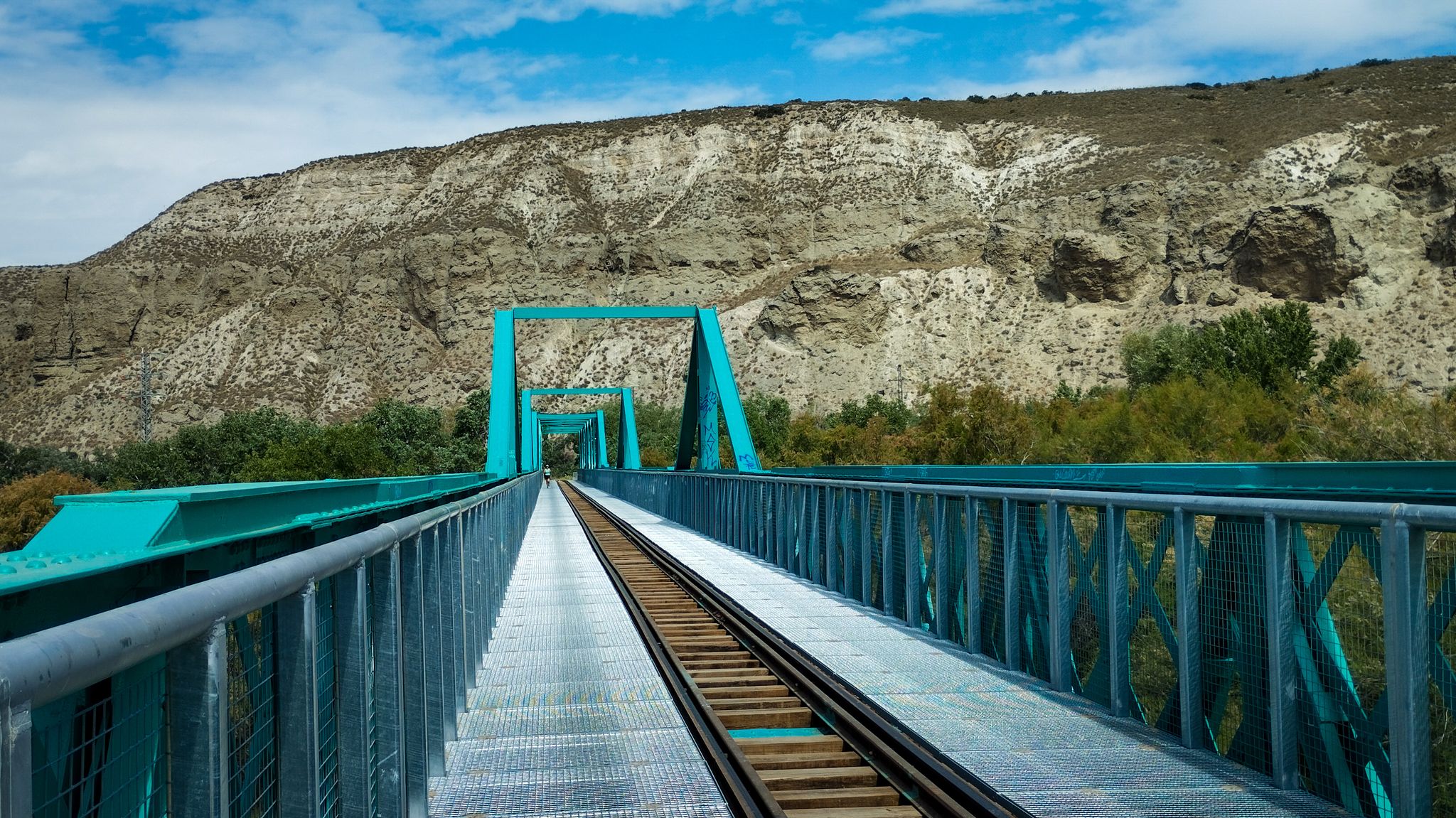
A family ride through Las Vegas de Madrid in Spain – Tajuña Greenway
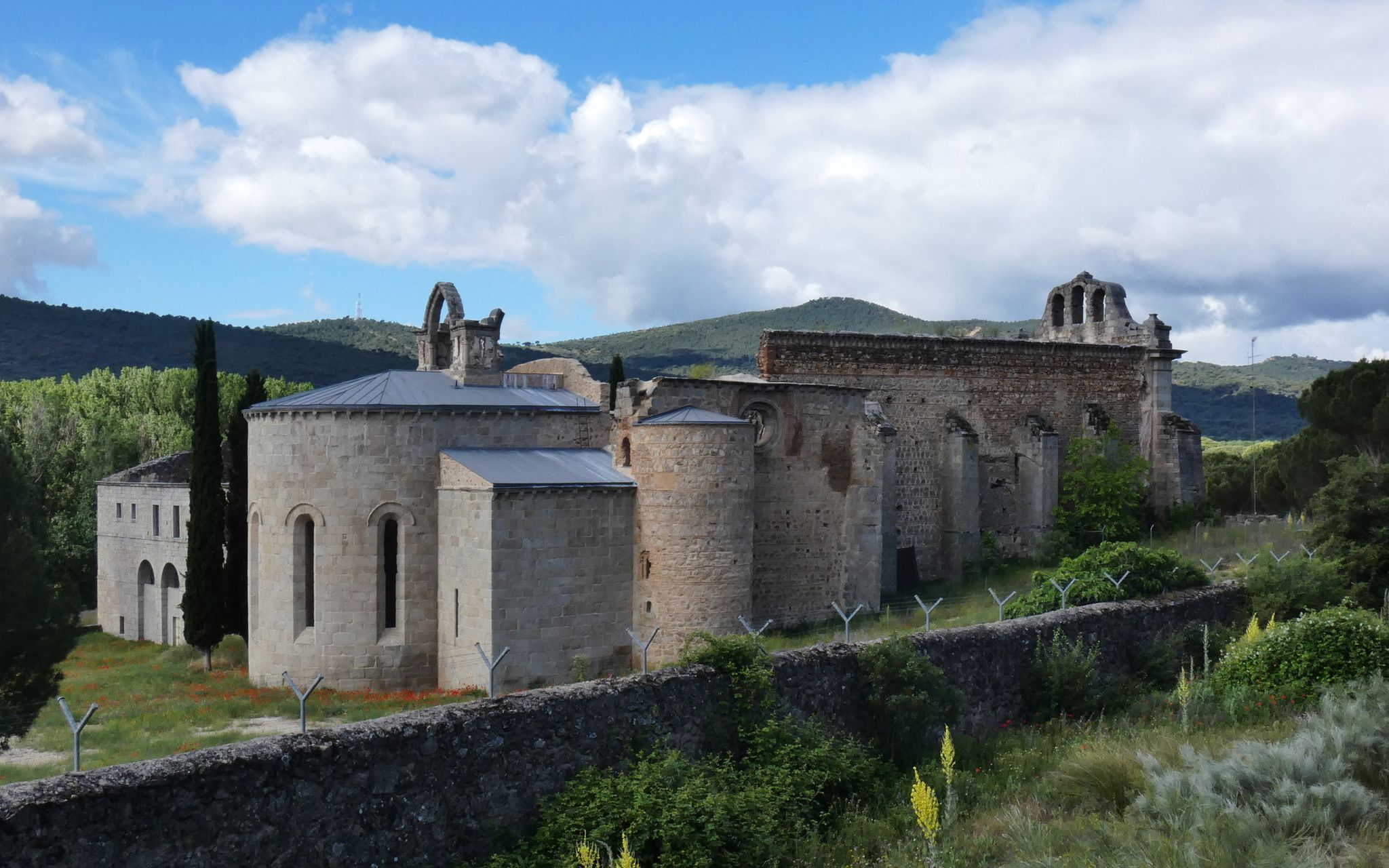
Madrid’s mediaeval castles and hidden gems by gravel bike

Ports, countryside and rivers – Tour of Madrid by road bike
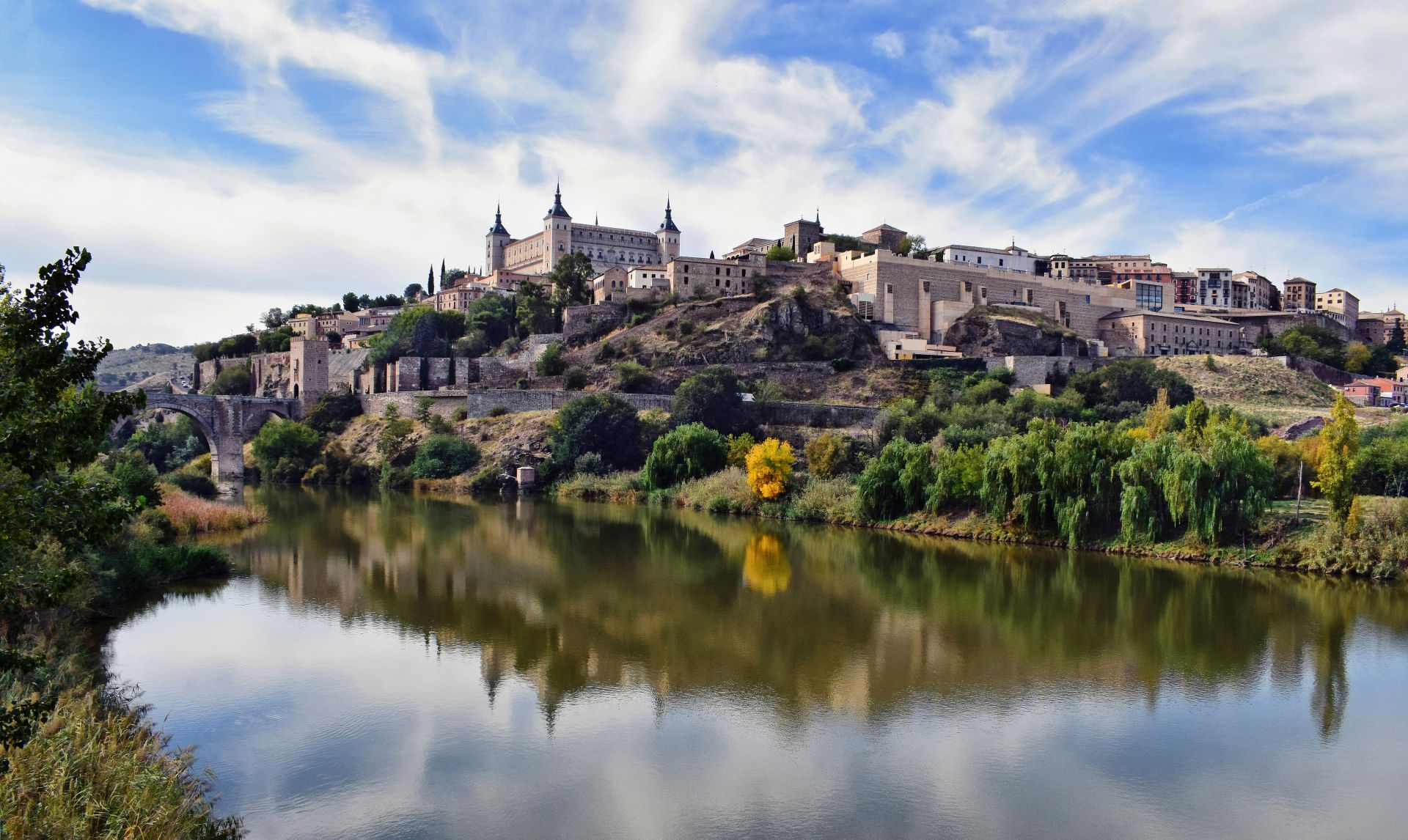
Albarracín to Toledo – Eastern Tagus Nature Trail
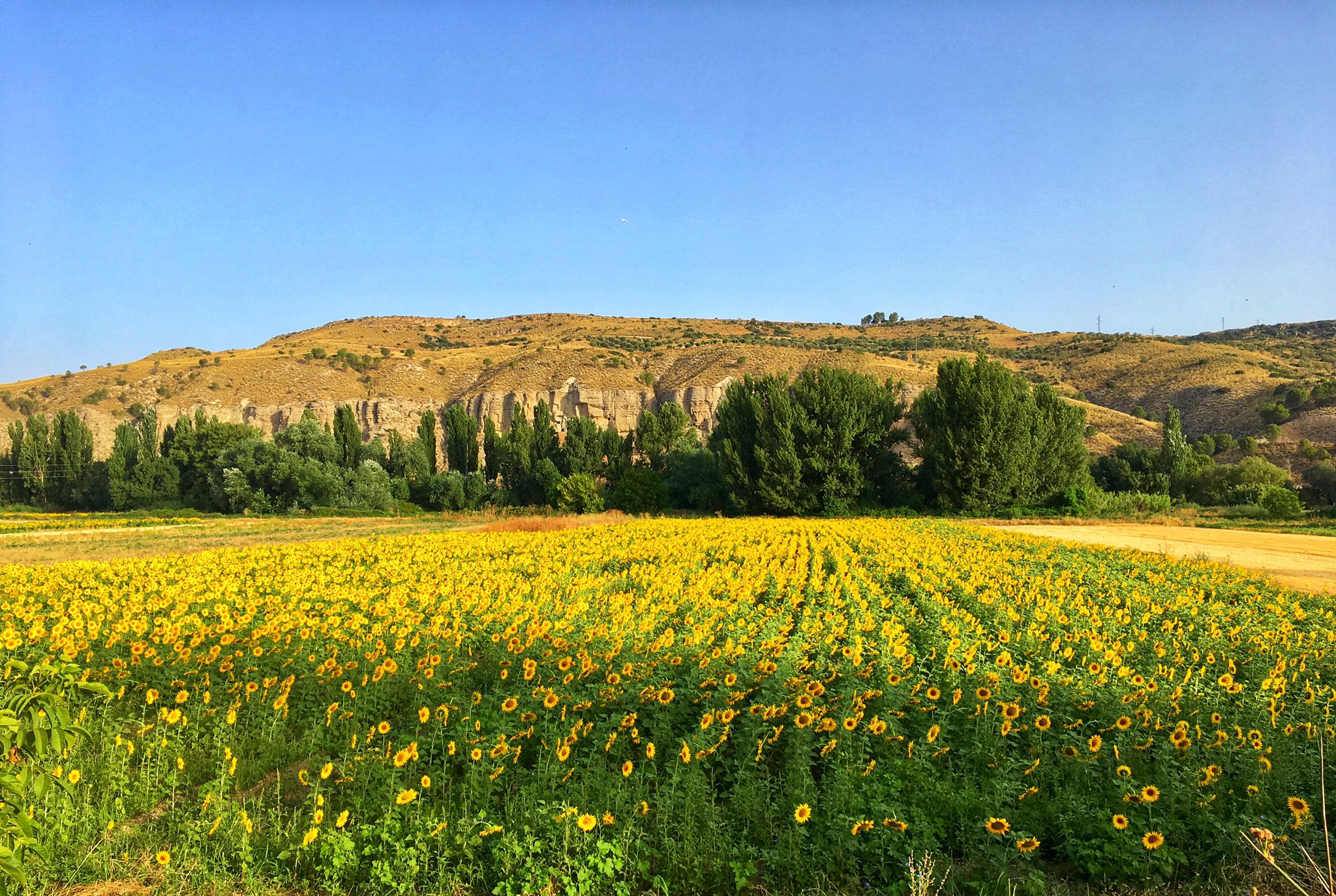
Palaces, rivers and fields — Las Vegas de Madrid gravel tour
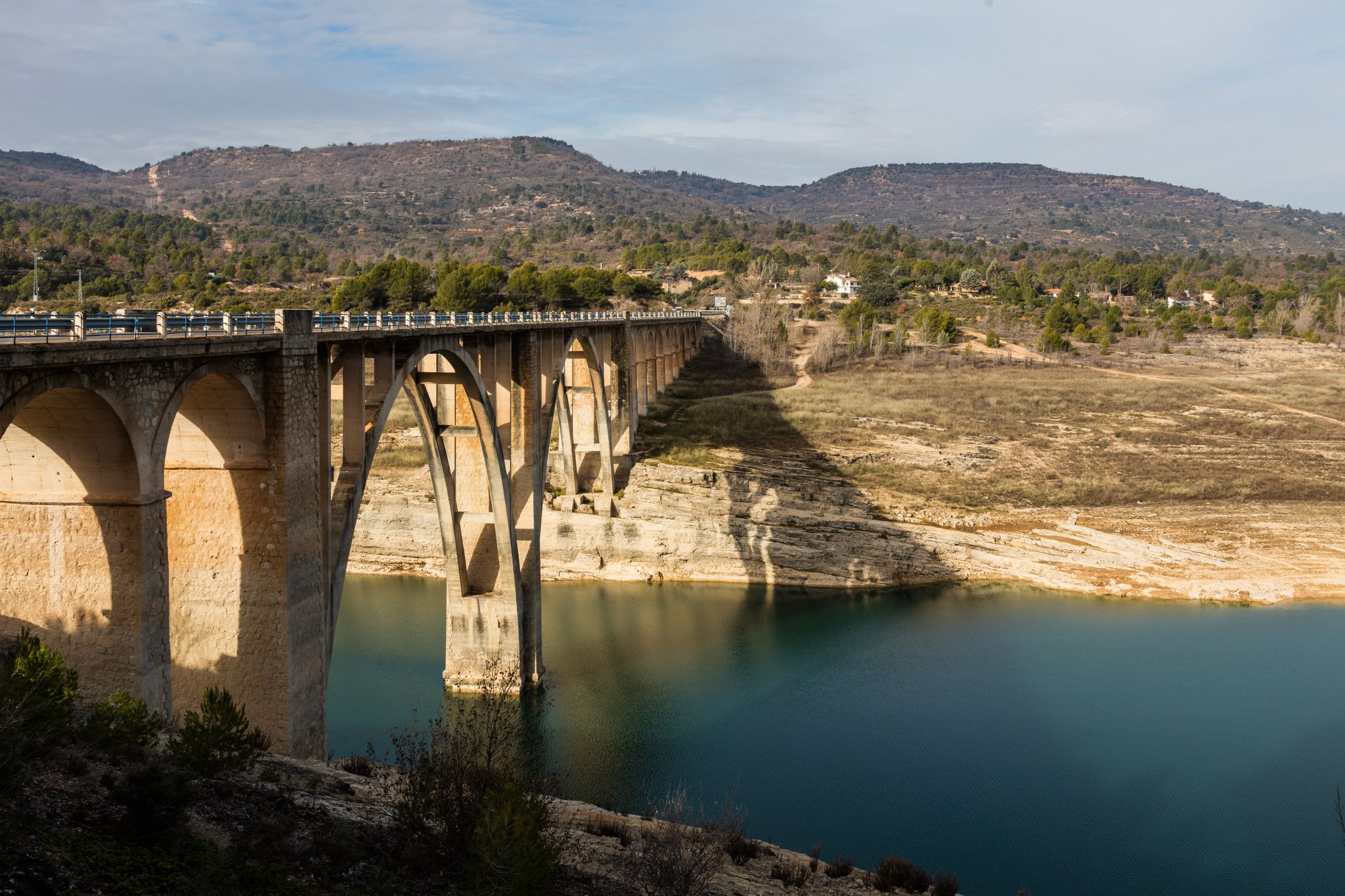
A journey on the Iberian Peninsula – Tagus Nature Trail
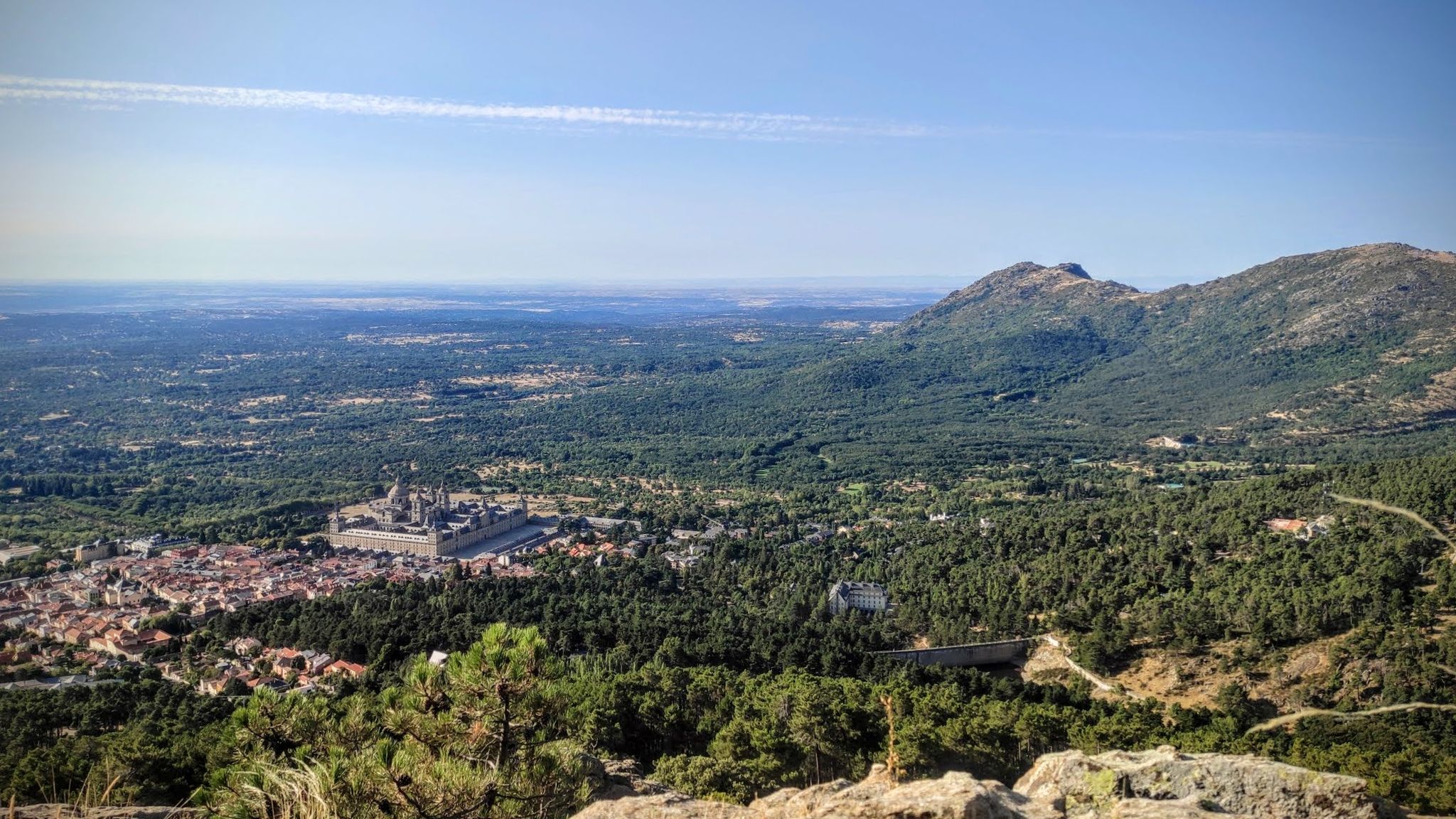
Sierras, countryside, reservoirs and history – Tour of Madrid gravel
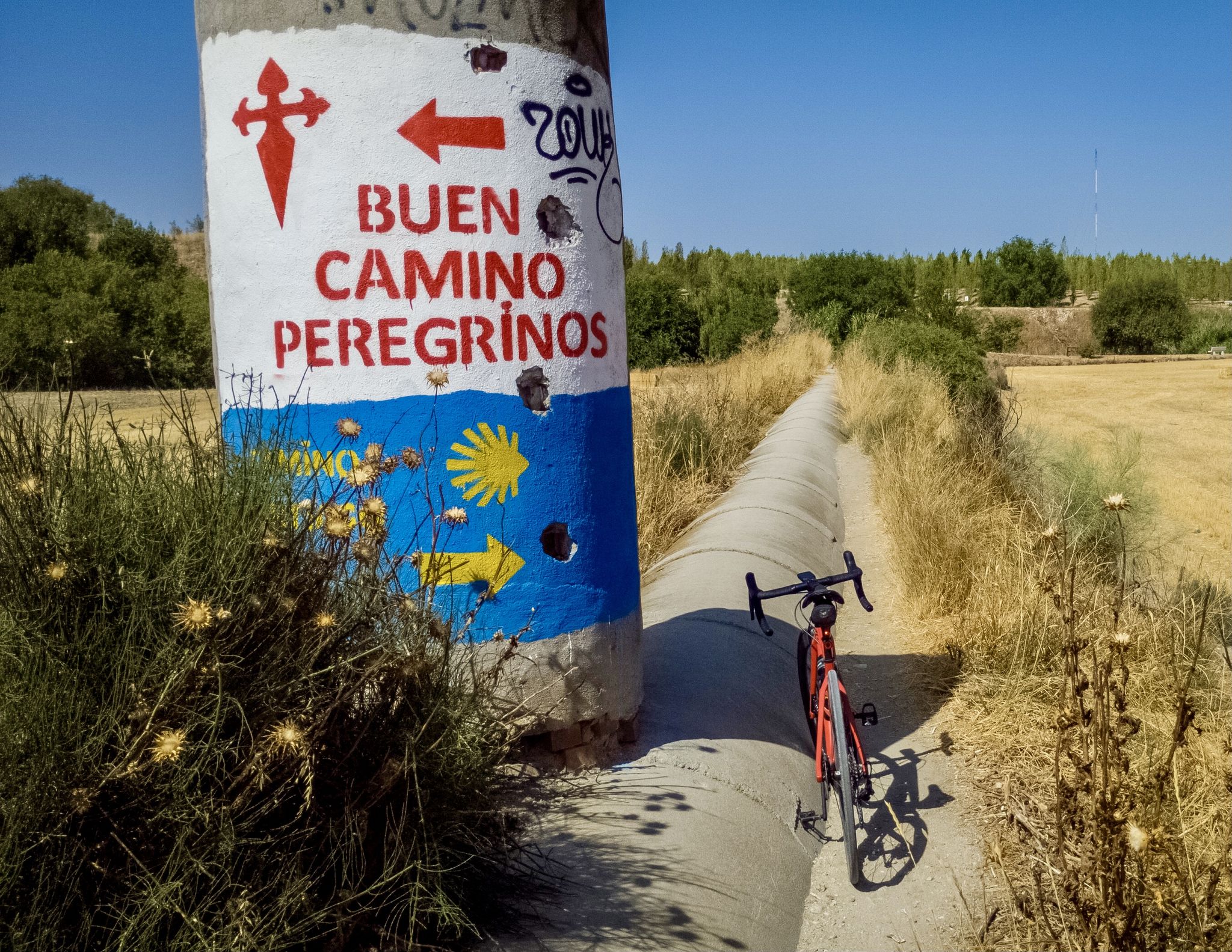
Cycle in the footsteps of the Order of Saint James — Uclés Way in Spain
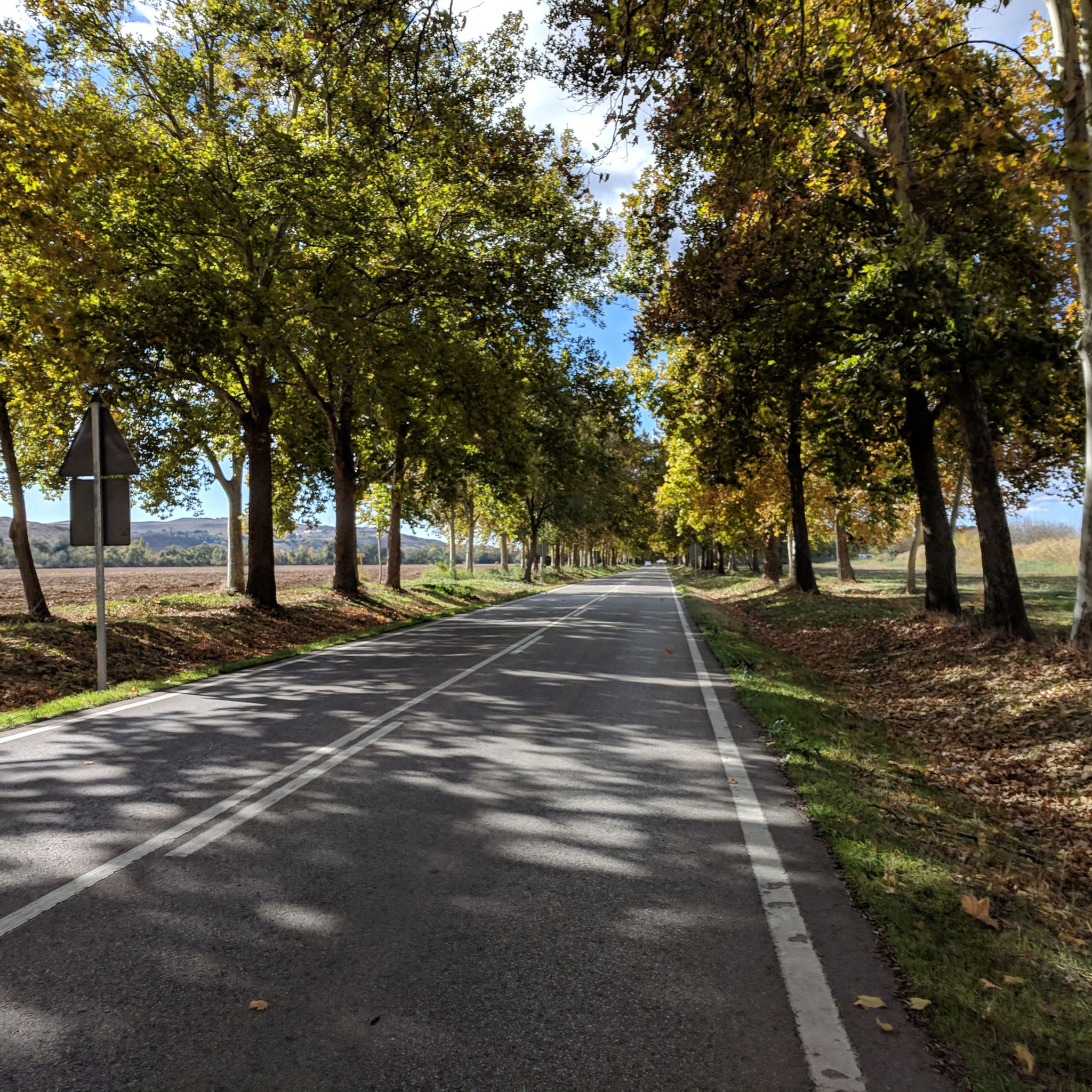
Road Cycling Routes around Vegas
Other adventures around Vegas


Tips from the Community

The Cueva de la Sima is an old quarry of gypsum and building materials that was sometimes used by shepherds as a cattle corral. The place is a circular pit about fifteen metres deep, with a small shelter on one side, and should not be confused with the nearby Cueva de Pedro Fernández or Sima de las Yeseras, a gallery of several kilometres with remains from the Manchego Bronze Age that is closed to the public.
0
0
The caves of the primitive Carpetanian settlement of Caraca are a window in time, from the first Carpetanian inhabitants to the present day, representing the different cultures that have populated the Tajuña valley over time. The current state shows the deterioration typical of a hillside made of marl and gypsum that is brittle and easily eroded. In the time of the Carpetanians, it was a troglodyte settlement with interior passages that connected different galleries, had water channels, warehouses and houses protected from intruders at a certain height from the ground, accessed by ladders and ropes. In the middle of the last century, the Risco de las Cuevas was the setting for several films.
0
0
It is an artificial cave at the exit of Villaconejos. The cave dwelling was built by a community of monks of the Order of Discalced Carmelites in 1734, according to the inscription on the entrance lintel, which also has a heraldic shield. The interior is a gallery with 19 arches and several vents; due to the type of construction, it could have been used as a wine cellar for the monks themselves.
0
0
The industrial exploitation of Colmenar de Oreja stone began in the 18th century. Limestone veins appear throughout the region, but the Colmenar veins have had a special attraction due to the hardness, good quality and whiteness of the limestone. Along the route, you can see the remains of the quarries and caves of Peñas Rubias, Pocilla Villa and other old abandoned sites on the slopes of the Valdepinar ravine.
0
0

On the Jarama front, taking advantage of the structure and characteristics of the terrain, the excavation of caves was common, from small individual shelters to large caves (like the one we can see on the “Secrets of the Greenway” route. Element 8) and tunnels that allowed entire squads or platoons to be housed, the installation of command posts, health posts, warehouses, etc. These excavations, on the one hand, allowed the troops to be hidden from the sight of the enemy and offered good protection in case of bombing, and on the other, they offered a certain degree of comfort to the soldiers who remained in them. These caves usually have many common elements, such as the existence of small holes to support camping equipment or personal objects or chimneys for the escape of smoke. After the Civil War, this type of caves have had various uses. One of them, and a very important one, was the cultivation of mushrooms, carried out until the mid-eighties of the 20th century.
2
0

Due to the characteristics of the terrain, caves have been built throughout history, which have served very different purposes. In this area we have clear examples.
2
0
These are excavations carried out on the ground to protect citizens during the bombings of the Spanish Civil War. Later they were used to plant mushrooms and other similar mushrooms. At present they are closed to avoid their destruction.
9
0

A unique and magical place a few km from the town of Chinchón. Its origin is artificial and is due to the mines that were exploited in the past for the extraction of sodium sulfate. Today you can visit them and contemplate their impressive size, and why not, imagine what it might have been like to work there a few centuries ago.
1
0
Frequently Asked Questions
What types of caves can I explore around Vegas?
The Vegas region offers a diverse range of subterranean experiences, including historical sites like the Civil War Caves, natural geological formations such as The Chinchón Sinkhole, and man-made excavations like the Minas del Consuelo. Many caves in the area have historical significance, ranging from ancient settlements to wartime shelters.
Are there historical caves in the Vegas region?
Yes, the Vegas region is rich in historical caves. You can visit the Civil War Caves, which were originally shelters during bombings and later used for mushroom cultivation. The View of the Caves Cliff in Tielmes features cavities used as machine gun nests and bunkers during the Civil War. Additionally, the Risco de las Cuevas of Perales de Tajuña was once a troglodyte settlement of the Carpetanian people.
What natural geological features can I see in the caves around Vegas?
The region features unique natural formations. The Chinchón Sinkhole is a significant geological depression. The cliffs around Tielmes and Perales de Tajuña are composed of gypsum and limestone, naturally excavated over thousands of years by the river, creating impressive landscapes.
What are the difficulty levels for exploring caves in this area?
Many of the caves and related sites, such as the View of the Caves Cliff in Tielmes and Minas del Consuelo, are rated as intermediate. The Chinchón Sinkhole is considered challenging, and it's advised not to approach too closely.
What outdoor activities can I do near the caves around Vegas?
The Vegas region offers various outdoor activities. You can find numerous MTB Trails, Road Cycling Routes, and Hiking trails. Popular options include routes along the Tajuña Greenway and the Jarama Canal.
Are there hiking trails close to the caves?
Yes, there are several hiking opportunities near the caves. You can explore trails like the Barranco de Picote loop from Titulcia via the Jarama river, or the Chinchón, Laguna de San Juan, and Sima de Peñaquemada Loop. For more options, refer to the Hiking around Vegas guide.
What should I know before visiting the Civil War Caves?
The Civil War Caves were originally excavations for citizen protection during bombings and later used for mushroom cultivation. Currently, they are closed to prevent their destruction. While you can observe them, direct entry may not be possible.
What is the significance of the View of the Caves Cliff in Tielmes?
The View of the Caves Cliff in Tielmes showcases cavities carved into gypsum and limestone cliffs. These formations were strategically used during the Civil War as machine gun nests, lookouts, trenches, and bunkers by the Republican army to defend against advancing troops.
Can I visit old mines in the area?
Yes, you can visit the Minas del Consuelo, an artificial cave system a few kilometers from Chinchón. These mines were historically exploited for sodium sulfate extraction. Today, you can explore their impressive size and imagine the past working conditions.
What is the Risco de las Cuevas of Perales de Tajuña known for?
The Risco de las Cuevas of Perales de Tajuña is a historically significant site. It was once a troglodyte settlement of the primitive Carpetanian inhabitants, featuring interior passages, water channels, and houses. It also served as a filming location in the mid-20th century.
Are there any other notable man-made caves or quarries to explore?
Beyond the Civil War Caves and Minas del Consuelo, you can also explore the Quarries and Caves of Pocilla Villa and Valdepinar, which are historical man-made sites offering insights into the region's past industrial activities.
Most popular routes around Vegas
Most popular attractions around Vegas

Get inspired with the komoot mobile app


Didn’t find what you were looking for?
Discover more caves around Vegas region by region:
