Top 6 Caves around Noguera
Caves around Noguera offer a diverse range of natural formations and historical sites. The region features karstic caves, rock shelters with prehistoric art, and significant archaeological sites. These subterranean environments provide insights into ancient human history and geological processes. The landscape is characterized by limestone formations, contributing to the variety of cave types.
Best caves around Noguera
- The most popular caves is Cova del Tabac, a monumental cave formed by karstic phenomena. It contains ancient cave paintings and offers…
Last updated: June 26, 2026
Cova del Tabac
Highlight • Cave
The cave was formed by …
Translated by Google •
Tip by

Santa Linya Cave
Highlight • Cave
Translated by Google •
Tip by
Sign up now to discover places like this
Get recommendations on the best single tracks, peaks, & plenty of other exciting outdoor places.
Sign up for free
Os de Balaguer
Highlight • Settlement
Translated by Google •
Tip by

El Cogulló
Highlight • Summit
Translated by Google •
Tip by

Cova del Foric
Highlight • Cave
Translated by Google •
Tip by

Cave of Biot del Peraire
Highlight • Cave
Translated by Google •
Tip by
Start today with a free account
Your next adventure awaits.
Login or Signup
Popular around Noguera
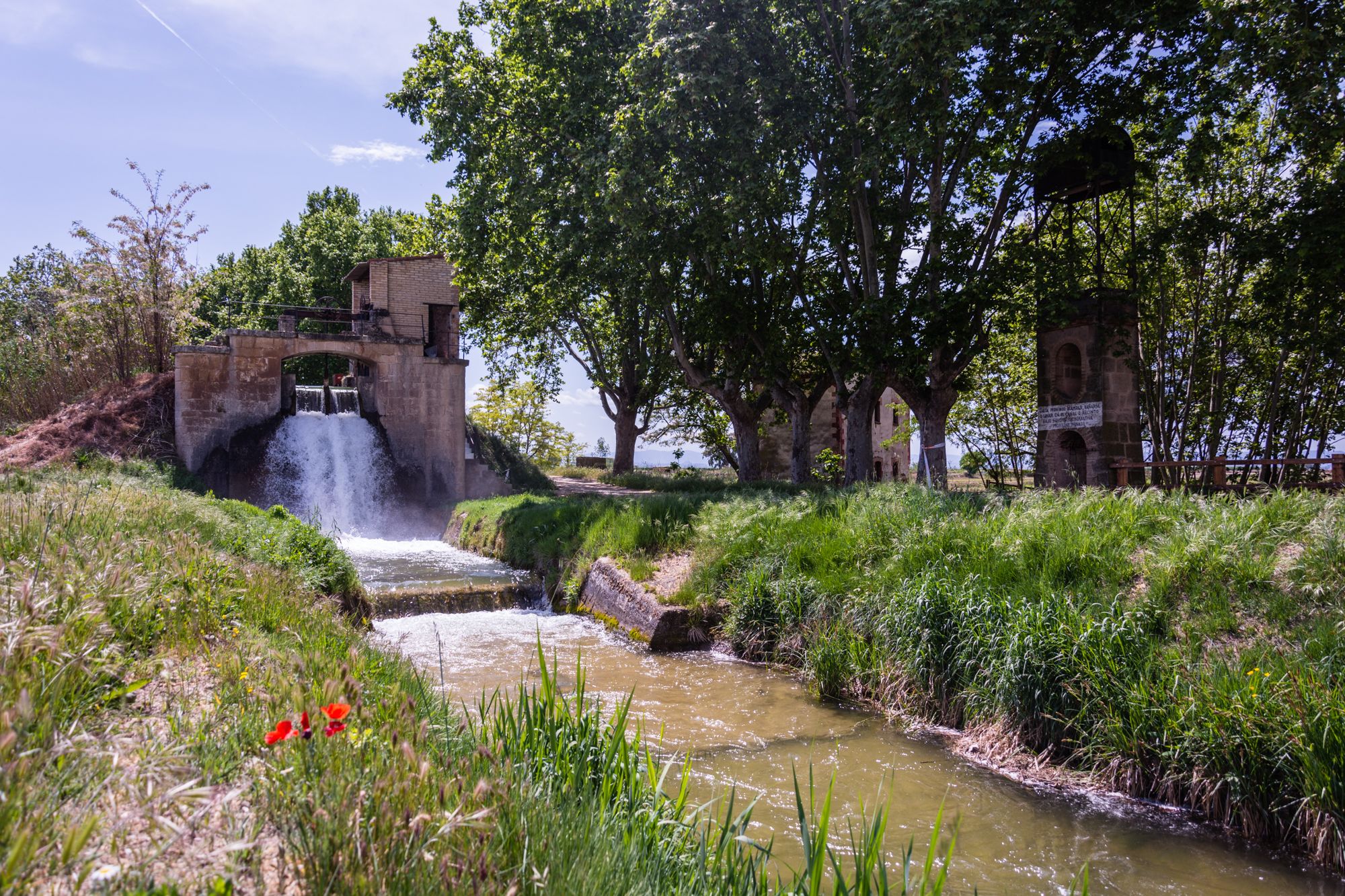
Follow the water in Spain – Pedals del Canal d'Urgell
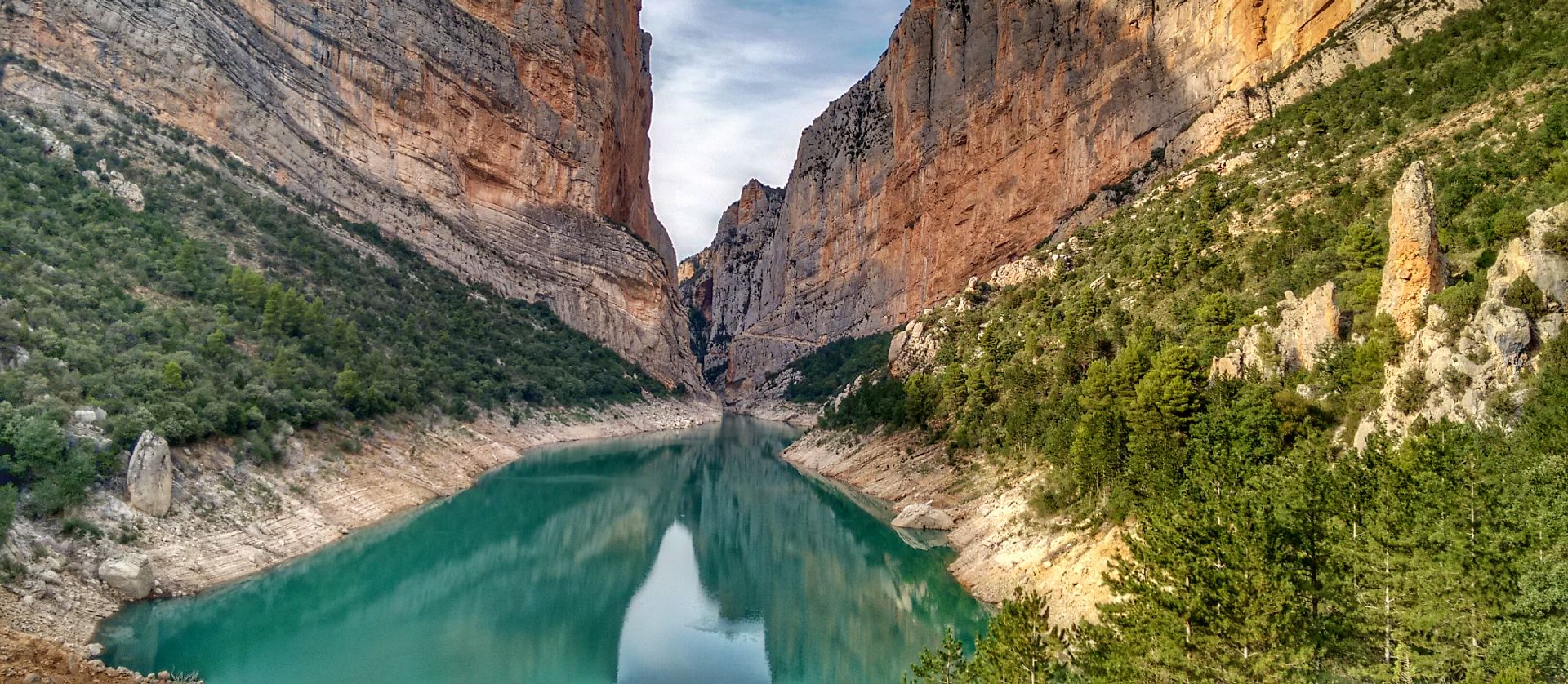
Lleida to El Pont d'Orrit – Sendero Central de Cataluña (GR3)
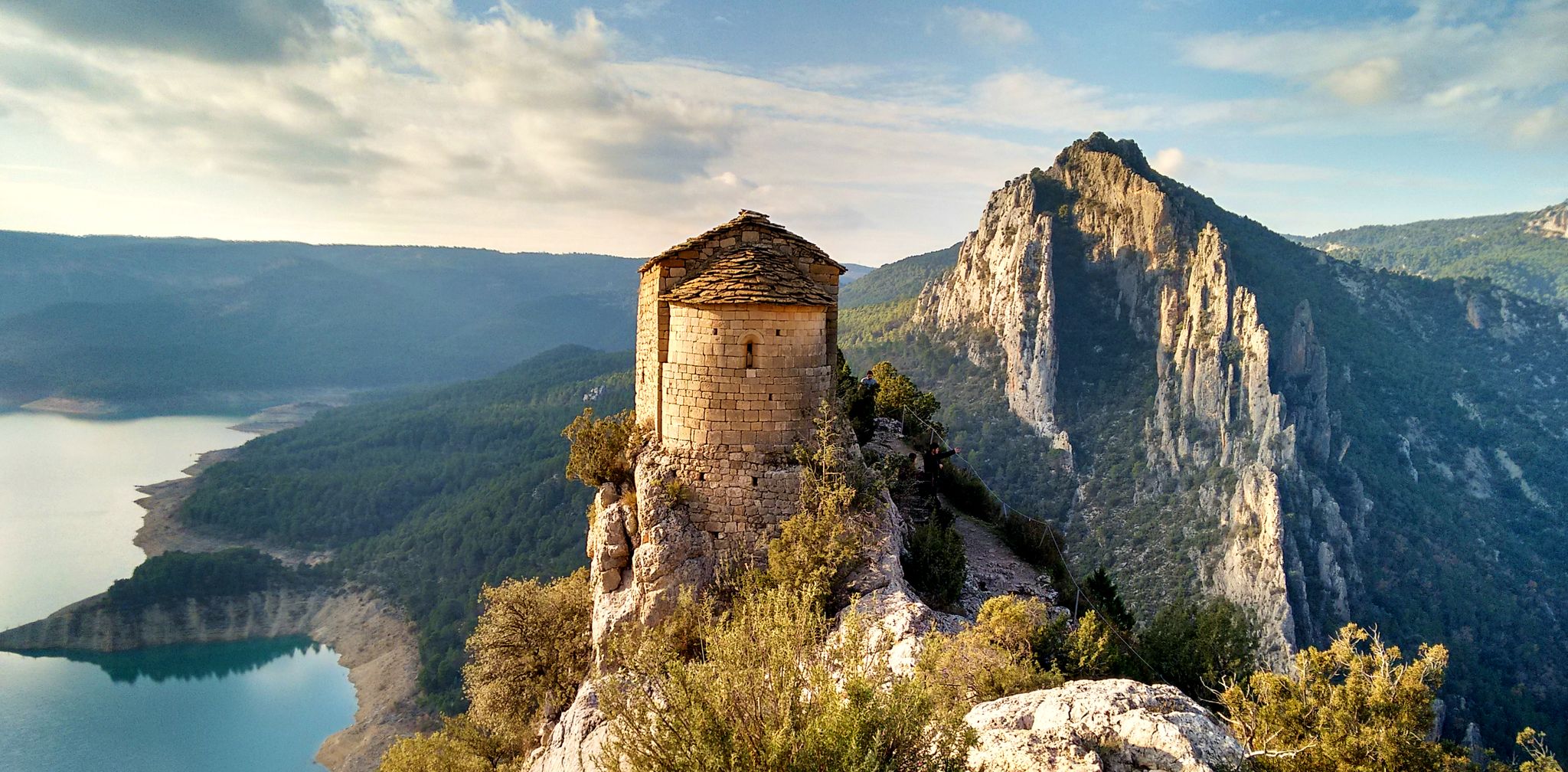
From the Mediterranean to the Pre-Pyrenees – Historical Path in Catalonia (GR 1)
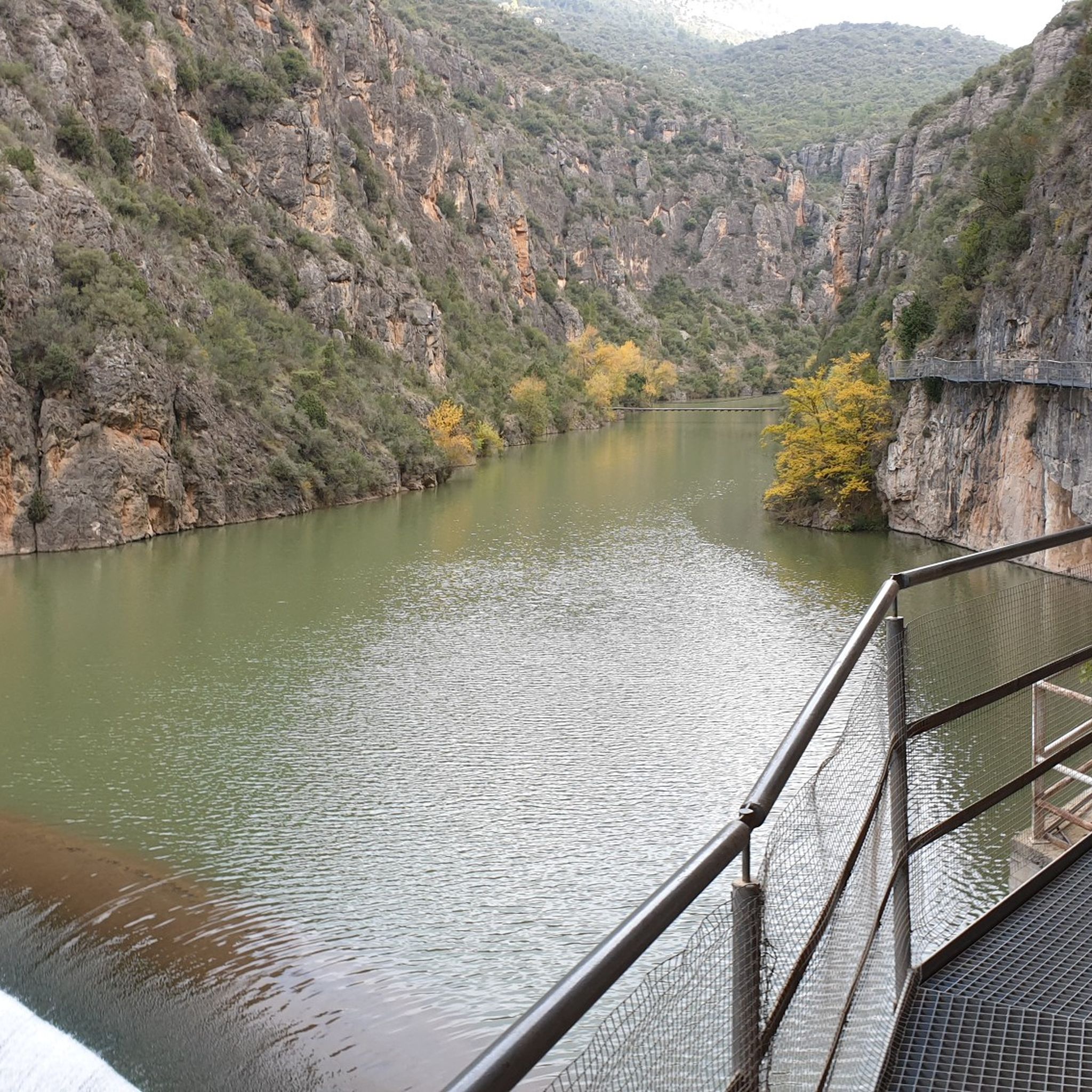
Hiking around Noguera
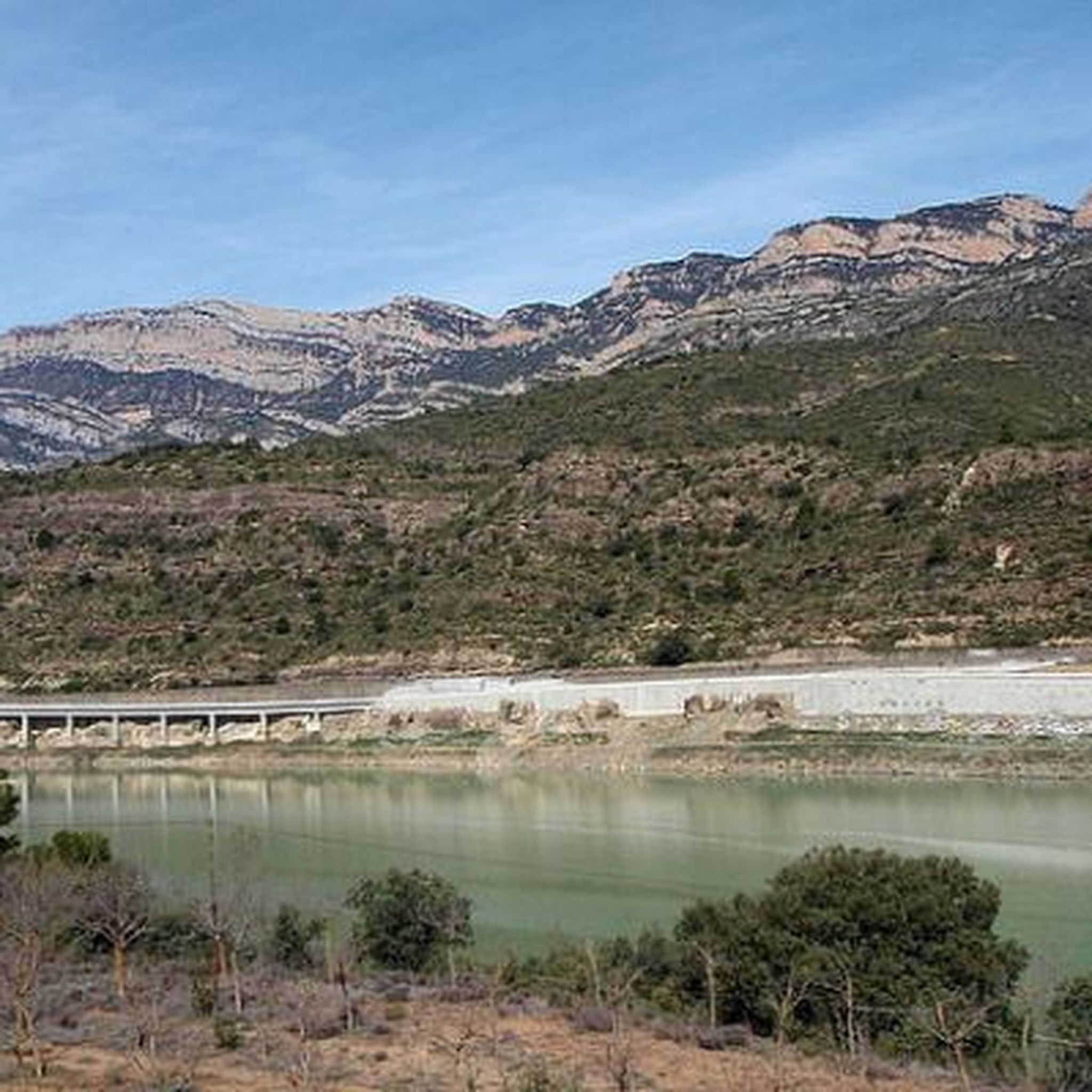
Road Cycling Routes around Noguera
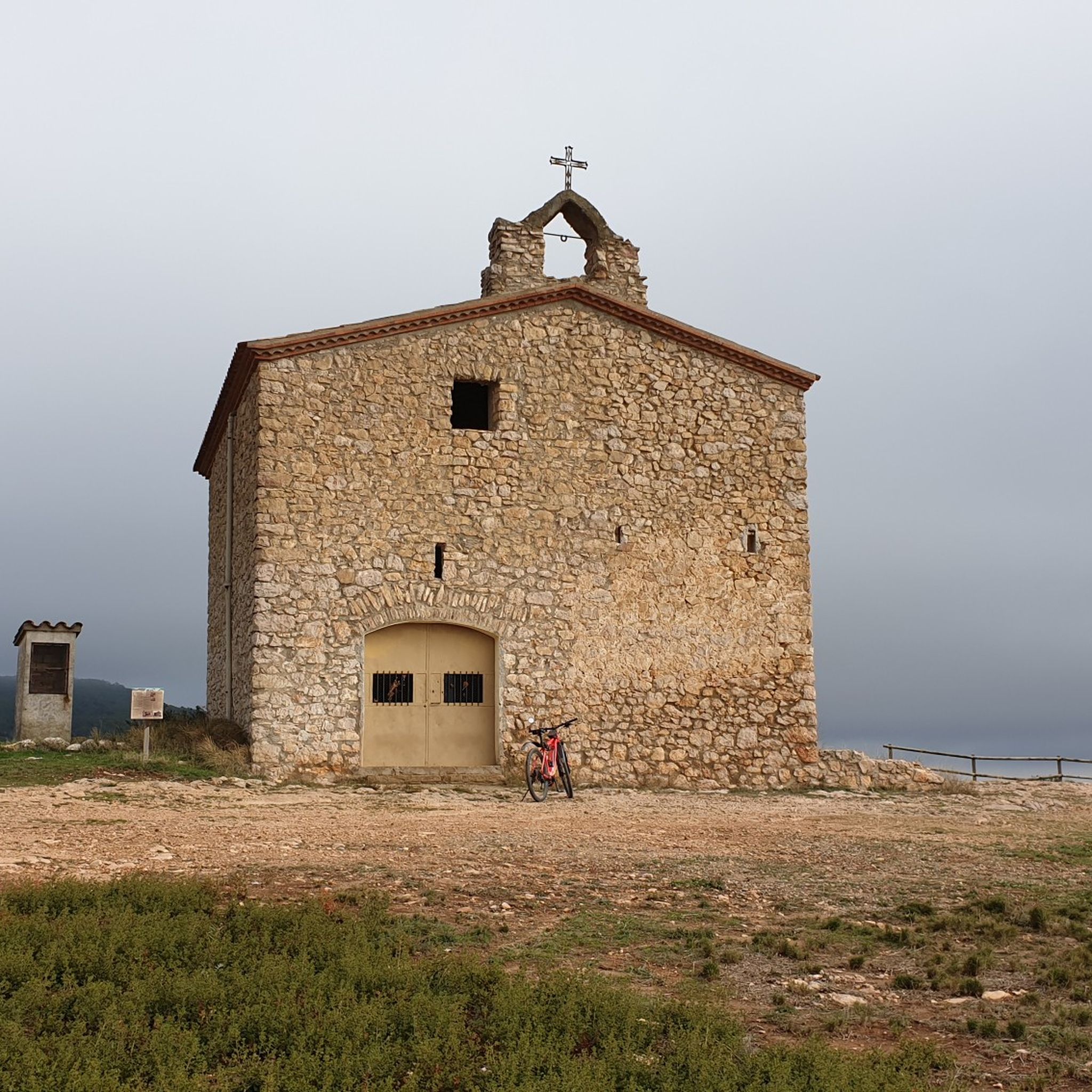
MTB Trails around Noguera
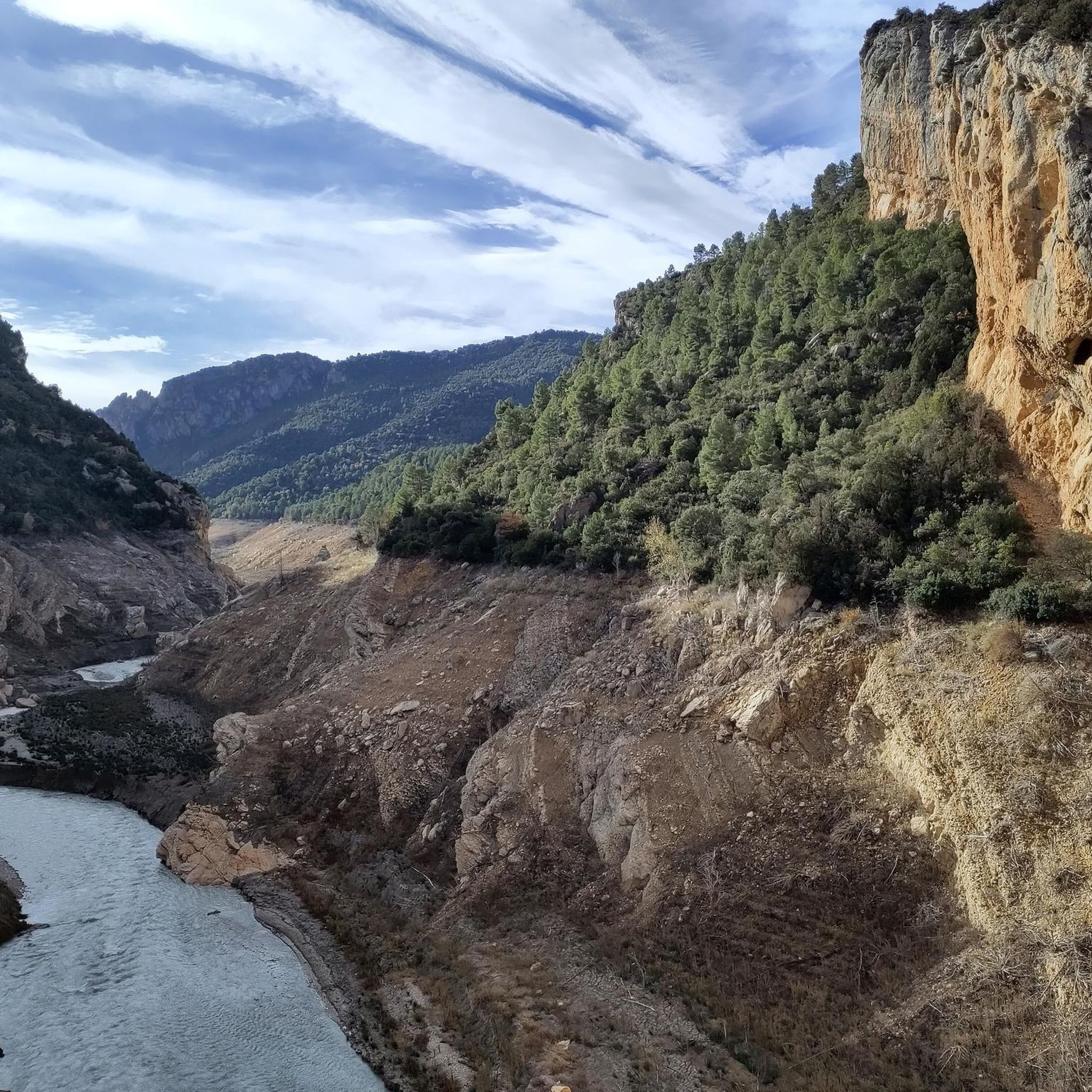
Running Trails around Noguera
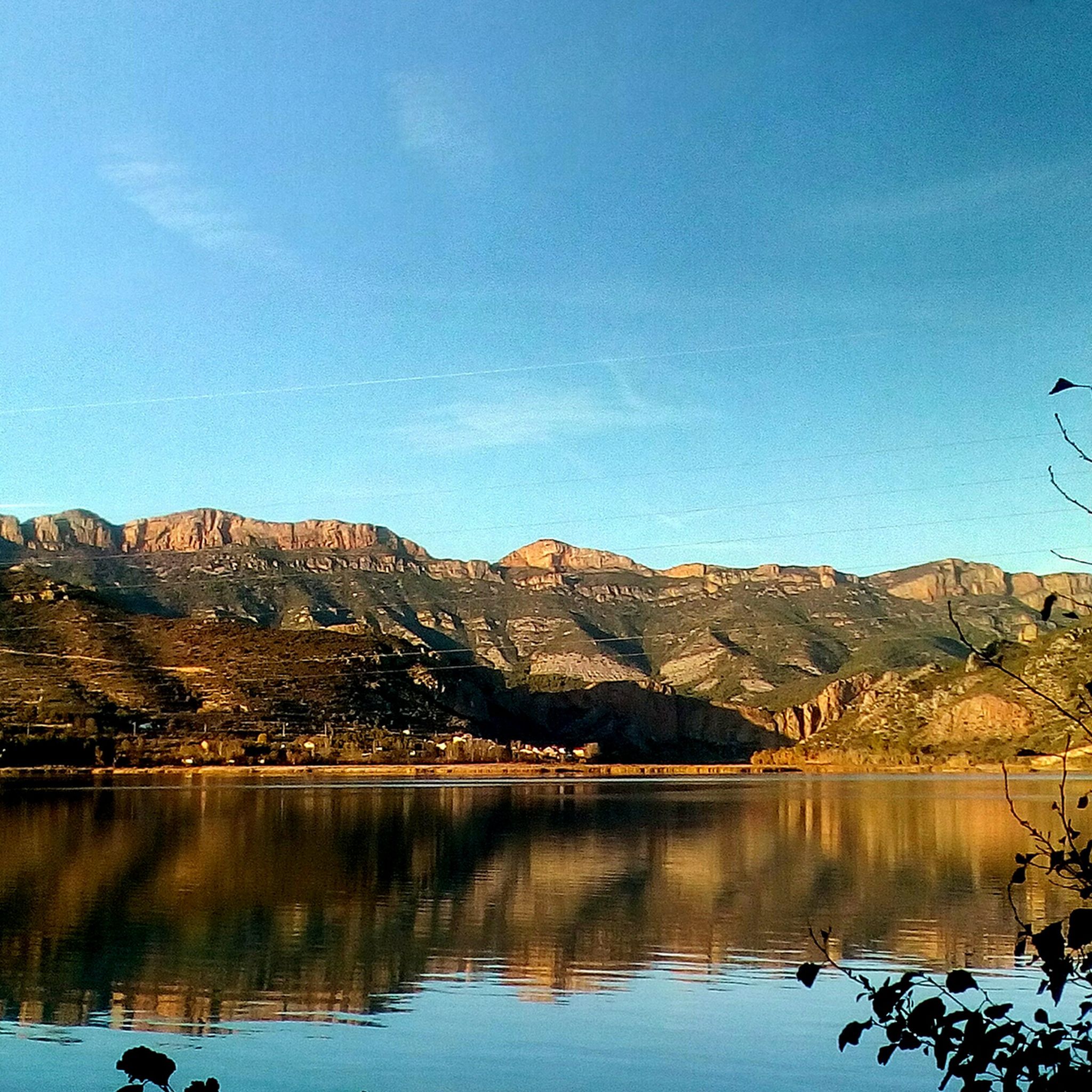
Cycling around Noguera

Gravel biking around Noguera
Other adventures around Noguera


Tips from the Community

Natural cave made up of several rooms, the largest being 50m deep. Some bats live there, don't disturb them ;)
0
0

The municipality of Os de Balaguer has an impressive historical heritage. In its old town there is a beautiful castle of Arab origin and about five kilometers from the town is the beautiful monastery of Bellpuig. But the prize goes to the Cova dels Vilars, a cave a few meters from the town center with cave paintings that has been declared a World Heritage Site.
1
0

Mythical mountain that is at the top of Vilanova de Meià and that offers impressive views of the area. In addition, close to the top, there is a cave that has the same name as the top of the mountain.
0
0

With magnificent views of Camarasa and the Segre River, at this point we will find the Cova del Tabac, a monumental cave where we will find ancient cave paintings damaged by acts of vandalism. The cave was formed by karst phenomena, meaning that water infiltrated through the stone over millions of years. As a curiosity, we know that the name Cova del Tabac comes from the powder that centuries ago was extracted from it to mix with tobacco.
1
0
2km from the town of Santa Linya. If you like the history of our ancestors, you cannot miss the Santa Linya cave, as we will find prehistoric remains from the Bronze Age and cave paintings. Cultural asset of national interest This large rock attracts great climbers.
1
0
2km from the town of Santa Linya. If you like the history of our ancestors, you cannot miss the Santa Linya cave, as we will find prehistoric remains from the Bronze Age and cave paintings. Cultural asset of national interest This large rock attracts great climbers.
1
0
2km from the town of Santa Linya. This large rock attracts great climbers. Cave paintings can be found.
2
0
Cave accessible from the path.
1
0
Frequently Asked Questions
Which caves in Noguera are known for prehistoric art?
The Noguera region is rich in prehistoric art. You can visit the Cova dels Vilars near Os de Balaguer, a UNESCO World Heritage site with Bronze Age paintings. Another UNESCO site is the Cova del Tabac in Camarasa, featuring schematic rock art. The Santa Linya Cave also contains prehistoric remains and cave paintings, making it a Cultural Asset of National Interest.
Are there any caves in Noguera suitable for experienced cavers seeking a challenge?
Yes, for those seeking a more technical caving experience, the Forat de la Grallera near Vilanova de Meià is an excellent choice. It features a single 16-meter deep pit, requiring climbing skills and speleology equipment for exploration. The Cova del Tabac also involves equipped sections with chains and iron ladders, making it suitable for those in good physical shape.
Which caves in Noguera are significant for archaeological discoveries?
The Santa Linya Cave is a major archaeological site. Excavations there have revealed a 9-meter stratigraphy, offering insights into the last 50,000 years of central Catalonia, including evidence of Neanderthal and Sapiens cohabitation. Remains of a 14,000-year-old female Sapiens were also found, contributing to the understanding of Upper Paleolithic hunter-gatherers in the Iberian Peninsula.
Can I find climbing opportunities near the caves in Noguera?
Absolutely. The Santa Linya Cave is an internationally renowned climbing destination. It attracts climbers with its high-quality limestone rock and a high concentration of challenging routes, including many graded over 8 and 9.
What natural features can I expect to see in the Noguera caves?
The caves in Noguera showcase diverse natural formations. The Cova del Tabac, for instance, was formed by karstic phenomena over millions of years. The Cova del Foric is a natural cave with multiple rooms, the largest being 50 meters deep, and is home to bats. The region's landscape is characterized by limestone formations, contributing to the variety of cave types.
Are there family-friendly options for visiting caves in Noguera?
While some caves like the Cova del Tabac involve equipped sections that might be challenging for very young children, the Cova dels Vilars offers guided tours, which can be a more structured and accessible experience for families interested in prehistoric art. It's advisable to check specific tour details for age recommendations.
What is the best time of year to visit the caves in Noguera?
The Noguera region generally experiences a Mediterranean climate. Spring and autumn offer pleasant temperatures for exploring both the caves and the surrounding outdoor areas. Summer can be hot, but the caves provide a cool escape. Winter can be chilly, but cave visits are still possible, though some access roads might be affected by weather.
Are there hiking routes near the caves in Noguera?
Yes, the Noguera region offers numerous hiking opportunities. You can find a variety of trails, including easy hikes like the 'Hermitage and Castle of Oroners' or 'Trenches of the Bellmunt d'Urgell hills - Circular Route'. For moderate challenges, consider 'Pala Alta and Montalegre Hermitage Loop' or 'Big cave and Balconcito of Santa Linya'. Explore more options on the Hiking around Noguera guide.
What other outdoor activities can I do near the Noguera caves?
Beyond caving and hiking, the Noguera region is great for gravel biking. You can find routes like the 'Abandoned Village of Claret – Wooden Bridge loop from Ponts' or 'Pilar de Almenara Tower – Pilar de Almenara Tower loop from Vallfogona de Balaguer'. Discover more routes on the Gravel biking around Noguera guide.
Do I need permits to visit the caves in Noguera?
For some caves, especially those with prehistoric art or requiring technical equipment, guided tours or prior arrangements might be necessary. For example, guided tours are available for the Cova dels Vilars. It's always best to check with local tourism offices or specific cave management for the latest information on access and permit requirements before your visit.
Where can I find accommodation near the Noguera caves?
The Noguera region has various towns and villages offering accommodation options. Areas around Os de Balaguer, Camarasa, and Santa Linya would be good starting points for finding places to stay, ranging from rural guesthouses to small hotels, depending on your preferred cave destinations.
Are there viewpoints or scenic spots near the Noguera caves?
Yes, several caves offer scenic surroundings. The Cova del Tabac provides magnificent views of Camarasa and the Segre River. Additionally, the El Cogulló summit, which also has a cave nearby, offers impressive panoramic views of the area around Vilanova de Meià.
Most popular routes around Noguera
Most popular attractions around Noguera

Get inspired with the komoot mobile app


Didn’t find what you were looking for?
Discover more caves around Noguera region by region:
