Top 7 Gorges around Sayago
Best canyons around Sayago are primarily located within the Arribes del Duero Natural Park, a protected area shared with Salamanca and bordering Portugal. This region is characterized by deep valleys and steep precipices carved by the Duero River and its tributaries. These "arribes" feature impressive geological gorges, some reaching hundreds of meters in depth. The area is known for its unique microclimate and diverse plant species, alongside significant birdlife.
Best canyons around Sayago
- The most popular canyons is São João…
Last updated: October 13, 2026
Mirador de las Barrancas
Highlight • Viewpoint
Translated by Google •
Tip by

São João das Arribas Viewpoint
Highlight • Viewpoint
Translated by Google •
Tip by

Sign up now to discover places like this
Get recommendations on the best single tracks, peaks, & plenty of other exciting outdoor places.
Requejo Bridge
Highlight • Bridge
Translated by Google •
Tip by
Senda del Duero (GR-14) – Camino de Pinilla
Highlight (Segment) • Trail
Translated by Google •
Tip by
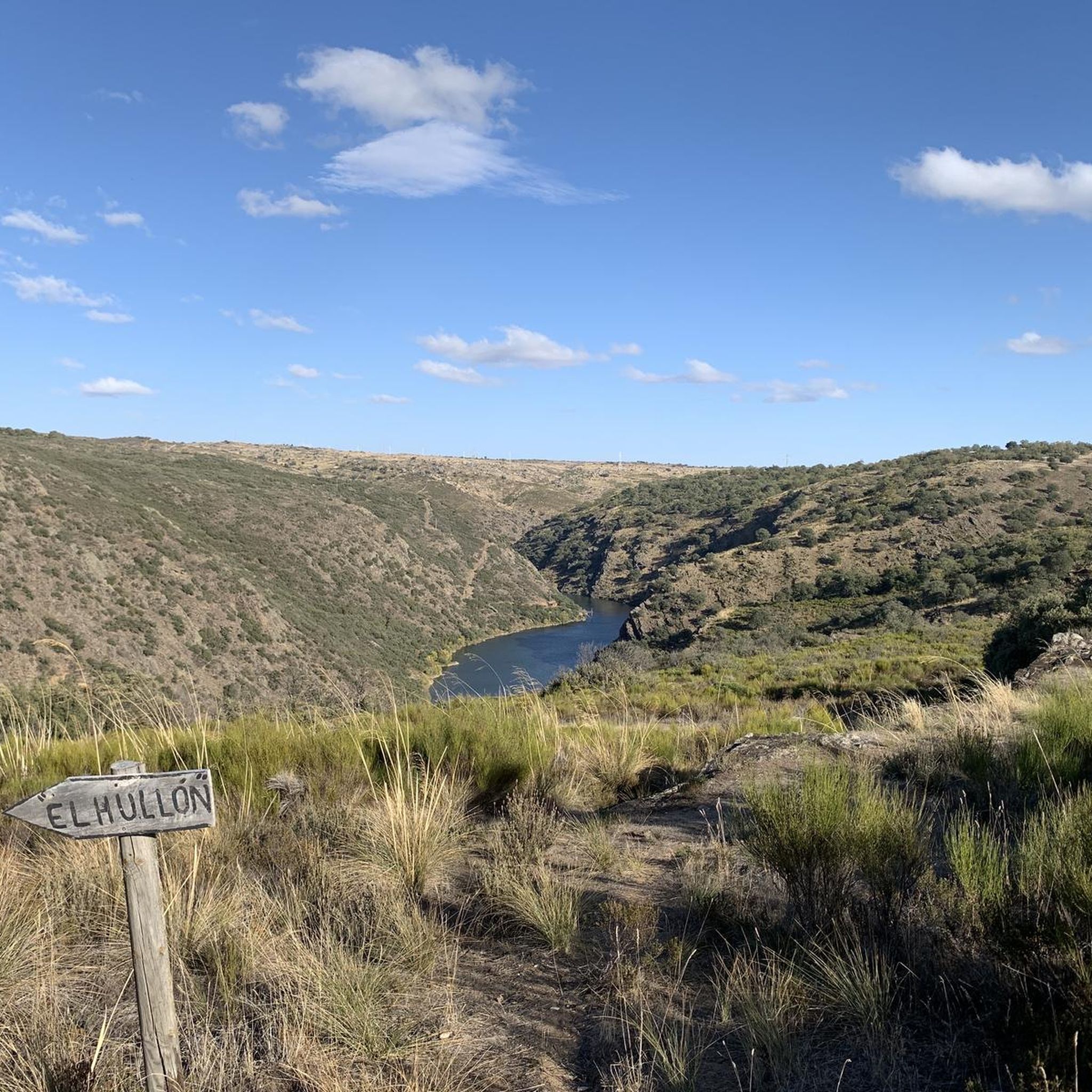
Mirador del Hullón
Highlight • Viewpoint
Translated by Google •
Tip by
Rodilla Campana Viewpoint
Highlight • Viewpoint
Translated by Google •
Tip by

View of the Duero River from Mirador de Los Pueyos
Highlight • Viewpoint
Translated by Google •
Tip by
Start today with a free account
Your next adventure awaits.



Tips from the Community

It's located in the heart of the Arribes del Duero Natural Park, an area of great scenic beauty and biodiversity. Things to do nearby: Viewpoints: The viewpoint at the bridge itself and others nearby, such as the one in Villadepera. Hiking trails: Paths through the Arribes, ideal for photography and birdwatching. Charming villages: Villadepera, Pino del Oro, and other towns in the area. From the bridge, you can admire the granite cliffs of the Duero River and the deep riverbed that marks the natural border with Portugal.
2
0
The Requejo Bridge, also known as the Pino Bridge, is a jewel of historical engineering located in Villadepera (Zamora) over the Duero River, within the Arribes del Duero Natural Park. Year of inauguration: 1914. Designed by the engineer José Eugenio Ribera, a pioneer in the use of reinforced concrete in Spain. It was built to connect the Aliste and Sayago regions, facilitating communication between Zamora and Portugal.
2
0

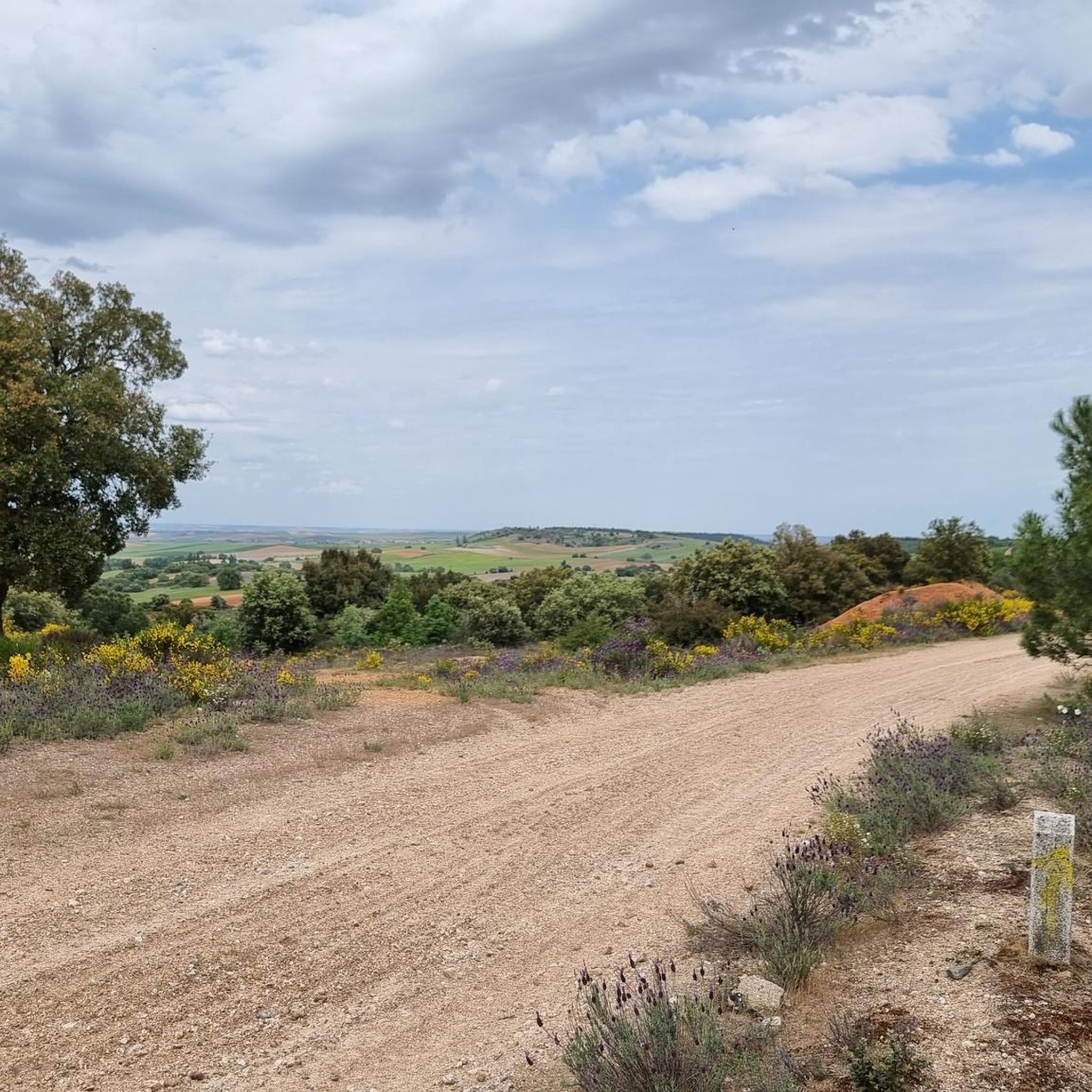
We named this viewpoint after the area where it's located. The path ends, and you have to continue across the open field for about a hundred meters to a small rocky promontory. From there, the views of the Duero River are breathtaking. Las Pilas de Almaraz are practically directly opposite.
0
0
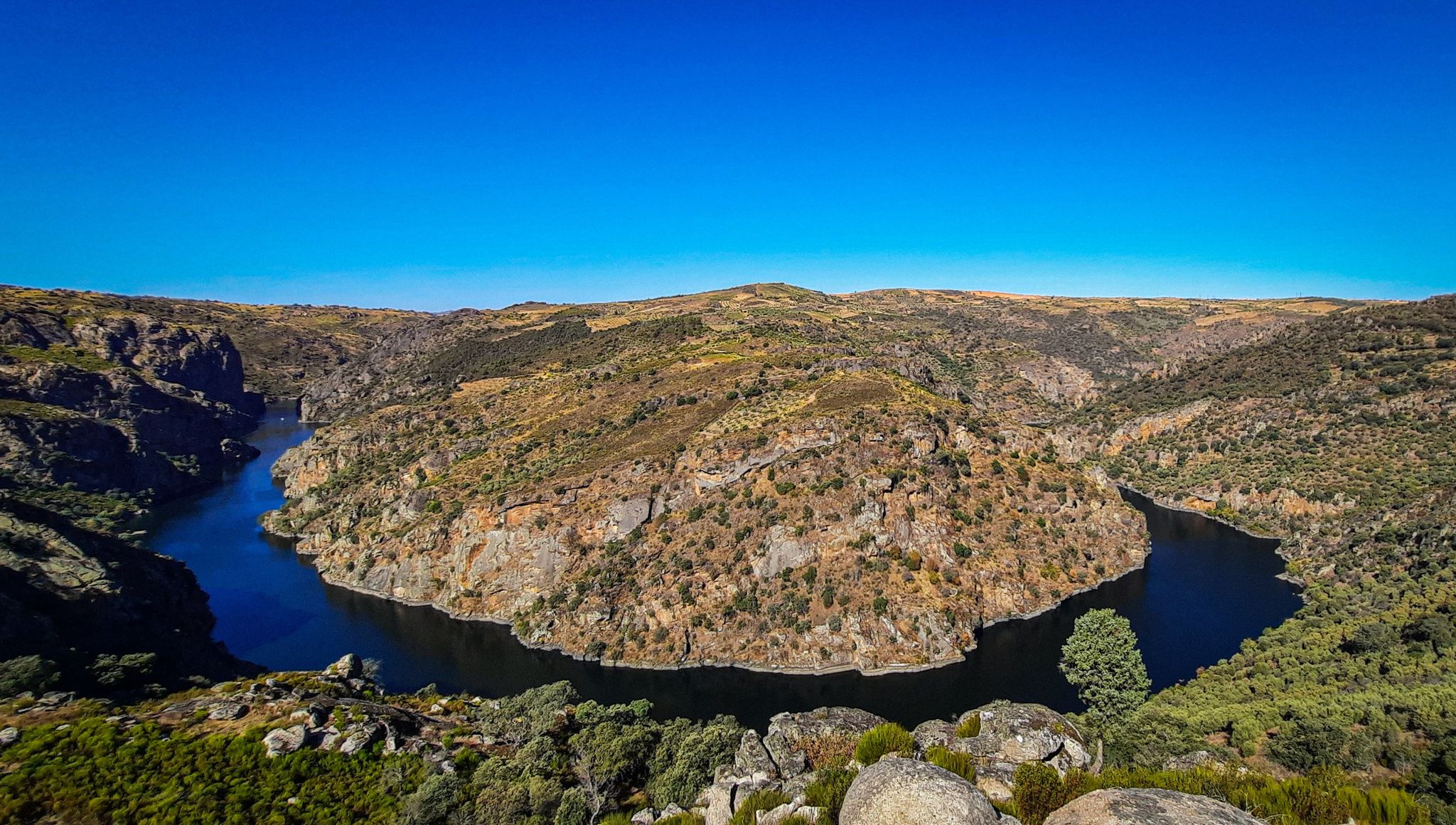
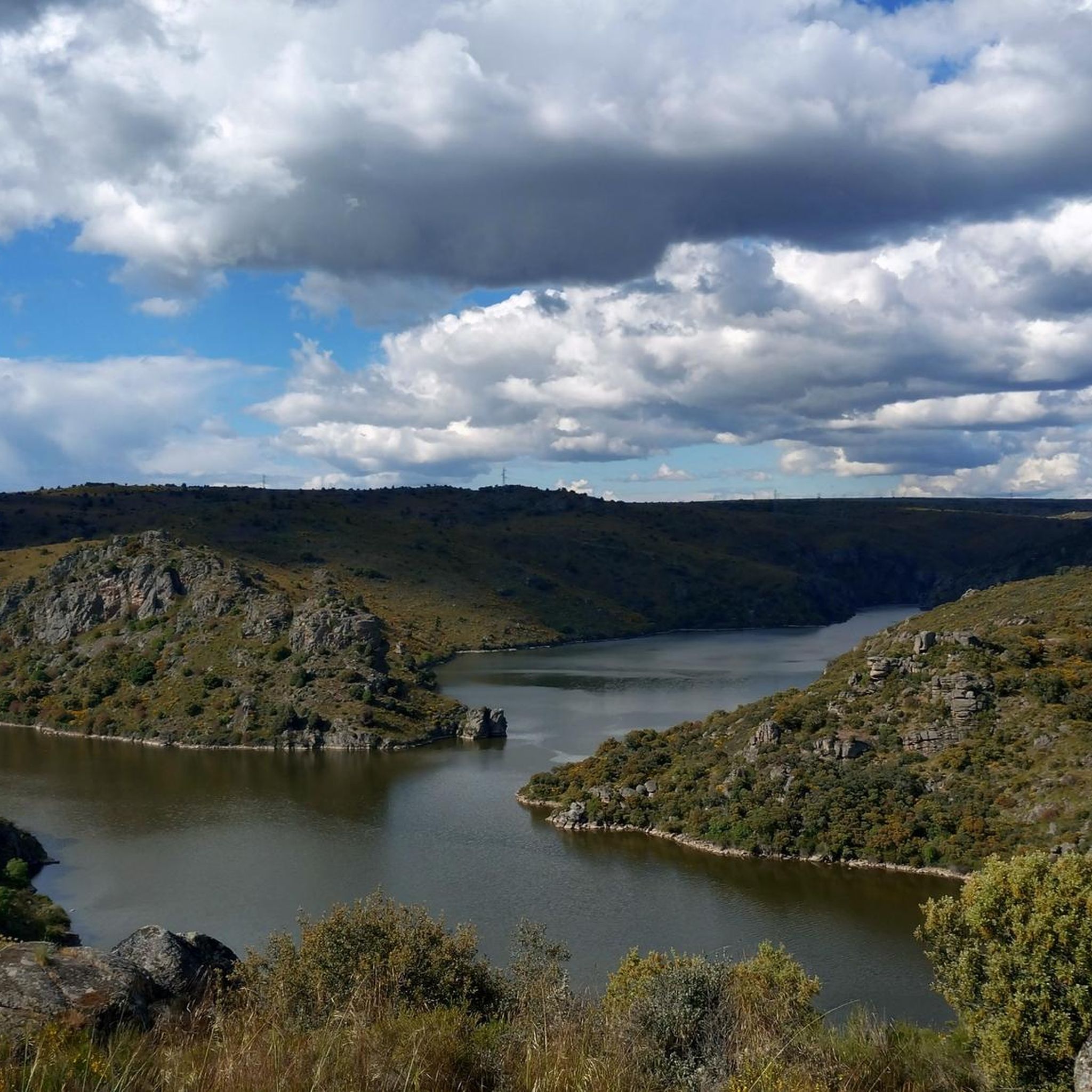
The Mirador de las Barrancas, located in Fariza, in the province of Zamora, is one of the most spectacular spots in the Arribes del Duero Natural Park. It offers stunning views of the Duero River canyon, which marks the natural border between Spain and Portugal. A granite landscape with unique rock formations and a microclimate that favors Mediterranean crops such as olive trees, vineyards, and almond trees. Spot birds of prey, such as the griffon vulture and the golden eagle, which are very common in the area.
1
0
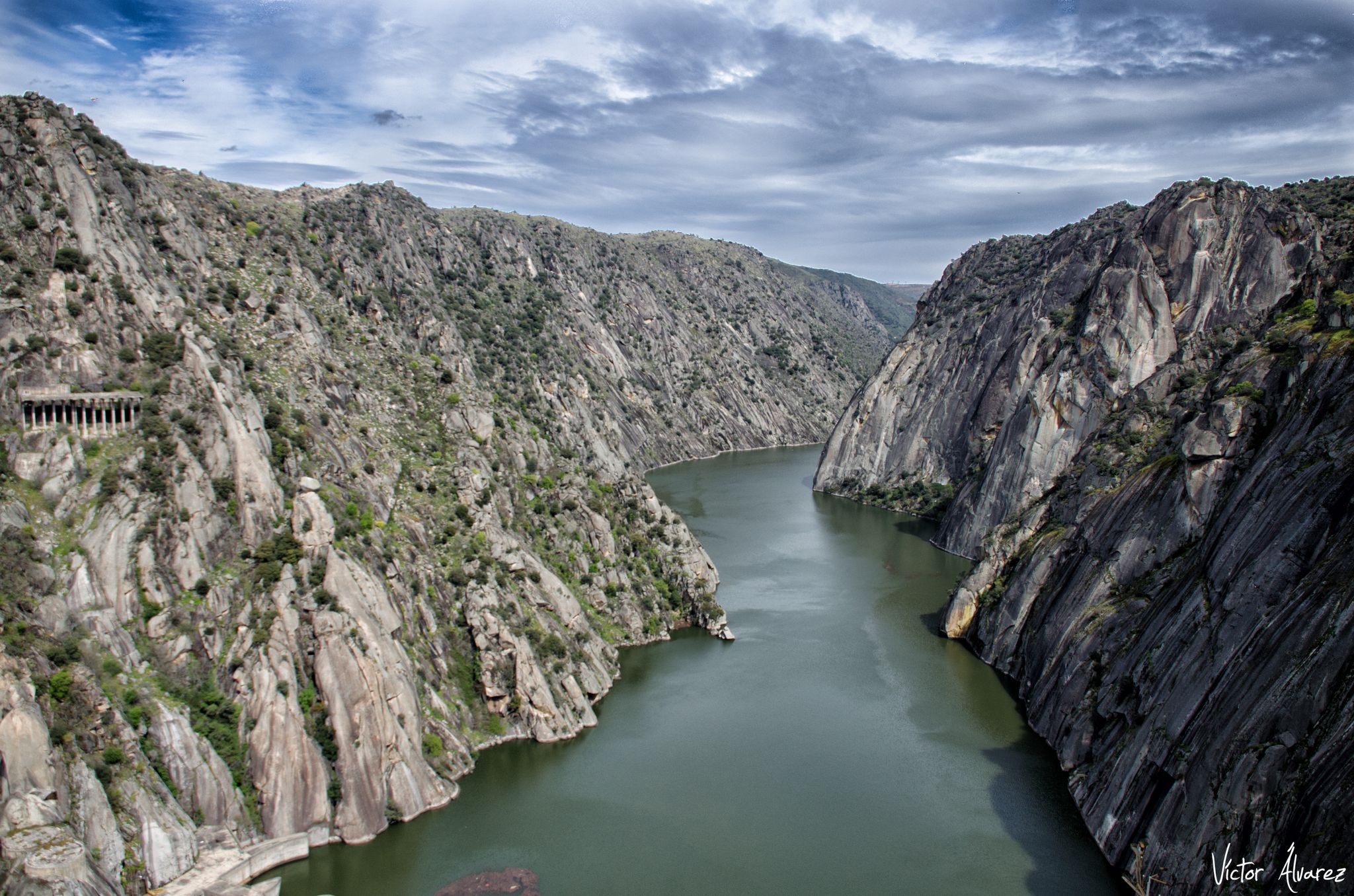
This viewpoint over the Duero and its cliffs is very close to the town of Aldeia Nova. From the centre of the town you have to descend about 2 km until you reach the hermitage and the viewpoint. If you arrive by car, you can leave it at the exit of the town and you will only have to walk 1 km to reach the viewpoint.
0
0
Beautiful views of the Duero and its Arribes.
1
0
The Miradouro da Capela de São João das Arribas is located in the Douro International Natural Park, near the Aldeia Nova. This viewpoint offers stunning views of the Douro River and the rugged rock formations that surround it.
8
0
The Miradouro da Capela de São João das Arribas is located in the Douro International Natural Park, near the Aldeia Nova. This viewpoint offers stunning views of the Douro River and the rugged rock formations that surround it.
9
0
Frequently Asked Questions
What kind of natural features can I expect to see in the canyons around Sayago?
The canyons in Sayago, primarily within the Arribes del Duero Natural Park, are characterized by deep valleys and steep granite precipices carved by the Duero River and its tributaries like the Uces and Águeda. You'll find impressive geological gorges, some reaching over 200 meters high, a unique Mediterranean microclimate, and diverse plant species including orange, almond, and olive trees, as well as vineyards. A notable feature is the powerful Pozo de los Humos waterfall on the Uces River, where water plunges 40-50 meters, creating a captivating mist.
What wildlife can be observed in the Sayago canyons?
The Arribes del Duero Natural Park is a Special Protection Area for birds, making it an excellent spot for birdwatching. You can frequently observe species such as the black stork, griffon vulture, Egyptian vulture, golden eagle, and peregrine falcon. These birds often nest in the inaccessible cliffs of the canyons.
Are there hiking trails suitable for different skill levels in the Sayago canyons?
Yes, the Sayago canyons offer a variety of hiking trails. For example, the Senda del Duero (GR-14) – Camino de Pinilla provides impressive views of the Arribes del Duero. You can find more options, including easy and moderate routes like 'Abelón's Waterfalls and San Vicente Hermitage Viewpoint' or 'Mirador de la Peña del Cura and mirador del meandro del Duero', by exploring the Hiking around Sayago guide.
What are some family-friendly options for visiting the canyons in Sayago?
While many canyon areas involve rugged terrain, viewpoints like Mirador de las Barrancas offer spectacular panoramic views that can be enjoyed by families. Short, well-marked trails to viewpoints, such as those around the Pozo de los Humos waterfall, can also be suitable for families, allowing them to experience the natural beauty without extensive hiking.
When is the best time of year to visit the canyons in Sayago?
The canyons in Sayago can be visited year-round, but spring (April-May) and autumn (September-October) generally offer the most pleasant weather for outdoor activities. Spring brings lush greenery and powerful waterfalls, especially after winter rains. Autumn provides comfortable temperatures and beautiful fall colors. Summer can be hot, while winter offers a different, often misty and dramatic, perspective, particularly for the Pozo de los Humos waterfall.
Can I bring my dog on trails in the Sayago canyons?
Many natural areas and trails in Spain, including those in the Arribes del Duero Natural Park, are generally dog-friendly, especially if dogs are kept on a leash. However, it's always advisable to check specific regulations for individual trails or protected areas before your visit to ensure compliance and respect for wildlife.
Are there any historical or cultural points of interest within or near the Sayago canyons?
Yes, the region offers cultural insights. The historic quarter of Fermoselle, known as the 'town of 1,000 wineries,' is a charming village within the park. The Requejo Bridge, also known as the Pino Bridge, is a historical engineering marvel from 1914, offering spectacular views over the Duero River. The area also features traditional shepherds' huts in villages like Torregamones.
What outdoor activities, besides hiking, can I do near the Sayago canyons?
Beyond hiking, the Sayago region offers excellent opportunities for cycling. You can explore various routes for mountain biking and road cycling. For mountain biking, consider routes like 'Duero Trail' or 'Arribes and Mills of Sayago Loop' from the MTB Trails around Sayago guide. Road cyclists might enjoy the 'International Douro Park Loop' or 'Miranda do Douro and Arribes del Duero Loop' found in the Road Cycling Routes around Sayago guide. River cruises are also available to experience the Duero canyon from the water.
Where can I find panoramic views of the Duero River canyon?
The Sayago region is dotted with stunning viewpoints offering panoramic vistas of the Duero River canyon. Highly recommended spots include Mirador de las Barrancas in Fariza, São João das Arribas Viewpoint, and View of the Duero River from Mirador de Los Pueyos. The Mirador de las Escaleras in Fermoselle also provides spectacular perspectives.
What is the significance of the Duero River in shaping the Sayago canyons?
The Duero River is the primary force behind the dramatic canyon landscapes in Sayago. It has carved a canyon stretching almost 100 kilometers, with sections reaching over 200 meters in depth and up to 400 meters of vertical drop. This impressive geological gorge acts as a natural border between Spain and Portugal and is the central feature of the Arribes del Duero Natural Park, defining the region's unique topography and microclimate.
Are there any hidden gems or less-known canyon spots in Sayago?
While many viewpoints are well-known, exploring the smaller tributaries like the Uces River to witness the Pozo de los Humos waterfall, especially after heavy rains, can feel like discovering a hidden gem due to its powerful spectacle. The wild and rugged landscape of the Águeda River canyon, which also forms a border with Portugal, offers a more secluded experience for those seeking tranquility away from the more frequented Duero viewpoints.
What are the local terms used to describe the canyon landscapes in Sayago?
The deep valleys and steep precipices carved by the Duero River and its tributaries are locally known as 'arribes.' This term is derived from the Latin 'ad ripa,' meaning 'next to the riverbank,' and perfectly describes the characteristic canyon landscapes of the region, particularly within the Arribes del Duero Natural Park.
Most popular routes around Sayago
Most popular attractions around Sayago

Get inspired with the komoot mobile app


Didn’t find what you were looking for?
Want to see even more gorges? See the best ones around Sayago region by region:
