Top 7 Caves around Bureba-Ebro
Caves around Bureba-Ebro reveal a significant subterranean landscape, notably the Ojo Guareña Karst Complex. This extensive network, located in the northern part of Burgos province, is among the largest karst systems in Spain. It features over 110 kilometers of galleries and approximately 400 cavities, shaped by the Guareña and Trema rivers. The region's caves offer geological formations and archaeological insights into ancient human occupation.
Best caves around Bureba-Ebro
- The most popular caves is Las Gobas, a historical cave site…
Last updated: August 20, 2026
BocaronesHarpea
Highlight • Cave
Translated by Google •
Tip by

Caves of Penedo de los Portugueses Hermitage
Highlight • Cave
Translated by Google •
Tip by

Sign up now to discover places like this
Get recommendations on the best single tracks, peaks, & plenty of other exciting outdoor places.
Sign up for free
Las Gobas
Highlight • Cave
Translated by Google •
Tip by
Sanctuary of Doña Casilda
Highlight • Religious Site
Translated by Google •
Tip by
CuevaDeLosTasugos
Highlight • Cave
Translated by Google •
Tip by
San Mamés Hermitage
Highlight • Religious Site
Translated by Google •
Tip by
Start today with a free account
Your next adventure awaits.
Login or Signup
Popular around Bureba-Ebro
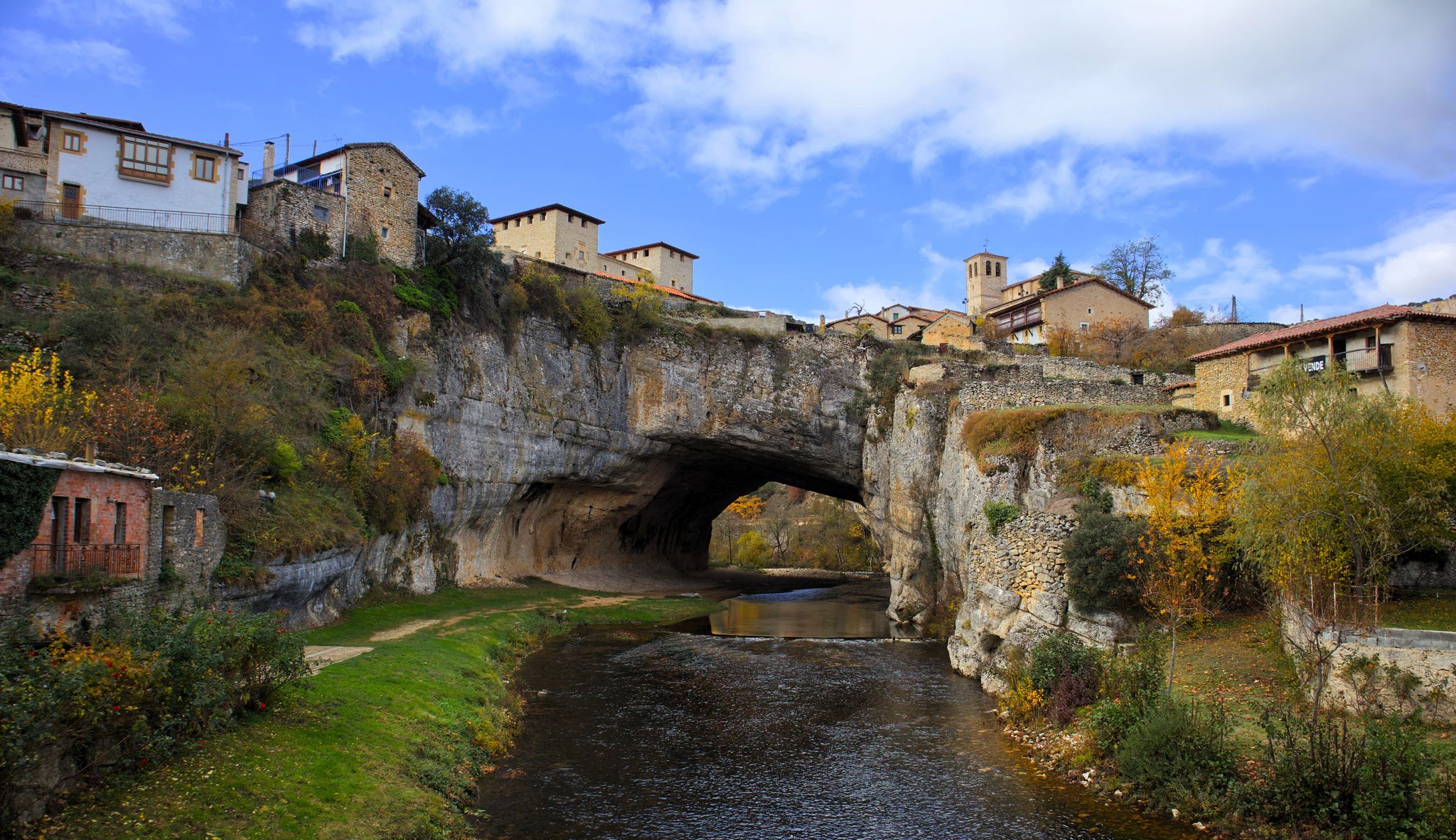
Endless valleys and historic villages – Route of the Senses (GR 85)
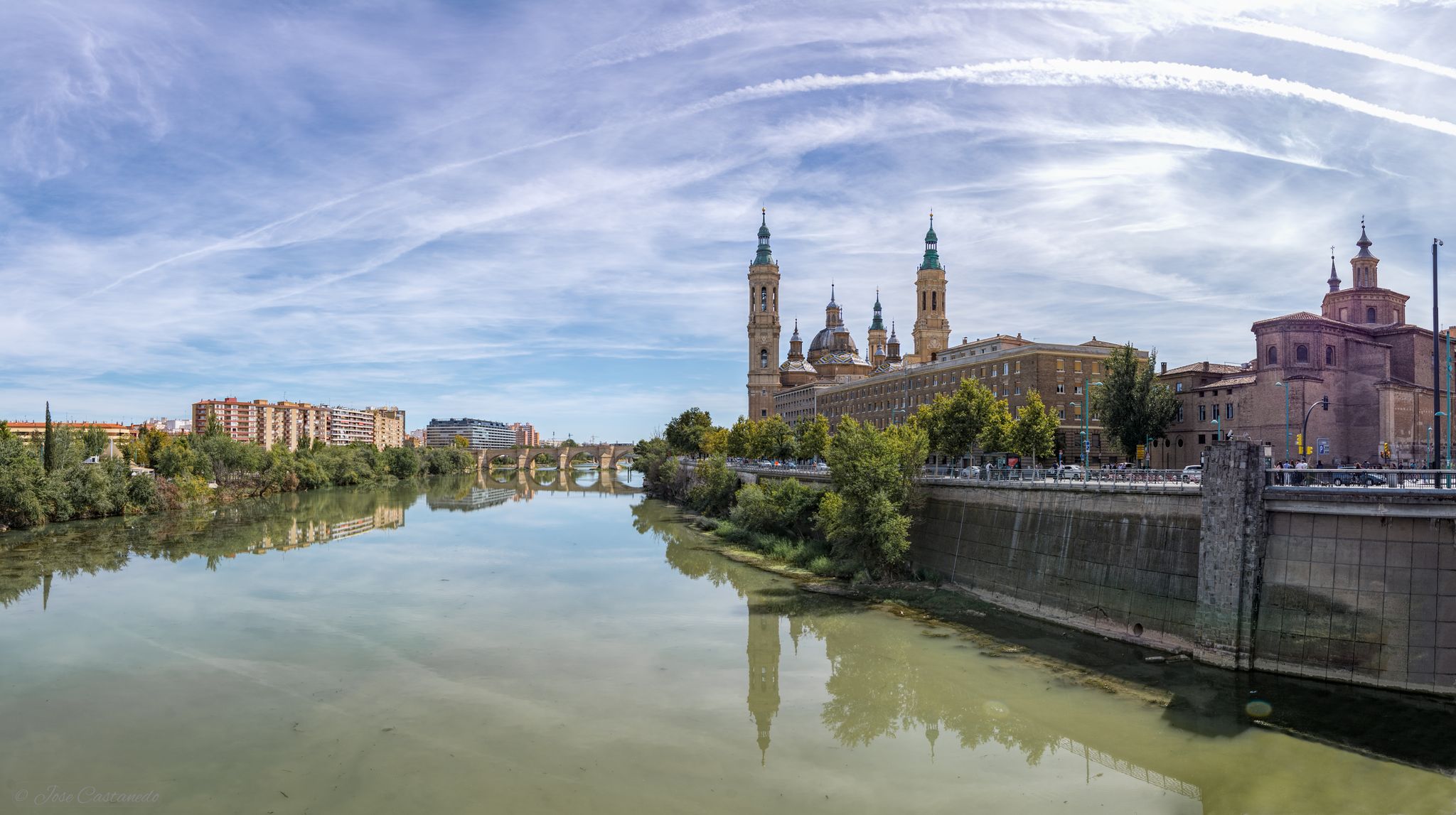
A river getaway – Ebro Natural Trail (GR 99)
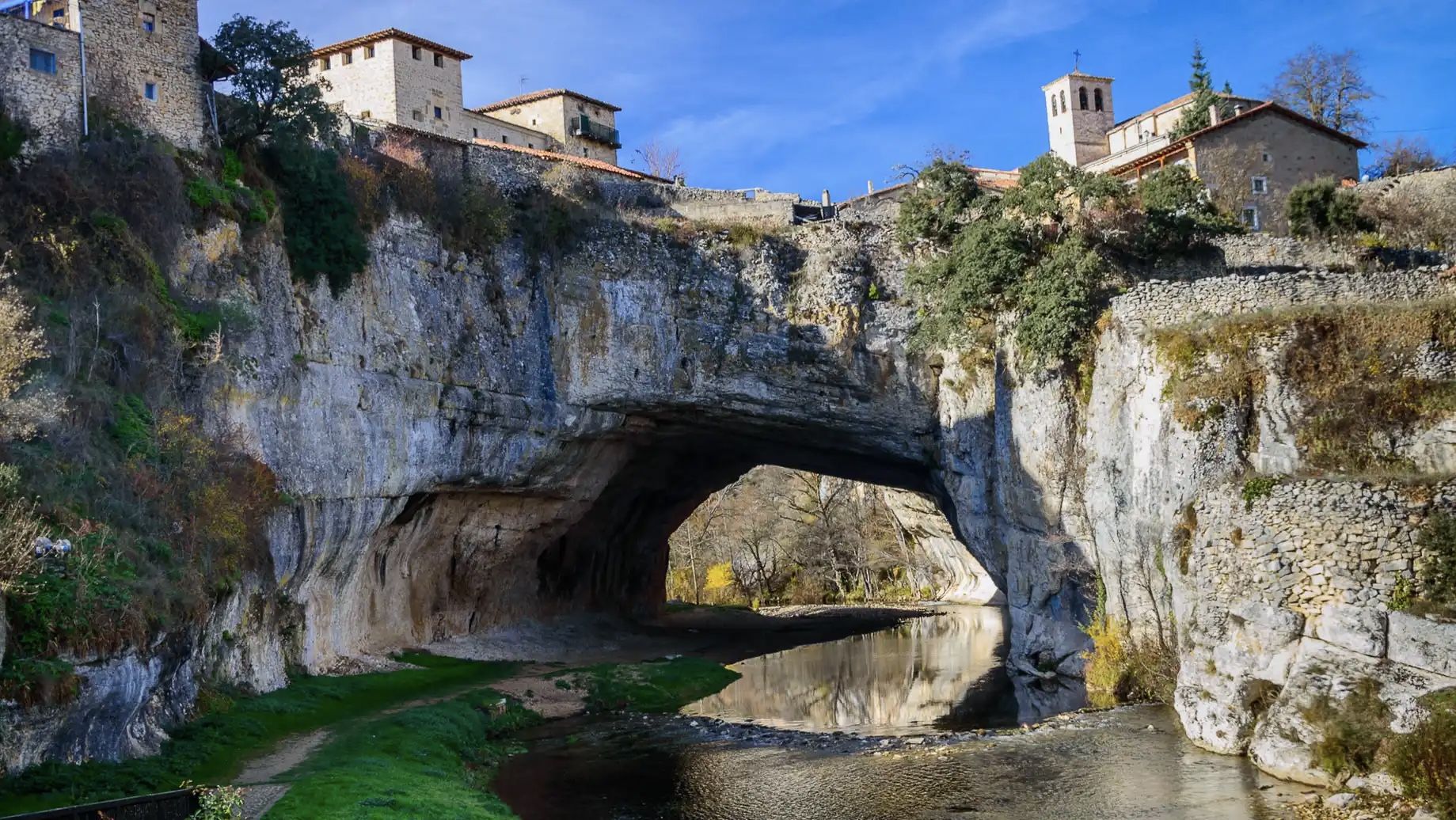
An epic getaway – Santander-Mediterráneo Nature Trail
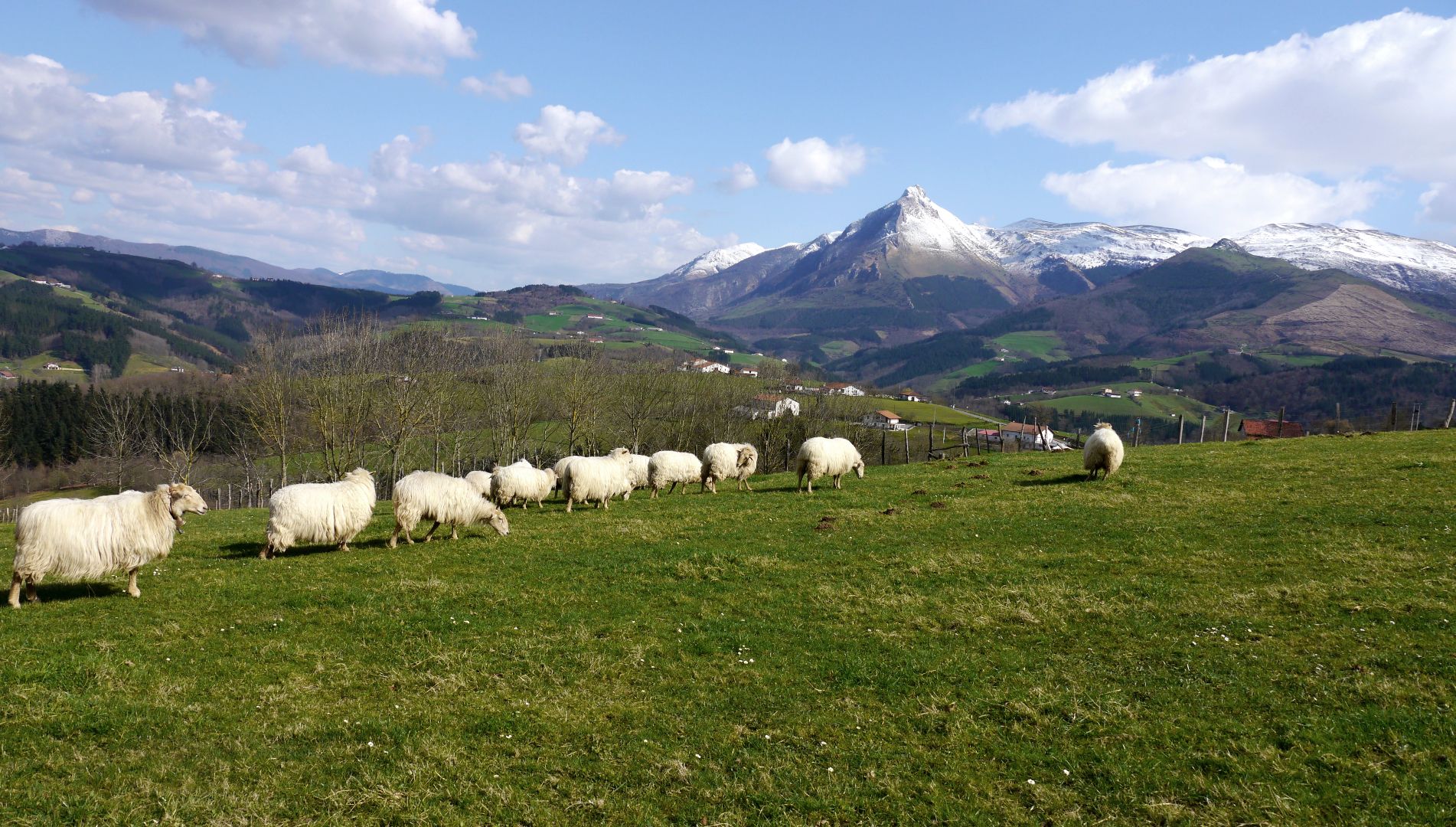
Mountains with tradition in Spain’s Basque Country – Shepherd's Path (GR 282)
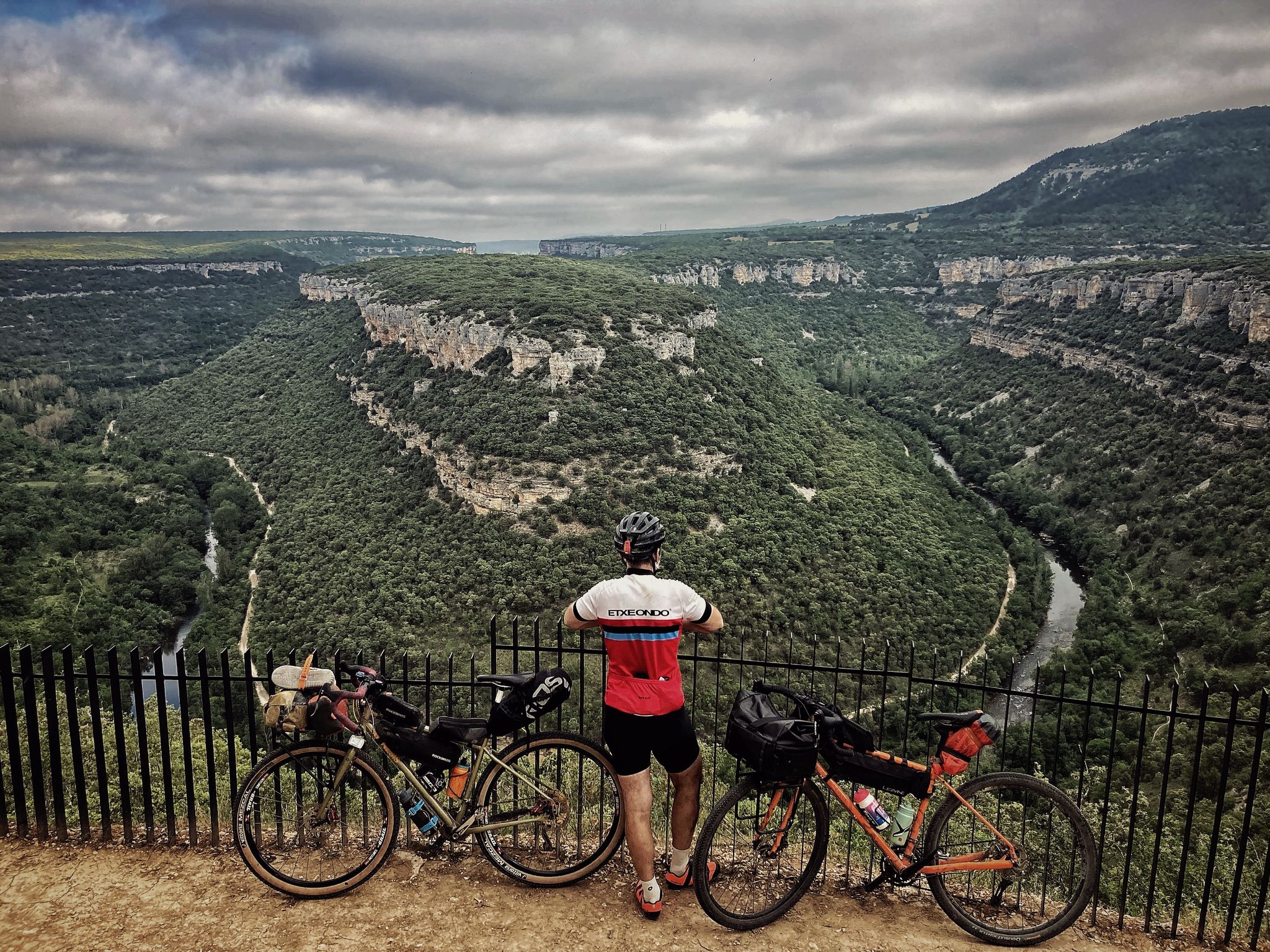
Spain's great river by bike – the Ebro Nature Trail
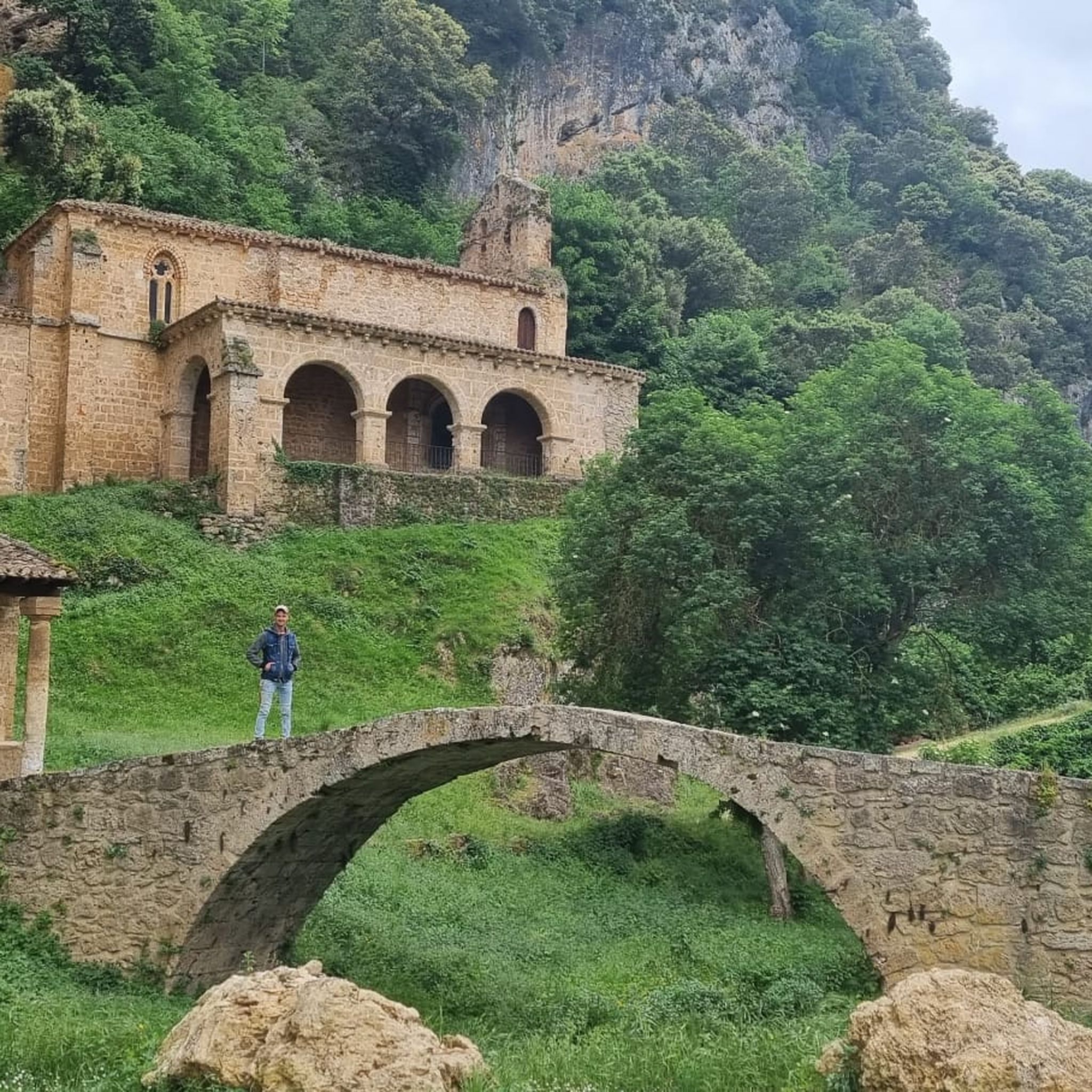
Hiking around Bureba-Ebro
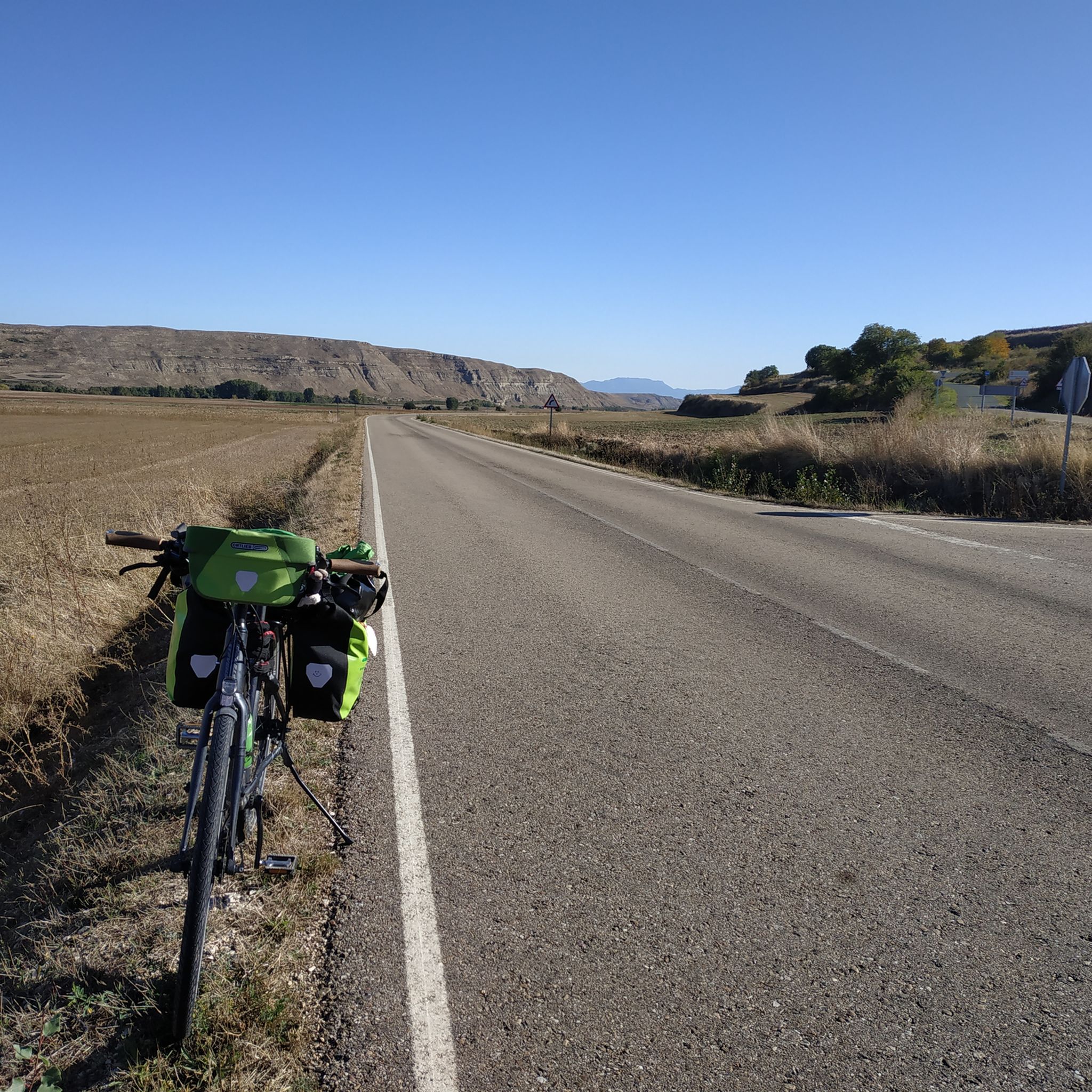
Road Cycling Routes around Bureba-Ebro
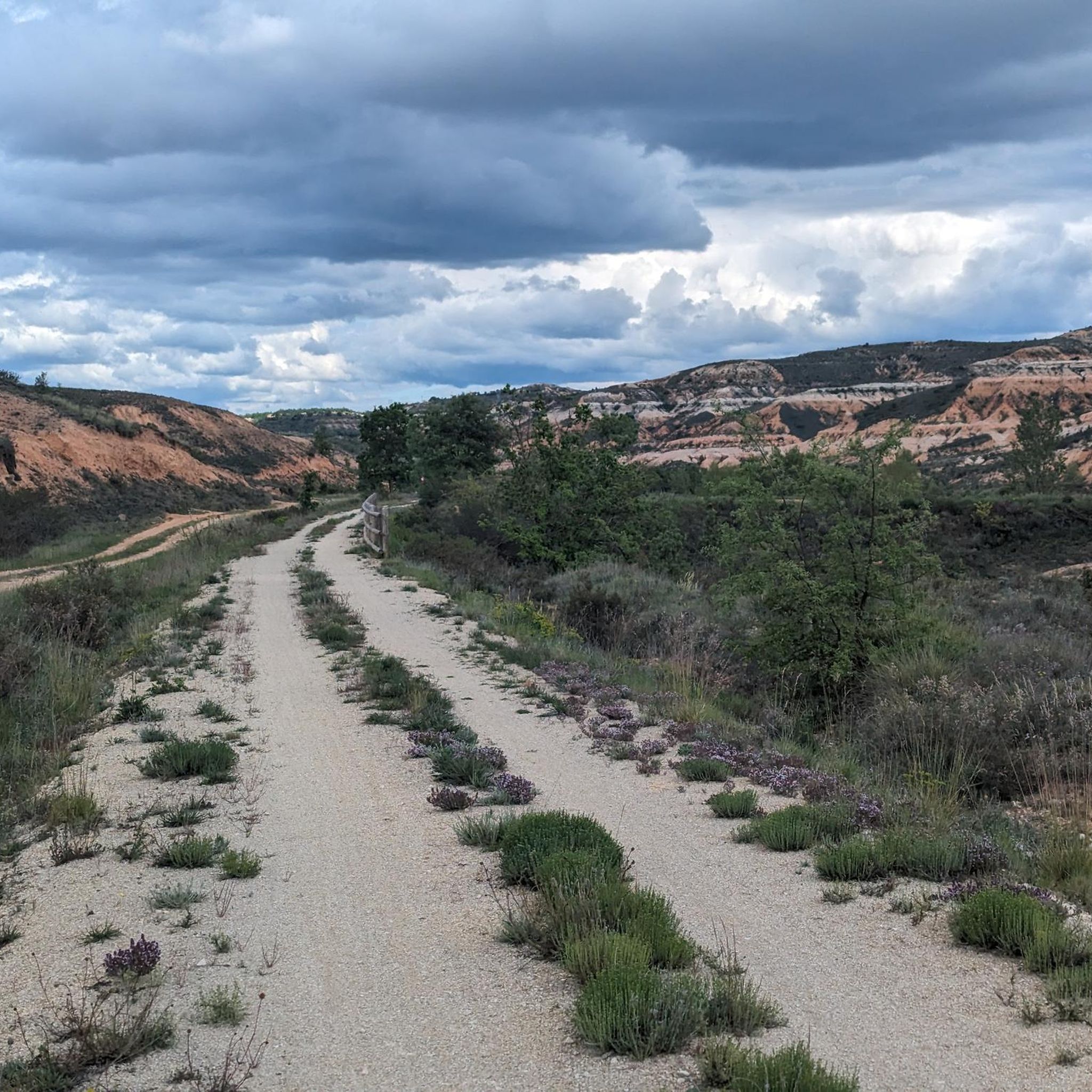
Running Trails around Bureba-Ebro
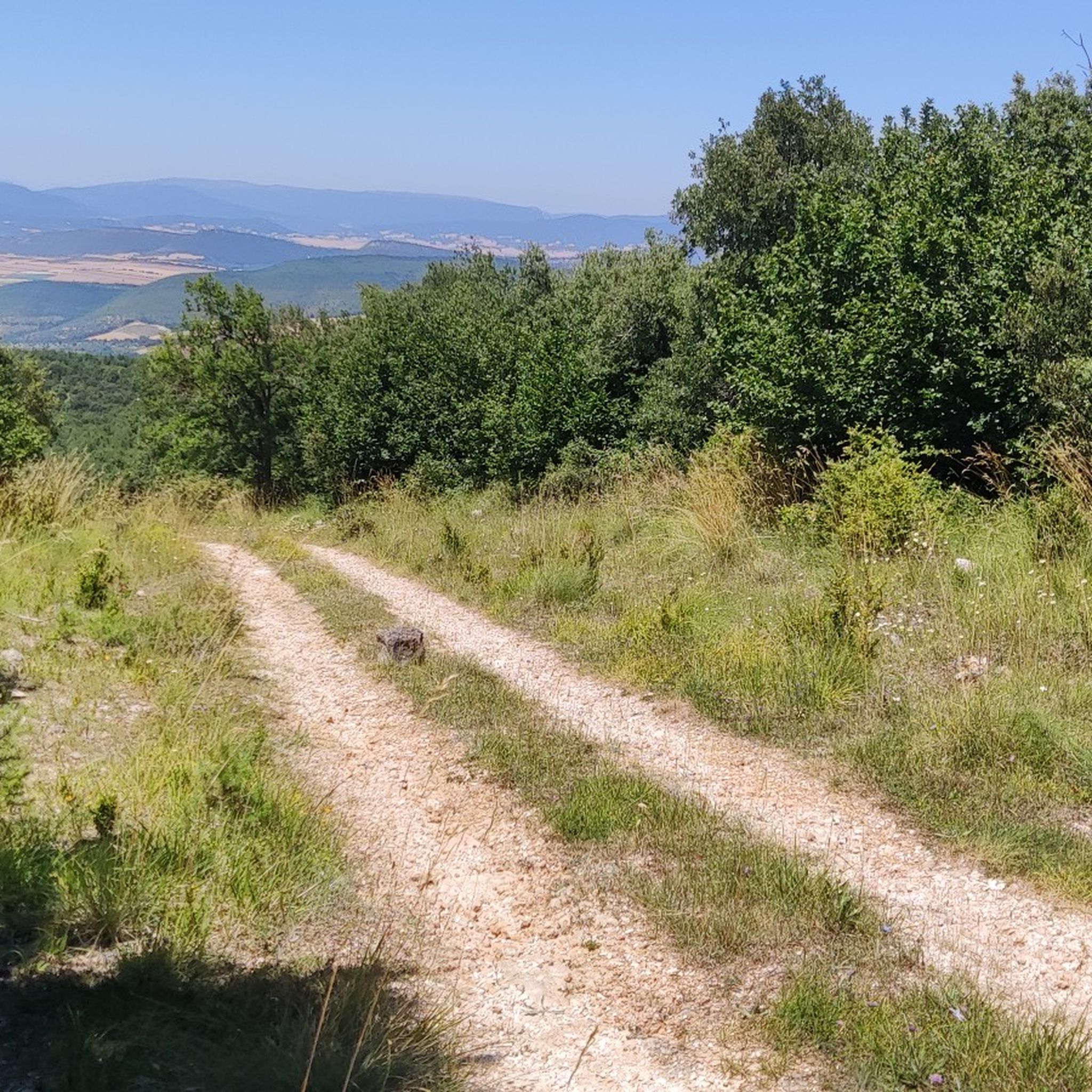
MTB Trails around Bureba-Ebro
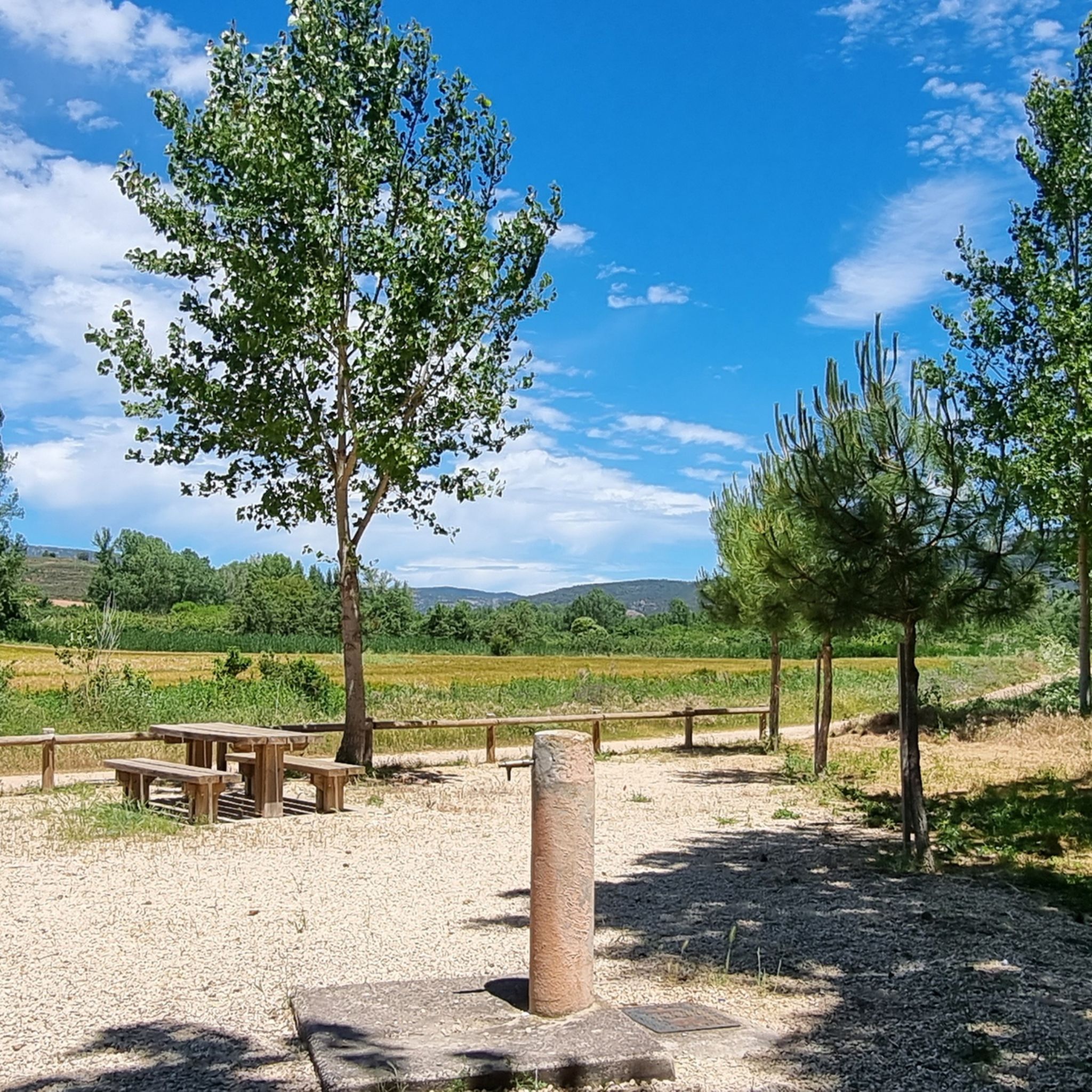
Cycling around Bureba-Ebro
Other adventures around Bureba-Ebro


Tips from the Community

next to the road
0
0

Whenever I'm around dinnertime, I take a little detour to see them.
1
0

Beautiful and surprising place. It's somewhat hidden if you don't look closely; a very curious cave-like structure opens up in the canyon. Its origin is unclear, but they have plenty of hypotheses! Definitely a must-see if you're passing by this road!
0
0
Caves dug into the road from Trespaderne to Oña. A very cool place whose origin is unclear, whether they were used to shelter nomads or as cells for monks.
0
0

Surrounded by nature, this sanctuary pays homage to Santa Casilda, a local saint. Its impressive architecture and serene atmosphere create a space conducive to reflection and devotion. Undoubtedly one of the most spectacular architectural monuments in the region.
1
0

Starting from Briviesca and taking the local road we arrive at Revillalcón. On a rock stands the sanctuary. Below there are some springs that the people call wells and that have given their name to the sanctuary.
0
0
In a small deviation from the path, there is easy access to the ruins of the old San Mamés hermitage, surrounded by several shelters for cattle in several caves.
2
0

It is an interesting hermitage complex in the La Horadada gorge. Next to the road there is a stream and on both sides of it, a curious set of caves and galleries.
0
0
Frequently Asked Questions
What is the most significant cave system in the Bureba-Ebro region?
The most significant cave system in the Bureba-Ebro region is the Ojo Guareña Karst Complex. It is one of the largest karst systems in Spain and among the ten largest in the world, featuring over 110 kilometers of galleries and approximately 400 cavities.
What makes the Ojo Guareña Karst Complex historically and archaeologically important?
The Ojo Guareña Karst Complex is a crucial archaeological site with evidence of human occupation from the Middle Paleolithic to the Middle Ages. Discoveries include cave paintings, engravings, ceramic artifacts, stone tools, and even fossilized human footprints dating back over 4,000 years in the 'Sala de las Huellas'.
Are there guided tours available at Ojo Guareña?
Yes, guided tours are available, notably at Cueva Palomera, a prominent entry point into the Ojo Guareña system. These tours can range from 2.5 to 4 hours and require a reasonable physical condition.
What can I expect when visiting Las Gobas?
Las Gobas is a historical cave site featuring a set of interconnected cavities, offering a unique exploration experience. Visitors describe it as 'super cool' and similar to the nearby Santorkari.
Are there any caves in the region that combine natural features with religious or historical buildings?
Yes, the region offers several such sites. The Sanctuary of Doña Casilda is a religious building with a cave in its back, combining cultural and geological interest. Similarly, the Cueva and Ermita de San Bernabé within the Ojo Guareña complex houses a hermitage that has been a place of worship since the Paleolithic era, adorned with 18th-century Baroque paintings and archaeological findings.
What kind of natural features can I observe in the caves of Bureba-Ebro?
The caves, particularly within the Ojo Guareña Karst Complex, showcase impressive geological formations shaped by millions of years of erosion from rivers like the Guareña and Trema. You can also find unique biodiversity, including over 180 species of invertebrates, with 16 being endemic to Ojo Guareña.
Are there opportunities for hiking near the caves in Bureba-Ebro?
Yes, the region around Bureba-Ebro offers various hiking opportunities. You can find several trails, such as the 'Route of the Senses' or the 'Goblins' Trail'. For more details on routes and their difficulty, you can explore the Hiking around Bureba-Ebro guide.
What other outdoor activities are available in the Bureba-Ebro region besides caving and hiking?
Beyond caving and hiking, the Bureba-Ebro region is suitable for cycling. You can find various routes for road cycling and gravel biking. Check out the Road Cycling Routes around Bureba-Ebro and Gravel biking around Bureba-Ebro guides for more information.
Is there a cave that is easily accessible from a path?
Yes, BocaronesHarpea is an interesting rocky cavity that is easily accessible, deviating just one step away from the Arrieta path. It consists of three cavities that are more like shelters than deep caves.
What is the best time of year to visit the caves in Bureba-Ebro?
While specific seasonal considerations for all caves are not detailed, guided tours for Ojo Guareña are generally available during warmer months. It's advisable to check the visitor center in Quintanilla del Rebollar for current operating hours and seasonal availability before planning your visit.
Are there any caves in the region that are more challenging to explore?
Yes, for those seeking a more challenging experience, CuevaDeLosTasugos is a small cavity described as 'challenging' and 'quite slippery' by visitors, located next to the Meriendillas al Foncea route.
Where can I find information or assistance for visiting the Ojo Guareña Karst Complex?
A visitor's center in Quintanilla del Rebollar provides comprehensive information for organizing visits to the Ojo Guareña Karst Complex, including details on tours and accessibility.
Most popular routes around Bureba-Ebro
Most popular attractions around Bureba-Ebro

Get inspired with the komoot mobile app


Didn’t find what you were looking for?
Discover more caves around Bureba-Ebro region by region:
Explore more
Extend your search for the best caves by checking out these guides of the top ones around Bureba-Ebro:
