Top 20 Lakes around Lisse
Lakes around Lisse offer diverse water experiences, from tranquil garden features to expansive water sports areas. While Lisse is primarily known for its flower region and Keukenhof Gardens, the surrounding area provides access to significant water bodies. The nearby Kagerplassen (Kaag Lakes) are a system of shallow peat lakes characterized by historic windmills and polder landscapes. The region features a mix of natural and man-made water bodies, providing opportunities for various outdoor activities.
Best lakes around Lisse
- The most popular…
Last updated: August 19, 2026
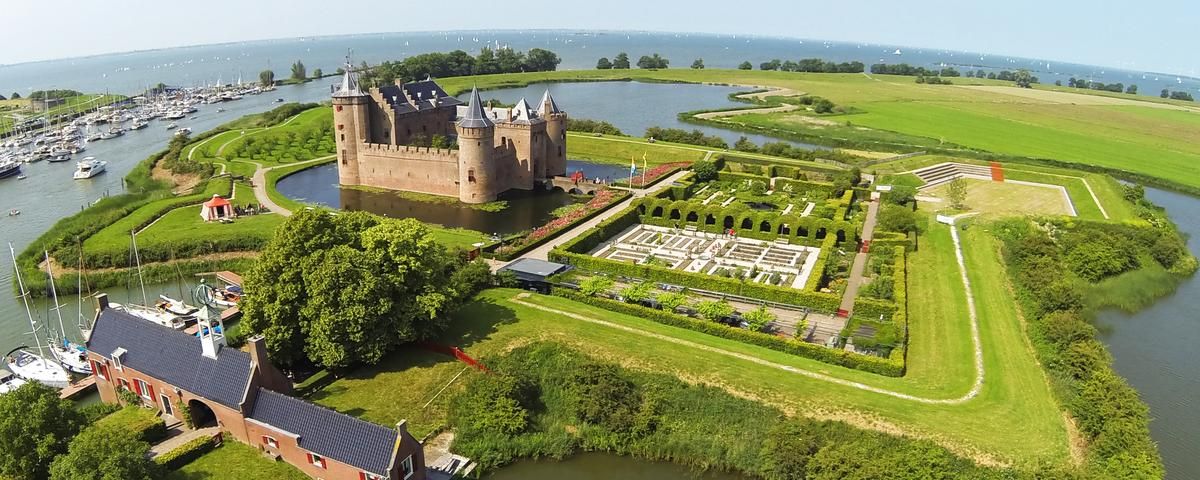
View of the water
Highlight • Viewpoint
Translated by Google •
Tip by

Beach at Oosterduinse Meer
Highlight • Beach
Translated by Google •
Tip by

Sign up now to discover places like this
Get recommendations on the best single tracks, peaks, & plenty of other exciting outdoor places.
Sign up for free
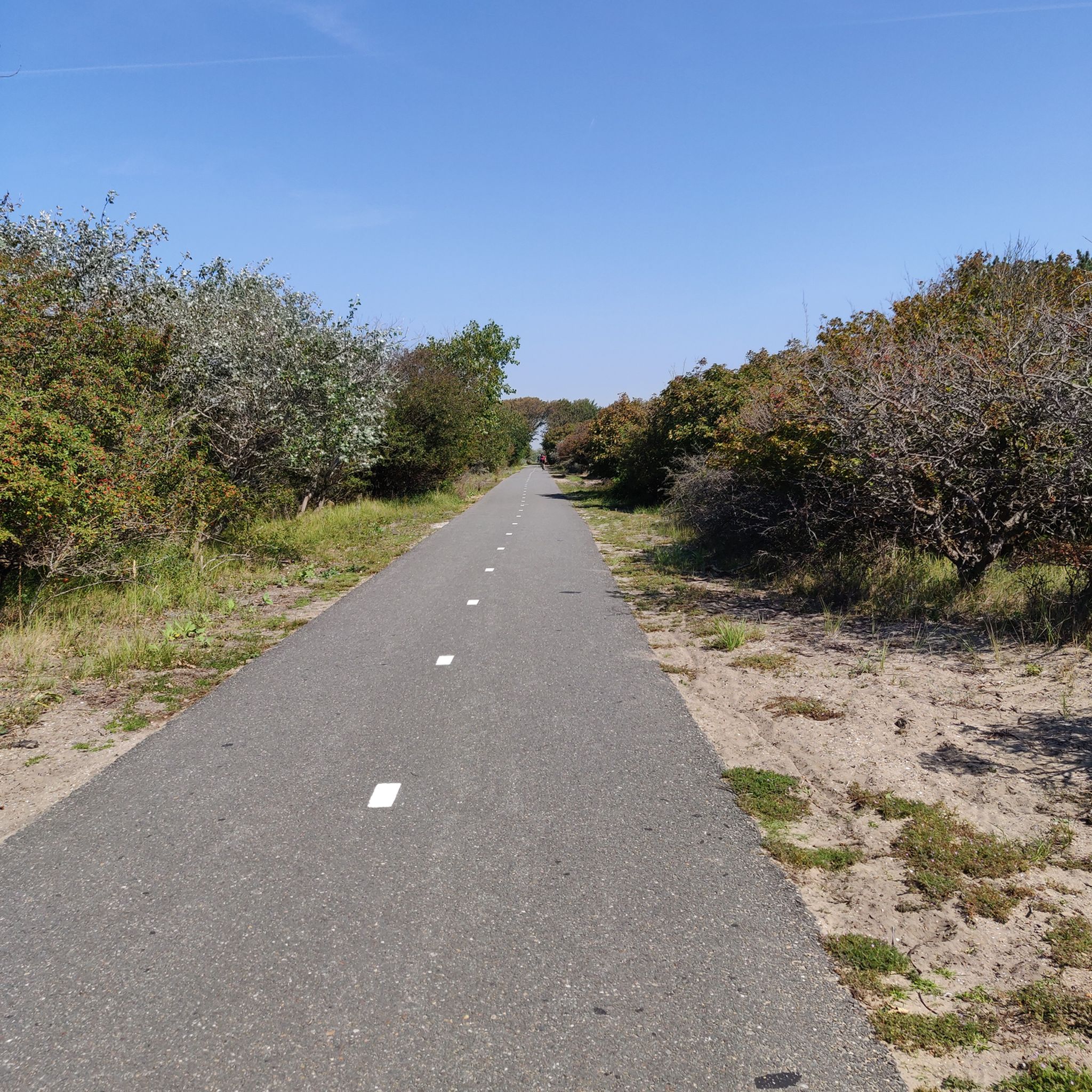
Bike path along the Westeinder Plassen
Highlight • Cycleway
Tip by

Molenplas
Highlight • Lake
Translated by Google •
Tip by

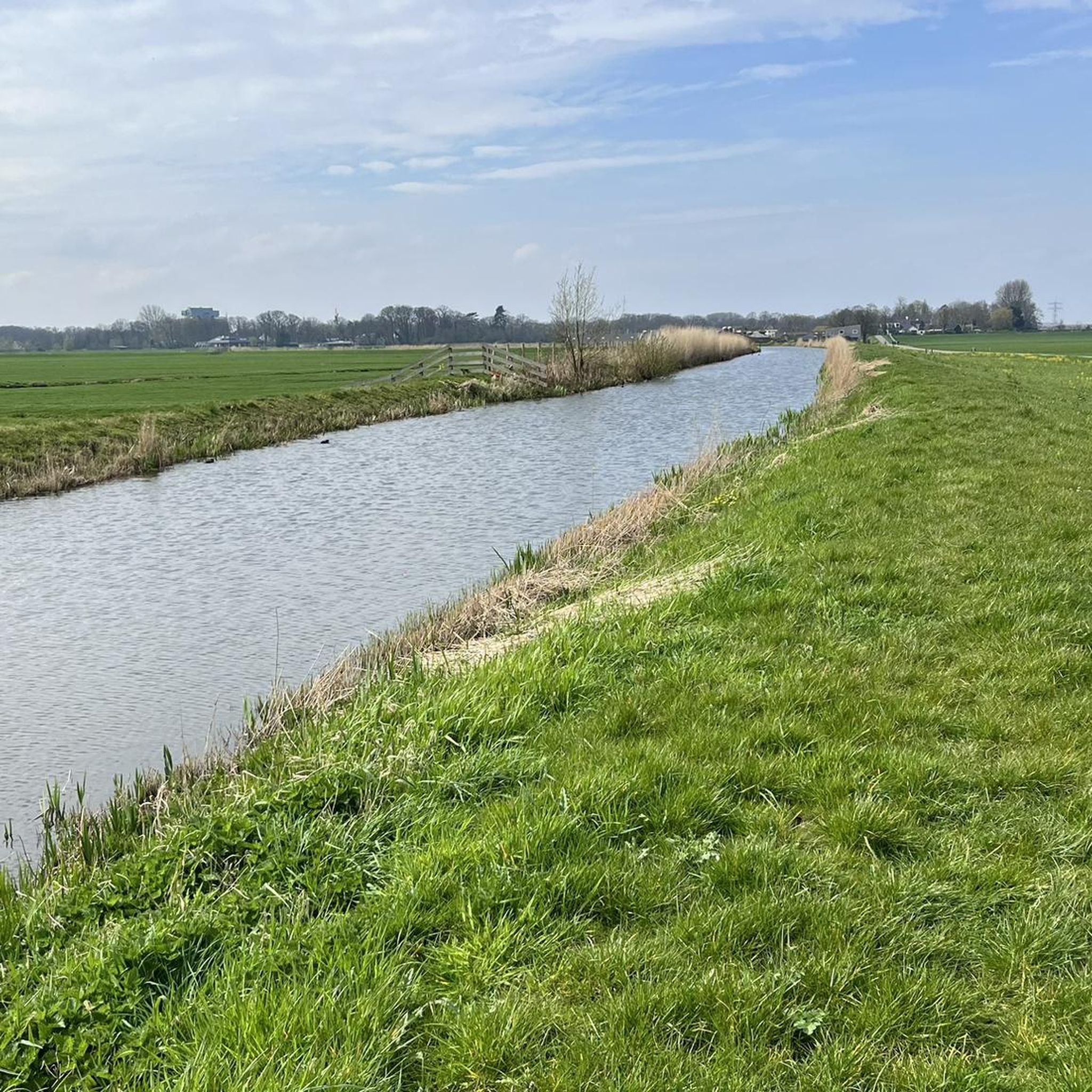
Cycle Path Along the Braassemermeer
Highlight • Cycleway
Tip by

Sign up for free to discover even more lakes around Lisse.
Sign up for free
Already have an account?
Start today with a free account
Your next adventure awaits.
Login or Signup
Other adventures around Lisse

Tips from the Community

These people make and sell jam, applesauce, etc. They have been doing this for KiKa for 15 years. Incredibly kind people who offered us shelter. We were given a cookie and coffee (So sweet❤️). The man's job is to pick and collect the fruit😄, and his wife makes all sorts of jam from it. Bring cash as you cannot pay by card😉
0
0

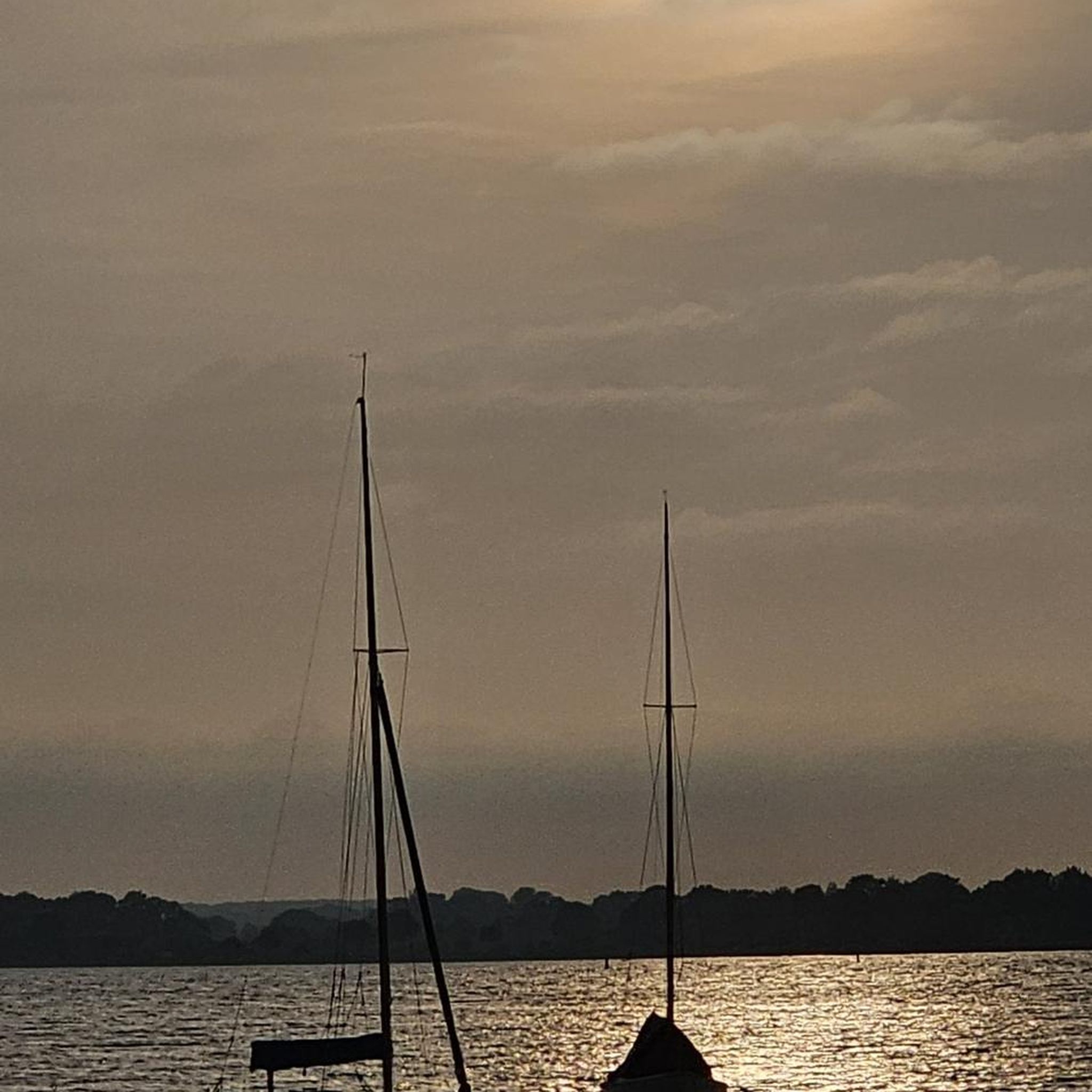
At this spot, dotted with several benches, boats come and go constantly. Always a pleasant sight.
0
0

Lovely terrace at the (swimming) water
1
0

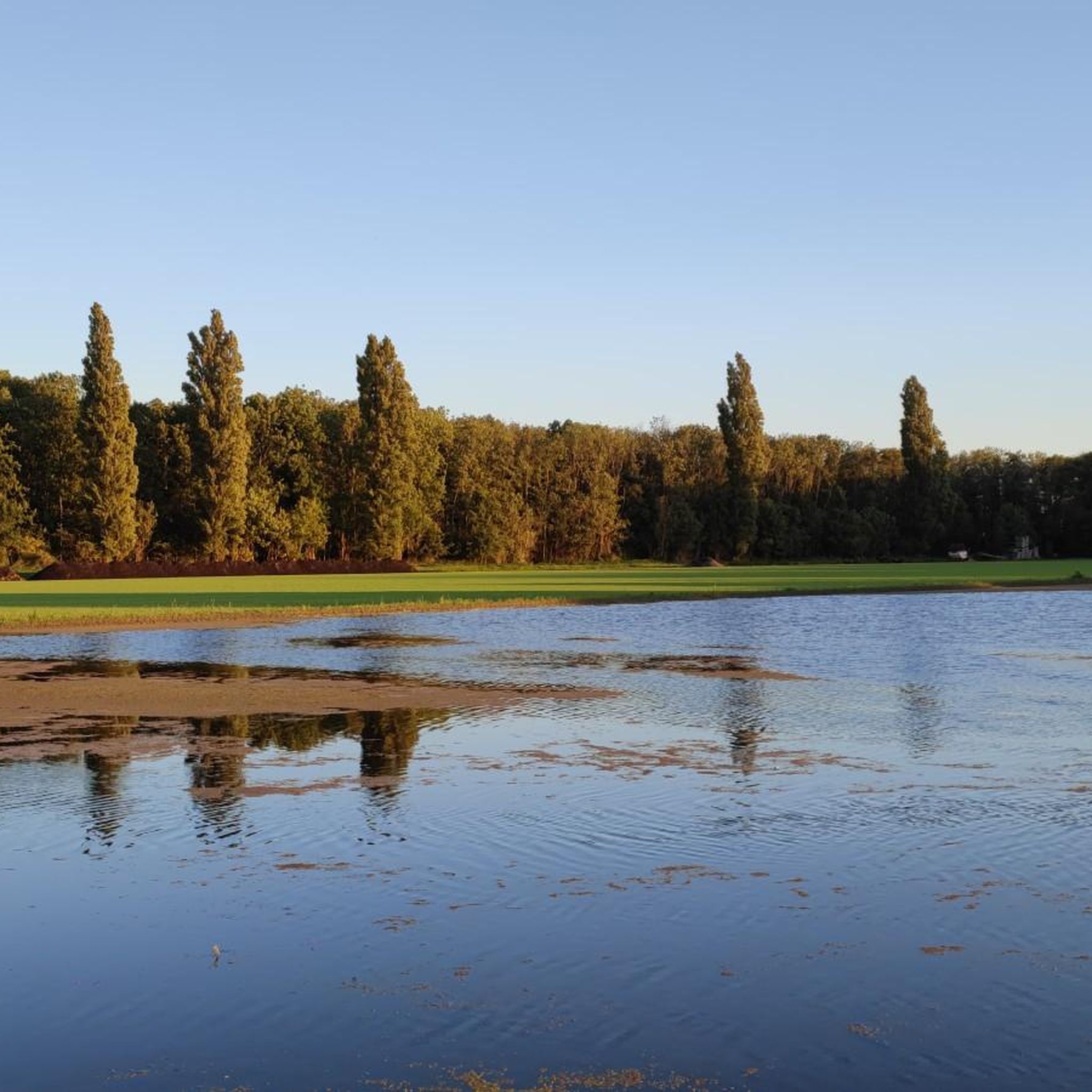
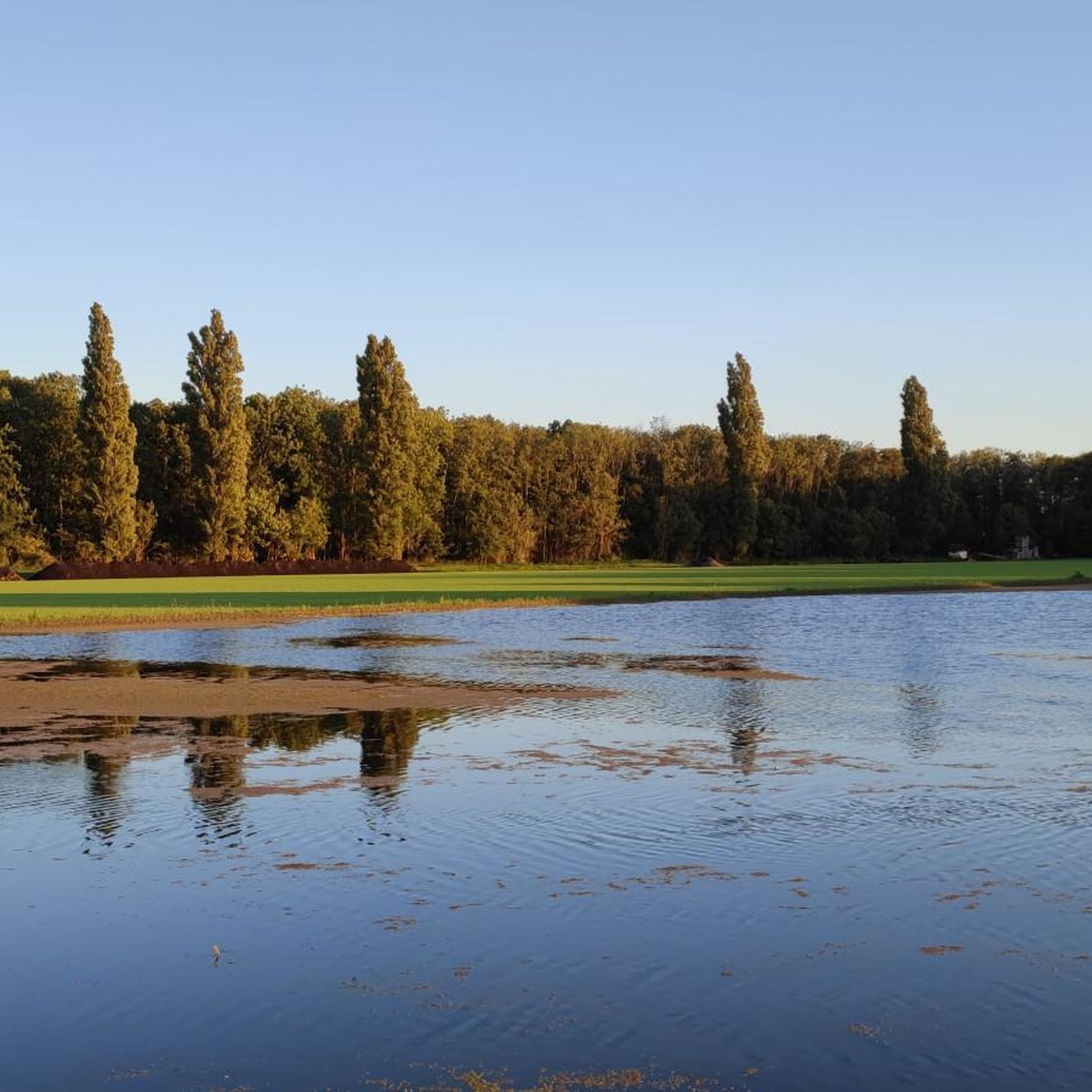
Water, water wherever you look. A paradise for water birds.
0
0

In the past, the Lage Kadijk was closed off because of the meadow birds. This closure was not always to the satisfaction of local residents. For example, in 2016 an attempt was made to prevent the closure via a petition. The black-tailed godwit is a meadow bird and is our national bird. In addition to the black-tailed godwit, the Bird Protection Association calls the following birds farmland birds: barn swallow, yellowhammer, yellow wagtail, meadow pipit, barn owl, lapwing, quail, corncrake, partridge, oystercatcher, shoveler, little owl, redshank, skylark, white wagtail and curlew. However, the meadow birds in the Verenigde Polders are doing badly. This was already noted in 2012 by a bird working group. The working group then cited the following reasons: the low water levels due to agricultural business operations, intensive agricultural use (fertilization and early mowing) and an increase in predators. Predators here were fox, black crow, magpie, rats, seagulls and cats. In the Netherlands as a whole, meadow birds are doing badly. In 2024, the European Commission started a so-called infringement procedure, because the Netherlands is not doing enough to protect meadow birds and their habitats. The Netherlands is obliged to do so under the Birds Directive. (Sources: https://petities.nl/petitions/de-lage-kadijk-open-ook-in-broedseizoen?locale=en; https://natuurtijdschriften.nl/pub/519112/FIT2012048004008.pdf ; https://www.naturetoday.com/intl/nl/nature-reports/message/?msg=32658; vogelbescherming.nl)
0
0
What is special about Schalkwijk is that it is surrounded by water on three sides. The Spaarne meanders in the west, the Molenplas and the Meerwijkplas are in the south and the Ringvaart van de Haarlemmermeer is in the south and east. The Spaarne is a river that originally flowed between the Haarlemmermeer and the IJ. The Spaarne therefore ran and runs through Haarlem. Before there were railways and modern road traffic, the Spaarne was an important connection for Haarlem with the rest of the world. Since Haarlem grew big through trade and industry, such a waterway connection was essential. In 1852, the Haarlemmermeer was drained. The Spaarne then became a branch of the Ringvaart van de Haarlemmermeer. In 1876, the construction of the North Sea Canal was completed and large parts of the IJ were reclaimed. The Spaarne is now connected to the North Sea Canal by the Zijkanaal C. On the south and east side of Schalkwijk runs the Ringvaart of the Haarlemmermeer. The Ringvaart was dug to drain the Haarlemmermeer. The digging took place between 1839 and 1845 and was done by thousands of workers. The canal was dug as much as possible through the old land, along the shoreline of the Haarlemmermeer. But for example in Vijfhuizen, which is opposite Schalkwijk, an existing headland was dug through. On the south side of Schalkwijk lie the Molenplas and the Meerwijkplas. These lakes were created by sand extraction. Before large-scale housing construction started in Schalkwijk, the former peat polders were raised with a thick layer of sand. Some of the sand also comes from the dunes. From the west side of the Molenplas you have a beautiful view of the Verenigde Polders. These polders are largely used for agriculture. The municipality of Haarlem sees opportunities here for the development of an ecologically developed zone. Species such as Water Rail, Bittern and Grass Snake are being considered. Restaurant De Molenplas is located on the water and is a nice stop for a bite to eat or a drink. (Sources: Ecologisch Beleidsplan, deel 2, gemeente Haarlem; onh.nl/verhaal/het-spaarne; nl.wikipedia.org/wiki/Spaarne; nl.wikipedia.org/wiki/Ringvaart_van_de_Haarlemmermeerpolder; nl.wikipedia.org/wiki/Gemaal_De_Cruquius; gemeentebestuur.haarlem.nl/bestuurlijke-stukken/2015317036-19-BIJLAGEN-TOELICHTING-Bijlage-14-Cultuurhistorische-analyse-1.pdf)
1
0

Great long bike path along the canal, it can be windy at times
0
0

A very large beach and a long sunbathing area. Space for a lot of people.
1
0
Frequently Asked Questions
What are the most prominent lakes and water features near Lisse?
While Lisse is famous for its flower gardens, the region offers diverse water experiences. You can find a beautiful lake within the renowned Keukenhof Gardens, enhancing its picturesque landscape. For a more expansive experience, the nearby Kagerplassen (Kaag Lakes) are a system of shallow peat lakes known for water sports, historic windmills, and charming villages. Other popular spots include the scenic Cycle Path Along the Braassemermeer and the relaxing Beach at Oosterduinse Meer.
Are there good places for cycling or hiking near the lakes around Lisse?
Yes, the area is excellent for both cycling and hiking. You can enjoy a scenic ride along the Cycle Path Along the Braassemermeer or the Bike path along the Westeinder Plassen, both offering great views of the water. For more options, explore the many routes available for cycling around Lisse or road cycling. If you prefer walking, there are also numerous hiking trails around Lisse, including paths that pass by the lakes.
What kind of natural features and wildlife can I expect to see around the lakes?
The Kagerplassen area is characterized by picturesque polder landscapes, historic windmills, and a rich variety of flora and fauna. You might spot various birds such as oystercatchers, lapwings, storks, and geese, as well as small mammals. The Molenplas, for instance, is known as a paradise for water birds, with efforts to develop it as an ecologically rich zone.
Are there family-friendly activities available at the lakes near Lisse?
Absolutely. Many areas are suitable for families. The lake within Keukenhof Gardens offers a beautiful, serene environment for all ages. The Kagerplassen provide opportunities for boat tours, which are a great way to see the windmills and polder landscapes. The Beach at Oosterduinse Meer is perfect for relaxation and swimming, with a beach café. Cycling paths like the Cycle Path Along the Braassemermeer are also generally family-friendly.
Can I go swimming in any of the lakes?
Yes, you can swim at certain locations. The Beach at Oosterduinse Meer is a popular spot with designated areas for swimming and relaxation, complete with a beach café for refreshments.
What is the best time of year to visit the lakes around Lisse?
The best time largely depends on your interests. Spring (March to May) is ideal if you want to combine your lake visit with the famous flower blooms at Keukenhof. Summer offers perfect conditions for water sports, boat tours, and enjoying beaches. In winter, if the Kagerplassen freeze over, they become a popular spot for ice-skating, offering a unique Dutch experience.
Are there any historic sites or cultural attractions near the lakes?
The Kagerplassen area is rich in Dutch heritage, featuring numerous historic windmills that are iconic symbols of the polder landscape. Many of these polder mills are still working or restored and can be seen during boat tours. The charming villages like Kaag island also offer a glimpse into traditional Dutch life.
Where can I find viewpoints to enjoy the scenery?
There are several excellent viewpoints. The View of the water offers expansive vistas of the Kagerplassen, where you can watch sailing and motor boats. The Molenplas also provides beautiful views, particularly of the surrounding agricultural polders. Cycling paths along the Braassemermeer and Westeinder Plassen also offer continuous scenic views.
Are there cafes or restaurants with lake views?
Yes, you can find several spots to enjoy a meal or drink with a view. The Beach at Oosterduinse Meer has a beach café, Como & Co, with seats by the water. Additionally, Restaurant De Molenplas is located directly on the water, offering a pleasant stop for refreshments.
What makes the Kagerplassen unique?
The Kagerplassen are unique for their system of shallow peat lakes, historic windmills, and picturesque polder landscapes. They are a vibrant water sports area, often described as sailing through a 'living painting by one of the Dutch masters.' The presence of charming villages, including the inhabited island of Kaag, further adds to their distinct character.
Is it possible to take a boat tour on the lakes?
Yes, boat tours are a popular way to experience the Kagerplassen. Many tours depart from nearby villages like Warmond, offering cruises through the lakes to admire the natural beauty, windmills, and polders. You can also take a ferry around Kaag Eiland for a leisurely trip.
Are the lakes around Lisse accessible by public transport?
While Lisse itself is well-connected, reaching specific lake access points or smaller villages around the Kagerplassen might require a combination of public transport and short walks or bike rides. It's advisable to check local bus schedules for routes connecting to areas like Warmond or Kaag island for the Kagerplassen.
Most popular attractions around Lisse

Get inspired with the komoot mobile app


Explore more
Still not found your perfect lake around Lisse? Check out the guides of these regions to see even more beautiful places.
