Top 14 Castles around Weert
Best castles around Weert are found in the municipality of Weert, located in the Dutch province of Limburg. This region is characterized by its historical significance, particularly its aristocratic past, with Kasteel Nijenborgh serving as a central landmark. The area features a mix of castle ruins, restored castles, and historical sites, offering insights into medieval history.
Best castles around Weert
- The most popular castles is Historic Center of Stevensweert, a historical site that was expanded into a fortified town…
Last updated: September 29, 2026
Historic Center of Stevensweert
Highlight • Historical Site
Translated by Google •
Tip by

Beverbeek Castle
Highlight • Castle
Translated by Google •
Tip by

Sign up now to discover places like this
Get recommendations on the best single tracks, peaks, & plenty of other exciting outdoor places.
Kasteel Groot Buggenum
Highlight • Castle
Translated by Google •
Tip by

St. Elisabeth's Hof and Historic Tower
Highlight • Historical Site
Translated by Google •
Tip by

Cranendonck Castle
Highlight • Castle
Translated by Google •
Tip by
Sign up for free to discover even more castles around Weert.
Already have an account?
Start today with a free account
Your next adventure awaits.
Popular around Weert
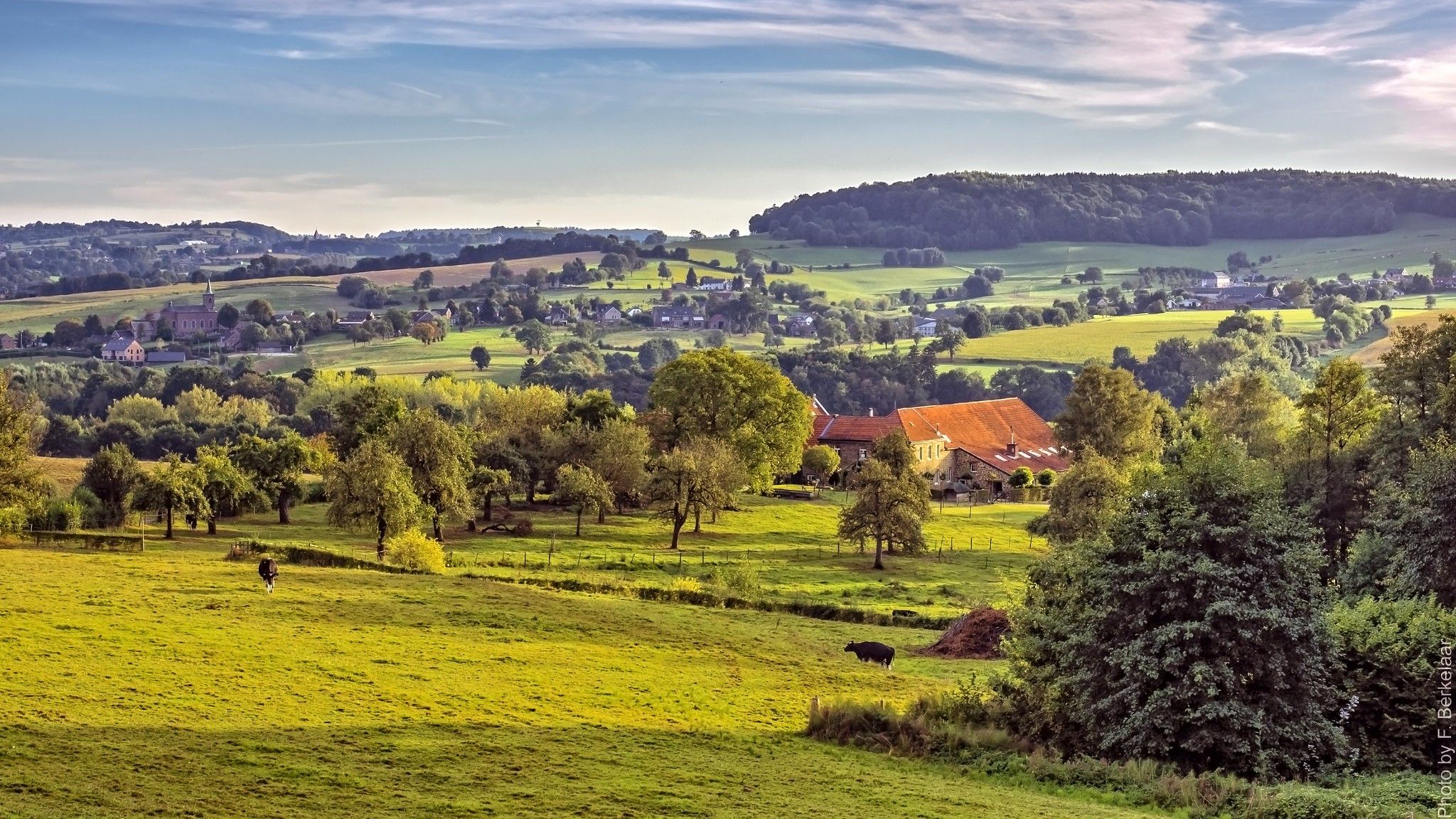
Pilgrim's Way part 2 — s-Hertogenbosch to Maastricht
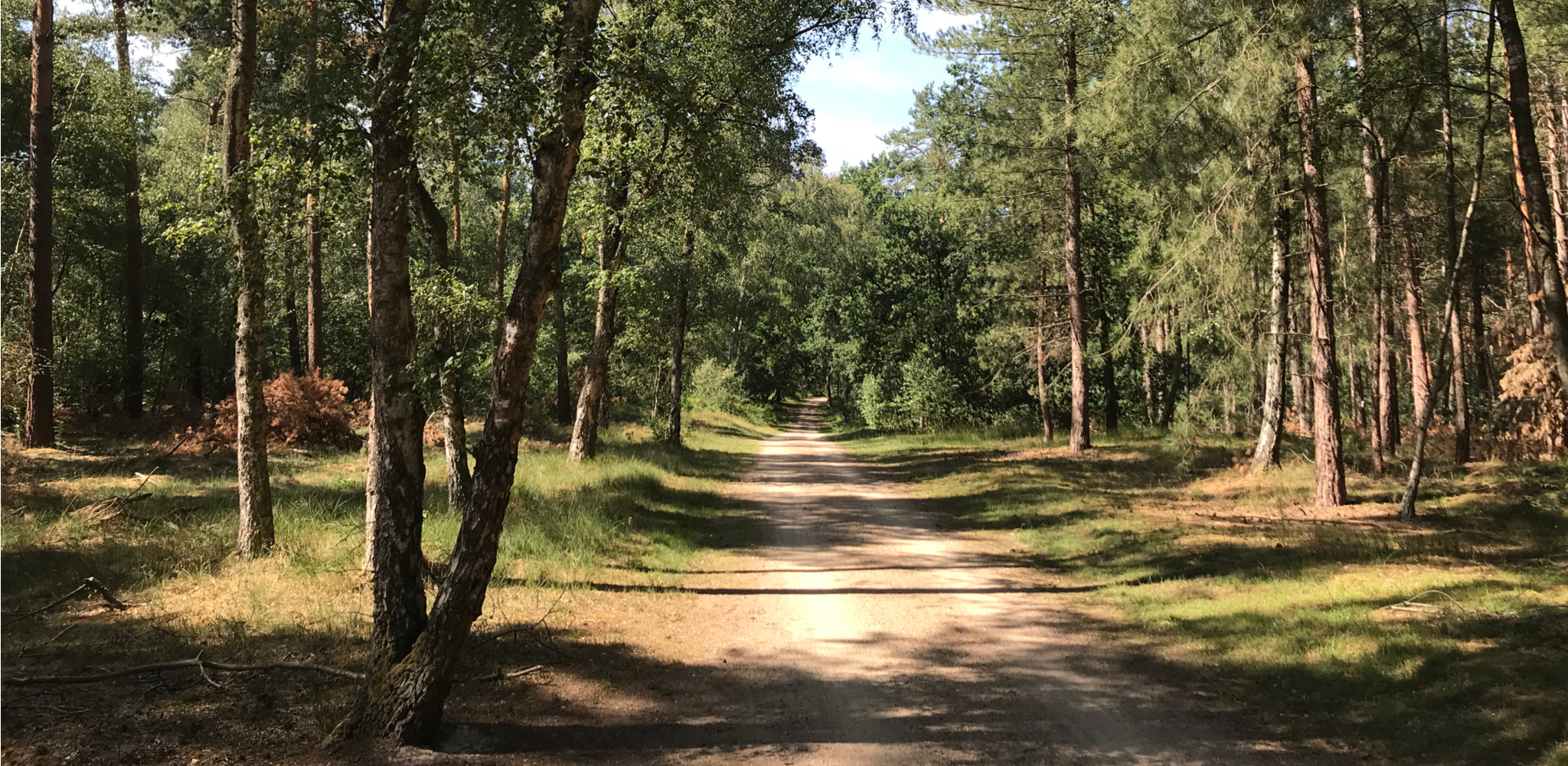
The nature route between Echt and Weert – Midden-Limburg at its best
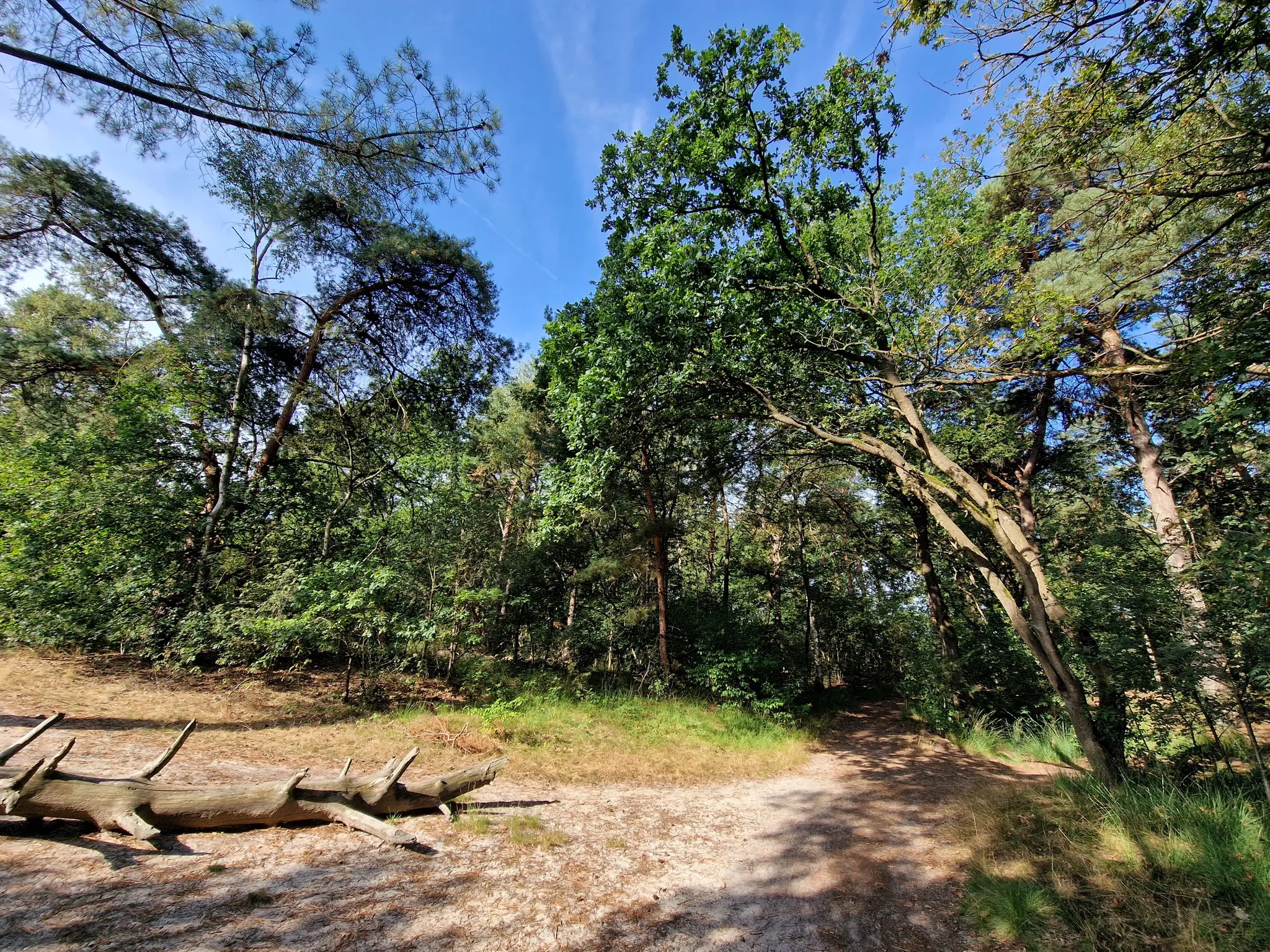
Along the border between the Netherlands and Belgium – the Grenslandpad
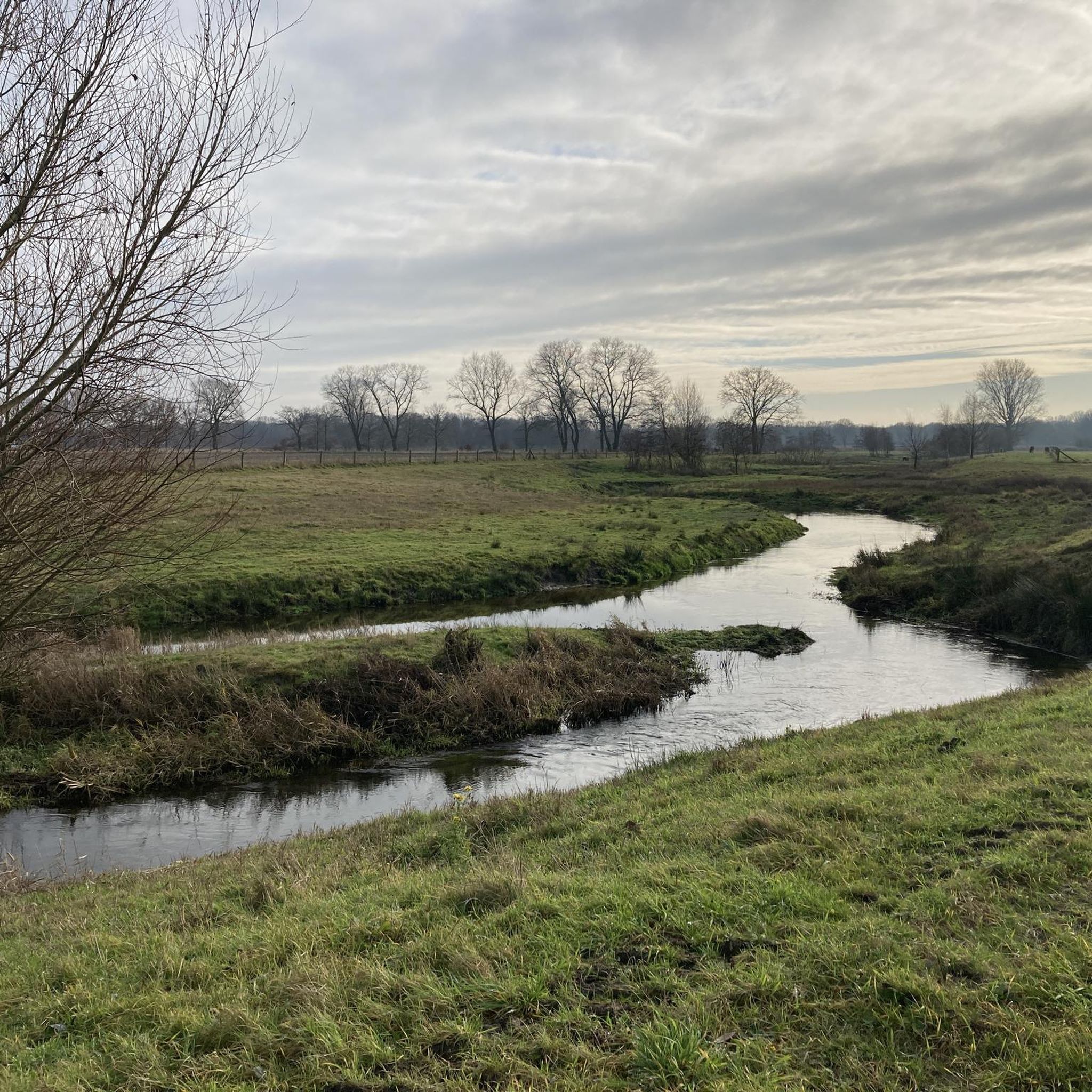
Hiking around Weert
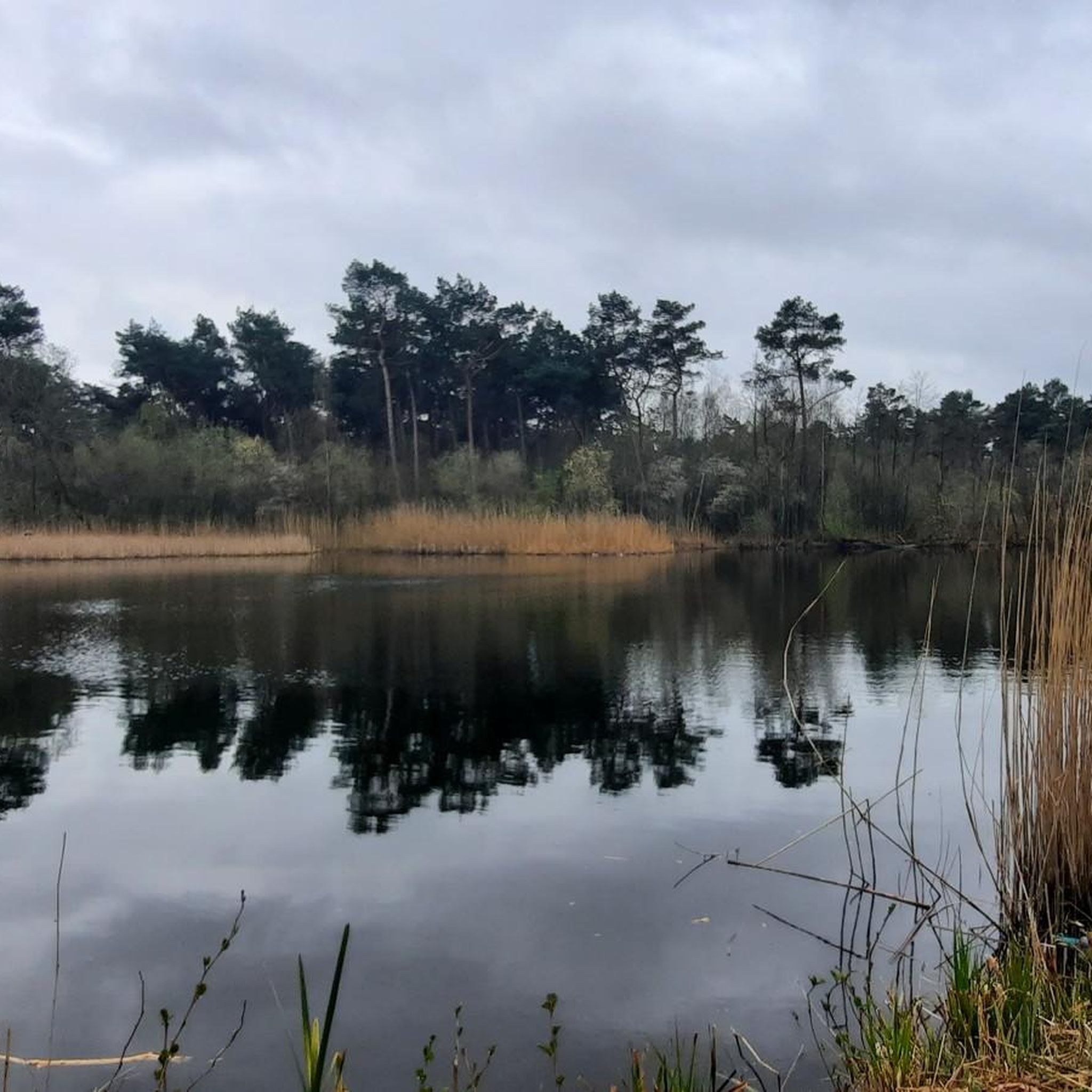
Cycling around Weert
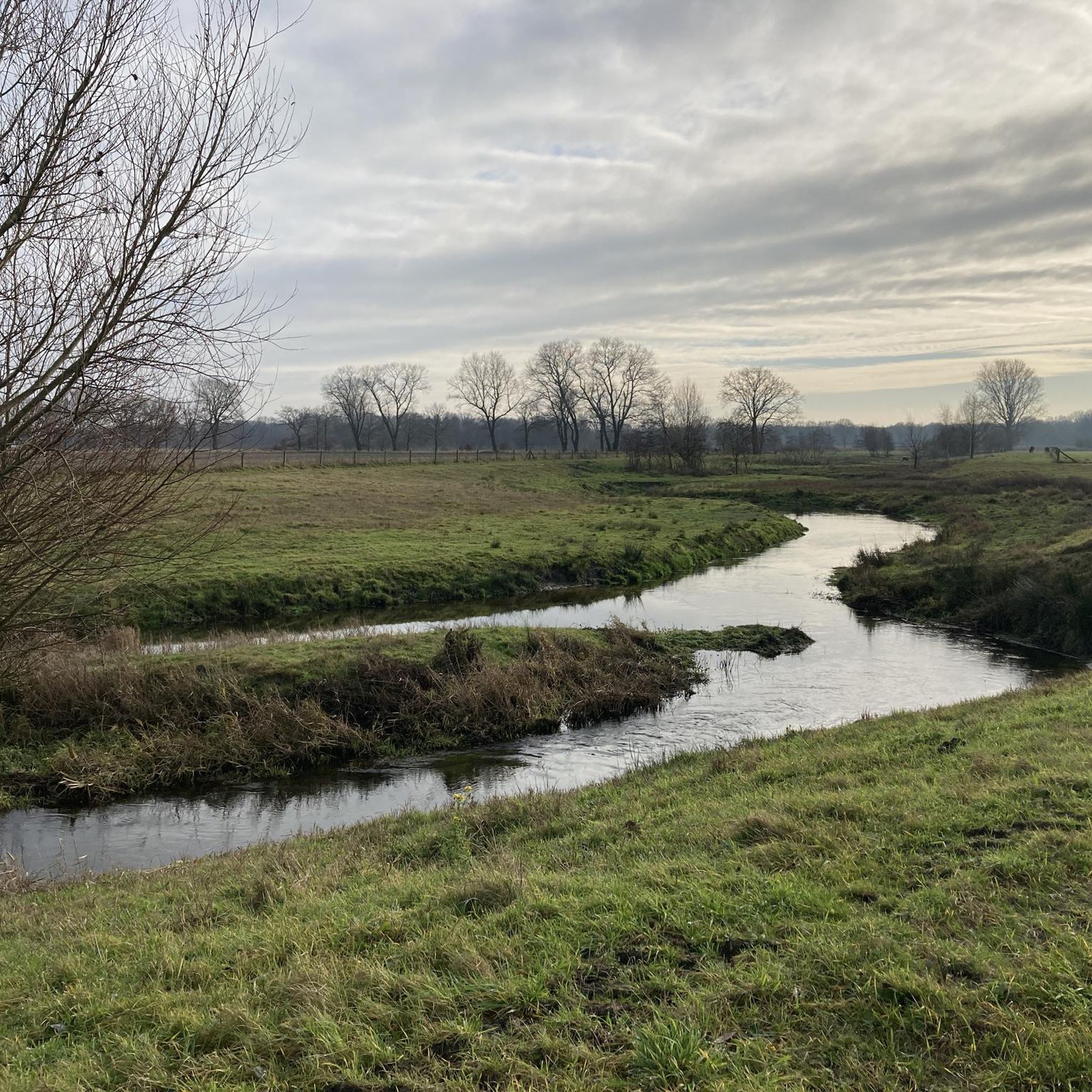
Road Cycling Routes around Weert
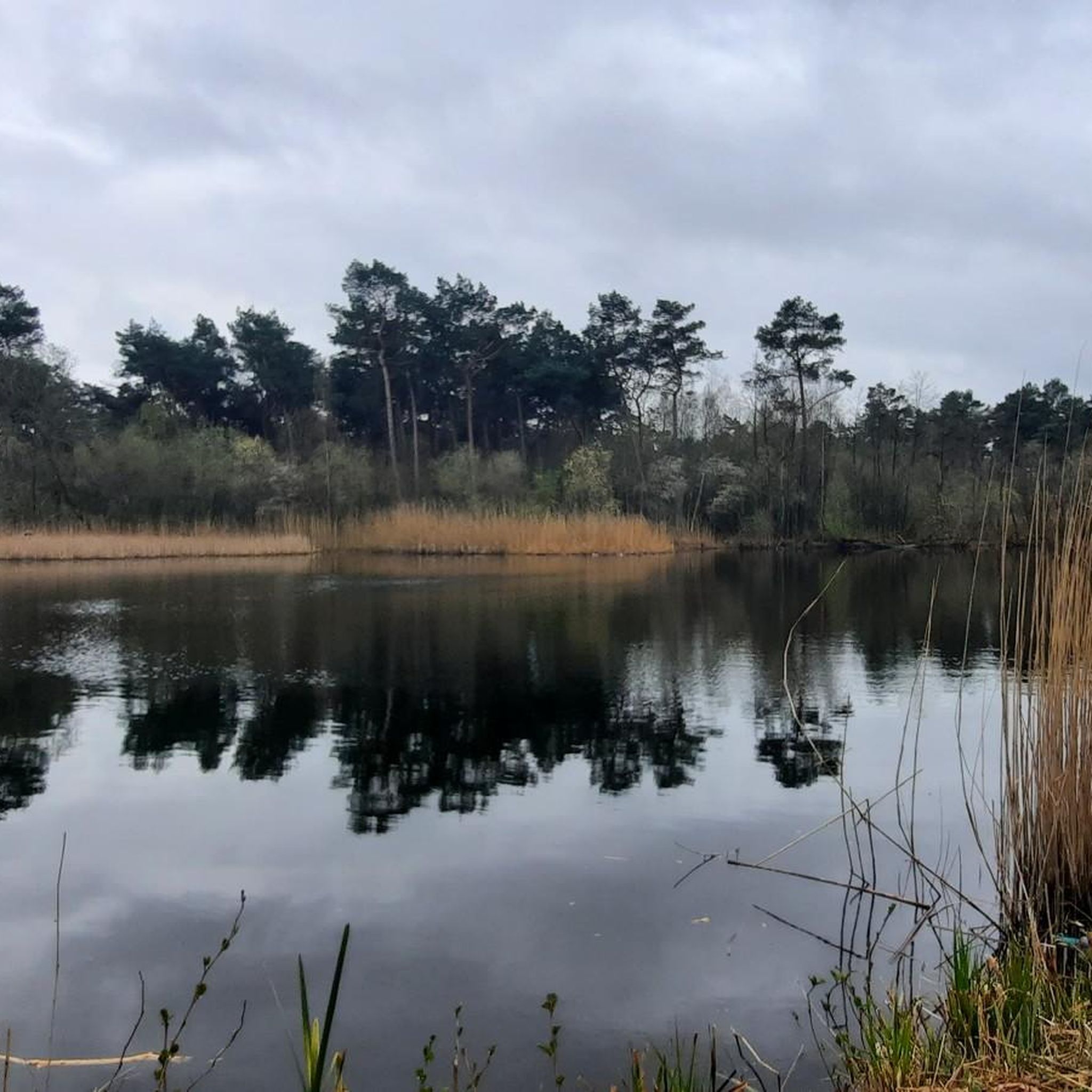
Running Trails around Weert
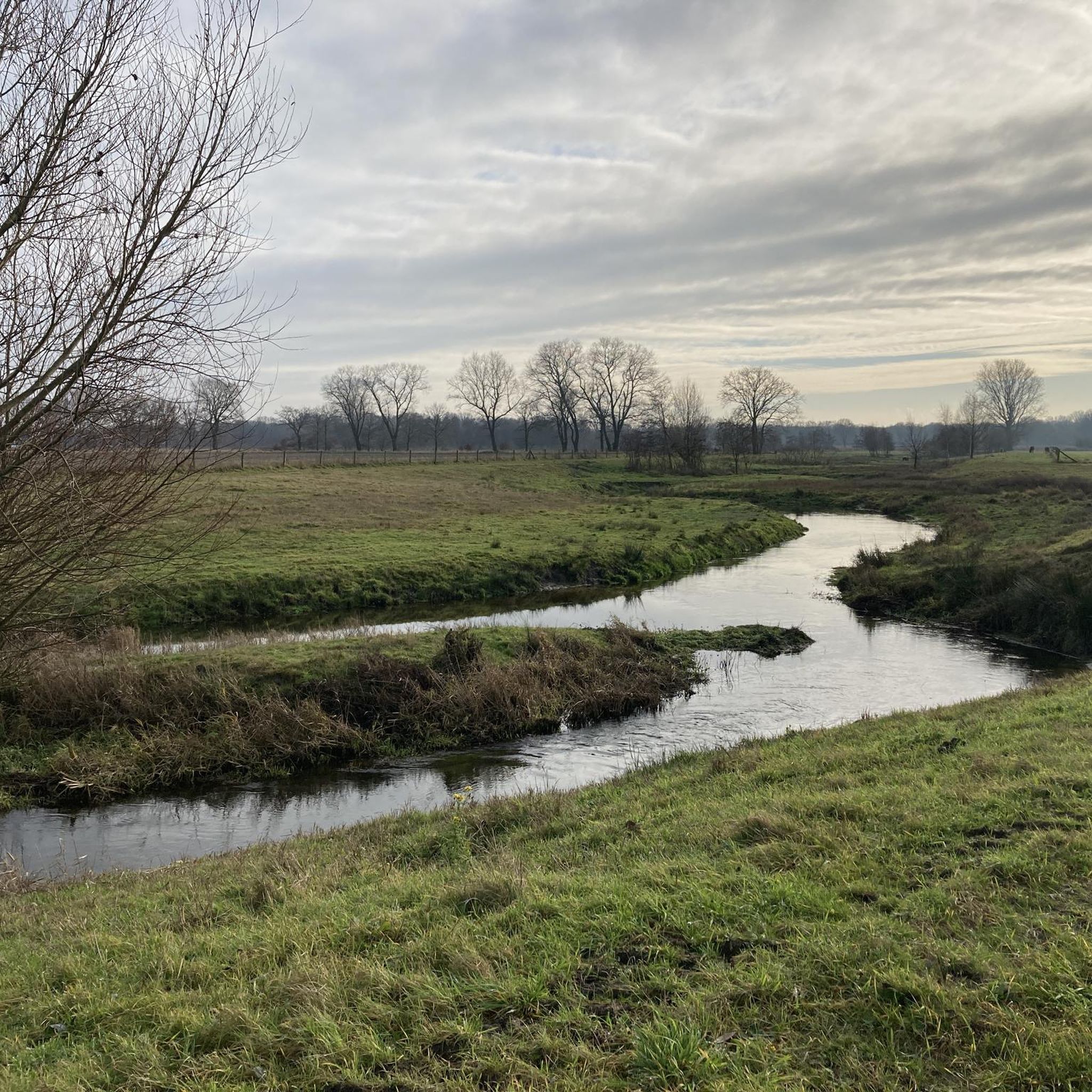
MTB Trails around Weert

Gravel biking around Weert
Other adventures around Weert


Tips from the Community

From the road you can see the entrance gate
1
0

Former St. Elizabeth's Monastery. Description: two perpendicular wings (eighteenth century), but significantly modernized. Wide facade with anchor date 1778 and a round-arched gate in a blocky rectangular bluestone frame; windows in segmental arched bluestone frames. In the garden, a fragment with an octagonal turret, capped by a trimmed spire, with old fragments (fifteenth century). Near the complex is a so-called "plague house" made of brick. In 1240, Dirk van Altena founded a Caulier monastery here. In 1435, the monastery passed to the Congregation of Windesheim. After its destruction in 1578, reconstruction began in 1603. The two existing perpendicular wings were built against the wing from 1656, destroyed in 1944. Of the monastery chapel, demolished in 1801, only the octagonal stair tower remains. At its foot, a small chapel was built using classicist pilasters, prongs, and a shell-shaped pediment (mid-17th century). The monastery was used for a time as a holiday and nursing home for the Little Sisters of St. Joseph, but is now part of the Land van Horne Foundation. (Source: Monuments in the Netherlands: Limburg, Waanders Publishers, Zwolle, and the National Heritage Agency, Zeist.) Source and more information: https://www.kerkgebouwen-in-limburg.nl/index.jsp?id=32017
3
0

Kasteel Beverbeek is a castle located northwest of Hamont in the Belgian province of Limburg. The castle is located at Beverbeek 19. The area was part of the goods of the lordship of Grevenbroek, and was sold on April 16, 1722. The part that was in Achel, is the current Beverbeekhoeve. The part in Hamont, with the so-called Nieuwe Hoeve, was sold separately. In 1875, however, it was purchased by Mathias Joannes Petrus Slegers, who had also purchased the domain of the Beverbeekhoeve the year before. This farm was demolished in 1878, but in the immediate vicinity of it, the current castle in Tudor style was built in 1889, designed by the architect Mathieu Christiaens for Joseph Slegers (°1837). He was a doctor of law and lawyer in Tongeren. He was married to Joséphine Schaetzen (Liège, °1849) the daughter of Willem Schaetzen and Hortense Verpoorten. This castle is a striking, high building with a bay window and flanked by a platform. The castle is situated in a park of 3 ha, designed in English landscape style, and equipped with a pond.
3
0

In a park near the care center you will come across this, definitely worth it
0
0

You can walk freely in the garden of this care center that is located in a beautiful wooded area and has a rich history. The complex includes a castle from the twelfth century.
0
0

Cobbled, oak-lined driveway. On the street side, guard's house from 1936 and wall with fence from the 1950s (?). Situated in a spacious, somewhat neglected park of just over 3 hectares in English landscape style with, among other things, chestnut trees and oaks; pond with island in front of the castle. (Inventory of Immovable Heritage)
11
0

In 1899, the farm that belonged to the castle was demolished. A villa took its place. This was the basis for the current castle-like building, which was equipped with a tower at the beginning of the 20th century. Former town hall of the municipality of Maarheeze In 1938, the then municipality of Maarheeze bought the property and the castle was converted into a town hall. This remained until 1997, when the municipality of Maarheeze merged into the merged municipality of Cranendonck.
16
0

Also a beautiful location for parties, business lunches, funerals and much more. For more information, please visit the website castlegrootbuggenum.nl
2
0
Frequently Asked Questions
What types of castles can I expect to find around Weert?
The region around Weert offers a diverse range of historical sites, from the remnants of medieval strongholds to more intact structures. You'll find significant castle ruins like Kasteel Nijenborgh, fortified towns such as the Historic Center of Stevensweert, and even a charming neo-Gothic hunting lodge like Kasteel Groot Buggenum.
Which castles offer a glimpse into the region's medieval history?
For a deep dive into medieval history, Kasteel Nijenborgh in Weert is key. It was the ancestral seat of the powerful Counts of Horn and played a significant role in the Eighty Years' War. Although largely in ruins today, its historical importance is palpable. Historic Center of Stevensweert also offers insights into the region's wartime past, having been expanded into a fortified town by the Spanish in 1633.
Are there any castles near Weert that are particularly family-friendly?
Yes, several sites are suitable for families. The Historic Center of Stevensweert is a great option, offering a unique street pattern from its fortified past that can be explored. Kasteel Groot Buggenum, with its fairytale garden, is also a delightful spot for families. Additionally, the public park surrounding Kasteel Nijenborgh provides a pleasant space for walks.
Can I explore castle ruins around Weert?
Absolutely. Kasteel Nijenborgh in Weert is a prime example, where you can explore the remnants of its corner towers, curtain walls, and gatehouse within the Kasteelpark Nijenborgh. Near Soerendonk, the contours of the old Kasteel Cranendonck have been made visible in the field, allowing visitors to walk around the former fortress grounds.
Are there opportunities for walking or cycling near the castles?
Yes, the region offers many outdoor activities. Kasteelpark Nijenborgh in Weert is ideal for pleasant walks. The surroundings of Kasteel Cranendonck are also suitable for walks and bike rides. For more extensive routes, you can find various cycling, MTB, and gravel biking trails around Weert, some of which pass by historical sites.
Which castles are known for their beautiful gardens or scenic surroundings?
Kasteel Groot Buggenum features a charming fairytale garden enclosed within a stone wall. Beverbeek Castle is set within a spacious 3-hectare park designed in the English landscape style, complete with a pond. Kasteel Nijenborgh is also situated within the public Kasteelpark Nijenborgh, offering serene green spaces.
What is the best season to visit the castles around Weert?
While castles can be visited year-round, spring and summer offer the most pleasant weather for exploring the outdoor grounds and parks associated with many castles, such as Kasteelpark Nijenborgh and the gardens of Kasteel Groot Buggenum and Beverbeek Castle. Autumn also provides beautiful scenery with changing foliage.
Are there any fully intact or restored castles that can be visited?
Yes, Kasteel Aldenghoor in Haelen, a short distance from Weert, is an intact and moated castle. Dating back to the 17th-18th centuries with a 15th-century tower, it operates as a bed and breakfast and event venue, offering opportunities for overnight stays and events by appointment.
Where can I find cafes or restaurants near the castles?
The Historic Center of Stevensweert has options for eating or having coffee at its market. For other locations, it's advisable to check local amenities in the towns closest to the castles, such as Weert itself for Kasteel Nijenborgh, or Soerendonk for Kasteel Cranendonck.
What is the significance of Kasteel Nijenborgh in Weert?
Kasteel Nijenborgh is a historically significant 15th-century water castle that served as the main residence and administrative center for the powerful Counts of Horn. It was a pivotal location in the region's medieval history, notably associated with figures like Philippe van Montmorency, whose execution was a key event leading to the Eighty Years' War. Today, its ruins and the surrounding Kasteelpark Nijenborgh offer a tangible link to this rich past.
Are there any castles that were once town halls?
Yes, Kasteel Cranendonck near Soerendonk, though largely a modern villa built on historical foundations, served as the town hall for the municipality of Maarheeze from 1938 until 1997.
What do visitors enjoy most about the castles around Weert?
Visitors appreciate the blend of historical significance and natural beauty. The unique street pattern of the Historic Center of Stevensweert and the charming fairytale garden of Kasteel Groot Buggenum are frequently highlighted. The opportunity to explore ruins and walk through scenic parks, connecting with the region's aristocratic past, is also highly valued by the komoot community.
Most popular attractions around Weert

Get inspired with the komoot mobile app


Explore more
Looking for the best castles somewhere else? Discover other guides around Weert:
