Top 7 Castles around Moita
Castles around Moita are not located directly within the municipality, which is situated on the south bank of the Tagus River near Lisbon. This charming town is recognized for its historic center and cultural sites. While Moita itself does not host ancient fortifications, the surrounding region offers several significant castles. These historical sites provide insights into Portugal's medieval heritage.
Best castles around Moita
- The most popular castles is St. George's Castle, a castle that offers panoramic views over the…
Last updated: June 26, 2026
St. George's Castle
Highlight • Castle
Translated by Google •
Tip by

Castle of Palmela
Highlight • Castle
en.m.wikipedia.org/wiki/Castle_of_Palmela
Translated by Google •
Tip by

Sign up now to discover places like this
Get recommendations on the best single tracks, peaks, & plenty of other exciting outdoor places.
Sign up for free
Casa do Alentejo, Lisbon
Highlight • Restaurant
Glimpses of Morocco in the entrance hall, with …
Translated by Google •
Tip by

Archaeological Site of Castelo de São Jorge
Highlight • Castle
Translated by Google •
Tip by

Alma do Castelo
Highlight • Historical Site
Translated by Google •
Tip by
Sign up for free to discover even more castles around Moita.
Sign up for free
Already have an account?
Start today with a free account
Your next adventure awaits.
Login or Signup
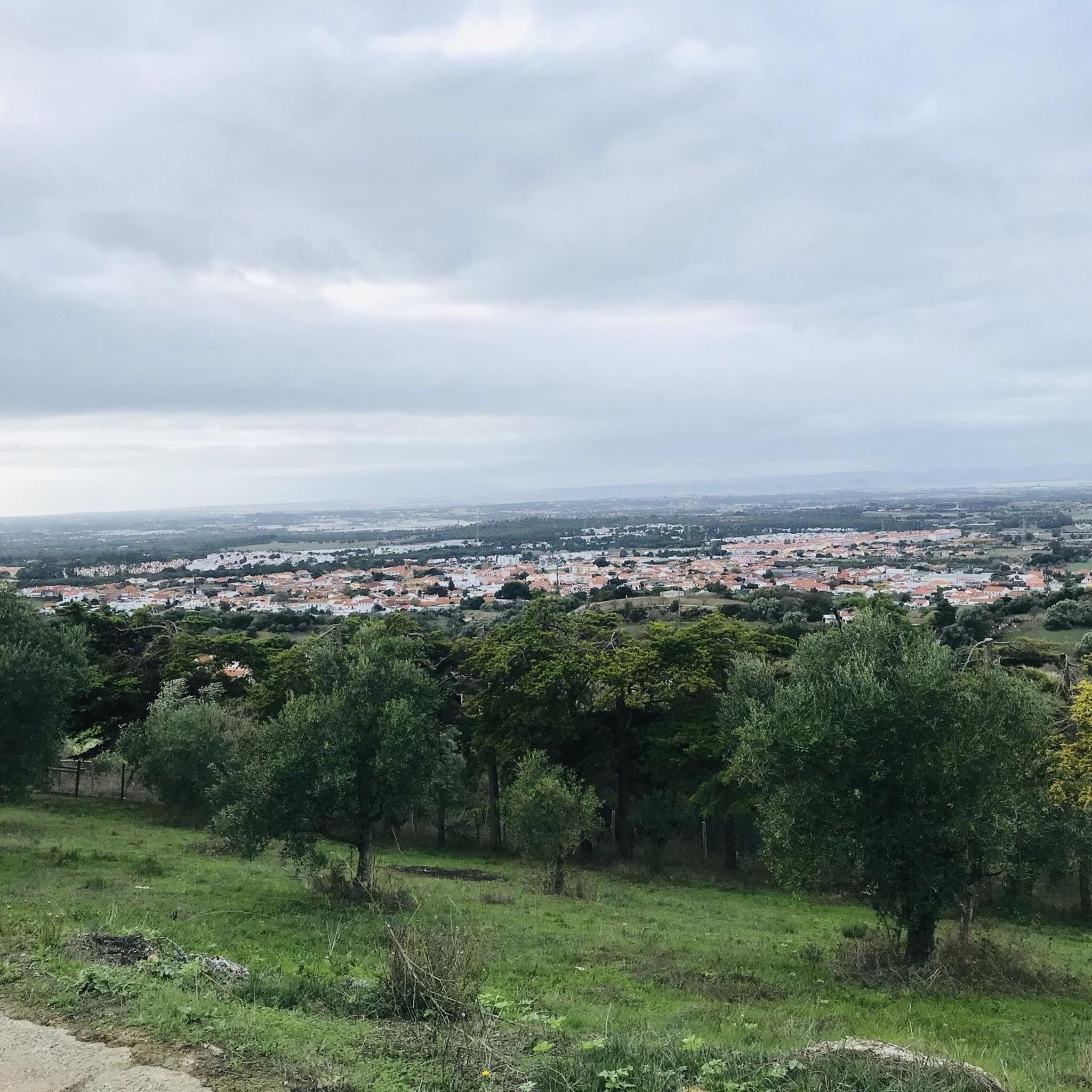
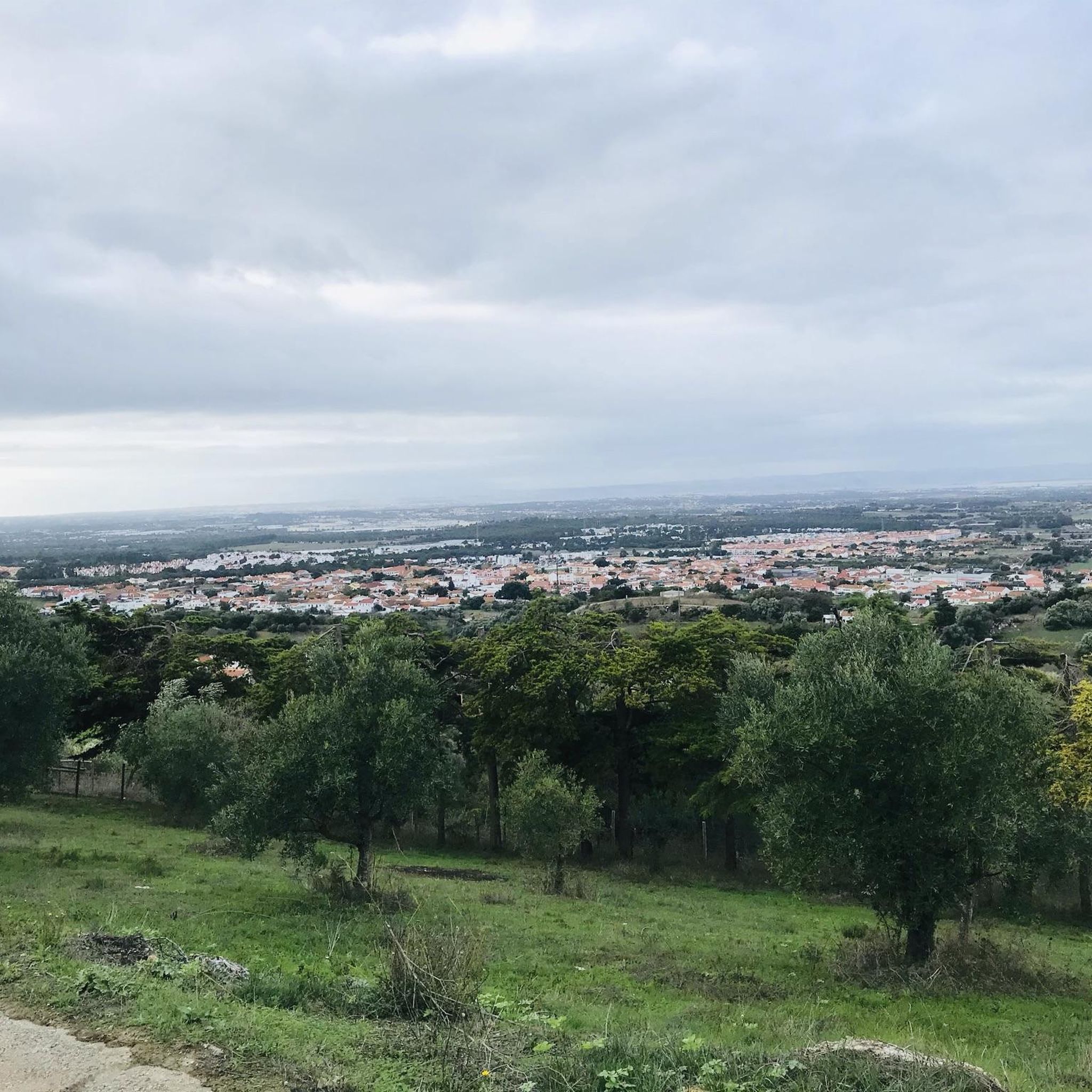
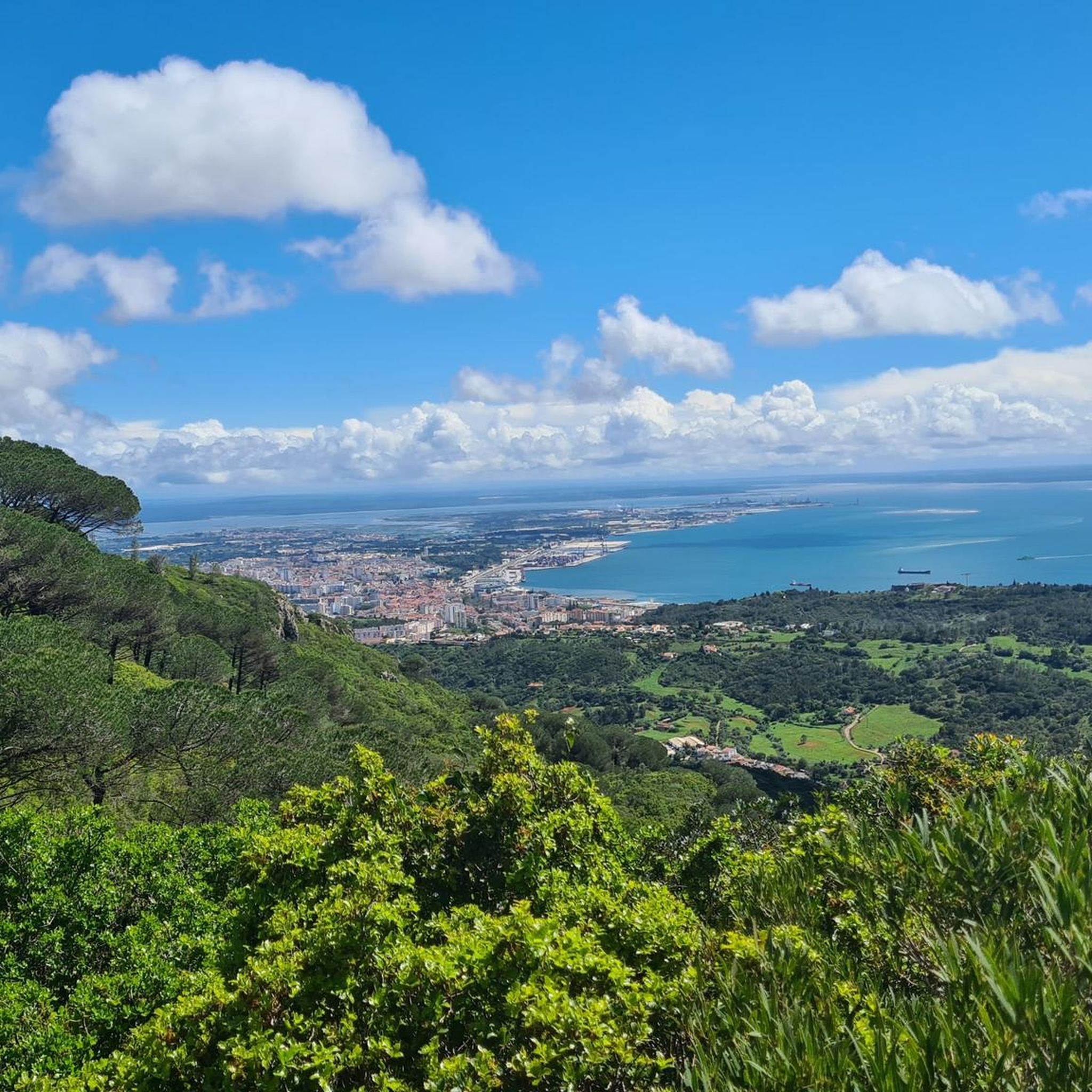
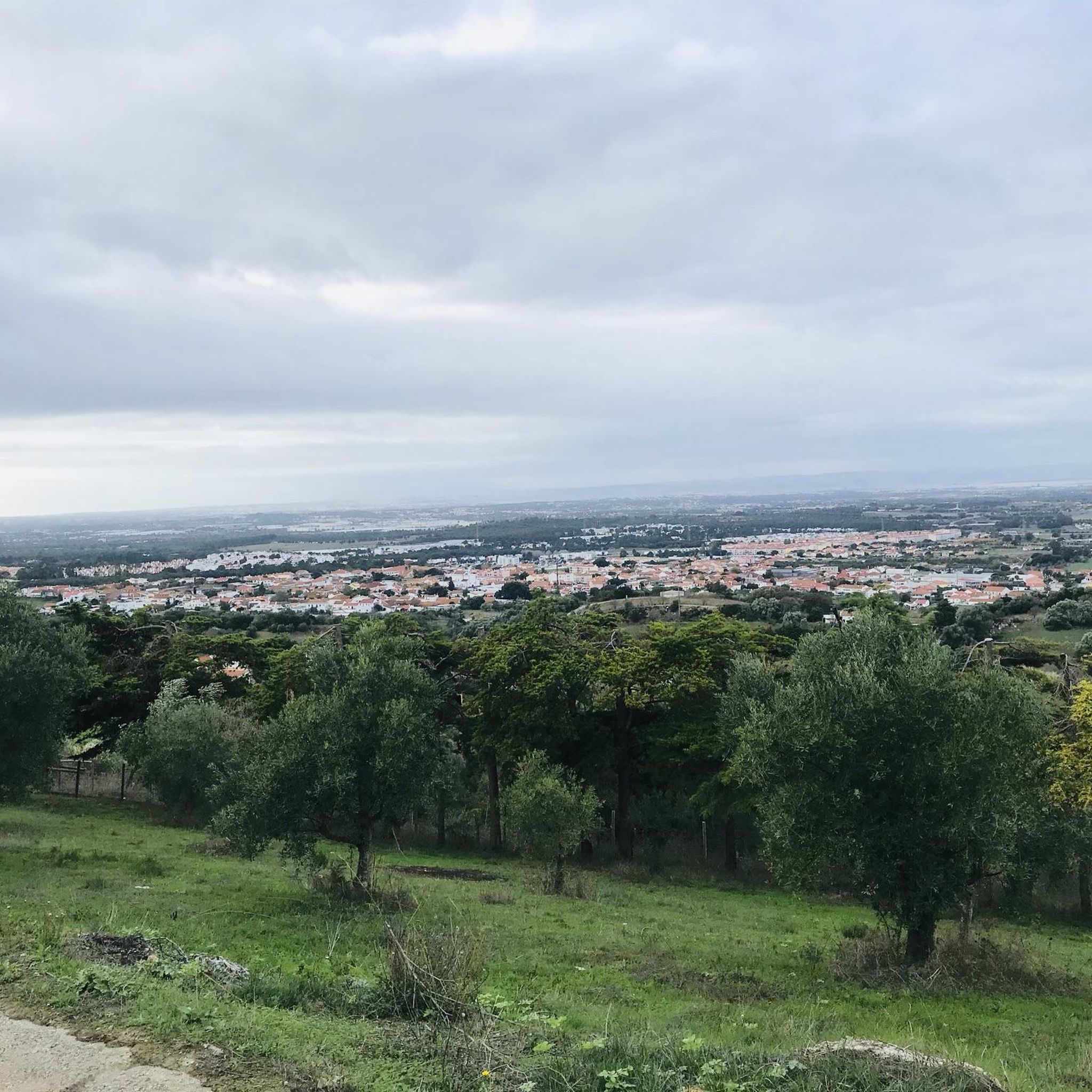
Tips from the Community

The archaeological site of Castelo de São Jorge showcases exposed walls, foundations, and traces of settlements from various eras of Lisbon. A tour of the site offers a glimpse into how people lived and worked here in the past – right beneath the present-day castle walls. It's a fascinating excursion for anyone who wants to combine the view with a bit of urban history.
3
0
The António Gaspar memorial at Castelo de São Jorge commemorates the long-serving castle warden, who was inextricably linked to this place for many visitors. Nestled among walls, trees, and offering views of the city, the small memorial area invites a moment of quiet reflection. A peaceful, personal moment away from the main viewpoints.
4
0

In wartime situations, it controlled the space between Lisbon and the South, between the Tagus and Sado rivers. During the Islamic period and the Christian offensive in the 12th and 13th centuries, this geostrategic position was compatible with other fortified sites—Coina, Sesimbra, and the Sado riverbank. In the surrounding area—with good conditions for grazing and a large area of agricultural land—some rural communities settled during the Islamic period, such as the village of Alto da Queimada (Serra do Louro). Inside the wall, the ruins of the Church of Santa Maria do Castelo welcome visitors: Palmela's first parish church, probably from the 12th century (founded by King Afonso Henriques?), subject to interventions mainly in the 16th and 17th centuries and severely damaged by the 1755 earthquake. The walls, the pentagonal Keep—a 16th-century construction—are part of the original structure. The castle dates back to the 14th century, where the Bishop of Évora, D. Garcia de Meneses, was imprisoned in the waterless cistern for conspiring against King John II. The bishop died there from poisoning in 1484. The parade ground and barracks are worth visiting. As it stands, the castle is the result of several construction campaigns—repairs, reconstructions, and expansions—up until the 18th century. Archaeological work has identified some sections of the wall from the Islamic period, and other construction phases are recognized, likely dating from the post-reconquest period and, later, from the reign of King John I. The bastion system that surrounds the first line of fortification was commissioned by King Pedro II. In the house of the Prior-Major of the Order, or the military commander of the fortress—after the abolition of the orders (in 1834)—the explorer of African lands, Hermenegildo Carlos de Brito Capelo, son of the fortress's governor, was born on February 4, 1841. Palmela Castle was classified as a National Monument by Decree-Law of June 16, 1910. Parking outside the walls is recommended.
7
0

Behind the simple facade on Rua das Portas de Santo Antão lies one of the city's most magnificent palaces – a true architectural gem. What now serves as a cultural center and restaurant was originally built in the 17th century as the city palace of the Alverca family. The magnificent rooms, with their Moorish and neo-Baroque elements, speak of bygone splendors. Access to the courtyard in front of the restaurant is free, but in return, quiet and consideration for the "actual" guests are expected. ;-)
2
1

There are guided tours available explaining the site. Otherwise, it is just old walls.
1
1

A beautiful and multifaceted city, wonderful Lisbon 🫶 🇵🇹
2
1
A beautiful and multifaceted city, wonderful Lisbon 🫶 🇵🇹
1
1

A project that honors the castle's residents. Small but interesting.
0
1
Frequently Asked Questions
What are some notable castles accessible from Moita?
While Moita itself doesn't have castles, you can easily visit several significant ones in the surrounding region. These include the iconic St. George's Castle in Lisbon, known for its panoramic views, and the Castle of Palmela, which offers magnificent vistas and a rich history. Another distinctive option is Almourol Castle, situated uniquely on an island in the Tagus River.
What historical significance do the castles near Moita hold?
The castles in the region, such as St. George's Castle and the Castle of Palmela, are deeply tied to Portugal's medieval heritage and the Reconquest. St. George's Castle dates back to the 11th century, while Palmela Castle played a crucial role in controlling the area between Lisbon and the South. Almourol Castle, rebuilt by the Knights Templar in the 12th century, is an emblematic monument of the Christian reconquest.
Which castles offer the best panoramic views?
St. George's Castle in Lisbon provides stunning panoramic views over the city and the Tagus River. Similarly, the Castle of Palmela offers magnificent vistas, including the 25th of April Bridge and the surrounding landscape.
Are there any castles with unique architectural styles near Moita?
Yes, the Castle of Palmela features a mixed architectural style, including notable Moorish elements. St. George's Castle also retains characteristic architectural elements of military fortifications from its Arab period, with its eleven towers and battlements.
How can I get to the castles from Moita using public transport?
To reach St. George's Castle in Lisbon, you would typically take a ferry from Moita across the Tagus River to Lisbon, then use Lisbon's public transport (metro, tram, or bus) to reach the castle area. For the Castle of Palmela, public transport options from Moita would likely involve a combination of bus and/or train services to Palmela, followed by a local connection or a walk up to the castle.
What is the best time of year to visit the castles around Moita?
Visiting during spring (April-May) or autumn (September-October) is generally ideal. The weather is pleasant, avoiding the intense heat of summer and the cooler, potentially wetter days of winter. This allows for comfortable exploration of the castle grounds and surrounding areas.
Are the castles near Moita suitable for families?
Yes, castles like St. George's Castle are very family-friendly, offering historical exploration, charming gardens, and engaging archaeological sites like the Archaeological Site of Castelo de São Jorge. The open spaces and historical context provide an educational and enjoyable experience for all ages.
Is parking available at the castles near Moita?
For the Castle of Palmela, parking outside the walls is recommended. For St. George's Castle in Lisbon, parking can be challenging in the historic center, so public transport is often advised, though paid parking garages are available further away.
What outdoor activities can I do near these castles?
While the castles themselves are historical sites, the broader region around Moita offers various outdoor activities. You can find numerous road cycling routes, such as the 'Arrábida Scenic Road' or 'Millenary Olive Trees of Azeitao' loops. There are also running trails and gravel biking routes available. For more details on these activities, you can explore the Road Cycling Routes around Moita, Running Trails around Moita, and Gravel biking around Moita guides.
Are there cafes or restaurants near the castles?
Yes, particularly near St. George's Castle in Lisbon, you'll find numerous cafes and restaurants within the Alfama neighborhood. The Castle of Palmela also includes a hotel and restaurants for visitors within its premises.
What do visitors enjoy most about the castles in this region?
Visitors frequently appreciate the rich history, the magnificent panoramic views, and the unique architectural elements of the castles. The opportunity to explore ancient fortifications and archaeological sites, like the Archaeological Site of Castelo de São Jorge, which reveals layers of Lisbon's past, is also highly valued.
Are there any less-known or 'hidden gem' castles worth visiting near Moita?
While not a 'hidden gem' in terms of obscurity, Almourol Castle, located on an island in the Tagus River, offers a truly unique and magical experience distinct from the more urban castles. Its mystical setting and Templar history make it a highly recommended visit for those looking for something different.
Most popular attractions around Moita

Get inspired with the komoot mobile app


Explore more
Looking for the best castles somewhere else? Discover other guides around Moita:
