Top 10 Castles around Figueira De Castelo Rodrigo
Best castles around Figueira De Castelo Rodrigo include medieval fortresses with significant history. The region features an elevated position offering expansive views of the surrounding plateau, extending towards Spain and the Douro River valley. The village of Castelo Rodrigo provides a historical setting. There are 10 castles to explore in the area.
Best castles around Figueira De Castelo Rodrigo
- The most popular castles is Almeida Castle, a castle that is one of the best-preserved fortifications in Portugal. It is…
Last updated: October 13, 2026
Castelo Rodrigo Village
Highlight • Historical Site
Translated by Google •
Tip by

Castelo Rodrigo Discovery Trail
Highlight (Segment) • Historical Site
Translated by Google •
Tip by

Sign up now to discover places like this
Get recommendations on the best single tracks, peaks, & plenty of other exciting outdoor places.
Almeida Castle
Highlight • Castle
Translated by Google •
Tip by

Castle of San Felices de los Gallegos
Highlight • Castle
It …
Translated by Google •
Tip by

Historic Village of Almeida
Highlight • Historical Site
Translated by Google •
Tip by
Sign up for free to discover even more castles around Figueira De Castelo Rodrigo.
Already have an account?
Start today with a free account
Your next adventure awaits.
Other adventures around Figueira De Castelo Rodrigo

Tips from the Community

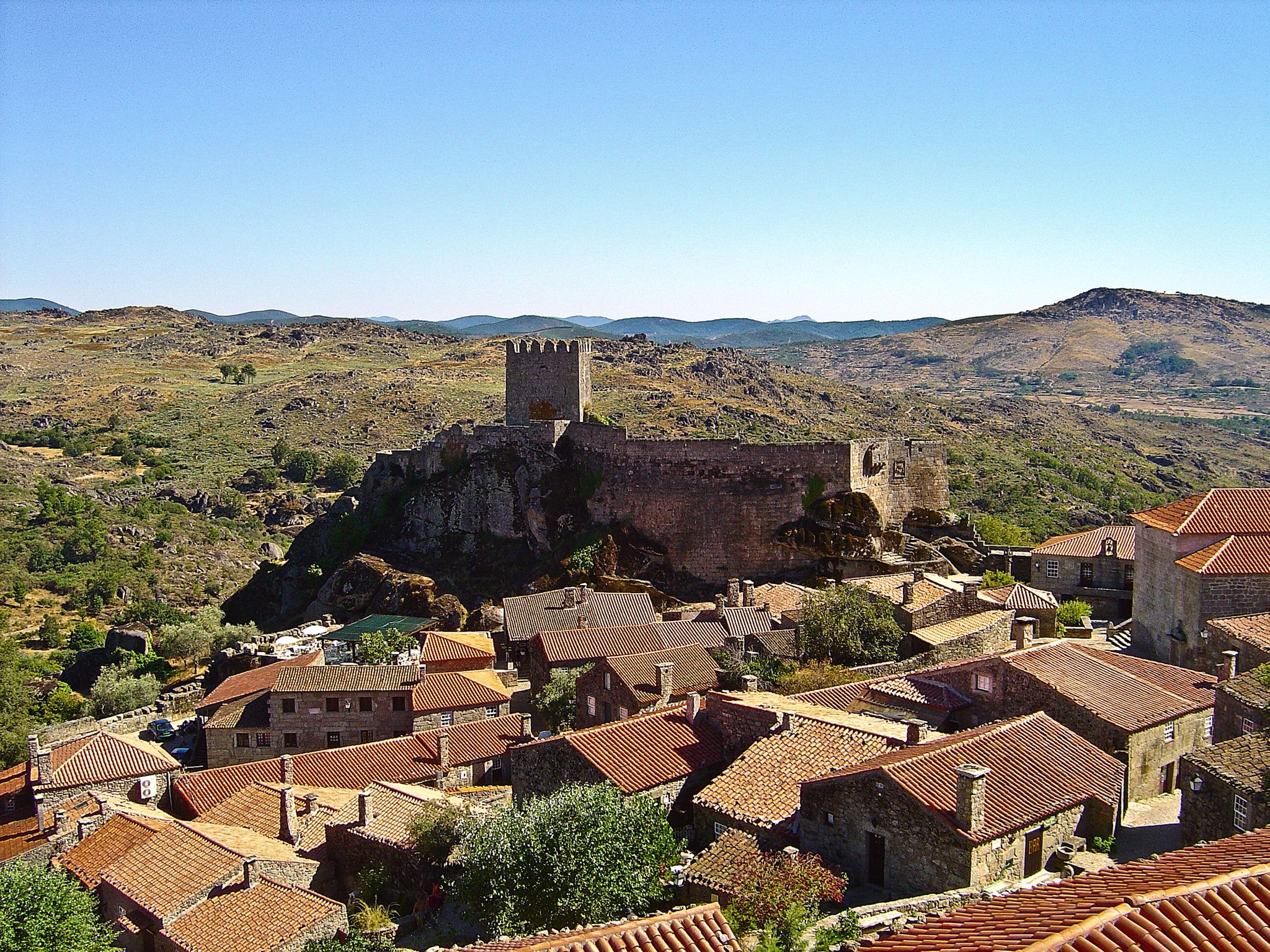
Castelo Rodrigo holds millennia of history, from Paleolithic and Roman remains to the Muslim presence in the castle. Conquered and reconquered between the 12th and 13th centuries, it became a town and municipality under King Alfonso IX of León and passed definitively to Portugal in 1297, when King Dinis rebuilt and repopulated the castle. Marked by wars, charters, and restorations, it welcomed pilgrims on their way to Santiago and remains today one of the twelve Historic Villages of Portugal.
3
0
Almeida stands on the plateau like a table set for history: "Al-Mêda" was the name given to it by the Arabs. Previously, it had been a Lusitanian, Roman, and then Christian fort, conquered in 1190 and definitively Portuguese in 1297. Around the medieval castle grew the town, still marked by the Puerta do Sol. After the Restoration, the town transformed into a veritable war machine: the six-pointed star-shaped fortress, with bastions, ravelins, and underground galleries that served as both shelter and prison. It was the scene of decisive battles, devastated by the explosion of 1810 and contested in the liberal wars, always rising from the ruins.
3
0

Castelo Rodrigo is one of the twelve historic villages, the Aldeias Históricas de Portugal.
2
1
Castelo Rodrigo is a village with a medieval soul, where time has left its deep marks: walls, stone streets and remains of an ancient community of New Christians. Surrounded by magnificent landscapes, from the Douro International Natural Park to the Côa Valley, passing through the Serra da Marofa and the Faia Brava Reserve, this village is an invitation to contemplation and to taste. Here, history is served at the table: Marofa lamb, octopus in migas or rice are flavors that count as much as the books.
2
0

The Almeida Fort, originally founded as a castle in the 12th century, is one of the best-preserved fortifications in Portugal. It played an important role throughout its history, particularly during the Napoleonic Wars. It was heavily damaged during the Siege of Almeida in 1810 but was later rebuilt. The star fort is known for its bastions and deep moats, which were once intended to provide protection against invaders.
3
1

In the lands of the west of Salamanca this fortress stands, a clear example of the ups and downs and border disputes. According to the chronicles, it was built in the 13th century by the Portuguese king Don Dinis. With the character of a fortress palace, it is located at one end of the urban area.
0
0

The castle tower that still stands was part of the fortress built in the 13th century by the Portuguese king Don Dinis to protect the lands in the area. It is advisable to visit the tower inside, it houses a Historical Interpretation Classroom and a permanent exhibition on the Border Fortifications. In addition, from the top floor you can enjoy beautiful views of the entire area, including neighboring Portuguese lands.
1
0

Former prison of Castelo Rodrigo.
1
1
Frequently Asked Questions
What are the most notable castles to visit around Figueira De Castelo Rodrigo?
The region features several significant fortifications. The Almeida Castle is one of Portugal's best-preserved star forts, known for its bastions and deep moats. The Castelo Rodrigo Discovery Trail leads you through a historic village with a city wall and 13 defense towers. Additionally, the Castle of San Felices de los Gallegos, though across the border, offers a tower with a Historical Interpretation Classroom and panoramic views.
What historical significance do the castles in this region hold?
The castles, particularly the Castle of Castelo Rodrigo, played crucial roles in territorial disputes and border defense. Castelo Rodrigo itself has a rich history dating back to 500 BC, with influences from various cultures. The Almeida Fort was vital during the Napoleonic Wars, and its unique star-shaped design reflects advanced military architecture of its time.
What kind of views can I expect from the castles?
From the elevated positions of many castles, such as the Castle of Castelo Rodrigo, you can enjoy expansive panoramic views of the surrounding plateau, extending towards Spain and the Douro River valley. The tower of the Castle of San Felices de los Gallegos also offers beautiful vistas of the entire area, including neighboring Portuguese lands.
Are there family-friendly castles or activities in the area?
Yes, the Castelo Rodrigo Discovery Trail is considered family-friendly, offering an engaging walk through a historic village. The Historic Village of Almeida is also listed as family-friendly, allowing families to explore its unique star-shaped fortress design and historical significance.
What outdoor activities can I do near these castles?
The region offers various outdoor activities. You can find numerous hiking trails, such as the 'Iron Way Trail' or 'GR 14 Stage 42: La Fregeneda to Vega Terrón Trail'. There are also cycling and MTB routes available. For more details on these activities, you can explore the Hiking around Figueira De Castelo Rodrigo, Cycling around Figueira De Castelo Rodrigo, and MTB Trails around Figueira De Castelo Rodrigo guides.
What is the best season to visit the castles around Figueira De Castelo Rodrigo?
While specific seasonal recommendations for castles aren't provided, generally, spring and autumn offer pleasant weather for exploring historical sites and walking through villages like Castelo Rodrigo. Summers can be hot, and winters might be chilly, but each season offers a unique perspective on the landscape and historical sites.
Are there cafes, restaurants, or accommodation options near the castles?
The village of Castelo Rodrigo, part of the Castelo Rodrigo Discovery Trail, has a small craft shop, a café, and a gourmet shop selling local specialties. For more extensive options, you would typically find cafes, restaurants, and accommodation in the main towns and villages within the region, such as Figueira De Castelo Rodrigo itself or Almeida.
How much time should I allocate to explore the castles?
To fully appreciate a site like the Castle of Castelo Rodrigo or the Almeida Fort, including exploring their structures, museums (if any), and enjoying the views, you should plan for at least 2-3 hours per major site. Exploring the entire village of Castelo Rodrigo on the Discovery Trail might take a similar amount of time.
Is there parking available near the castles?
While specific parking details for each castle are not provided, historical villages and sites like Castelo Rodrigo typically have designated parking areas nearby, often within walking distance of the main attractions. It's advisable to check local signage upon arrival.
What do visitors enjoy most about the castles in this region?
Visitors appreciate the rich history and well-preserved nature of the sites. For instance, the Almeida Fort is noted as one of Portugal's best-preserved fortifications. The Castelo Rodrigo Discovery Trail is enjoyed for its historical walk through a well-preserved, very historic place, offering a peaceful and relaxing atmosphere.
Are there any less crowded castle alternatives or hidden gems?
While the main castles like Castelo Rodrigo and Almeida are popular, exploring the smaller, less prominent historical sites or ruins in the surrounding countryside can offer a more secluded experience. The Castle of Castelo Rodrigo itself, while significant, is part of a beautiful medieval village that offers an incredibly peaceful atmosphere, which might feel less crowded than larger tourist hubs.
Can I find information about the Border Fortifications in the area?
Yes, the tower of the Castle of San Felices de los Gallegos houses a Historical Interpretation Classroom and a permanent exhibition focused on Border Fortifications, offering insights into the region's strategic importance and history.
Most popular routes around Figueira De Castelo Rodrigo
Most popular attractions around Figueira De Castelo Rodrigo

Get inspired with the komoot mobile app


Explore more
Looking for the best castles somewhere else? Discover other guides around Figueira De Castelo Rodrigo:
