Top 7 Gorges around Montalegre
Best canyons around Montalegre are found within a region characterized by rugged granite mountains and dense forests, offering diverse natural formations. Montalegre serves as a gateway to the Peneda-Gerês National Park, a UNESCO Biosphere Reserve known for its gorges and waterfalls. The area provides opportunities to explore deep river valleys and unique rock formations shaped by natural erosion. This landscape creates an environment suitable for discovering various canyon-like features and natural pools.
Best canyons around Montalegre
- The most popular canyons…
Last updated: June 26, 2026
Fenda da Calcedónia
Highlight • Gorge
Translated by Google •
Tip by

Swimming spot in Peneda-Gerês National Park
Highlight • River
Translated by Google •
Tip by

Sign up now to discover places like this
Get recommendations on the best single tracks, peaks, & plenty of other exciting outdoor places.
Sign up for free
Rio Cabril Crossing
Highlight • River
Translated by Google •
Tip by

Vale de Teixeira
Highlight • Gorge
Translated by Google •
Tip by

Rocky riverside trail at Portela do Homem
Highlight (Segment) • Trail
Translated by Google •
Tip by

Sign up for free to discover even more gorges around Montalegre.
Sign up for free
Already have an account?
Start today with a free account
Your next adventure awaits.
Login or Signup
Tips from the Community

The Chalcedony Trail (PR1 TBR – Trilho da Cidade da Calcedonia) is one of the most iconic routes in Peneda-Gerês National Park, located in Covide (Braga), within the municipality of Terras de Bouro. It leads to the ruins of the City of Chalcedony, an ancient pre-Roman hill fort high in the mountains. It offers panoramic views over the Homem River valley and the Gerês mountains. The trail passes through native forests, rocky areas, and natural viewpoints.
2
0

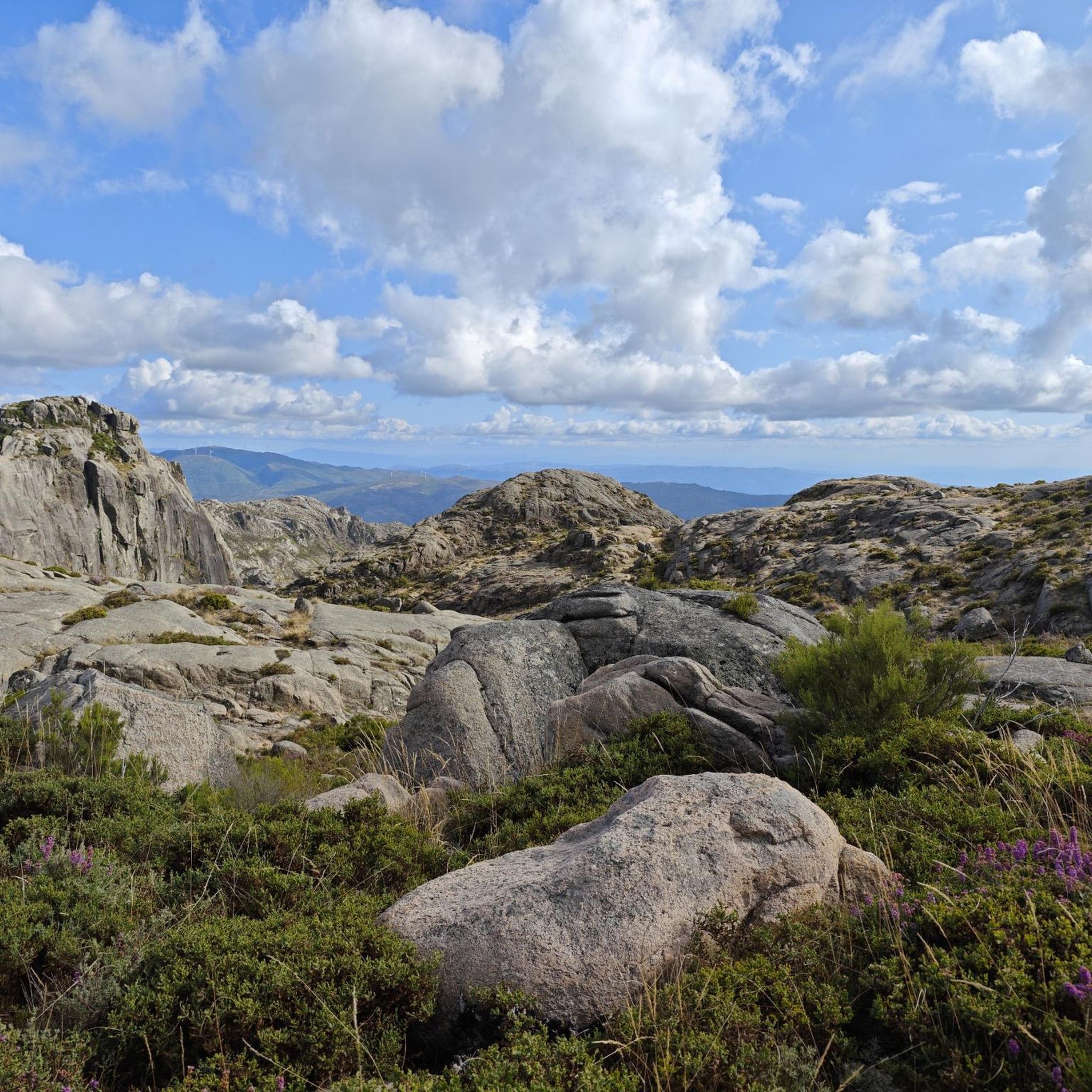
The Calcedonia Crack is one of those passages that seems to have come straight out of an old fairy tale: a monumental crack between two granite giants. For those who like a challenge, the route involves climbing and jumping between huge blocks fitted together at the base. Going up is easier than going down: there is more support, more traction, and less hesitation. There is no need to cross it (the trail elegantly skirts the crack) but, for the more adventurous, facing this crack is almost a ritual: a mix of adrenaline, vertigo and raw landscape that leaves its mark on those who pass by.
1
1

We hiked the Covid loop (yellow and red lines) clockwise. The ascent was OK. The rocky landscape was spectacular. The Slut was also impressive, but considering the many rocks, it was just another somewhat more exclusive highlight among many. The descent, however...described in Komoot as well-maintained hiking trails, no special skills required. It's an overgrown trail with (very) high steps and scree sections. Very good fitness and surefootedness are required to safely navigate it. The less than three hours for the loop is also very ambitious. At the end of the descent, there was a dog park with some very aggressive dogs running loose on the trail; we felt like we barely made it through unscathed. Next time, I'd turn around at the Slut and take the same route back. Be sure to bring plenty of drinks. Great scenery, very tiring.
2
0


don't go off track
0
2

Everything in view
0
0

frontier workers
0
2
Frequently Asked Questions
What are some notable gorges and natural features to explore near Montalegre?
The region around Montalegre, particularly within the Peneda-Gerês National Park, offers several impressive natural features. You can visit the dramatic gorge at Ponte da Misarela (Devil's Bridge), where the Rabagão River carves through granite cliffs. Another highlight is Fenda da Calcedónia, known for its spectacular rocky landscape and panoramic views over the Homem River valley. The Vale de Teixeira gorge also offers fantastic landscapes.
Are there opportunities for swimming in the canyons or gorges near Montalegre?
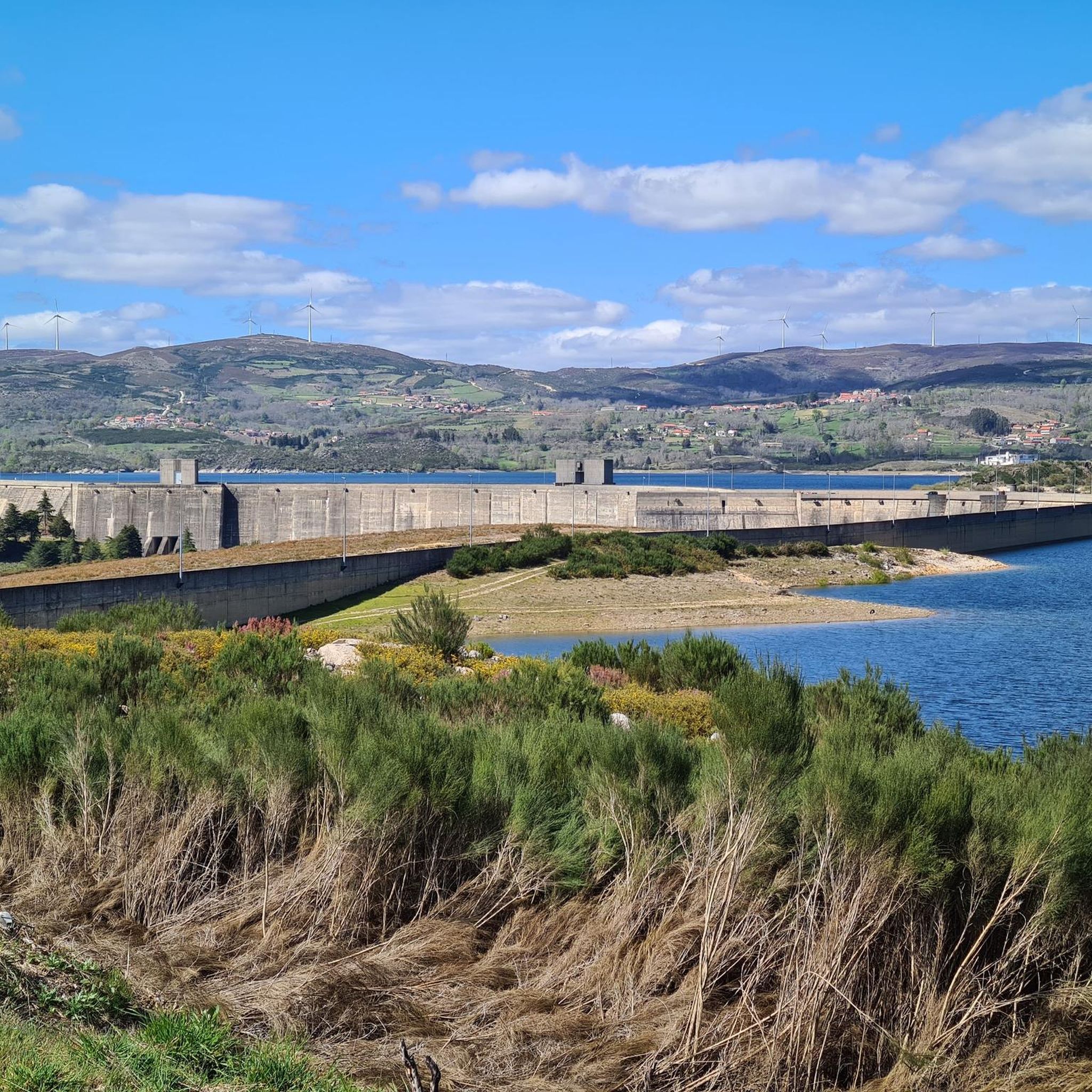
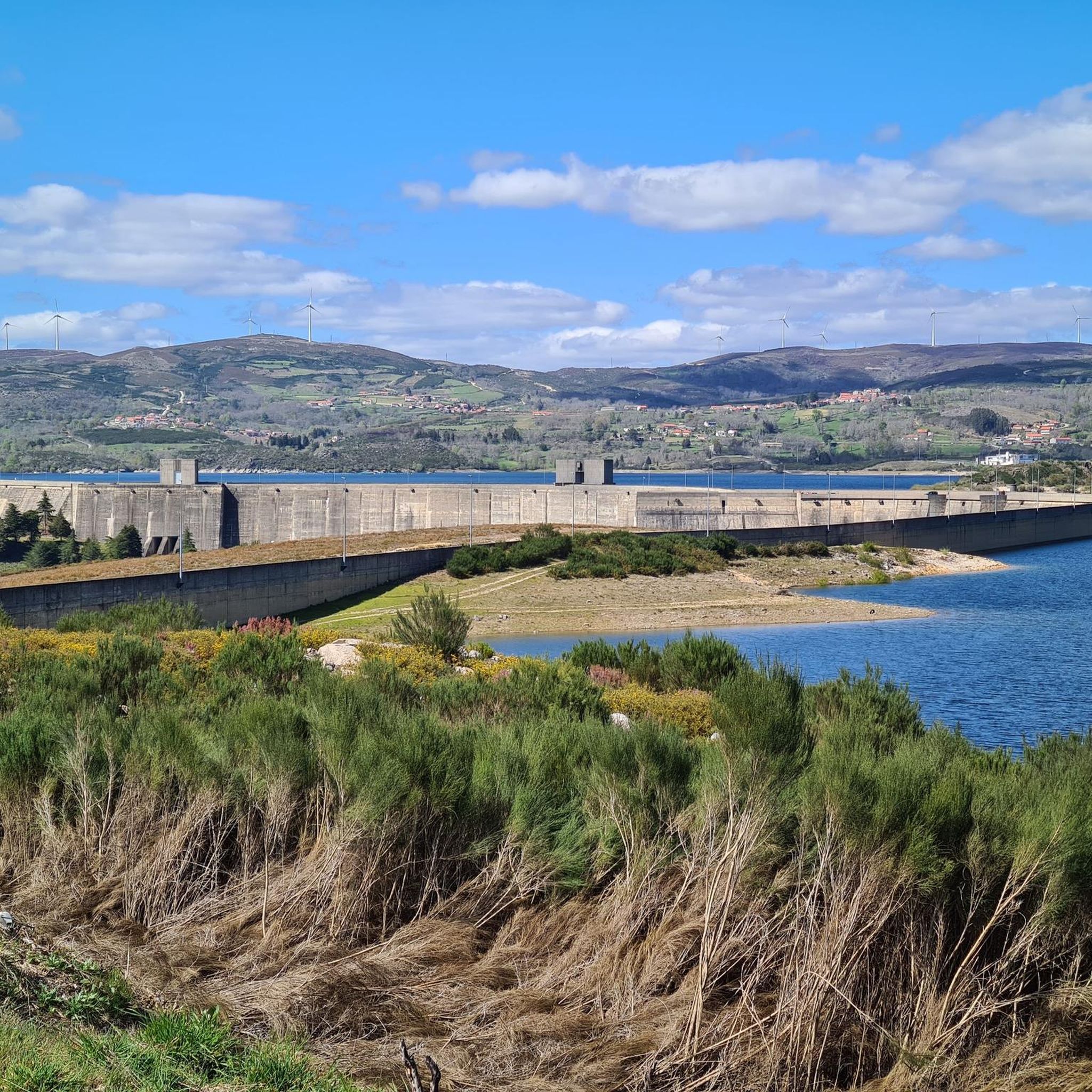
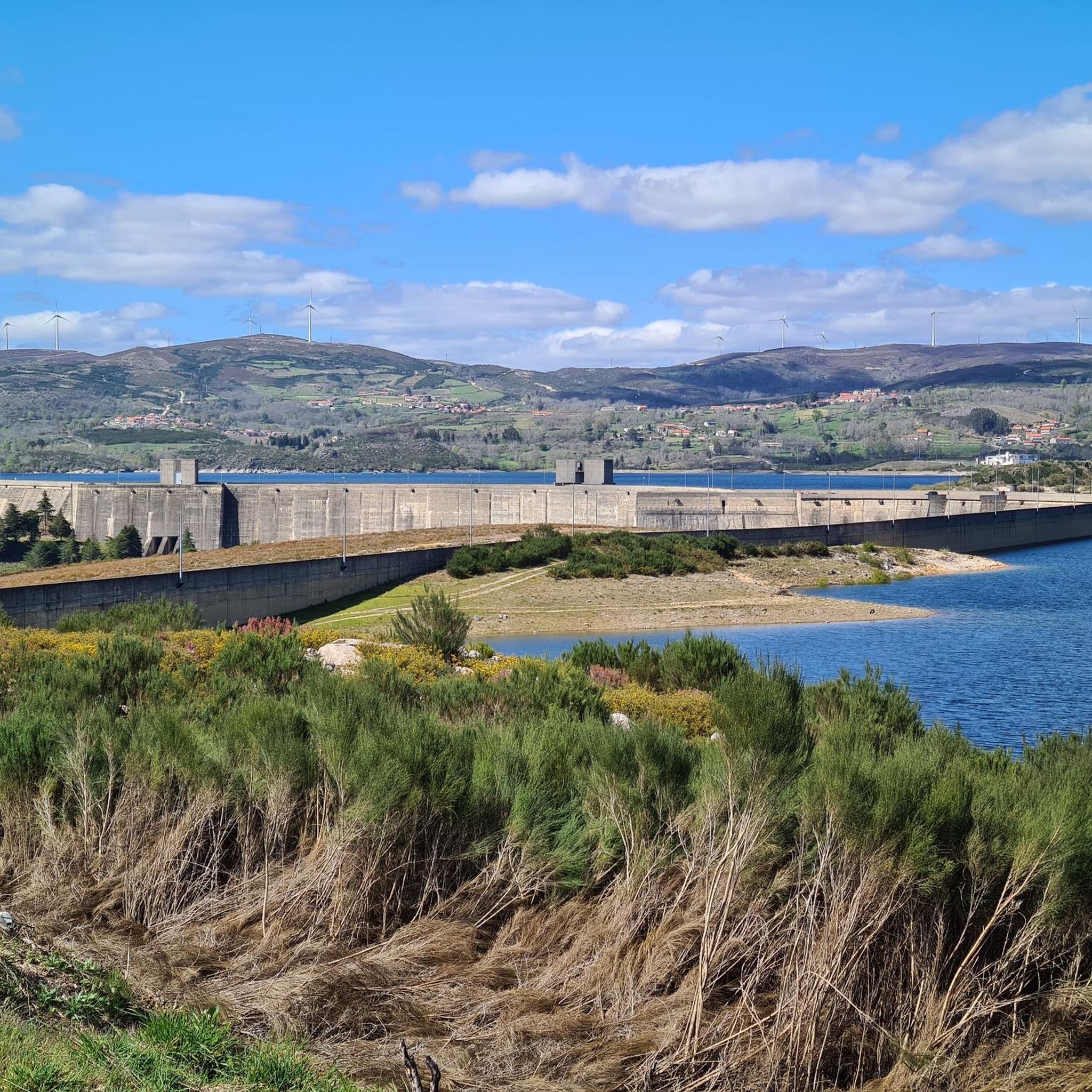
Yes, the area is known for its natural swimming spots. The Swimming spot in Peneda-Gerês National Park is a popular river valley with multiple bathing opportunities and rapids. Further into the park, Poço Azul (Blue Pool) is celebrated for its pristine waters and natural pool with a distinct diamond-green hue, perfect for a refreshing dip. The Fecha de Barjas Waterfall (Tahiti Waterfall) also offers natural pools for bathing.
What kind of hiking trails can I find near the canyons around Montalegre?
Montalegre is a great base for hiking, with trails ranging from moderate to difficult. You can explore routes like the 'Sete Lagoas (Seven Lagoons) – Seven Lagoons of Gerês loop' or the 'Seven Lagoons of Gerês – Rio Cabril Crossing loop'. The trail to Fenda da Calcedónia, also known as the Chalcedony Trail (PR1 TBR), is iconic, leading to ancient ruins and offering panoramic views. For more details on hiking routes, visit the Hiking around Montalegre guide.
Are there any family-friendly activities or trails around Montalegre's gorges?
While some trails can be challenging, there are options for families. The Peneda-Gerês National Park offers various natural attractions that can be enjoyed by families, such as the accessible swimming spots. When choosing hiking trails, look for those marked as 'easy' or 'moderate' in difficulty. For example, the 'Trail to Pincães Waterfall' is an easy loop from Cabril. Always check specific trail descriptions for suitability.
What are the difficulty levels for hiking trails in the Montalegre canyon region?
Hiking trails in the region vary significantly in difficulty. For instance, the descent at Fenda da Calcedónia can be very steep with scree sections, requiring good fitness and surefootedness. Other trails, like the 'Rio Cabril Crossing', can involve significant water levels, posing a natural challenge. Always check the difficulty grade for specific routes, which can range from easy to difficult, as detailed in the Hiking around Montalegre guide.
What other outdoor activities can I do near the canyons around Montalegre?
Beyond hiking, Montalegre offers excellent opportunities for mountain biking and road cycling. You can find numerous routes for both, exploring the diverse landscapes of the region. For mountain biking, consider routes like the 'Igreja de Morgade – Montalegre Castle loop'. Road cyclists might enjoy the 'Montalegre Circuit'. For detailed routes and difficulty levels, refer to the MTB Trails around Montalegre guide and the Road Cycling Routes around Montalegre guide.
Is canyoning a popular activity in the Montalegre area?
While Montalegre itself is known for gorges, its primary connection to canyoning is its proximity to the Peneda-Gerês National Park, which is considered a 'mecca' for canyoning in Portugal. The park offers numerous opportunities for guided canyoning experiences, involving rappelling, sliding down natural water slides, and jumping into clear pools. Options are available for various skill levels, from beginners to experienced adventurers.
What is the best time of year to visit the canyons and gorges near Montalegre?
The best time to visit for hiking and outdoor activities is generally during the spring (April to June) and autumn (September to October) when the weather is milder and the landscapes are vibrant. For canyoning and swimming, the warmer summer months (July and August) are ideal, though water levels might be lower. Always check local weather conditions before your visit.
Are there any historical or cultural sites near the canyons in Montalegre?
Yes, the region blends natural beauty with history. The Ponte da Misarela (Devil's Bridge) is a historic medieval bridge steeped in local legends, offering a glimpse into the area's past amidst a dramatic gorge setting. Additionally, the Chalcedony Trail leads to the ruins of the City of Chalcedony, an ancient pre-Roman hill fort.
What do visitors enjoy most about the canyons and gorges around Montalegre?
Visitors frequently praise the stunning natural beauty, the diverse landscapes, and the opportunities for adventure. Many enjoy the unique rock formations, the clear waters of the natural pools, and the challenging yet rewarding hiking trails. The sense of discovery, whether finding a hidden swimming spot or navigating a river crossing like Rio Cabril Crossing, is a common highlight.
Do I need permits to visit or hike in Peneda-Gerês National Park near Montalegre?
Peneda-Gerês National Park is a protected area. While general access for hiking is usually permitted, certain activities or specific areas might require permits, especially for organized canyoning tours or camping. It's advisable to check with the park's official visitor centers or local tour operators for the most current regulations regarding permits and access before planning your trip.
Where can I find accommodation or places to eat near the canyons around Montalegre?
Montalegre town itself offers various accommodation options, restaurants, and cafes. For areas closer to specific natural attractions within Peneda-Gerês National Park, villages like Xertelo or those near Sobrosa and Ermida might have guesthouses or local eateries. It's recommended to book accommodation in advance, especially during peak season, and to check for local services in smaller villages.
Most popular attractions around Montalegre

Get inspired with the komoot mobile app


Explore more
Already discovered everything in this region? See additional gorges around Montalegre for your next adventure:
