Top 5 Castles around Vila Do Bispo
Castles around Vila Do Bispo are primarily formidable fortresses and historical ruins, reflecting the region's past as a crucial coastal defense point on the southwestern tip of Europe. This area is historically significant for its role in Portugal's Age of Discoveries. The landscape features dramatic cliffs and ocean vistas, providing strategic locations for these historical structures. These sites offer insights into military architecture and maritime history.
Best castles around Vila Do Bispo
- The most popular castles is Sagres Fortress,…
Last updated: August 19, 2026
Sagres Fortress
Highlight • Historical Site
Tip by

Ponta da Bandeira Fort
Highlight • Historical Site
Tuesday to Sunday
10:00 am - 12:30 pm
14:00 - 17:30
Closed on Mondays
Translated by Google •
Tip by

Sign up now to discover places like this
Get recommendations on the best single tracks, peaks, & plenty of other exciting outdoor places.
Sign up for free
Almádena Fort
Highlight • Historical Site
Translated by Google •
Tip by

Fort of Santo António de Belixe
Highlight • Castle
Translated by Google •
Tip by

Governors' Castle of Lagos
Highlight • Castle
Translated by Google •
Tip by

Start today with a free account
Your next adventure awaits.
Login or Signup
Popular around Vila Do Bispo
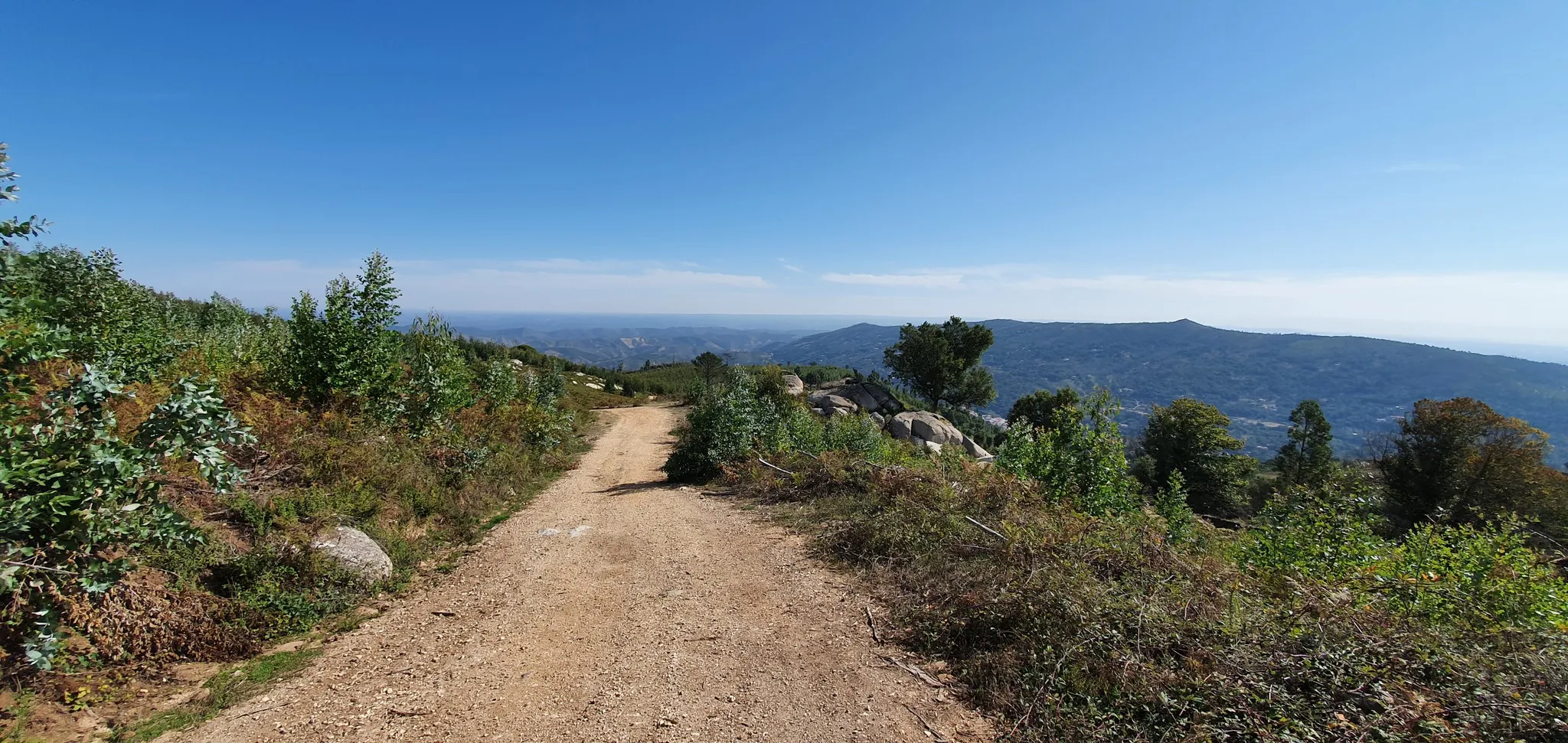
Via Algarviana (GR 13) - hidden corners of the south
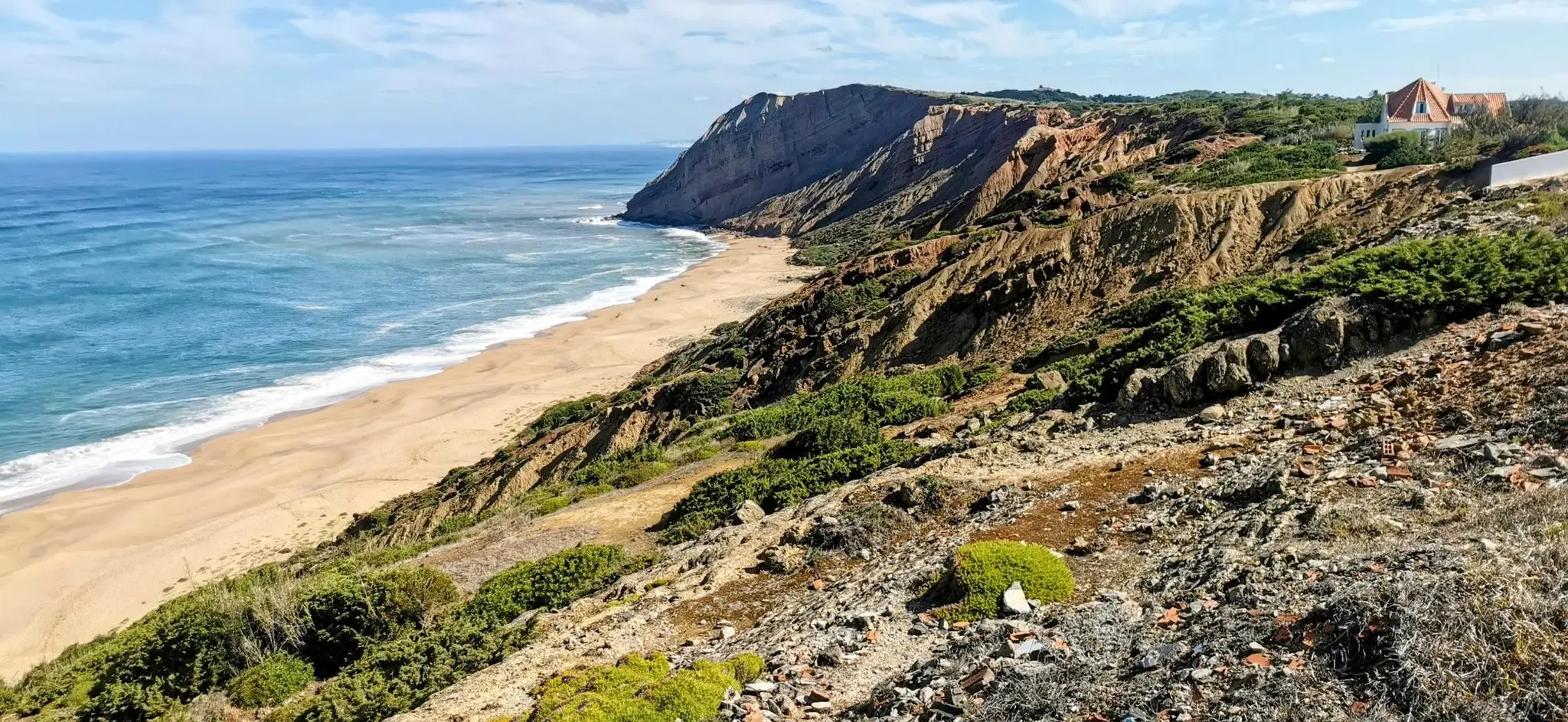
EuroVelo 1 Portugal – Cycle the Atlantic Coast
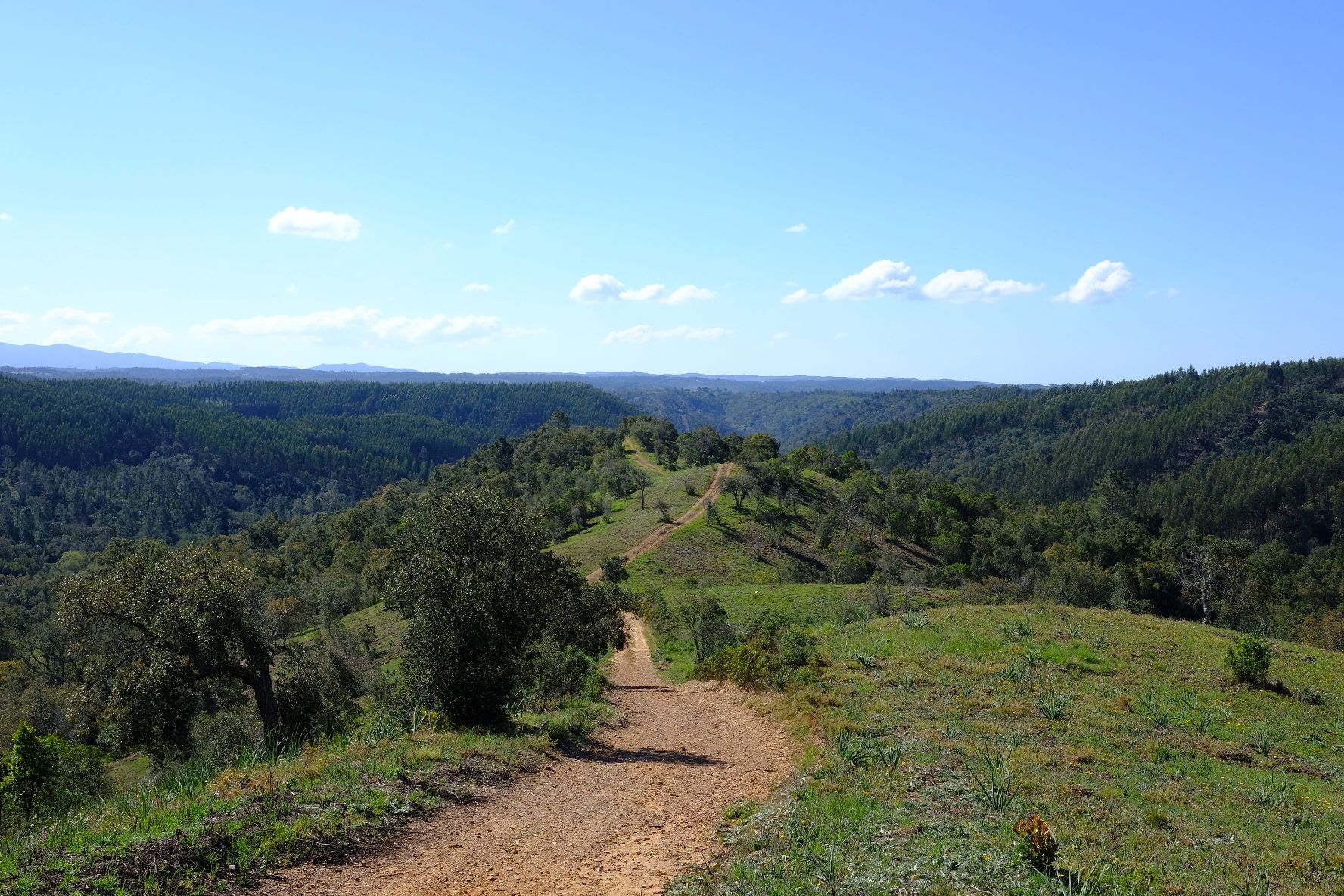
Caminho Histórico – Discover Portugal's beauty and history
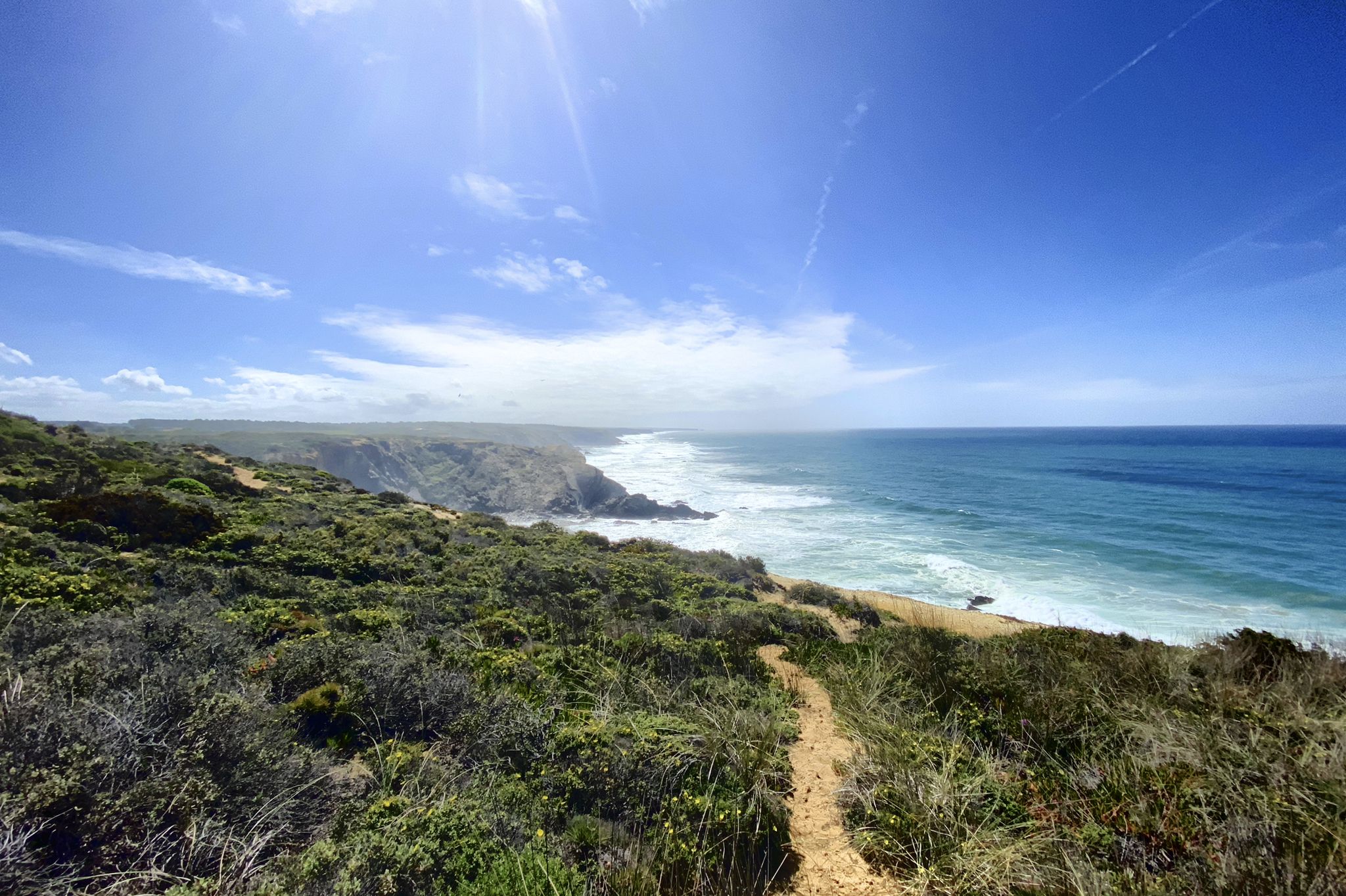
Trilho dos Pescadores – Portugal's Fishermen's Trail
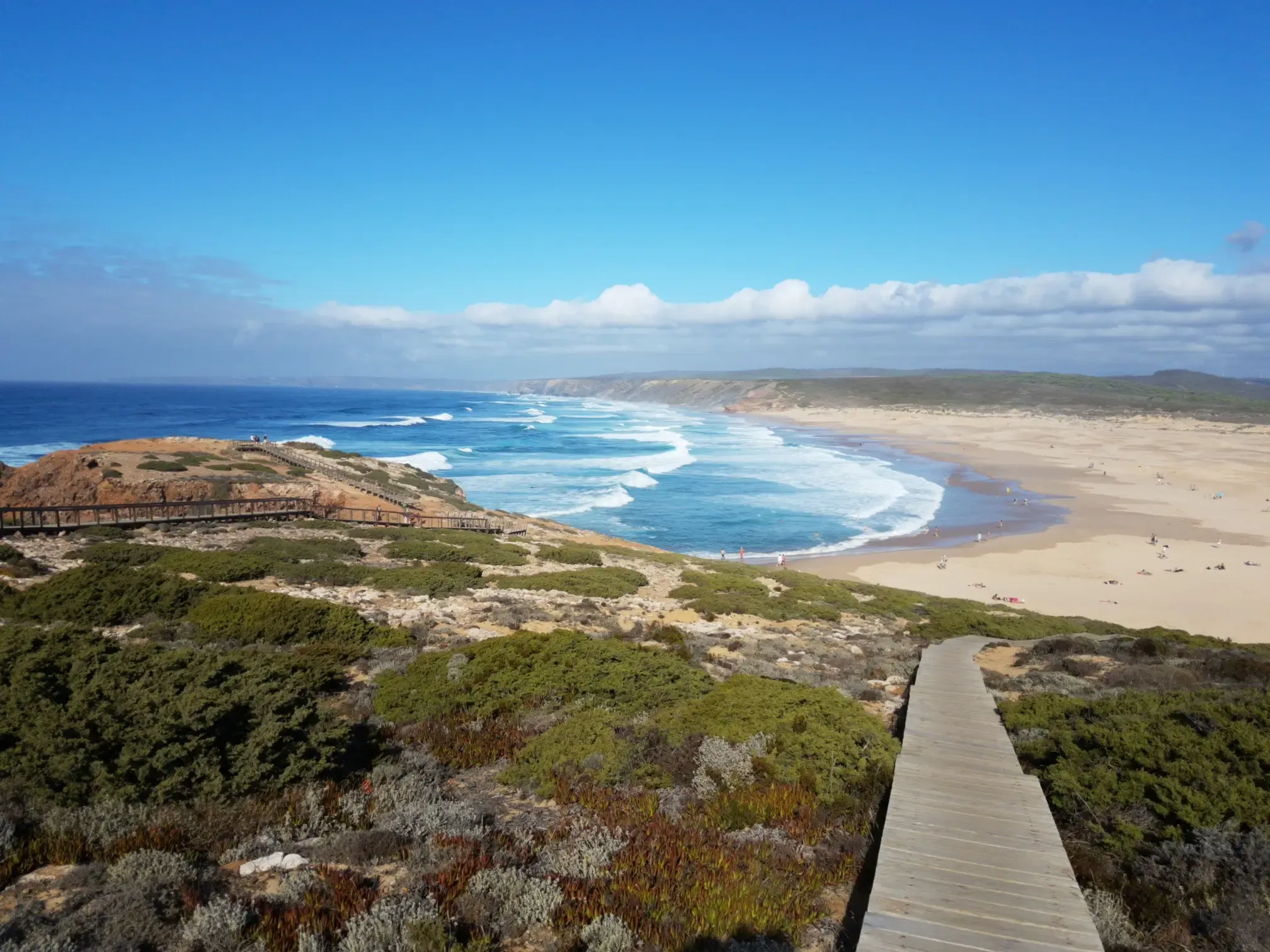
Lisbon to Santo António – The Atlantic Coast of Portugal (south)
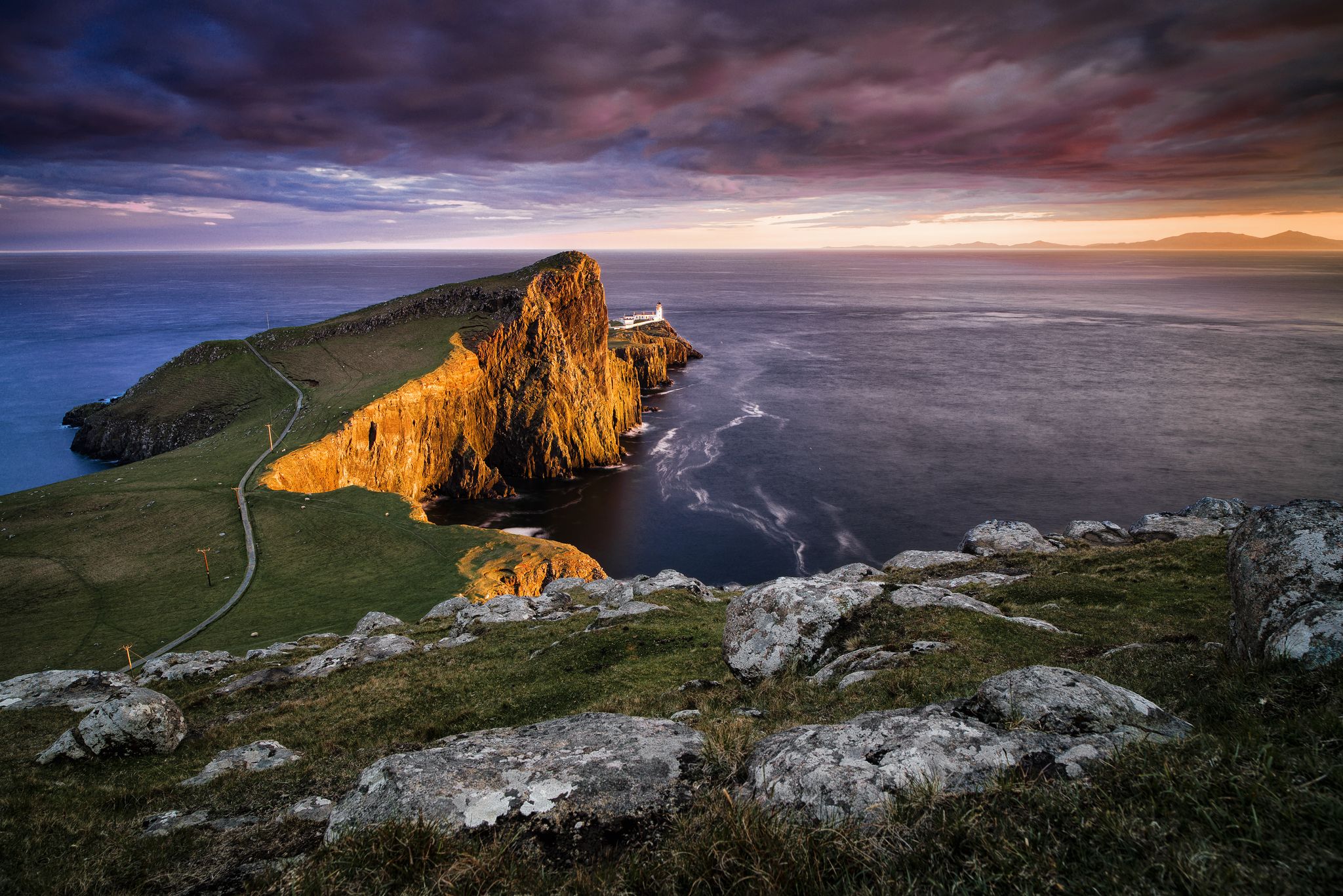
Epic sunset spots in Western Europe
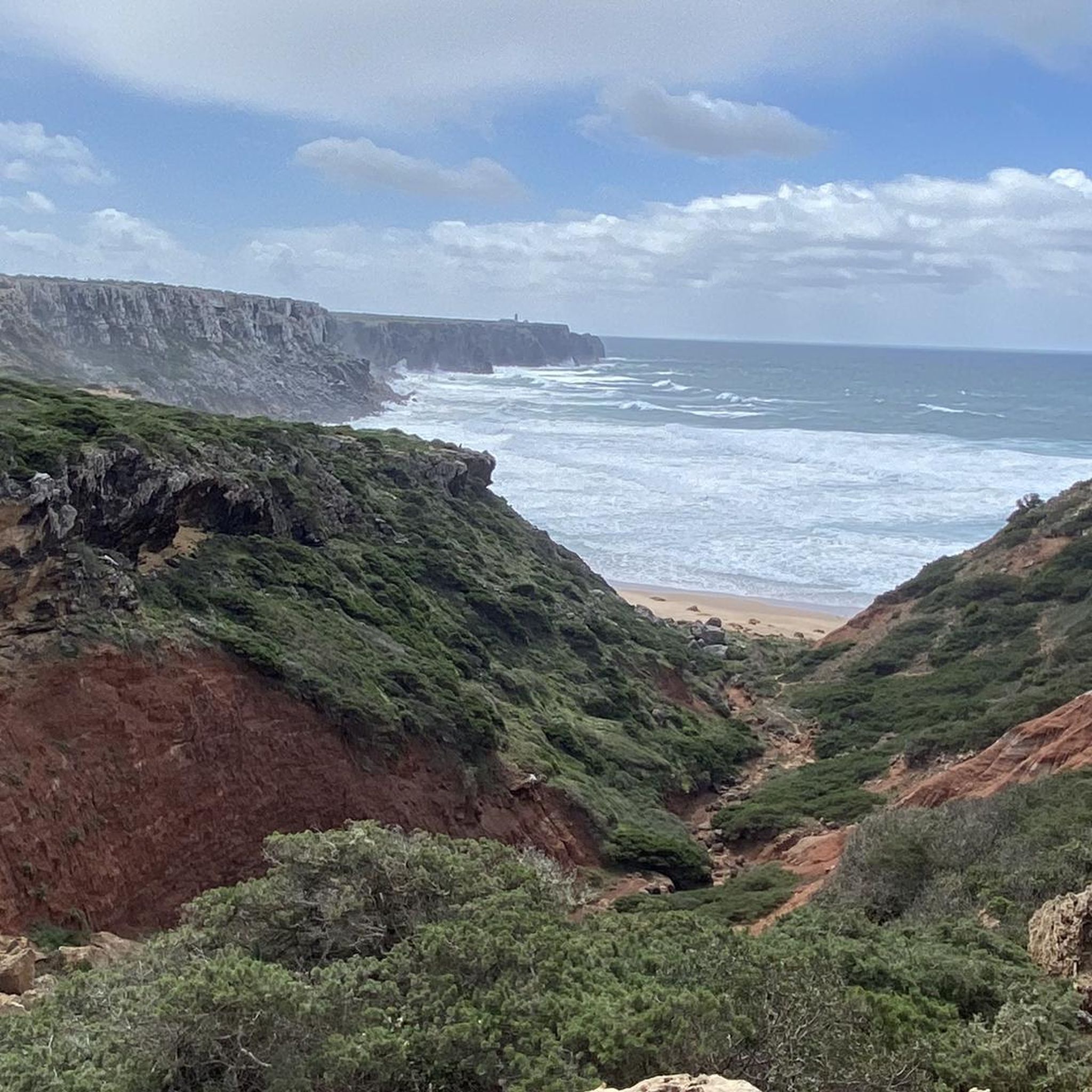
Hiking around Vila Do Bispo
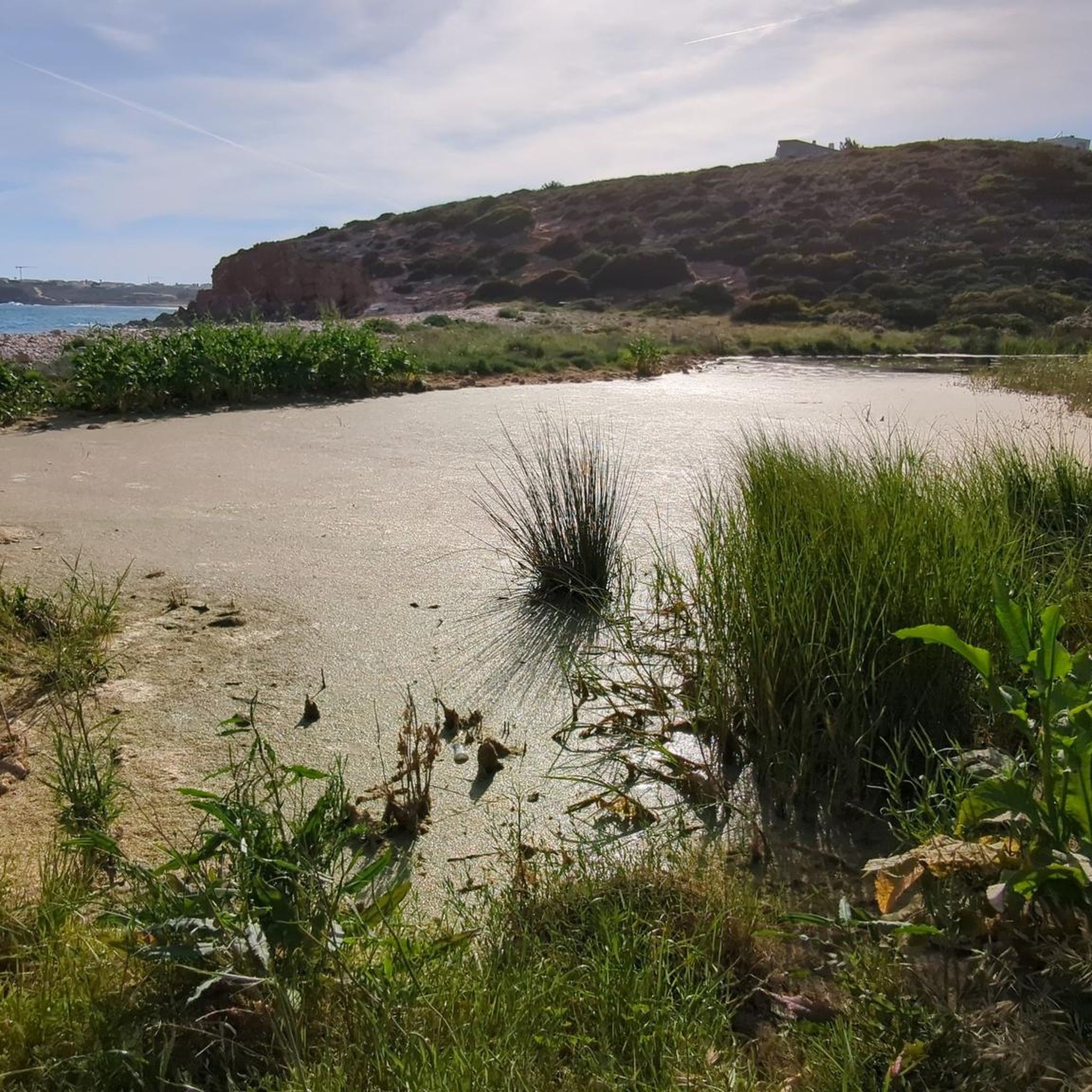
Running Trails around Vila Do Bispo
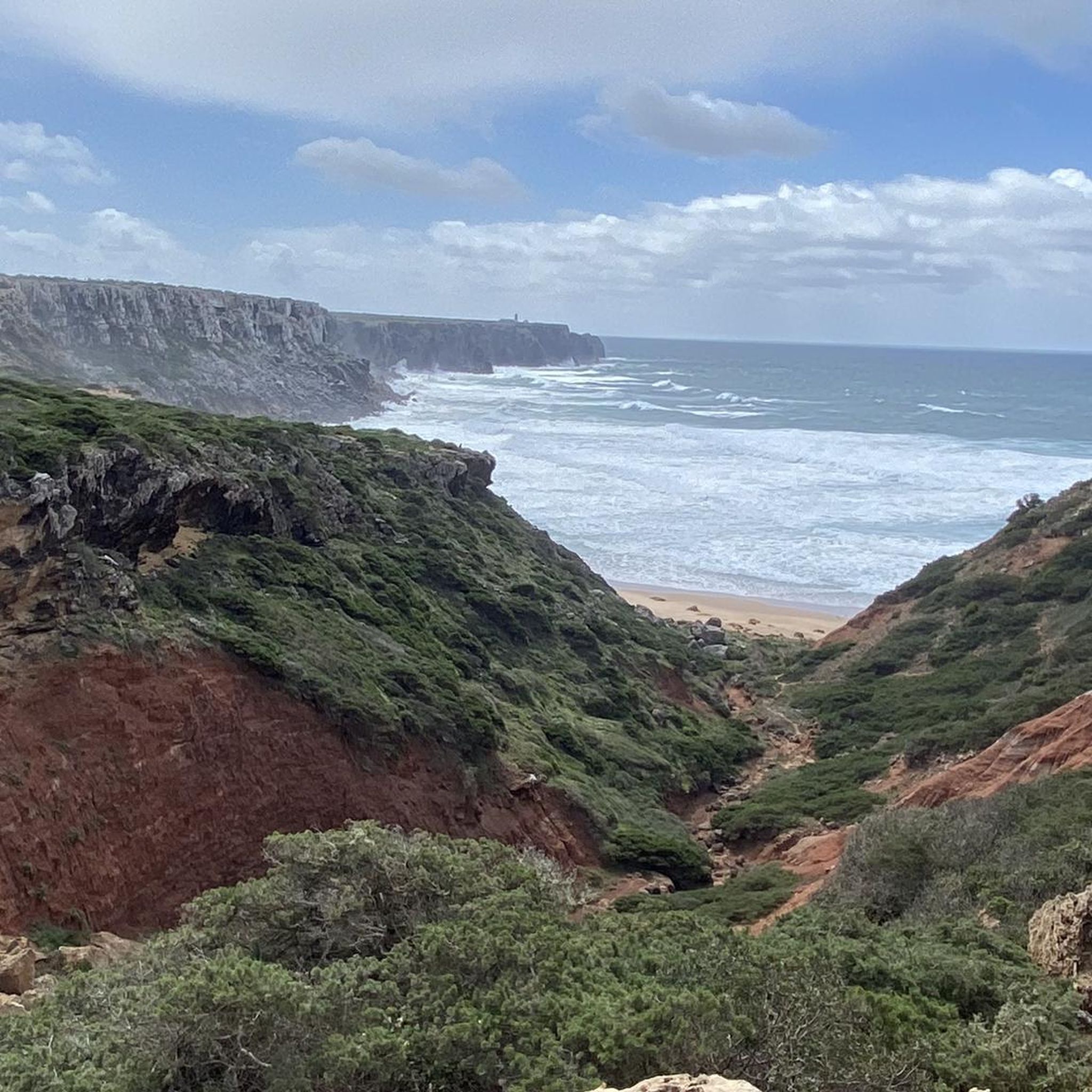
Road Cycling Routes around Vila Do Bispo
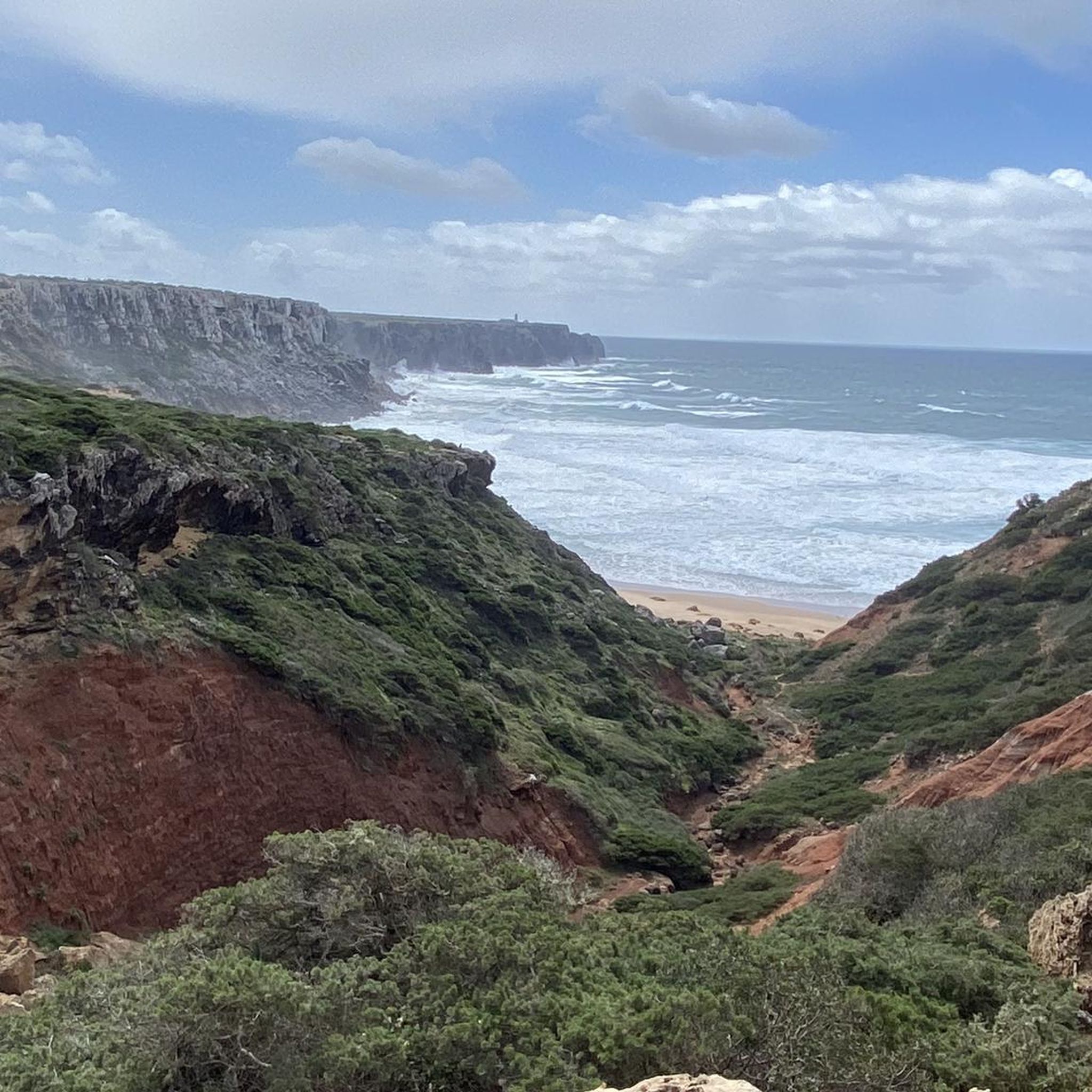
Cycling around Vila Do Bispo
Other adventures around Vila Do Bispo


Tips from the Community

Beliche cove marks the meeting point between southern and western Portugal, a setting where the sea and cliffs seem to clash. High above stands the Fort of Santo António de Belixe, a guardian of centuries and storms. Built before the 16th century, it survived attacks, reconstructions, and the 1755 earthquake, later being reborn as an inn. Nearby, the chapel of Santa Catarina, commissioned by Prince Henry the Navigator, serenely watches over the abyss. The views? Breathtaking: the Atlantic and the cliffs merge in a spectacle of pure grandeur.
4
0

Fortaleza de Sagres is a 15th-century fortress located on a cliff at the southwestern tip of Portugal, near Sagres. It was built by order of Prince Henry the Navigator and played a key role in the Portuguese voyages of discovery. The fortress offers impressive views of the Atlantic Ocean and includes an old compass and a small chapel.
3
0
The Forte da Ponta da Bandeira is a 17th-century coastal fort in Lagos, Portugal, originally built between 1680 and 1690 to defend the city from maritime threats. The fort is designed with a square plan, thick walls facing the sea, and a surrounding moat, accessible via a drawbridge. It contains a small chapel dedicated to Santa Bárbara, the patron saint of artillery, completely clad in 17th-century azulejos.
2
0
Also known as the Fortaleza de Beliche, this historic fortress is located on the high cliffs of Cabo de São Vicente, near Sagres, in the Algarve, Portugal. It stands approximately 86 meters above sea level and was built to protect the bay of Beliche from pirates and corsairs.
4
0

The Governors' Castle (Castelo dos Governadores) dates from the 17th century and houses the last collection of the Seven Oratories of the Holy Place (Sete Passos da Vila Sacra) that were scattered throughout the city in the 18th century. On the façade, above both doors, is the coat of arms of the Kingdom of the Algarve and between them the family coat of arms of the Count of Avintes. The large baroque pediment crowns the oratory, enclosed by two large wooden gates.
0
0

The fortress withstood the earthquake of 1755, but was abandoned when piracy ceased to threaten the coast.
0
0

Great old stone staircase leading to the sea 🫶🏼
2
0
Cool old walls with an old stone staircase leading to the sea🫶🏼🫶🏼
2
0
Frequently Asked Questions
What are the most historically significant fortresses around Vila do Bispo?
The most historically significant fortress is the Sagres Fortress. It dates back to the 15th century and is deeply connected to Infante Henry the Navigator and Portugal's Age of Discoveries. Other notable sites include the Fort of Santo António de Belixe, a 16th/17th-century structure near Cape St. Vincent, and the ruins of Almádena Fort, built in 1632 to protect local fisheries.
Are there family-friendly fortresses to visit in the Vila do Bispo region?
Yes, both the Sagres Fortress and Ponta da Bandeira Fort are considered family-friendly. They offer historical exploration in an engaging setting, with plenty of space to walk around and enjoy the views.
What kind of views can I expect from these fortresses?
Many of the fortresses, especially Sagres Fortress, offer breathtaking panoramic views of the Atlantic Ocean and dramatic coastal cliffs. From Sagres, you can see as far as Cape St. Vincent. The Fort of Santo António de Belixe and Almádena Fort also provide excellent coastal vistas, highlighting the strategic importance of their locations.
What is the best time of year to visit the fortresses around Vila do Bispo?
The fortresses can be visited year-round. However, spring (April-May) and autumn (September-October) offer pleasant temperatures for exploring without the peak summer crowds. Summer (June-August) is also popular, but it can be very warm and busy. Winter months are generally milder but can be windier.
Are there any unique architectural features or artifacts within the fortresses?
The Sagres Fortress features the Church of Nossa Senhora da Graça, founded during Henry the Navigator's time, and a large, mysterious 43-meter diameter 'Rosa dos Ventos' (Wind Compass). The Ponta da Bandeira Fort includes a chapel dedicated to St. Barbara with an 18th-century azulejo group.
How long should I plan for a visit to a fortress like Sagres?
For the Sagres Fortress, you should plan at least 2-3 hours to explore the grounds, walk the walls, visit the church and wind compass, and enjoy the panoramic views. Smaller ruins like Almádena Fort might take less time, perhaps 30-60 minutes.
What outdoor activities can I do near these fortresses?
The coastal areas around the fortresses are excellent for outdoor activities. You can find numerous cycling and gravel biking routes. For example, near Sagres, there are routes like 'From Salema to Cabo de São Vicente' or 'Vila do Bispo – Beliche Beach loop'. You can explore more options on the Cycling around Vila Do Bispo guide.
Are there cafes or restaurants near the fortresses?
The Sagres Fortress is located near the town of Sagres, which offers various cafes and restaurants. The Fort of Santo António de Belixe was historically reborn as an inn, and while its current status varies, nearby towns and beaches often have dining options. It's advisable to check local listings for current availability.
What do visitors enjoy most about the fortresses around Vila do Bispo?
Visitors frequently highlight the profound historical connections, especially to the Age of Discoveries, and the stunning natural beauty of the surroundings. The ability to walk along fortified walls, explore ancient structures, and soak in the vast ocean vistas are often mentioned as key attractions. The dramatic cliffs and strategic locations make for a memorable experience.
Can I find information about opening hours for the fortresses?
Opening hours can vary. For example, Ponta da Bandeira Fort has specific hours (Tuesday to Sunday, 10:00 am - 12:30 pm and 2:00 pm - 5:30 pm, closed Mondays), but it's important to note that it has been closed indefinitely at times. For the most current information, especially for Sagres Fortress, it's best to check official local tourism websites or the site directly.
Are there any lesser-known or 'hidden gem' fortifications to explore?
Beyond the prominent Sagres Fortress, the ruins of Almádena Fort and the Fort of Santo António de Belixe offer a glimpse into the region's defensive past without the same level of visitor traffic. Additionally, various other ruins and watchtowers, such as Torre de Aspa and those at Figueira, Zavial, and Barranco, dot the coastline, providing opportunities for more secluded exploration.
What is the significance of the fortresses in Vila do Bispo's history?
The fortresses around Vila do Bispo were crucial for coastal defense, particularly against pirates and invasions, and played a significant role in protecting vital sea routes between the Atlantic and Mediterranean. They highlight the region's strategic importance during Portugal's Age of Discoveries and its ongoing need for protection against maritime threats throughout history.
Most popular routes around Vila Do Bispo
Most popular attractions around Vila Do Bispo

Get inspired with the komoot mobile app


Explore more
Looking for the best castles somewhere else? Discover other guides around Vila Do Bispo:
