Top 7 Lakes around Sines
Lakes around Sines offer diverse natural water bodies within the coastal region of Portugal. The area is primarily known for its coastline, but also features significant freshwater ecosystems. A notable natural water body is the Lagoa de Santo André e da Sancha Natural Reserve, which extends into the Sines municipality. This reserve provides opportunities for birdwatching and hiking, contrasting with the coastal environment.
Best lakes around Sines
- The most popular lakes is Costa de Santo André Beach, a beach…
Last updated: August 19, 2026
Campilhas Reservoir
Highlight • Lake
Translated by Google •
Tip by

Costa de Santo André Beach
Highlight • Beach
Translated by Google •
Tip by

Sign up now to discover places like this
Get recommendations on the best single tracks, peaks, & plenty of other exciting outdoor places.
Sign up for free
Ribeira de Moinhos Lagoon
Highlight • Lake
Translated by Google •
Tip by

View over the Lagoa de Santo André
Highlight • Viewpoint
Showing Translation
Tip by

Santo André and Sancha Lagoons Nature Reserve
Highlight • Lake
Translated by Google •
Tip by

Sign up for free to discover even more lakes around Sines.
Sign up for free
Already have an account?
Start today with a free account
Your next adventure awaits.
Login or Signup
Popular around Sines
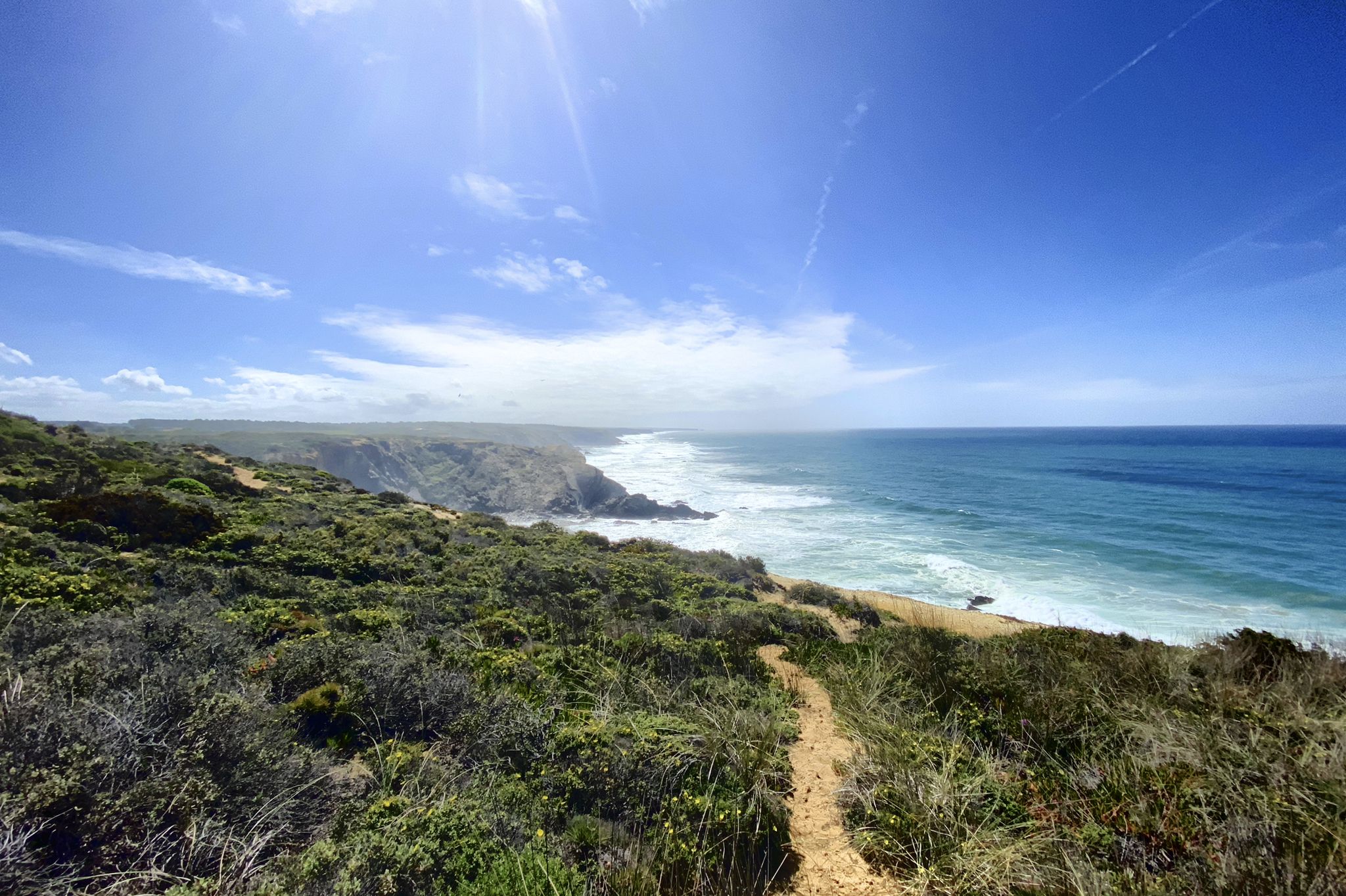
Trilho dos Pescadores – Portugal's Fishermen's Trail
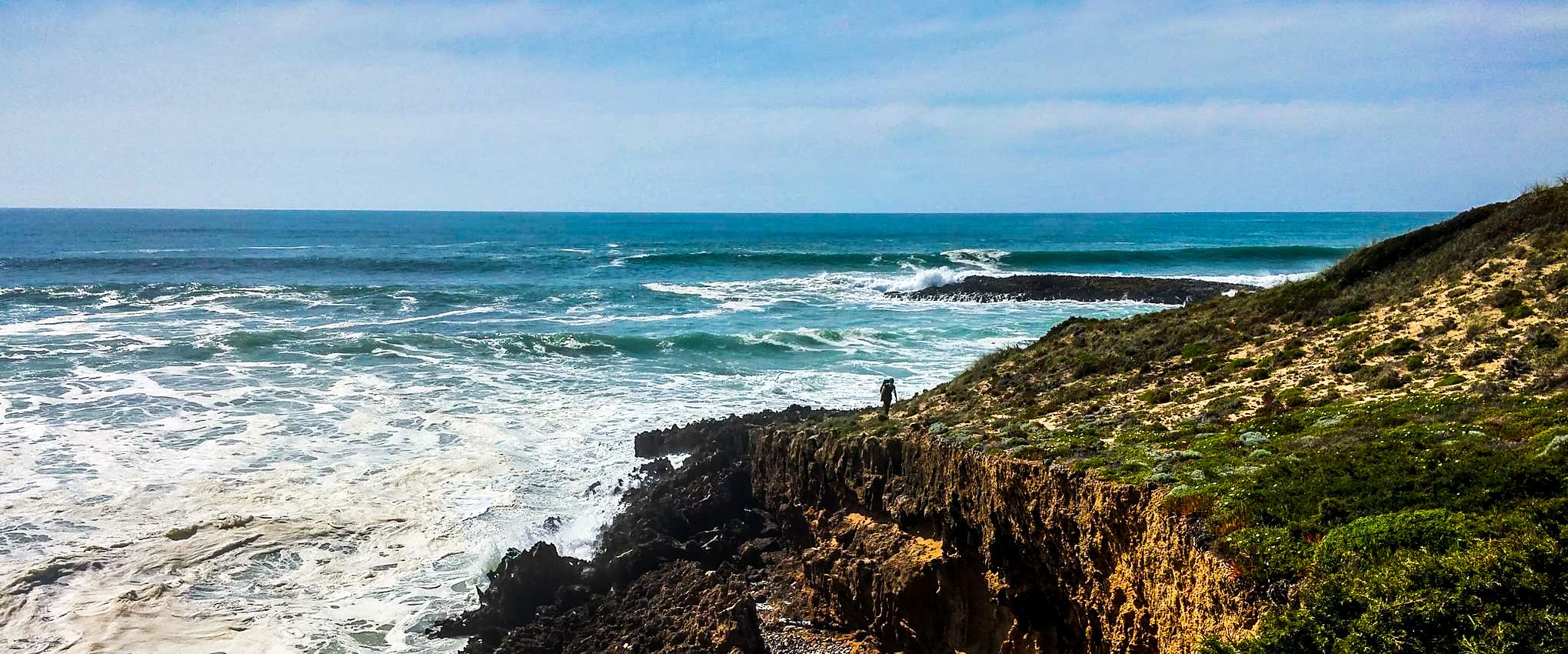
Fishermen's Trail – Discover Portugal's Atlantic Coast
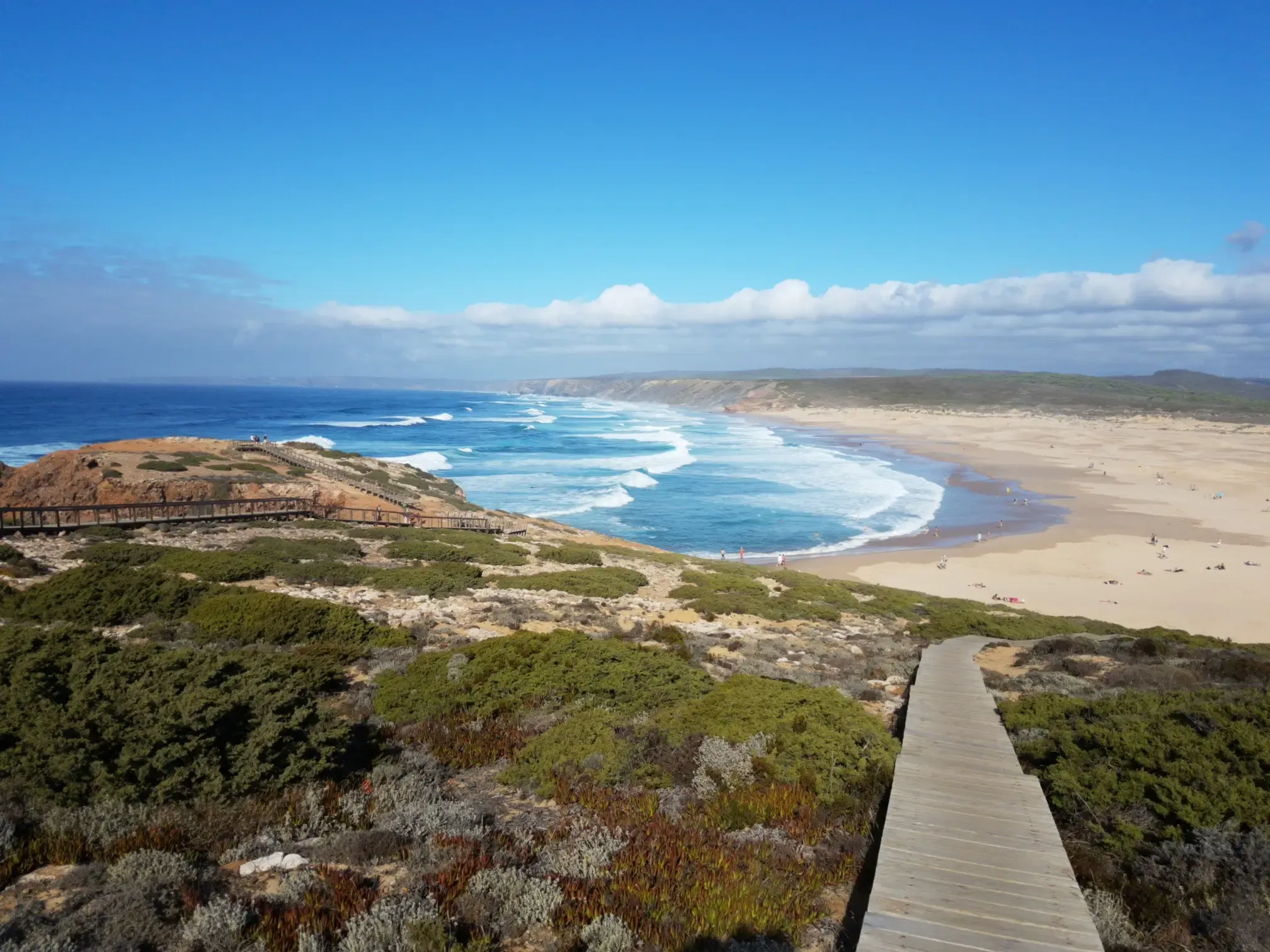
Lisbon to Santo António – The Atlantic Coast of Portugal (south)
Hiking around Sines
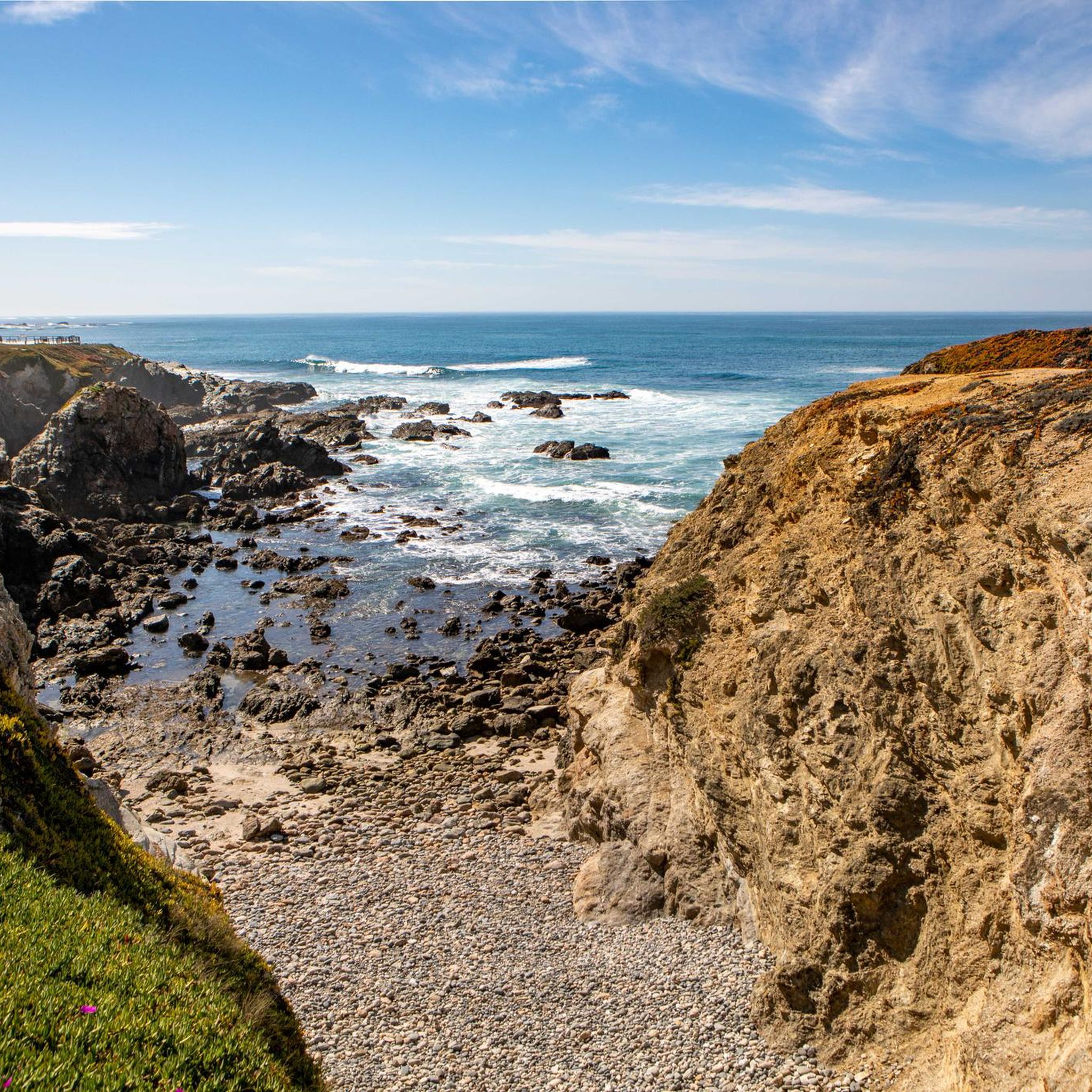
Running Trails around Sines
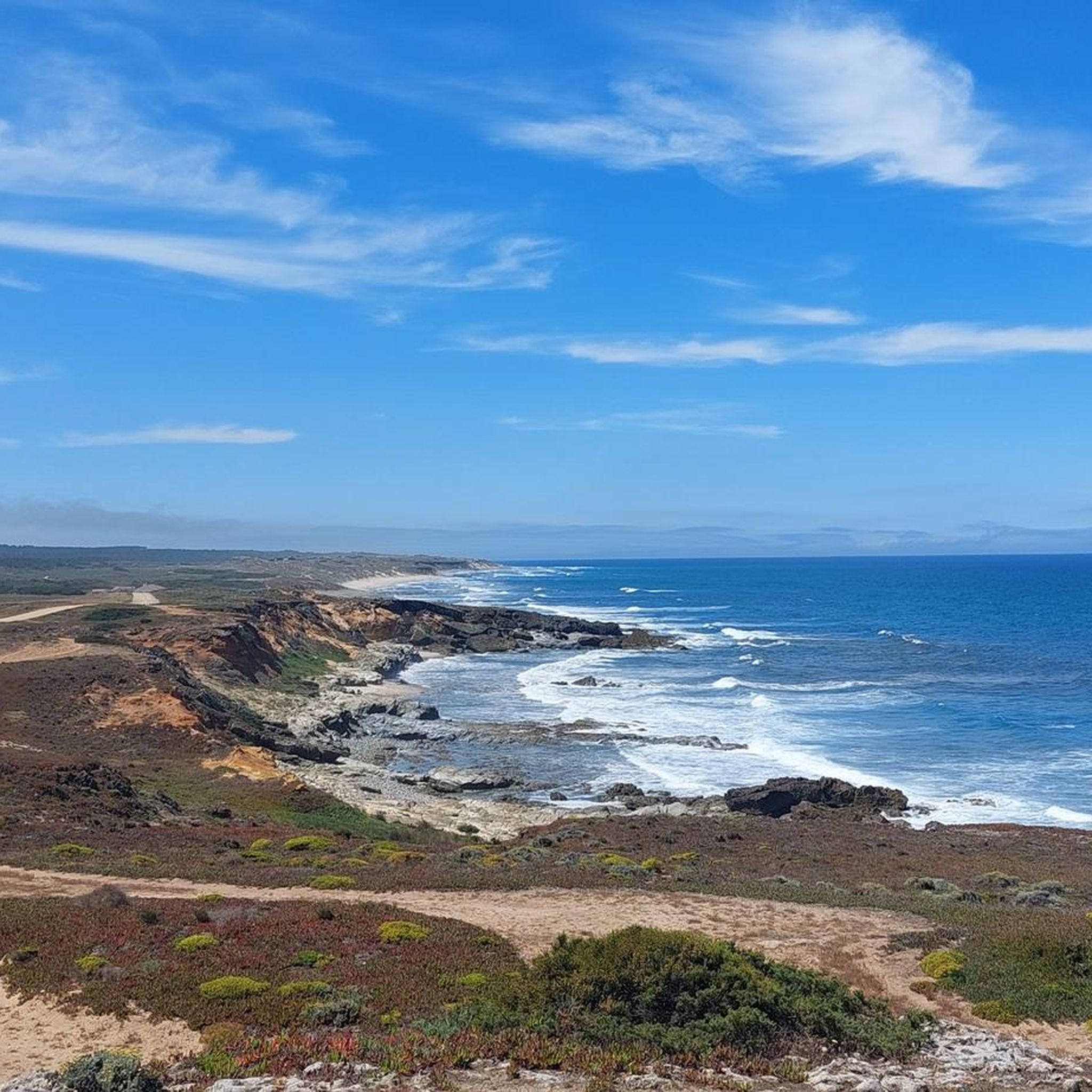
Cycling around Sines
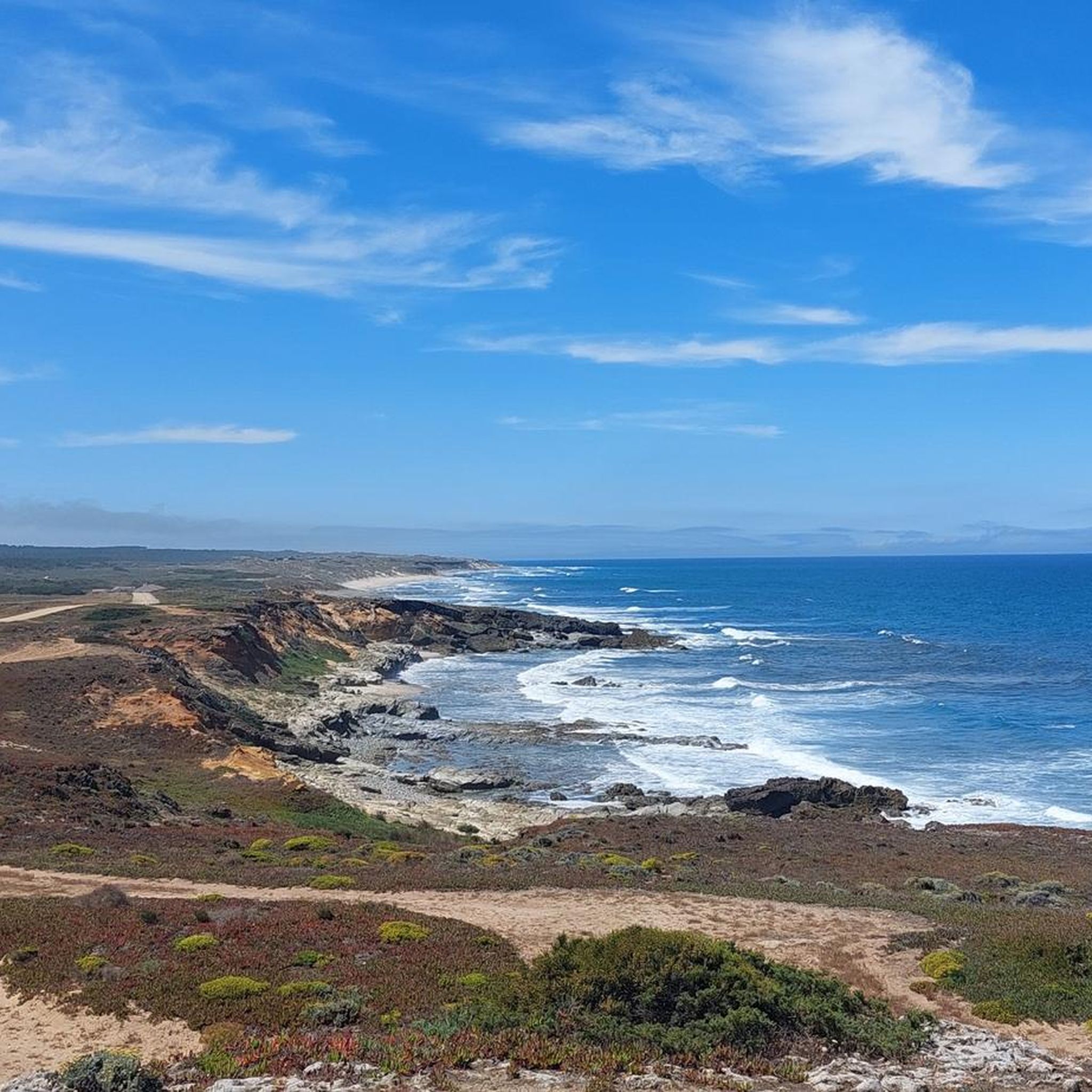
Road Cycling Routes around Sines
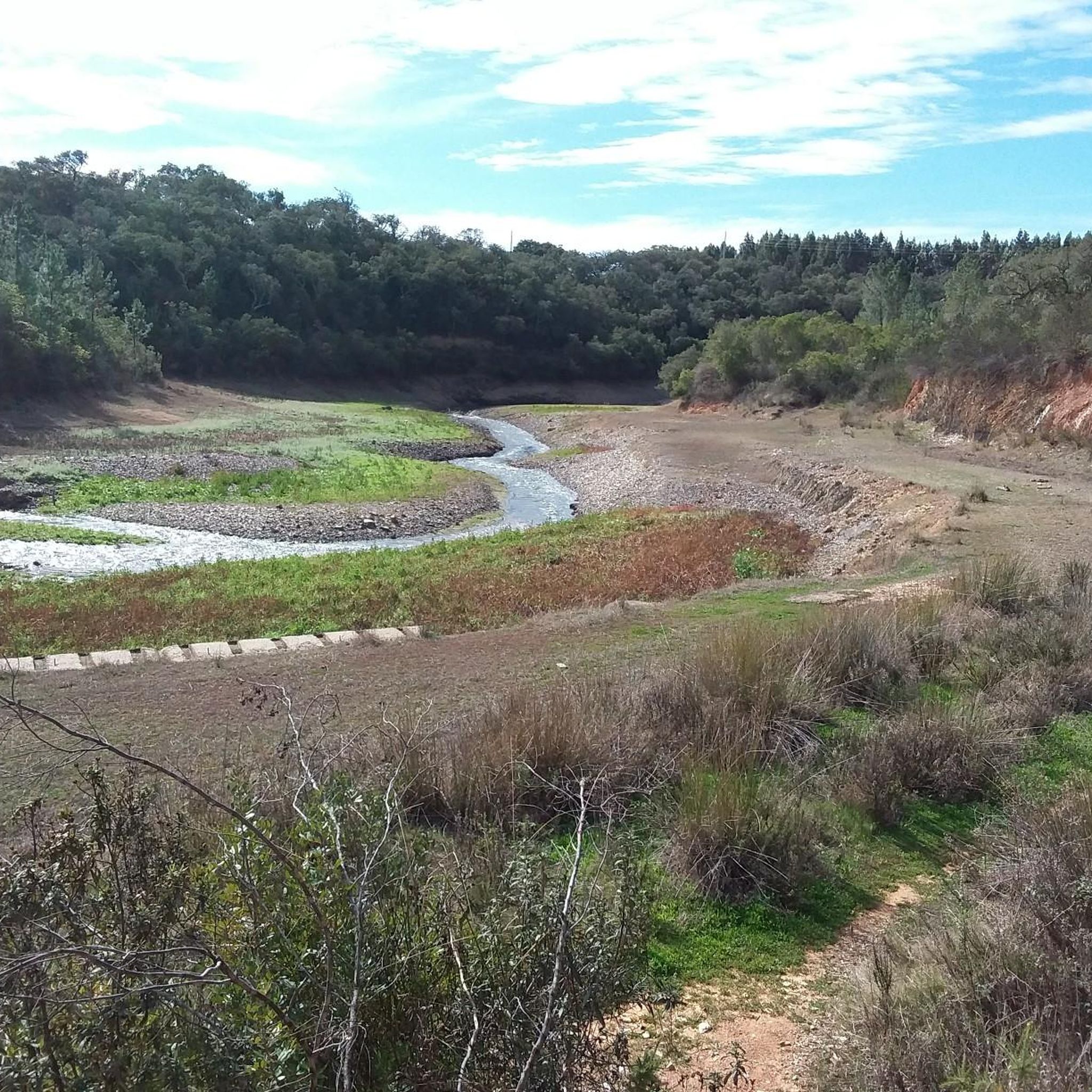
MTB Trails around Sines

Gravel biking around Sines


Tips from the Community

The Lagoa de Santo André is located on the Alentejo coast, between the Tróia peninsula and Cape Sines. It is part of the Nature Reserve of Lagoas de Santo André and Sancha, which occupies part of the coastline of the municipalities of Sines and Santiago do Cacém. The lagoon is situated in the municipality of Santiago do Cacém, about 150 meters from the coast.
0
0

It is possible to visit the lagoon from the north or south shore. In the first case, there are higher observation points, which allow for a wider view, especially at the far end; the second option may be more advantageous on sunny days, as the light will be more favourable. Whichever route you choose, you can follow the path to the beach and start observing the beach inland. On the north side, the best observation point is right at the end of the path – there is a small hill there, which allows a good view of the lagoon and the beach. On the south side, there is a dirt track that ends in a small car park, which also provides easy access to the lagoon. In the lagoon itself, it is common to see mallards, little egrets, grey herons, cormorants and, occasionally, marsh harriers and common terns. During the nesting season, the purple heron is also present – this species often hides among the reeds, making it easier to see when it takes flight. There are other birds that frequent the reeds and, although frequent, are easier to hear than to see – such as the moorhen, the nightingale and, during the nesting season, the reed warbler. The Moinhos stream also attracts some birds that feed in flight, such as the black swift and the sand martin, which are regularly seen here in spring. The surrounding lands are home to several passerines, such as the reed martin, the linnet and the corn bunting. Sometimes, small flocks of waxbills appear. On the beach it is common to see large flocks of seagulls resting, while in the sea gannets can be seen fishing, sometimes at a short distance. The Kentish plover can also be seen regularly on the beach or in the adjacent dunes. Another species that lives in the dunes is the mountain lark. ( avesdeportugal.info )
3
1
Near Sines, the mouth of the Moinhos stream forms a small lagoon; this wetland is one of the least known on the Portuguese coast; however, the extensive emergent vegetation makes this place an interesting refuge for water birds.
3
1

Beautiful, fine beach, no catering open in March 2025.
2
1

Rustic beach bar with a great view of the Atlantic surf from the deckchair, feet in the sand, a cold beer in your hand - what more could you want?
3
2
Nature reserve with a beautiful beach, lagoon and beach bar, not overcrowded.
3
5
Very nice long beach (and some up to 200 meters wide) with a lagoon and beach bar. Immediately behind it is the Lagos de Santo André e Sancha, a nature reserve.
4
5

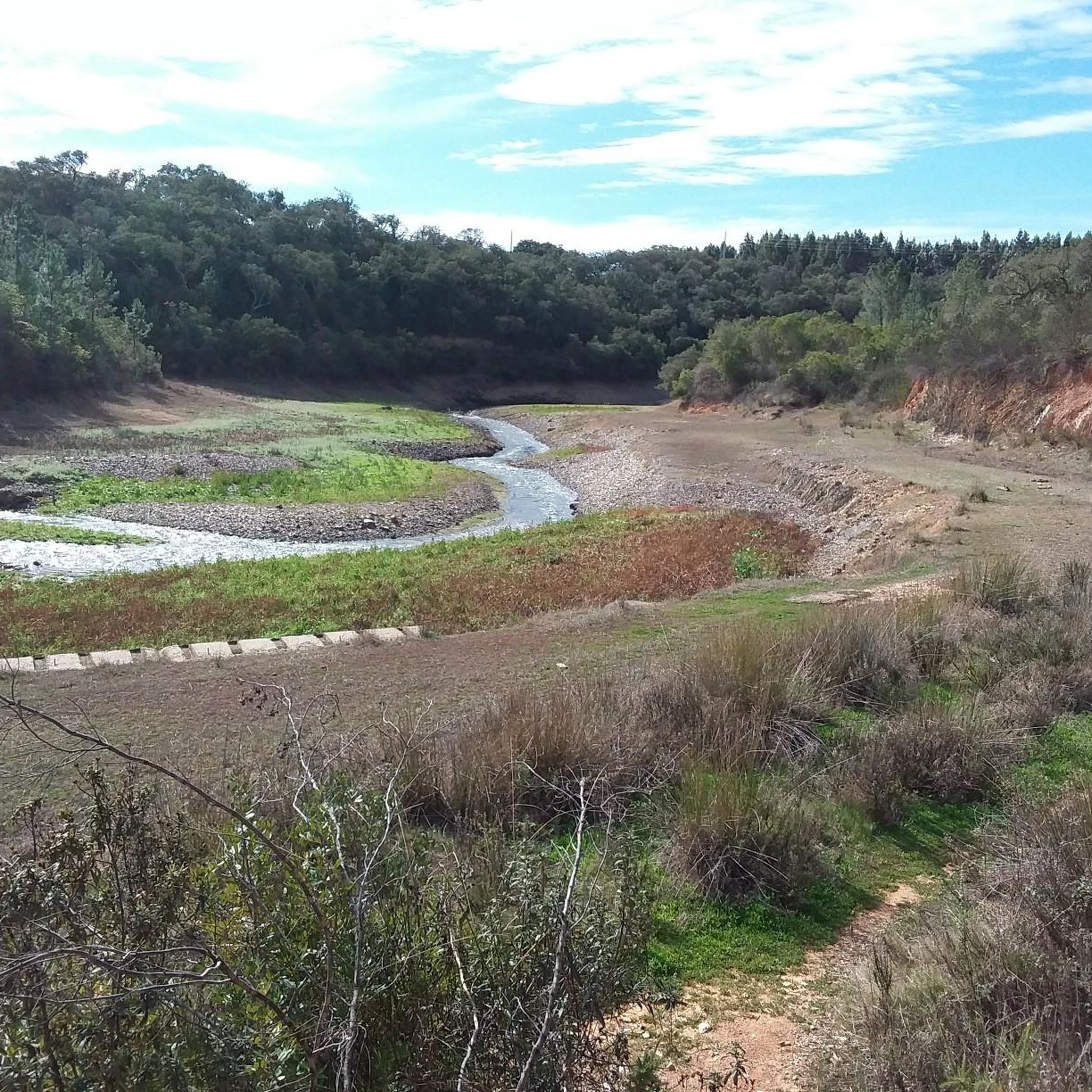
Completed in 1954, the large Campilhas dam lake can be used to produce electricity, supply drinking water and maintain an irrigation network. Due to repeated droughts, the lake can no longer recover the levels of its creation.
2
0
Frequently Asked Questions
What types of freshwater bodies can I explore around Sines?
Around Sines, you can explore a variety of freshwater bodies, including large dam lakes like Campilhas Reservoir, natural lagoons such as Ribeira de Moinhos Lagoon, and significant natural reserve wetlands like the Santo André and Sancha Lagoons Nature Reserve.
Are there any natural reserves focused on lakes near Sines?
Yes, the Santo André and Sancha Lagoons Nature Reserve is a significant ecological area that extends into the Sines municipality. It's known for its diverse flora and fauna, offering excellent opportunities for birdwatching and nature observation.
Which lakes are best for birdwatching around Sines?
The Santo André and Sancha Lagoons Nature Reserve is ideal for observing waterfowl, including pelicans and flamingos. Additionally, Ribeira de Moinhos Lagoon serves as a refuge for various water birds like mallards and little egrets, making it another excellent spot for birdwatching.
Can I swim in any of the lakes or lagoons near Sines?
Yes, Costa de Santo André Beach, which is adjacent to the Lago de Santo André system, is an ideal location for swimming. The Santo André and Sancha Lagoons Nature Reserve also features a beautiful beach and lagoon where visitors can enjoy the water.
Are there family-friendly lakes to visit near Sines?
Several lakes and lagoons around Sines are considered family-friendly. These include Costa de Santo André Beach, Ribeira de Moinhos Lagoon, the Santo André and Sancha Lagoons Nature Reserve, and Malhão Mediterranean temporary pond. These locations often offer easy access and opportunities for gentle walks or beach activities.
What kind of history is associated with the lakes in the Sines area?
The Campilhas Reservoir has a notable history, having been completed in 1954. It was originally designed for electricity production, drinking water supply, and irrigation, playing a significant role in the region's infrastructure development.
What outdoor activities can I do near the lakes around Sines?
Beyond enjoying the lakes themselves, you can find various outdoor activities nearby. There are numerous hiking routes, such as those detailed in the Hiking around Sines guide, and options for road cycling and gravel biking, which you can explore through the Road Cycling Routes around Sines and Gravel biking around Sines guides.
Are there hiking trails around the lagoons near Sines?
Yes, the hinterland around the Lagoas de Santo André, which includes the Santo André and Sancha Lagoons Nature Reserve, offers wonderful opportunities for hikes. You can also find an informative walking path on decking over the Malhão Mediterranean temporary pond.
What is the best time of year to visit the lakes near Sines?
While specific seasonal details for all lakes vary, the region generally offers pleasant conditions for outdoor activities. For birdwatching, certain seasons might be more active. For example, the Ribeira de Moinhos Lagoon sees the purple heron during nesting season and various swifts and martins in spring. March might be cooler, as noted by visitors to Costa de Santo André Beach.
Are there any amenities like cafes or restaurants near the lakes?
Yes, Costa de Santo André Beach, located near the Lago de Santo André, is known to have options for cafes, pubs, and restaurants. The Santo André and Sancha Lagoons Nature Reserve also features a beach bar.
What makes Ribeira de Moinhos Lagoon unique?
The Ribeira de Moinhos Lagoon is a unique wetland formed by the mouth of the Moinhos stream. It's one of the least known on the Portuguese coast but provides an important refuge for water birds due to its extensive emergent vegetation. It also offers higher observation points for wider views.
Most popular attractions around Sines

Get inspired with the komoot mobile app


Explore more
Still not found your perfect lake around Sines? Check out the guides of these regions to see even more beautiful places.
