Top 4 Castles around Clef-Vallée-D'Eure
Best castles around Clef-Vallée-D'Eure are situated in a commune rich in Norman history, offering insights into various eras of French heritage. The region is characterized by its natural landscape, including the confluence of the Eure and Iton rivers, providing picturesque settings for historical sites. These attractions near Clef-Vallée-D'Eure showcase a blend of architectural styles, from medieval fortresses to Renaissance designs. The area's cultural significance is deeply rooted in its historical buildings and preserved rural environments.
Best castles around Clef-Vallée-D'Eure
- The…
Last updated: June 26, 2026
Houetteville Castle
Highlight • Castle
On the circuit "Château Gaillard - Château de Gaillon Circuit from Gaillon - Aubevoye" I do not recommend the Caer/St Vigor part because the traffic there is dangerous for cyclists. Preferably use the small parallel roads.
Good road.
Rein.
Translated by Google •
Tip by

Acquigny Castle
Highlight • Castle
Translated by Google •
Tip by

Sign up now to discover places like this
Get recommendations on the best single tracks, peaks, & plenty of other exciting outdoor places.
Sign up for free
Gaillon Castle
Highlight • Castle
Translated by Google •
Tip by

Amfreville-sur-Iton Castle
Highlight • Castle
Translated by Google •
Tip by

Church and Château of La Chapelle-du-Bois-des-Faulx
Highlight • Historical Site
Translated by Google •
Tip by

Sign up for free to discover even more castles around Clef-Vallée-D'Eure.
Sign up for free
Already have an account?
Start today with a free account
Your next adventure awaits.
Login or Signup
Tips from the Community

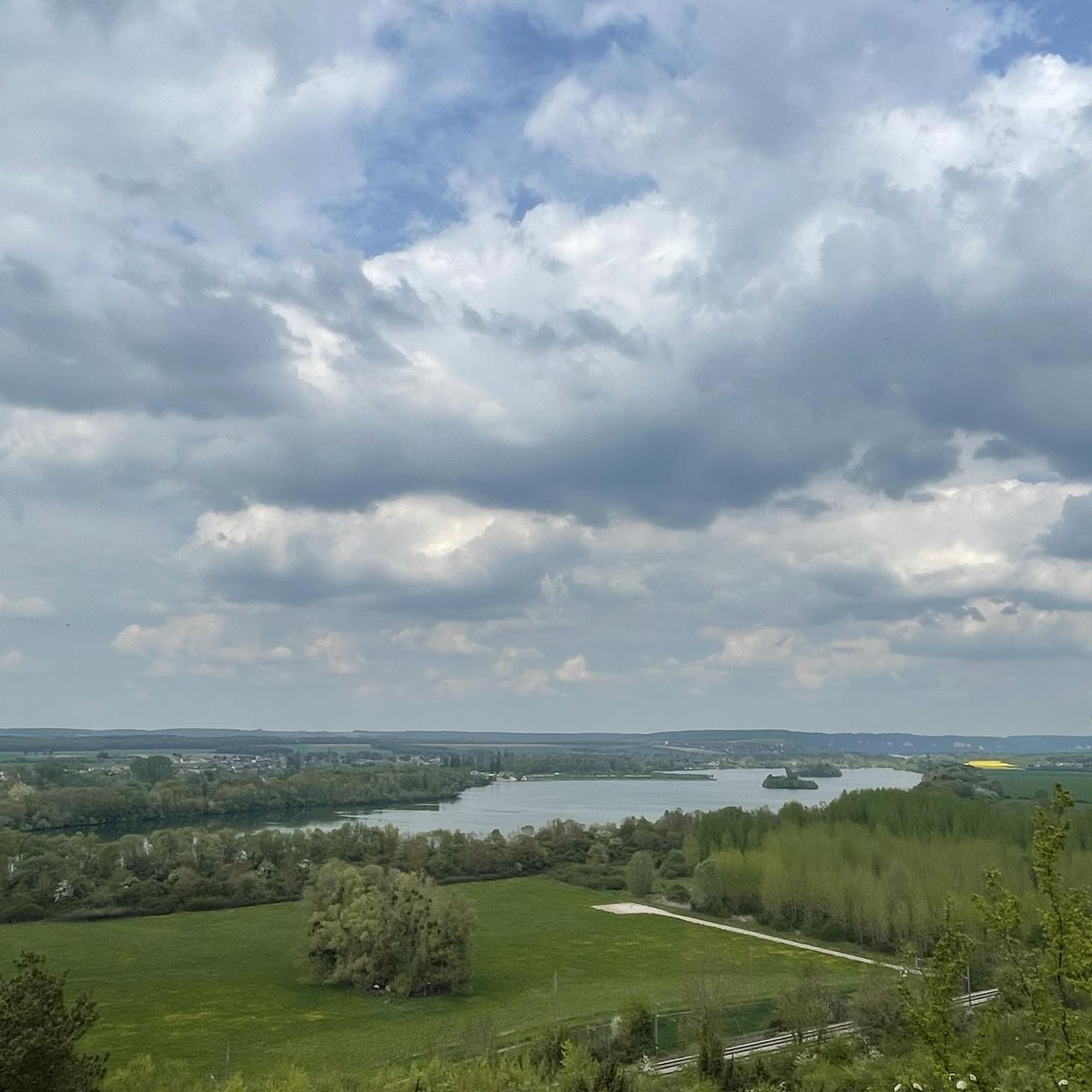
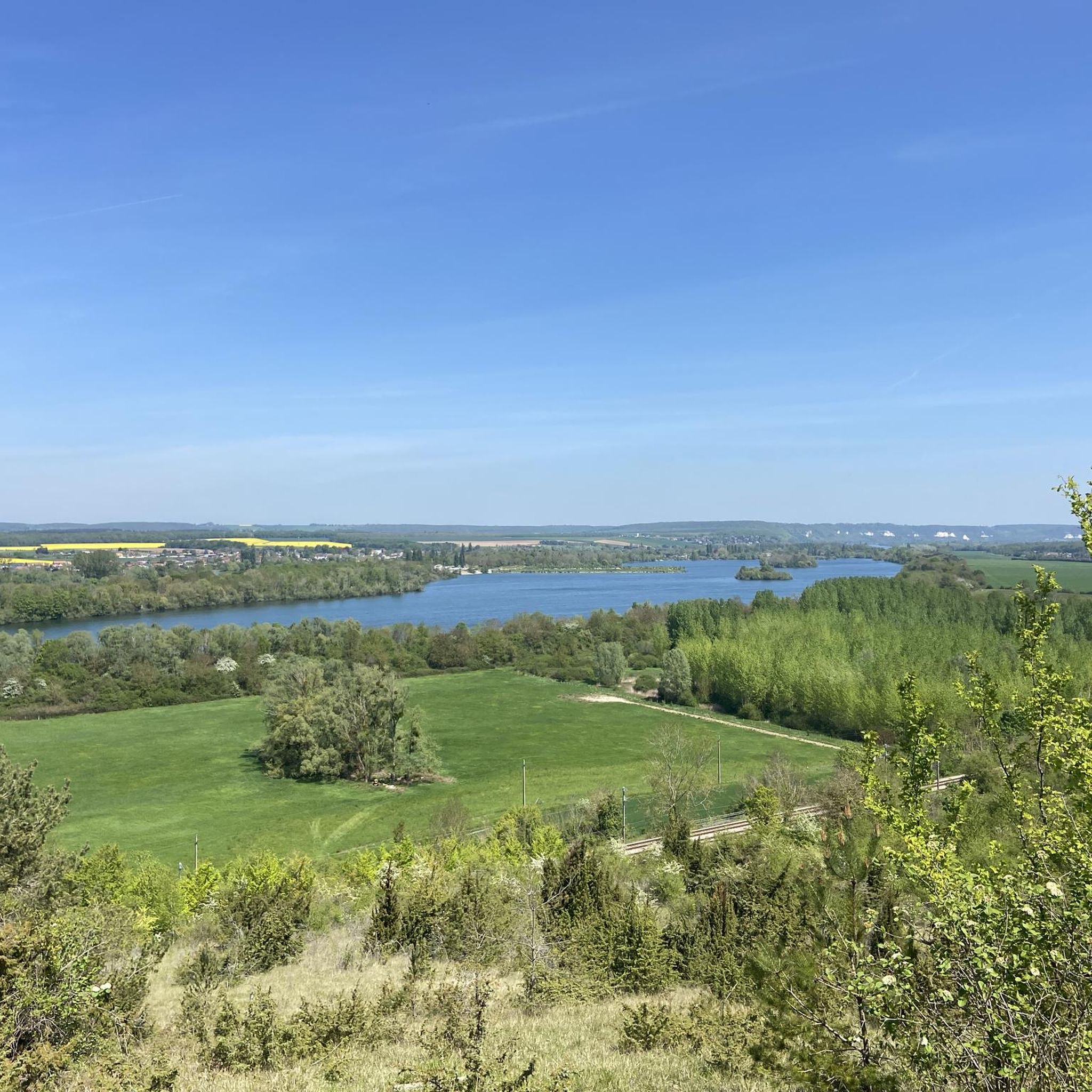
Magnificent view of the Château d'Acquigny (whose garden can be visited) and the Eure valley
0
0

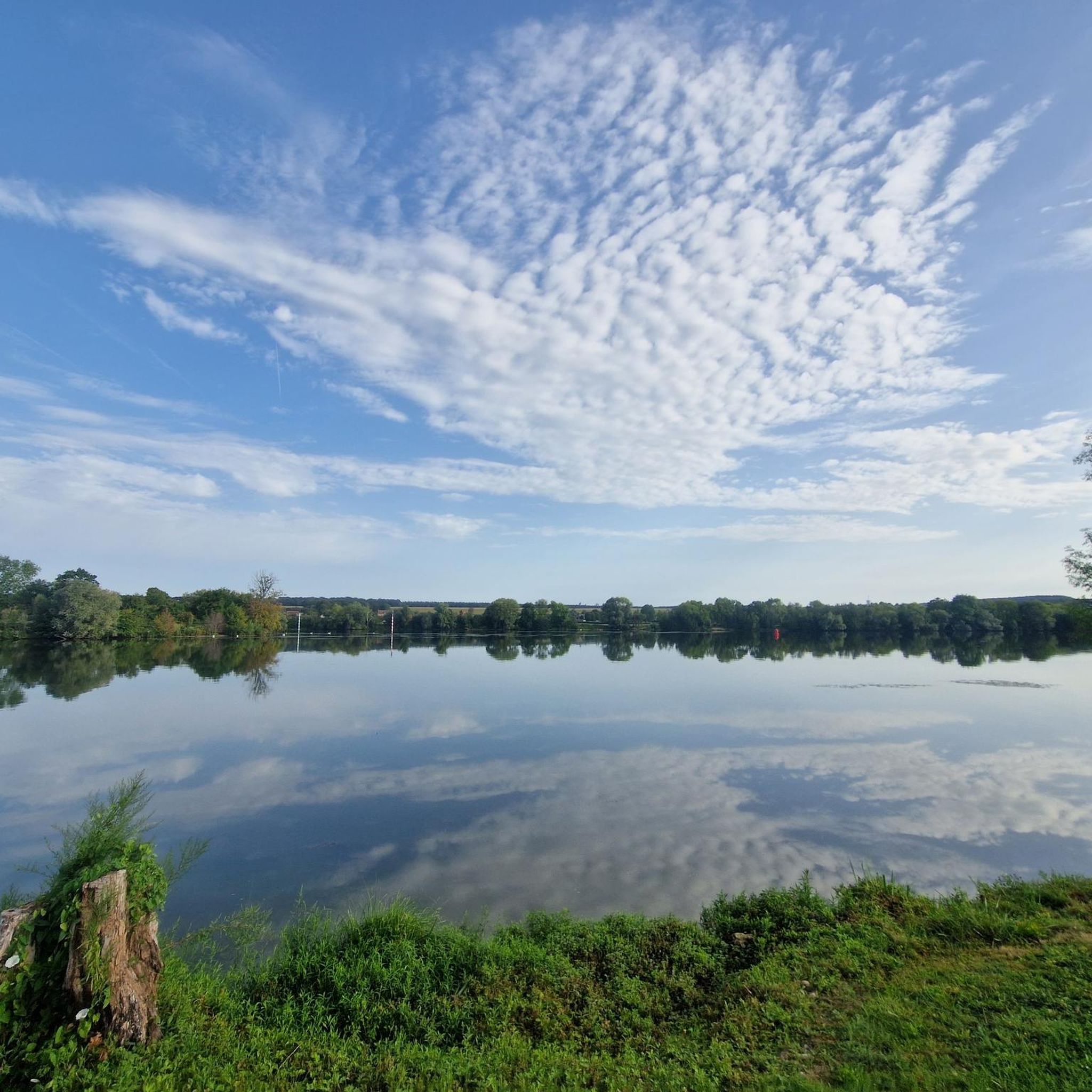
Two magnificent properties between the arms of the Iton
0
0

The classic triptych of the small French village in one place: the church, the castle and the town hall.
0
0

Located on the banks of the Iton, the castle was built in 1775, in the neoclassical style characteristic of this period. The cut stone facades have retained their monumentality (basement, noble floors and attic), reinforced by the austerity of the few decorative elements (pediment, cornices). The facades and roofs of the four buildings on the farm were listed in the MH in 1977, the castle, the so-called chalet house, the stables and sheds as well as the cellar located in the commune of Acquigny were listed in 1994 in the MH.
0
0

This castle is ideally placed at the confluence of the Eure and the Iton rivers. This stream was diverted from its bed to feed the moats of this beautiful building. It can be admired from the park gate.
1
0

The Château de Houetteville, a private castle visible from the road, is an old Renaissance castle transformed into a neo-medieval castle by Henri Jacquelin around the 1930s. “Jacquelin again transformed a simple neo-classical house in Houetteville into a medieval castle, with astonishing fantasy. In an economically paralyzed country, Houetteville was perhaps the last neo-Gothic castle in France. Extravagant edifice, which prefers to ignore its time to artificially continue a way of life long gone.”
0
0
Frequently Asked Questions
What types of castles can I explore in the Clef-Vallée-D'Eure region?
The Clef-Vallée-D'Eure region offers a diverse range of castles, from elegant Renaissance designs to medieval fortifications. You can find magnificent examples like Acquigny Castle, known for its 16th-century architecture, and fortified manor houses such as the Manoir de la Boissière, which dates back to the 15th century. There are also sites like the Château de La Croix-Saint-Leufroy, which evolved from a Benedictine abbey into a pleasure residence.
Are there any castles with unique architectural features or historical stories?
Yes, Acquigny Castle is particularly notable for its Renaissance architecture and a unique floor plan said to be inspired by the intertwined initials of Anne de Laval and her husband, symbolizing their love. The Manoir de la Boissière showcases characteristic medieval architecture with stone walls, towers, and battlements, reflecting its original fortified purpose. The Château de La Croix-Saint-Leufroy, originally an abbey from around 680, tells a story of centuries of transformation.
Which castles are family-friendly in Clef-Vallée-D'Eure?
Acquigny Castle is listed as family-friendly and offers a 40-acre romantic park that families can explore. The Church and Château of La Chapelle-du-Bois-des-Faulx is also categorized as family-friendly, providing a classic village setting with historical interest.
What natural features can I enjoy around the castles in Clef-Vallée-D'Eure?
The region is characterized by its natural landscape, including the confluence of the Eure and Iton rivers. Acquigny Castle is ideally placed at this confluence, with its romantic park nestled between the rivers. The Château de La Croix-Saint-Leufroy is situated in a preserved rural landscape, surrounded by meadows, ponds, and wooded hills, offering picturesque views.
What outdoor activities can I do near these castles?
You can find various outdoor activities near the castles. For hiking, consider routes like the 'Old Railway Bridge loop from Acquigny' or the 'Manoir loop from La Croix-Saint-Leufroy'. If you prefer cycling, there are road cycling routes such as the 'Houetteville Castle – Acquigny Castle loop from Clef-Vallée-d'Eure'. For more options, explore the Hiking around Clef-Vallée-D'Eure or Road Cycling Routes around Clef-Vallée-D'Eure guides.
Is the Manoir de la Boissière accessible to the public?
The Manoir de la Boissière is a private residence currently undergoing restoration and serves as a gîte. While its exterior and historical significance are notable, public access may be limited. For specific visitor information, it's advisable to check local resources or contact the property directly.
Can I visit the Château de La Croix-Saint-Leufroy?
The Château de La Croix-Saint-Leufroy, with its profound history as a Benedictine abbey, has undergone significant restorations. While it's a compelling site, its public accessibility might vary. It's recommended to check for current visitor information or guided tour availability before planning your visit.
What is the best time of year to visit the castles in Clef-Vallée-D'Eure?
The best time to visit is generally during the warmer months, from spring to early autumn, when the weather is pleasant for exploring the castle grounds and parks. This allows for comfortable walks through the romantic park of Acquigny Castle and enjoying the rural landscapes surrounding sites like the Château de La Croix-Saint-Leufroy.
Are there any castles that offer good viewpoints?
Houetteville Castle is visible from the road and proudly dominates the meanders of the Iton river, offering a scenic viewpoint. The design of Acquigny Castle also harmoniously integrates with its surrounding nature, creating an elegant and dynamic appearance that shifts with different viewpoints.
Where can I find information about parking or public transport to these castles?
Specific parking and public transport details for individual castles like Acquigny Castle or Gaillon Castle are best found through their official websites or local tourism offices. For general travel around the Clef-Vallée-D'Eure region, local transport services may connect to nearby villages, but direct routes to all castles might require personal transportation.
What makes <a href="https://www.komoot.com/highlight/1554008" target="_blank" rel="noopener">Gaillon Castle</a> significant?
Gaillon Castle is a significant Renaissance castle built on the site of a medieval fortress. It holds several protections under historic monuments, highlighting its deep historical importance and architectural value in the region.
Can you tell me more about <a href="https://www.komoot.com/highlight/4536816" target="_blank" rel="noopener">Houetteville Castle</a>?
Houetteville Castle is an old Renaissance castle that was transformed into a neo-medieval style around the 1930s. It is a private castle visible from the road, dominating the meanders of the Iton river, and is known for its extravagant, fantastical architecture.
Are there any hidden gem castles or historical sites in the area?
While not a hidden gem in the traditional sense, the Manoir de la Boissière, a fortified manor house, offers a glimpse into medieval residential architecture and is a protected historical monument. The Church and Château of La Chapelle-du-Bois-des-Faulx also presents a classic triptych of a small French village, combining historical and religious interest in one place.
Most popular routes around Clef-Vallée-D'Eure
Most popular attractions around Clef-Vallée-D'Eure

Get inspired with the komoot mobile app


Explore more
Looking for the best castles somewhere else? Discover other guides around Clef-Vallée-D'Eure:
