Top 4 Castles around Brieux
Castles around Brieux, located in the Orne department of Normandy, France, offer a journey through diverse historical periods and architectural styles. While Brieux itself holds the ruins of its own château, the surrounding regions of Orne and Saint-Brieuc in Brittany are rich with historical castles. These areas provide a blend of medieval fortifications, Renaissance additions, and elegant 18th-century estates. Visitors can explore sites that reflect centuries of regional history and cultural evolution.
Best castles around Brieux
- The most popular castles…
Last updated: June 26, 2026
William the Conqueror's Castle
Highlight • Castle
Translated by Google •
Tip by

Château de La Fresnaye
Highlight • Castle
Translated by Google •
Tip by

Sign up now to discover places like this
Get recommendations on the best single tracks, peaks, & plenty of other exciting outdoor places.
Sign up for free
Château des Ducs
Highlight • Castle
Translated by Google •
Tip by
Cuy Castle
Highlight • Castle
Translated by Google •
Tip by
Town of Ri
Highlight • Settlement
Translated by Google •
Tip by
Start today with a free account
Your next adventure awaits.
Login or Signup



Tips from the Community

Castle at Falaise, which is best known for being the birthplace of William the Conqueror
0
0

The Château des Ducs is a 14th century castle that was once the residence of Pierre II de Valois, a descendant of Saint Louis. The castle is today the seat of the court of justice, but you can still admire its architecture and its chapel, which houses a magnificent altarpiece from the 18th century.
2
0
The Château de Cuy in Occagnes is a 17th century castle with classic architecture. Its elegant facades, roofs and entrance doors are classified as historic monuments. You can admire the castle from the outside, but the interior is not open to the public as it is private property.
3
0
The town of Ri offers views of hills and valleys, as well as historic buildings and monuments that dot its landscape. One of the highlights of the town is the Château de Ri, a 15th century castle that belonged to the famous writer Madame de Sévigné.
2
0

Centrally located, right next to the Office de Tourisme.
0
0
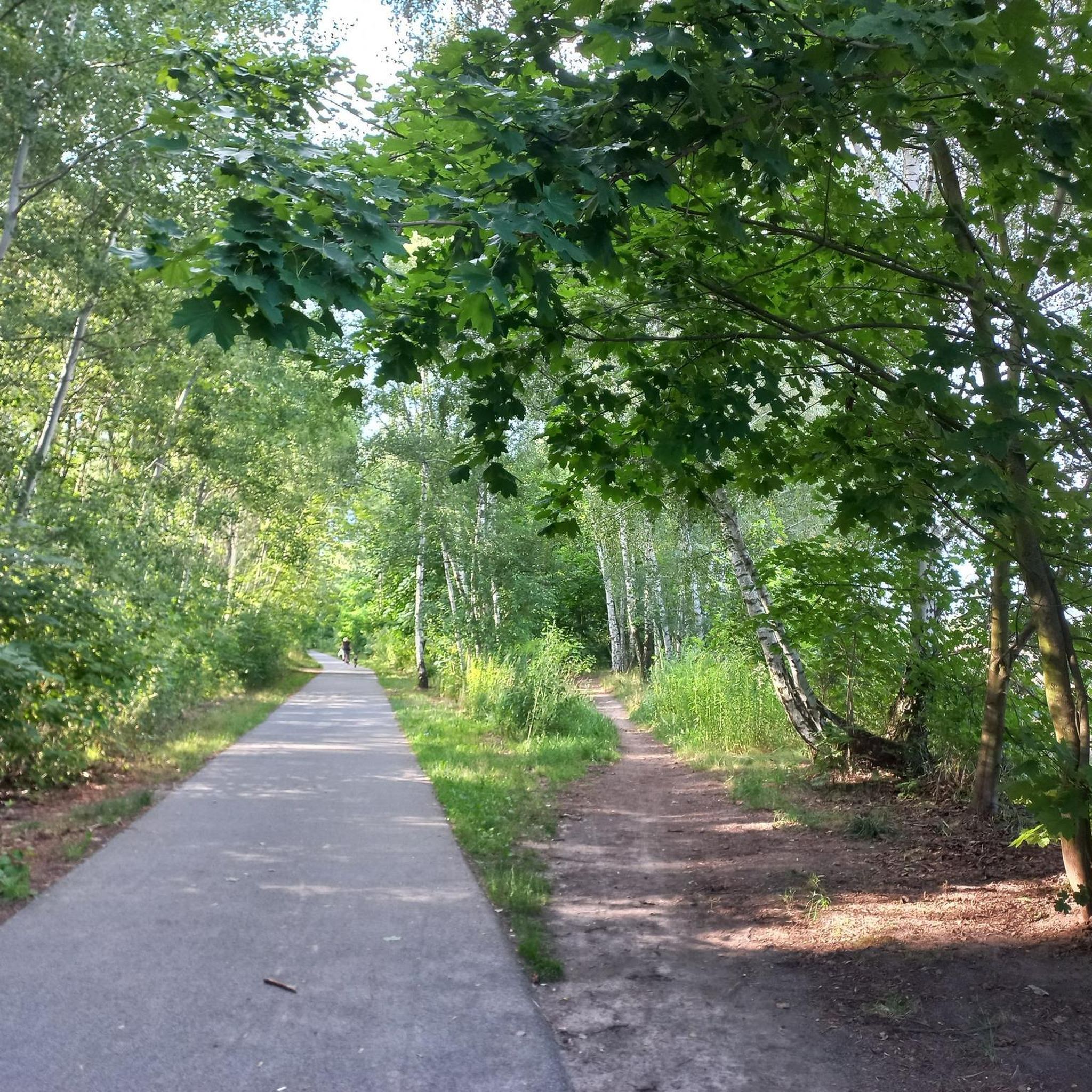
The house was built around 1750. At that time, a beautiful English park with gardens was created. It no longer exists today, but the green space that one crosses to access the house is still a peaceful part of nature to enjoy.
2
0

An absolute must to visit here
0
0

Built in the 17th century and completely transformed in the 18th century, this castle has been the property of the city since 1986.
0
0
Frequently Asked Questions
What types of castles can I expect to find around Brieux?
The region around Brieux, encompassing parts of Normandy (Orne department) and Brittany (around Saint-Brieuc), offers a diverse range of castles. You can explore medieval strongholds, Renaissance additions, elegant 18th-century estates, and charming manor houses. These sites showcase various architectural styles and historical significance, reflecting centuries of regional history.
Which castles in the Orne department are notable for their history and architecture?
In the Orne department, you can visit several historically significant castles. The Château de Carrouges showcases seven centuries of history with its 14th-century dungeon and 16th-century Renaissance additions. The Château de Sassy is an imposing 18th-century castle known for its extensive library and elegant French gardens. The ruins of Domfront Castle offer a poignant connection to medieval warfare, while the Manoir de Vauvineux provides insight into post-Hundred Years' War architecture.
Are there any castles around Saint-Brieuc in Brittany worth visiting?
Yes, the region around Saint-Brieuc in Brittany is rich with historical castles. The Château de Bienassis in Erquy is a 15th to 17th-century monument with moats and formal French gardens. Château de Quintin uniquely features two castles within the same park, offering a deep dive into Breton history. For medieval architecture enthusiasts, the Château de la Hunaudaye in Plédéliac is a strong example of a 13th-century fortified castle.
Are there any family-friendly castles near Brieux?
Several castles in the broader region offer family-friendly experiences. The William the Conqueror's Castle provides reconstructed ruins and interactive elements that give a good impression of its original structure. In Brittany, Château de Bienassis offers guided tours, escape games, and virtual reality immersion, while Château de Quintin hosts treasure hunts for children. The Château de la Hunaudaye also offers children's workshops focused on medieval history.
What outdoor activities can I do near these castles?
The area around Brieux offers various outdoor activities, particularly cycling. You can find numerous routes for mountain biking, road cycling, and touring. For example, there are MTB Trails around Brieux, including the 'Château de La Fresnaye – Arlette's Fountain loop from Falaise'. Road cyclists can explore routes like the 'Cuy Castle – Marguerite Tower loop from Rônai' found in the Road Cycling Routes around Brieux guide. For touring, consider routes like 'L'Orne à Vélo: Around Chambois Bicycle Route' from the Cycling around Brieux guide.
Can I visit the interior of all castles, or are some only viewable from the outside?
It varies by castle. For instance, Cuy Castle is a private property, so you can admire its elegant facades and architecture from the outside, but the interior is not open to the public. In contrast, the furnished ground floor, gardens, and chapel of Château de Bienassis are open to visitors, and parts of the 18th-century Château de Quintin are also accessible.
Are there any castles near Brieux that have been converted into hotels or offer unique stays?
Yes, the Château du Val in Planguenoual, near Saint-Brieuc, is a 15th-century castle that has been transformed into a hotel and restaurant. It offers a luxurious stay in a historical setting, complete with amenities like a solarium, swimming pool, sauna, and spa, alongside refined French cuisine.
What is the historical significance of William the Conqueror's Castle?
William the Conqueror's Castle is historically significant as the birthplace of William the Conqueror in Falaise in 1027. His early military career began here, and his victory at the castle was a founding act in asserting his power in Normandy. The reconstructed ruins provide excellent insight into its original structure and the castle's role in European history.
Are there any castles that offer a glimpse into medieval prison history?
Yes, the Château des Ducs d'Alençon, located in the heart of Alençon, offers a unique glimpse into medieval fortification and its later use as a historical prison. These are the remains of an old fortified castle from the late 12th century, which was transformed into a prison during the Revolution and served this function until 2010.
What kind of gardens can I expect to see at these castles?
Many castles in the region feature impressive gardens. The Château de Sassy boasts elegant French gardens with Italian-style terraces. The Château de Bienassis has formal French gardens and vegetable gardens. The gardens of Château de Quintin are recognized as a French Historical Monument, offering a beautiful setting alongside its two castles.
What do visitors enjoy most about the castles around Brieux?
Visitors particularly enjoy the historical depth and architectural variety of the castles. Many appreciate the efforts to reconstruct ruins, like at William the Conqueror's Castle, which helps visualize the past. The peaceful green spaces, like those around Château de La Fresnaye, are also highly valued for their tranquility. The blend of medieval strongholds, Renaissance additions, and elegant estates provides a rich cultural experience.
Are there any castles that are mostly ruins but still worth visiting for their historical context?
Yes, Domfront Castle, although largely ruins, is highly significant. It was besieged by William the Conqueror and played a crucial role in medieval conflicts. The ruins provide a poignant connection to this past, set within a medieval town that hosts biennial 'Médiévales' events. Similarly, Corlay Castle, though primarily ruins overlooking a picturesque pond, offers a sense of the region's tumultuous history.
Most popular attractions around Brieux

Get inspired with the komoot mobile app


Explore more
Looking for the best castles somewhere else? Discover other guides around Brieux:
