Top 4 Caves around Beynac-Et-Cazenac
Best caves around Beynac-Et-Cazenac are found in the Dordogne region, an area known for its rich geological formations and prehistoric heritage. This part of Périgord Noir features a landscape shaped by the Dordogne River, with cliffs and valleys that conceal numerous subterranean sites. The region offers a combination of natural wonders and historical significance, making it a notable destination for exploration.
Best caves around Beynac-Et-Cazenac
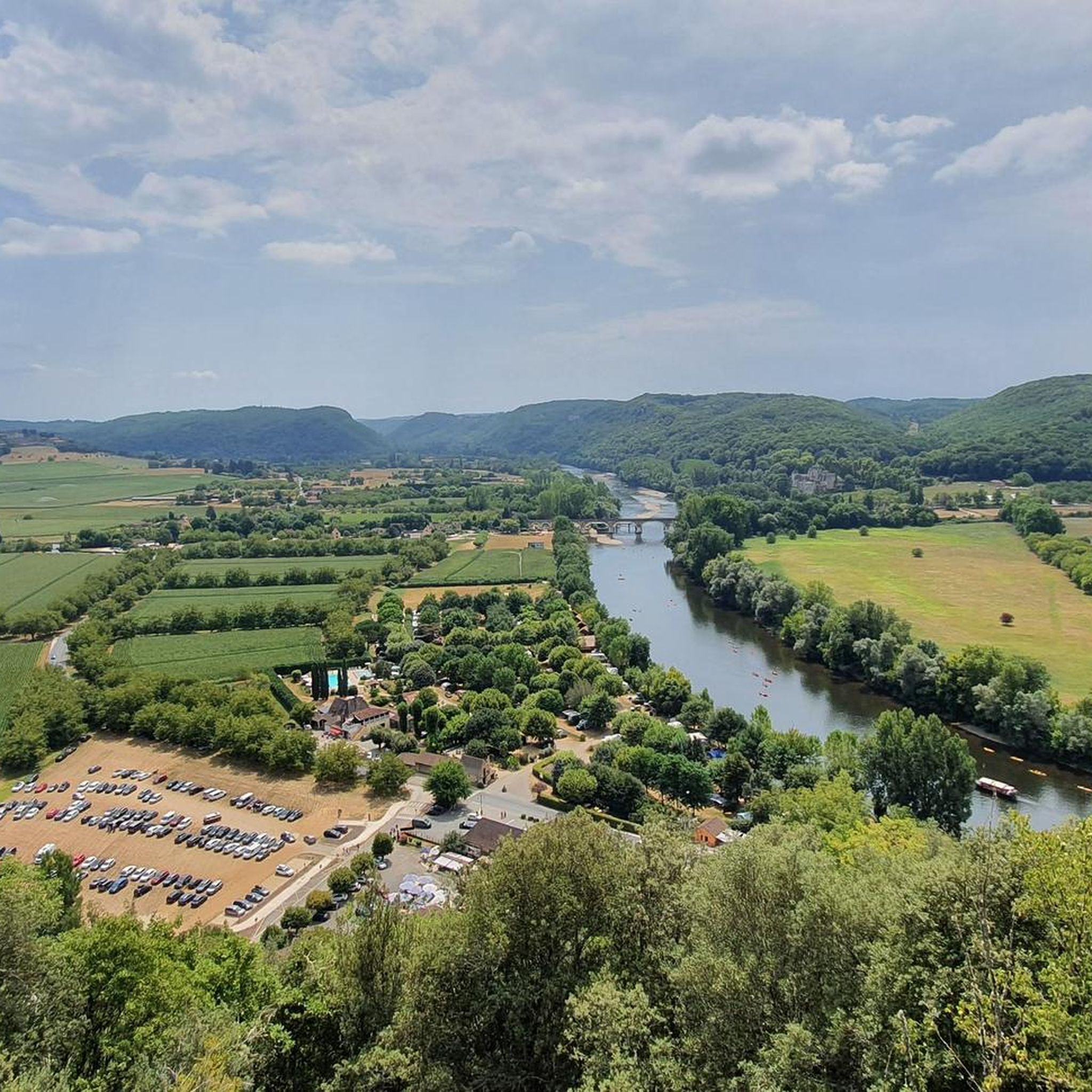
- The most popular caves is La Roque-Gageac, a settlement and cave site located directly on the banks of the Dordogne. This village is situated at the foot of a towering cliff, offering views of the river.
- Another must-see spot is Castelnaud Caves and Climbing Site, a cave and natural monument. Visitors can explore various caves that line the path, and climbing enthusiasts can also engage in their sport here.
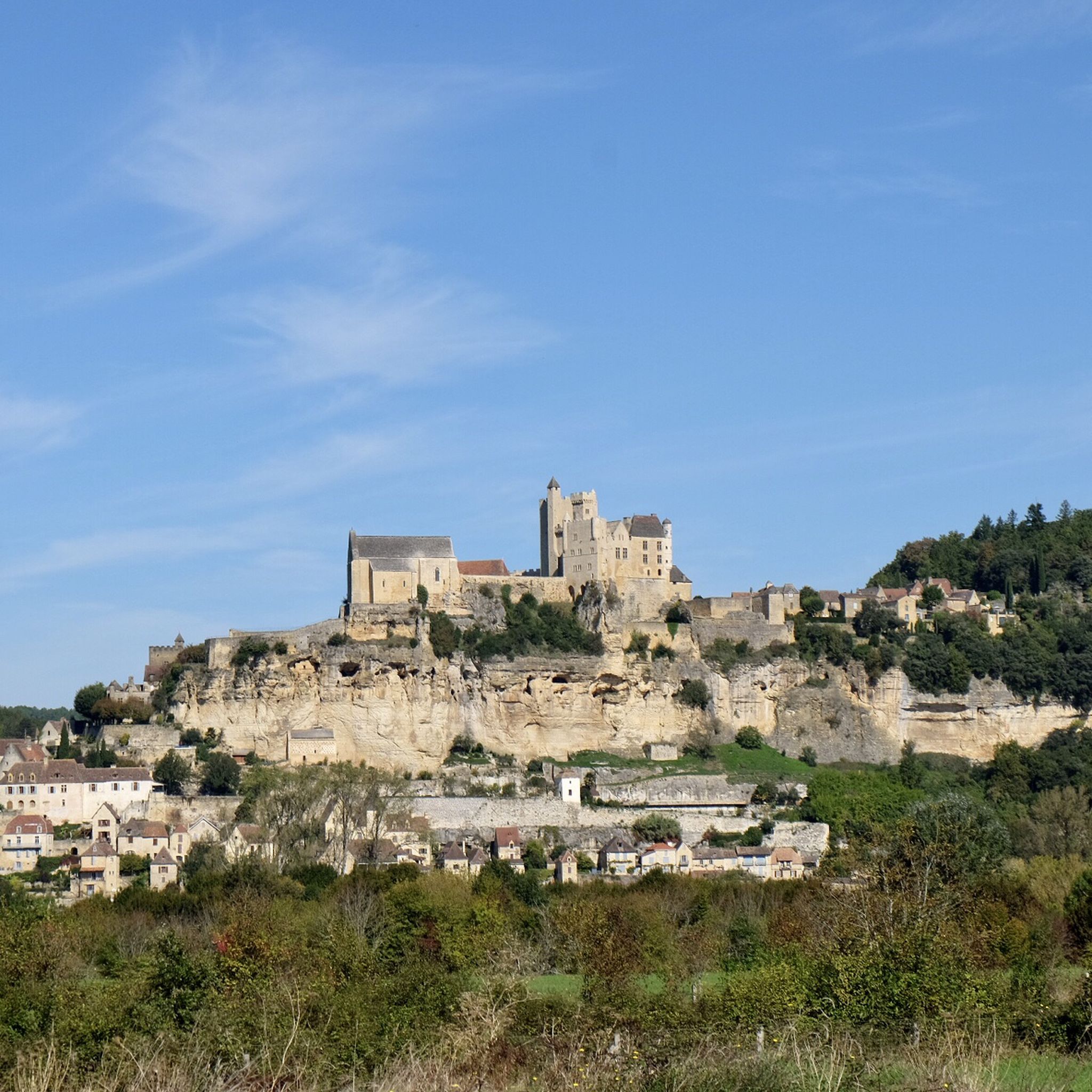
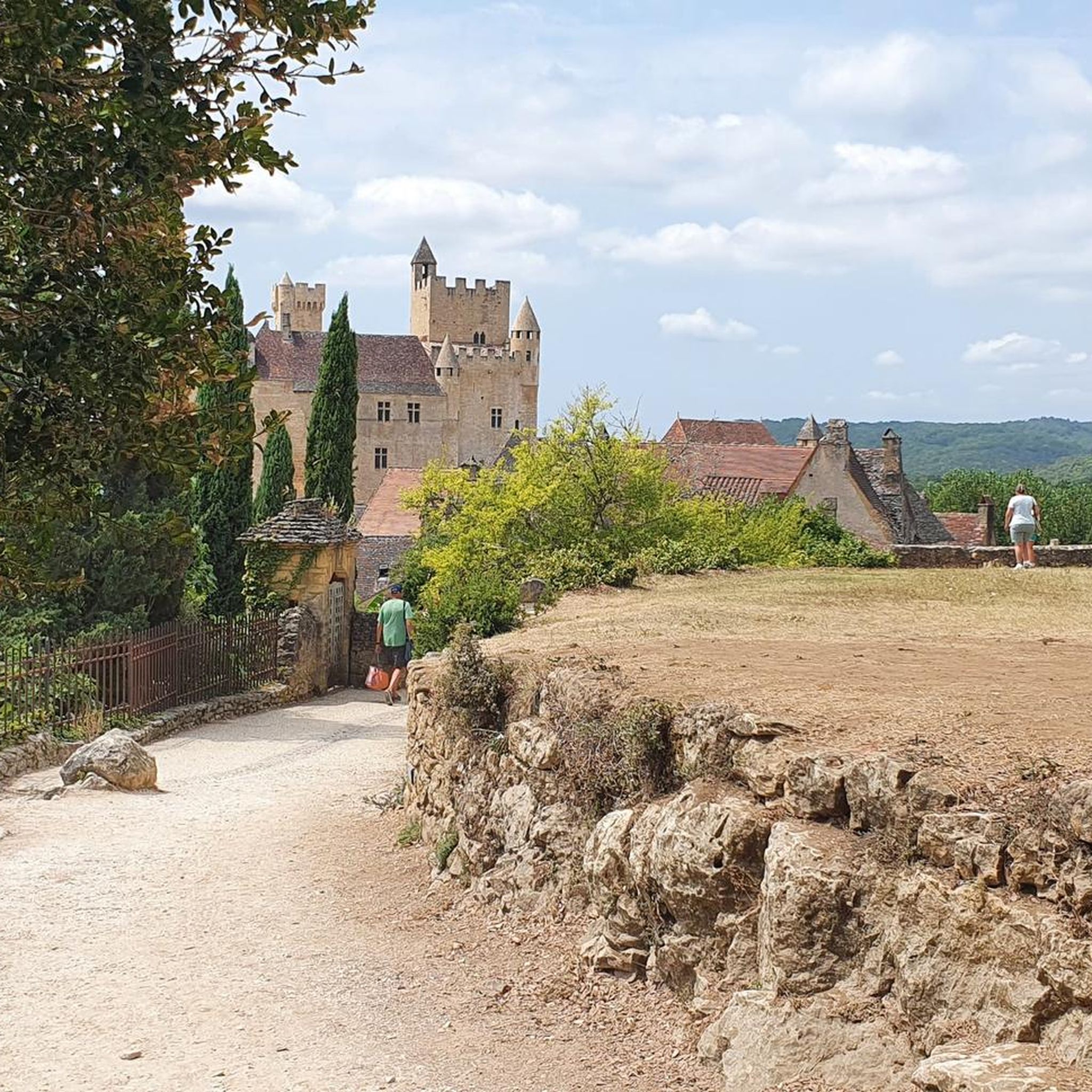
- Visitors also love Commarque Castle, a historical and archaeological site with cave features. It offers a journey into the past with its medieval remains and picturesque landscapes.
- Beynac-Et-Cazenac is known for its prehistoric art caves and geological formations. The region offers a variety of caves to see and explore, from those with ancient paintings to others showcasing unique mineral structures.
- The caves around Beynac-Et-Cazenac are appreciated by the komoot community, with more than 775 upvotes and 372 photos shared by visitors.
Last updated: August 19, 2026
La Roque-Gageac
Highlight • Settlement
Translated by Google •
Tip by

Commarque Castle
Highlight • Cave
Translated by Google •
Tip by

Sign up now to discover places like this
Get recommendations on the best single tracks, peaks, & plenty of other exciting outdoor places.
Sign up for free
Castelnaud Caves and Climbing Site
Highlight • Cave
Translated by Google •
Tip by

Font de Gaume Cave
Highlight • Cave
You must book in advance to be able to visit it.
Translated by Google •
Tip by
Domme Cave
Highlight • Cave
Translated by Google •
Tip by

Start today with a free account
Your next adventure awaits.
Login or Signup

Tips from the Community


The Domme Cave is one of the very few where you can take a dog on a leash that is too big to be carried or transported in a basket.
0
1

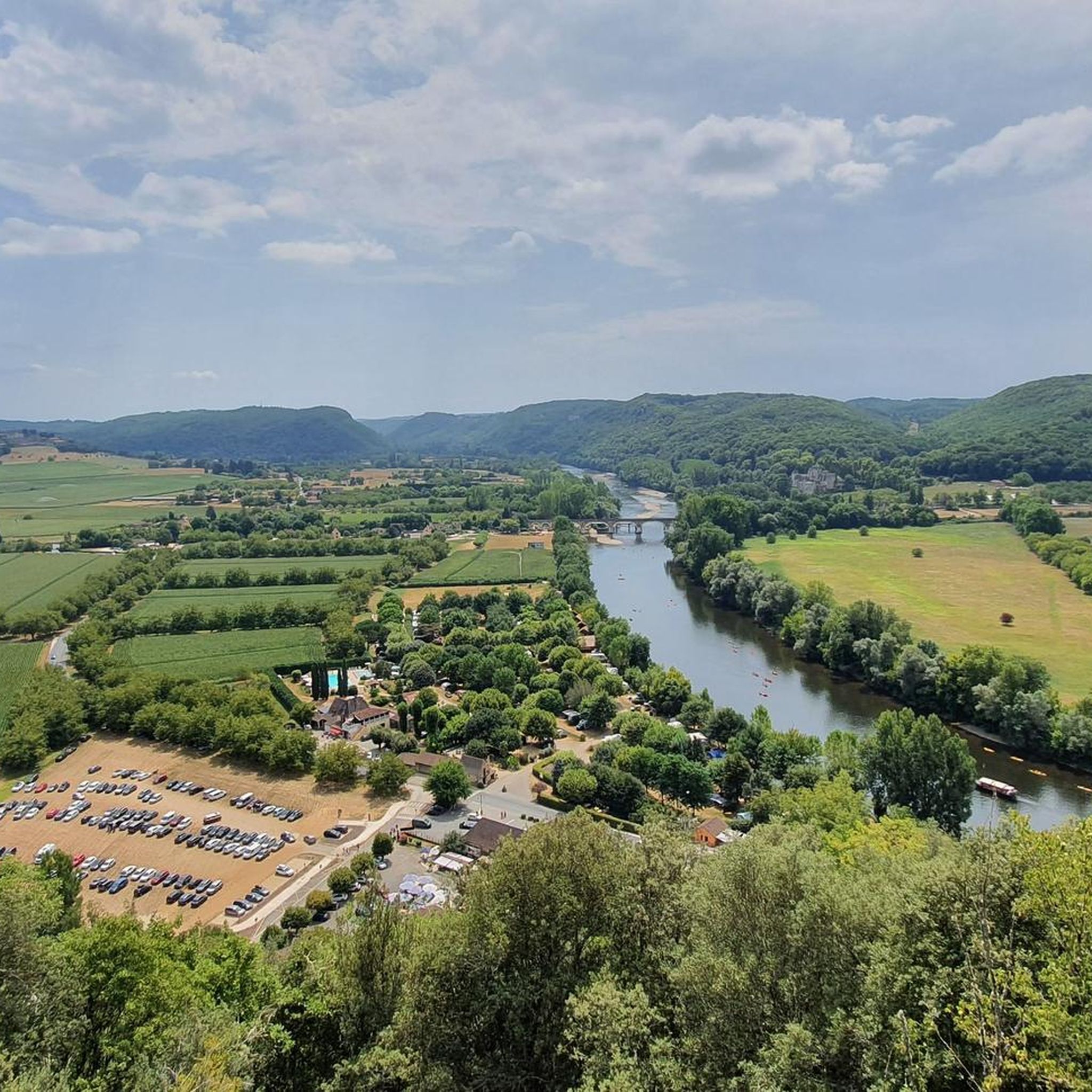
Near Castelnaud, the place invites you to take a journey through the rock by exploring the different caves that line the path. Climbing enthusiasts can also indulge in their passion.
1
0

The forgotten fortress: a millefeuille of stones where dungeons and fortified castles, troglodytes and prehistoric caves overlap in a preserved landscape
0
0

located in the wild Grande Beune valley, is a historical and archaeological site in Périgord. It offers a journey into the past, with its medieval remains and picturesque landscapes. A must-visit for history and nature lovers.
0
0

Nice place below a steep wall and right on the Dordogne.
4
0
Beautiful, small place right on the Dordogne with some small shops and restaurants. Many canoeists pass here and enjoy the view of the picturesque place on the rock face.
3
0

Top tip in this region. Information folder in German, videos and explanations in a film leave no questions unanswered. Otherwise simply impressive cultural monument... Also recommended for kids.
0
0
Frequently Asked Questions
What are some of the most remarkable caves to visit near Beynac-et-Cazenac?
The Dordogne region, particularly the Périgord Noir area, offers a wealth of remarkable subterranean sites. Highly recommended are Maxange Cave, known for its extraordinary eccentric crystallizations, and Gouffre de Proumeyssac, often called the 'Crystal Cathedral' for its massive stalactites and stalagmites. For prehistoric art, Font-de-Gaume Cave and Rouffignac Cave are significant, with the latter offering an electric train tour to see its '100 Mammoths'.
Are there family-friendly caves in the Beynac-et-Cazenac area?
Yes, several caves are suitable for families. Gouffre de Proumeyssac offers a unique experience with the option to be lowered into the cavern in a basket, which can be exciting for children. Rouffignac Cave's electric train ride makes viewing the prehistoric art accessible and engaging for all ages. The La Roque-Gageac settlement, while not a deep cave, features a cave site directly on the banks of the Dordogne and is family-friendly.
What kind of geological features can I expect to see in the caves of this region?
The caves around Beynac-et-Cazenac showcase diverse geological wonders. You can expect to see impressive stalactites, stalagmites, columns, and draperies. Maxange Cave and Grotte du Grand Roc are particularly famous for their rare 'eccentric' crystallizations, which are delicate formations growing in unusual directions. Gouffre de Proumeyssac features a vast underground chasm with massive formations, while Gouffre de Padirac boasts a 60-meter-high 'Grande Pendeloque' stalactite and an underground river.
Which caves near Beynac-et-Cazenac feature prehistoric art?
The region is renowned for its prehistoric art caves. Font-de-Gaume Cave is one of the last in the world with original polychrome paintings of animals. Combarelles Cave houses over 600 engravings, primarily of animals. Rouffignac Cave, known as the 'Cave of 100 Mammoths,' features over 250 drawings and engravings. Grotte des Merveilles in Rocamadour has 25,000-year-old paintings, and Cougnac Cave also contains significant animal figures and schematic human figures.
What is the best time to visit the caves around Beynac-et-Cazenac?
The caves maintain a relatively constant cool temperature year-round, making them a good option in any season. However, visiting during the spring or autumn months (April-June, September-October) often provides pleasant weather for exploring the surrounding area and avoids the peak summer crowds. Some caves, like Font-de-Gaume, have strict daily visitor limits, so booking in advance is crucial, especially during high season.
What should I wear for a cave tour in the Dordogne region?
Caves typically maintain a cool, constant temperature, often around 13-15°C (55-60°F), regardless of the outside weather. It's advisable to wear layers, including a light jacket or sweater, even in summer. Comfortable, closed-toe shoes with good grip are also recommended, as paths can be damp or uneven. Some tours, like Gouffre de Padirac, involve boat rides, so be prepared for slightly cooler conditions.
Are there any accessible caves for visitors with mobility challenges near Beynac-et-Cazenac?
While many prehistoric art caves have limited accessibility due to conservation efforts and natural terrain, some geological caves offer better access. Gouffre de Proumeyssac, for example, provides access via a tunnel, and visitors can also be lowered in a basket, which might accommodate some mobility needs. Rouffignac Cave's electric train tour makes it more accessible for viewing the art. It's always best to check directly with each cave site for specific accessibility information.
Can I bring my dog to any of the caves?
Most caves, especially those with delicate geological formations or prehistoric art, do not permit dogs for conservation and safety reasons. However, Domme Cave is one of the very few exceptions where you can take a dog on a leash, provided it's not too large to be carried or transported in a basket. Always confirm the current pet policy directly with the specific cave you plan to visit.
What outdoor activities can I combine with a visit to the caves?
The area around Beynac-et-Cazenac is excellent for outdoor activities. You can find numerous hiking and cycling routes. For hiking, consider trails like the 'Marqueyssac Gardens and La Roque-Gageac Loop' or routes around Beynac Castle. Cyclists can explore the 'Céou Valley Bicycle Route' or the 'Château Montfort Road' loops. You can find more details on these and other routes in the Hiking around Beynac-Et-Cazenac and Cycling around Beynac-Et-Cazenac guides.
How long does it typically take to explore a cave near Beynac-et-Cazenac?
The duration of a cave visit varies depending on the site. Guided tours for prehistoric art caves like Font-de-Gaume or Combarelles are often around 45 minutes to an hour due to strict conservation limits. Larger geological caves like Gouffre de Proumeyssac or Gouffre de Padirac might involve tours lasting 1 to 1.5 hours, including descents and boat rides. It's always a good idea to check the specific tour length when planning your visit.
Are there any historical sites or castles near the caves that I can visit?
Absolutely. The region is rich in history. Commarque Castle is a notable historical and archaeological site with cave features, offering a journey into the past with its medieval remains. The village of La Roque-Gageac itself is a settlement and cave site at the foot of a towering cliff, known for its delightful location and historical charm. Many caves are also located close to other castles and medieval villages in the Dordogne Valley.
What do visitors enjoy most about the caves around Beynac-et-Cazenac?
Visitors frequently praise the unique blend of natural beauty and historical significance. The extraordinary geological formations, such as the eccentric crystallizations in Maxange Cave and the massive stalactites in Gouffre de Proumeyssac, are often highlighted. The profound connection to ancient history offered by the prehistoric art in caves like Font-de-Gaume and Rouffignac also leaves a lasting impression. The overall experience of exploring these subterranean wonders is highly appreciated by the komoot community, with many shared photos and upvotes.
Most popular routes around Beynac-Et-Cazenac
Most popular attractions around Beynac-Et-Cazenac

Get inspired with the komoot mobile app


Explore more
Extend your search for the best caves by checking out these guides of the top ones around Beynac-Et-Cazenac:
