Top 4 Castles around La Ferté-Milon
Best castles around La Ferté-Milon are found in a region marked by the Ourcq valley and its historical significance. The area features a blend of historical sites and natural landscapes, offering insights into medieval architecture and French history. The town of La Ferté-Milon is also notable as the birthplace of playwright Jean Racine.
Best castles around La Ferté-Milon
- The most popular castles is La Ferté-Milon, a historical site that features the impressive, unfinished Château de La Ferté-Milon. This castle…
Last updated: May 13, 2026
La Ferté-Milon
Highlight • Historical Site
Translated by Google •
Tip by

From November 1, 2023, the site will host the Cité internationale de la langue française.
Translated by Google •
Tip by

Sign up now to discover places like this
Get recommendations on the best single tracks, peaks, & plenty of other exciting outdoor places.
Sign up for free
Château d'Oigny-en-Valois
Highlight • Castle
It is listed as a Historic Monument.
It opens its doors exclusively to the European Heritage Days.
officiel-galeries-musees.fr/lieu/chateau-doigny-en-valois
Translated by Google •
Tip by

Château de Noue
Highlight • Castle
Translated by Google •
Tip by
Start today with a free account
Your next adventure awaits.
Login or Signup


Tips from the Community

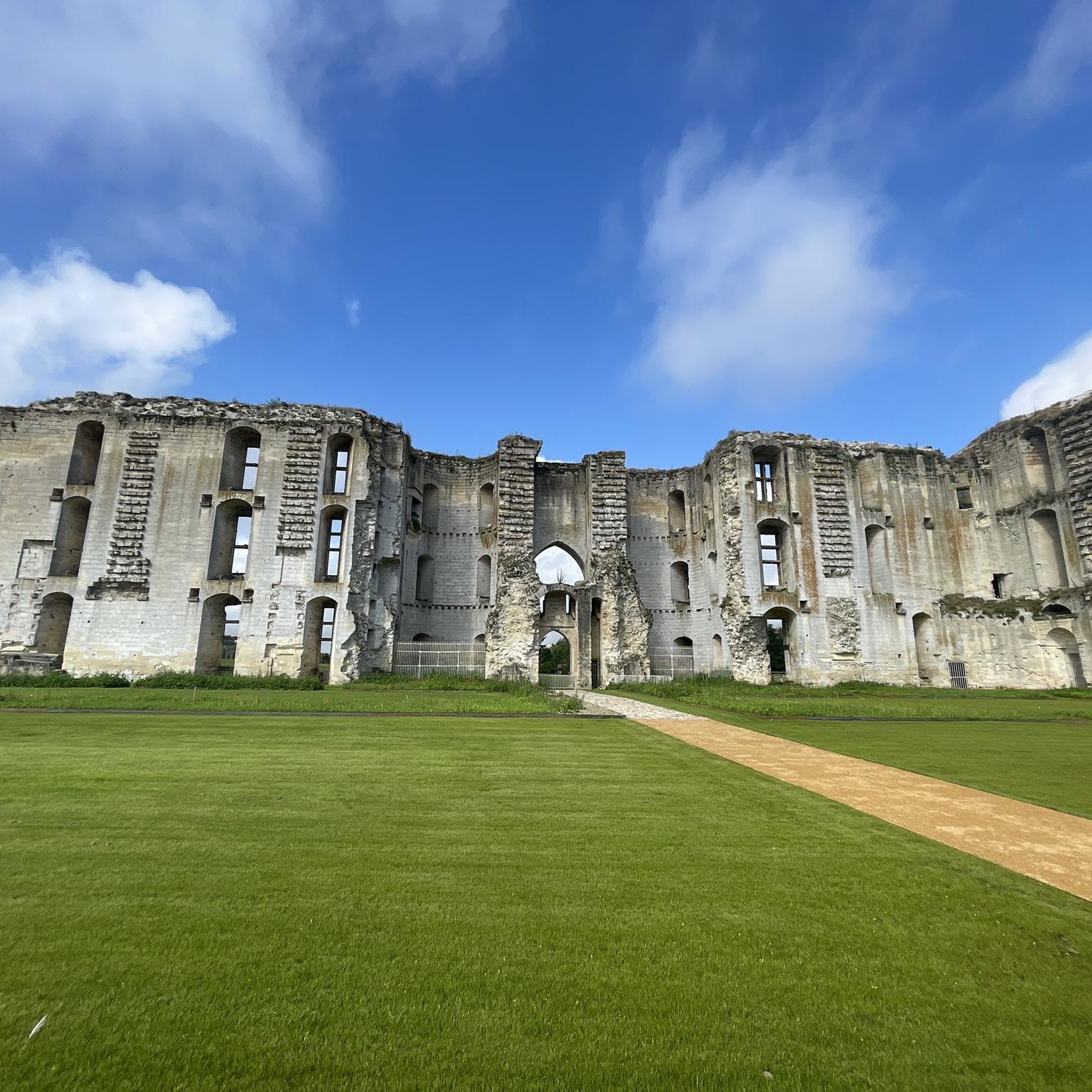
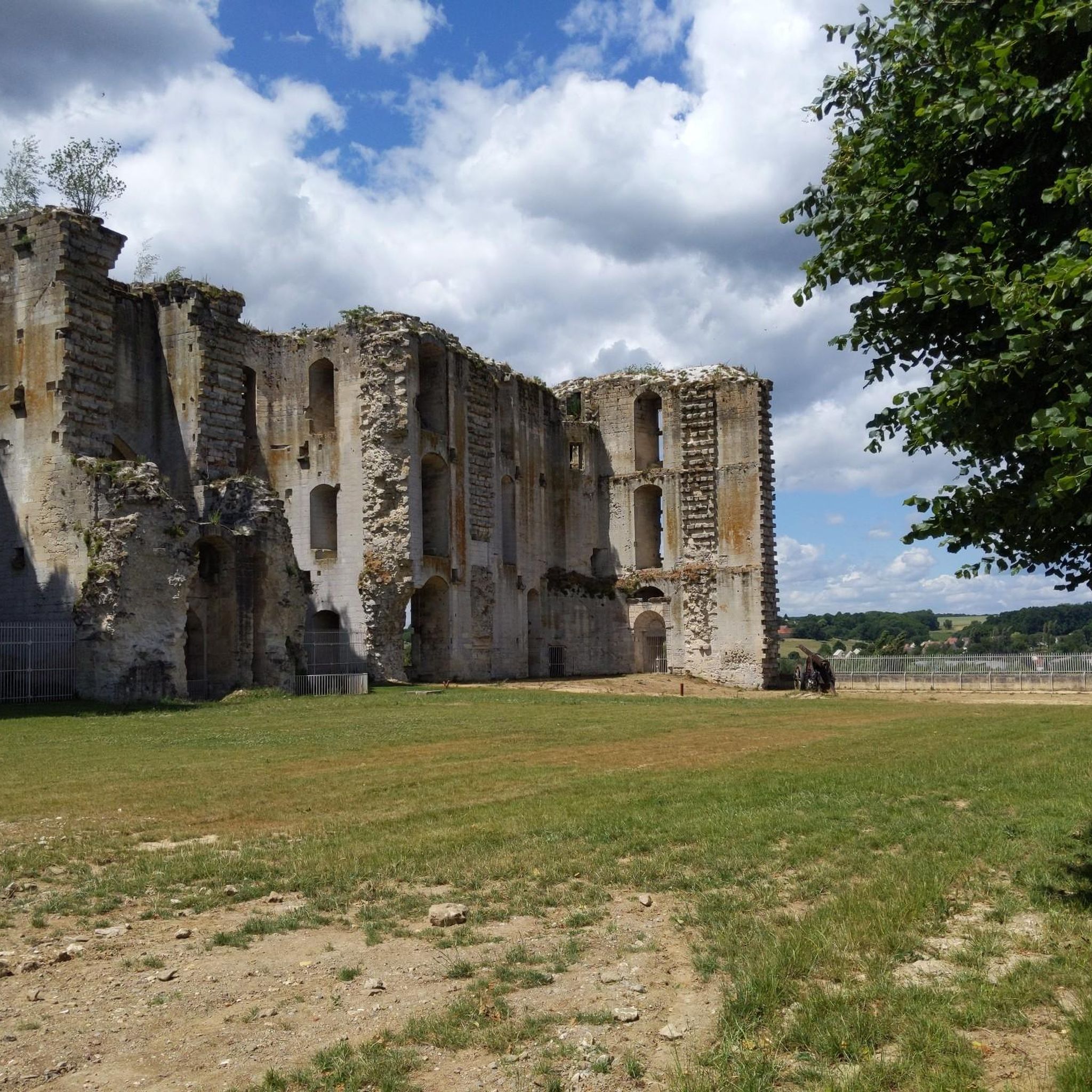
The Château de La Ferté-Milon is an unfinished castle in La Ferté-Milon, France. It was commissioned by Louis of Orléans at the end of the 14th century but was never completed due to his death. The castle is known for its long façade and the remains of a gateway, which are now a popular attraction. The castle is a reminder of the grandeur Louis of Orléans envisioned, but also of the ravages of time. It is a popular destination for tourists and history and architecture enthusiasts.
0
0
Nestled on the banks of the Ourcq River, in the shadow of the ruins of the impressive fortress, lies the charming town of La Ferté-Milon. La Ferté-Milon Castle was founded at the end of the 14th century but was never completed due to the assassination of the Duke of Orléans in 1407. Nevertheless, you'll find interesting remains here, such as the impressive façade with its window openings, the machicolations, and the low reliefs, the most remarkable of which depicts the Coronation of the Virgin. Magnificent views over the Ourcq valley can be admired from the castle's forecourt... Other monuments you can visit in La Ferté-Milon include the Saint-Nicolas Church, with its 16th-century stained-glass windows depicting scenes from the life of Christ and a vision of the Apocalypse, and the Church of Our Lady, dating from the 12th to the 16th centuries, where the famous fable writer Jean de La Fontaine married Jean Racine's cousin. Literature enthusiasts should definitely visit the Jean Racine Museum, dedicated to the life and work of the famous playwright, which houses many memorabilia from his paternal grandmother's house, where the writer spent his childhood.
5
0

Superb renovation of the castle, the room where the tennis court was held is magnificent with this dome of words
0
0

The Château d'Oigny-en-Valois is a monument located in the commune of Oigny-en-Valois It is listed as a Historic Monument. It opens its doors exclusively to the European Heritage Days. https://officiel-galeries-musees.fr/lieu/chateau-doigny-en-valois/
0
0

The Château de Villers-Cotterêts was built in the 16th century by François I. From November 1, 2023, the site will host the Cité internationale de la langue française.
1
0
The first known castle at a place called la Noue or la Noüe was built at the end of the 10th or at the very beginning of the 11th century in the town of Pisseleux, in the commune of Villers-Cotterêts. It was replaced by another castle built in the 13th century and then in the 15th and 16th centuries, the enclosure, the keep, the dovecote and the turret can still be seen on the facade of the main building. Source: Wikipedia
0
0

Beautiful medieval castle, and beautiful 18th century residence on the other side (company side), accessible by bike or on foot on weekends
0
1

XIIe century castle, not much too see but will provide shade for a break
0
0
Frequently Asked Questions
What is the historical significance of the Château de La Ferté-Milon?
The Château de La Ferté-Milon, also known as the Château du Duc d'Orléans, was commissioned by Louis d'Orléans in the late 14th century. It was intended to be a grand, strategic fortress but was never completed due to his assassination in 1407. Its impressive, unfinished facade and subsequent dismantling by Henri IV in 1594 make it a powerful testament to medieval French history and political struggles. It is also situated in the birthplace of the famous playwright Jean Racine.
What unique architectural features can I see at the Château de La Ferté-Milon?
Despite being unfinished and largely in ruins, the Château de La Ferté-Milon boasts an imposing facade, approximately 200 meters long and 20 meters high. A significant feature is the 7-meter wide bas-relief depicting the Coronation of the Virgin above the main entrance. You can also observe remnants of ancient machicolations and bas-reliefs of 'preuses' (valiant women) on the towers, hinting at its intended grandeur.
Are there other historically significant castles near La Ferté-Milon?
Yes, the region offers other notable historical sites. The Cité Internationale de la Langue Française – Château de Villers-Cotterêts, built by François I in the 16th century, is a significant landmark. Another is the Château de Noue, a medieval castle with an 18th-century residence, accessible by bike or on foot during weekends.
What is the Cité Internationale de la Langue Française – Château de Villers-Cotterêts known for?
The Château de Villers-Cotterêts, originally built by François I in the 16th century, has undergone a superb renovation. Since November 1, 2023, it hosts the Cité Internationale de la Langue Française, celebrating the French language and culture within its magnificent historical setting.
Can I visit the Château d'Oigny-en-Valois?
The Château d'Oigny-en-Valois is listed as a Historic Monument. It opens its doors exclusively during the European Heritage Days, so planning your visit around this annual event is essential if you wish to explore inside.
What are the best times to visit the castles around La Ferté-Milon?
The best time to visit the castles around La Ferté-Milon is generally during the spring (April to June) and autumn (September to October) months. The weather is pleasant for exploring, and the natural scenery of the Ourcq valley is particularly beautiful. Summer can also be a good option, though it might be busier.
Are there family-friendly activities near the castles in La Ferté-Milon?
Beyond exploring the castles, the area around La Ferté-Milon offers family-friendly outdoor activities. The Ourcq canal and the Forest of Retz provide opportunities for walks and cycling. The town itself, as the birthplace of Jean Racine, also offers cultural insights that can be engaging for older children.
Are there options for parking and public transport to the Château de La Ferté-Milon?
La Ferté-Milon has public parking options available within the town, often close to the historical center and the castle ruins. For public transport, La Ferté-Milon has a train station, and local bus routes may connect to nearby areas. It's advisable to check local schedules for the most current information.
What outdoor activities can I do near the castles in La Ferté-Milon?
The region around La Ferté-Milon is excellent for outdoor activities. You can find numerous routes for cycling, gravel biking, and mountain biking. For example, there are cycling routes like the 'Greenway of the Pays de Valois' loops, and gravel biking routes such as the 'VOIE VERTE DU VALOIS – La Ferté-Milon Castle loop'. You can explore more options on the Cycling around La Ferté-Milon, Gravel biking around La Ferté-Milon, and MTB Trails around La Ferté-Milon guides.
Can I find dog-friendly trails near the castles?
Yes, the natural areas around La Ferté-Milon, particularly along the Ourcq canal and within the Forest of Retz, offer dog-friendly trails. Many of the cycling and walking paths are suitable for dogs, provided they are kept on a leash and local regulations are respected. Always ensure to clean up after your pet.
Where can I find cafes or restaurants near the castles in La Ferté-Milon?
The town of La Ferté-Milon itself, nestled near the castle ruins, offers various cafes and restaurants where you can enjoy a meal or a refreshment. You'll find options in the town center, providing convenient places to eat after exploring the historical sites.
What kind of accommodation is available near the castles?
Near the castles in La Ferté-Milon, you can find a range of accommodation options including guesthouses, bed and breakfasts, and potentially small hotels in the town or surrounding villages. These provide a comfortable base for exploring the historical sites and natural beauty of the Ourcq valley.
Are there any hidden gem castles to discover near La Ferté-Milon?
While the Château de La Ferté-Milon is a prominent site, the Château de Noue, located in Pisseleux near Villers-Cotterêts, could be considered a hidden gem. It features a beautiful medieval castle and an 18th-century residence, offering a glimpse into different historical periods and is accessible for a quiet visit on weekends.
Most popular attractions around La Ferté-Milon

Get inspired with the komoot mobile app


Explore more
Looking for the best castles somewhere else? Discover other guides around La Ferté-Milon:
