Top 3 Caves around Saint-Denis
Best caves around Saint-Denis are situated in a region characterized by its limestone geology and river valleys. This area, often associated with the Gard department in France, features a landscape shaped by erosion, leading to notable natural formations. The local environment includes gorges and historical mining sites, offering diverse underground exploration opportunities. The geological history of the region contributes to a variety of cave types, from natural rock arches to former iron mines.
Best caves around Saint-Denis
- The most popular…
Last updated: April 27, 2026
The Three Arches of the Cèze Gorges
Highlight • Natural Monument
Translated by Google •
Tip by

Terrace at the entrance to the Salamander cave
Highlight • Rest Area
Translated by Google •
Tip by

Sign up now to discover places like this
Get recommendations on the best single tracks, peaks, & plenty of other exciting outdoor places.
Sign up for free
Balmes Iron Mines near Saint-Jean
Highlight • Structure
Translated by Google •
Tip by

Rocher de l'Aigle
Highlight • Climb
and free climbing garden is located.
The whole thing is equipped with steel cables and is a bit …
Translated by Google •
Tip by

Aven des Oublis
Highlight • Cave
In the lower part of the underworld there are 2 large halls with many large stalactites.
Translated by Google •
Tip by
Start today with a free account
Your next adventure awaits.
Login or Signup
Tips from the Community

Anyone hiking through the hilly landscape around Saint-Jean and Saint-Florent today encounters silent traces of a rich past. Even before coal was mined here, iron was the most important commodity – since ancient times and especially in the Middle Ages. The medieval mines were simple and dangerous. Without ventilation and with shallow tunnels, they followed the iron-rich pyrite veins – often no more than 100 meters long. As early as 1512, a prospector's license cost a whopping 32 florins. The mined ore was further processed locally: From the Middle Ages to the 19th century, the valley was known for its nailsmiths – in 1676 alone, up to 45 masters worked here. Nature also tells its story: The strawberry tree (Arbutus unedo), typical of the garrigue, bears flowers and ripe fruit simultaneously. The rare Jason butterfly (Charaxes jasius), Europe's largest butterfly, lives in its environment and is clearly visible from June to September.
1
0

a remarkable natural ensemble made up of three rock arches sculpted by erosion. Located in the Cèze gorges, these formations offer a picturesque spectacle and are often visited by hiking enthusiasts and geology enthusiasts. These arches are the result of millions of years of geological evolution, testifying to the power and beauty of nature.
1
0

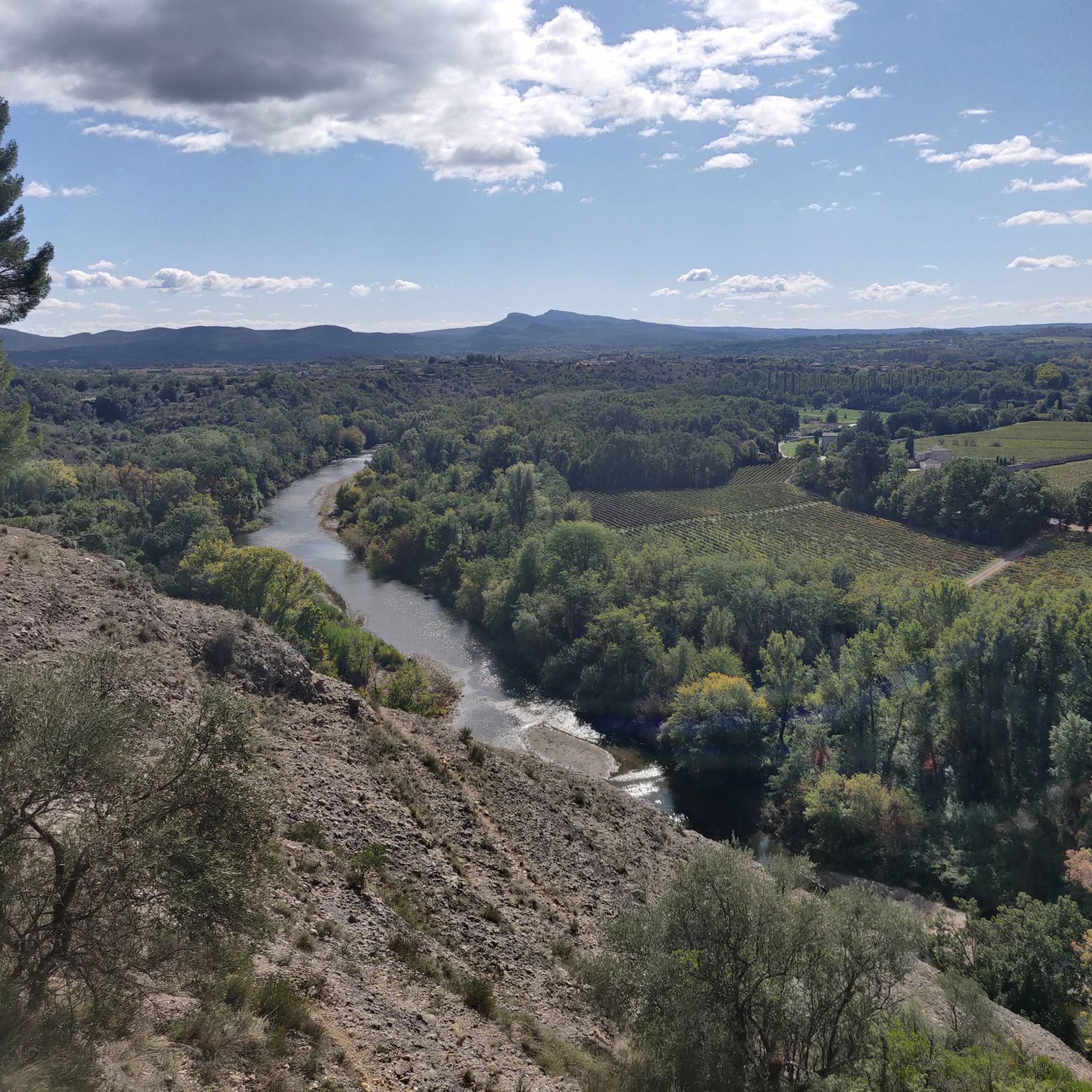
Magnificent wooden terrace with a beautiful view of the Cèze valley. Climbing cage for children, souvenir shop, snack bar and toilet facilities complete the offer.
1
0

This beautiful canyon is only for the speleologist who starts with a 30 meters direct shaft. In the lower part of the underworld there are 2 large halls with many large stalactites.
4
0
The Rock de l'Aigle is a small rock group where a nice and free climbing garden is located. The whole thing is equipped with steel cables and is a bit south from Saint-Privat-de-Champclos, above the la Caze river. A cave also pierces the rock massif.
3
0
Frequently Asked Questions
What kind of caves can I explore around Saint-Denis?
The region around Saint-Denis, particularly in the Gard department, offers a diverse range of underground experiences. You can find natural rock arches like The Three Arches of the Cèze Gorges, geological caves, and historical sites such as the Balmes Iron Mines near Saint-Jean, which offer a glimpse into the area's mining past.
Are there any family-friendly cave attractions near Saint-Denis?
Yes, the Terrace at the entrance to the Salamander cave is a great option for families. It features a magnificent wooden terrace with views of the Cèze valley, a climbing cage for children, a souvenir shop, and a snack bar, making it a comfortable and engaging stop for all ages.
What historical insights can I gain from visiting caves in the area?
The Balmes Iron Mines near Saint-Jean provide a rich historical experience. These mines have been worked since ancient times, with medieval mines following iron-rich pyrite veins. You can explore the silent traces of a past where iron was a crucial commodity, and learn about the local nailsmith industry that thrived here for centuries.
Are there any challenging caving experiences for experienced explorers?
For experienced speleologists, the Aven des Oublis offers a challenging experience. This beautiful canyon begins with a 30-meter direct shaft and features two large halls with many stalactites in its lower parts.
What natural formations can I see in the caves around Saint-Denis?
You can witness remarkable geological formations such as The Three Arches of the Cèze Gorges, which are natural rock arches sculpted by millions of years of erosion. Other caves, like the Aven des Oublis, boast large stalactites.
Can I combine a cave visit with other outdoor activities?
Absolutely. The region around Saint-Denis is excellent for outdoor activities. You can find numerous MTB trails, running trails, and road cycling routes that allow you to explore the diverse landscapes, often with views of the Cèze valley.
Are there opportunities for climbing near the caves?
Yes, Rocher de l'Aigle is a small rock group featuring a free climbing garden equipped with steel cables. A cave also pierces the rock massif there, offering a unique combination of climbing and cave exploration.
What wildlife might I encounter near the caves?
Near the Balmes Iron Mines near Saint-Jean, you might spot the strawberry tree (Arbutus unedo), typical of the garrigue, which bears flowers and ripe fruit simultaneously. The rare Jason butterfly (Charaxes jasius), Europe's largest butterfly, also lives in this environment and is visible from June to September.
What facilities are available at cave attractions?
At the Terrace at the entrance to the Salamander cave, visitors can find a snack bar, a souvenir shop, and toilet facilities, in addition to the scenic viewpoint and children's climbing cage.
What do visitors particularly enjoy about the caves around Saint-Denis?
Visitors appreciate the remarkable natural ensembles like The Three Arches of the Cèze Gorges for their picturesque spectacle and geological significance. The historical depth of sites like the Balmes Iron Mines and the family-friendly amenities at the Salamander cave terrace are also highly valued.
Are there any viewpoints associated with the caves?
Yes, the Terrace at the entrance to the Salamander cave offers a magnificent wooden terrace with a beautiful view of the Cèze valley. Additionally, Rocher de l'Aigle is also noted as a viewpoint.
Most popular routes around Saint-Denis
Most popular attractions around Saint-Denis

Get inspired with the komoot mobile app


Explore more
Extend your search for the best caves by checking out these guides of the top ones around Saint-Denis:
