Top 4 Castles around Allègre-Les-Fumades
Best castles around Allègre-Les-Fumades offer insights into the region's medieval past and provide panoramic views. The area is characterized by its elevated positions, such as the Castrum d'Allègre, which sits at 275 meters overlooking the Cèze valley, Mont Bouquet, and the Cévennes. These historic sites are often found along hiking trails, allowing visitors to explore both cultural heritage and natural landscapes. The ruins of these castles bear witness to centuries of history and unique architectural arrangements.
Best castles around Allègre-Les-Fumades
- The most popular castles is Castellas de Bouquet Ruins, a castle and historical site that is a medieval ruin perched north of the Mont Bouquet promontory. This site is located in a Natura 2000 zone and offers beautiful panoramas in all directions.
- Another must-see spot is Montalet Castle, a castle. With an area of almost 10,000 m², it is one of the largest castles in the Cévennes and is undergoing restoration by volunteers.
- Visitors also love Panoramic view of Le château d'Allègre, a historical site and castle. Despite its ruined state, the Castrum d'Allègre remains impressive, featuring towers, stately homes, a double rampart, and a chapel, offering a sublime panorama over the Cévennes.
- Allègre-Les-Fumades is known for its ruined castles, historical sites, and signal towers. Visitors can explore a variety of medieval structures, from extensive castle complexes to ancient keeps, many offering significant historical context and scenic viewpoints.
- The castles around Allègre-Les-Fumades are appreciated by the komoot community, with 38 upvotes and 26 photos shared by visitors.
Last updated: July 9, 2026
Castellas de Bouquet Ruins
Highlight • Castle
Translated by Google •
Tip by

Montalet Castle
Highlight • Castle
It is the subject of a restoration campaign by volunteers and a medieval festival is organized there every year.
Translated by Google •
Tip by
Sign up now to discover places like this
Get recommendations on the best single tracks, peaks, & plenty of other exciting outdoor places.
Sign up for free
Bécamel Tower
Highlight • Monument
Translated by Google •
Tip by

Panoramic view of Le château d'Allègre
Highlight • Other
Translated by Google •
Tip by
Start today with a free account
Your next adventure awaits.
Login or Signup

Tips from the Community

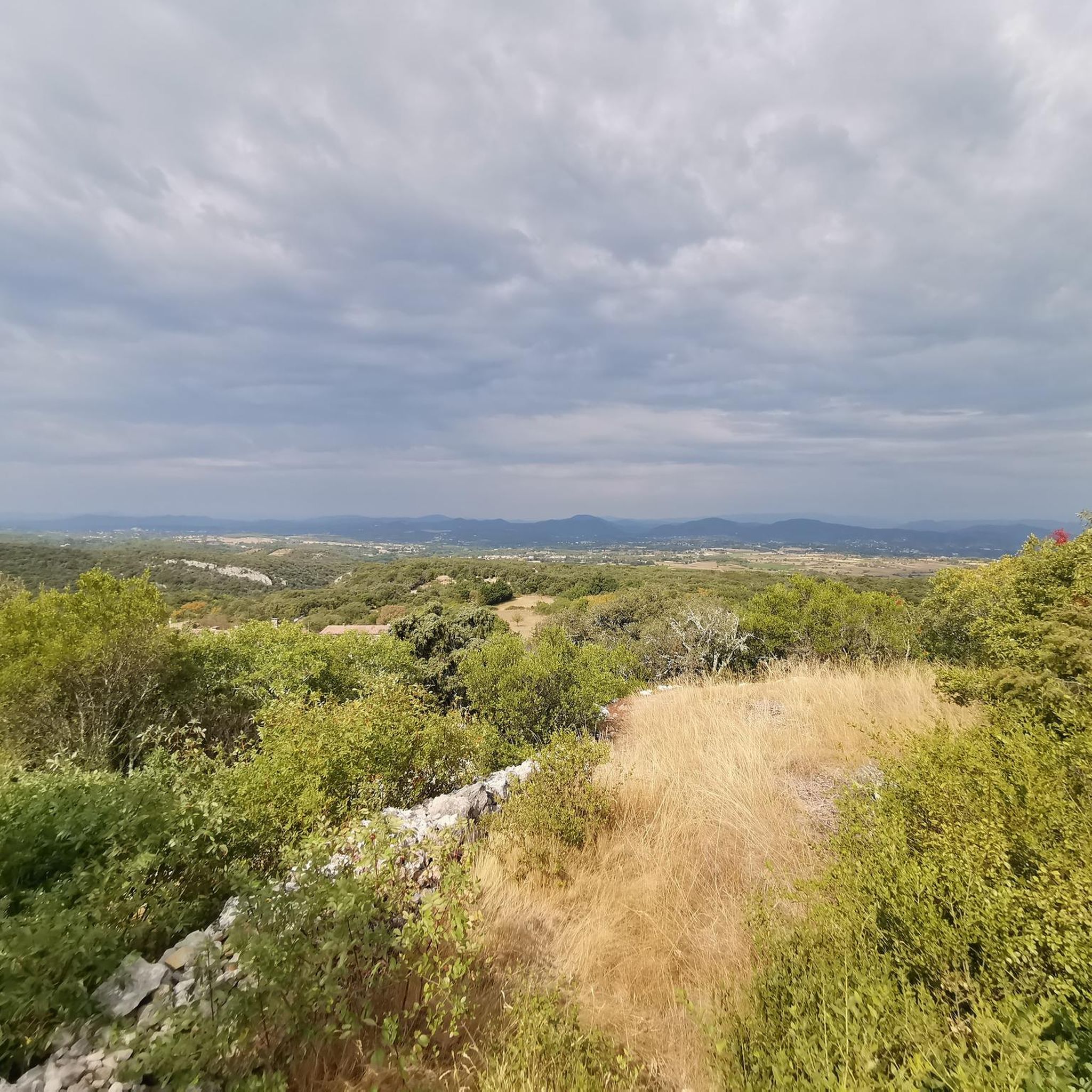
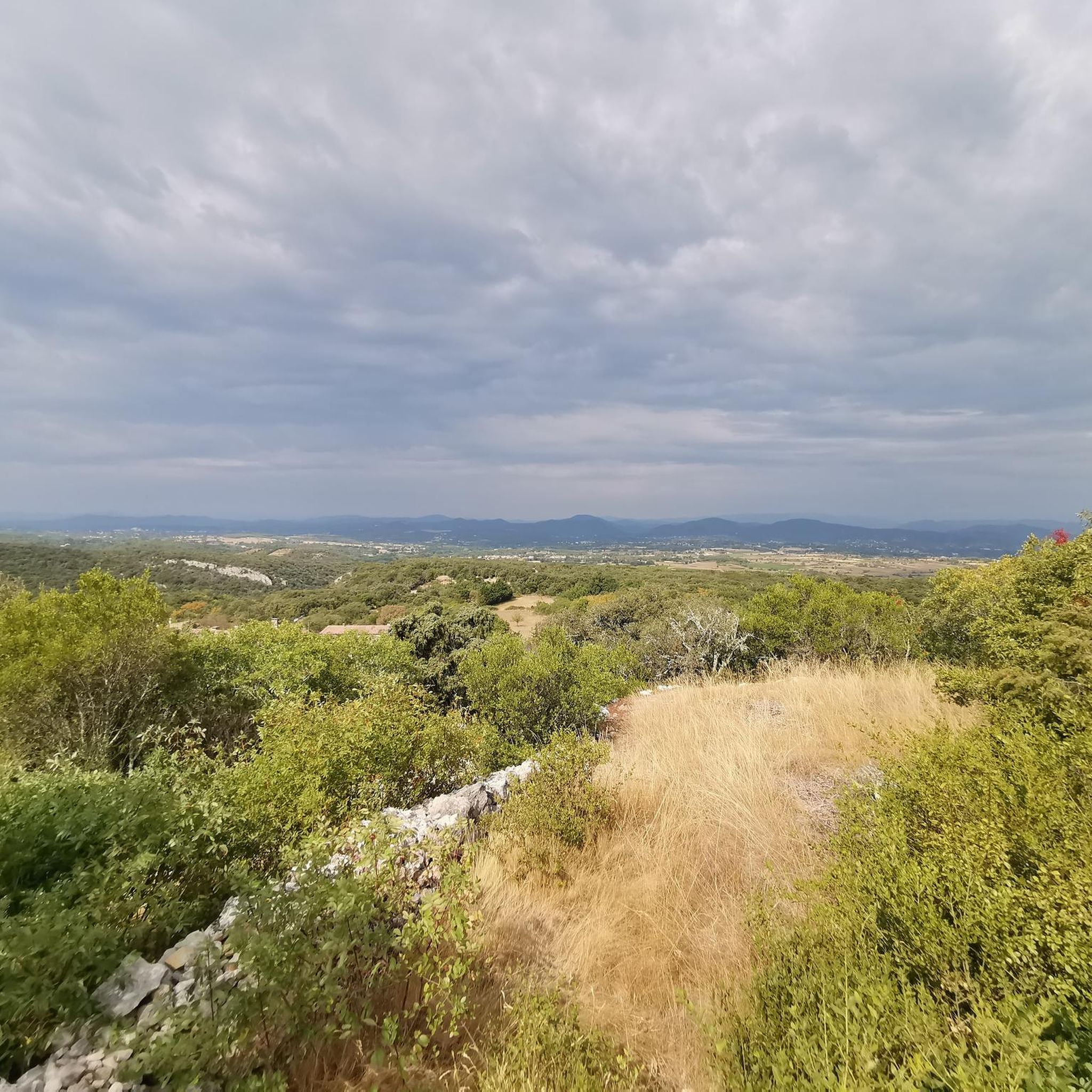
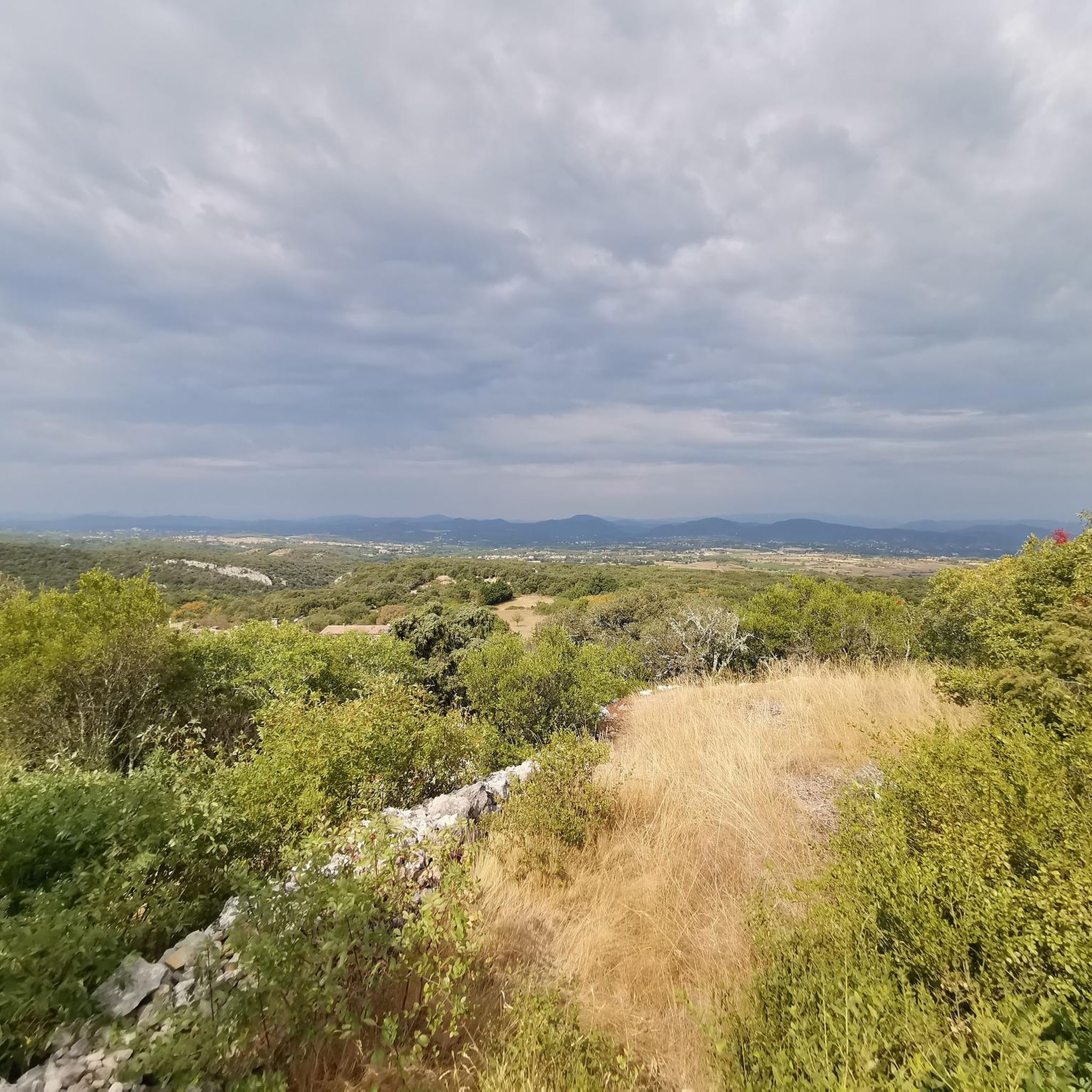
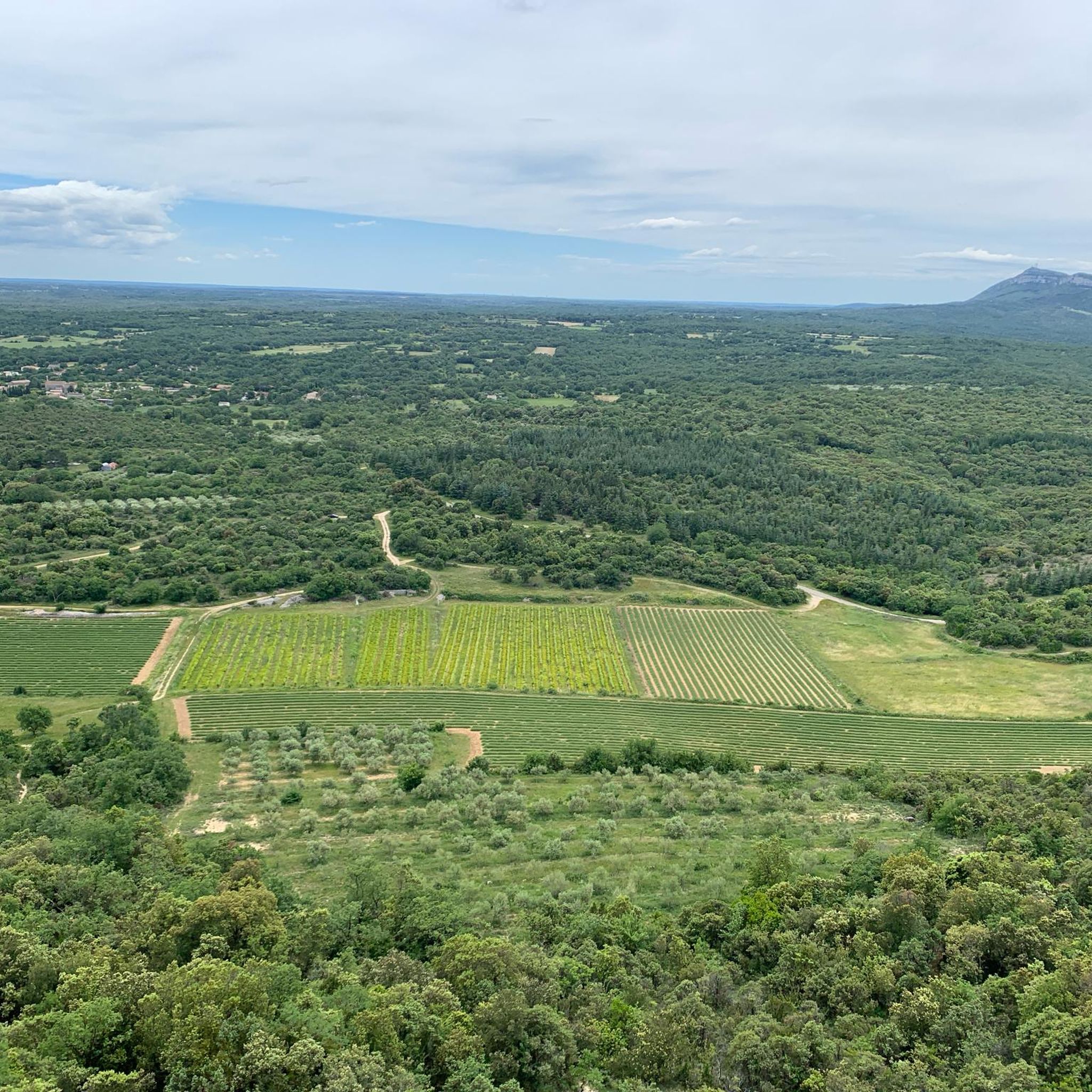
Despite its current state, which is essentially in ruins, the castle (or more accurately, Castrum) of Allègre remains impressive and bears witness to nearly 10 centuries of history. It features towers and stately homes, a double rampart, a chapel, and a village. Located at an altitude of 275 meters, overlooking the middle valley of the Cèze, the entire site covers one and a half hectares and offers a sublime panorama of Mont Bouquet and the entire Cévennes (orientation table). Very close to the D37, the tour is best done on foot after leaving your bike in the parking lot.
1
0
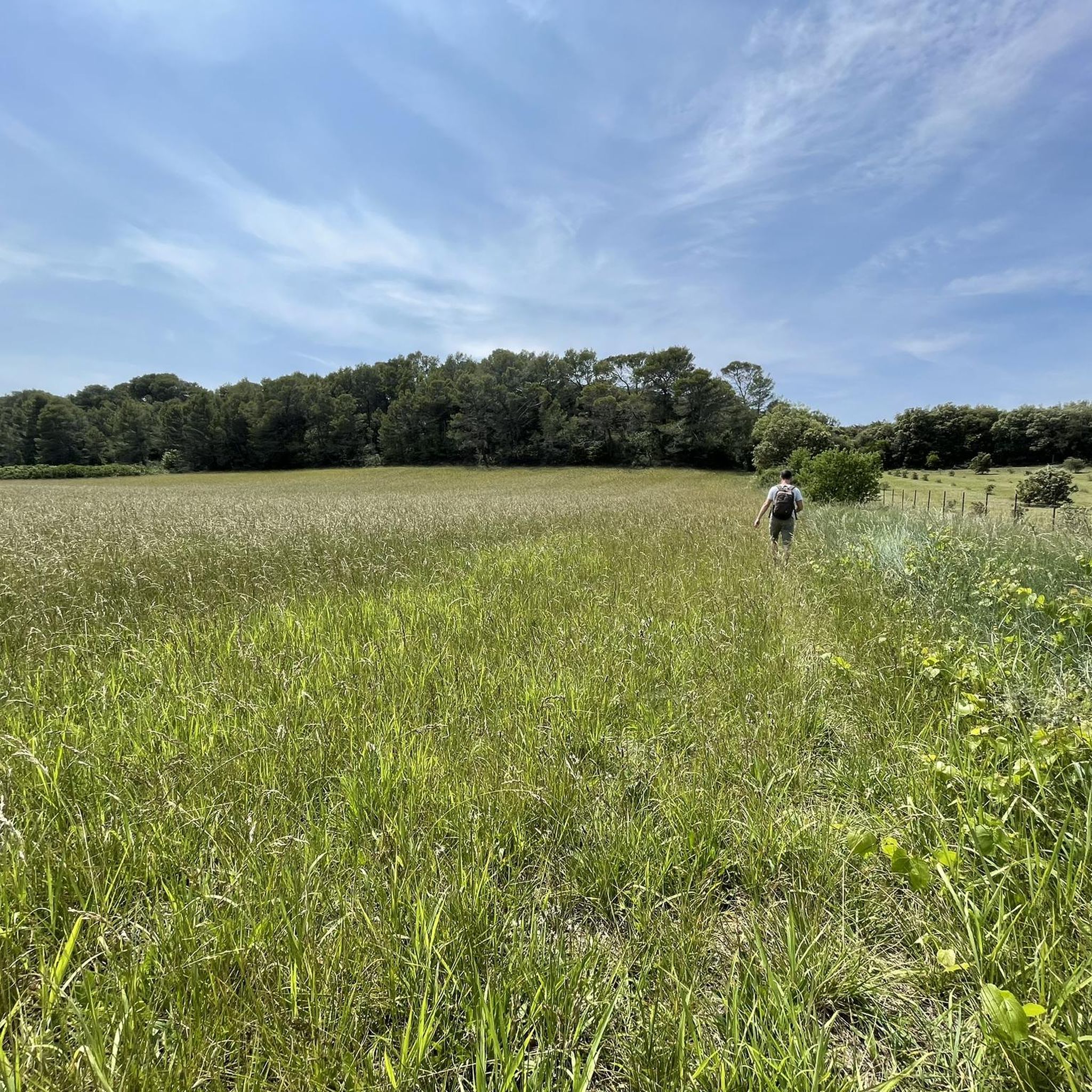
Very nice site, accessible by gravel or mountain bike from the Bouquet road and from the Bourricot pass, it is located in a Natura 2000 zone. Presence of several picnic tables with beautiful panoramas in all directions.
0
0


The Tour de Bécamel in Salindres, also known as Donjon de Becmil, is a historic signal tower ruin dating from the early 12th century. It was originally the home of a knightly family called Becmil. In the late 12th century, the site was converted into a stately residence. The Becmil line died out in the 14th century. The tour is located south of the town of Salindres, about 45 km northwest of Nîmes and 7 km northeast of Alès.
2
0

The Castellas de Bouquet is a medieval castle in ruins, perched north of the promontory of Mont Bouquet.
0
0
With an area of almost 10,000m2, the Château de Montalet is one of the largest castles in the Cévennes. It is the subject of a restoration campaign by volunteers and a medieval festival is organized there every year.
1
0
Great view over the Cevennes and Mont Bouquet
1
0
Perfect spot for distant gazing
1
0
Frequently Asked Questions
What is unique about the Château d'Allègre?
The Château d'Allègre, also known as the Castrum d'Allègre, stands out due to its unique 'village of knights' structure. Unlike a single lord's residence, it was a co-seigneurie where multiple noble families shared the domain, each with their own towers and halls. This complex arrangement reflects the advanced medieval society of Languedoc. Despite being in ruins, it offers a sublime panorama of the Cèze valley and the Cévennes.
Are there any castles near Allègre-Les-Fumades that offer panoramic views?
Yes, several castles in the region provide excellent viewpoints. The Château d'Allègre offers a great view over the Cévennes and Mont Bouquet. Additionally, the Castellas de Bouquet Ruins, perched on the promontory of Mont Bouquet, provides beautiful panoramas in all directions. The Bécamel Tower also offers a good vantage point.
What historical sites can I visit besides the main castles?
Beyond the prominent castles, you can explore the Castellas de Bouquet Ruins, which is a medieval castle in ruins located in a Natura 2000 zone. Another significant historical site is the Bécamel Tower (or Becmil Keep) in Salindres, an old signal tower built in the early 12th century that was later converted into a stately residence.
Are there family-friendly activities or events at the castles?
The Association du Château d'Allègre actively works on restoring and preserving the Château d'Allègre. They organize cultural activities, including guided tours, medieval shows, workshops and games for children, and medieval banquets. For specific event schedules, it's best to check their local listings or contact the association directly.
What outdoor activities can I do near these castles?
The region around Allègre-Les-Fumades is excellent for outdoor activities. You can find numerous routes for cycling and gravel biking. For example, there are routes like the 'Château d'Allègre – Les Fumades Church loop' or the 'Mount Bouquet – Bourricot Pass loop' for cycling, and the 'Bourricot Pass – Castellas Castle Ruins loop' for gravel biking. You can explore more options in the Cycling around Allègre-Les-Fumades or Gravel biking around Allègre-Les-Fumades guides.
Are there hiking trails that lead to or pass by these castles?
Yes, the Château d'Allègre is located on a hiking trail and is accessible on foot. Good shoes are recommended for the ascent. The Castellas de Bouquet Ruins are also accessible by gravel or mountain bike from the Bouquet road, making it a great destination for a hike or ride. Many routes in the area incorporate these historical sites into their paths.
What is the best time of year to visit the castles in this region?
The Cévennes region generally enjoys pleasant weather from spring to autumn, making these seasons ideal for visiting castles and engaging in outdoor activities. Spring offers blooming landscapes, while autumn provides comfortable temperatures and beautiful foliage. Summer can be warm, so early mornings or late afternoons are best for exploring. Winter visits are possible, but some facilities or events might be limited.
Is there parking available for visitors to the castles?
Yes, for the Château d'Allègre, there are specific parking areas available for visitors, from which you can then proceed on foot to the site. For other castles or ruins, parking is often available nearby, especially at the start of hiking or cycling trails leading to them.
Can I find guided tours for the castles around Allègre-Les-Fumades?
The Association du Château d'Allègre organizes guided tours of the Château d'Allègre, which are available upon request. They also offer virtual guided tours via QR codes on-site. For other castles, information on guided tours might be available through local tourist offices or specific historical associations.
What makes Montalet Castle noteworthy?
The Montalet Castle is one of the largest castles in the Cévennes, covering an area of almost 10,000m². It is currently undergoing a restoration campaign by volunteers, and a medieval festival is organized there annually, making it a vibrant historical site to visit.
Are the castle sites accessible for people with mobility challenges?
While many castles in the region are historical ruins located on elevated terrain, which can present challenges, accessibility varies. The Château d'Allègre, for instance, requires walking from a parking area, and good shoes are recommended due to its location on a hiking trail. It's advisable to check specific accessibility details for each site directly before planning your visit.
Most popular routes around Allègre-Les-Fumades
Most popular attractions around Allègre-Les-Fumades

Get inspired with the komoot mobile app


Explore more
Looking for the best castles somewhere else? Discover other guides around Allègre-Les-Fumades:
