Top 3 Castles around Casteil
Best castles around Casteil are found in a region rich in historical sites, though Casteil itself is primarily known for the Abbey Saint-Martin-de-Canigou, an impressive Benedictine abbey. This abbey, founded in 1005, is a significant historical structure located above the village. While traditional castles are not directly within Casteil, the surrounding area features several notable fortified sites. A property named "Vieux Chateau Le Casteil" exists approximately 14 km away in Molitg-les-Bains, offering a 15th-century feudal castle experience.
Best castles around…
Last updated: June 25, 2026
Fort Libéria
Highlight • Castle
Translated by Google •
Tip by

Villefranche-de-Conflent
Highlight • Historical Site
Showing Translation
Tip by

Sign up now to discover places like this
Get recommendations on the best single tracks, peaks, & plenty of other exciting outdoor places.
Sign up for free
Prats-de-Mollo-la-Preste
Highlight • Settlement
Translated by Google •
Tip by

Tour de Mir
Highlight • Castle
Translated by Google •
Tip by

View of Château de Thorrent and Thorrent Hamlet
Highlight • Viewpoint
Translated by Google •
Tip by

Start today with a free account
Your next adventure awaits.
Login or Signup
Popular around Casteil
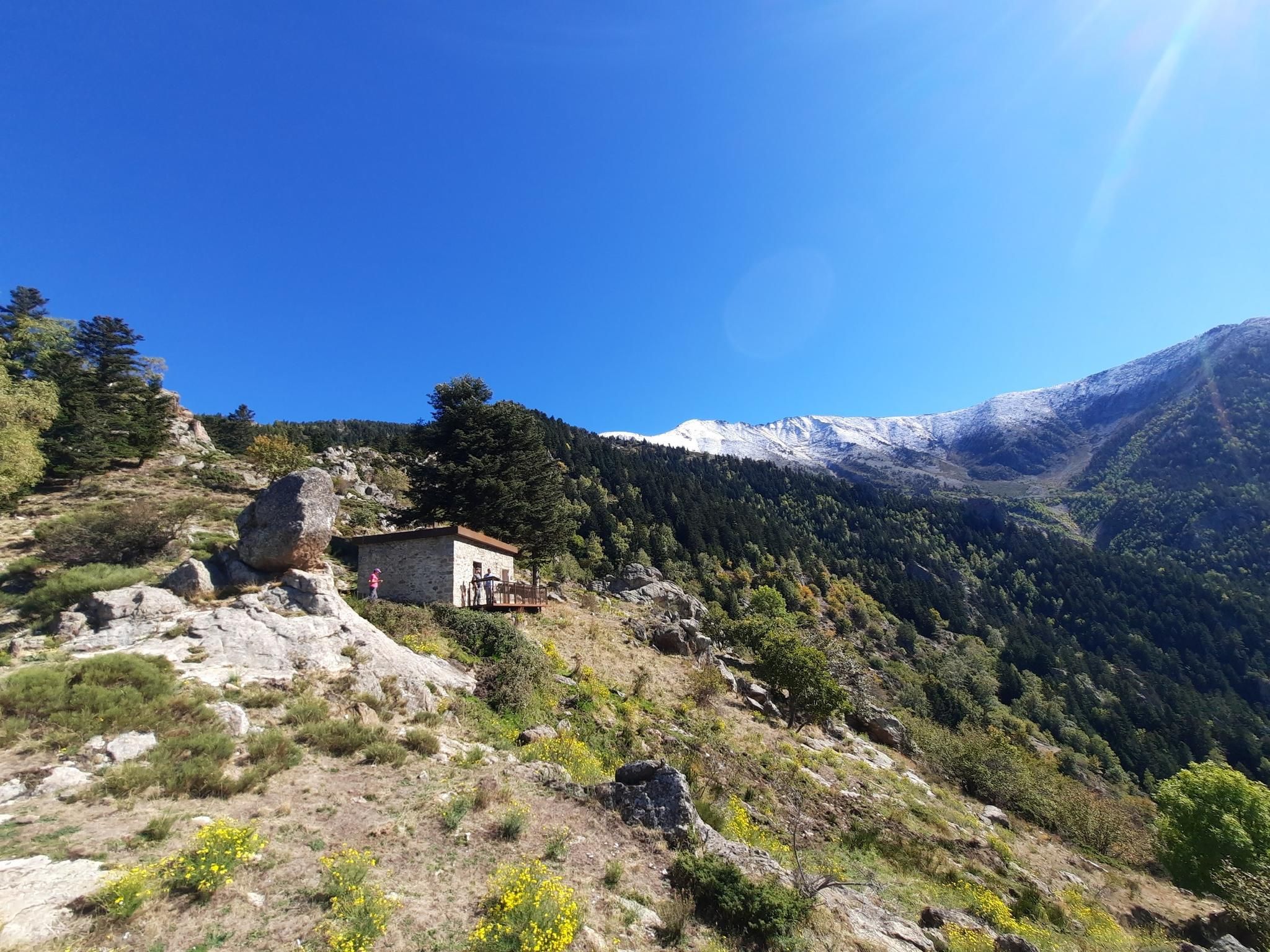
The Crossing of the Pyrenees via the GR 10 — Eastern Pyrenees
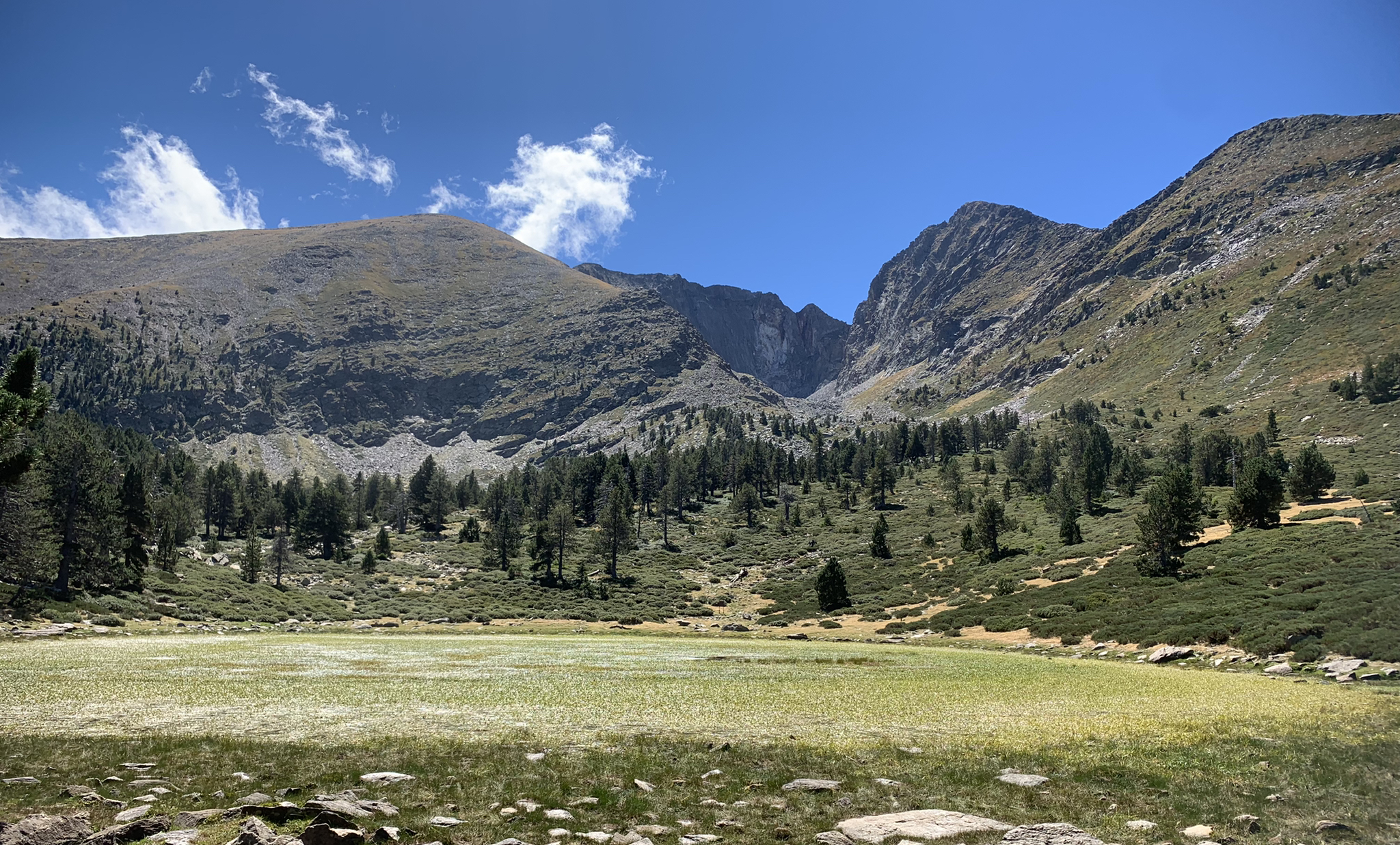
Tour du Canigou – Through the heart of the Mediterranean Pyrenees
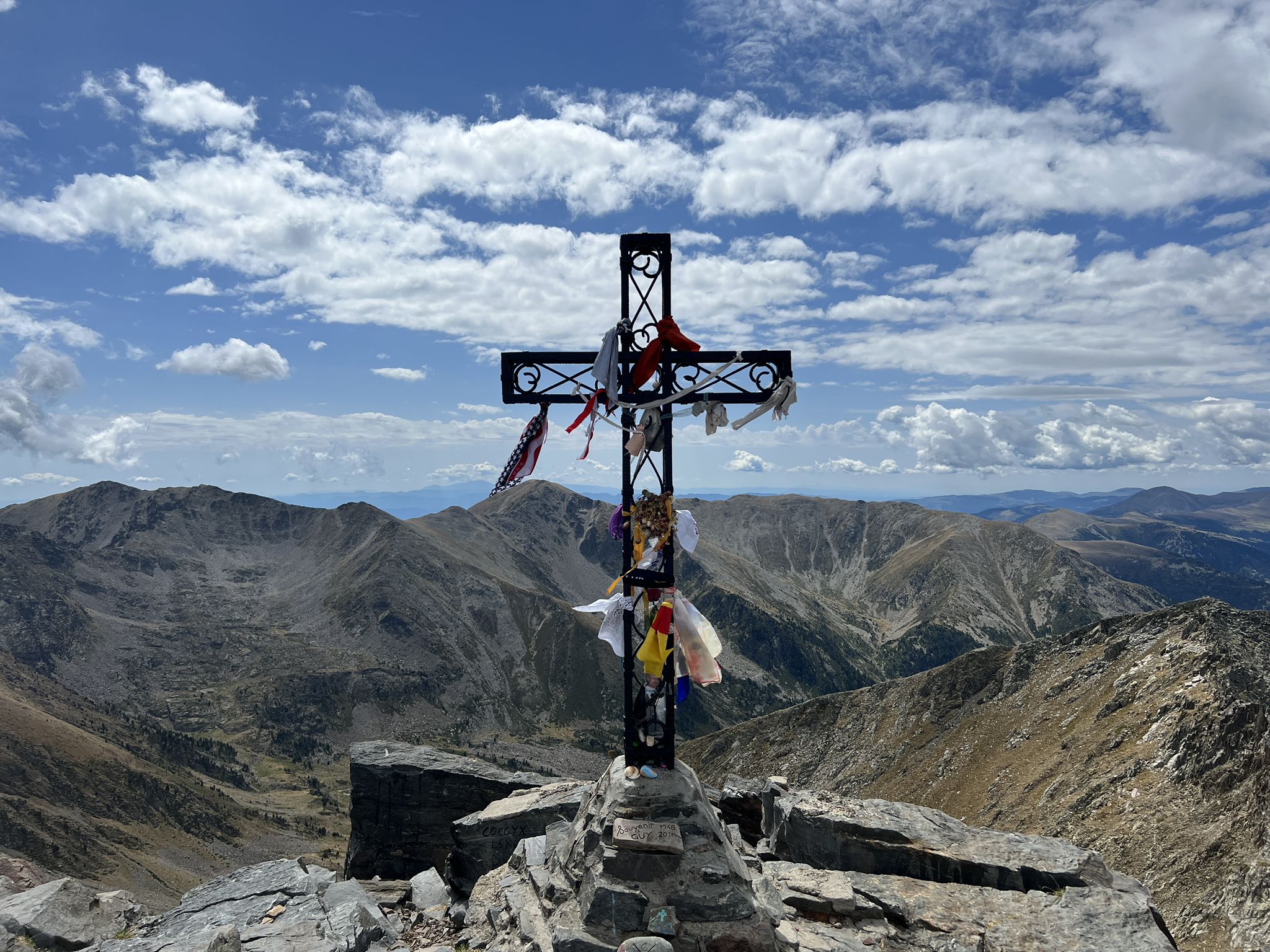
Tour of Canigo — The last great massif of the Pyrenees
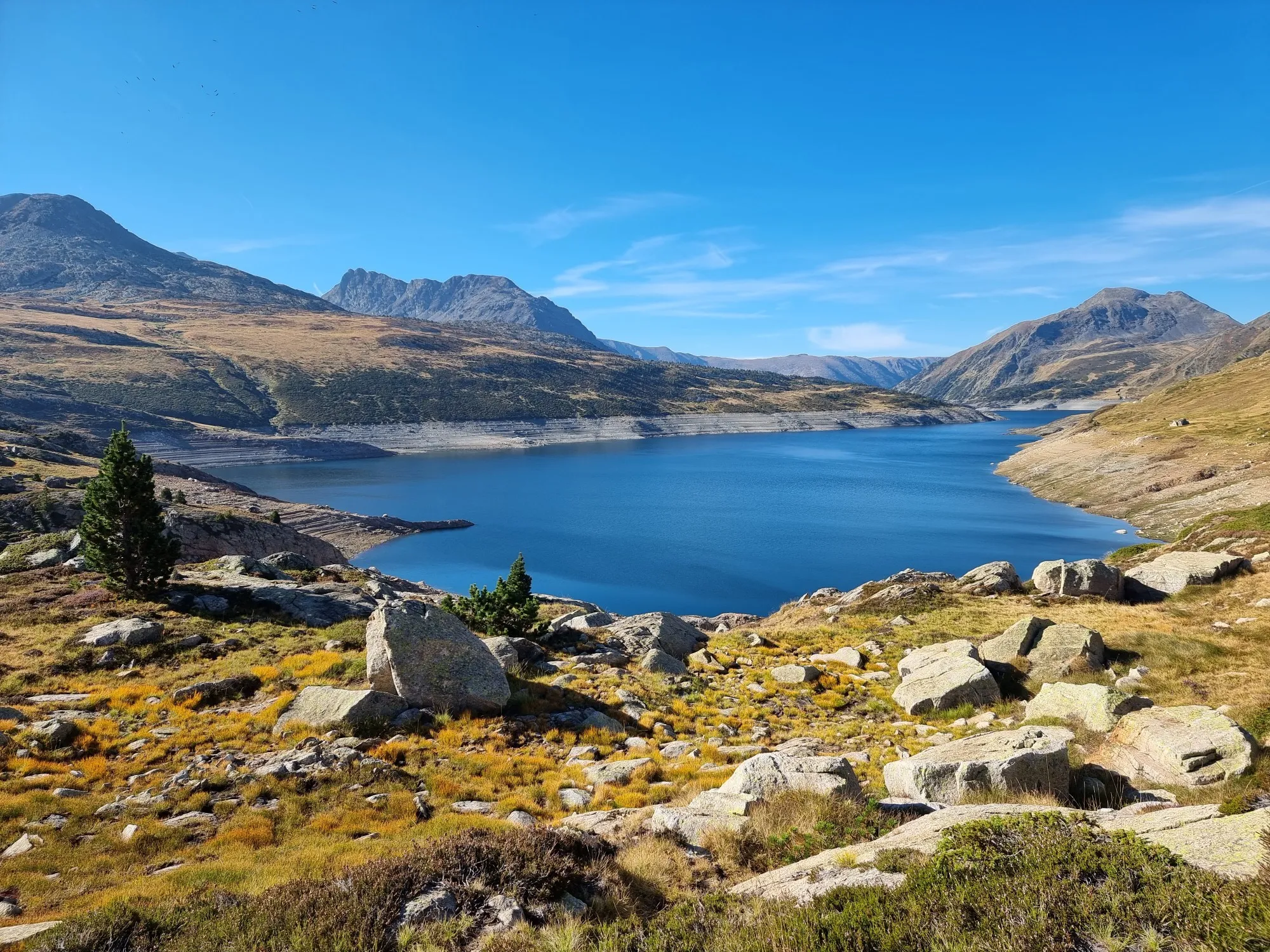
On wild ridges: Catalonia to Ariège – Hexatrek, Eastern Pyrenees
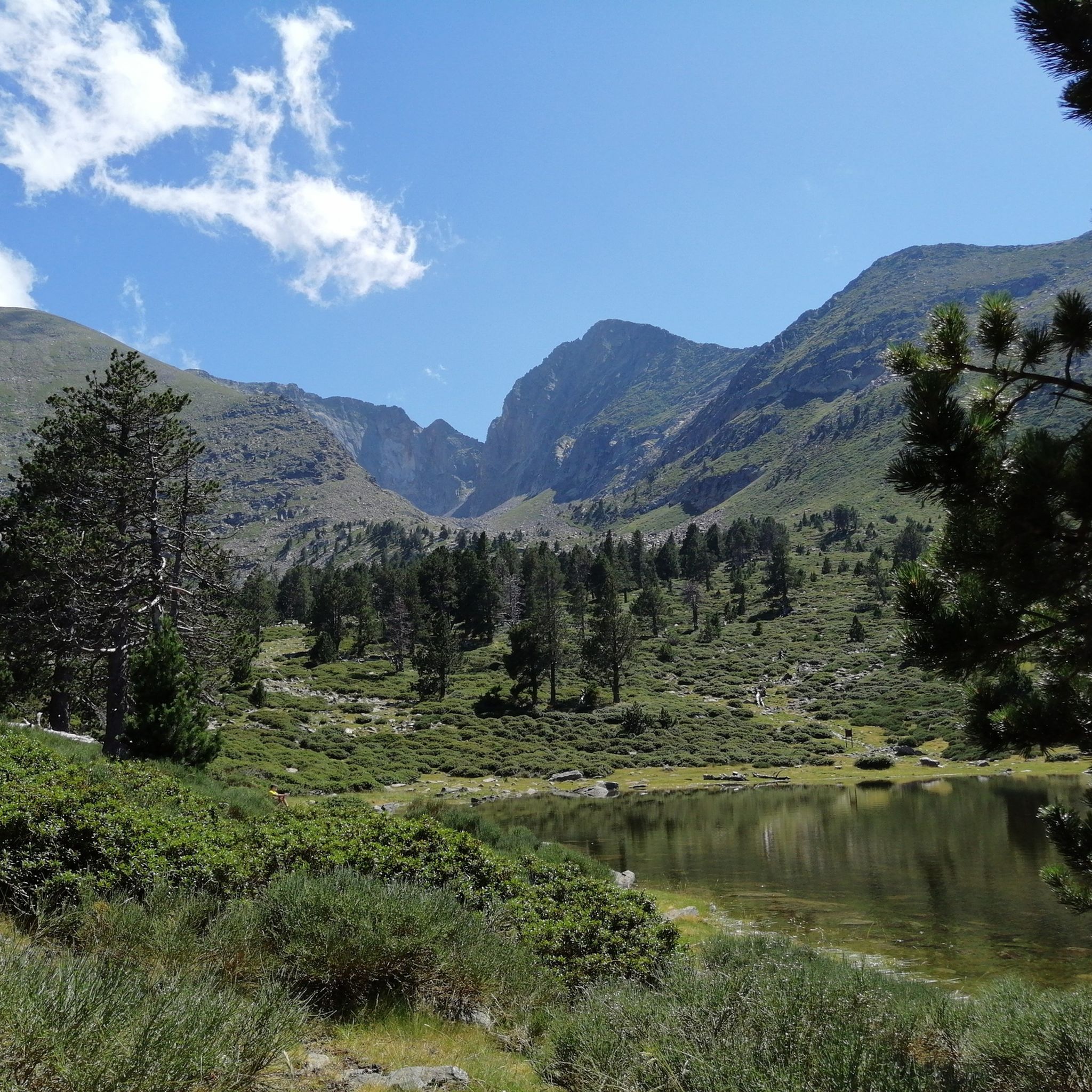
Hiking around Casteil
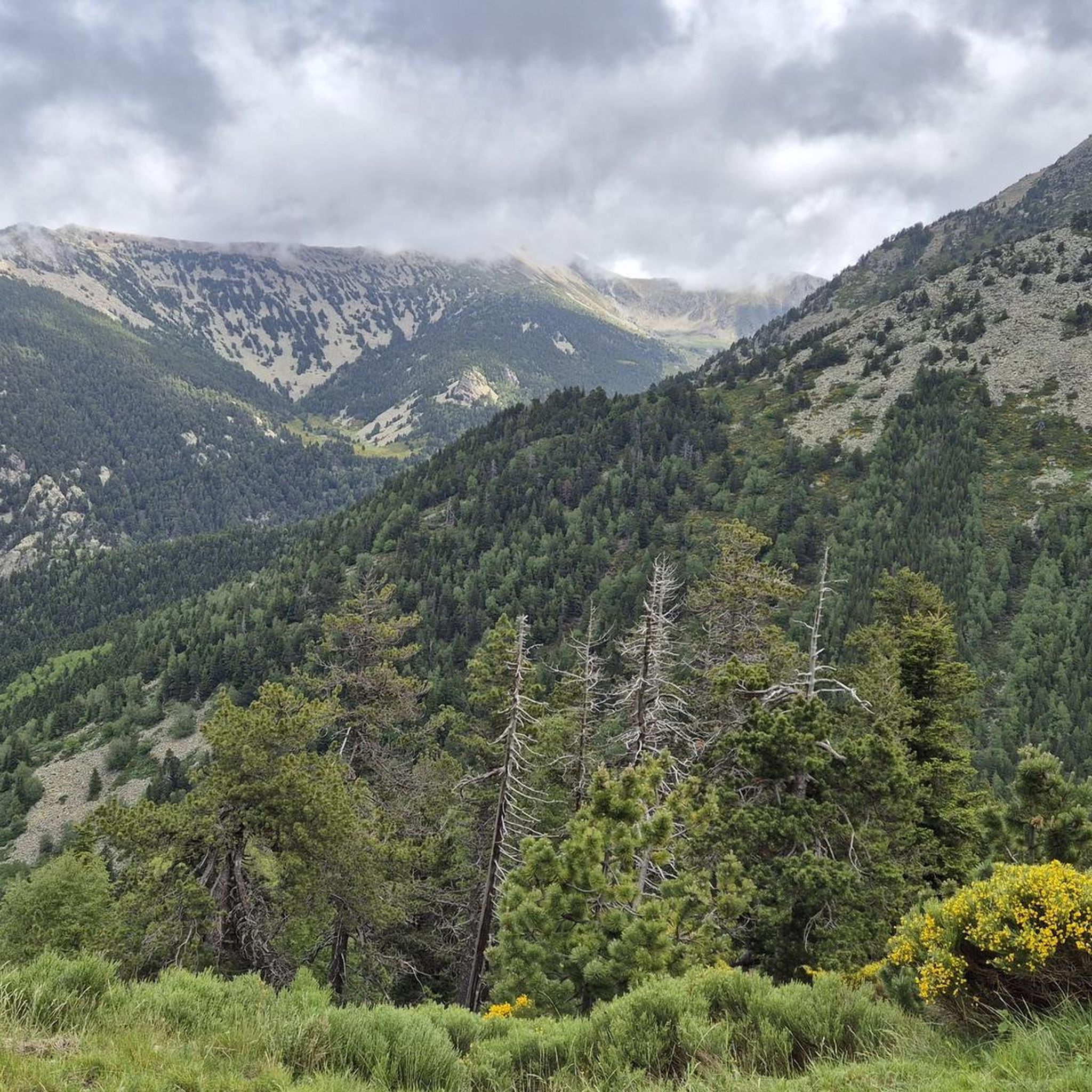
MTB Trails around Casteil
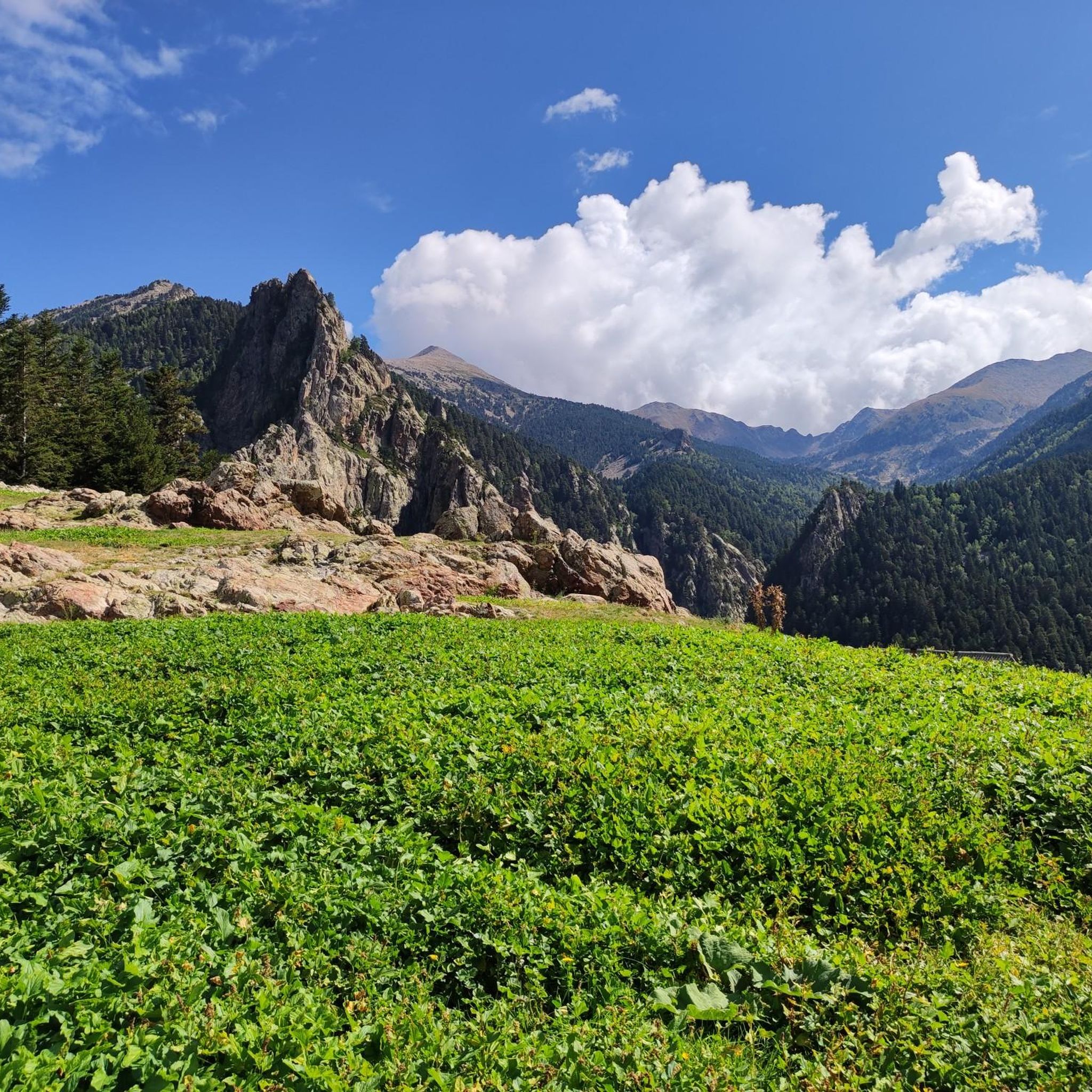
Running Trails around Casteil
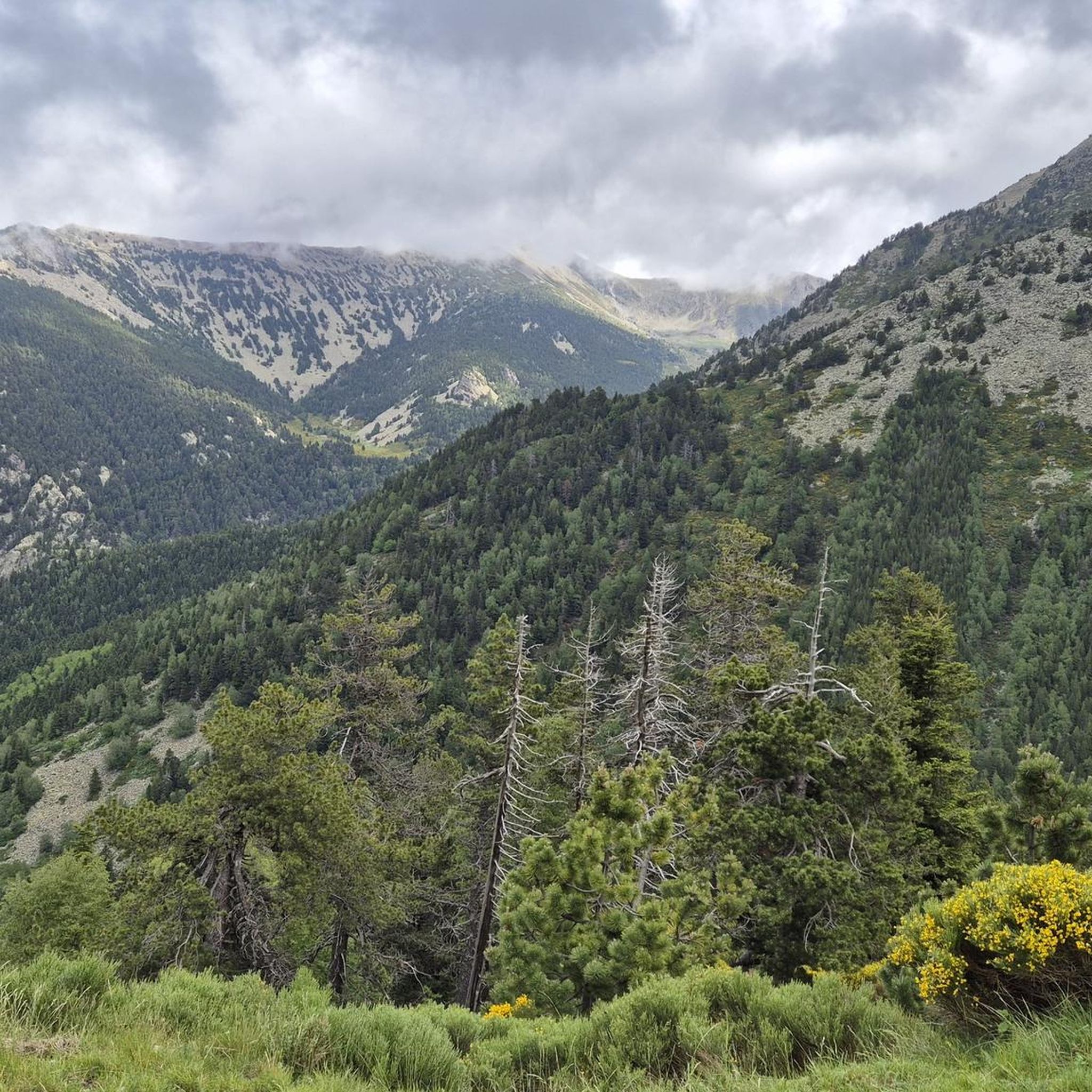
Cycling around Casteil
Road Cycling Routes around Casteil

Gravel biking around Casteil
Other adventures around Casteil


Tips from the Community


This ancient trading town, the capital of Conflent, has preserved some beautiful traces of its history and its status as a defensive town. Examples include the ramparts and the Viguerie Tower, built by the Count of Cerdagne in the 11th century and subsequently reinforced by Vauban's fortifications in the 17th century.
0
0
VIllefranche-de-Conflent is a town with an exceptional heritage: from the Middle Ages to the present day, time has left its mark in the stones of the men who built, conquered or lived in the town. More than anyone, Vauban, the "Sun King's wanderer", has left his mark here.
10
0
The fort was built in 1681 on a rocky spur on the mountainside. It guarded the Têt Valley and, together with the ramparts of Villefranche, formed a formidable defensive complex. It stood 180 meters above the Têt, on the summit of Belloch Mountain, like a king. In peacetime, the fort could accommodate 50 to 100 garrison members.
0
0

really a beautiful place, rightly counts among the listed beautiful villages
3
0


Very beautiful fortress. A (guided) tour is recommended, especially in the evening with a lantern. Inside the fortress there are many lovely shops with regional products and of course restaurants where you can enjoy good food.
6
0

https://www.youtube.com/watch?v=dLKV5Y7mv40 The town keeps alive many Catalan traditions, such as the Bear Festival (La Fête de l'Ours), which is celebrated every year in February. This festival is one of the oldest and most representative of Pyrenean folklore, symbolizing the struggle between man and nature.
1
0
Frequently Asked Questions
What types of historical fortifications can I explore near Casteil?
While Casteil is primarily known for the Abbey Saint-Martin-de-Canigou, the surrounding region offers a variety of historical fortifications. You can explore impressive Vauban-designed structures like Fort Libéria and the fortified village of Villefranche-de-Conflent, both UNESCO World Heritage sites. There are also medieval watchtowers such as Tour de Mir, and the well-preserved walls and citadel of Prats-de-Mollo-la-Preste.
Is the Abbey Saint-Martin-de-Canigou a castle?
The Abbey Saint-Martin-de-Canigou, located above Casteil, is an impressive Benedictine abbey, not a traditional fortified castle. Founded on June 12, 1005, it is considered one of the region's largest and most beautiful abbeys and a significant historical structure.
Are there any family-friendly historical sites around Casteil?
Yes, several sites are suitable for families. The fortified village of Villefranche-de-Conflent and Prats-de-Mollo-la-Preste are both noted as family-friendly. These locations offer historical exploration within a village setting, often with shops and restaurants.
What is the best time of year to visit the historical sites near Casteil?
The region around Casteil, including its historical sites, is best visited during spring (April-June) and autumn (September-October). The weather is generally milder and more pleasant for exploring on foot, avoiding the peak heat of summer and potential snow in winter at higher altitudes.
What outdoor activities can I do near these historical sites?
The area around Casteil is excellent for various outdoor activities. You can find numerous road cycling routes, MTB trails, and general cycling paths. For example, there are challenging road cycling loops like the Jau Pass – Col de la Creu loop, moderate MTB trails such as the Prehistoric site – Vernet-les-Bains washhouse loop, and scenic cycling routes like the Rotja Gorges loop. You can find more details on these activities in the Road Cycling Routes around Casteil, MTB Trails around Casteil, and Cycling around Casteil guides.
Are there any viewpoints to see castles or historical sites from a distance?
Yes, you can find excellent viewpoints. For instance, the Tour de Mir, a 13th-century watchtower at 1,520 meters, offers strategic views of Prats de Molló and the upper Tec valley. There's also a specific View of Château de Thorrent and Thorrent Hamlet, which allows you to admire the château and hamlet from afar.
How difficult is the climb to Fort Libéria?
Fort Libéria is connected to the town of Villefranche-de-Conflent by a unique, partly underground staircase with 1000 steps. While it's a climb, many visitors recommend taking the footpath up to enjoy the progressively better views, and then descending through the stairwell. It's a rewarding experience with fantastic panoramas.
What is the significance of Villefranche-de-Conflent?
Villefranche-de-Conflent is a UNESCO World Heritage site, renowned for its exceptional heritage. It's an imposing fortified village planned and built by Vauban, the military engineer of the Sun King. The town's medieval character is well-preserved, offering a glimpse into its rich history.
Is there a 'Château Le Casteil' and where is it located?
Yes, a property named "Vieux Chateau Le Casteil" exists, but it is located in Molitg-les-Bains, approximately 14 km from Casteil. This 15th-century feudal castle offers renovated studios and apartments for accommodation and serves as a base for activities in the Catalan Pyrenees.
What can I expect when visiting Prats-de-Mollo-la-Preste?
Prats-de-Mollo-la-Preste is a large border village with a strong medieval character. It features well-preserved walls and the 17th-century Fort Lagarde, which dominates the town from above and symbolizes border defense from that period. It's a place to experience historical architecture and village life.
Are there cafes or restaurants near these historical sites?
Yes, particularly in the fortified villages. Villefranche-de-Conflent, for example, has many lovely shops with regional products and restaurants where you can enjoy good food. Similarly, larger villages like Prats-de-Mollo-la-Preste will offer amenities for visitors.
What do visitors enjoy most about the historical sites around Casteil?
Visitors frequently appreciate the historical depth and the stunning views. The unique experience of climbing the 1000 steps to Fort Libéria and the well-preserved medieval atmosphere of Villefranche-de-Conflent are often highlighted. The panoramic vistas from elevated sites like Tour de Mir are also a favorite.
Most popular routes around Casteil
Most popular attractions around Casteil

Get inspired with the komoot mobile app


Explore more
Looking for the best castles somewhere else? Discover other guides around Casteil:
