Top 5 Caves around Belleville-Sur-Meuse
Best caves around Belleville-Sur-Meuse are primarily historical underground shelters and natural cavities found within the broader Meuse department and nearby Ardennes region. The area is characterized by its limestone geology and significant historical sites, particularly from World War I. While Belleville-Sur-Meuse itself is known for its viticulture, the surrounding landscape offers diverse underground explorations. These sites provide insight into both geological formations and historical military engineering.
Best caves around Belleville-Sur-Meuse
- The most popular caves is Combat Shelter - PC 118…
Last updated: June 25, 2026
Douaumont Cave Shelter
Highlight • Historical Site
Source: Trace of War
Translated by Google •
Tip by

Abri DV3 (Fort de Vaux Shelter)
Highlight • Historical Site
Translated by Google •
Tip by
Sign up now to discover places like this
Get recommendations on the best single tracks, peaks, & plenty of other exciting outdoor places.
Sign up for free
Combat Shelter - PC 118
Highlight • Historical Site
Tip by

Gibet Caves
Highlight • Cave
Translated by Google •
Tip by

Intermediate Depot Under Rock
Highlight • Historical Site
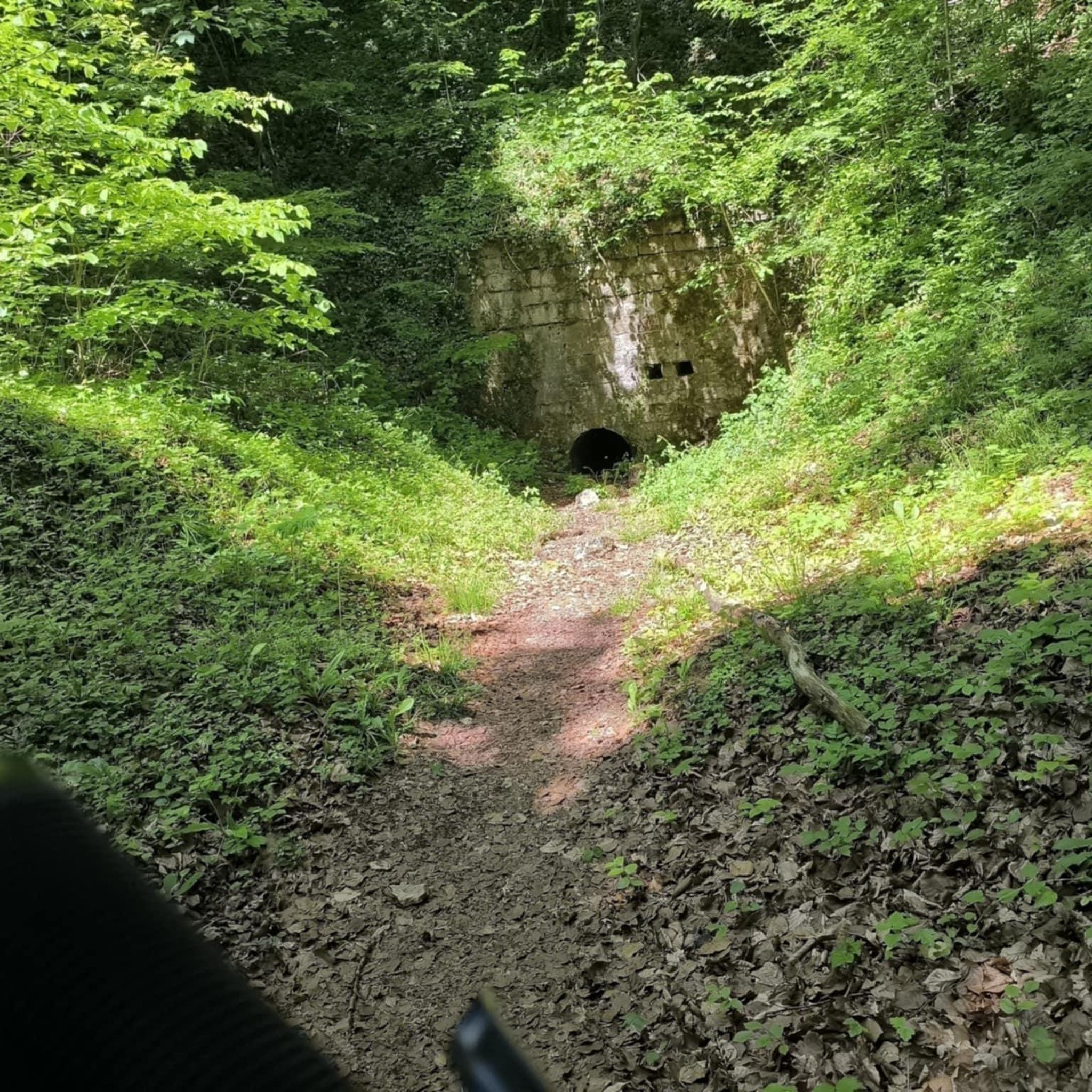
You can only take a look into the tunnel complex at the first meters.
Translated by Google •
Tip by
Start today with a free account
Your next adventure awaits.
Login or Signup

Tips from the Community

The shelter now serves as a summer roost for a large colony of bats that should not be disturbed by visitors.
2
1
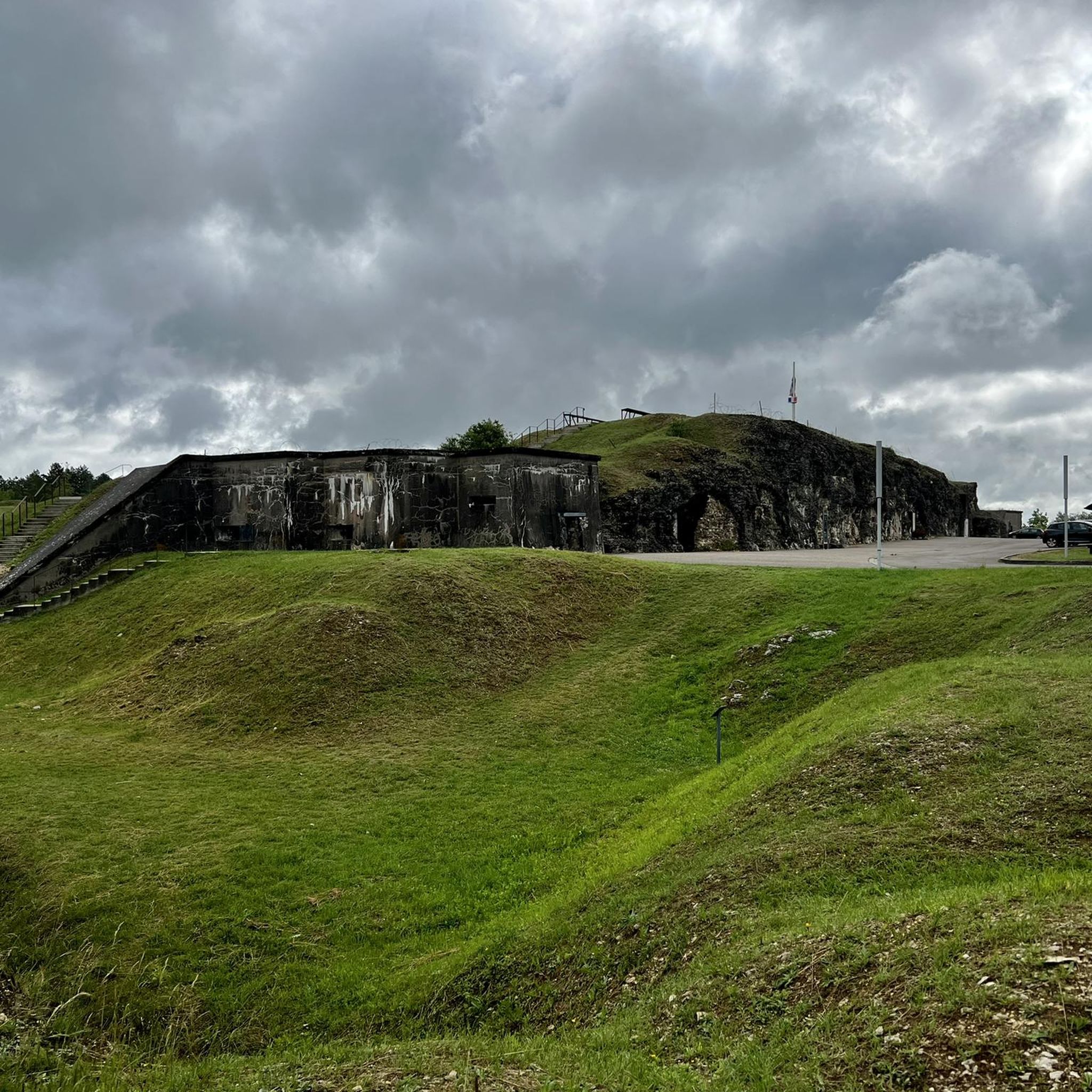
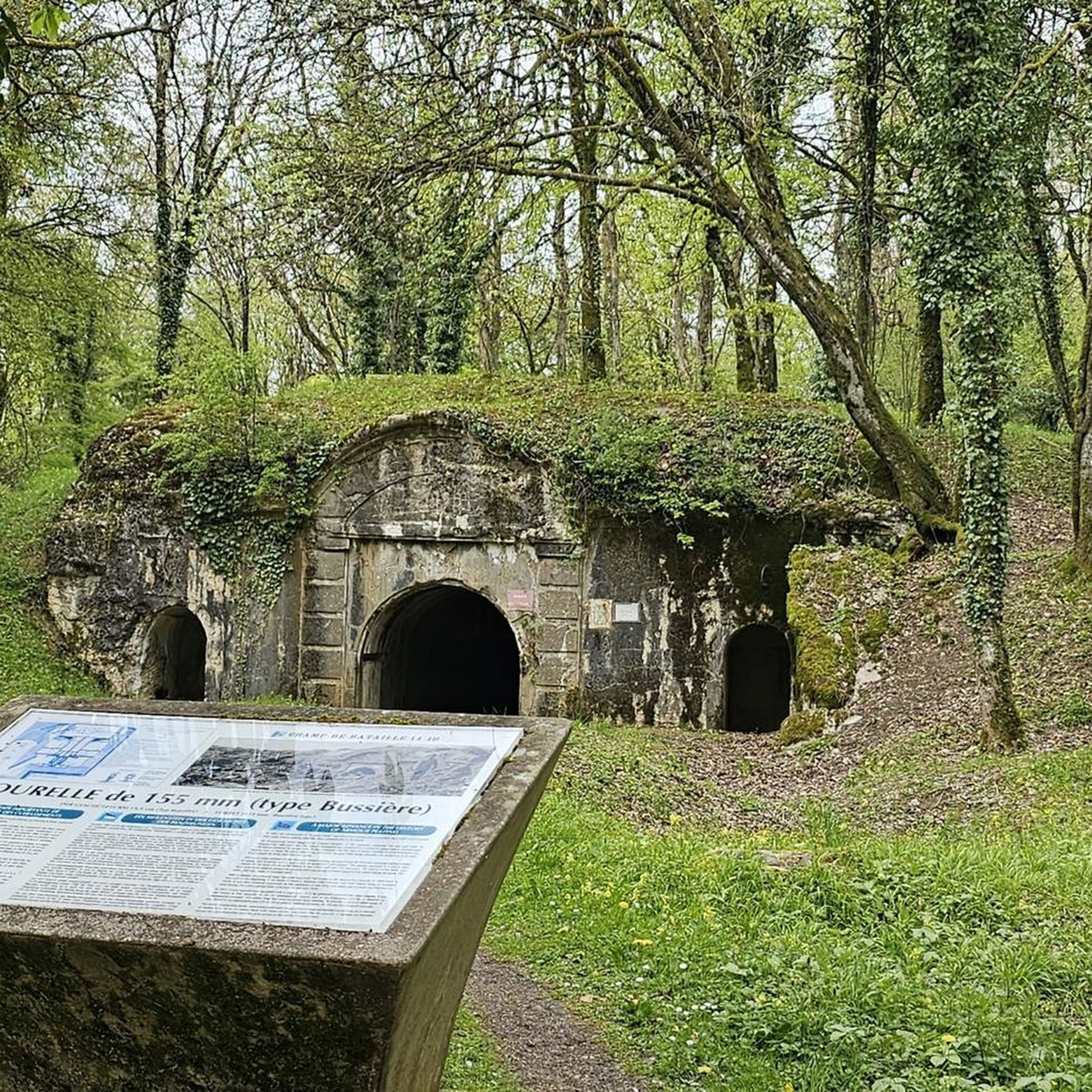
The FT3 combat shelter was built in 1906 on the right bank of the Meuse River as part of the Verdun fortress system, designed to house 100 infantry soldiers. During the Battle of Verdun in 1916, it was converted into a command post (PC118) and changed hands multiple times between French and German forces. The shelter was heavily damaged by French artillery when occupied by German troops, particularly on its vulnerable masonry facade facing Verdun, rendering it unusable.
2
1

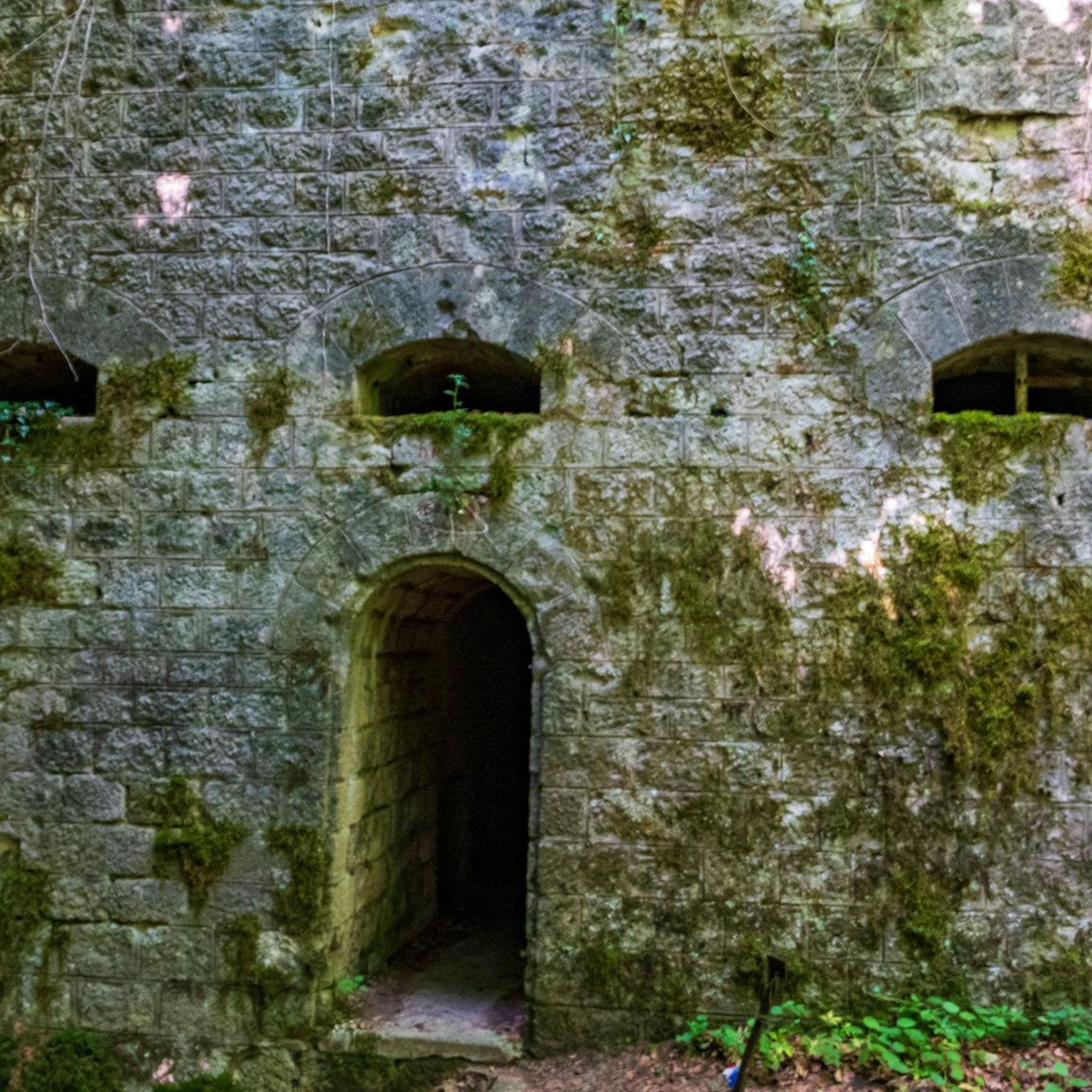
The Abri-Caverne de Douaumont was an underground shelter for French troops during the Battle of Verdun. Carved into the limestone bedrock, this shelter offered protection from artillery fire and served as a rest and assembly point close to the front line. Strategically located near Fort de Douaumont, it played a crucial role in supplying and sheltering soldiers during the fiercest fighting of 1916.
6
0

Abri is forbidden access. Still, it gives an impression of what war violence can do.
3
0
Abri-Caverne de Douaumont, also known as Abri 320, is located approximately 8 meters underground in the slope there. This Abri is located near the Ossuary and the French cemetery. The Abri could accommodate 300 men. Source: Trace of War
6
0
A special location that is forbidden to enter. You can only take a look into the tunnel complex at the first meters.
3
0
Abri-Caverne de Douaumont, also known as Abri 320, is located approximately 8 meters underground in the slope there. This Abri is located near the Ossuary and the French cemetery. The Abri could accommodate 300 men. Source: Trace of War
5
0

This bunker facility is certainly not a risk-free area... bringing your own light source is an absolutely sensible thought
1
0
Frequently Asked Questions
What types of caves can I explore around Belleville-sur-Meuse?
The area around Belleville-sur-Meuse offers a mix of historical underground shelters and natural geological formations. You can explore sites like the Combat Shelter - PC 118 and Douaumont Cave Shelter, which are remnants of World War I military engineering. Additionally, natural caves such as the Gibet Caves provide a glimpse into the region's limestone geology.
Are there any natural caves open to the public near Belleville-sur-Meuse?
Yes, the Nichet Cave, located just 400 meters from the Belgian border, is the only natural cave in North-East France that is open to the public. It offers a one-hour guided tour 30 meters below the surface, showcasing a maze of galleries and significant archaeological discoveries.
Which caves are suitable for families with children?
The Nichet Cave is suitable for children and offers amenities like a picnic area, snack bar, and play area. Further afield in the Ardennes, the Abîme Cave is particularly recommended for families, featuring an interactive guided tour that engages young visitors as 'scientific explorers' and an archaeology camp at the entrance.
What historical significance do the caves around Belleville-sur-Meuse hold?
Many underground sites in the region, such as the Combat Shelter - PC 118 and Douaumont Cave Shelter, played crucial roles during World War I. They served as infantry shelters, command posts, and protection from artillery fire during battles like Verdun. The Nichet Cave also has historical significance, with discoveries of animal and human bones, including those of Homo sapiens and Merovingians.
Can I see bats in the caves near Belleville-sur-Meuse?
Yes, some caves in the area are known to house bat colonies. The Combat Shelter - PC 118 serves as a summer roost for a large colony of bats. The Abîme Cave in the Ardennes also has a significant bat population, which are best observed in winter when they are hibernating.
Are there any challenging cave explorations for experienced visitors?
Some historical sites like Abri DV3 (Fort de Vaux Shelter) and Intermediate Depot Under Rock are categorized as challenging due to their nature, though access to some areas may be restricted or forbidden. These sites often require caution and a light source due to their dark and potentially unstable conditions.
What are the geological features of the natural caves in the Meuse department?
The natural caves in the Meuse department, such as the Grotte de la Falouse, are formed within limestone walls and feature natural grottoes carved by the Meuse river and subterranean streams. The Grotte du Cimetière is known for its extensive development, shafts, and a small lake that is part of an underground river system.
What outdoor activities can I do near these caves?
The region around Belleville-sur-Meuse offers various outdoor activities. You can explore MTB Trails, go Cycling, or enjoy Road Cycling Routes. Many routes pass by historical sites and natural landscapes, offering a chance to combine cave exploration with other adventures.
Are there any caves with impressive formations like stalactites and stalagmites?
While the immediate Belleville-sur-Meuse area focuses more on historical shelters, the Merveilleuse Cave in Dinant, Belgium (a short distance away) is renowned for its natural formations, including numerous white and fine stalactites and stalagmites, and stone formations resembling waterfalls. It is considered one of Belgium's most beautiful caves.
What should I wear for cave exploration in this region?
For exploring the historical shelters and natural cavities, it's advisable to wear sturdy shoes and bring a reliable light source, as many areas can be dark and uneven. Temperatures underground are generally cooler than the surface, so a light jacket or layers are recommended.
Are there any caves that offer an easy and accessible visit?
The Merveilleuse Cave in Dinant, Belgium, offers easy access and guided tours, making it a good option for those seeking a less strenuous experience. For the Nichet Cave, while it involves 114 steps to exit, the tour itself is guided and generally accessible for most visitors.
What do visitors appreciate most about the caves around Belleville-sur-Meuse?
Visitors often appreciate the unique blend of military history and natural geology. The historical combat shelters offer a profound glimpse into World War I, while the natural cavities provide an opportunity to observe untouched wild nature and geological features. The komoot community has shared 21 photos and given 11 upvotes, highlighting the visual and historical appeal of these sites.
Most popular routes around Belleville-Sur-Meuse
Most popular attractions around Belleville-Sur-Meuse

Get inspired with the komoot mobile app


Explore more
Extend your search for the best caves by checking out these guides of the top ones around Belleville-Sur-Meuse:
