Top 3 Castles around Ailly-Le-Haut-Clocher
Castles around Ailly-Le-Haut-Clocher offer a journey through history in the Somme department of Hauts-de-France. While Ailly-le-Haut-Clocher is a commune, the surrounding region features several notable châteaux. The area is characterized by its historical significance and natural landscapes, including river valleys and agricultural plains. Visitors can explore various historical sites that reflect different architectural periods.
Best castles around Ailly-Le-Haut-Clocher
- The most popular castles is Long Castle, a castle that is an 18th-century private property. It features architecture of pink bricks…
Last updated: September 1, 2026
Long Castle
Highlight • Castle
Translated by Google •
Tip by

Eaucourt-sur-Somme Castle
Highlight • Castle
Translated by Google •
Tip by

Sign up now to discover places like this
Get recommendations on the best single tracks, peaks, & plenty of other exciting outdoor places.
Sign up for free
Long Village and Château Overlooking the Somme
Highlight • Settlement
Translated by Google •
Tip by

Château de Flixecourt
Highlight • Castle
Translated by Google •
Tip by

Start today with a free account
Your next adventure awaits.
Login or Signup



Tips from the Community

Magnificent castle, witness to a flourishing industrial past.
0
0


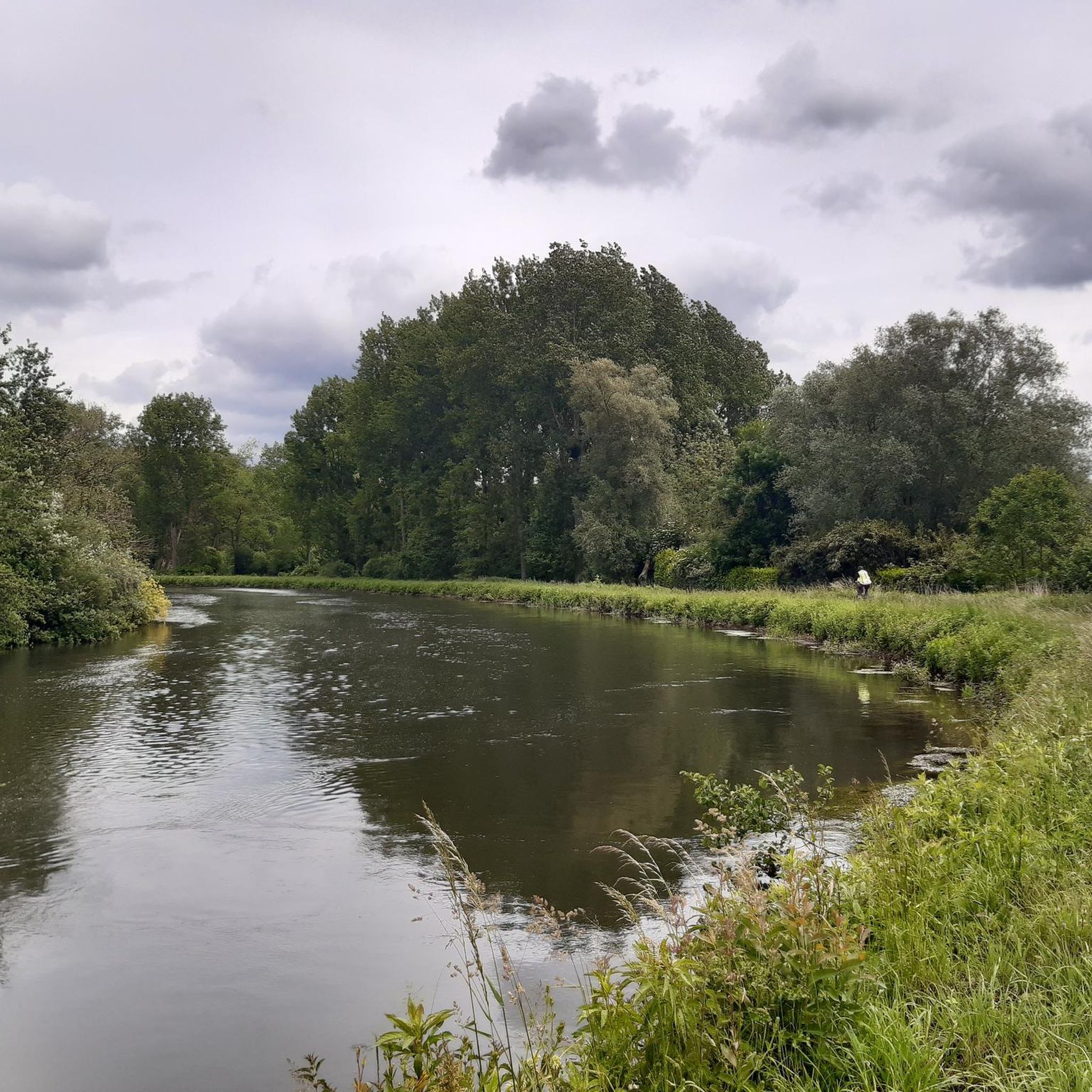
This charming village, with its stone houses and picturesque alleys, is surrounded by green landscapes. The Château de Long overlooks the village. The Somme, which crosses the village, offers a bucolic setting ideal for a walk along the banks or a boat trip. The mills, ponds and gardens contribute to the serene atmosphere of the place.
0
0

More information about the castle 🏰👇 https://www.chateaudelong.fr
1
0

Château de Long is an 18th century castle located in the Somme valley. You can admire the architecture of pink bricks and white stones, the sculpted and painted decorations, the 20-hectare park with greenhouses and a wash house, and the 18th century dovecote. You can also discover the orangery, the ice house, the outbuildings, the 6 hectare pond and the 4 hectare wood. The castle is open Monday to Friday from 10:00 a.m. to 6:00 p.m. Château de Long is a private property which welcomes visitors wishing to discover its history and charm.
4
1

It was Jean-Baptiste Saint, patron of jute weaving in the Nièvre valley and director of the Saint-Frères manufactory, who saw the construction of the château in 1880 as proof of his social success. He died in 1880 and his widow Stéphanie Zambaux bought the land and carried out the construction.
3
1
The ruins of the Château d'Eaucourt are the remains of a medieval castle (late 14th century - early 15th century) on the territory of the commune of Eaucourt-sur-Somme, in the west of the Somme department.
3
0
Frequently Asked Questions
Which castles can I visit near Ailly-le-Haut-Clocher?
You can explore several historical castles in the vicinity. The Château de Long is a notable 18th-century estate with a magnificent park. The Château d'Eaucourt-sur-Somme offers a glimpse into medieval ruins currently undergoing reconstruction. Further afield, the Château de Tirancourt features an 18th-century structure with a notable pleasure garden, and the Château de Monchy-Humières, though a bit further, boasts a rich history and an expansive park.
Are there any family-friendly castles to visit?
Yes, both the Château de Long and the Château d'Eaucourt-sur-Somme are considered family-friendly. The extensive grounds and historical architecture provide an engaging experience for all ages. The Long Village and Château Overlooking the Somme highlight also suggests a pleasant setting for families to explore the village and river.
What is the best time of year to visit the castles in this region?
The summer months are generally ideal for visiting. The Château de Long is typically open from July 1st to August 31st. The Château de Tirancourt usually opens from April to July and participates in European Heritage Days, offering specific opportunities to visit during spring and early summer.
Can I combine a castle visit with outdoor activities?
Absolutely. The region around Ailly-le-Haut-Clocher is excellent for outdoor enthusiasts. You can find various cycling and mountain biking routes that pass near some of these historical sites. For example, there are routes like "Long Castle – Around Long Lock loop from Long" for traffic-free bike rides and "Long Castle – Around Long Lock loop from Pont-Remy" for gravel biking. Many routes follow the Somme River, offering scenic views.
Are there any castles with significant historical importance?
Yes, the region is rich in history. The Château de Long, built in the 18th century on the foundations of a medieval fortress, offers a glimpse into Louis XV-era aristocratic life. The Château d'Eaucourt-sur-Somme represents a medieval stronghold from the late 14th century. Further away, the Château de Monchy-Humières has hosted figures like King Louis XIV and writer Stendhal, with parts dating back to the 14th century.
What kind of natural features can I expect to see around these castles?
Many castles are set amidst beautiful natural landscapes. The Château de Long is famous for its 20-hectare park, featuring French-cut shrubs, greenhouses, a dovecote, an orangery, a 6-hectare pond, and a 4-hectare wood. The Long Village and Château Overlooking the Somme highlight emphasizes the picturesque Somme River, mills, ponds, and gardens that contribute to the serene atmosphere.
Are there any castles that offer unique architectural styles?
The Château de Long stands out with its distinctive Louis XV style, constructed entirely of pink bricks and white stones, topped with a Mansard-style roof. The Château de Tirancourt also showcases a blend of early 18th-century construction with significant 19th-century remodeling by architect Delefortrie, offering varied architectural interest.
Can I find viewpoints near the castles?
Yes, the Long Village and Château Overlooking the Somme is itself a viewpoint, offering picturesque views of the village and the Somme River, with the Château de Long prominently featured. Additionally, the View of Epagne castle is best appreciated from the towpath on the opposite bank, providing a scenic perspective of the building.
Are there any castles with gardens or parks to explore?
The Château de Long boasts a magnificent 20-hectare park with French-cut shrubs, greenhouses, and a large pond. The Château de Tirancourt features a notable pleasure garden listed in the pre-inventory of remarkable gardens. The Château de Monchy-Humières also has an expansive, undulating park with streams and ponds, now home to an 18-hole golf course.
What is the history behind the Château de Flixecourt?
The Château de Flixecourt, built around 1880, is a testament to the region's industrial past. It was constructed by Jean-Baptiste Saint, a prominent figure in jute weaving, as a symbol of his social success. It offers a unique perspective on the late 19th-century industrial boom in the Nièvre valley.
Are there any medieval castle ruins I can visit?
Yes, the Château d'Eaucourt-sur-Somme consists of the ruins of a medieval castle, dating from the late 14th to early 15th century. It is currently undergoing reconstruction but is open to the public, allowing visitors to walk inside and explore the historical remains.
Most popular routes around Ailly-Le-Haut-Clocher
Most popular attractions around Ailly-Le-Haut-Clocher

Get inspired with the komoot mobile app


Explore more
Looking for the best castles somewhere else? Discover other guides around Ailly-Le-Haut-Clocher:
