Top 5 Castles around Barjols
Castles around Barjols offer a glimpse into the region's rich history. Barjols, a village in Provence, features the remnants of its own feudal castle, the Château de Barjols, located on the heights of the Réal neighborhood. The area is also closely associated with the Château d'Entrecasteaux in the nearby village of Entrecasteaux. These sites provide historical context and scenic views of the Provençal landscape.
Best castles around Barjols
- The most popular castles is La Verdière, a settlement dominated by…
Last updated: August 19, 2026
Cotignac Towers
Highlight • Castle
Formerly, in …
Translated by Google •
Tip by

Château de Saint-Martin-de-Pallières
Highlight • Castle
Translated by Google •
Tip by

Sign up now to discover places like this
Get recommendations on the best single tracks, peaks, & plenty of other exciting outdoor places.
Sign up for free
Vallon Sourn Scenic Route
Highlight (Segment) • Trail
Translated by Google •
Tip by

La Verdière
Highlight • Settlement
Translated by Google •
Tip by
Le Moulin du Piquet and Feudal Castle Ruins, Cotignac
Highlight • Historical Site
Translated by Google •
Tip by

Start today with a free account
Your next adventure awaits.
Login or Signup

Tips from the Community

Practical old grinding or pressing device hewn into the rock and installed.
0
0

Very nice castle that can only be visited by appointment, a real shame
0
0

Very informed and interesting
0
0

When you are in Cotignac facing the cliff, all you want to do is go up and see the two towers that dominate.
0
0

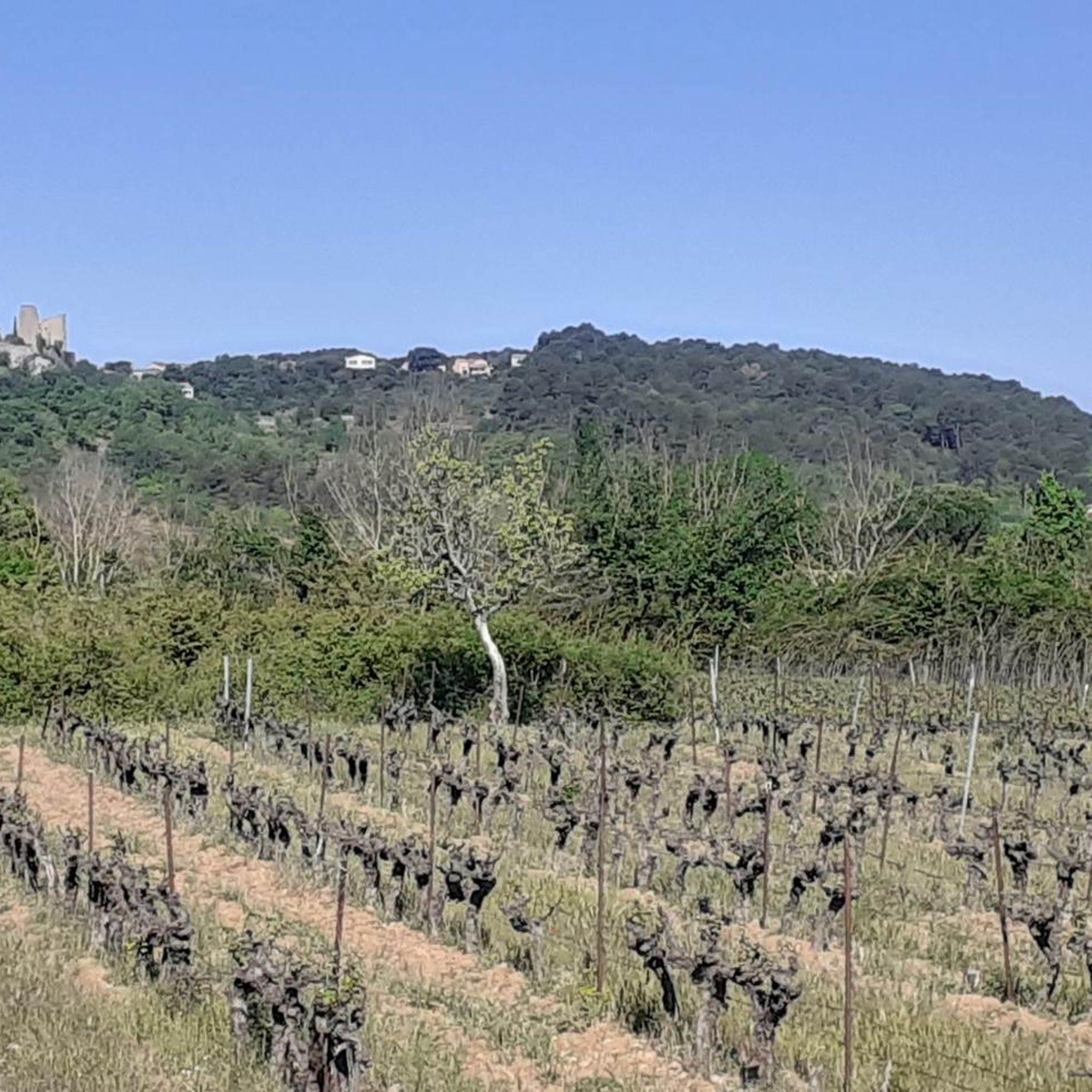
Built at the top of a magnificent tuff cliff (80m high by 400m wide), they dominate the medieval roofs of the village of Cotignac to better protect them. Formerly, in the Middle Ages, they had a very particular vocation. The smaller one served as a watchtower, while the larger one was part of the feudal castle (built in the 11th century apparently by the Castellane family) which sat at the top of the cliff. From up there, the view embraces the entire plain to the south which extends as far as Entrecasteaux and Carcès. Thus we could see the troops of the invaders fairly early on or, at the very least, the signs announcing their imminent arrival. The large tower has the particularity of having a “secret passage” communicating with the troglodytic cave dug into the cliff. Thus, during attacks, the inhabitants climbed into the cave then went up to take refuge in the fortifications at the top of the cliff. Moreover, before the construction of the castle, during the centuries of terror which stretched between the fall of the Roman Empire and the flight of the Saracens from Provence, the local people (the village at that time was located near of Saint Martin priory) quickly climbed to take refuge in the caves when danger arrived.
0
0

Please note the road is closed in the event of a very severe fire risk (information available here => https://www.risque-prevention-feu.fr/var/
0
0

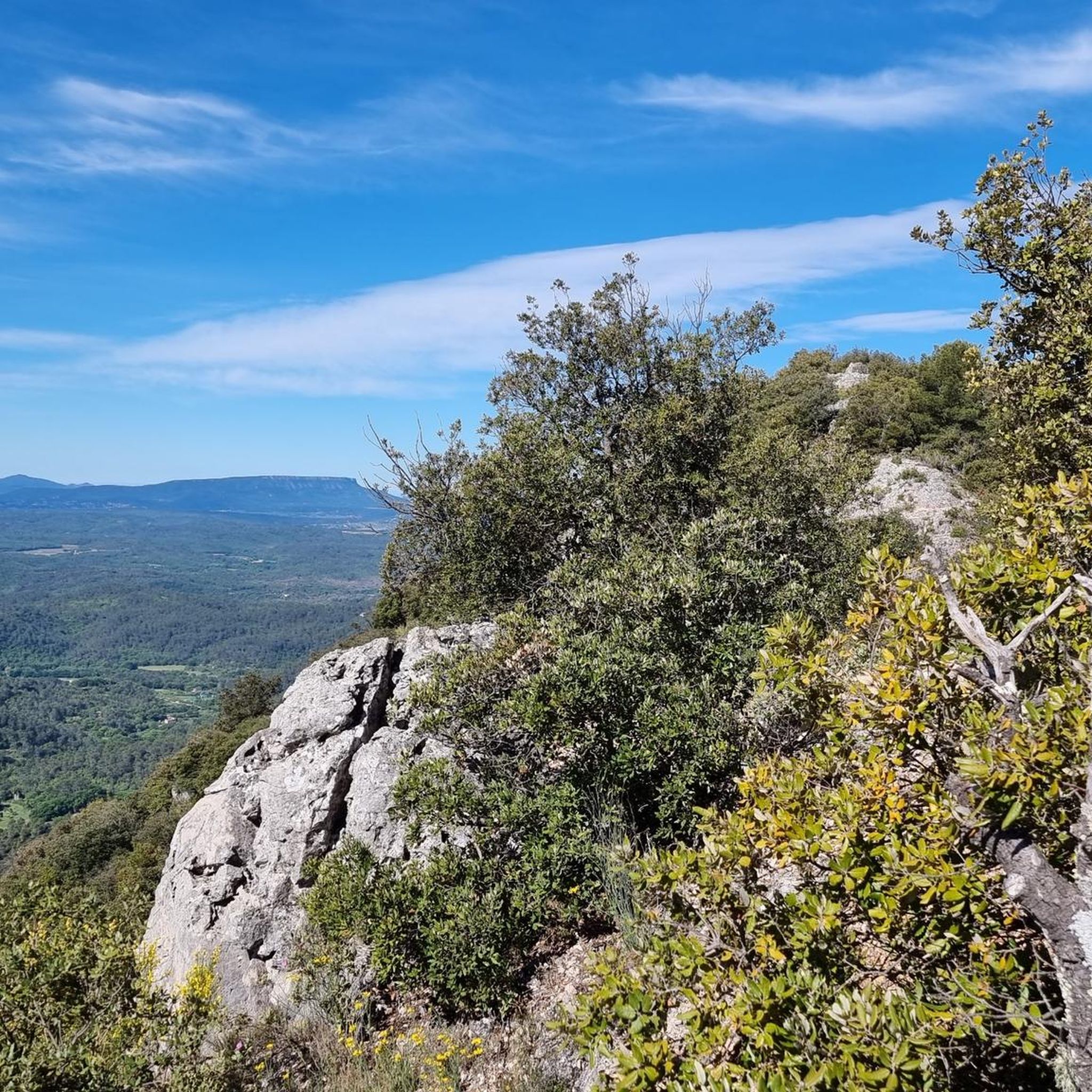
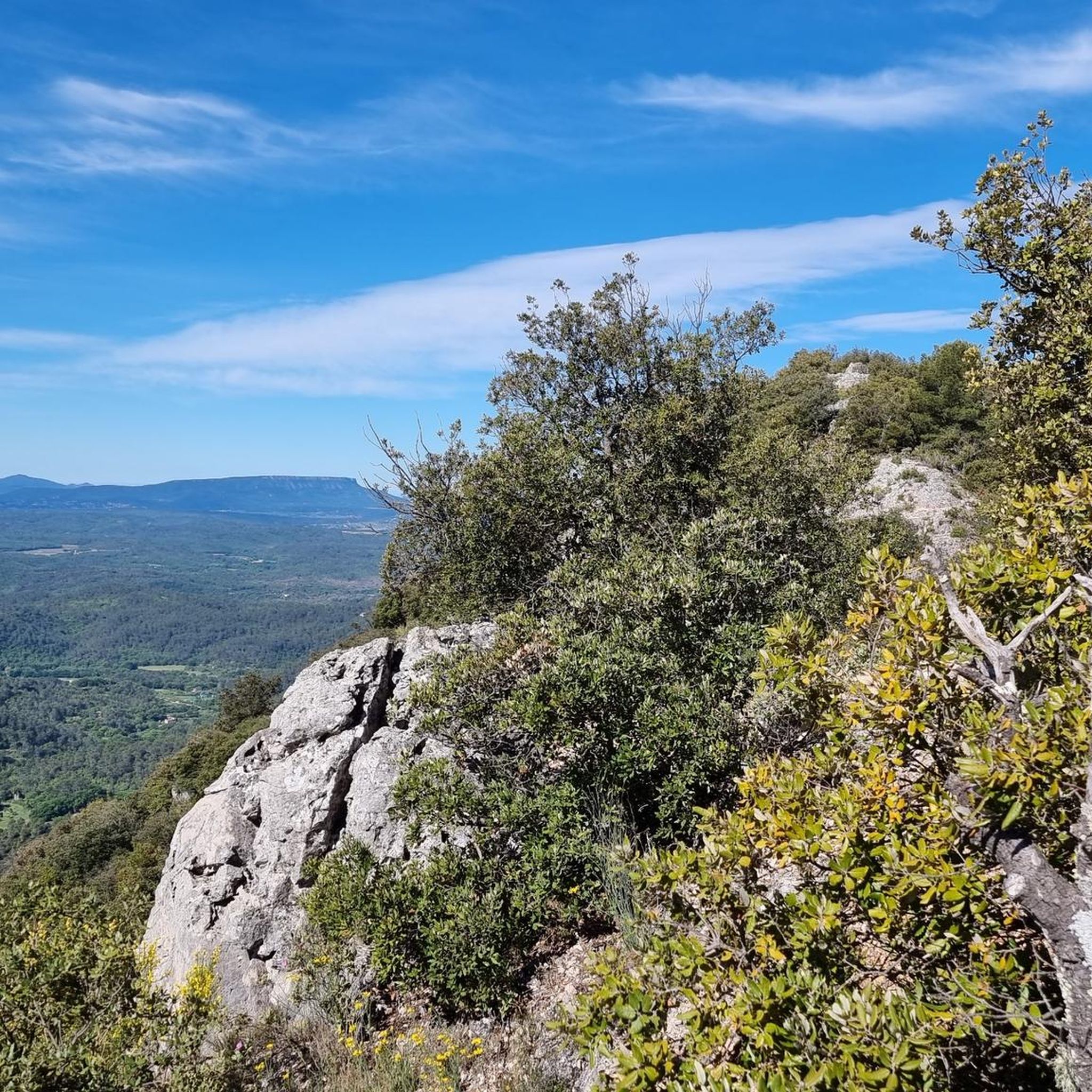
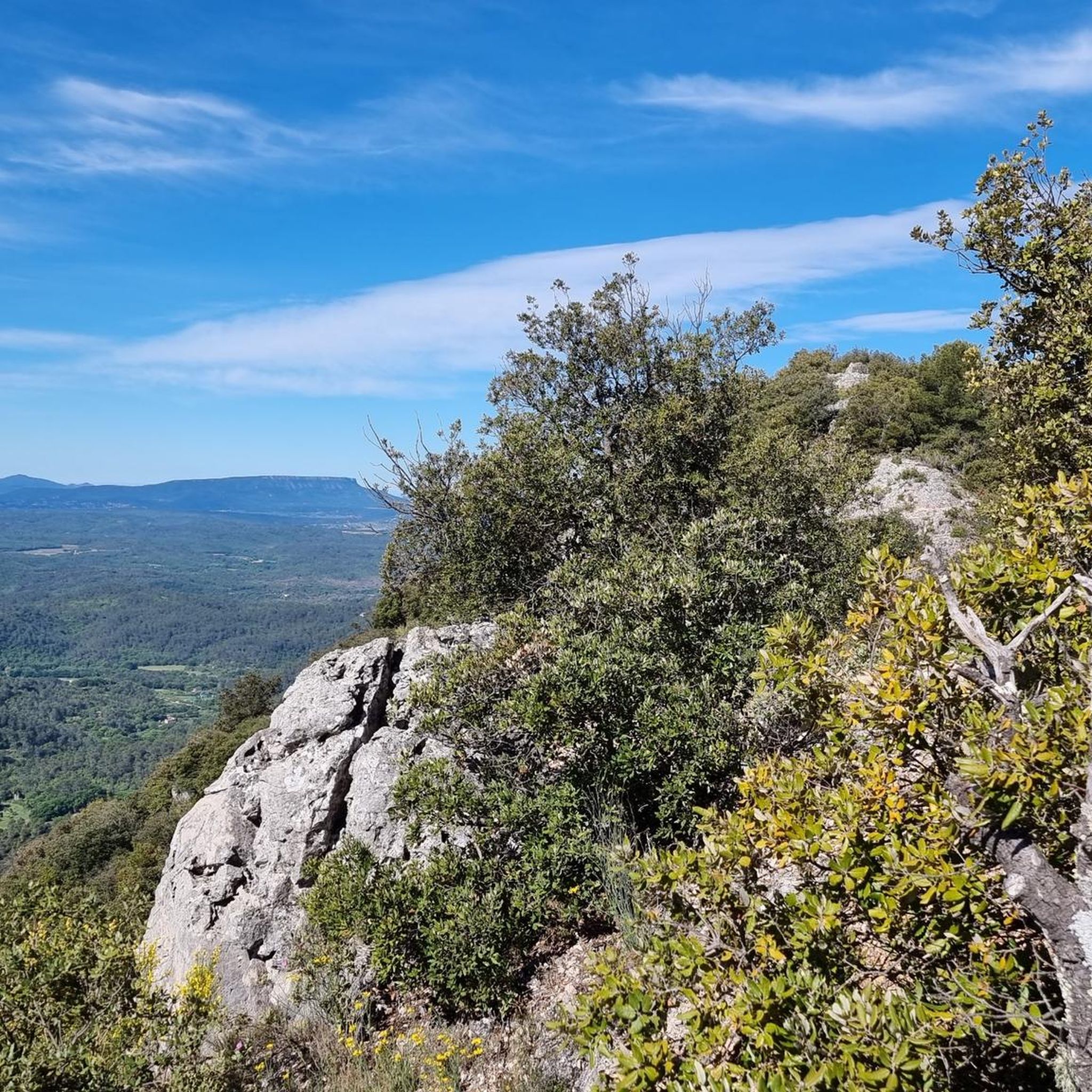
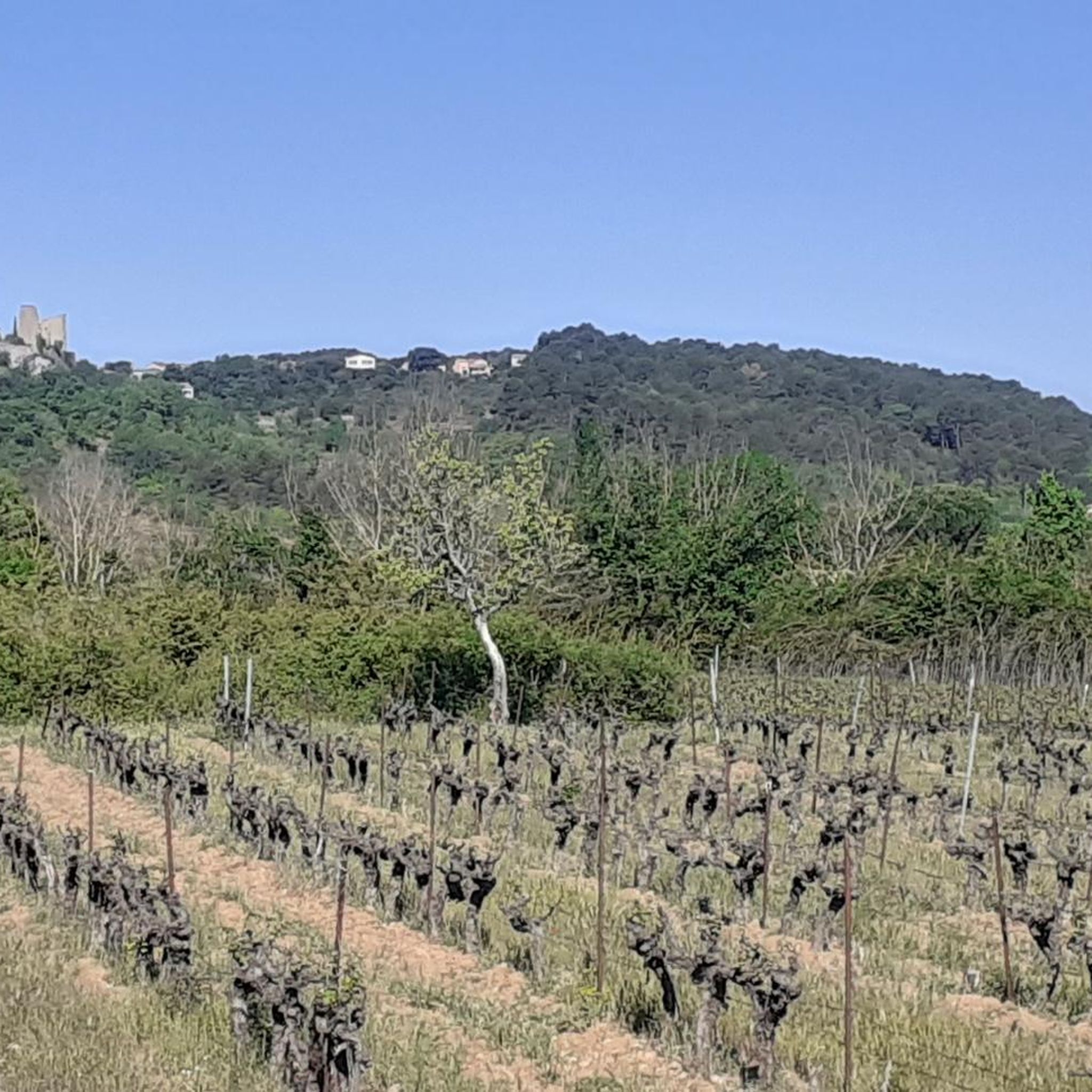
a beautiful view of the landscape a recommendation for cyclists
1
0

Charming street with little traffic
0
0
Frequently Asked Questions
What historical castles can I explore directly in Barjols?
In Barjols itself, you can explore the remnants of the Château de Barjols. These feudal castle ruins are visible on the heights of the Réal neighborhood. While much of the original structure was demolished, you can still observe its historical significance, walk around the accessible exterior, and enjoy scenic views of the village and surrounding Provençal landscape.
Are there other significant castles near Barjols worth visiting?
Yes, several notable castles are in the vicinity. The impressive Château d'Entrecasteaux, located in the nearby village of Entrecasteaux, features stunning architecture, richly furnished interiors, and beautiful Le Nôtre-inspired gardens. You can find more information about it on Marseille Tourisme. Additionally, the settlement of La Verdière is dominated by a 10th-century castle, and the Château de Saint-Martin-de-Pallières, dating from the 13th century, has a 14-hectare park open to the public.
What kind of historical ruins can I find near Barjols?
Beyond the Château de Barjols ruins, you can discover sites like Le Moulin du Piquet and Feudal Castle Ruins in Cotignac, which features old grinding devices hewn into the rock and provides a tangible link to the area's medieval past. Cotignac also has the Cotignac Towers, built on a magnificent tuff cliff, which include a watchtower and part of an 11th-century feudal castle.
Are there family-friendly castles or activities around Barjols?
The village of La Verdière, with its dominating 10th-century castle, is listed as family-friendly and offers superb views of the surrounding countryside. Exploring the accessible exterior of the Château de Barjols ruins can also be a pleasant historical stroll for families.
What are the best viewpoints to see castles or the surrounding landscape?
The ruins of the Château de Barjols, located on the heights of the Réal neighborhood, offer scenic views of the village and the Provençal landscape. From the village of La Verdière, you get a superb view of the surrounding countryside. The Cotignac Towers also provide panoramic views embracing the entire plain to the south.
What outdoor activities can I do near these castles?
The region around Barjols offers various outdoor activities. For road cycling, you can explore routes like the 'Historic Centre of Aups – Aups loop' or the 'Quinson Bridge – View of Esparron Castle loop'. Running enthusiasts can find trails such as the 'Running loop from Barjols'. Mountain biking options include the 'Correns – Vallon Sourn loop'. You can find more details on these and other routes in the Road Cycling Routes around Barjols, Running Trails around Barjols, and MTB Trails around Barjols guides.
Are there any scenic routes that pass by castles or historical sites?
Yes, the Vallon Sourn Scenic Route is a magnificent and uncrowded road that passes through Vallon Sourn and Correns. This route offers beautiful natural scenery and is categorized as including castle elements, making it a great option for a scenic drive or ride.
What do visitors enjoy most about the castles around Barjols?
Visitors appreciate the rich history and the tangible links to the medieval past offered by sites like the Château de Barjols ruins and Le Moulin du Piquet and Feudal Castle Ruins, Cotignac. The scenic views from locations like La Verdière and the historical charm of places like the Château de Saint-Martin-de-Pallières are also highly valued by the komoot community.
Can I visit the interiors of any castles near Barjols?
While the Château de Barjols is primarily ruins with an accessible exterior, the Château d'Entrecasteaux often offers guided tours, sometimes even led by its owner, providing intimate insight into its richly furnished interiors, vaulted ceilings, and historical rooms. The Château de Saint-Martin-de-Pallières, which serves as a gîte and bed and breakfast, also has a park open to the public and hosts occasional events in its huge cistern.
What is the best season to visit castles in the Barjols area?
The Provençal climate generally makes spring and autumn ideal for visiting, with pleasant temperatures for exploring ruins and gardens. Summer can be warm, but the region's natural beauty is still vibrant. Winter offers a quieter experience, though some attractions might have reduced hours. Always check specific opening times for individual castles, especially for interior tours or gardens like those at Château d'Entrecasteaux.
Are there any castles that are particularly good for photography?
The Château d'Entrecasteaux, with its stunning architecture, elegant gardens, and picturesque setting, offers numerous photographic opportunities. The panoramic views from the heights of the Château de Barjols ruins and the dramatic cliffside location of the Cotignac Towers also provide excellent subjects for photography.
Most popular routes around Barjols
Most popular attractions around Barjols

Get inspired with the komoot mobile app


Explore more
Looking for the best castles somewhere else? Discover other guides around Barjols:
