Top 5 Castles around Sumène
Best castles around Sumène are found in the Gard department, a region characterized by its medieval past and proximity to the Cévennes. The area features remnants of fortifications and historical village structures, reflecting its strategic importance. Sumène itself was a significant medieval commercial center, protected by ramparts and containing a "Château" that served as a seat of justice. Exploring these sites offers insight into the region's history and provides scenic views of the surrounding landscape.
Best castles around Sumène
- The…
Last updated: May 12, 2026
Saint-Roman-de-Codières Village and Medieval Tower
Highlight • Historical Site
Translated by Google •
Tip by

Montdardier Castle
Highlight • Castle
Even more precious is the water this village harbors, a true treasure on these arid limestone plateaus. This town …
Translated by Google •
Tip by
Sign up now to discover places like this
Get recommendations on the best single tracks, peaks, & plenty of other exciting outdoor places.
Sign up for free
Saint-Bonnet-de-Salendrinque
Highlight • Settlement
It …
Translated by Google •
Tip by
Château de Saint-Hippolyte-le-Vieux (Ruins)
Highlight • Castle
A 12th century castle which has several names: - Le Castellas / The old castle / Roquefourcade / The castle of Saint-Hippolyte-le-Vieux.
Translated by Google •
Tip by

Château de Brissac
Highlight • Castle
Translated by Google •
Tip by

Start today with a free account
Your next adventure awaits.
Login or Signup
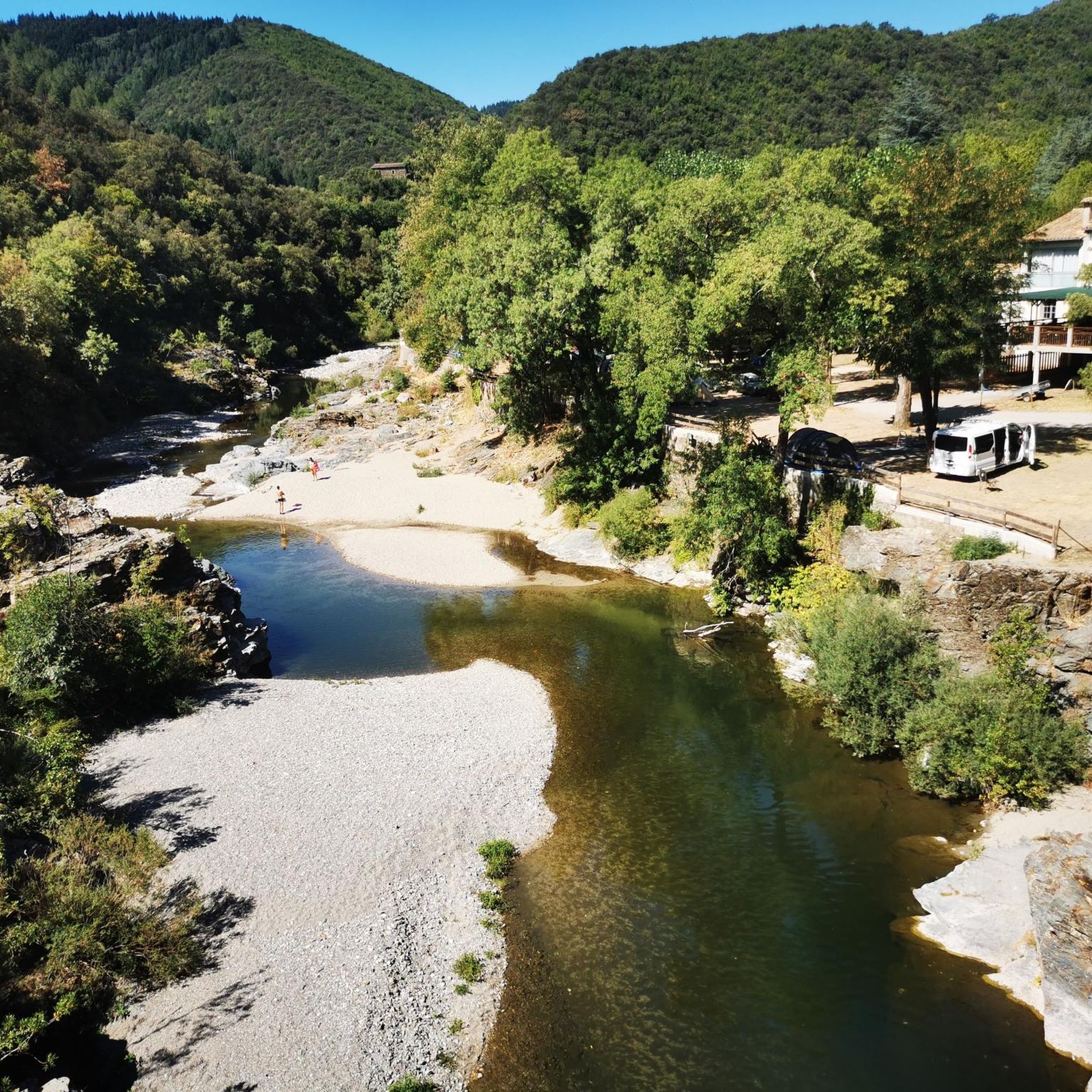
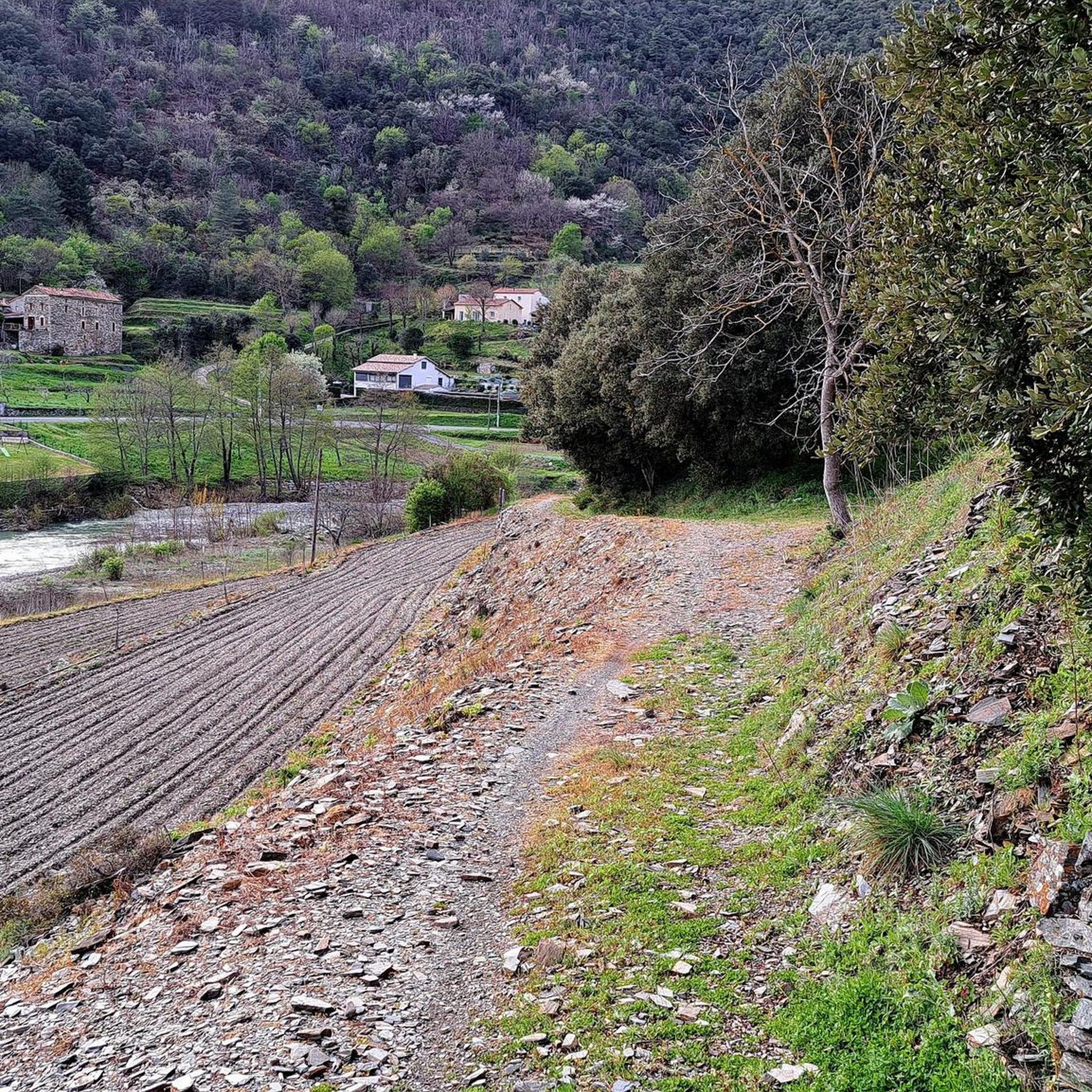
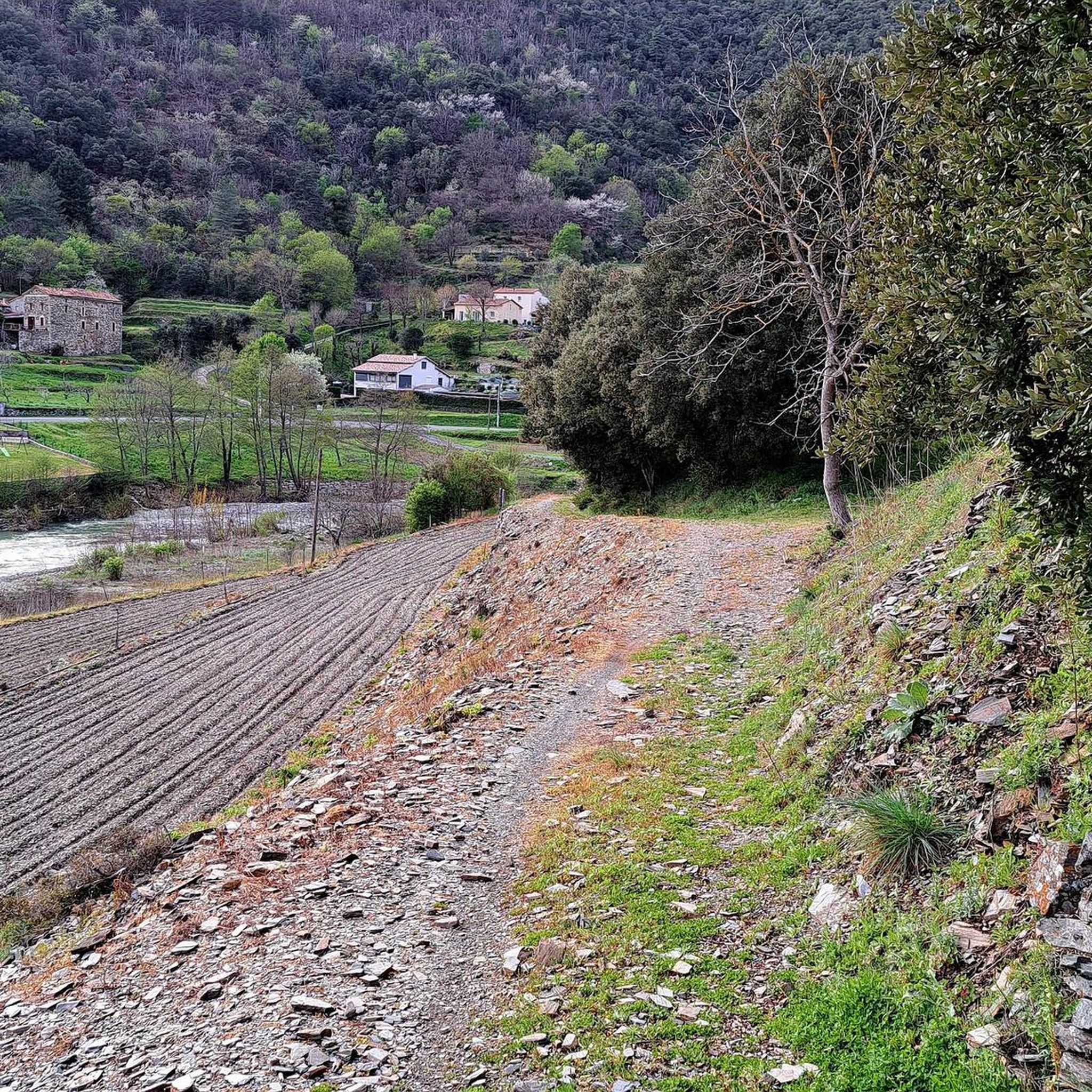
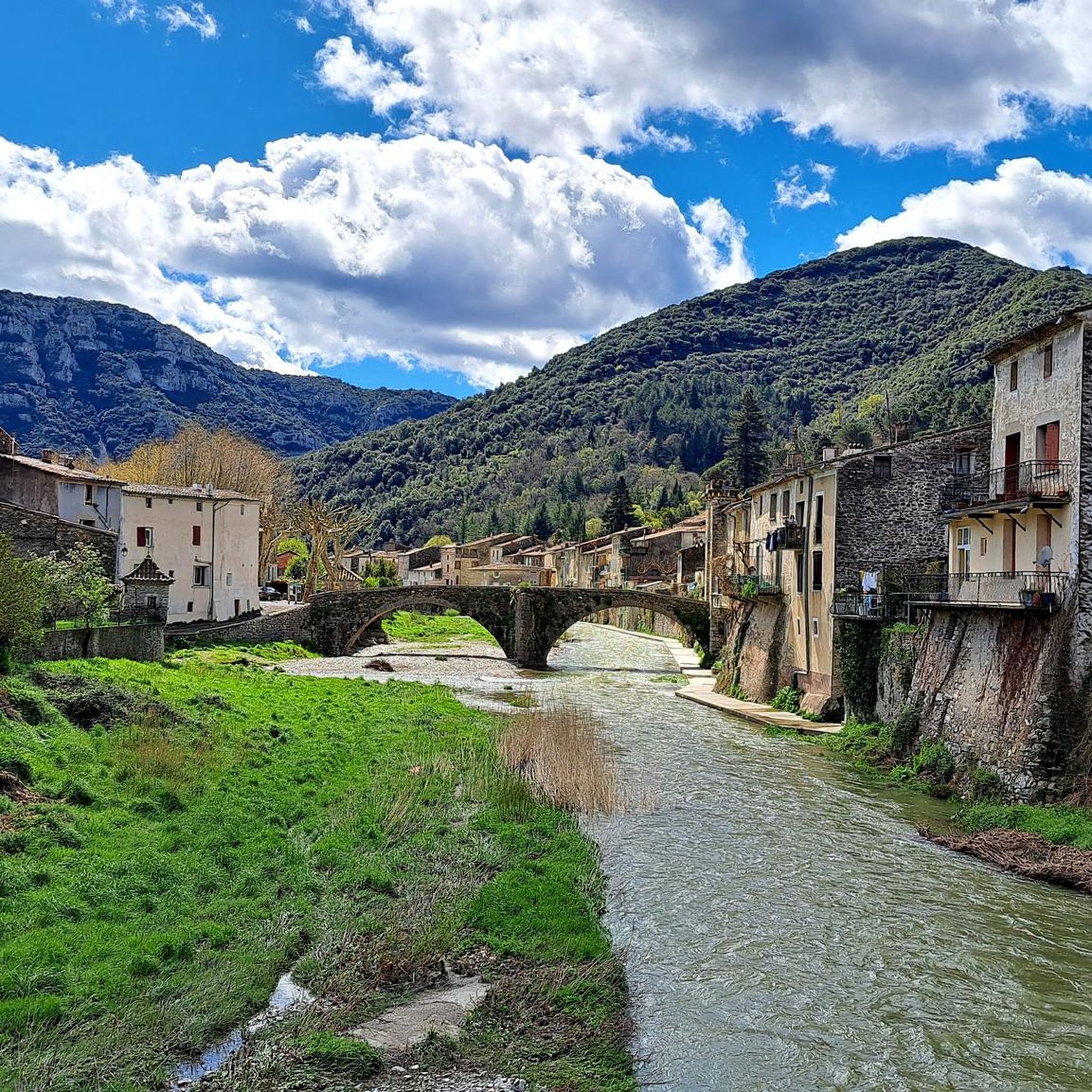

Tips from the Community

Pretty little village in the Cevennes.
0
0

A very nice place with a great view! A 12th century castle which has several names: - Le Castellas / The old castle / Roquefourcade / The castle of Saint-Hippolyte-le-Vieux.
0
0

For lovers of old stones, fortress dating back to the 11th century which dominates the village of Brissac. Away from the main roads at the end of a narrow road which ends in the small square of the old village. Surprisingly, this building does not appear in the inventory of cultural heritage listing the French Historic Monuments ... The market town of Brissac below has a certain charm with its Romanesque church behind which you will find a square with a café-restaurant offering a quiet terrace. Crossed by several rivers, the town offers an island of greenery in the middle of the scrubland, and can be a pleasant stopover.
0
0

Montdardier, whose name means "desired mountain," contains deposits of precious minerals. Even more precious is the water this village harbors, a true treasure on these arid limestone plateaus. This town is also located on an ancient Roman road between Le Vigan and Lodève. It was once an important crossroads for trade between the Cévennes and the Causses. Montdardier Castle is an eye-catcher in this relatively flat landscape, rising above the town. This fortress, built in the 12th century, has been sacked many times and partially destroyed. It was the French architect Eugène Viollet-le-Duc who restored it in 1860.
0
0
This village has a listed monument: the castle of Castellas. Its origin goes back a long way because it is located on the site of an ancient Roman oppidum. It was from the year 864 that a Carolingian fortress was erected, which the locals called Castellas in the Occitan language. This castle has been registered as a historical monument since December 26, 1980. It cannot be visited because it is a private residence.
1
0
The historical heritage of this village is very old. Testimony of the Neolithic, of the seven menhirs identified in the town, five are still erected. This town is located on the Saint-Roman pass, which gives it strategic importance. The name of the village comes from a military camp built by the Romans in the 1st century AD. The camp was then called Romanus de Codeyra. Aware of the strategic location of the Col de Saint-Roman, a castle was built in the Middle Ages instead of the Roman oppidum and the tower built by the Saracens.
2
0

Nice café with a lovely terrace with a great view ...
0
0
Frequently Asked Questions
What kind of castles can I expect to find around Sumène?
The Sumène region, located in the Gard department, is rich in medieval history. You'll find a mix of evocative castle ruins, such as the vestiges of Château d'Adhémar, and well-preserved medieval village structures. Sumène itself was a fortified commercial center, and you can explore its old defensive gates, towers, and vaulted passages. While not all are grand, fully restored castles, they offer a deep dive into the area's past.
Which castles offer the best historical insights?
For a significant historical experience, visit Saint-Roman-de-Codières Village and Medieval Tower, which has a very old heritage, including Neolithic menhirs and a castle built on the site of a Roman oppidum. Montdardier Castle, a 12th-century fortress restored by Eugène Viollet-le-Duc, also stands on an ancient Roman road, highlighting its strategic importance. Additionally, Saint-Bonnet-de-Salendrinque features the listed Castellas castle, originating from a Roman oppidum and Carolingian fortress.
Are there any castles with notable viewpoints or scenic surroundings?
Yes, the ruins of castles often sit on elevated positions offering panoramic views. The Château de Saint-Hippolyte-le-Vieux (Ruins) is known for its great views. The vestiges of Château d'Adhémar, near Sumène, are also perched on one of the 'Jumeaux' massifs, likely providing commanding views of the Cévennes landscape. The village of Saint-Roman-de-Codières, home to Saint-Roman-de-Codières Village and Medieval Tower, also offers a lovely terrace with a great view from its café.
Can I go hiking or cycling near these castles?
Absolutely! The region around Sumène, at the southern edge of the Cévennes, is excellent for outdoor activities. You can find numerous routes for hiking, mountain biking, and running. For hiking, consider trails like 'Le Ranc de Banes et les Jumeaux' or 'Pont des Chèvres Tunnel – Beautiful village loop from Sumène'. For more options, explore the Hiking around Sumène guide. Mountain biking enthusiasts can check out routes like 'Mourèzes Pass – Le Vigan loop' in the MTB Trails around Sumène guide.
Are there any family-friendly castle visits or activities?
While specific 'family-friendly' designations for castle interiors are not always available for ruins, exploring the medieval villages and their fortifications can be an engaging activity for families. The historical context and the opportunity to wander through old streets and imagine the past can be very appealing. Many of the nearby hiking trails, especially the 'easy' graded ones, are suitable for families to enjoy the natural surroundings and discover historical sites together.
What is the best time of year to visit the castles around Sumène?
The region generally offers pleasant weather for exploration during spring (April-June) and autumn (September-October). These seasons provide comfortable temperatures for walking and enjoying the scenic views without the intense heat of summer or the chill of winter. The natural beauty of the Cévennes also shines during these times.
Are there any dog-friendly trails or castle areas?
Many outdoor trails in the Cévennes region are dog-friendly, allowing you to explore the natural beauty and approach the exterior of castle ruins with your canine companion. However, always ensure your dog is on a leash and check for any specific restrictions at individual sites or within nature reserves. For hiking routes, you can often find dog-friendly options within the Hiking around Sumène guide.
Are there any cafes or amenities near the castles?
Yes, some villages near the castles offer amenities. For instance, Saint-Roman-de-Codières Village and Medieval Tower has a nice café with a lovely terrace and a great view. The market town of Brissac, below Château de Brissac, also has a charming square with a café-restaurant offering a quiet terrace, making it a pleasant stopover.
What are the historical remnants within Sumène village itself?
Sumène was an important commercial center in the Middle Ages, protected by ramparts. Within these fortifications, there was a 'Château' that served as the seat of justice and feudal lordship. The village still retains elements of its historical defenses, such as old defensive gates, towers, and vaulted passages, which contribute to its medieval character and are worth exploring.
Is it possible to visit the interior of all castles mentioned?
Not all castles are open for interior visits. For example, the Castellas castle in Saint-Bonnet-de-Salendrinque is a private residence and cannot be visited. Many sites, like the Vestiges of Château d'Adhémar or Château de Saint-Hippolyte-le-Vieux (Ruins), are primarily ruins, offering exterior exploration and historical context rather than intact interiors. It's best to check specific visitor information for each site if interior access is a priority.
What makes the Château de Brissac unique?
The Château de Brissac is an 11th-century fortress that dominates the village of Brissac. It's located away from main roads, at the end of a narrow path leading to the old village square. Despite its historical significance, it surprisingly doesn't appear in the inventory of French Historic Monuments. The village itself, with its Romanesque church and a café-restaurant, offers a charming and peaceful setting.
Are there any specific natural features to look out for near the castles?
The region is at the edge of the Cévennes, offering beautiful natural landscapes. Near Sumène, the 'Jumeaux' massifs are notable, where the vestiges of Château d'Adhémar are located. The area is characterized by its scrubland, rivers, and the unique geological formations of the Cévennes, providing a scenic backdrop to the historical sites. Many hiking trails will lead you through these natural environments.
Most popular attractions around Sumène

Get inspired with the komoot mobile app


Explore more
Looking for the best castles somewhere else? Discover other guides around Sumène:
