Top 8 Caves around Thonac
Best caves around Thonac are situated in the heart of the Dordogne, a region known for its rich prehistoric heritage and unique geological formations. The area features numerous rock shelters and caves that have been inhabited for millennia, offering insights into ancient human life and art. Thonac itself serves as a central point for exploring these significant natural and historical sites. The landscape is characterized by river valleys and limestone cliffs, providing the ideal conditions for cave formation.
Best caves…
Last updated: October 12, 2026
La Roque Saint-Christophe
Highlight • Historical Site
Translated by Google •
Tip by

Abri de La Madeleine
Highlight • Cave
Translated by Google •
Tip by

Sign up now to discover places like this
Get recommendations on the best single tracks, peaks, & plenty of other exciting outdoor places.
Lascaux International Centre for Cave Art
Highlight • Historical Site
Translated by Google •
Tip by

Maison Forte de Reignac
Highlight • Castle
Source Wikipedia en.m.wikipedia.org/wiki/Tursac
Translated by Google •
Tip by

La Madeleine Prehistoric Site
Highlight • Historical Site
Translated by Google •
Tip by

Sign up for free to discover even more caves around Thonac.
Already have an account?
Start today with a free account
Your next adventure awaits.
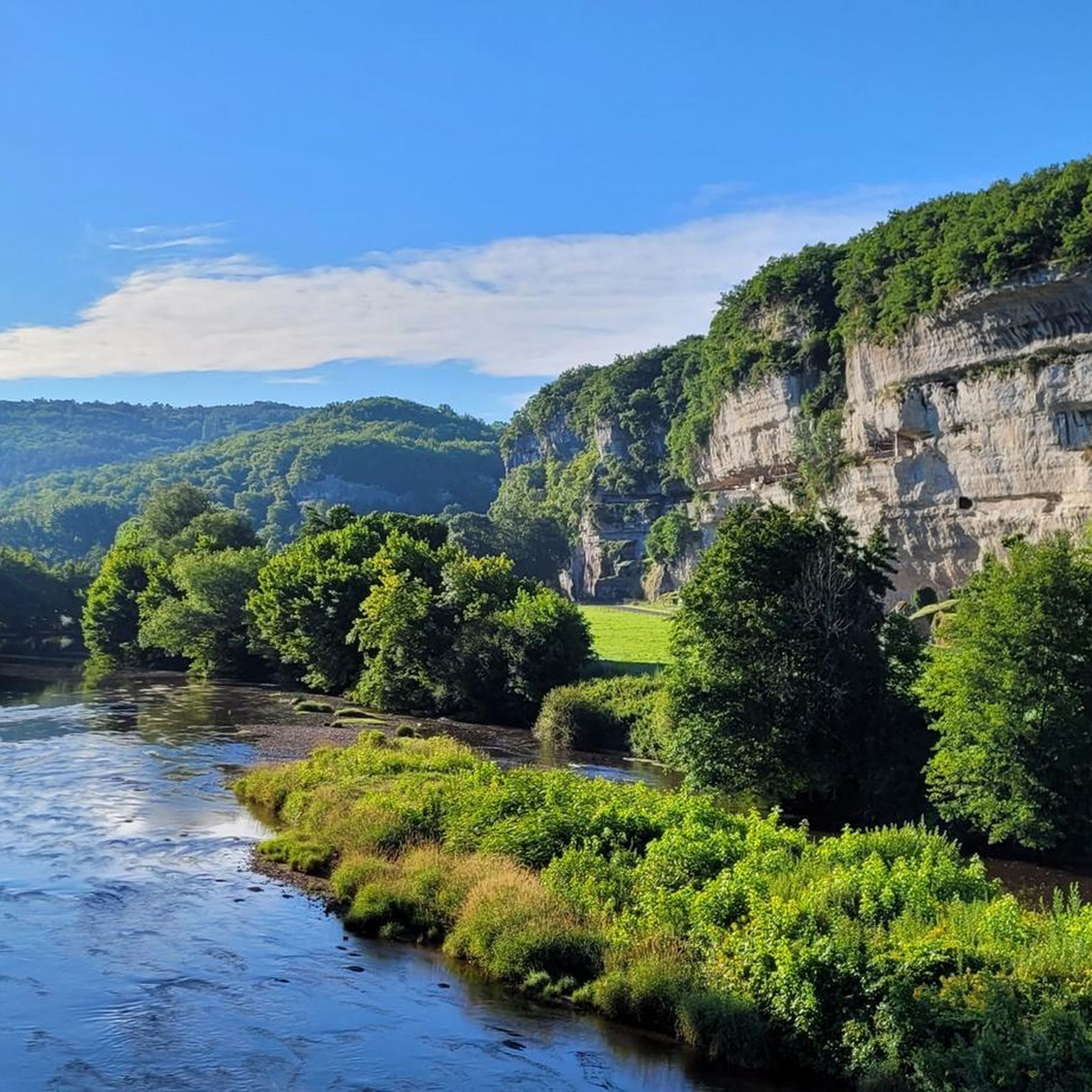
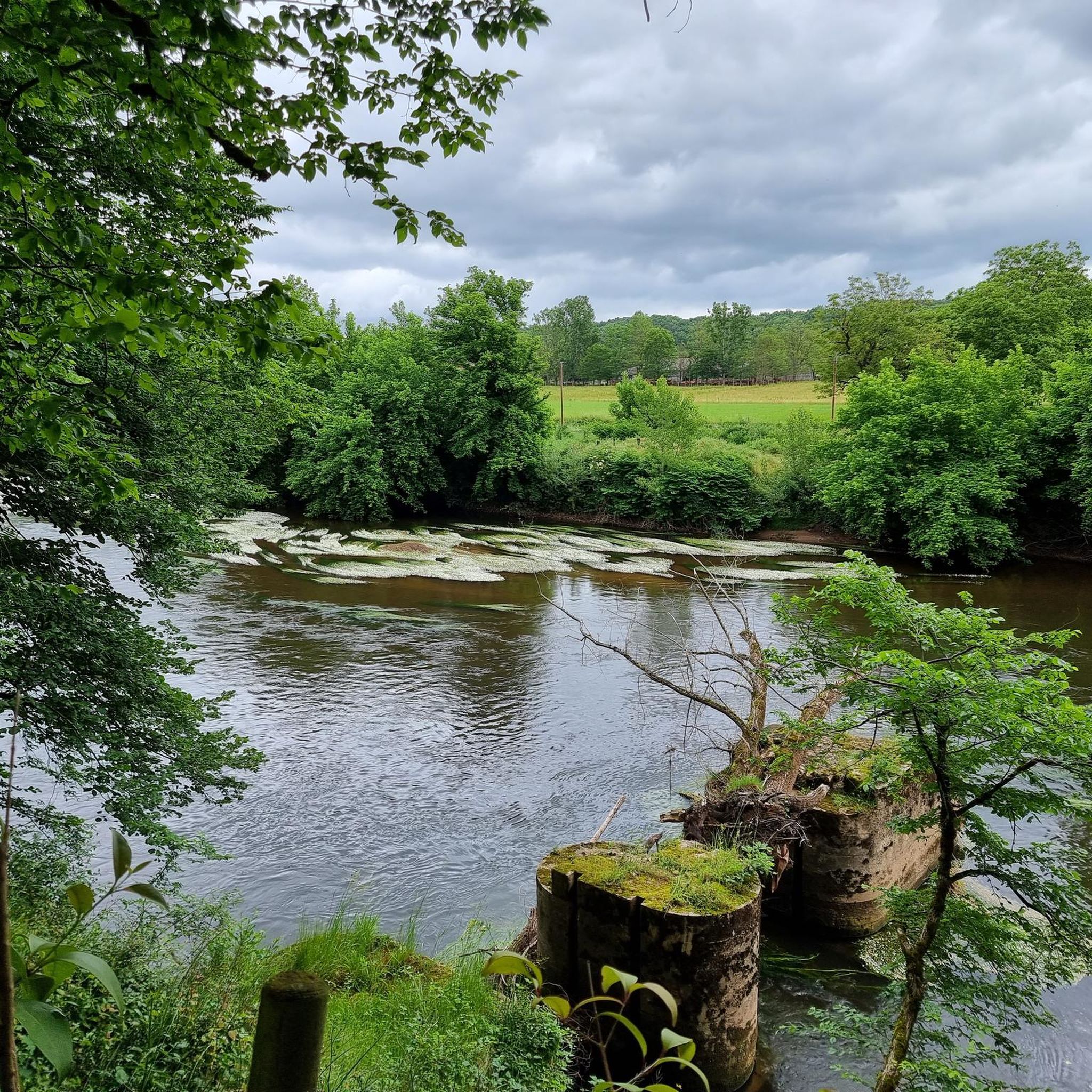
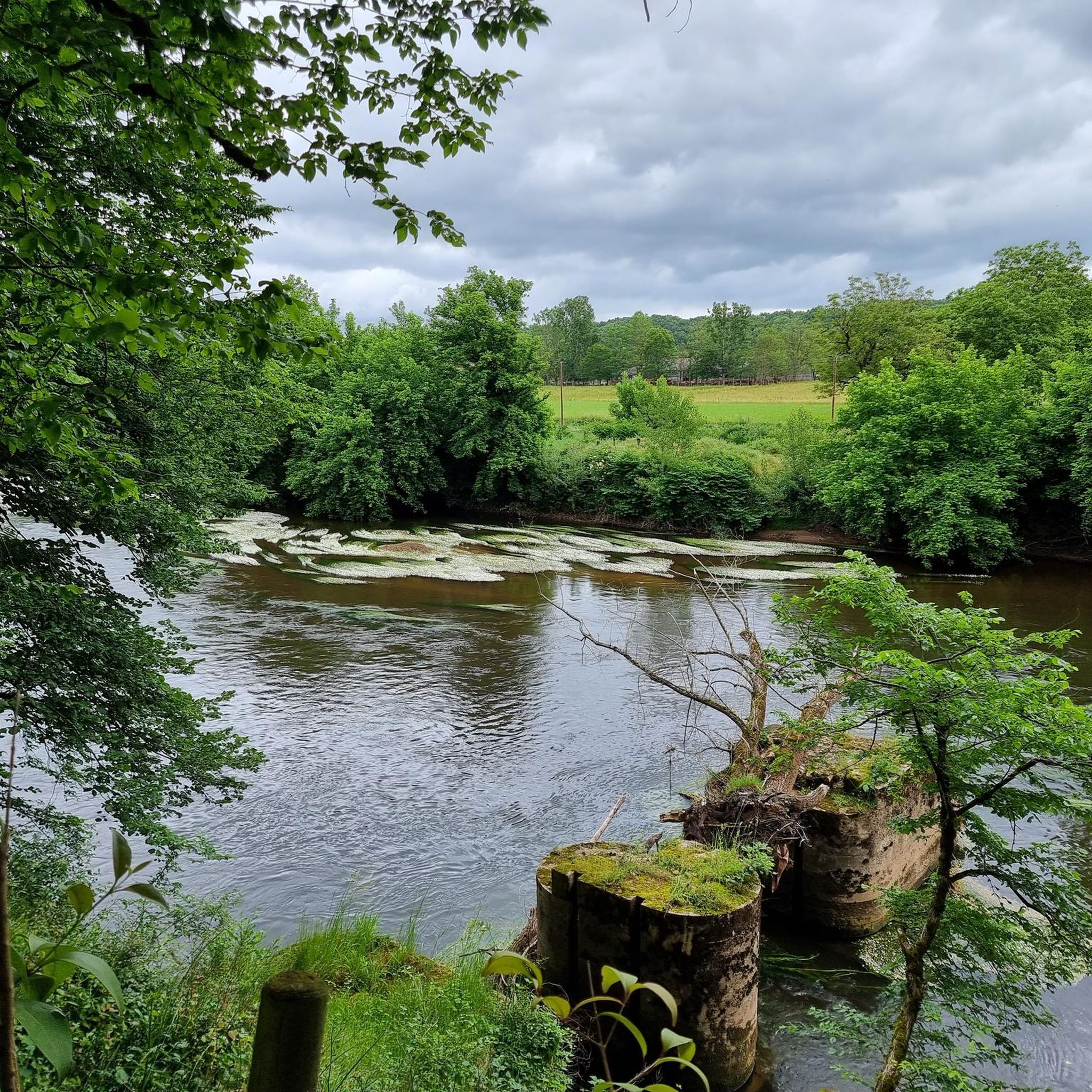
Tips from the Community

A worthwhile visit, even if it's not the original cave. But the replica is very well done, and the self-guided tour with the audio guide, also in German, explains everything in a very interesting way.
1
0

Here we have the situation – previously completely unknown to me and therefore surprising – that MADELEINE, a Christian saint (the name is derived from the biblical "Mary Magdalene"), has become the namesake of an era from the proverbial "dim prehistory" (one to one and a half dozen millennia before the beginning of our era). To paraphrase it from Wikipedia, which can explain it better than I can: "The Magdalenian is an archaeological cultural stage in the younger part of the Upper Paleolithic in Central and Western Europe at the end of the last Ice Age. The Magdalenian was named in 1869 by Gabriel de Mortillet after the semi-cave La Madeleine in the Dordogne department. It spanned an approximate period from approximately 18,000 to 12,000 BC."
2
0
Here we have the situation – previously completely unknown to me and therefore surprising – that MADELEINE, a Christian saint (the name is derived from the biblical "Mary Magdalene"), has become the namesake of an era from the proverbial "dim prehistory" (one to one and a half dozen millennia before the beginning of our era). To paraphrase it from Wikipedia, which can explain it better than I can: "The Magdalenian is an archaeological cultural stage in the younger part of the Upper Paleolithic in Central and Western Europe at the end of the last Ice Age. The Magdalenian was named in 1869 by Gabriel de Mortillet after the semi-cave La Madeleine in the Dordogne department. It spanned an approximate period from approximately 18,000 to 12,000 BC."
2
0
This excursion takes visitors far back into prehistoric times. And the place - like the Vézère valley in the French Périgord - is not only marked as one (of many) highlights in the komoot system: UNESCO has also recognized the surprisingly well-preserved, ancient rock paintings and - quite rightly - awarded them the coveted title of World Heritage Site. The German-language television series "Treasures of the World - Heritage of Humanity" documents these special places from all eras and continents in quarter-hour contributions. If you are interested, see: => https://www.ardmediathek.de/video/schaetze-der-welt/vezere-frankreich-folge-227/swr/Y3JpZDovL3N3ci5kZS82OTg1MTQ2
2
0

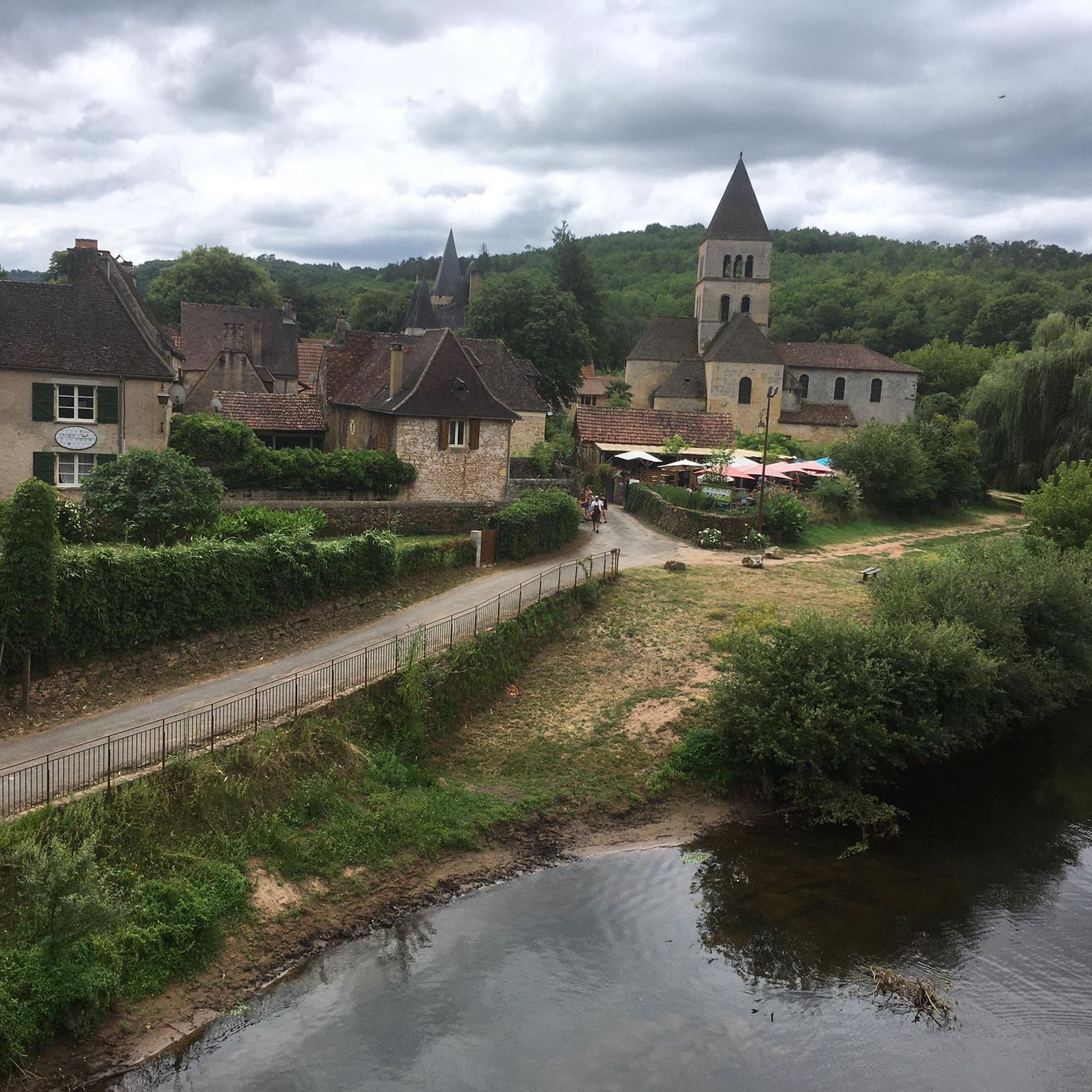
Village to include in your hike around these places. Beautiful detours
1
0

¡Lascaux4 is “Brutalism in architecture”!
2
0

Said to be the last intact rock castle in France.
0
0

The International Center for Parietal Art in Lascaux is an essential destination for art and history enthusiasts. Located near the original Lascaux caves, this center offers an immersive and captivating experience. Visitors can explore the reproduction of the cave, known as Lascaux IV, which faithfully recreates Upper Paleolithic wall art. With state-of-the-art technology and interactive exhibits, the International Center for Cave Art provides an opportunity to delve into the fascinating history of prehistoric art and understand its cultural and artistic significance.
2
0
Frequently Asked Questions
What types of caves and historical sites can I explore around Thonac?
The region around Thonac offers a diverse range of sites, from natural rock shelters inhabited in prehistoric times to elaborate cave art replicas and cliff-side dwellings. You can visit places like La Roque Saint-Christophe, a historical site with natural cavities used as a fortress, or the Maison Forte de Reignac, a unique castle built directly into a cliff.
Where can I see prehistoric cave art near Thonac?
For an immersive experience into prehistoric art, visit the Lascaux International Centre for Cave Art. This site offers a faithful, state-of-the-art reproduction of the famous Lascaux cave paintings. For original art, consider visiting Grotte de Font-de-Gaume or Grotte des Combarelles, both known for their authentic Paleolithic paintings and engravings, though access is strictly limited and requires advance booking.
Are there any family-friendly cave attractions in the Thonac area?
Yes, the Lascaux International Centre for Cave Art is highly recommended for families. Its interactive exhibits and detailed replicas make prehistoric art accessible and engaging for all ages. The Le Thot Prehistoric Cave Centre also offers an excellent introduction to the region's past with replicas and an animal park.
What are some unique geological features I can see in the caves near Thonac?
The Gouffre de Proumeyssac, often called 'The Crystal Cathedral,' is renowned for its stunning geological formations. It features immense underground vaults adorned with dense crystal formations, including massive stalactites and stalagmites, as well as rare triangular deposits and terraced pools.
Which caves offer an authentic glimpse into prehistoric human settlements?
The Abri de La Madeleine is an important archaeological site that was used for thousands of years, serving as a type locality for the Magdalenian period. Here, you can see where Cro-Magnon people settled in rock shelters near the Vézère River, offering a direct connection to ancient human life.
Are there any wheelchair-accessible cave experiences near Thonac?
Yes, the Lascaux International Centre for Cave Art is designed to be wheelchair accessible, providing an inclusive experience for visitors to explore the prehistoric cave art replicas and interactive exhibits.
What outdoor activities can I combine with a visit to the caves around Thonac?
The area around Thonac is excellent for outdoor activities. You can find various routes for cycling, gravel biking, and running. For cycling, explore routes like 'From Saint-Léon to the Strong House of Reignac' or 'La Roque Saint-Christophe – On the Vézère loop from Thonac'. For more options, check out the Cycling around Thonac guide, the Gravel biking around Thonac guide, or the Running Trails around Thonac guide.
What makes the Thonac region significant for prehistoric history?
The Thonac region, situated in the heart of the Dordogne, is often called the 'Valley of Man' due to its exceptional concentration of Paleolithic sites. It features numerous rock shelters and caves that have been continuously inhabited for millennia, providing unparalleled insights into ancient human life, art, and culture.
Can I visit original prehistoric cave art near Thonac, or are they all replicas?
While sites like Lascaux IV offer highly accurate replicas, you can still visit original prehistoric art at caves such as Grotte de Font-de-Gaume and Grotte des Combarelles. These sites preserve authentic Paleolithic paintings and engravings, but visitor numbers are strictly limited for conservation, so booking well in advance is crucial.
Are there any less crowded cave options for a more intimate experience?
For a more intimate experience with original prehistoric art, consider Grotte de Font-de-Gaume or Grotte des Combarelles. Due to strict conservation measures, visitor numbers are very limited, often to small guided groups, which provides a unique and personal encounter with the ancient artworks. However, this also means securing tickets can be challenging.
What should I know about visiting Grotte de Font-de-Gaume?
Grotte de Font-de-Gaume is one of the last caves in France where original polychrome prehistoric paintings are still accessible. It contains over 200 vivid Paleolithic paintings. Due to conservation efforts, visitor numbers are strictly limited, and booking well in advance is essential for a guided tour. You can find more information on the Sarlat-Tourisme website: sarlat-tourisme.com.
Most popular attractions around Thonac

Get inspired with the komoot mobile app


Explore more
Extend your search for the best caves by checking out these guides of the top ones around Thonac:
