Top 4 Castles around Léren
Best castles around Léren are found within the Pyrénées-Atlantiques department, a region in southwestern France characterized by its rural landscapes and historical significance. While Léren itself is a small commune without publicly accessible castles, the surrounding Nouvelle-Aquitaine region offers a rich array of historical châteaux and fortresses. These structures range from medieval strongholds to elegant 19th-century residences, providing insight into centuries of regional history. The area is defined by its proximity to the Pyrenees mountain range and the Bidouze valley.
…Last updated: June 25, 2026
Gramont Castle in Bidache
Highlight • Castle
Translated by Google •
Tip by

Bellocq Castle, 13th century
Highlight • Historical Site
Translated by Google •
Tip by

Sign up now to discover places like this
Get recommendations on the best single tracks, peaks, & plenty of other exciting outdoor places.
Sign up for free
Montréal Castle or Orthe Castle
Highlight • Castle
Translated by Google •
Tip by

Château de Biscay: bandstand
Highlight • Castle
The castle …
Translated by Google •
Tip by

Start today with a free account
Your next adventure awaits.
Login or Signup

Tips from the Community

Château de plaine des Vicomtes d'Orthe. Built in the 16th century and transformed in the 17th and 18th centuries. It now houses the Town Hall.
0
0
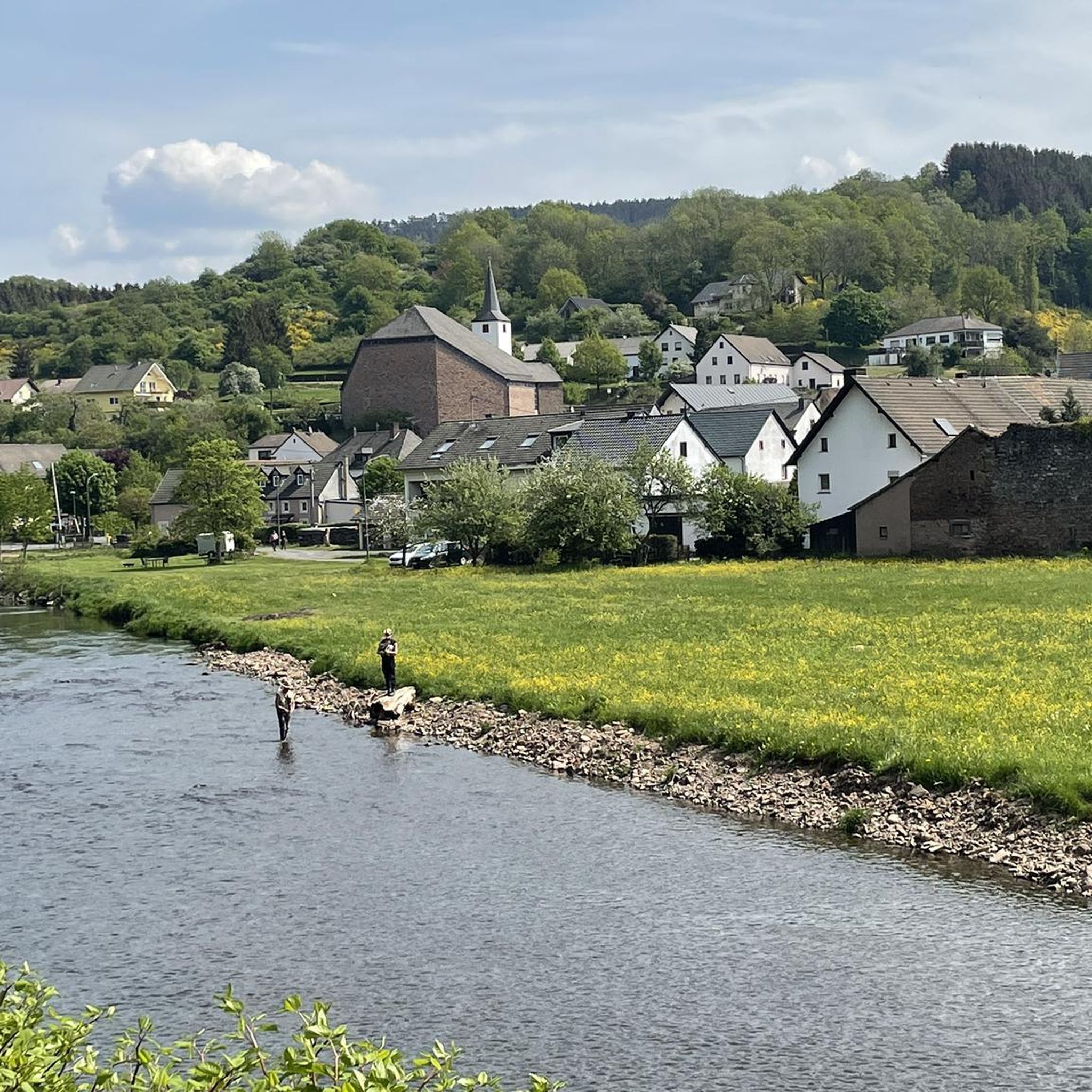
Built between 1250 and 1280 by Gaston VII, Viscount of Béarn, on a rocky outcrop overlooking the gave. Gaston Fébus had the castle reinforced in 1370.
0
0

Gaston Fébus, Jeanne d'Albret and Henri IV lived there.
1
0


The Château de Montréal has had many functions since its construction in the 1550s. Originally built to control river traffic on the Gaves united, it later became the residence of the Viscounts of the Orthe region, before becoming a military hospital, a convent and a technical college. It is however today the town hall of Peyrehorade.
4
0

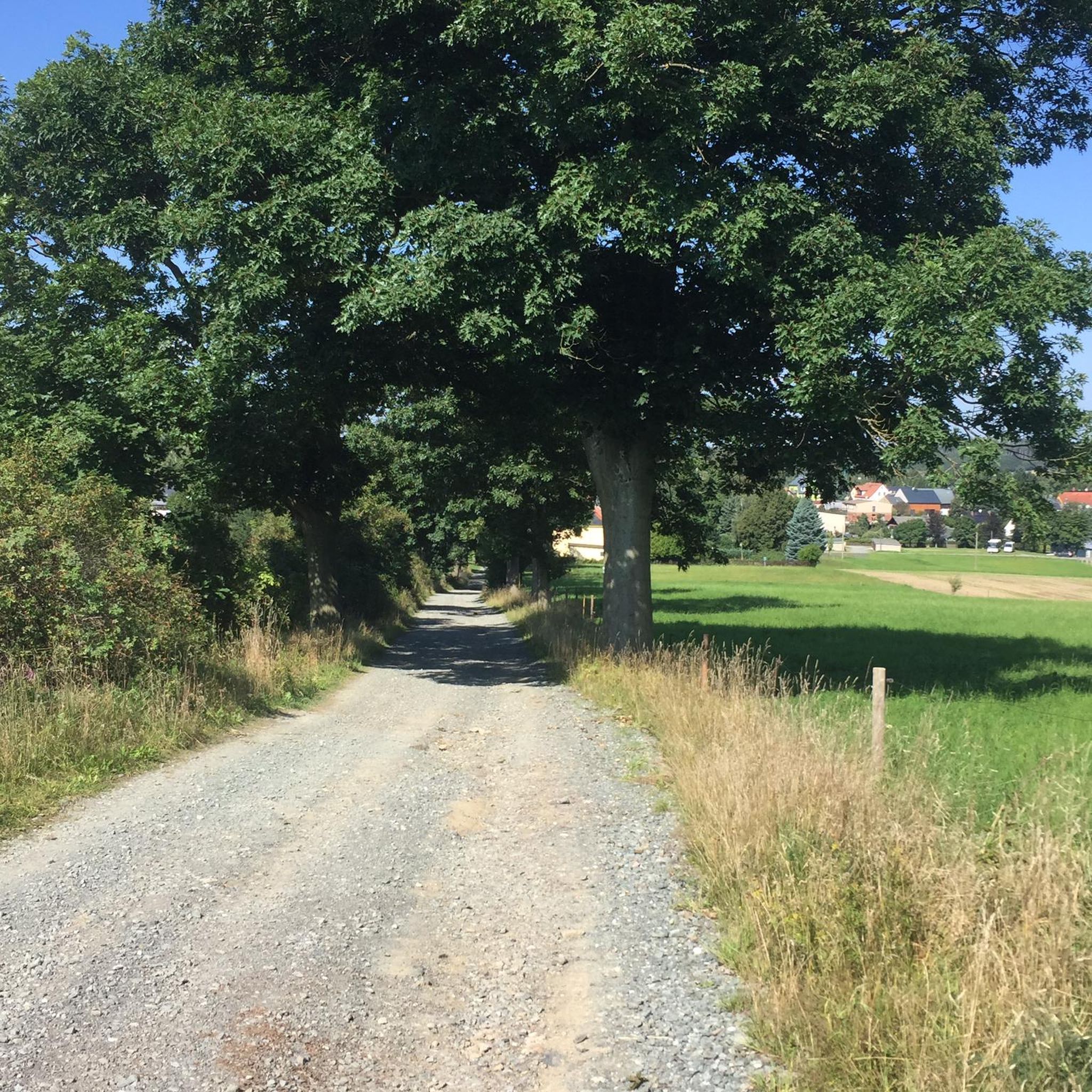
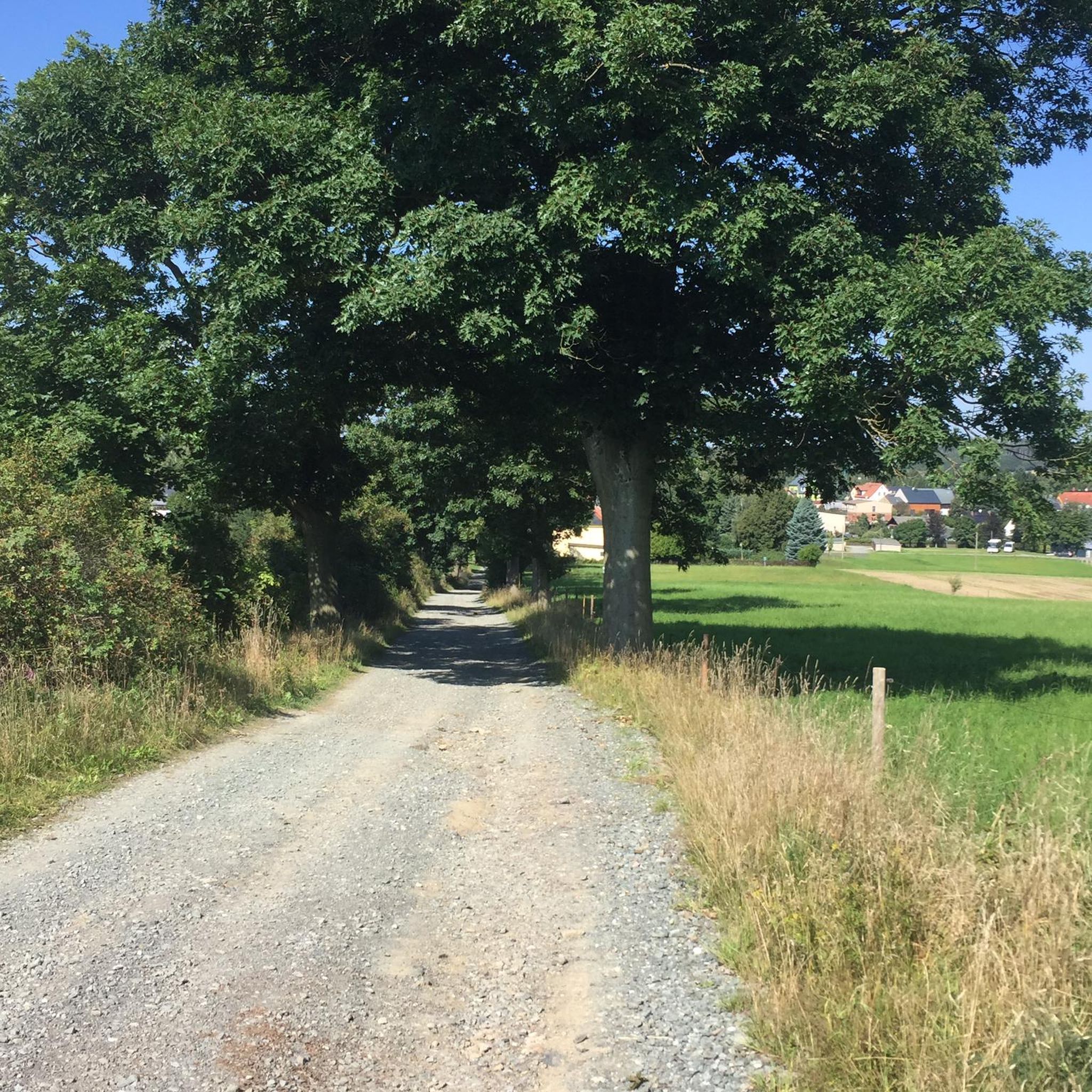
Impressive castle located in the town of the same name, in the French department of Pyrénées-Atlantiques. It was the seat of the sovereign principality of Bidache. In ruins, it is being consolidated
0
0

Bidache Castle is located in the town of the same name, in the French department of Pyrénées-Atlantiques. It was the seat of the sovereign principality of Bidache. In ruins, it is being consolidated
1
0

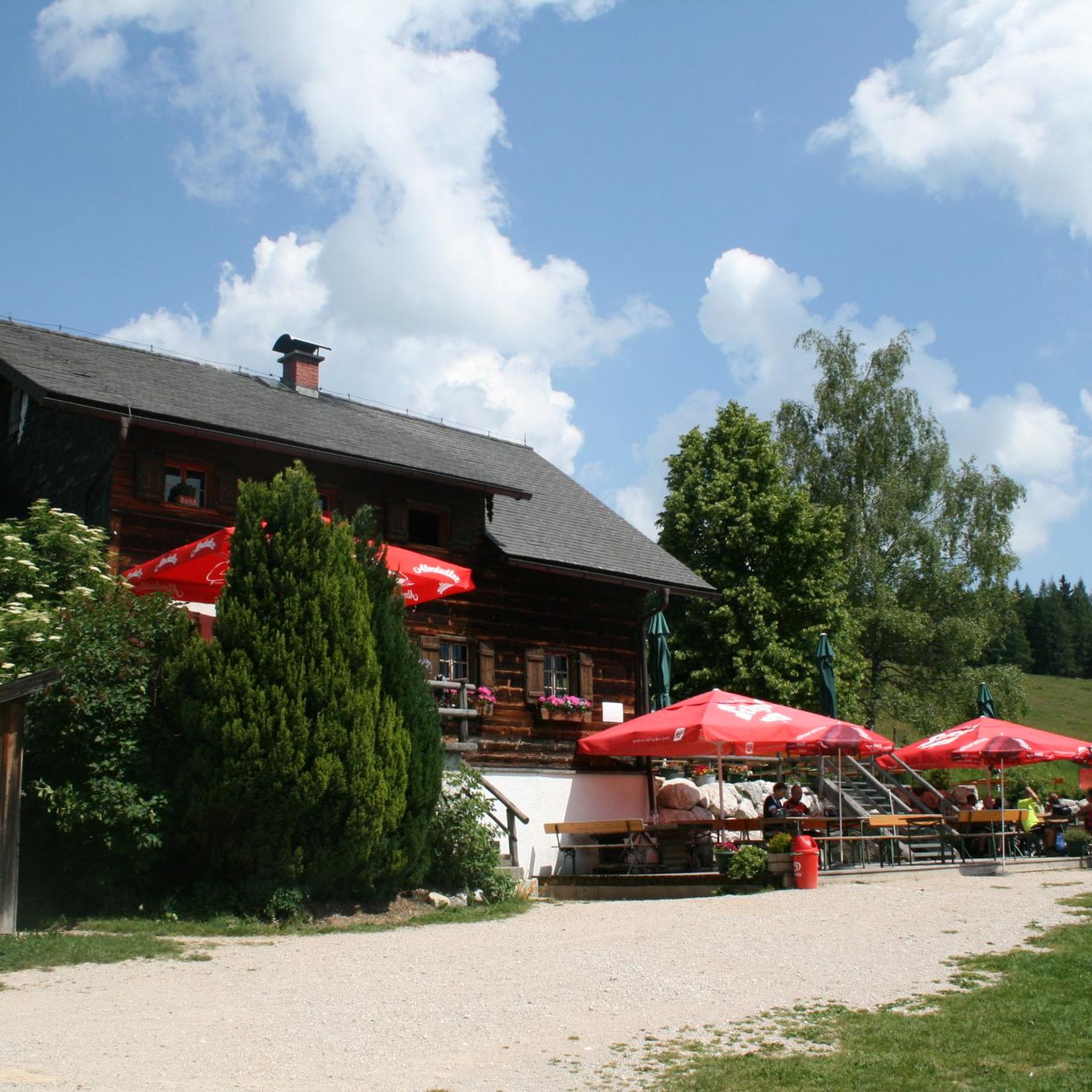
Easily accessible, 40 minutes from Bayonne and Biarritz, in the heart of the Basque Country, the Château de Biscay was erected in 1708 on a dominant medieval site. The castle has been totally restored with the help of the Heritage Foundation. The outbuildings of the castle complete the existing complex today on an exceptional site of 10 hectares including a park of 2 hectares. You will enjoy a magnificent view of the Pyrenees chain which is snow-covered until July
3
0
Frequently Asked Questions
What are some notable castles to visit near Léren?
While Léren itself is a small commune without publicly accessible castles, the surrounding Pyrénées-Atlantiques department offers several impressive historical sites. You can explore the ruins of Gramont Castle in Bidache, once the seat of a sovereign principality, or the 13th-century Bellocq Castle, which hosted figures like Gaston Fébus and Henri IV. Further afield, the National Museum and Estate of the Château de Pau, birthplace of Henry IV, is a significant historical landmark.
Which castles near Léren are particularly rich in history?
The region boasts several castles with deep historical roots. Bellocq Castle, built between 1250 and 1280, is notable for its connections to Gaston Fébus, Jeanne d'Albret, and Henri IV. Gramont Castle in Bidache has witnessed architectural evolution since the Middle Ages and was a significant principality. The Château de Pau, though not listed in the immediate highlights, is famous as the birthplace of Henry IV and a classified *Monument Historique*.
Are there any family-friendly castles to visit near Léren?
Yes, several castles in the wider region are suitable for families. The Montréal Castle or Orthe Castle, now the town hall of Peyrehorade, has a rich history and is categorized as family-friendly. The Château de Biscay is also listed as family-friendly and offers beautiful views. Additionally, the Château de Montaner is known for inviting families to discover its medieval history.
Can I find castles near Léren with impressive views?
Absolutely. The Château de Biscay, restored in 1708, offers magnificent views of the Pyrenees chain. From the keep of Gramont Castle in Bidache, visitors can enjoy a 360° panoramic view of the Bidouze valley and the Pyrenees mountains. Abbadia, the Observatory Castle, also provides a magnificent view of the Rhune mountain, the Basque Coast, and the ocean.
What kind of outdoor activities can I do near these castles?
The area around Léren and its castles is excellent for outdoor activities. You can find numerous routes for running, cycling, and traffic-free bike rides. For example, you can explore running trails like the "View of Château de Gramont loop from Came" or enjoy cycling routes such as the "Voie Verte – Salies-de-Béarn loop." Discover more options in the Running Trails around Léren, Traffic-free bike rides around Léren, and Cycling around Léren guides.
Are there specific hiking trails near any of the castles?
While specific hiking trails directly *to* or *from* the castles listed in the highlights are not detailed, the region offers many opportunities for walks and runs. For instance, you can find a "View of Château de Gramont loop from Came" among the running trails. For more general hiking and walking options in the Pyrénées-Atlantiques, you can explore the various route guides available on komoot, which often pass near historical sites.
What is the best time of year to visit castles in the Pyrénées-Atlantiques region?
The best time to visit castles in the Pyrénées-Atlantiques region is generally during the spring (April to June) and autumn (September to October) when the weather is pleasant, and the crowds are smaller. Summer (July and August) offers longer opening hours and special events, but can be busier. Some castles, like Gramont Castle, offer torchlight tours and historical shows during the high season. Always check individual castle websites for specific opening hours and event schedules.
Are there any castles near Léren that are still inhabited or privately owned?
Yes, several castles in the region remain privately owned. The Château d'Urtubie in Urrugne has been continuously owned by the same family since 1341. While a private property known as Château de Bergeras is located in Léren, it is not open to visitors. Similarly, the Château de Léran in the Ariège department is also a private residence. Always verify public access before planning your visit.
What amenities can I find near the castles?
The amenities available will vary depending on the castle's location. Larger towns like Pau, near the Château de Pau, offer a full range of cafes, restaurants, and accommodation. Smaller villages near castles like Bellocq or Bidache (home to Gramont Castle) will have more limited options, often including local eateries and small shops. It's advisable to check the specific location for nearby services.
How accessible are the castles near Léren for visitors with mobility concerns?
Accessibility varies greatly between castles due to their historical nature. Many medieval castles, like Gramont Castle or Bellocq Castle, feature uneven terrain, stairs, and limited modern adaptations. More recently restored or maintained sites, such as the Château de Pau, may offer better accessibility for certain areas. It is recommended to contact individual castles directly for detailed information on their accessibility features.
Can I bring my dog to the castles or their grounds?
Policies regarding dogs vary by castle. Generally, dogs are not permitted inside historical buildings for preservation reasons. However, some castle grounds or parks might allow leashed dogs. For example, while not explicitly stated for all, some parks associated with châteaux like Morlanne or Pau might have specific rules. It's best to check the official website or contact the specific castle you plan to visit regarding their pet policy.
Most popular attractions around Léren

Get inspired with the komoot mobile app


Explore more
Looking for the best castles somewhere else? Discover other guides around Léren:
