Top 6 Caves around Sankt Quirin
Best caves around Sankt Quirin are found in a region characterized by its natural rock formations and forested landscapes, primarily in the Vosges mountains of France. This area features sandstone cliffs and various natural cavities. The terrain offers opportunities for exploring geological features and enjoying views over valleys. The natural environment provides a setting for outdoor activities focused on these unique rock formations.
Best caves around Sankt Quirin
- The most popular caves is Saint-Léon Cave, a cave that is…
Last updated: July 8, 2026
Falkenfels Cliffs
Highlight • Natural Monument
Translated by Google •
Tip by

Saint-Léon Cave
Highlight • Cave
Translated by Google •
Tip by

Sign up now to discover places like this
Get recommendations on the best single tracks, peaks, & plenty of other exciting outdoor places.
Sign up for free
The Geisterfelsen
Highlight • Natural Monument
Translated by Google •
Tip by

Grand Rougimont
Highlight • Viewpoint
Nice point of view, caves to explore below and a point of high energy to recharge the batteries...
Translated by Google •
Tip by

Grotte du Loup
Highlight • Cave
Translated by Google •
Tip by

Sign up for free to discover even more caves around Sankt Quirin.
Sign up for free
Already have an account?
Start today with a free account
Your next adventure awaits.
Login or Signup
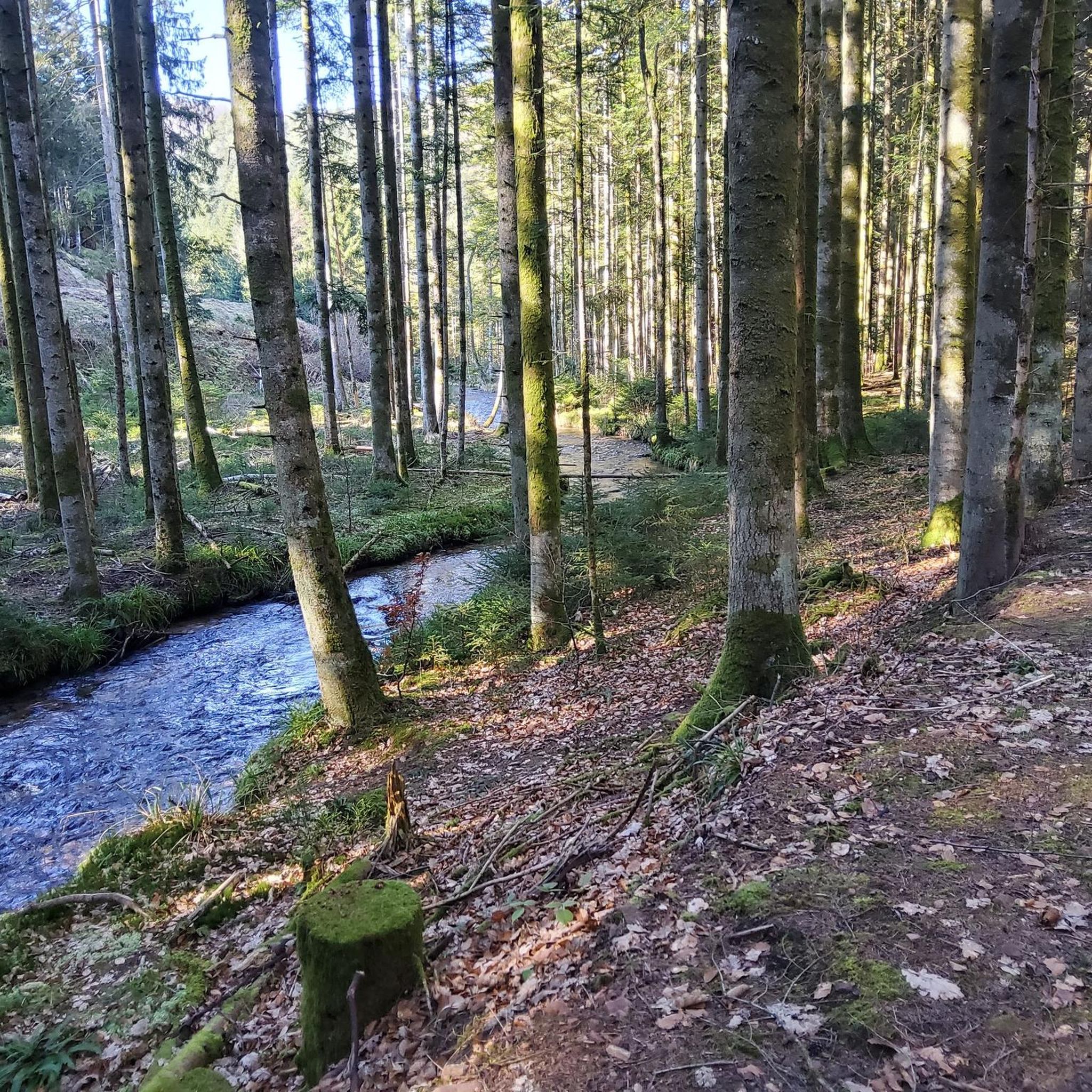
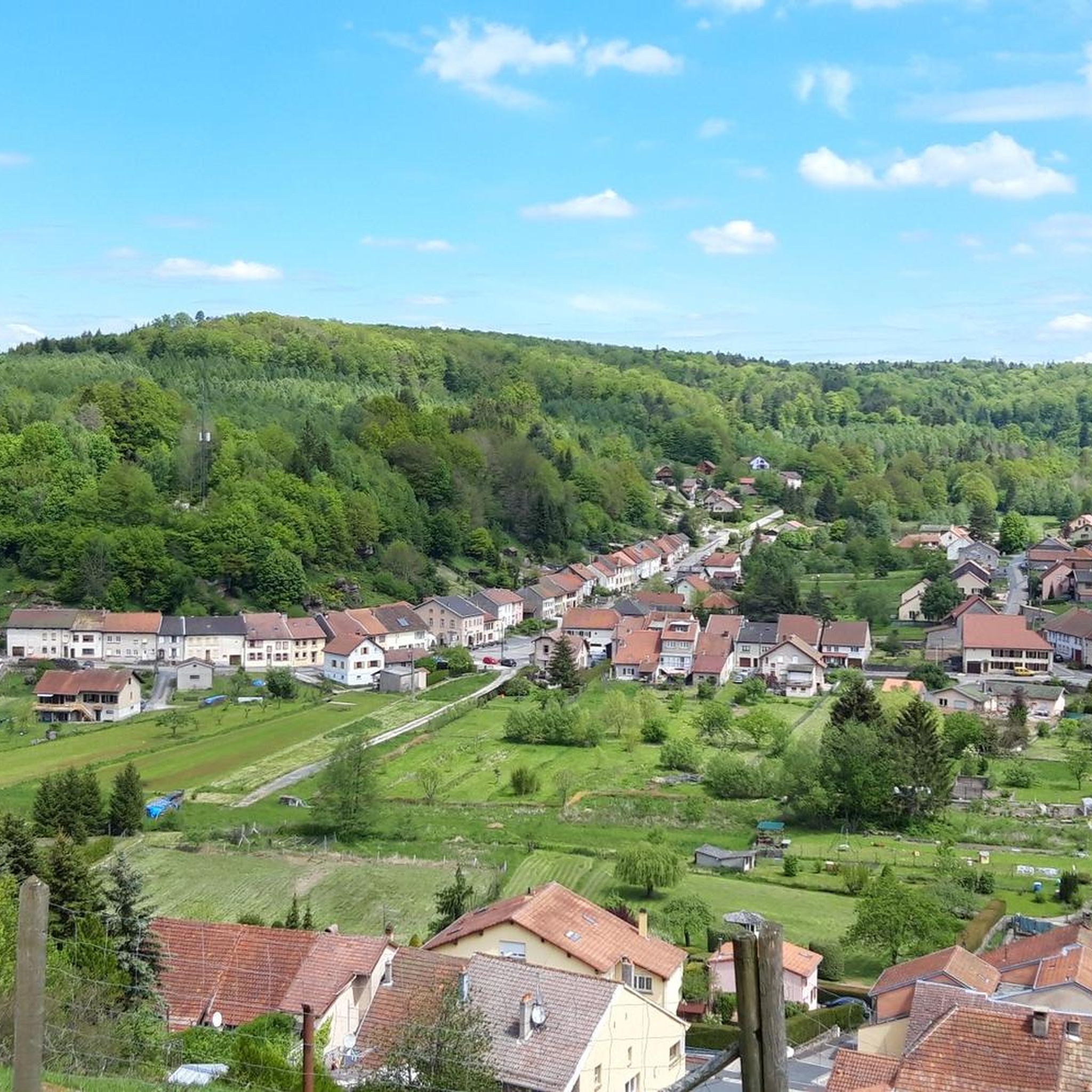
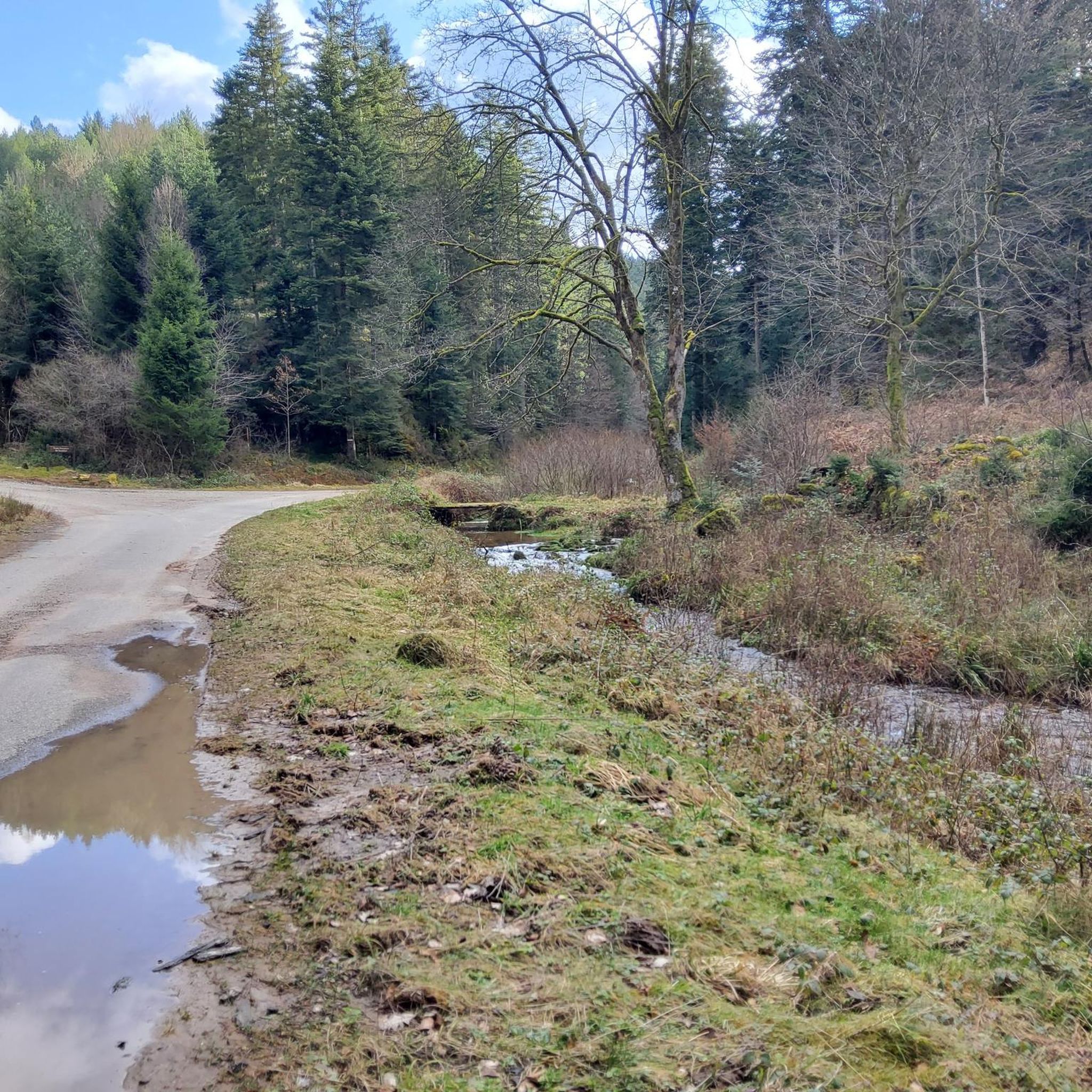
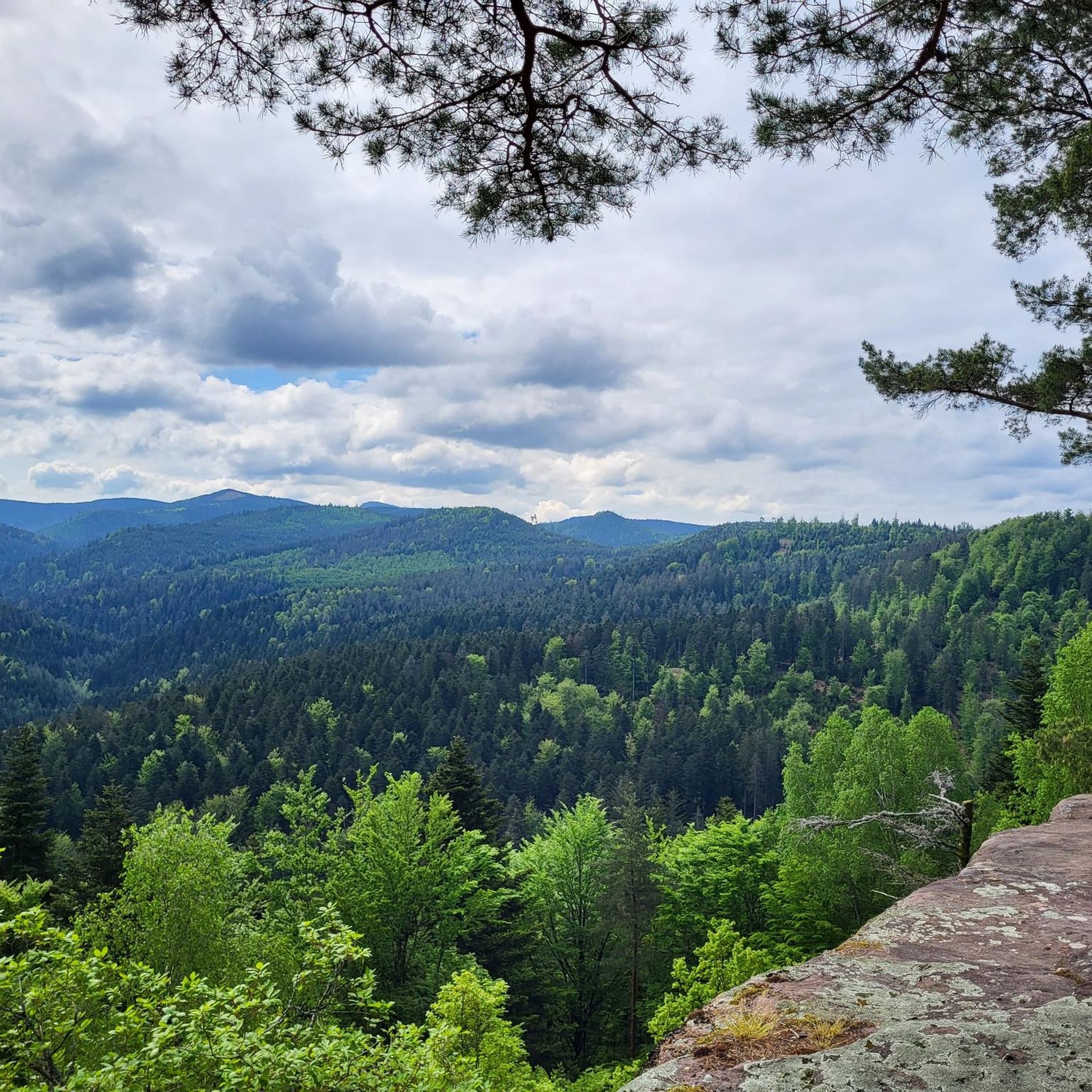
Tips from the Community

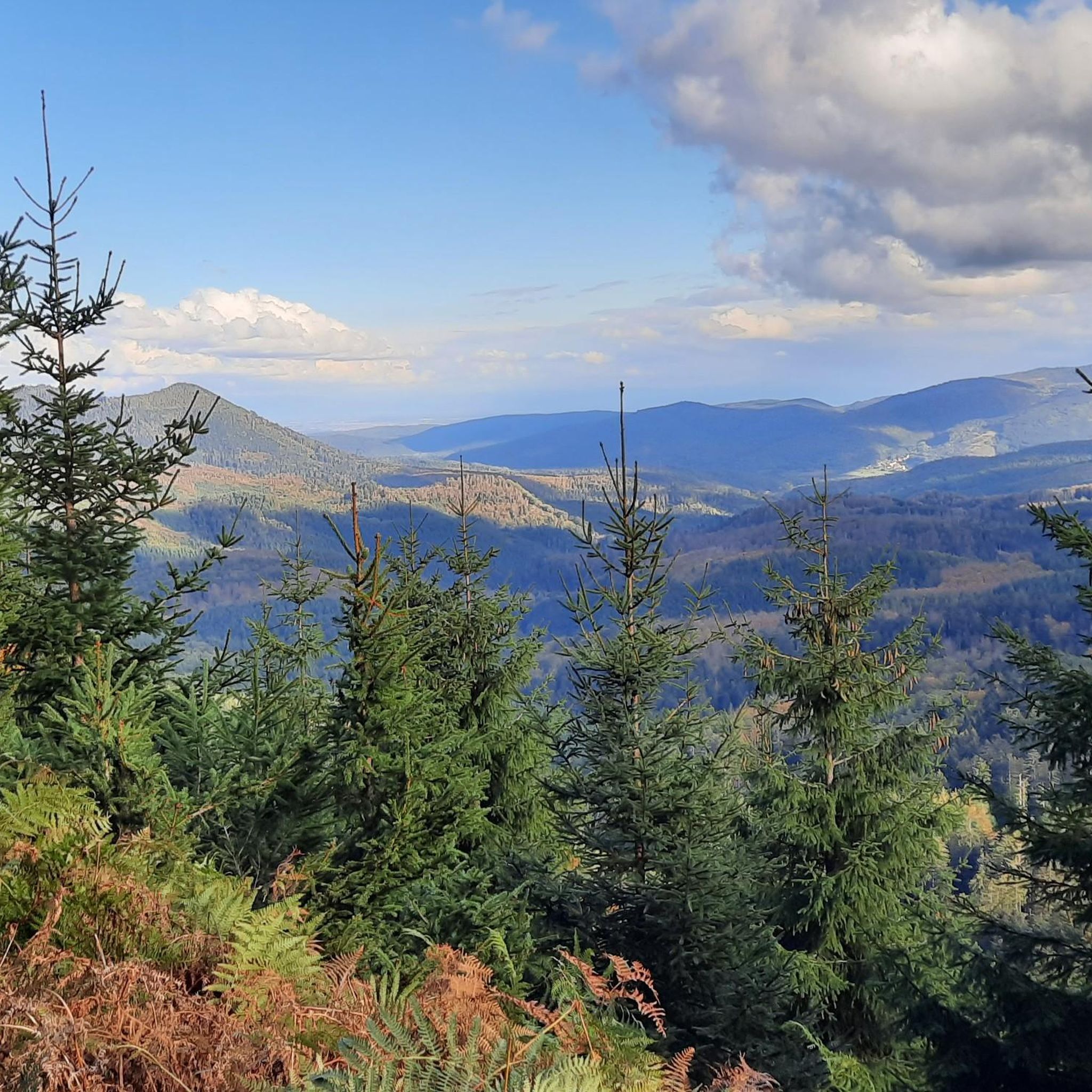
Magnificent almost 360 degree panorama. There is a very appreciable calm as the area is not very busy and the roads are far away. (you can even squeeze into some cavities in the rock!)
0
0

The Falkenfels is now in a year-round protected area. All paths there are forbidden and also dismantled and blocked.
0
0

Several paths lead around the rocks. At the foot there are some cave dwellings - from the top you can enjoy a fantastic view over the valley and on the Dabo rock. Incidentally, not only falcons breed here, but according to the information sign even eagle owls.
3
0
The trail around the Geisterfelsen is absolutely fantastic. Do not hesitate to make a small detour to circumvent the buttress along the blue circle. It's worth it ! 👍🤩
3
0

Incredible and majestic rock cliffs to explore.
4
0

Dug into the sandstone, this cave is the largest natural cavity in the Vosges mountains. It is possible to climb above its entrance to enjoy a magnificent panorama of Walscheid and its surroundings.
1
0

A very beautiful rock that is worth the detour. Nice point of view, caves to explore below and a point of high energy to recharge the batteries...
0
0

Magnificent cliffs and cave houses!
2
0
Frequently Asked Questions
What are the most notable caves and rock formations around Sankt Quirin?
The region around Sankt Quirin, primarily in the Vosges mountains of France, features several impressive natural rock formations and caves. Key highlights include the Saint-Léon Cave, which is the largest natural cavity in the Vosges, and The Geisterfelsen, known for its majestic rock cliffs. Another popular spot is Falkenfels Cliffs, which offers cave dwellings at its base and panoramic views from the top.
Are there any family-friendly caves or activities near Sankt Quirin?
While specific 'family-friendly' categories aren't listed for the caves, many of the natural sites like Saint-Léon Cave and The Geisterfelsen offer accessible trails for exploration. The general area provides opportunities for outdoor activities suitable for families, such as hiking. For specific hiking routes, you can explore the Hiking around Sankt Quirin guide.
What kind of natural features can I expect to see in the caves and rock formations?
You can expect to see diverse natural rock formations, including large cavities dug into sandstone, majestic cliffs, and rock shelters. Many locations, such as Falkenfels Cliffs and Grand Rougimont, also offer stunning viewpoints over valleys and forested landscapes.
What outdoor activities can I do near the caves around Sankt Quirin?
The region offers a variety of outdoor activities. You can find numerous hiking trails, including routes around natural monuments and viewpoints. There are also running trails and road cycling routes available in the area, allowing you to explore the forested landscapes and geological features.
Are there any challenging cave explorations for experienced cavers?
While the guide focuses on more accessible natural cavities, some formations like Grotte du Loup are noted as potentially complicated to enter for those without specific skills. For more advanced caving, the REGION RESEARCH mentions the Falkensteiner Cave in the Swabian Alb (Germany) as restricted to experienced cavers due to its challenging terrain, though this is outside the immediate Sankt Quirin area.
What do visitors enjoy most about the caves and rock formations in this area?
Visitors frequently praise the impressive nature of the formations, such as the size of Saint-Léon Cave and the majestic quality of The Geisterfelsen. Many also appreciate the panoramic views offered from locations like Falkenfels Cliffs and Grand Rougimont, as well as the peaceful atmosphere.
Are there specific hiking trails that lead to or around these caves?
Yes, many of the caves and rock formations are integrated into hiking networks. For instance, trails lead around Falkenfels Cliffs, and a trail around The Geisterfelsen is highly recommended. You can find various routes, including those to Grand Rougimont, in the Hiking around Sankt Quirin guide.
What is the best time to visit the caves and rock formations around Sankt Quirin?
The best time to visit is generally during seasons with pleasant weather for outdoor exploration, such as spring, summer, and early autumn. This allows for comfortable hiking and enjoying the viewpoints. Some caves, like the Bärenhöhle in the Swabian Alb (mentioned in REGION RESEARCH), close during winter to protect hibernating bats, but specific seasonal closures for the Vosges caves are not detailed in the guide data.
Are dogs allowed on trails leading to the caves?
The guide data does not explicitly state rules regarding dogs for each specific cave or trail. However, many outdoor trails in natural areas are dog-friendly, especially if kept on a leash. It's advisable to check local signage or specific park regulations for each location you plan to visit.
How long does it typically take to explore these cave sites?
The time required varies by location. For sites like Saint-Léon Cave or The Geisterfelsen, you might spend anywhere from an hour to a few hours, especially if you combine the cave exploration with hiking the surrounding trails and enjoying the viewpoints. Smaller cave dwellings or rock shelters might be quicker stops.
Are there any other caves in the broader region of Germany that are worth visiting?
While the Sankt Quirin guide focuses on the Vosges mountains in France, Germany does have notable caves. For example, the Wendelstein Cave in Bavaria is Germany's highest show cave, and the Swabian Alb region in Baden-Württemberg is home to caves like Bärenhöhle and Nebelhöhle, which are illuminated and offer guided tours. Schlossberghöhlen in Homburg, Saarland, also offers unique sandstone formations.
Most popular routes around Sankt Quirin
Most popular attractions around Sankt Quirin

Get inspired with the komoot mobile app


Explore more
Extend your search for the best caves by checking out these guides of the top ones around Sankt Quirin:
