Top 4 Caves around Larrau
Best caves around Larrau are located within the broader Basque Country, a region known for its mountainous terrain and diverse geological features. Larrau itself is a village situated amidst natural attractions, providing access to various impressive cave systems. The area offers opportunities to explore both historical and naturally significant underground sites.
Best caves around Larrau
- The most popular caves is Harpéa Cave, a cave that features a famous anticline. It is situated in a wild landscape, offering a viewpoint. …
Last updated: June 25, 2026
Harpéa Cave
Highlight • Cave
Translated by Google •
Tip by

Sainte-Engrâce
Highlight • Settlement
Translated by Google •
Tip by

Sign up now to discover places like this
Get recommendations on the best single tracks, peaks, & plenty of other exciting outdoor places.
Sign up for free
Cueva del Ibón
Highlight • Cave
Translated by Google •
Tip by

Elkorreta-Gartxot Cave
Highlight • Cave
Translated by Google •
Tip by

Grotte d'Arpea
Highlight • Cave
Translated by Google •
Tip by

Start today with a free account
Your next adventure awaits.
Login or Signup
Popular around Larrau
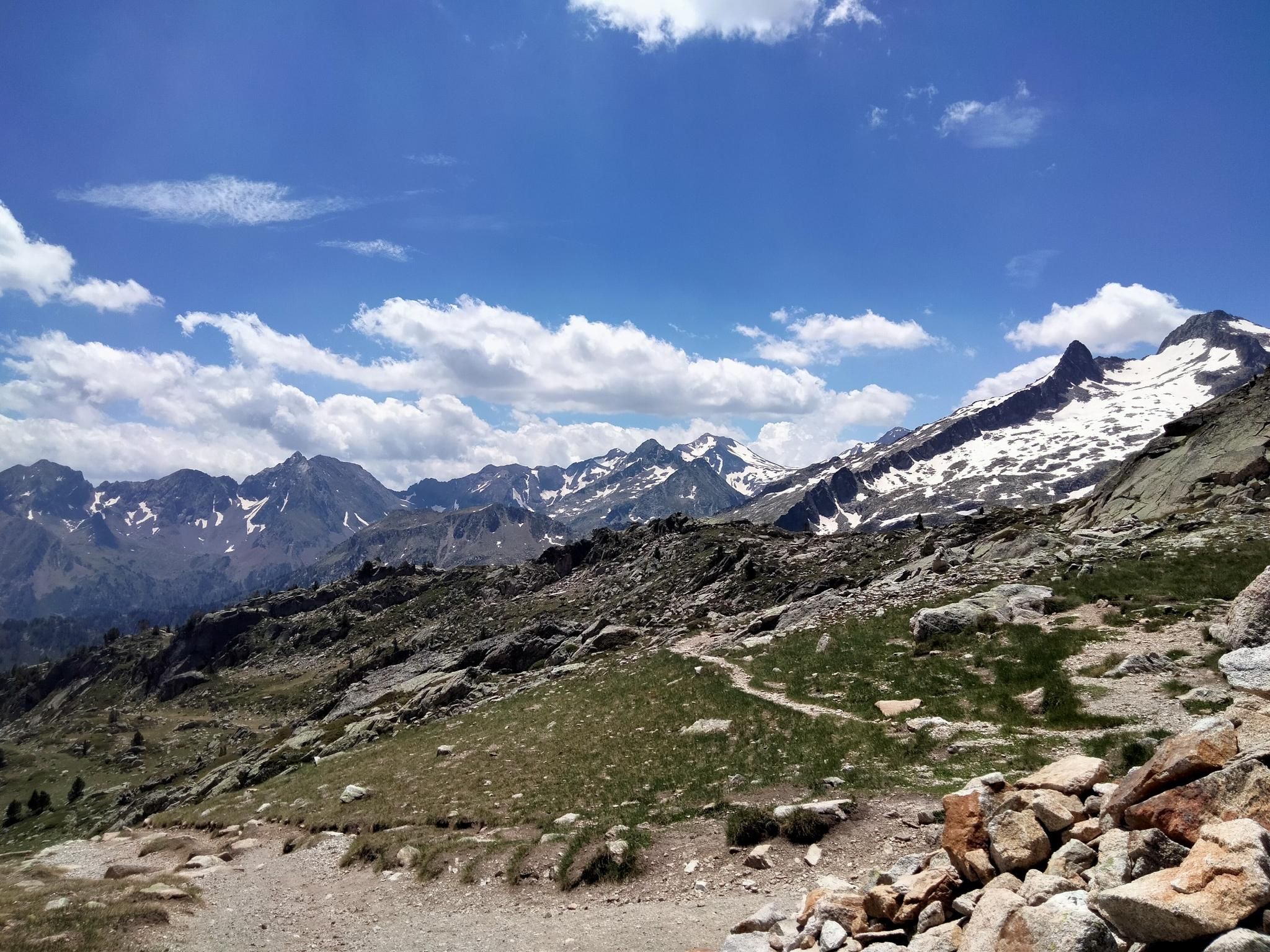
Hexatrek, the western and central Pyrenees – Between mountains and the ocean
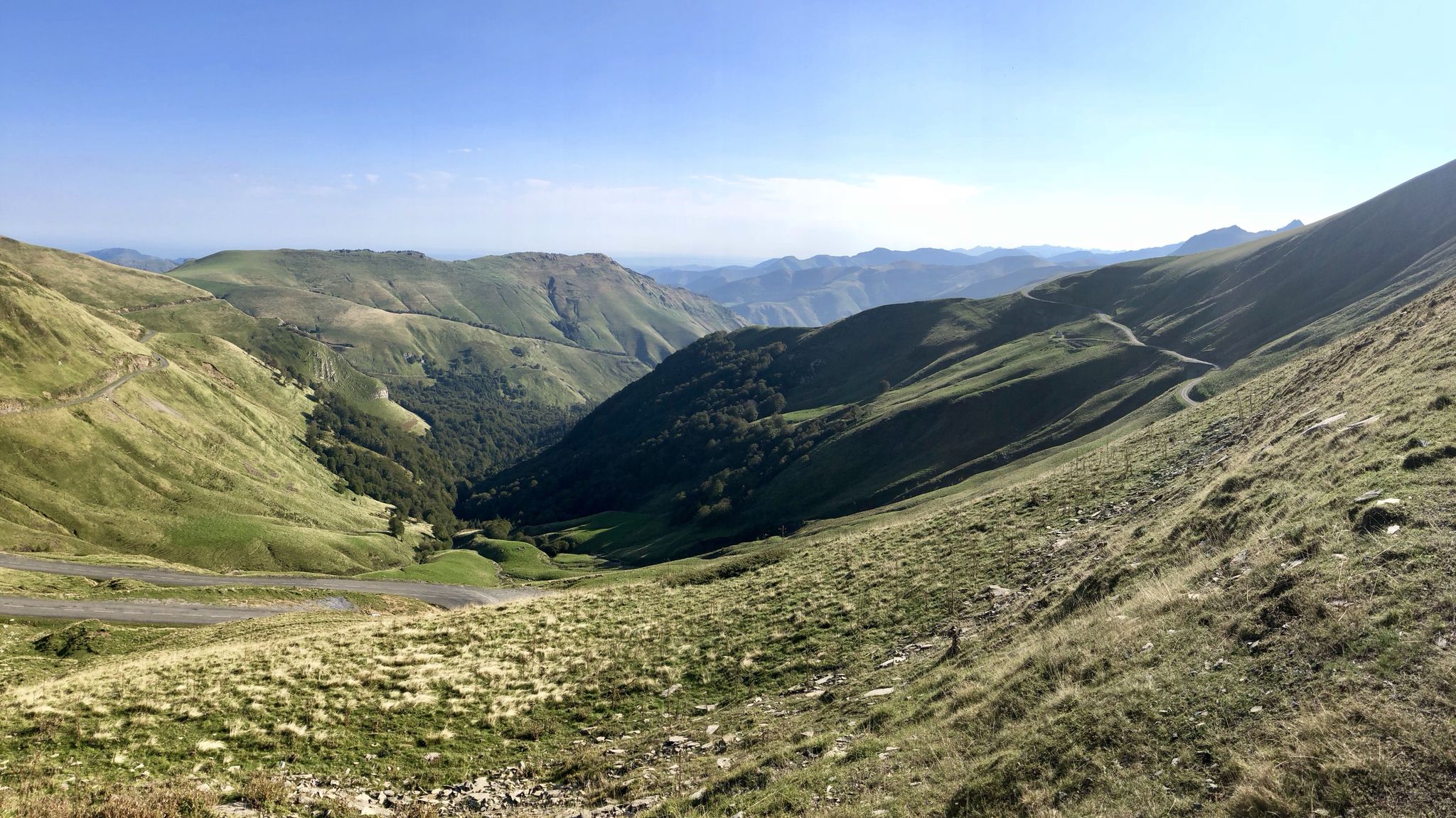
Euskal Herria footpath (GR 12) – The infinite mountain range
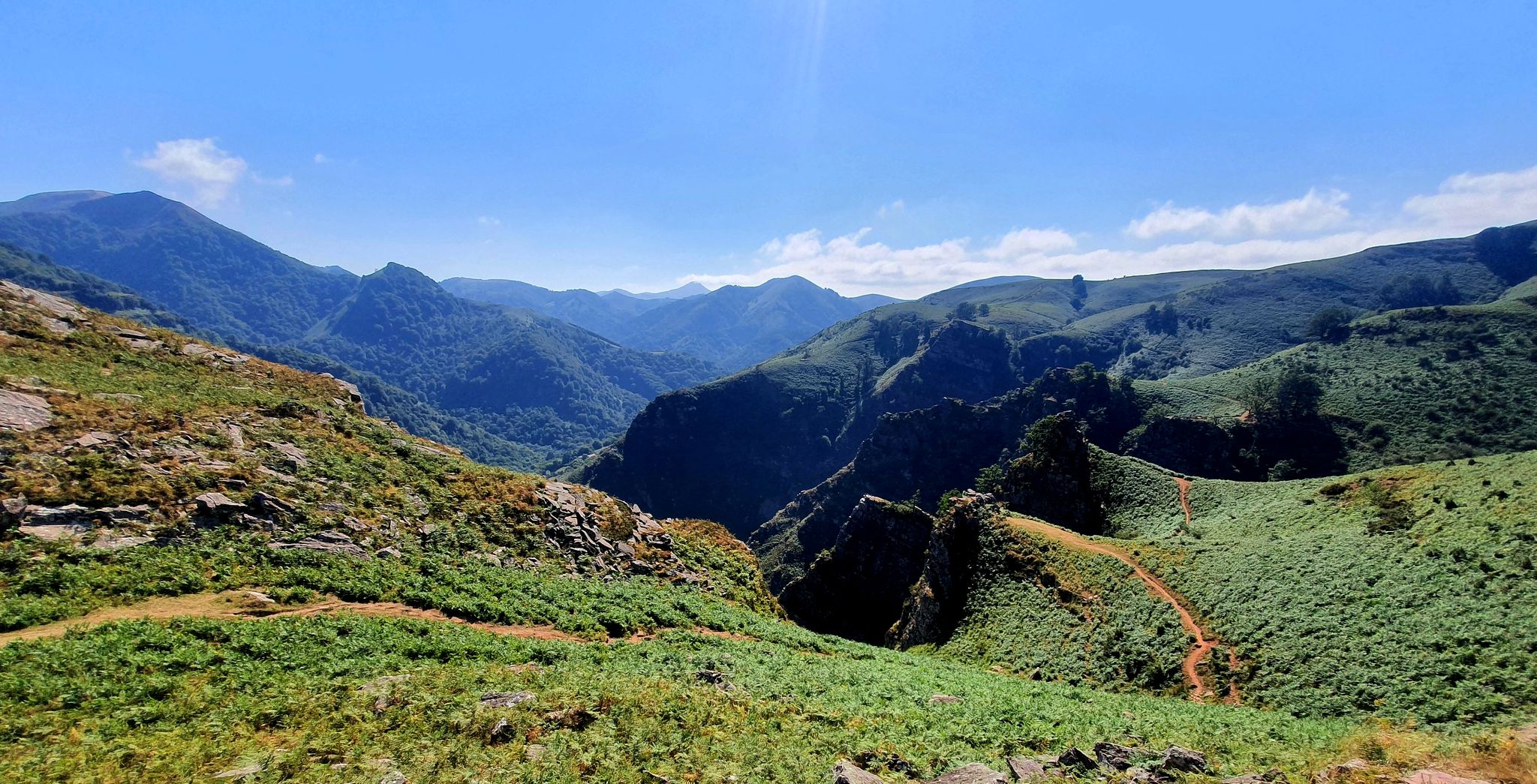
A land rich in character – running in the Basque Country
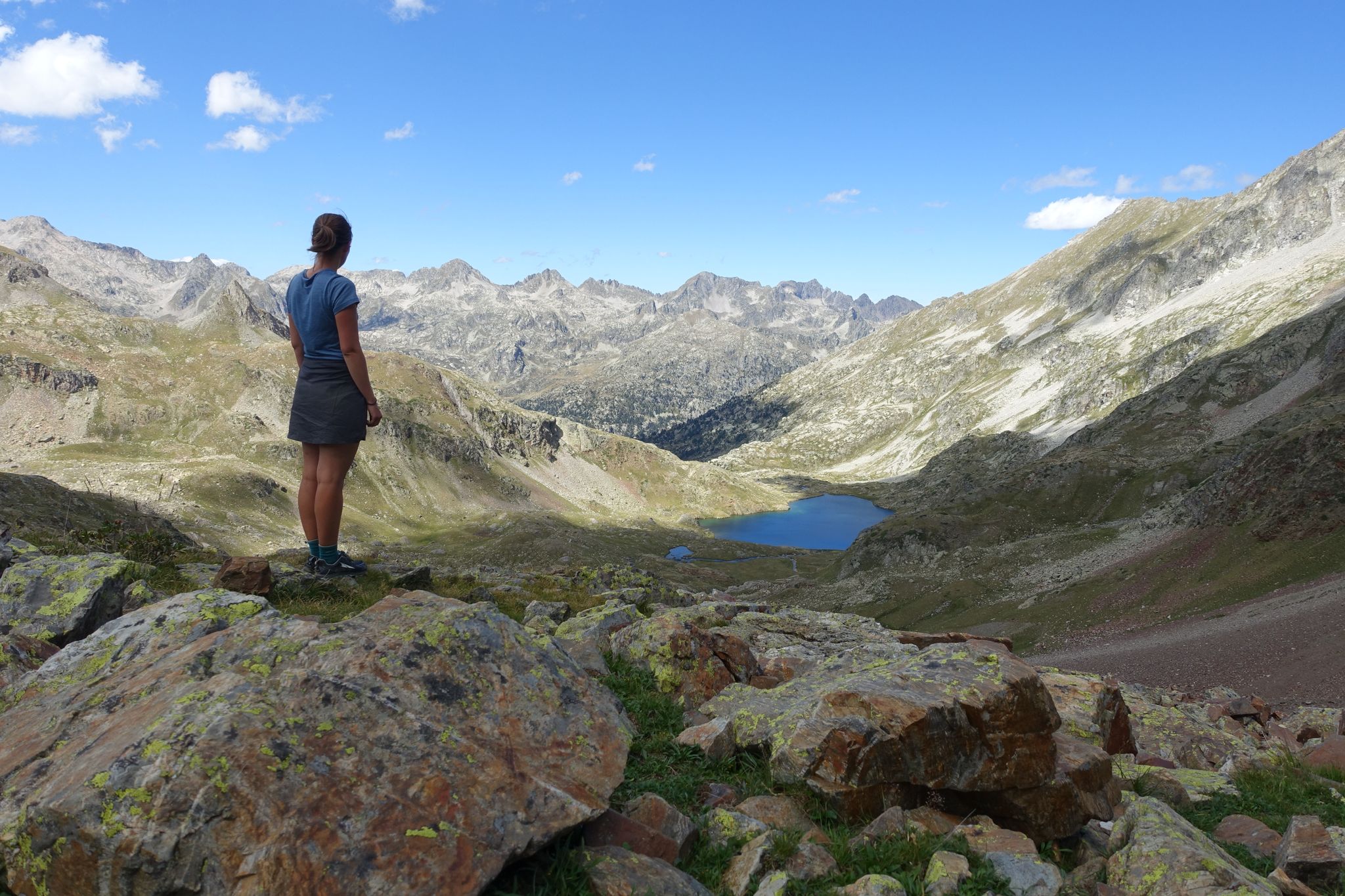
Haute Route Pyrénéenne – Pyrenees Crossing
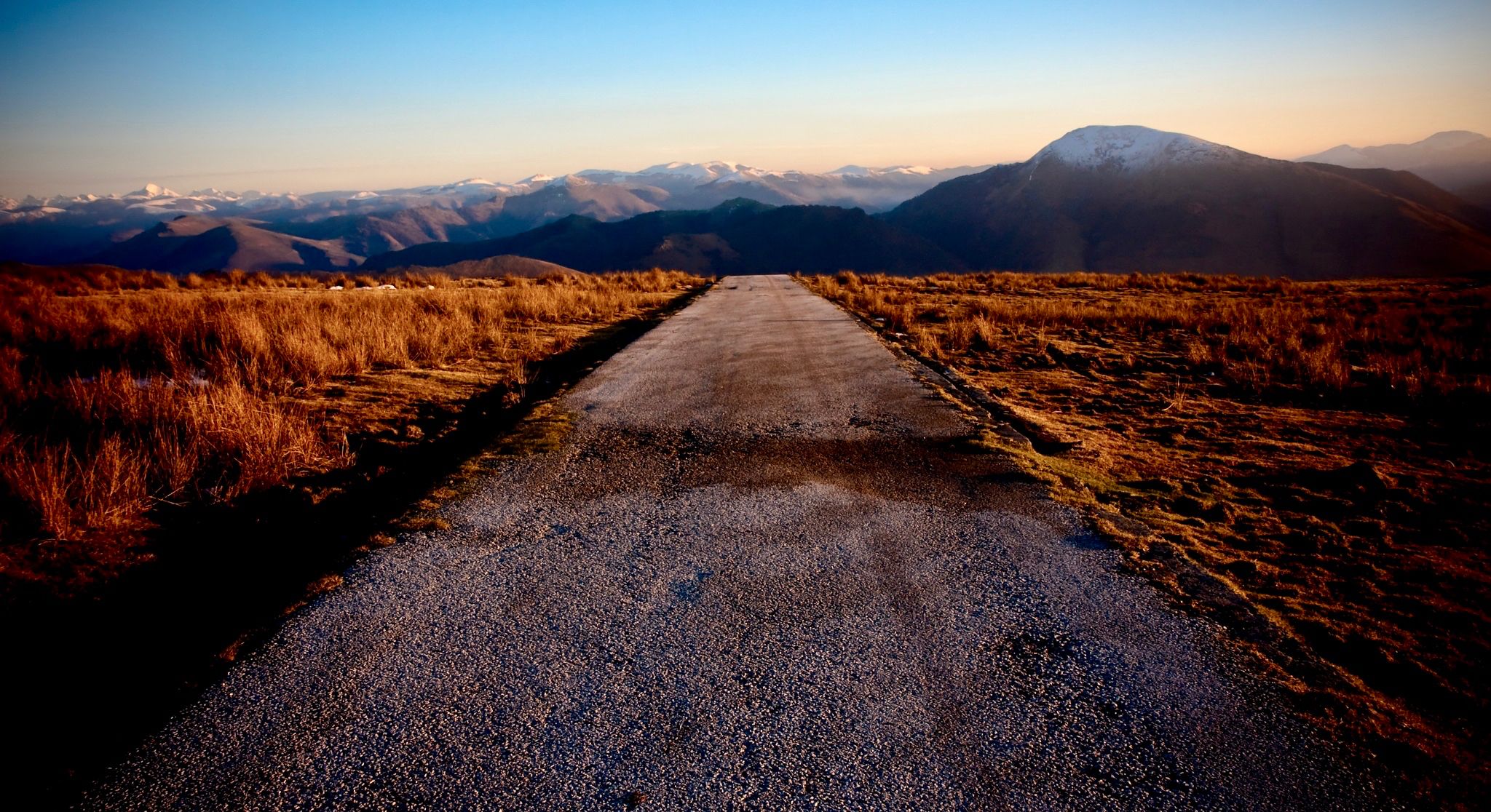
Coast to coast across the Pyrenees on your road bike
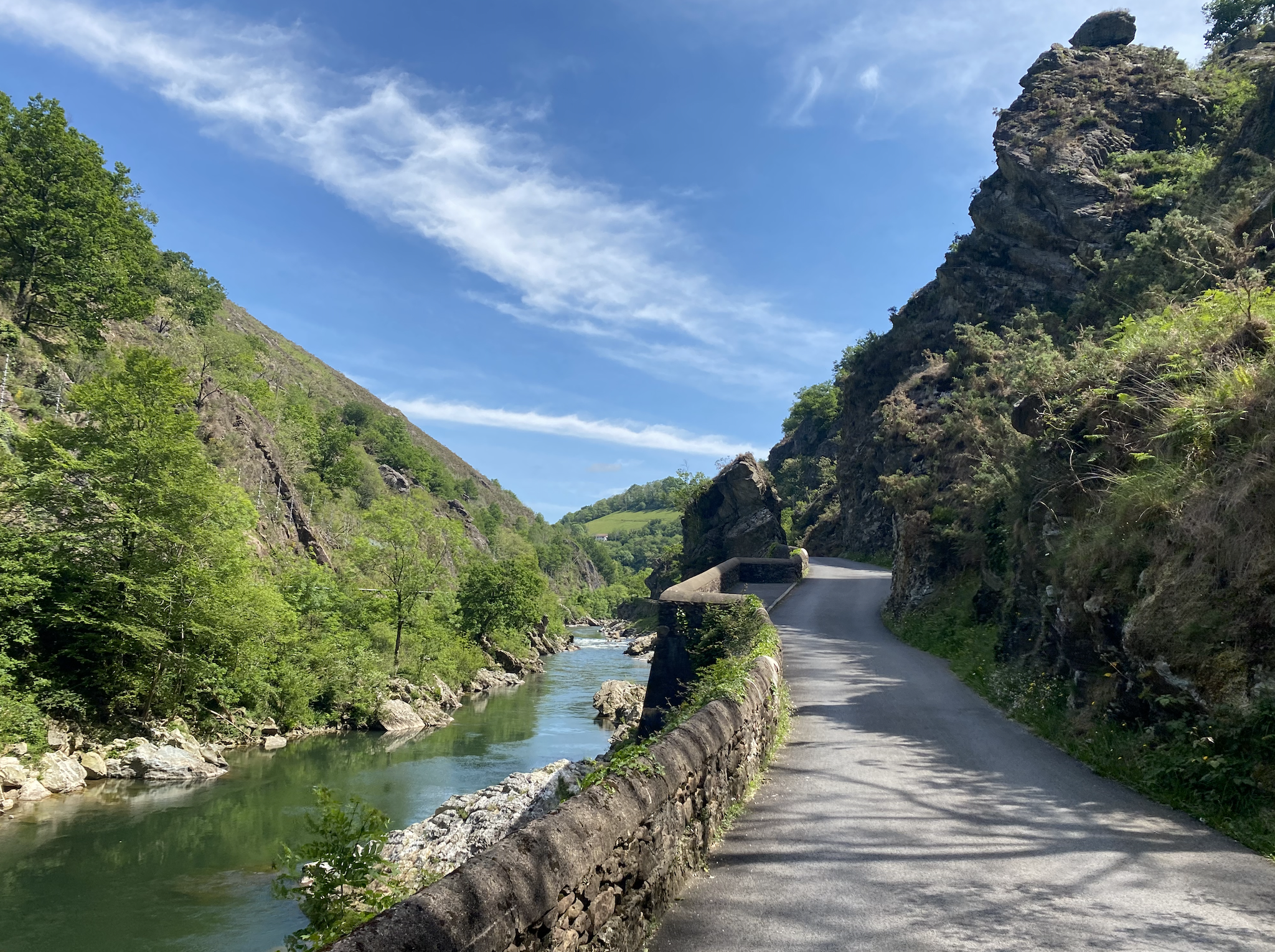
The Grand Tour du Pays basque
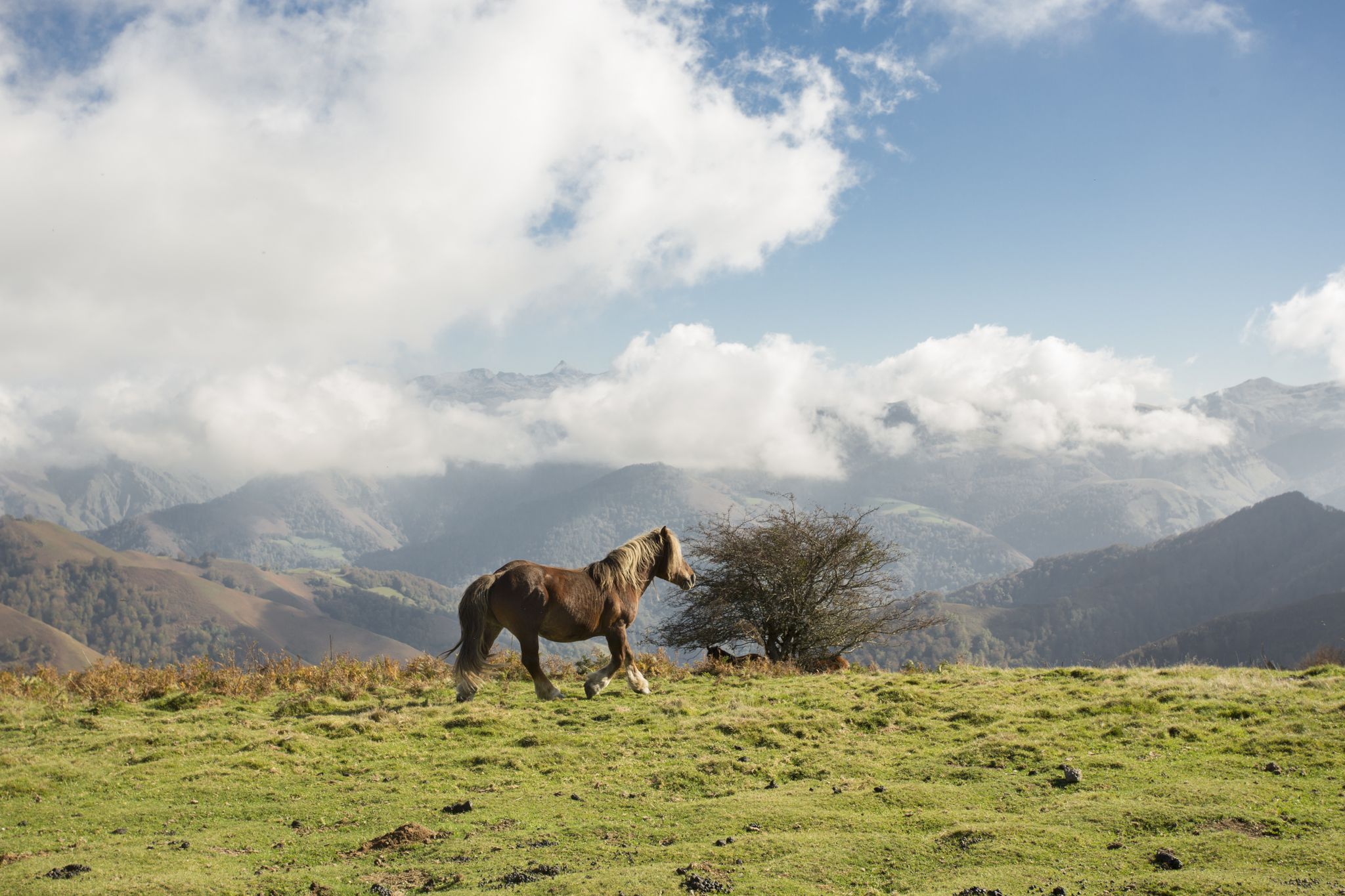
Iraty, Soule and the Basque mountains
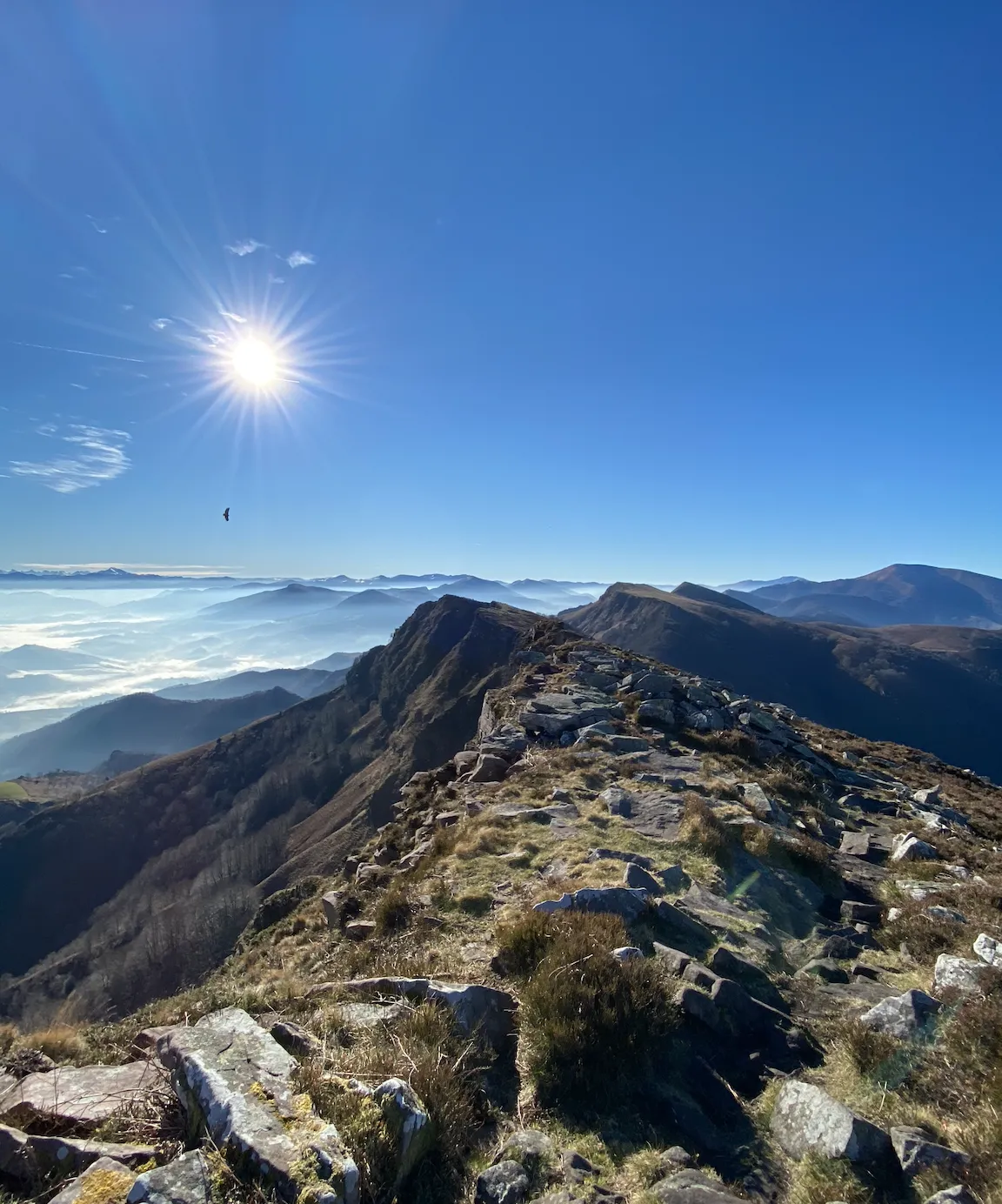
The coast to the mountains – the best hikes in Spain’s Basque Country
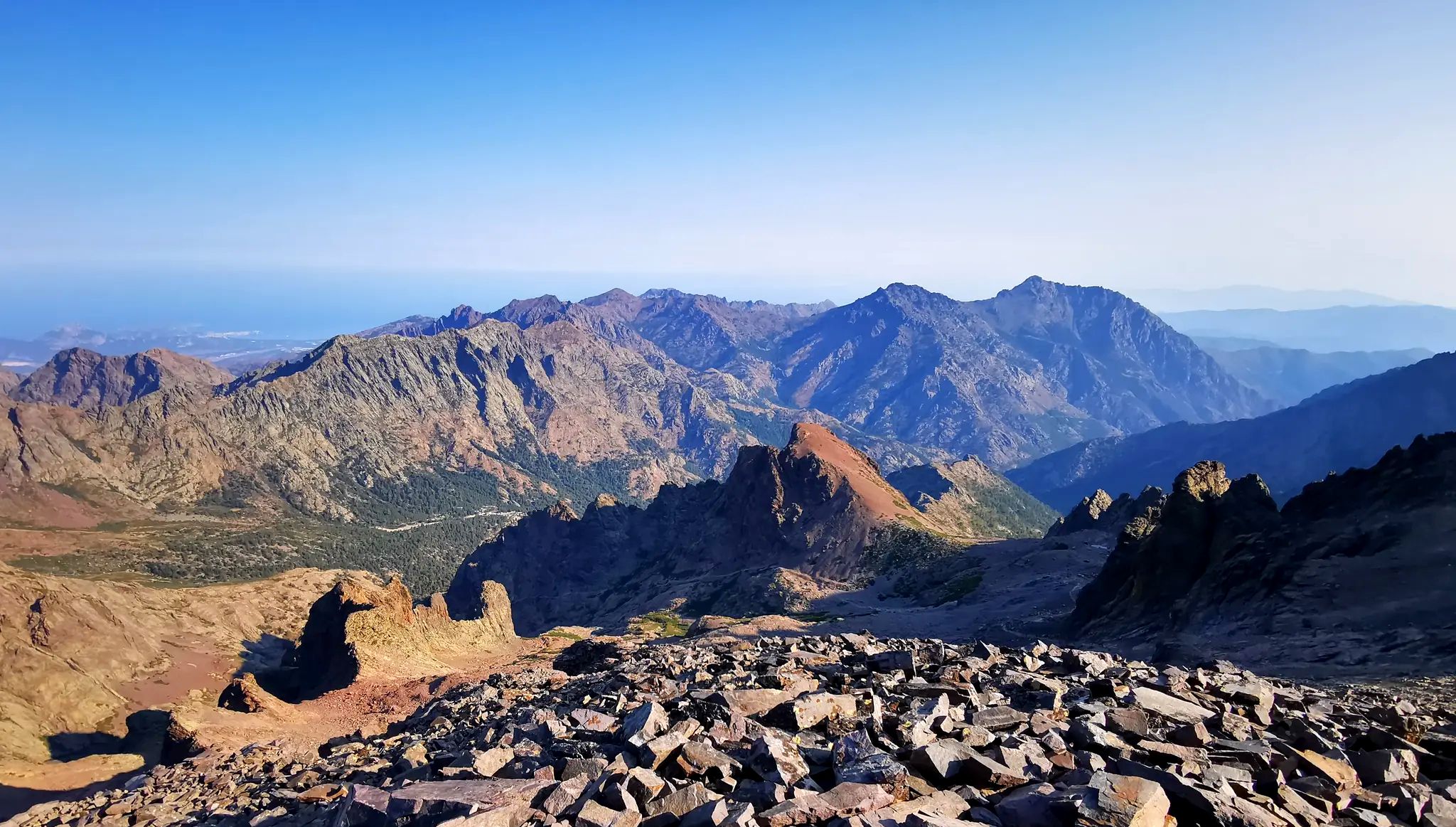
Hiking to the summits – France's highest points
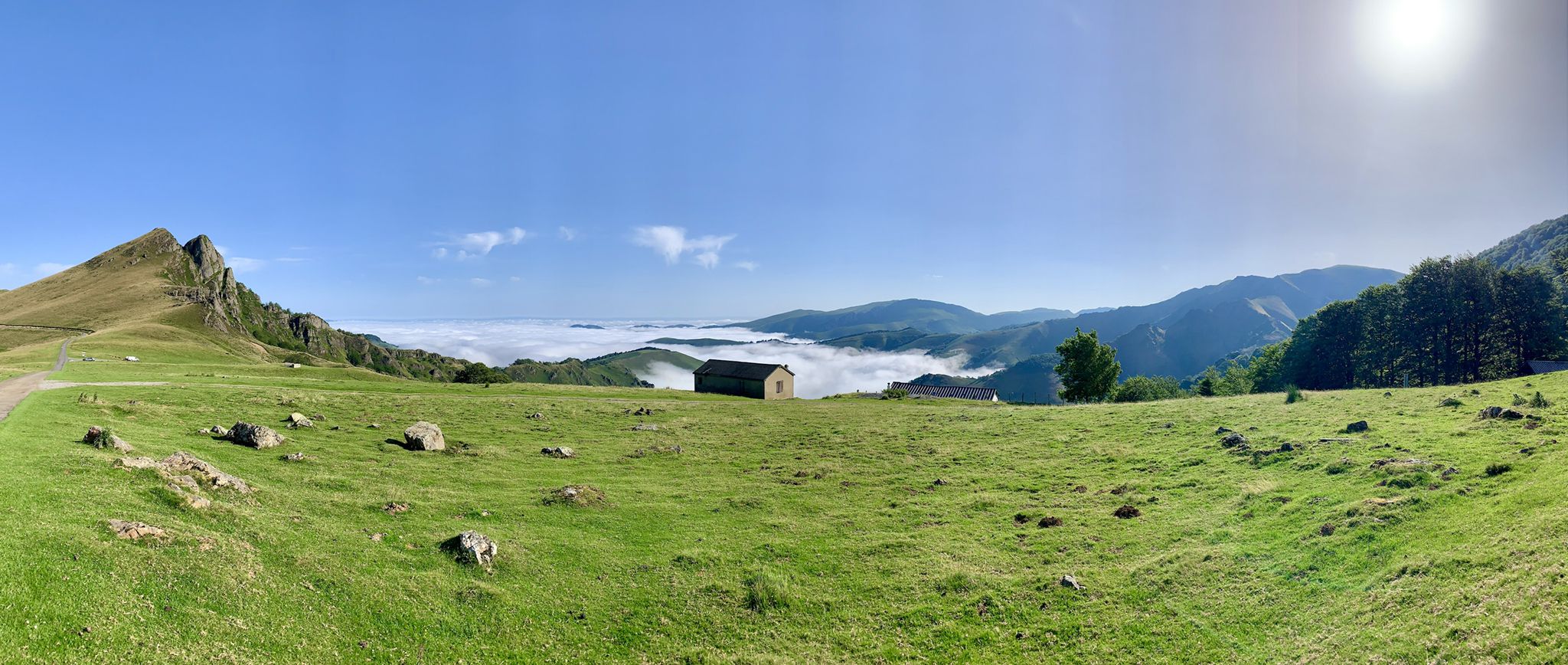
The Western Pyrenees – crossing the Pyrenees on the GR 10
Other adventures around Larrau


Tips from the Community

Located at an altitude of 630 meters, nestled in a green setting surrounded by gorges and peaks, the village of Sainte-Engrâce is a charming mountain village in the Basque Country. In addition to its 11th-century Romanesque church, don't miss the famous Kakuetta Gorges or the sublime Verna Cave.
0
0

With the photos you can already see the cave, there is not much to see at least by bike because the descent has no exit.
0
0

Nice and impressive cave near the road. Bring a flashlight to see everything. There is also a pool and waterfall where you can take a cold bath before continuing.
3
0

Located within the Belagua Valley, this impressive cave is a kind of drainage that collects all the water that filters through the mountain rocks and is then evacuated through the entrance to it.
2
0
This cave owes its name to a medieval legend that tells that the bard Gartxot took refuge there after murdering his son in order to prevent him from being snatched by the Orreaga / Roncesvalles monks. It is located in a nice forest setting.
4
0

This Romanesque church is lost in the middle of the mountains, more than 600 meters above sea level. Push the door, the interior is surprising!
0
0

superb point of view in the middle of a wild landscape. To do from the parking lot of the Hotel des Sources de la Nive, spectacular.
3
0

Frequently Asked Questions
Which are some of the most notable caves to visit near Larrau?
The broader Basque Country region offers several impressive cave systems. Near Larrau, you can explore Harpéa Cave, known for its unique anticline formation, and Cueva del Ibón, an impressive drainage cave close to the road. Further afield, the Verna Cave in Sainte-Engrâce is famous as the largest accessible underground room in the world, and the Isturitz and Oxocelhaya Caves offer rich prehistoric history and stunning geological formations.
Are there family-friendly caves around Larrau?
While many caves in the region require some walking, the Sainte-Engrâce area, which hosts the Verna Cave, is generally considered family-friendly, offering guided tours suitable for various ages. The Isturitz and Oxocelhaya Caves are also well-suited for families, providing an engaging experience with prehistoric art and monumental mineral formations.
What historical or cultural significance do the caves near Larrau hold?
The Elkorreta-Gartxot Cave is steeped in local legend, associated with the medieval bard Gartxot. The Isturitz and Oxocelhaya Caves are particularly significant for their prehistoric history, classified as Historical Monuments. They contain evidence of human presence dating back 80,000 years, with numerous artifacts and cave art, offering a direct connection to early human life.
What natural features can I expect to see in the caves around Larrau?
You'll encounter diverse natural features. Cueva del Ibón features a pool and waterfall inside, while Harpéa Cave is known for its distinctive anticline. The Verna Cave boasts a colossal underground chamber and a huge chasm. The Oxocelhaya Cave, part of the Isturitz and Oxocelhaya complex, is renowned for its monumental mineral formations, including impressive stalactites, stalagmites, and draperies.
What is the best time to visit the caves in the Larrau region?
Caves generally maintain a stable temperature year-round, making them a good option in various seasons. However, access roads and surrounding trails are best enjoyed during spring, summer, and early autumn when the weather is milder and more predictable. Always check specific cave opening hours and tour availability, especially outside peak season.
Are there any guided tours available for the caves?
Yes, for significant sites like the Verna Cave and the Isturitz and Oxocelhaya Caves, guided tours are available. These tours often provide valuable insights into the geology, history, and unique features of the caves. For the Isturitz and Oxocelhaya Caves, you can find more information on tourisme64.com.
What outdoor activities can I do near the caves around Larrau?
The Larrau region is excellent for various outdoor activities. You can find numerous mountain hikes, with routes like the Pic d'Arlas – Anie Peak loop. For cyclists, there are many traffic-free bike rides, including the Col de Bagargui Loop. The area around Sainte-Engrâce also offers access to the famous Kakuetta Gorges.
What should I wear when visiting caves in this region?
Caves typically have cool, damp, and sometimes muddy conditions, even in summer. It's advisable to wear sturdy, closed-toe shoes with good grip, and bring layers of clothing, including a jacket or sweater, as temperatures inside can be around 5°C (41°F) in some larger caves like Verna. A flashlight or headlamp can also be useful for exploring less illuminated sections.
Is parking available at the cave sites?
For many of the more popular and accessible caves, such as Cueva del Ibón and the Verna Cave, parking facilities are usually available nearby. For more remote caves or those accessed via hiking trails, you might need to park at a trailhead or designated area. Always check specific access information for each cave you plan to visit.
Are there any hidden or less-known caves worth exploring near Larrau?
While the region is rich in geological formations, many 'hidden' caves may require specialized caving equipment and experience. For general visitors, the known and accessible caves like Harpéa Cave and Elkorreta-Gartxot Cave offer a blend of natural beauty and local lore without needing advanced caving skills. Always prioritize safety and respect natural environments.
How long does it typically take to explore the caves near Larrau?
The duration varies significantly by cave. For accessible caves like Cueva del Ibón or Harpéa Cave, a visit might take 30 minutes to an hour. Guided tours for larger systems like the Verna Cave can range from 1.5 to 2 hours, with longer options for deeper exploration. The Isturitz and Oxocelhaya Caves typically offer tours lasting around an hour.
Most popular attractions around Larrau

Get inspired with the komoot mobile app


