Top 12 Castles around Montigny-Sur-Meuse
Castles around Montigny-Sur-Meuse are primarily represented by the village's notable Fortified Church of Saint-Lambert, a 16th-century structure designed as a collective refuge. This region, nestled in the Val d'Ardenne along the Meuse river, features a landscape rich in historical defensive architecture. The area's geography historically influenced the development of fortified sites, providing strategic viewpoints and natural barriers. Visitors can explore the unique blend of religious and defensive functions characteristic of the local historical landmarks.
Best castles around Montigny-Sur-Meuse
- The most…
Last updated: October 11, 2026
Haute Roche Castle Ruins
Highlight • Castle
This castle is located on a …
Translated by Google •
Tip by

View of the ruins of Dourbes Castle
Highlight • Castle
Translated by Google •
Tip by

Sign up now to discover places like this
Get recommendations on the best single tracks, peaks, & plenty of other exciting outdoor places.
Washhouse at Vierves-sur-Viroin Castle
Highlight • Castle
Based on a fortress and a farm of medieval origin, the emblematic building spreads its slender silhouette over the landscape of Vierves-sur-Viroin - private property.
Translated by Google •
Tip by

Castle of the Counts of Bryas
Highlight • Castle
In 1815, it became …
Translated by Google •
Tip by

Château Le Risdoux estate
Highlight • Historical Site
Translated by Google •
Tip by

Sign up for free to discover even more castles around Montigny-Sur-Meuse.
Already have an account?
Start today with a free account
Your next adventure awaits.
Tips from the Community

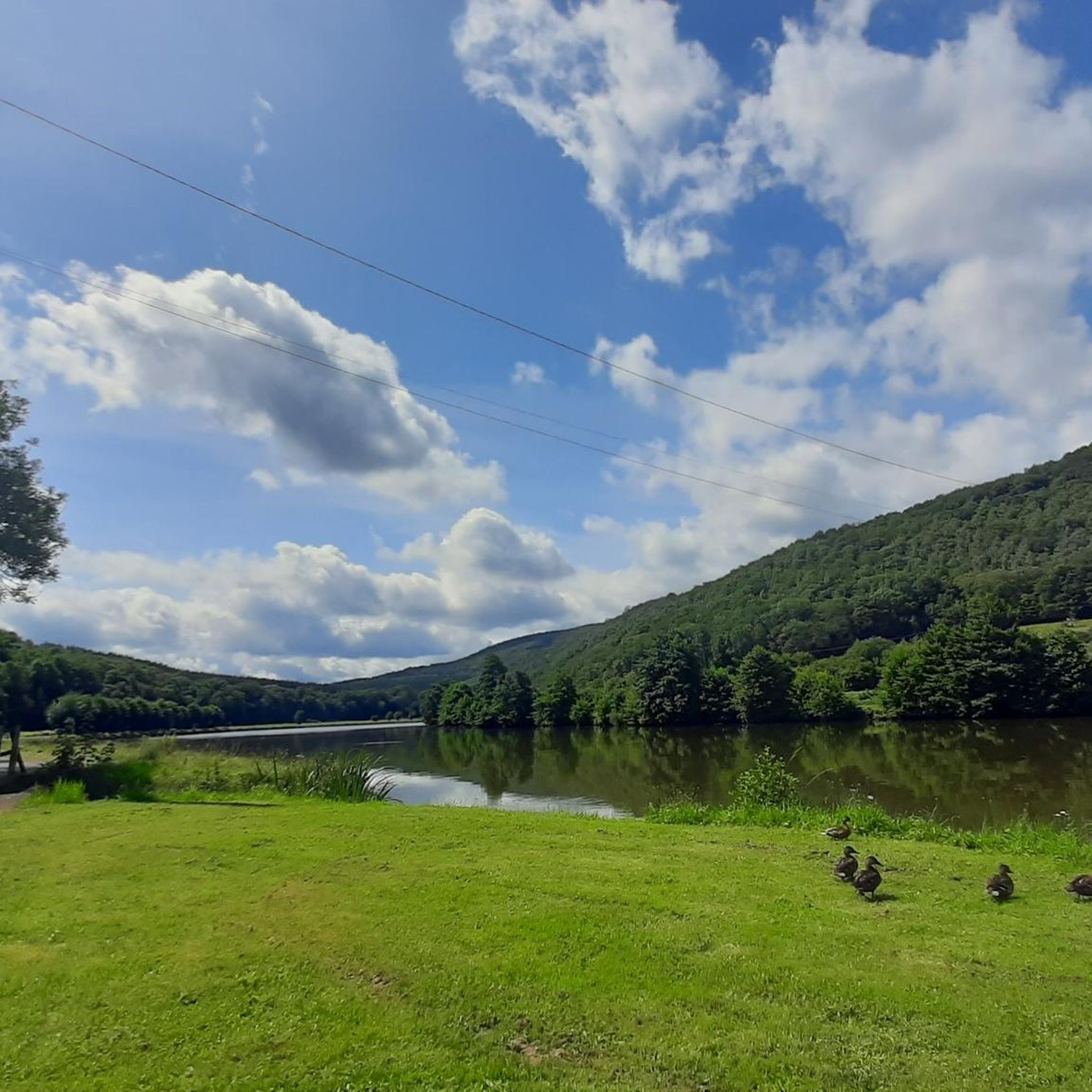
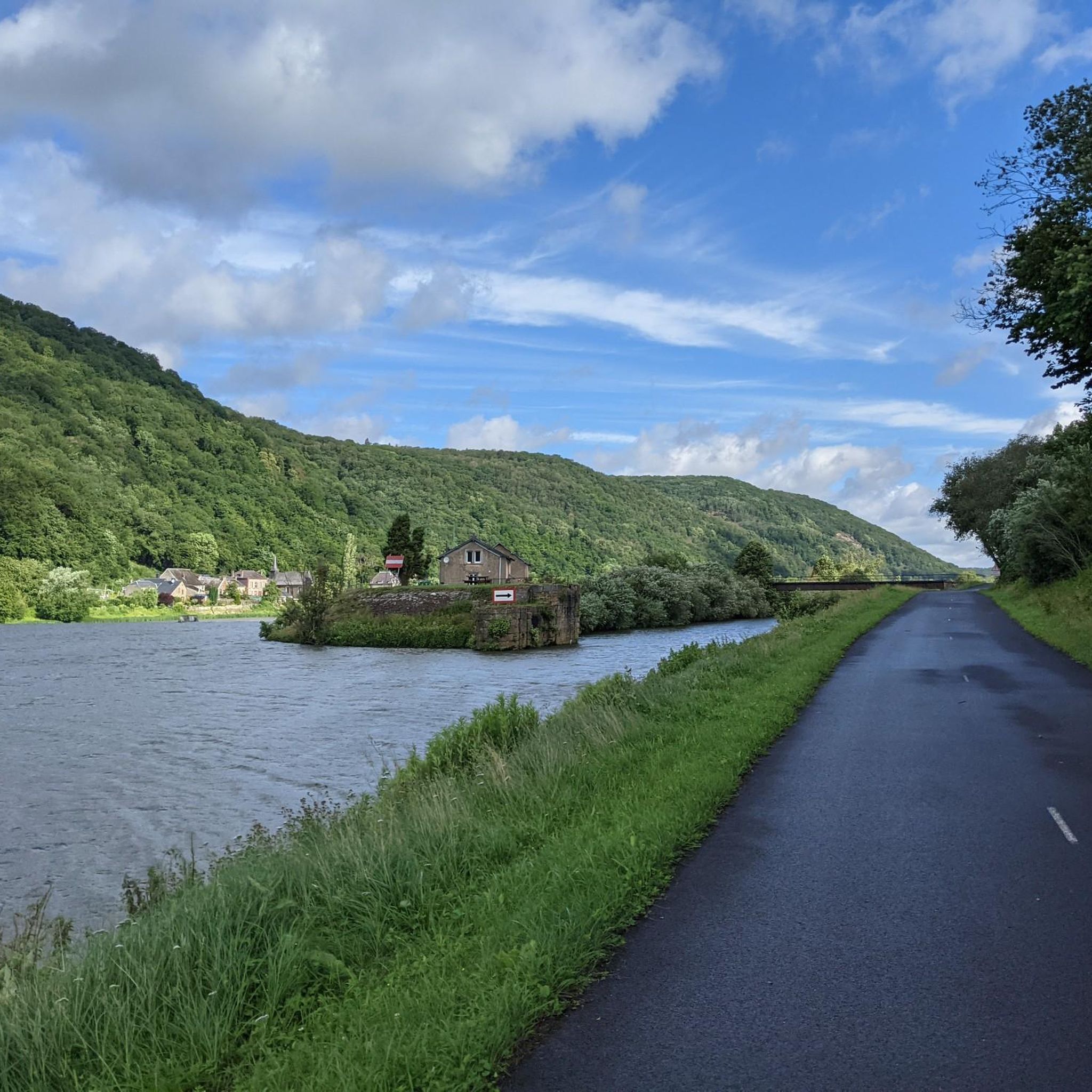
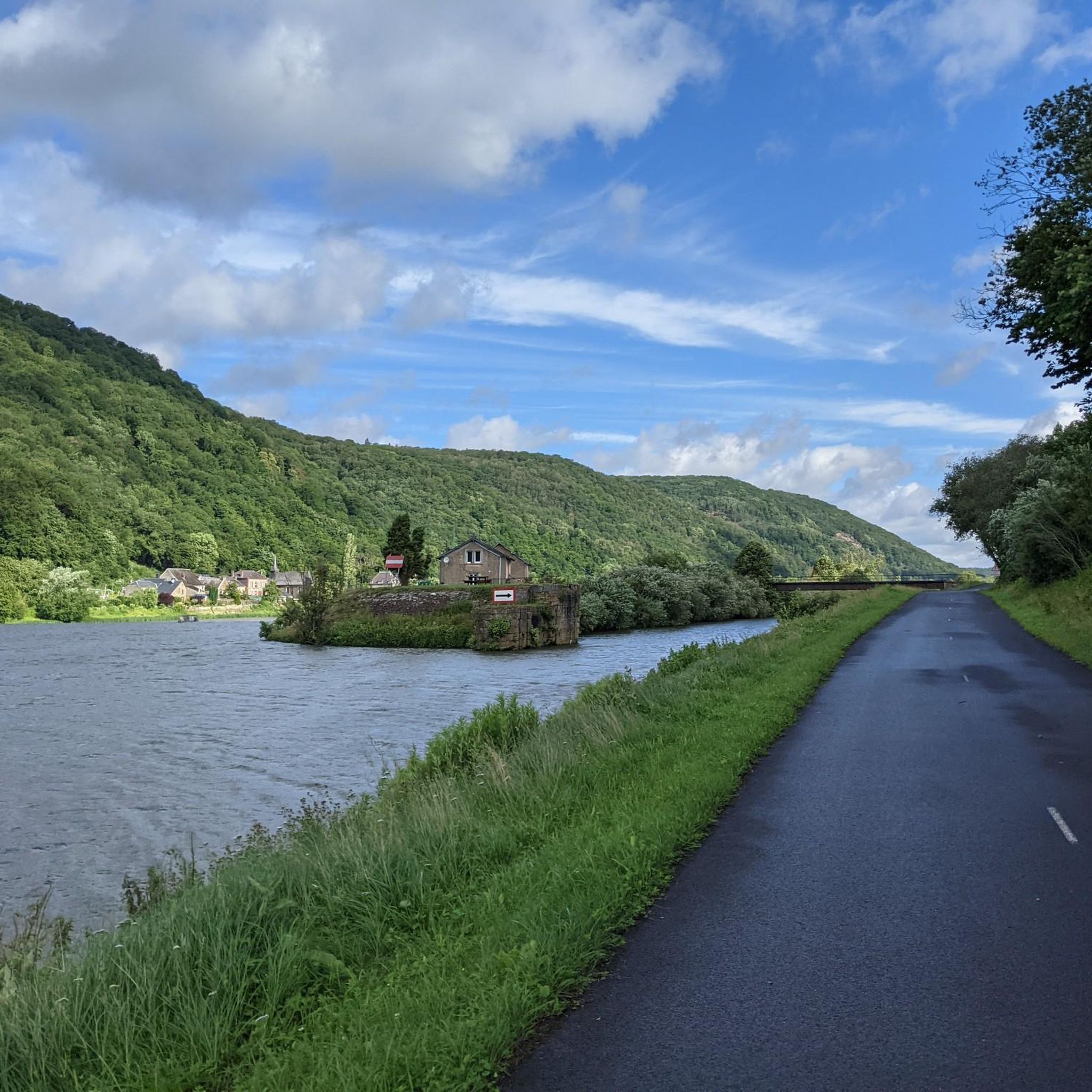
Along the Maas, just north of Vireux‑Wallerand, lies Château Le Risdoux: an 18th-century estate that once formed the heart of a small economic world. It began as a large farm with a mill, tannery, workers' housing, stables, and a chapel — a complete domain that shaped the valley. Later it was bought by King Leopold II, who used it as a summer residence for his mistress's family during the interwar period. Today it is a quiet, green domain by the river, where the historic buildings still reveal the structure of the old estate. A place where agriculture, industry, and aristocratic history come together in a single panorama along the Maas.
6
0
The Château des Comtes de Bryas stands on a site where the history of Fumay has layered itself. In the 17th century, the de Bryas family built their residence here, on the remains of an older fort demolished under Louis XIII. A vaulted hall from that fort still exists beneath the current esplanade — a silent reminder of the domain's military origins. The brick façade, accented with blue stone, and the characteristic pavilions with inverted-tulip roofs and violet slates from Fumay, make the building a prime example of regional aristocratic architecture from the last quarter of the 17th century. In the 19th century, the castle took on an industrial role: first as a ceruse factory (1815), then as the headquarters of the Société ardoisière du Moulin Sainte-Anne (1835–1946). Miners reached the slate quarry directly via a staircase next to the building — a tangible link between the castle and the centuries-long slate extraction around Fumay.
6
0

You can reach the castle via a "climbing path," which is a bit more challenging but also more adventurous, or via a good path with stairs on the steeper sections. So, it's easily accessible for everyone!
1
0

Ancient medieval castle. Visitable after a short walk.
1
0

Majestic and simple. Visit the château "Le Risdoux," situated on an 8-hectare estate on the banks of the Meuse River, and a feeling of modest happiness is not unlikely.
6
0

beautiful view. A must if you are in the area
2
0

Castle of the Counts of Hamal in Vierves-sur-Viroin Based on a fortress and a farm of medieval origin, the emblematic building spreads its slender silhouette over the landscape of Vierves-sur-Viroin - private property. The 'Comtes de Hamal', who owned the estate between 1567 and 1852, extensively renovated the old medieval fortress and farm and reduced the defensive functions of the building to a base. The facade of the house, in classical style, is pierced with large windows. This “modern” home is flanked by the so-called Attila Tower, whose spherical roof pushes the castle into the landscape, while its large windows provide new vantage points. In the second half of the 19th century, works related to the pleasure continued: the two courtyards were joined to form a large terrace opening onto the valley. The garden is below, the tree-lined ring that splits the ramparts...
11
0

An extremely photogenic place!
2
0
Frequently Asked Questions
What is the primary historical defensive structure in Montigny-sur-Meuse itself?
Montigny-sur-Meuse is primarily known for its Fortified Church of Saint-Lambert. Built in the 16th century, it served as a 'donjon-refuge' to protect the local population, functioning as both a place of worship and a collective stronghold.
Are there family-friendly castle sites around Montigny-sur-Meuse?
Yes, several sites offer family-friendly experiences. The Washhouse at Vierves-sur-Viroin Castle is associated with a privately owned castle that has been extensively renovated. Additionally, the medieval Hierges Village, with its rebuilt castle and charming cobblestone streets, is considered family-friendly.
What kind of natural features and viewpoints can I expect near these castles?
The region offers scenic views, particularly from sites like the Haute Roche Castle Ruins, which sits on a rocky promontory overlooking the Dourbes valley. The View of the ruins of Dourbes Castle also provides a romantic vista high above the Viroin river on a rocky ridge, surrounded by wooded mountainsides.
What outdoor activities can I do near the castles around Montigny-sur-Meuse?
The area is excellent for outdoor activities. You can find numerous routes for hiking, mountain biking, and running. For example, the 'Chemin du Risdoux – Le Risdoux Castle Estate loop' is a moderate hiking trail. Explore more options on the Hiking around Montigny-Sur-Meuse, MTB Trails around Montigny-Sur-Meuse, and Running Trails around Montigny-Sur-Meuse guides.
What is the best time to visit the castles and historical sites in this region?
The Val d'Ardenne region, including Montigny-sur-Meuse, is beautiful throughout the warmer months, typically from spring to early autumn. This period offers pleasant weather for exploring outdoor ruins and enjoying the scenic views. Visiting during these seasons also allows for comfortable hiking and cycling on nearby trails.
Can I visit the ruins of Dourbes Castle?
Yes, you can climb up to the ruins of Dourbes Castle and explore its old walls. This 14th-century castle, destroyed after a siege in 1554, offers a romantic historical site high above the Viroin river.
What is the history of the Haute Roche Castle Ruins?
The Haute Roche Castle Ruins date back to at least the 9th century, with the current castle likely built in the late 13th century. It was fortified in the 16th century but was besieged and taken in 1554. The castle eventually fell into disrepair, leaving behind a fascinating witness to centuries of regional history. Archaeological excavations have even revealed Gallo-Roman traces on the site.
Are there any castles that have been repurposed over time?
Yes, the Castle of the Counts of Bryas, dating from the 17th century, has seen various uses. It was once a Céruse factory in 1815 and later the headquarters of a slate company in 1835. Today, it serves as a collection center, post office, and municipal services for the town of Fumay, showcasing its utilitarian evolution.
What do visitors particularly enjoy about the castles and historical sites in this area?
Visitors appreciate the unique blend of history and nature. The romantic ruins, such as those of Dourbes Castle, and the panoramic views from sites like Haute Roche Castle are highly valued. The region's rich history, from ancient ruins to fortified churches, combined with its natural beauty, makes for an engaging experience.
Is there a medieval village to explore near Montigny-sur-Meuse?
Yes, the charming medieval Hierges Village is located in the Meuse valley, near the Belgian border. It features a castle rebuilt in the 16th century in a Mosan Renaissance style, complete with beautiful gardens. Visitors can wander through its cobblestone streets and admire the old houses.
Are there any specific hiking trails that pass by or near castle estates?
Yes, the 'Chemin du Risdoux – Le Risdoux Castle Estate loop' is a moderate hiking trail that takes you past the Château Le Risdoux estate. You can find more details and other routes in the Hiking around Montigny-Sur-Meuse guide.
Most popular routes around Montigny-Sur-Meuse
Most popular attractions around Montigny-Sur-Meuse

Get inspired with the komoot mobile app


Explore more
Looking for the best castles somewhere else? Discover other guides around Montigny-Sur-Meuse:
