Top 5 Castles around Vic-Sur-Aisne
Best castles around Vic-Sur-Aisne are found in a region marked by its historical depth and the natural landscape of the Aisne valley. The area presents a range of architectural styles, from medieval fortifications to later residential châteaux. These sites offer a factual look into the region's past, showcasing centuries of development and preservation. The surrounding environment provides a setting for exploring these historical structures.
Best castles around Vic-Sur-Aisne
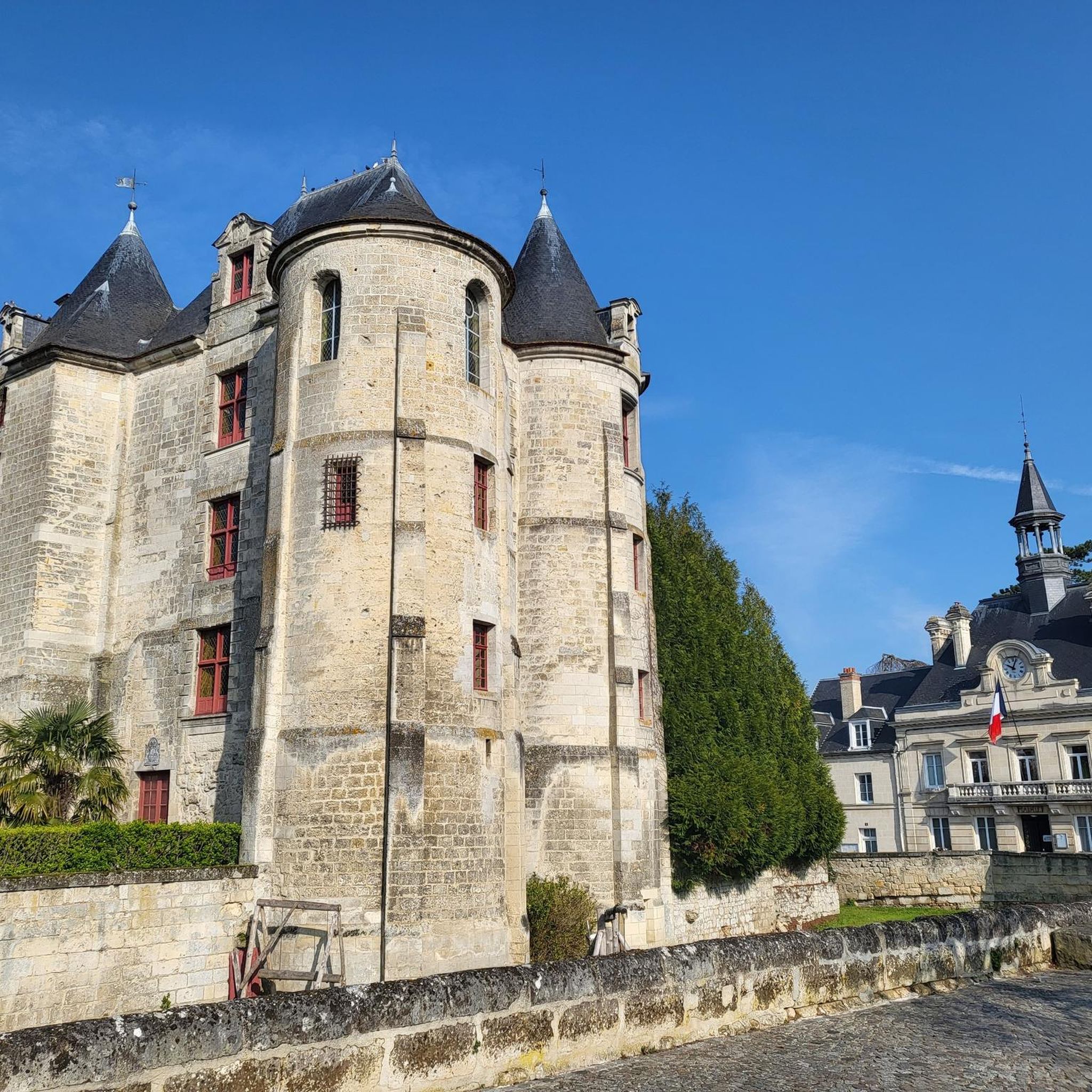
- The most popular castles is Vic-sur-Aisne Castle, a castle that features a 13th-century keep and 17th-century stately architecture. It stands in the heart of the village, surrounded by a park and overlooking the Aisne valley.
- Another must-see spot is Château de Gabrielle d'Estrées, a castle that allows visitors to consider the daily life of a historical figure. This site provides a glimpse into the past of the Aisne region.
- Visitors also love The Château de Berneuil, a castle currently undergoing restoration. This historical site has been present in the town since the Middle Ages.
- Vic-Sur-Aisne is known for its medieval keeps, stately residences, and historical ruins. The region offers a variety of castles to see and explore, each with distinct architectural and historical features.
- The castles around Vic-Sur-Aisne are appreciated by the komoot community, with 14 photos and 29 upvotes from visitors.
Last updated: October 11, 2026
Vic-sur-Aisne Castle
Highlight • Castle
Translated by Google •
Tip by

The Château de Berneuil
Highlight • Castle
Translated by Google •
Tip by
Sign up now to discover places like this
Get recommendations on the best single tracks, peaks, & plenty of other exciting outdoor places.
Pernant Castle — 700 years
Highlight • Historical Site
Translated by Google •
Tip by

Château de Gabrielle d'Estrées
Highlight • Castle
Translated by Google •
Tip by

Cuise-la-Motte Castle
Highlight (Segment) • Castle
Translated by Google •
Tip by
Start today with a free account
Your next adventure awaits.
Tips from the Community


Bakery, bar, tobacconist... Perfect for starting and finishing a hike
0
0
Ideal for starting a hike
1
0

In the heart of the village of Vic-sur-Aisne, surrounded by a leafy park and overlooking the Aisne valley, lies the imposing Château de Vic-sur-Aisne. What today appears to be an elegant country house, bears in its walls the traces of a turbulent past. Originally built on the foundations of a medieval castrum, the estate grew in the 17th century into a stately castle, with symmetrical facades, round towers and an impressive thirteen-metre high keep — a remnant from the 13th century. The architecture reflects the transition from defensive structure to residential comfort: robust, but refined. The gardens, partly in French style with straight lines and box hedges, partly in English landscape style with winding paths and romantic corners, invite you to stroll and contemplate.
8
0
The Château de Pernant is a modest-sized medieval fortress located in Pernant, in the Soissonnais region of France. It is the historic monumental part of a larger whole, the Pernant estate, which serves as a cultural and musical center. The castle dates from the 14th/15th century and was rebuilt in the 16th century. During the First World War the area was bombed, causing extensive damage to the castle.
1
0

Pernant Castle is a medieval castle that stands on a hill overlooking the valley. The castle dates from the 14th century and was partially destroyed during the First World War. You can explore the castle ruins and its underground outbuildings, which were once quarries.
2
0

On the road leading from Soissons to Compiègne one does not realize the pretty corners concealed by this village which is really worth the detour. Stroll through its streets and let yourself be surprised.
0
0

Frequently Asked Questions
What are the most historically significant castles around Vic-sur-Aisne?
The most historically significant castle directly in the village is the Château de Vic-sur-Aisne. It features a 13th-century keep and a 17th-century stately château, built on the foundations of a medieval *castrum*. Further afield, the Château de Coucy is an impressive 13th-century fortified castle known for its immense size and historical importance, despite being damaged in 1917.
Are there any family-friendly castles to visit near Vic-sur-Aisne?
Yes, the Château de Vic-sur-Aisne is considered family-friendly, offering a park and gardens to explore. Additionally, Cuise-la-Motte Castle is also listed as family-friendly and offers a pleasant village setting to stroll through.
What kind of architecture can I expect to see at the castles in this region?
You'll find a range of architectural styles. The Château de Vic-sur-Aisne showcases a blend of medieval (13th-century keep) and classical (17th-century château) architecture. Pernant Castle offers medieval ruins, while the Château de Pierrefonds, though a bit further, is a stunning example of 19th-century Neo-Gothic reconstruction.
Are there any castles near Vic-sur-Aisne that are currently undergoing restoration?
Yes, The Château de Berneuil, located on Rue Raymond-Faroux, is currently undergoing restoration. This historical site has been present in the town since the Middle Ages.
Can I explore castle ruins or underground areas in the region?
Yes, Pernant Castle, a medieval castle dating from the 14th century, offers the opportunity to explore its ruins and underground outbuildings, which were once quarries. It was partially destroyed during World War I.
What outdoor activities can I do near these castles?
The area around Vic-sur-Aisne offers various outdoor activities. You can find numerous cycling routes, including those passing by Vic-sur-Aisne Castle, in the Cycling around Vic-Sur-Aisne guide. For mountain biking, explore trails in the MTB Trails around Vic-Sur-Aisne guide, and road cycling enthusiasts can find routes in the Road Cycling Routes around Vic-Sur-Aisne guide.
What do visitors enjoy most about the castles around Vic-sur-Aisne?
Visitors appreciate the rich history and architectural diversity. For instance, the Château de Vic-sur-Aisne is praised for its blend of medieval and stately architecture, its leafy park, and its views over the Aisne valley. The region's castles collectively offer a factual look into the past and a chance to explore historical structures within a natural setting.
Is there a castle that provides insight into a historical figure's daily life?
Yes, the Château de Gabrielle d'Estrées allows visitors to imagine the daily life of Gabrielle d'Estrées, a significant female figure in French history, often associated with Henry IV.
Are there any castles with notable gardens or parks?
The Château de Vic-sur-Aisne is known for its delightful French-style garden, potentially attributed to André Le Nôtre, and a five-hectare park with statues. These areas invite visitors to stroll and contemplate.
What is the best time of year to visit castles near Vic-sur-Aisne?
While specific opening hours vary by castle, visiting during spring or autumn generally offers pleasant weather for exploring both the outdoor grounds and interiors. The gardens and parks, such as those at Château de Vic-sur-Aisne, are particularly beautiful during these seasons.
Are there any castles that served as military strongholds in the past?
Yes, the Château de Vic-sur-Aisne's 13th-century keep played a crucial military role, notably in stopping Norman invasions in the 9th century. Its architecture reflects a transition from a defensive structure to residential comfort over time.
Most popular attractions around Vic-Sur-Aisne

Get inspired with the komoot mobile app


Explore more
Looking for the best castles somewhere else? Discover other guides around Vic-Sur-Aisne:
