Top 5 Gorges around Bélesta
Best canyons around Bélesta are located in the Ariège department of the French Pyrenees. This region is characterized by its karstic massifs and fir forests, where rivers have carved deep gorges. These natural formations offer diverse opportunities for exploring the landscape. The area provides various routes suitable for different experience levels.
Best canyons around Bélesta
- The most popular canyons is Gorges du Rébenty, a gorge that offers a magnificent stretch along the stream of the same name. It features…
Last updated: June 24, 2026
Gorges de la Frau
Highlight (Segment) • Gorge
Translated by Google •
Tip by

Gorges du Rébenty
Highlight (Segment) • Gorge
Translated by Google •
Tip by

Sign up now to discover places like this
Get recommendations on the best single tracks, peaks, & plenty of other exciting outdoor places.
Sign up for free
View of the Gorges in Alet-les-Bains
Highlight • Gorge
Translated by Google •
Tip by

The Rébenty Gorges
Highlight • Gorge
Translated by Google •
Tip by

Starting point Gorges du Frau
Highlight • Gorge
Translated by Google •
Tip by

Start today with a free account
Your next adventure awaits.
Login or Signup
Tips from the Community

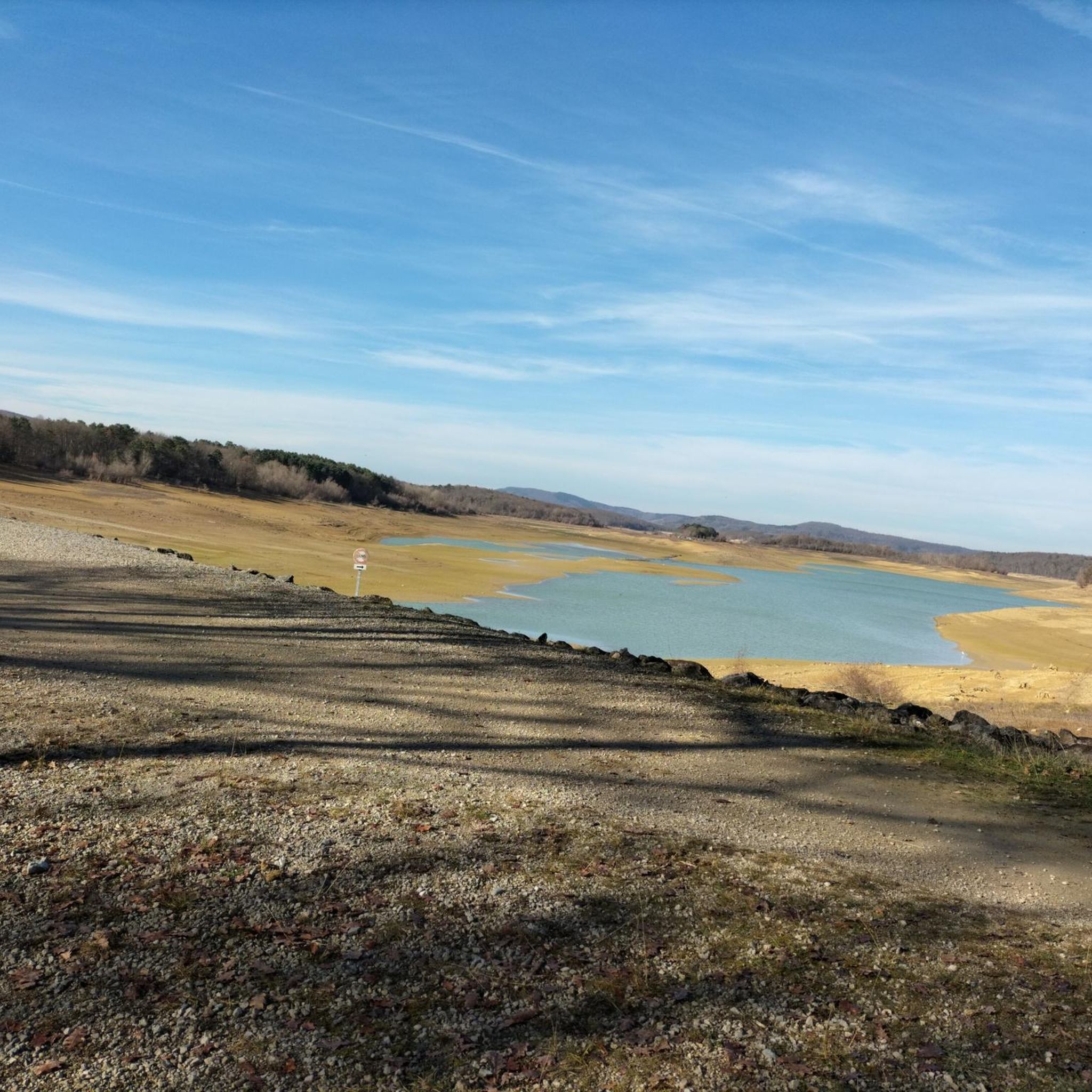
Here the path through the gorges starts, the first km is still easy, after the fallen trees the rough part begins, from then on you enjoy it better by walking there.
19
0

Among the 8 gorges that I crossed in the Pyrenees, they are my favorites after those of Joucou.
0
0

The gorge is gorgeous indeed! I was there in August. Not a drop of water. Would like to go back a different season. Descent was partially overgrown and hard to find. No views there.
0
0

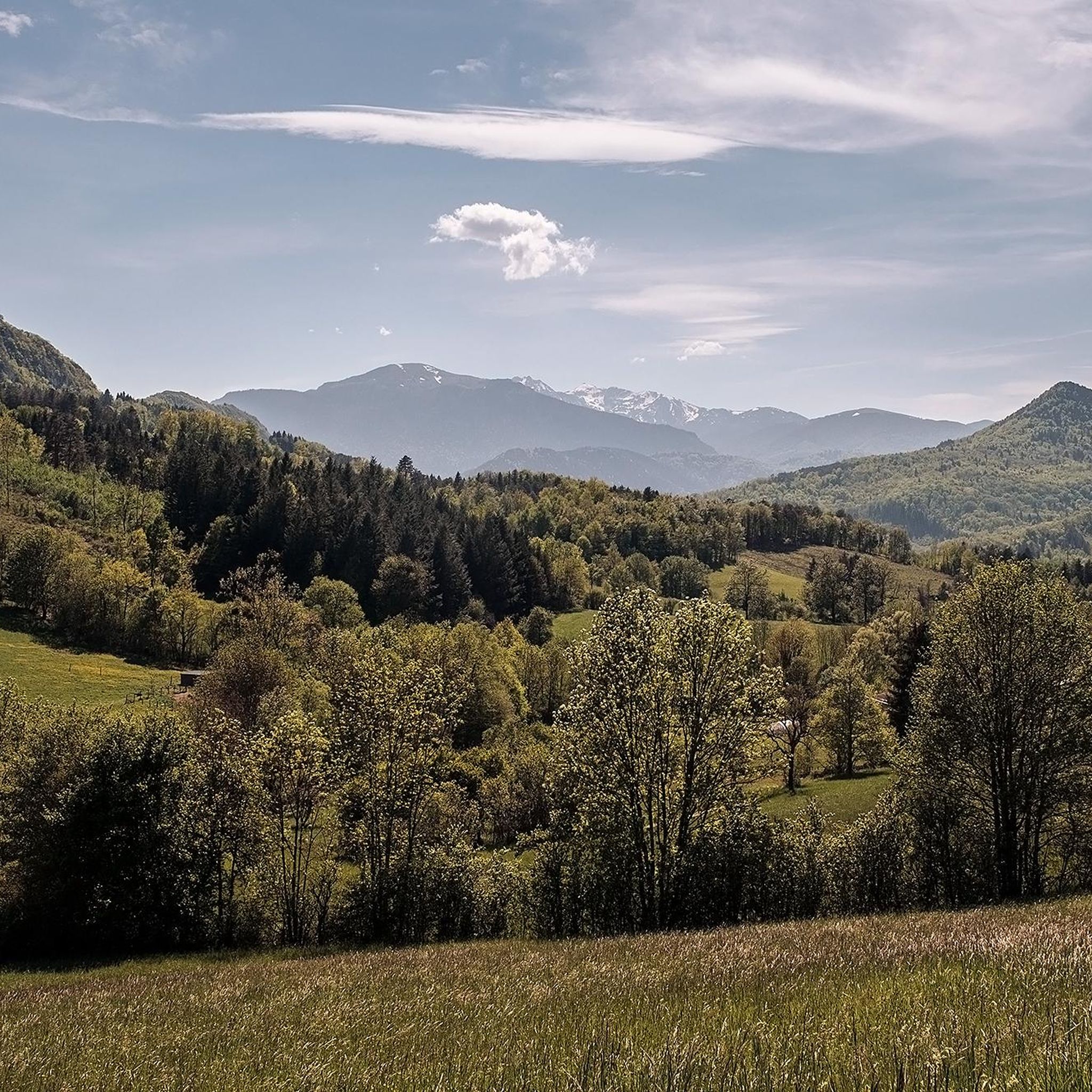
Over a length of three kilometres, the Èrç river has sculpted the rocks over thousands of years, creating a deep gorge that reaches between 300 and 400 metres deep. A place where the power of nature and the traces of erosion are clearly visible. The Gorges de la Frau are not only an impressive natural phenomenon, but also a witness to history. For centuries, they served as a natural passage between the Pyrenean valleys and thus tell stories of trade, travel and discovery. Today, this gorge is a central point of the Grand Traversée Ariège Pyrénées (GTAP) VTT, a mountain bike trail that makes the hearts of all adventurers beat faster. But whether you are on foot or on two wheels, the view of this narrow and steep gorge is breathtaking. It's almost like entering another world, where the rocks form the walls of an ancient castle and every stone, every tree, every curve has a story to tell. And although photos try to capture its beauty, they simply cannot do justice to the majestic atmosphere of the Gorges de la Frau. It is a place to be experienced, felt and breathed - an unforgettable natural wonder not to be missed on your trip through the Pyrenees.
4
0

The Rébenty gorges offer a magnificent stretch along the stream of the same name. The Rébenty has its source at the Col du Pradel before winding through a canyon which separates the Sault plateau in two.
0
0

Gorges de la Frau is a narrow canyon that stretches for three kilometres. This protected natural area was formed by the erosion of the Èrç river on the rock. The canyon is between 300 and 400 metres deep and has been a passageway between the Pyrenean valleys for centuries.
2
0

If you are in Quillian and you decide to reach the Sault plateau very gently ...
0
2

A nice route alongside the river Rebenty. I experienced a strong wind throughout the whole route through the gorges towards Axat.
1
1
Frequently Asked Questions
Are there easy canyons for beginners or families around Bélesta?
Yes, the region offers several accessible canyons suitable for beginners and families. In Pyrénées-Orientales, Gorges du Rébenty provides a magnificent stretch along the stream. Other options mentioned in the wider region include Gorges de Galamus and Canyon de Molitg, which are ideal for initiation, often suitable for children from 8 years old. In Ariège, Canyon des Mounges is highly recommended for a first canyoning experience with straightforward rappels and slides, suitable for ages 10 and up.
What makes Gorges de la Frau a notable canyon to visit?
Gorges de la Frau is a narrow canyon where the Èrç river has sculpted rocks over thousands of years, creating a deep gorge between 300 and 400 meters deep. It's an impressive natural phenomenon and historically served as a passage between Pyrenean valleys. It's also part of the Grand Traversée Ariège Pyrénées (GTAP) VTT route, offering breathtaking views for hikers and mountain bikers alike.
When is the best time to visit the canyons around Bélesta?
The season for cold-water canyoning in the Pyrénées-Orientales generally runs from April to October. For high-mountain canyons like Canyon de l'Artigue in Ariège, descents are typically from July to October. For general hiking and exploring the gorges, spring and autumn offer pleasant temperatures and beautiful scenery, while summer is ideal for aquatic activities.
What other outdoor activities can I do near the canyons around Bélesta?
Beyond canyoning, the area around Bélesta offers a variety of outdoor activities. You can explore numerous hiking trails, including routes to Fontestorbe Spring or Croix de Millet. There are also extensive MTB trails, such as those around Montségur or the Gorges of the Frau, and cycling routes that take you through scenic landscapes and challenging passes.
Are permits required for canyoning in the Ariège region?
While the guide data does not specify permit requirements, it is generally advisable to check with local authorities or professional guiding services for the most up-to-date information on permits for canyoning in specific areas of Ariège. Some technical canyons, especially those in protected natural areas, may require authorization or be subject to specific regulations.
What kind of natural features can I expect to see in the canyons?
The canyons around Bélesta are characterized by deep gorges carved by rivers, showcasing impressive rock formations and lush natural environments. You'll encounter crystal-clear cascades, turquoise basins, and often dense fir forests. Highlights like View of the Gorges in Alet-les-Bains offer spectacular vantage points of these natural wonders. The Corbeaux Chasm in Bélesta, Ariège, also presents a significant geological feature with deep sinkholes.
Are the canyon areas around Bélesta dog-friendly?
While specific dog-friendly policies for all canyoning routes are not detailed, many hiking trails in the wider region may allow dogs, often on a leash. For canyoning itself, it's best to confirm with individual tour operators or local park regulations, as the activity can be challenging and potentially unsafe for pets. Always ensure your dog is well-behaved and that you clean up after them.
Do the canyons around Bélesta have any historical significance?
Yes, some canyons hold historical importance. For instance, Gorges de la Frau served for centuries as a natural passage between the Pyrenean valleys, telling stories of trade, travel, and discovery. Exploring these gorges allows you to witness both the power of nature and traces of human history.
What do visitors enjoy most about the canyons around Bélesta?
Visitors appreciate the breathtaking natural landscapes and the exciting challenges offered by the canyons. The majestic atmosphere of places like Gorges de la Frau is often highlighted, with many noting that photos don't fully capture their beauty. The variety of difficulty levels ensures that individuals or groups can find a suitable and memorable outdoor experience, combining aquatic hiking, climbing, and white-water swimming.
Are there options for experienced canyoners seeking more challenging routes?
Absolutely. For those with prior canyoning experience, the region offers more demanding routes. In Pyrénées-Orientales, Canyon du Llech is highly regarded for its variety and technical aspects, while Canyon de Taurinya and Canyon du Cady are suitable for experienced canyoners aged 16 and above. In Ariège, Canyon de l'Artigue is a high-mountain canyon for the more athletic, featuring large slides, high rappels, and big jumps, recommended for those with good physical condition and prior experience from 14 years old.
Is parking available at the canyon trailheads?
While specific parking details for every canyon are not provided, popular areas like Starting point Gorges du Frau indicate designated access points. For other locations, it's advisable to research parking options beforehand, especially for less-trafficked or more remote canyon entrances. Many trailheads for hiking and mountain biking in the wider Bélesta area do offer parking facilities.
What should I wear for canyoning in the Bélesta region?
For canyoning, it's essential to wear appropriate gear. This typically includes a wetsuit (often provided by guiding companies), a helmet, and sturdy shoes with good grip that can get wet. Layers of quick-drying clothing underneath the wetsuit can add comfort. It's also recommended to bring a swimsuit, a towel, and a change of clothes for after the activity.
Most popular routes around Bélesta
Most popular attractions around Bélesta

Get inspired with the komoot mobile app


Explore more
Already discovered everything in this region? See additional gorges around Bélesta for your next adventure:
