Top 5 Castles around Seebach
Best castles around Seebach are found in the Black Forest region, an area characterized by its dense forests, rolling hills, and historical significance. This municipality offers access to a landscape rich in natural beauty and cultural heritage. The surrounding region features various historical sites, including castle ruins and fortifications. Visitors can explore these landmarks, which provide insights into medieval architecture and regional history.
Best castles around Seebach
- The most popular castles is View of Château du Langenberg, a viewpoint…
Last updated: June 24, 2026
Ruins of Moulin Saint Rémy and Trimmichmuehl Mill
Highlight • Historical Site
Translated by Google •
Tip by

Ruins of Trimmich Castle
Highlight • Castle
Translated by Google •
Tip by
Sign up now to discover places like this
Get recommendations on the best single tracks, peaks, & plenty of other exciting outdoor places.
Sign up for free
Wissembourg Fortifications and Powder Tower
Highlight • Historical Site
Translated by Google •
Tip by

Chateau le Bel Lampertsloch
Highlight • Castle
Translated by Google •
Tip by

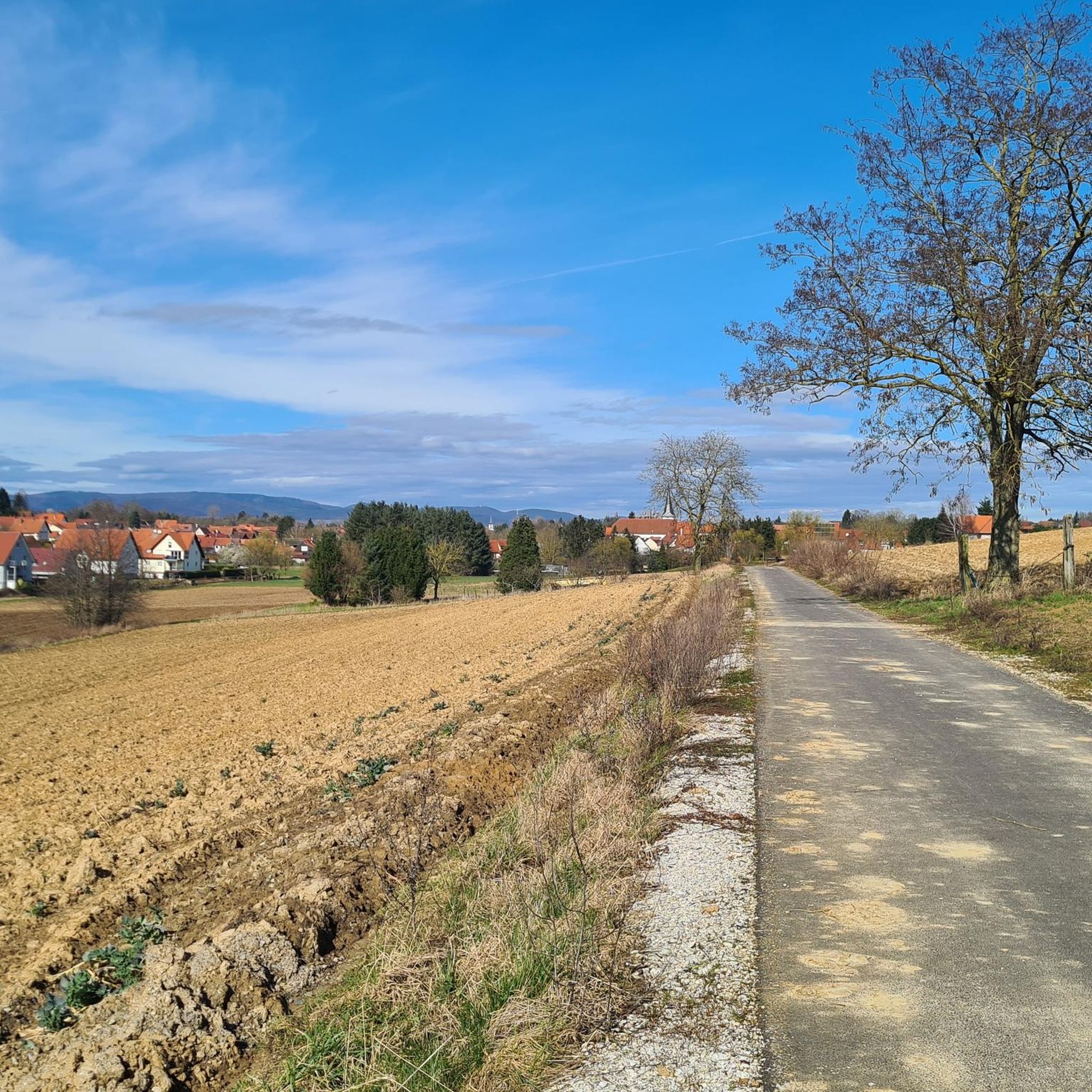
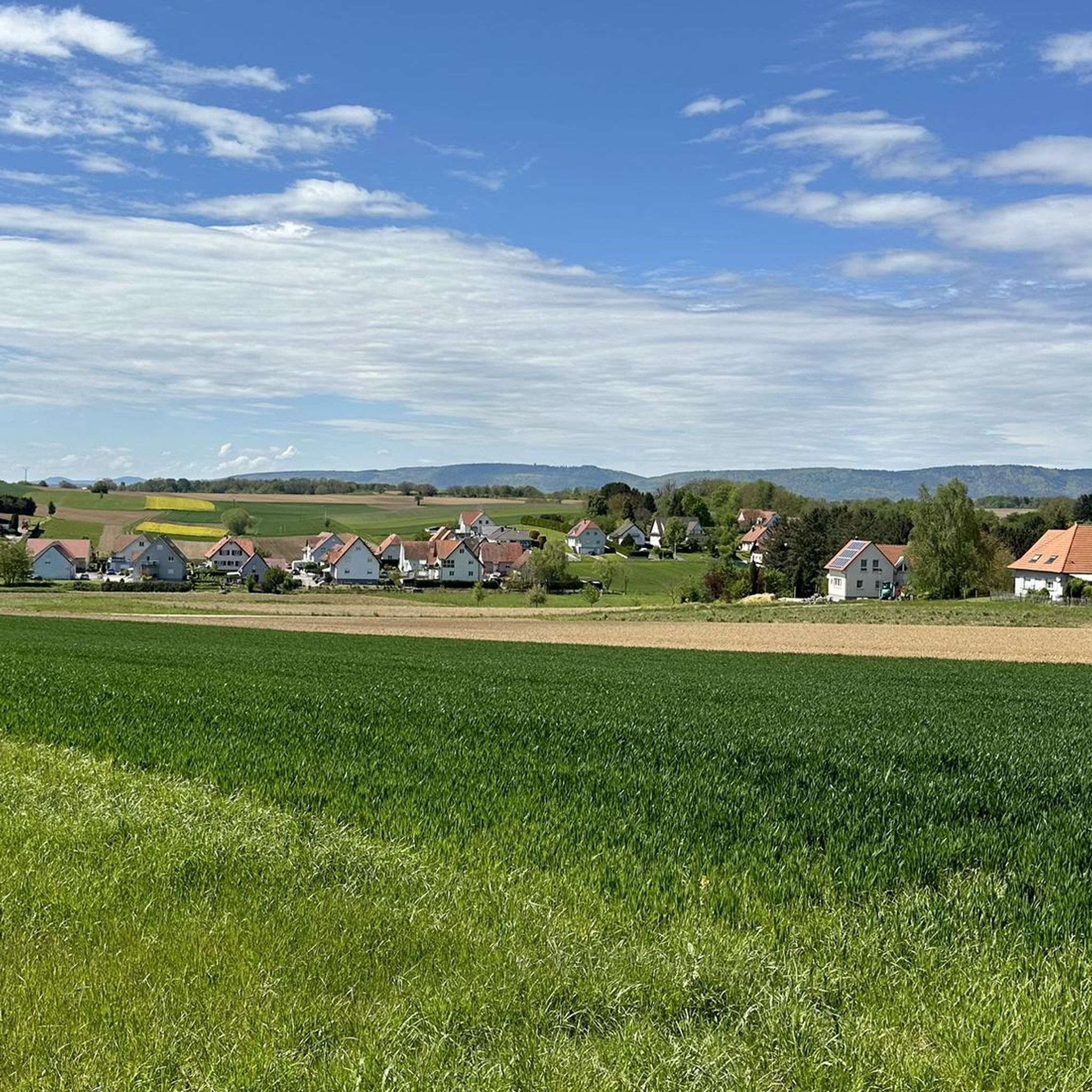
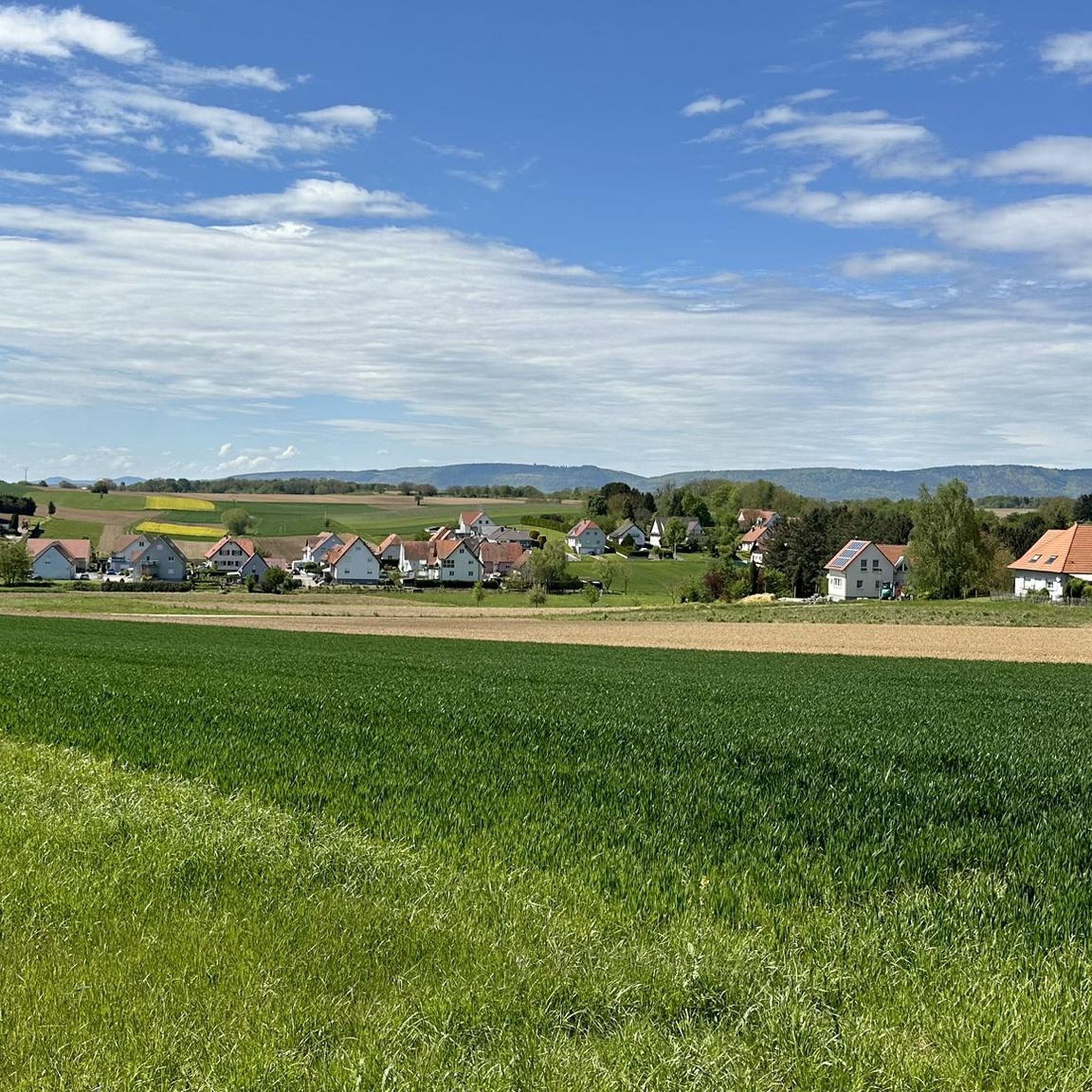
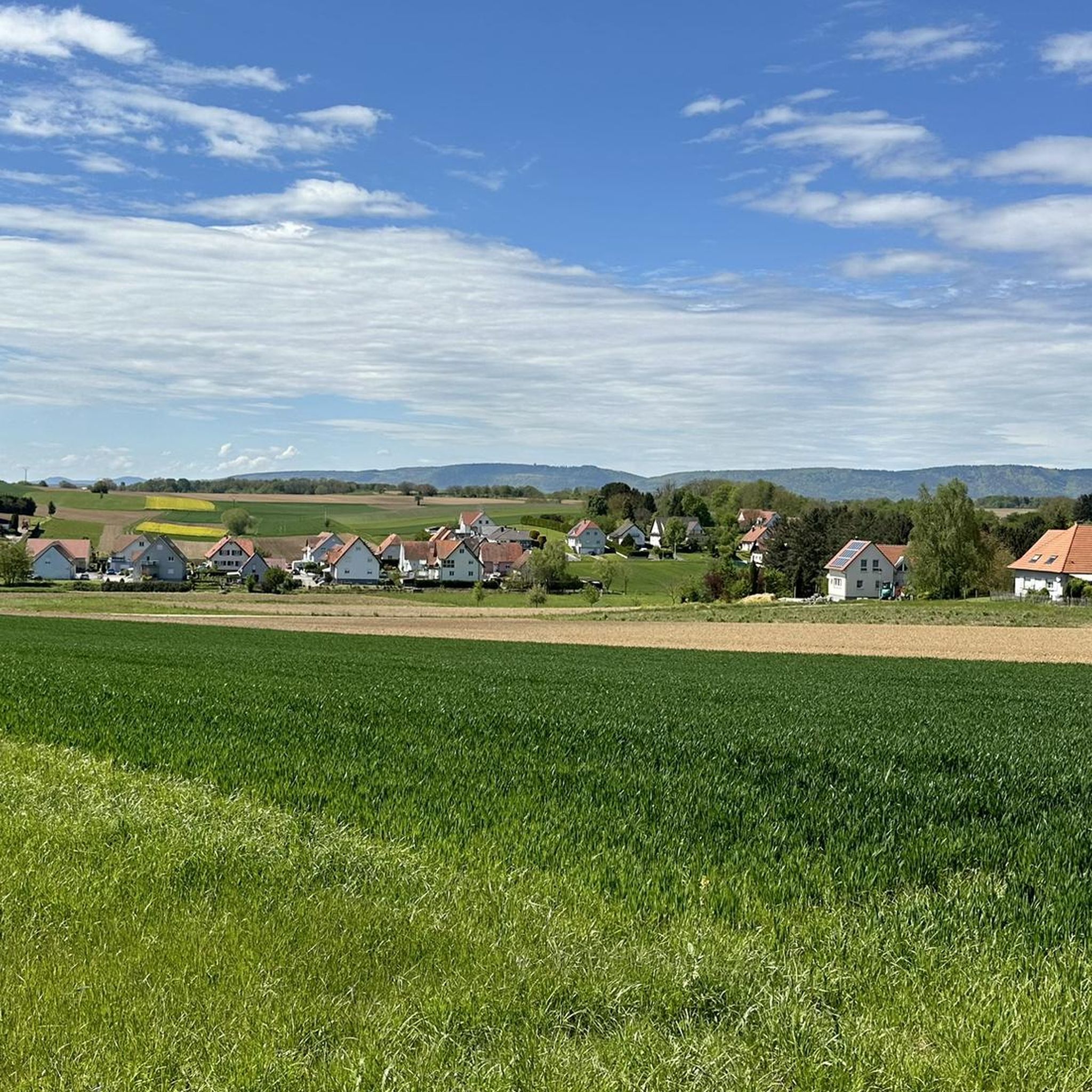
View of Château du Langenberg
Highlight • Viewpoint
Translated by Google •
Tip by

Start today with a free account
Your next adventure awaits.
Login or Signup

Tips from the Community

Unfortunately, the Le Bel family's estate is already quite run-down. They have been driving oil production around Pechelbronn for 4 generations since the 18th century.
0
0

Beautiful view down into the Lauter valley.
0
0

The Lauter Bridge is right next to it. The German text on the information board is somewhat misleading (20 km long bridge). Please compare it with the English or French text.
0
0

An impressive property – it would need to have a function to make restoration worthwhile. Nevertheless, it's a shame to consider its current condition. Apart from the house at the entrance, which once housed a pizzeria, nothing has really been restored.
0
0

There was once a mill at the site near the Lauter, of which only the remains of the mill canal and the foundation walls can be seen. There was a castle a little further south: Trimmich was the eastern castle located in all directions of Weißenburg. There was also a mill there on the Lauter until German soldiers reduced the place to rubble in 1939. There is almost nothing left of either. But some foundation walls can be made out in the thicket.
4
0
Parts of the old fortifications with the powder tower. Wissembourg (the monastery) has been on a border since the 7th century. Today the fortifications are in the middle of Europe.
2
4

Part of the historic city fortifications
3
1
Trimmich was the eastern outpost located in all directions of Weißenburg. There was also a mill there on the Lauter until German soldiers reduced the place to rubble in 1939. There is almost nothing left of either. But some foundation walls can be made out in the thicket. The better time to explore there extensively is winter, when there are no nettles. At this point you come to the castle grounds.
3
2
Frequently Asked Questions
What types of castles and ruins can I explore around Seebach?
The region around Seebach offers a variety of historical sites, from well-preserved structures to ancient ruins. You can find monastic ruins like the All Saints' Abbey Ruins, which showcase Romanesque and Gothic architecture, and castle ruins such as Ruins of Trimmich Castle, which was once an eastern outpost. Other sites include fortifications like the Wissembourg Fortifications and Powder Tower, offering insights into medieval defense.
Are there any castles around Seebach that offer panoramic views?
Yes, several castles and ruins in the area provide excellent viewpoints. The View of Château du Langenberg offers a nice perspective over the Lauter valley. Further afield, the Schauenburg Castle Ruins near Oberkirch and Windeck Castle both provide impressive views of the Rhine plain, with Windeck's tower extending views as far as the Vosges mountains.
What is the historical significance of the castles in the Seebach region?
The castles and ruins around Seebach are steeped in history, reflecting centuries of regional development and conflict. Sites like the Ruins of Trimmich Castle served as military outposts, while the Wissembourg Fortifications highlight the strategic importance of the city. The Chateau le Bel Lampertsloch, though now run-down, represents a unique blend of agricultural and early industrial history, being a site of pioneering oil exploitation and agricultural chemistry.
Are there family-friendly castles or historical sites to visit near Seebach?
Yes, the Wissembourg Fortifications and Powder Tower are considered family-friendly, offering a circular route along the historic city walls. The View of Château du Langenberg is also family-friendly and has picnic benches, making it suitable for a relaxed outing.
What outdoor activities can I combine with a visit to the castles around Seebach?
The region around Seebach is excellent for outdoor enthusiasts. You can find numerous routes for mountain biking, gravel biking, and road cycling. For example, the MTB Trails around Seebach guide includes routes like the 'Old Mill on the Lauter – Stone Table loop'. The Gravel biking around Seebach guide offers routes such as 'Rathaus Wissembourg – View of the Lauter loop'. For road cyclists, the Road Cycling Routes around Seebach guide features options like the 'Bike path along the Rhine loop'.
Are there hiking trails near the castles around Seebach?
Yes, many of the castles and ruins are accessible via hiking trails, often integrated into scenic routes. For instance, the View of Château du Langenberg is located near a hiking trail. Exploring the Ruins of Trimmich Castle is best done on foot, especially in winter when the foundation walls are more visible. The Wissembourg Fortifications also offer a circular walking route.
What is the best time of year to visit the castles around Seebach?
Visiting the castles around Seebach is enjoyable throughout the year, but each season offers a different experience. Spring and autumn provide pleasant temperatures for exploring and hiking, with beautiful foliage in autumn. Summer allows for longer days and warmer weather, ideal for combining castle visits with other outdoor activities. Winter can offer a unique, serene atmosphere, especially for exploring ruins like Trimmich Castle when vegetation is less dense.
Can I find cafes or places to eat near the castles?
Yes, some castle sites or nearby towns offer dining options. For example, the Schauenburg Castle Ruins near Oberkirch feature a castle restaurant with panoramic views. Windeck Castle and Zuckerberg Castle in Kappelrodeck both have cafes, providing a pleasant spot for a break during your visit.
Are there any lesser-known or 'hidden gem' castles to discover?
While not extensively documented, the Ruins of Trimmich Castle could be considered a hidden gem. It was an eastern outpost and its foundation walls are still visible, offering a quiet exploration away from more crowded sites. The Chateau le Bel Lampertsloch, though in a state of disrepair, holds a unique historical narrative as a former site of pioneering oil production and agricultural research.
What do visitors enjoy most about the castles around Seebach?
Visitors particularly appreciate the historical insights and scenic beauty offered by the castles and ruins. The View of Château du Langenberg is noted for its pleasant views over the Lauter valley, while the Wissembourg Fortifications are enjoyed for their circular walking route along the historic city walls. The opportunity to explore remnants of medieval strongholds and experience the region's rich heritage is a major draw.
Are the castles around Seebach easily accessible by public transport or car?
Accessibility varies by specific site. Many castles and ruins in the Black Forest region are best reached by car, often with parking available nearby, though some may require a short walk from the parking area. For sites closer to towns like Wissembourg, public transport options might be available to the town center, from where you can walk to attractions like the Wissembourg Fortifications. It's advisable to check specific travel details for each castle you plan to visit.
Can I bring my dog to the castle sites?
While specific rules vary, many outdoor castle ruins and historical sites in the region are generally dog-friendly, especially if they are open-air and involve walking trails. However, if a site includes indoor areas, museums, or private grounds, dogs might not be permitted. It's always best to check for specific regulations at each location, and to keep dogs on a leash and clean up after them.
Most popular routes around Seebach
Most popular attractions around Seebach

Get inspired with the komoot mobile app


Explore more
Looking for the best castles somewhere else? Discover other guides around Seebach:
