Top 4 Castles around Serrières
Best castles around Serrières are found in both France and Switzerland, offering a range of historical and architectural features. The region encompasses diverse landscapes, from the Rhône Valley in Ardèche to the vineyards of Neuchâtel. These locations provide a backdrop for exploring centuries of history through well-preserved fortifications and noble residences.
Best castles around Serrières
- The most popular castles is Medieval fortress of Berzé-le-Châtel, a castle that was built from the 11th to the 15th century around a Carolingian…
Last updated: June 24, 2026
Medieval fortress of Berzé-le-Châtel
Highlight • Castle
Translated by Google •
Tip by

Tramayes
Highlight • Settlement
The village has a pretty castle
Translated by Google •
Tip by

Sign up now to discover places like this
Get recommendations on the best single tracks, peaks, & plenty of other exciting outdoor places.
Sign up for free
Pierreclos Castle
Highlight • Other
Tip by

Château de Chasselas
Highlight • Castle
Translated by Google •
Tip by

Château Avenue
Highlight • Castle
Its origins date back to the 9th to 11th centuries, beginning with a Romanesque chapel. In the …
Showing Translation
Tip by

Start today with a free account
Your next adventure awaits.
Login or Signup

Tips from the Community

The Château de Berzé-le-Châtel (also known as Forteresse de Berzé) is the largest and best-preserved medieval castle in southern Burgundy. The site dates back to a 10th-century castrum and was strategically built on a rocky outcrop to protect the nearby powerful Abbey of Cluny. The fortress consists of three concentric walls and features 13 towers (including two keeps/donjons) as well as an imposing gatehouse. The heart inside is a remarkable Carolingian chapel.
0
0
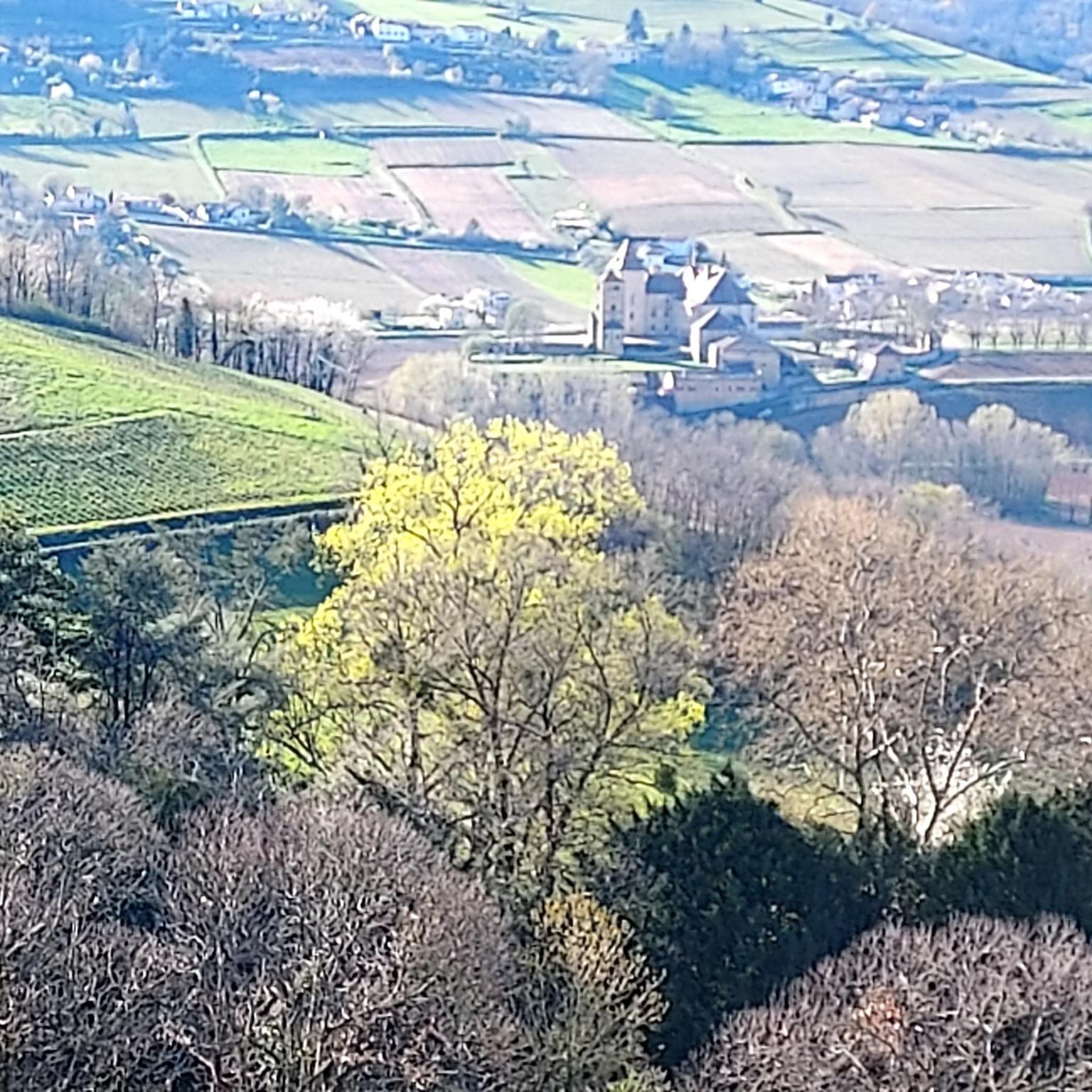
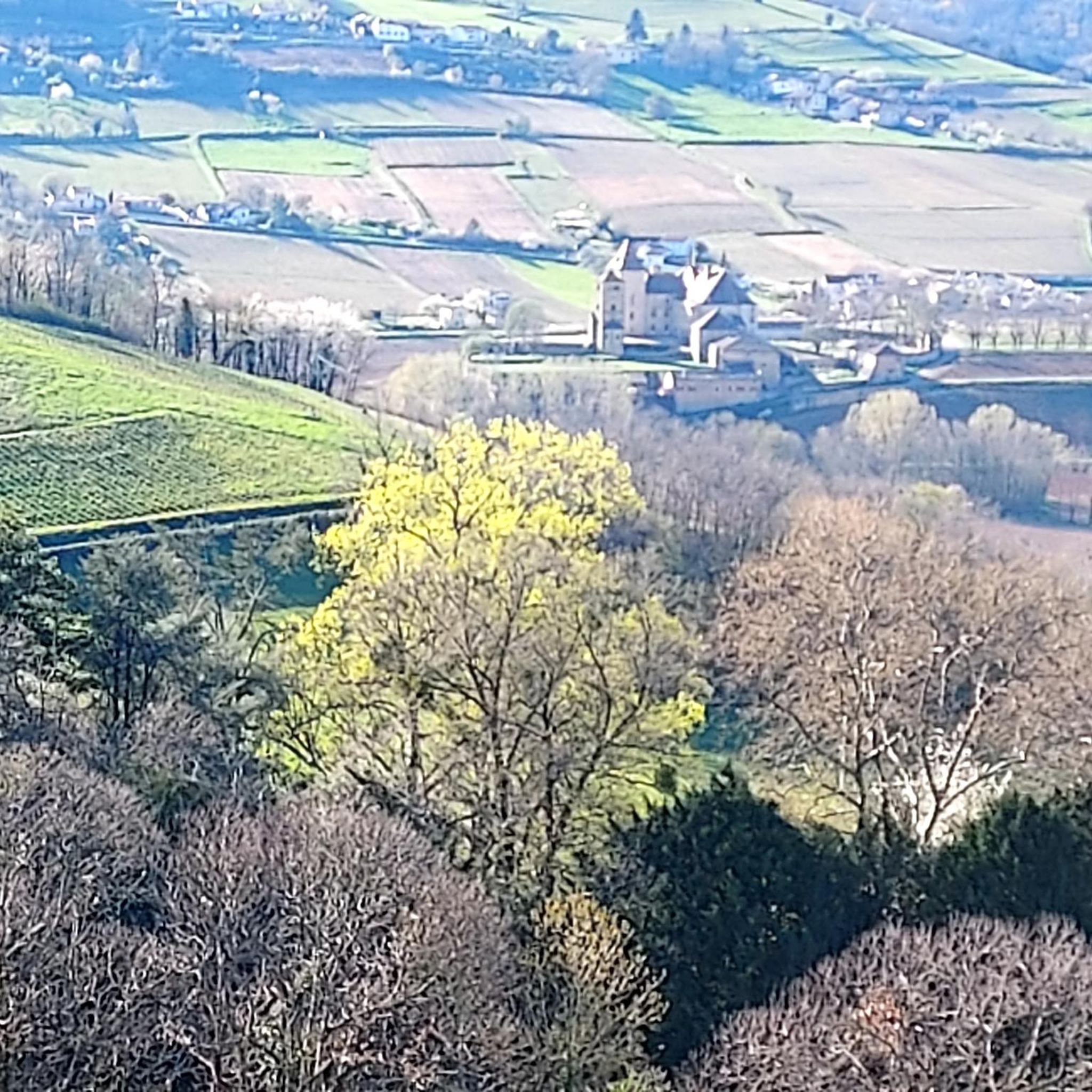
The Château de Pierreclos is a historic Romanesque castle and a renowned winery. Its origins date back to the 9th to 11th centuries, beginning with a Romanesque chapel. In the 13th century, the complex was expanded into a medieval fortress. Today, it is protected as a private historical monument. The castle is situated on a rocky outcrop that has been used for viticulture since the 6th century. The Pidault family's winery produces organically certified white and red wines (including Pouilly-Fuissé and Mâcon-Pierreclos).
0
0
The Pierreclos Castle (Château de Pierreclos) is a historic, Romanesque castle complex and a renowned winery. The origins date back to the 9th to 11th centuries, starting with a Romanesque chapel. In the 13th century, the complex was expanded into a medieval fortress. It is now protected as a private historical monument. The castle is located on a rocky outcrop that has been used for viticulture since the 6th century. The Pidault family's winery produces organically certified white and red wines (including Pouilly-Fuissé and Mâcon-Pierreclos).
1
0

Very beautiful castle. Feel free to visit the monks' chapel of Berzé la ville, with very beautiful paintings from the abbey of Cluny
1
0

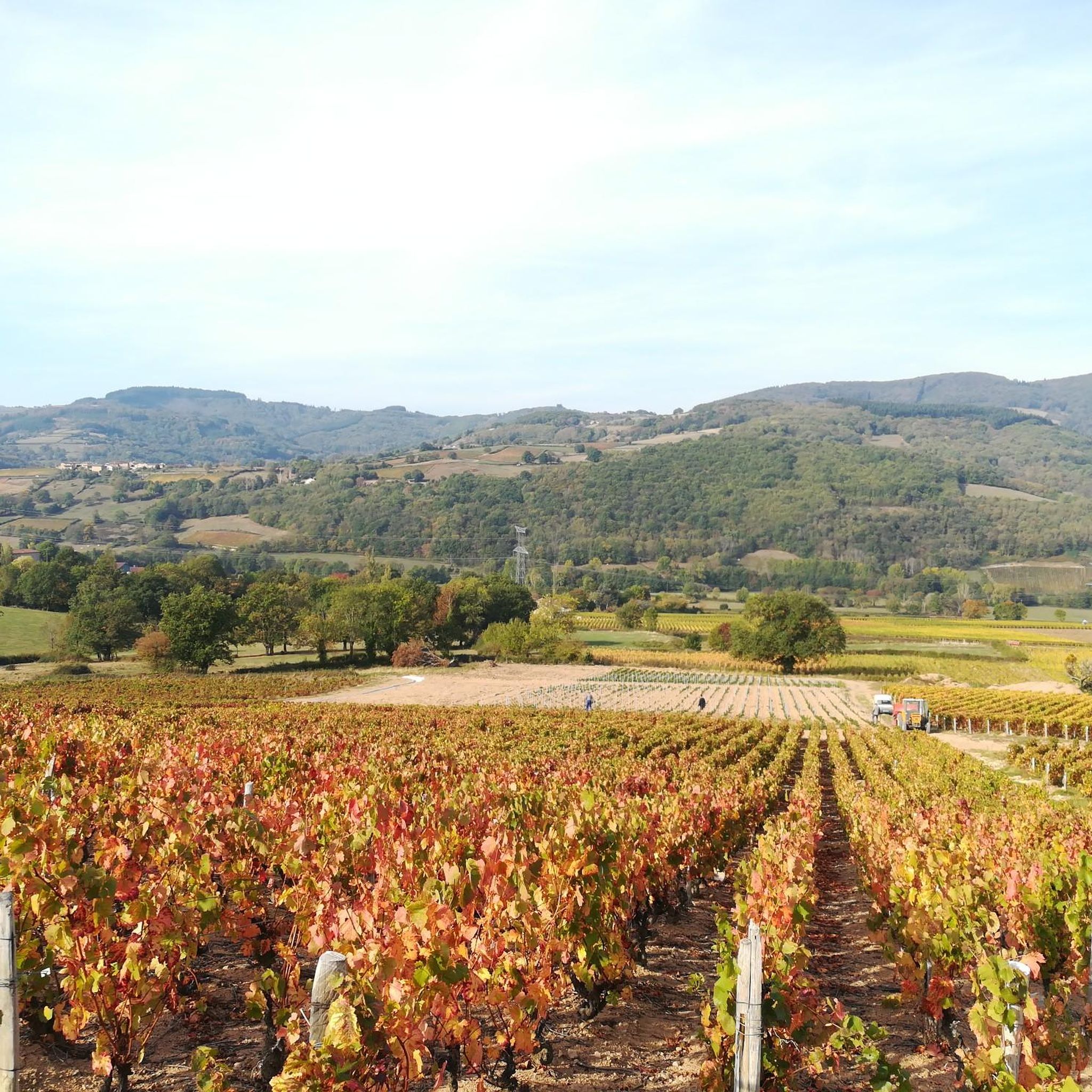
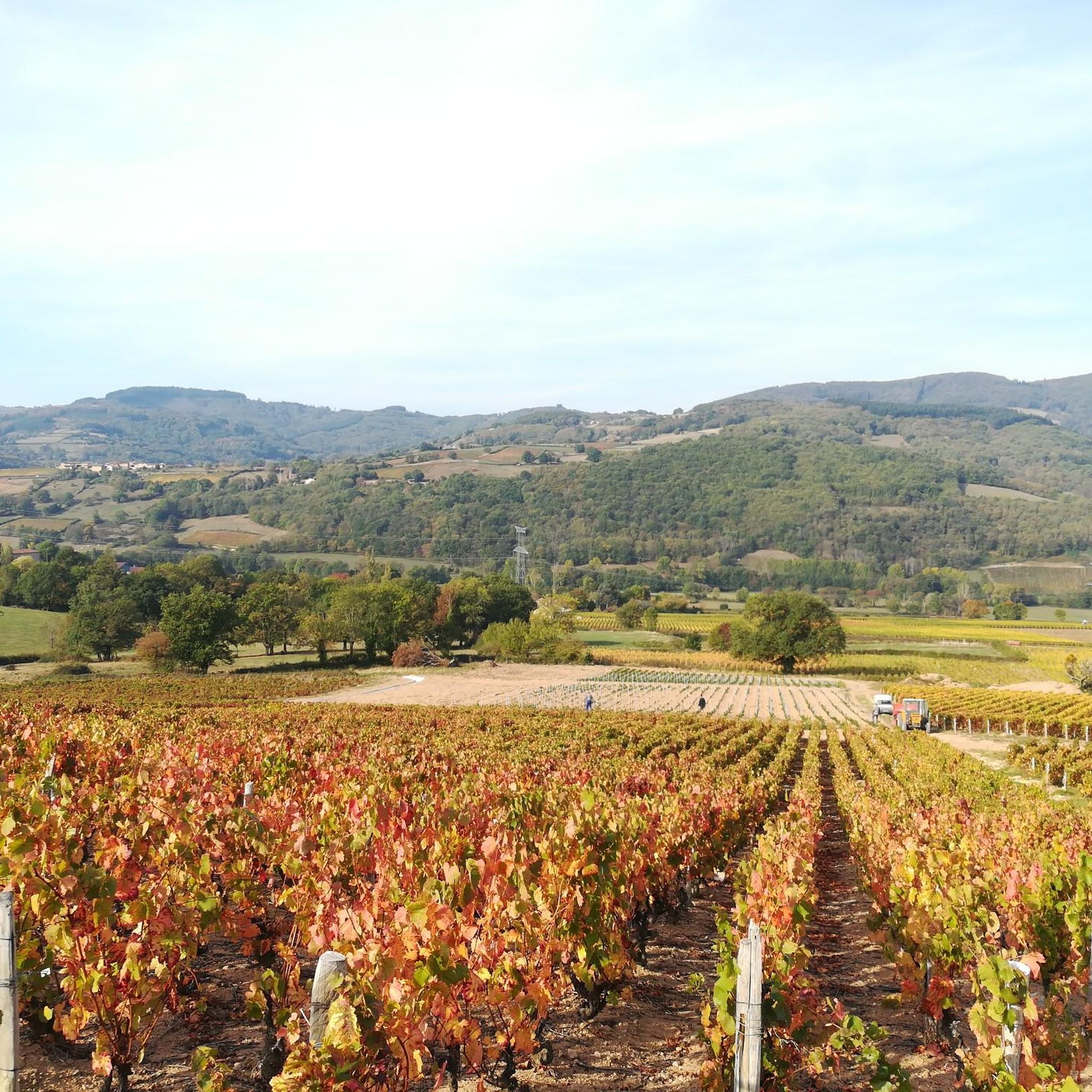
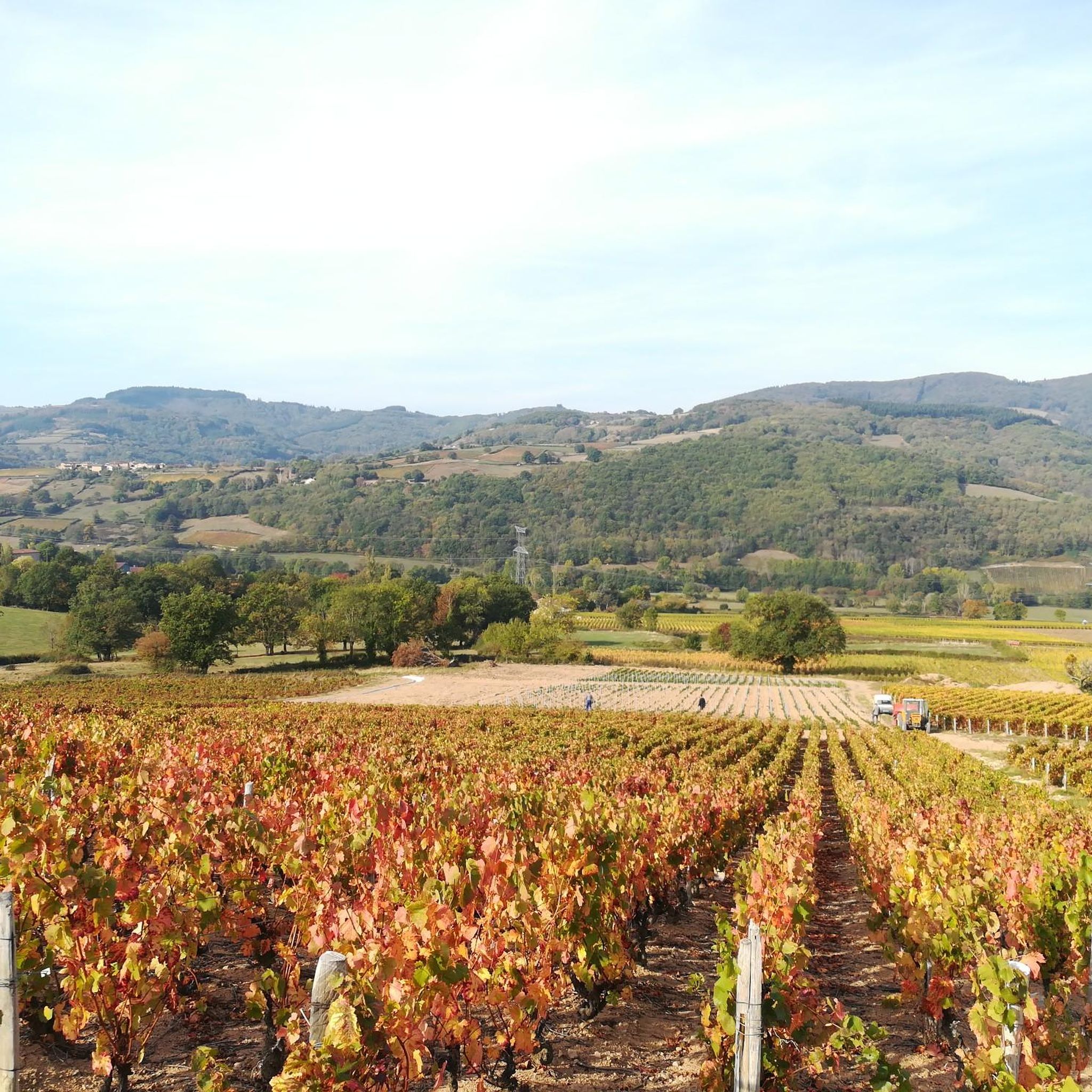
In the middle of the vineyards, on a rocky outcrop, stands this impressive Burgundy castle with a 1000-year history. The castle's property is made up of small vineyard plots that are cultivated organically. You can taste our wines: Pouilly-Fuissé, Saint-Véran, Mâcon-Pierreclos and Bourgogne rouge Pinot noir, as well as Burgundy specialties (ratafia, creme de pêche de vigne and creme de cassis) in the shop or in our wine cellars.
1
0

The fortress was built from the 11th to the 15th century around a Carolingian chapel. Its role was to defend Cluny Abbey. The building retains its entire defensive system with two keeps and 11 towers. Superbly preserved, you can enjoy the three enclosures, a catering service and a picnic area.
5
0


Wonderful stage stop on my Camino https://huettemann.eu/de/2023/10/von-cluny-an-die-loire-berndscamino/
1
1
Frequently Asked Questions
Which castles around Serrières are generally open to the public?
While some castles named 'Serrières' are private or only open for special events, several notable castles in the broader region are accessible. These include the Medieval fortress of Berzé-le-Châtel, known for its well-preserved defensive system, Pierreclos Castle with its vinery shop, and Château de Chasselas, a wine estate offering tastings.
What historical periods do the castles around Serrières represent?
The castles in the region span several centuries. For example, the Medieval fortress of Berzé-le-Châtel was built between the 11th and 15th centuries. Pierreclos Castle boasts a 1000-year history, while the Château de Beauregard in Switzerland, though often private, dates primarily from the 16th century.
Are there family-friendly castles to visit near Serrières?
Yes, the Medieval fortress of Berzé-le-Châtel is a great option for families. It offers a well-preserved defensive system with two keeps and 11 towers, and hosts medieval festivals in August, providing an engaging historical experience. It also has a picnic area.
What outdoor activities can I do near the castles?
The region around Serrières offers various outdoor activities. You can find numerous hiking trails, including easy to moderate options like the 'View of the Roche de Solutré – Roche de Solutré loop from Solutré-Pouilly'. For more challenging adventures, there are difficult gravel biking routes such as the 'Col de Gerbet – Col de la Grange du Bois loop'. Explore more options on the Hiking around Serrières or Gravel biking around Serrières guide pages.
Can I find wine-related experiences at the castles?
Absolutely. Pierreclos Castle is situated amidst vineyards and features a vinery shop where you can taste and purchase local wines like Pouilly-Fuissé and Saint-Véran. Similarly, Château de Chasselas is a wine estate known for its red, white, and rosé wines, offering degustation.
What is the best time of year to visit the castles around Serrières?
The best time to visit is generally during spring (April-May) and autumn (September-October) when the weather is pleasant for exploring and the surrounding landscapes, especially the vineyards, are particularly scenic. Summer (June-August) is also popular, with events like medieval festivals at Medieval fortress of Berzé-le-Châtel.
Are there any castles with unique architectural features?
Yes, the Château de Serrières in Isère, France, is a well-preserved feudal fortress with an imposing silhouette, battlements, a pepperbox turret, and a remarkable keep. It also features machicolations and a screw staircase with carved arms. The Château de Beauregard in Switzerland, though private, is noted for its hexagonal stair turret and a small square tower with acute spires.
What kind of views can I expect from the castles?
Many castles offer impressive views of the surrounding landscapes. The Château de Serrières in Isère provides vast panoramas of the Isère department and the Pre-Alps. The castle in Serrières, Ardèche, situated on a rocky outcrop, offers significant views of the Rhône Valley. Château de Beauregard in Switzerland is set amidst vineyards and orchards, providing dominant and clear views.
Are there any castles that are part of a larger settlement or village?
Yes, the village of Tramayes features a pretty castle within its settlement. The village itself offers various services, including a bar, pharmacy, and bank, along with a notable church, making it a convenient stop for visitors.
Where can I find information about public transport or parking for the castles?
Information on public transport to specific castles in the Serrières region is limited, as many are in rural settings. For driving, parking availability varies by location. For the Château de Serrières in Isère, while it's generally not open to the public, it's part of a large estate. For other publicly accessible castles like Medieval fortress of Berzé-le-Châtel or Pierreclos Castle, it's advisable to check their official websites for specific parking details before your visit.
What are some lesser-known or 'hidden gem' castles in the area?
While the guide highlights popular choices, the region also holds lesser-known historical sites. The Château de Serrières in Ardèche, for instance, is a distinctive property built on ruins with a unique southern architectural style, though it is currently a private residence for sale and not publicly accessible. Exploring the smaller villages might reveal other charming, less-frequented historical structures.
Most popular routes around Serrières
Most popular attractions around Serrières

Get inspired with the komoot mobile app


Explore more
Looking for the best castles somewhere else? Discover other guides around Serrières:
