Top 4 Castles around Saint-Bonnet-De-Salendrinque
Best castles around Saint-Bonnet-De-Salendrinque are found in a region characterized by its historical depth and varied landscape. The area features ancient fortifications, often situated on rocky outcrops overlooking river valleys, providing strategic viewpoints. These structures reflect centuries of history, from Roman origins to medieval and Renaissance periods. The terrain around Saint-Bonnet-De-Salendrinque offers a blend of cultural heritage and natural beauty.
Best castles around Saint-Bonnet-De-Salendrinque
- The most popular castles is Saint-Roman-de-Codières Village and Medieval Tower, a historical site with roots…
Last updated: July 8, 2026
Saint-Roman-de-Codières Village and Medieval Tower
Highlight • Historical Site
Translated by Google •
Tip by

Saint-Bonnet-de-Salendrinque
Highlight • Settlement
It …
Translated by Google •
Tip by
Sign up now to discover places like this
Get recommendations on the best single tracks, peaks, & plenty of other exciting outdoor places.
Sign up for free
Château de Tornac
Highlight • Castle
Translated by Google •
Tip by

Château de Saint-Hippolyte-le-Vieux (Ruins)
Highlight • Castle
A 12th century castle which has several names: - Le Castellas / The old castle / Roquefourcade / The castle of Saint-Hippolyte-le-Vieux.
Translated by Google •
Tip by

Start today with a free account
Your next adventure awaits.
Login or Signup
Popular around Saint-Bonnet-De-Salendrinque

Tips from the Community

Pretty little village in the Cevennes.
0
0

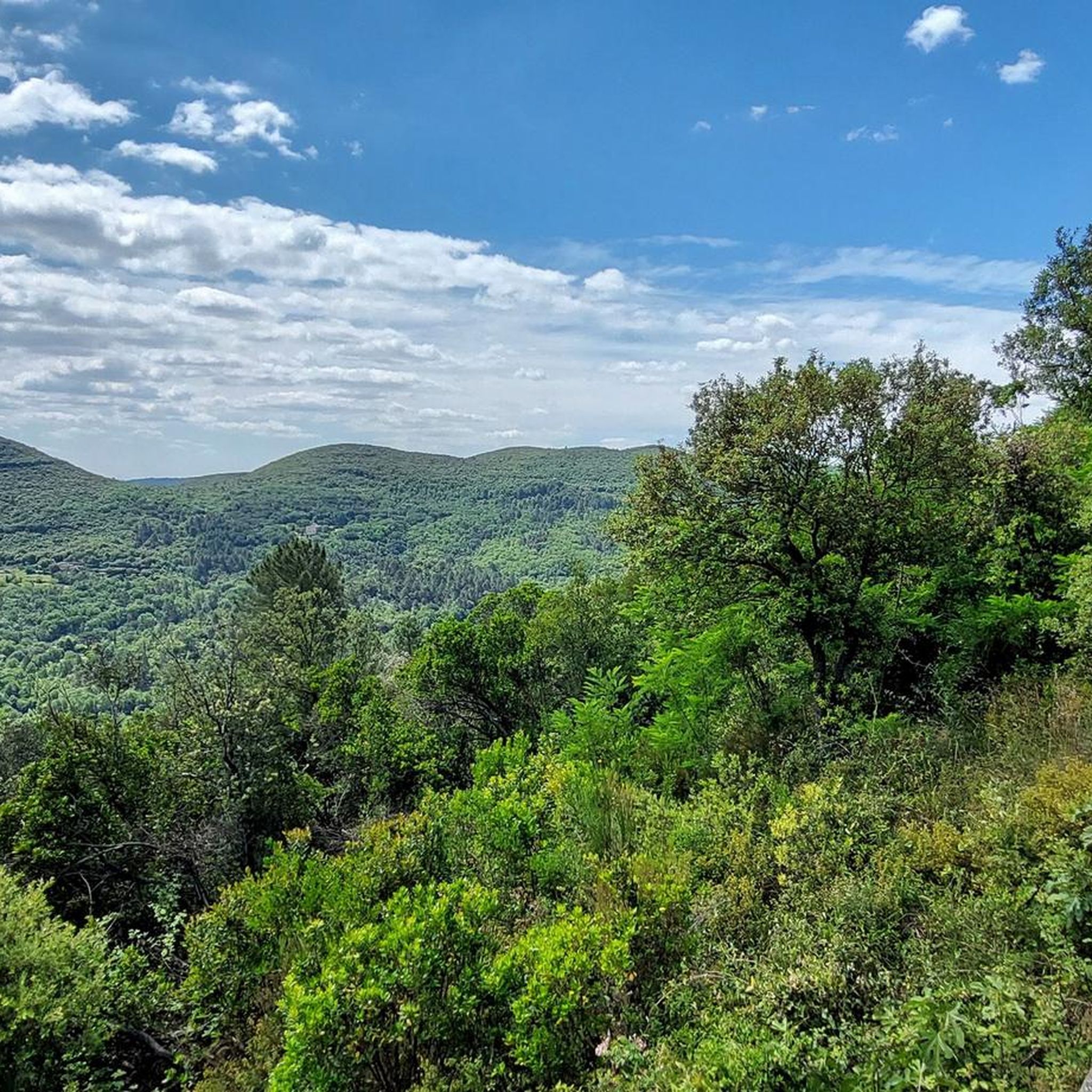
A very nice place with a great view! A 12th century castle which has several names: - Le Castellas / The old castle / Roquefourcade / The castle of Saint-Hippolyte-le-Vieux.
0
0

Very close to Anduze, the castle of Tornac is a 12th century castle perched on a rocky outcrop and which offers a magnificent view of the Gardon d'Anduze.
0
0
Very close to Anduze, the castle of Tornac is a 12th century castle perched on a rocky outcrop and which offers a magnificent view of the Gardon d'Anduze.
1
0

This village has a listed monument: the castle of Castellas. Its origin goes back a long way because it is located on the site of an ancient Roman oppidum. It was from the year 864 that a Carolingian fortress was erected, which the locals called Castellas in the Occitan language. This castle has been registered as a historical monument since December 26, 1980. It cannot be visited because it is a private residence.
1
0
The historical heritage of this village is very old. Testimony of the Neolithic, of the seven menhirs identified in the town, five are still erected. This town is located on the Saint-Roman pass, which gives it strategic importance. The name of the village comes from a military camp built by the Romans in the 1st century AD. The camp was then called Romanus de Codeyra. Aware of the strategic location of the Col de Saint-Roman, a castle was built in the Middle Ages instead of the Roman oppidum and the tower built by the Saracens.
2
0

Nice café with a lovely terrace with a great view ...
0
0
Frequently Asked Questions
What is the historical significance of the castles in Saint-Bonnet-de-Salendrinque?
The castles in this region boast a deep historical past, often built on sites with Roman origins. For example, the Château du Castellas in Saint-Bonnet-de-Salendrinque itself dates back to a Carolingian fortress from 864 AD, likely on a Roman oppidum. Similarly, the Medieval Tower of Saint-Roman-de-Codières stands on the site of a 1st-century AD Roman military camp, later replaced by a medieval castle and a Saracen tower. These sites offer a glimpse into centuries of regional history, from ancient times through the Middle Ages and Renaissance.
Can I visit the Château du Castellas in Saint-Bonnet-de-Salendrinque?
The Château du Castellas is a private residence and is generally not open to the public. However, it is sometimes accessible by appointment during July and August, offering a more intimate visiting experience. You can find more information on its historical classification and details via Tourisme Gard.
What architectural styles can be seen at Château du Castellas?
The Château du Castellas showcases a unique blend of architectural styles. It features feudal elements from its 12th-century origins, such as rooms with loopholes and a Romanesque keep. Significant renovations in the 17th century added Renaissance elements, including a monumental fireplace, a Gothic bedroom, molded cornices, and sculpted human heads under the watchtowers.
Are there other notable castles or historical sites nearby?
Yes, beyond the Château du Castellas, you can explore the Saint-Roman-de-Codières Village and Medieval Tower, known for its ancient Roman and Saracen roots. Another significant site is Château de Tornac, a 12th-century castle perched on a rocky outcrop offering magnificent views of the Gardon d'Anduze. You can also visit the ruins of Château de Saint-Hippolyte-le-Vieux, which also provides great views.
What outdoor activities can I do near these castles?
The region around Saint-Bonnet-de-Salendrinque offers various outdoor activities. For road cycling, you can find routes like the 'Abarines Bridge – Anduze Town Center loop' or 'Asclier Pass – Col de l'Asclier loop'. Running enthusiasts can enjoy trails such as 'Sentier Forestier loop' or 'Saint-Bonnet-de-Salendrinque loop'. Gravel biking options include routes around Anduze and the Gardon of Anduze. You can find more details on these activities in the Road Cycling Routes, Running Trails, and Gravel Biking guides for the area.
Are there family-friendly castles to visit in the area?
While specific 'family-friendly' designations aren't always available, historical sites like the Saint-Roman-de-Codières Village and Medieval Tower offer an engaging experience for families interested in history and exploring old villages. The ruins of Château de Saint-Hippolyte-le-Vieux can also be an adventurous outing, especially for older children who enjoy exploring and scenic views.
What is the best time of year to visit the castles in Saint-Bonnet-de-Salendrinque?
The best time to visit the castles and explore the surrounding region is generally during the spring (April-June) and autumn (September-October). During these months, the weather is typically mild and pleasant for outdoor activities and sightseeing, avoiding the intense heat of summer and the cooler, potentially wetter conditions of winter. If you wish to visit the Château du Castellas by appointment, July and August are the only available months.
What do visitors enjoy most about the castles and historical sites in this region?
Visitors frequently appreciate the rich historical heritage and the picturesque locations of these sites. The Saint-Roman-de-Codières Village and Medieval Tower is noted for its very old historical heritage and strategic importance, with visitors enjoying the pretty village and its café with a great view. The Château de Tornac is praised for its magnificent views of the Gardon d'Anduze from its rocky outcrop.
Are there any viewpoints or natural features near the castles?
Yes, many castles in the region are strategically located on rocky outcrops, offering excellent viewpoints. For instance, Château de Tornac provides magnificent views of the Gardon d'Anduze. The ruins of Château de Saint-Hippolyte-le-Vieux also offer a great view. The entire region is characterized by its varied landscape, including river valleys and natural terrain, which can be explored via nearby hiking and cycling routes.
Is parking available at the castles?
Specific parking details vary by site. For the Château du Castellas, as it's a private residence with limited access, parking arrangements would likely be communicated upon making an appointment. For other sites like the Saint-Roman-de-Codières Village and Medieval Tower, you would typically find parking within the village or designated areas nearby. It's advisable to check local signage or visitor information for each specific location.
Are the castles accessible for visitors with wheelchairs?
Due to their medieval origins and often rugged, elevated locations, many castles and historical sites in the region may have limited accessibility for visitors with wheelchairs. Features like rocky terrain, stairs, and uneven surfaces are common. It is recommended to contact specific sites directly for detailed accessibility information before planning your visit.
Can I bring my dog to the castles or nearby trails?
Policies regarding dogs can vary. While many outdoor trails and natural areas in the region are generally dog-friendly, especially if kept on a leash, access to the interior of historical buildings or private castle grounds might be restricted. For specific castle sites, it's best to check their individual visitor policies. When exploring trails, always ensure your dog is under control and that you clean up after them.
Most popular routes around Saint-Bonnet-De-Salendrinque
Most popular attractions around Saint-Bonnet-De-Salendrinque

Get inspired with the komoot mobile app


Explore more
Looking for the best castles somewhere else? Discover other guides around Saint-Bonnet-De-Salendrinque:
