Top 4 Castles around Foucherans
Best castles around Foucherans are found in the broader region, offering a diverse range of historical periods and architectural styles. While Foucherans itself has a historic "Vieux Château" not open to visitors, the surrounding Burgundy-Franche-Comté region features several notable castles and fortresses. These structures provide insights into military architecture and medieval defensive designs. The area's landscape often complements these historical sites, providing views of the valleys and cities.
Best castles around Foucherans
- The most popular castles is Citadel of Besançon…
Last updated: June 24, 2026
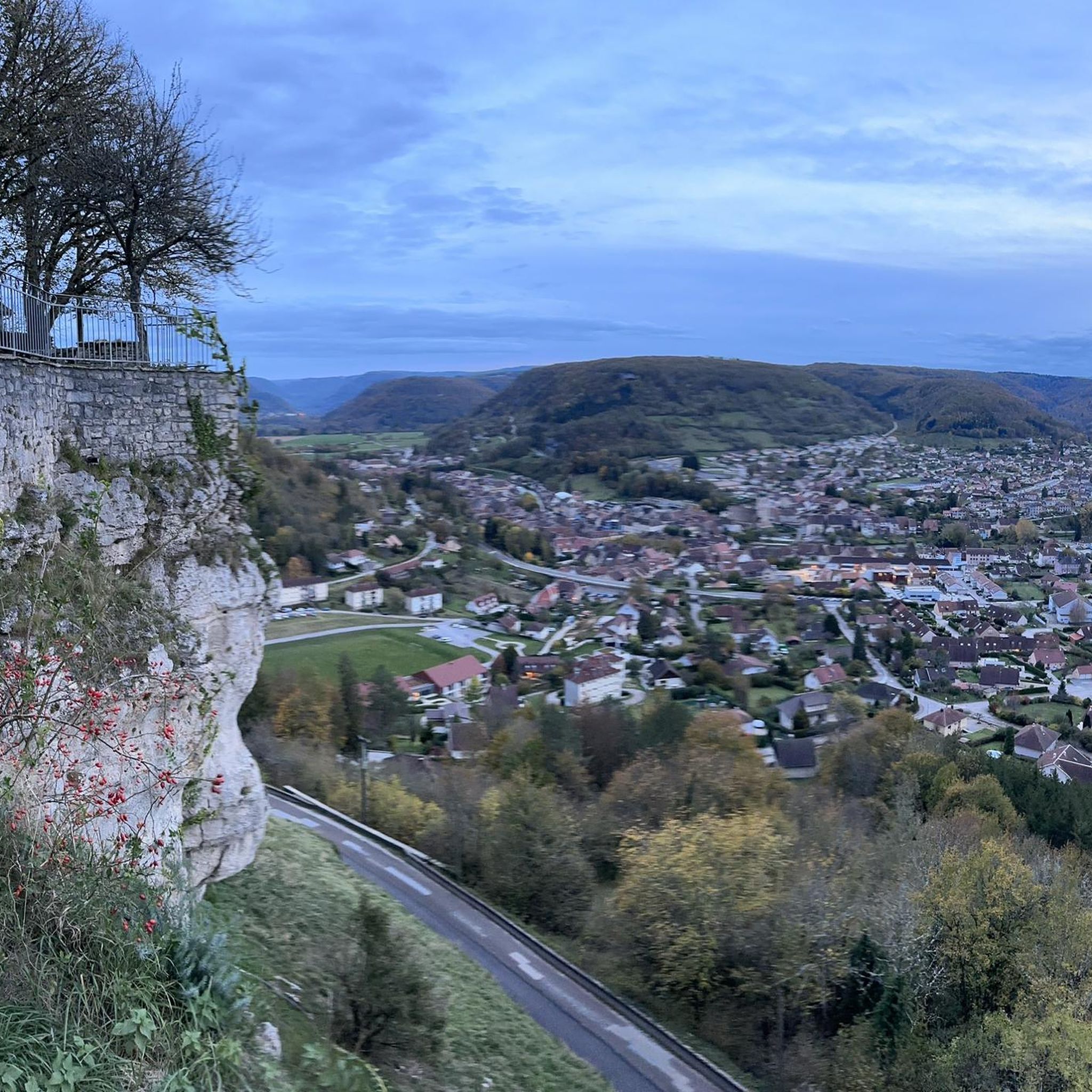
Citadel of Besançon
Highlight • Viewpoint
Construction of the Citadelle began in 1668 under the direction of the …
Translated by Google •
Tip by

View of the Besançon citadel from the greenway
Highlight • Viewpoint
Translated by Google •
Tip by

Sign up now to discover places like this
Get recommendations on the best single tracks, peaks, & plenty of other exciting outdoor places.
Sign up for free
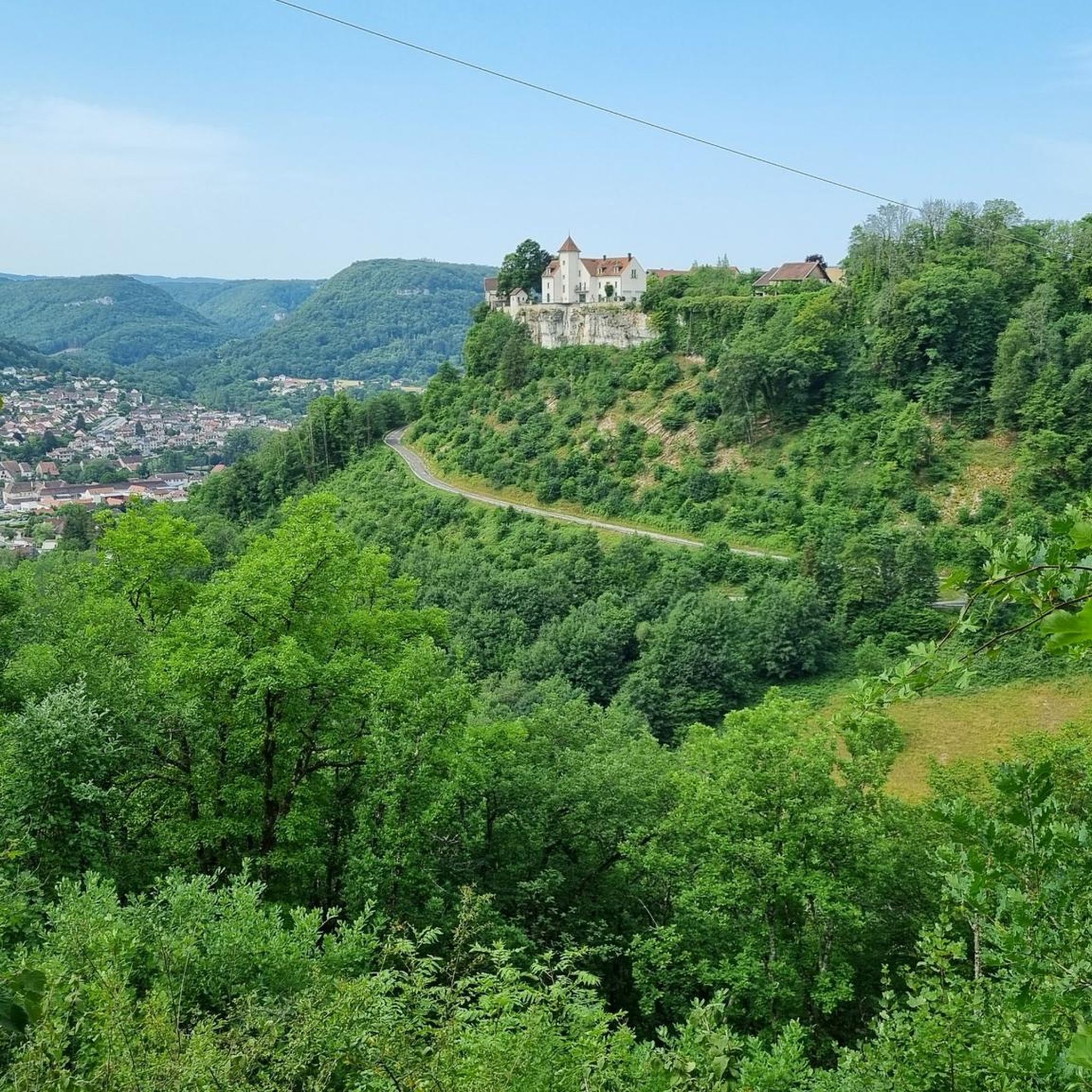
Cléron Castle
Highlight • Historical Site
This medieval castle has been restored …
Translated by Google •
Tip by

Fort de Chaudanne
Highlight • Historical Site
If it cannot be visited, you can however go around it and appreciate its fortifications as well as the trench …
Translated by Google •
Tip by
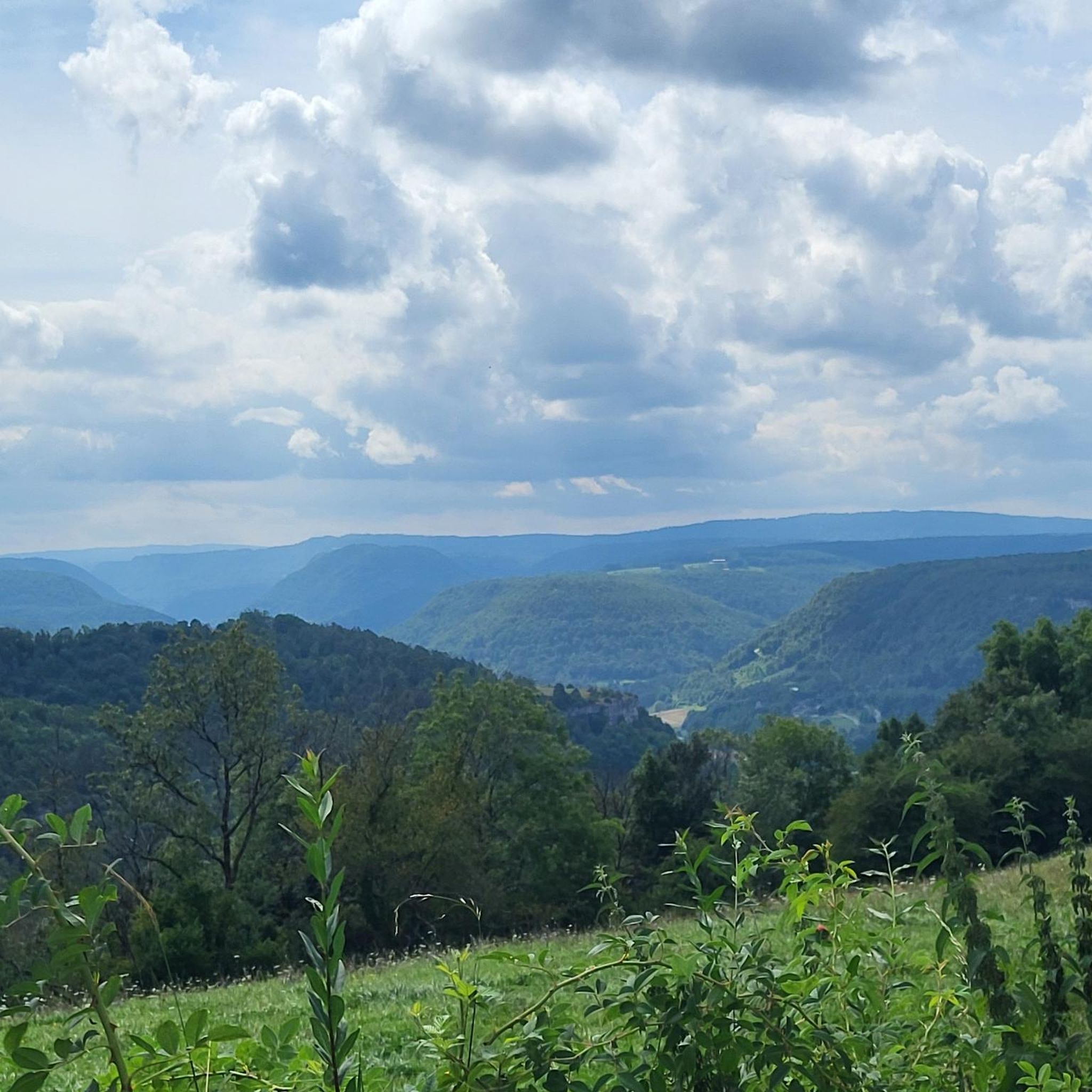
View of the Vauban Citadel
Highlight • Viewpoint
Translated by Google •
Tip by
Sign up for free to discover even more castles around Foucherans.
Sign up for free
Already have an account?
Start today with a free account
Your next adventure awaits.
Login or Signup
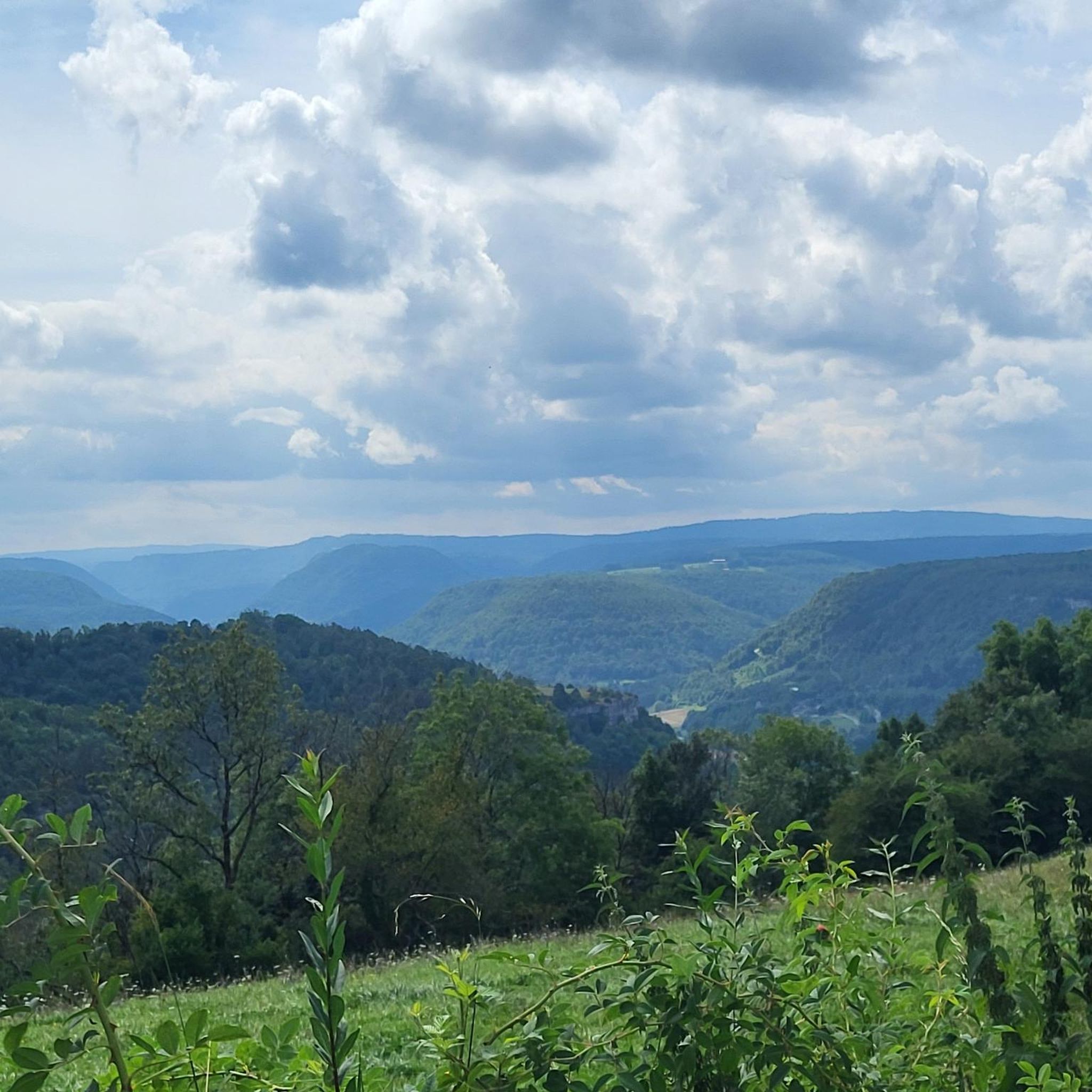

Tips from the Community

Imposing complex which is worth a visit.
0
0

UNESCO World Heritage Site
0
0
UNESCO World Heritage, what more can be said except that the Doubs Valley and the splendid ruins of old medieval castles from the top of wild cliffs have watched over the valley for centuries?
0
0

I have cycled this cycle path several times (different years) and each time I have passed these horrible looking factory ruins on the opposite bank - a very poor reception from Besançon - a real shame.
1
0

Here you get a good idea of the size of the citadel.
9
0
Beautiful to see how the Citadel of Bresançon (VAUBAN, UNESCO World Heritage Site) dominates its surroundings. If you continue towards Besançon you can soon cycle through a tunnel under the citadel. The Voie Verte you are on is part of the EuroVélo 6 that connects the Atlantic Ocean in France with the Black Sea in Romania.
4
2
The Citadelle de Besançon is an impressive fortress located on Mont Saint-Étienne, high above the city of Besançon. Construction of the Citadelle began in 1668 under the direction of the French military engineer Vauban, known for his defense works. The fortress served as an important military stronghold and played a crucial role in the defense of France's eastern borders. The Citadelle is a masterpiece of military architecture, with bastions, ramparts, underground tunnels and other defenses. The design reflects Vauban's innovative approaches at the time. UNESCO World Heritage Site: The Citadelle de Besançon is part of the "Fortifications of Vauban", recognized as a World Heritage Site by UNESCO in 2008. This group of fortifications spread across France testifies to Vauban's military designs. Within the Citadelle there are several museums and attractions, including the Museum of French Resistance and Deportation, the Comtois Museum which highlights regional history, and the Besançon Zoo, one of the oldest zoos in France. The Citadelle offers breathtaking views over the city of Besançon and the surrounding valley. It is a popular destination for tourists due to its historical importance, architectural splendor and panoramic views.
11
0
The citadel is an impressive building - from below and only from above! And you have a great view!
3
0
Frequently Asked Questions
What types of castles can I expect to see around Foucherans?
The region around Foucherans offers a diverse range of historical periods and architectural styles. You'll find impressive military fortresses like the UNESCO-listed Citadel of Besançon and Fort de Chaudanne, as well as well-preserved medieval structures such as Cléron Castle. These sites provide insights into military architecture and medieval defensive designs.
Which castles near Foucherans are particularly significant for history enthusiasts?
For history enthusiasts, the Citadel of Besançon is a must-visit. It's a masterpiece of military architecture designed by Vauban and a UNESCO World Heritage Site. It houses the Museum of French Resistance and Deportation, and the Comtois Museum. Another significant site is the Château de Joux, a military fortress that guarded a strategic passage for ten centuries and served as a prison for historical figures.
Are there family-friendly castles to visit near Foucherans?
Yes, the Citadel of Besançon is highly recommended for families. Beyond its historical significance, it features one of France's oldest zoos, making it an engaging experience for all ages. The site also includes several museums that cater to different interests.
What are the parking options for castles around Foucherans?
Parking availability varies by castle. For the Citadel of Besançon, there are parking facilities available in the city, often requiring a walk or shuttle up to the Citadel itself. For sites like Cléron Castle, parking is typically available nearby, allowing access to its gardens and exterior views. It's advisable to check specific castle websites for detailed parking information before your visit.
Can I reach these castles using public transport?
The Citadel of Besançon is accessible via public transport within Besançon, often involving a bus ride and then a walk or shuttle to the top. Other castles, especially those in more rural settings like Cléron Castle or Château de Joux, may require a car for convenient access. Public transport options are generally more limited outside of major towns.
Are there hiking trails near the castles around Foucherans?
Yes, many castles are situated in scenic areas with nearby hiking opportunities. For instance, the Citadel of Besançon and Fort de Chaudanne offer trails with superb views over Besançon and the Doubs river. You can find various hiking routes in the broader region, including options like the 'Rocher du Tourbillon' loop. Explore more hiking trails in the area on the Hiking around Foucherans guide.
What other outdoor activities can I do near these castles?
Beyond hiking, the region offers a variety of outdoor activities. You can find numerous mountain biking trails, such as the 'Ornans route N 29' loop, or enjoy running trails like the 'Bike Park Ornans' loop. These activities allow you to explore the natural beauty surrounding the historical sites. For more details, check out the MTB Trails around Foucherans guide and the Running Trails around Foucherans guide.
What is the best time of year to visit the castles near Foucherans?
The best time to visit the castles around Foucherans is generally from spring to early autumn (April to October). During these months, the weather is pleasant for exploring the outdoor grounds and enjoying panoramic views. Summer offers longer daylight hours, while spring and autumn provide beautiful foliage and fewer crowds. Always check specific castle opening hours, as some may have reduced schedules outside peak season.
Are any castles near Foucherans open during winter?
Some major attractions, like the Citadel of Besançon, typically remain open year-round, though specific attractions within the Citadel (like the zoo or certain museums) might have adjusted hours. Smaller, privately owned castles like Cléron Castle, which is primarily admired from its gardens, may have limited or no public access during the colder months. It's always best to verify opening times directly with each castle before planning a winter visit.
Are there cafes or restaurants near the castles?
Yes, especially near the more prominent sites. The Citadel of Besançon has dining options within its complex and numerous cafes and restaurants are available in the city of Besançon itself. For castles in more rural areas, like Cléron Castle, you might find local eateries in the nearby villages. Planning ahead for meals is recommended, especially for sites further from urban centers.
Are there any less crowded or 'hidden gem' castles to explore?
While the historic 'Vieux Château' in Foucherans itself is not open to visitors, the broader region offers less frequented but equally charming sites. The Château de Joux, though well-known, offers a rich history in a magnificent landscape that feels less urban than Besançon. Exploring the exteriors and gardens of castles like Cléron Castle can also provide a more tranquil experience away from larger crowds.
Are any castles near Foucherans wheelchair accessible?
Accessibility varies significantly. The Citadel of Besançon, being a major tourist attraction, has made efforts to improve accessibility, though its historical architecture on a hill can present challenges. Some areas, particularly museums and main pathways, may be accessible. Smaller, medieval castles often have limited accessibility due to their age and design. It's recommended to contact specific castles directly for detailed information on wheelchair access.
Most popular routes around Foucherans
Most popular attractions around Foucherans

Get inspired with the komoot mobile app


Explore more
Looking for the best castles somewhere else? Discover other guides around Foucherans:
