Top 3 Castles around La Chapelle-Du-Bois-Des-Faulx
Best castles around La Chapelle-Du-Bois-Des-Faulx are situated in the Eure department of Normandy, a region known for its historical landmarks and varied landscapes. The area features its own 19th-century estate, the Château de la Chapelle du Bois des Faulx, which is surrounded by a 25-hectare park. This location provides access to several other castles, offering diverse historical and architectural experiences within a reasonable distance.
Best castles around La Chapelle-Du-Bois-Des-Faulx
- The most popular castles is Acquigny Castle, a historical site…
Last updated: July 7, 2026
Houetteville Castle
Highlight • Castle
On the circuit "Château Gaillard - Château de Gaillon Circuit from Gaillon - Aubevoye" I do not recommend the Caer/St Vigor part because the traffic there is dangerous for cyclists. Preferably use the small parallel roads.
Good road.
Rein.
Translated by Google •
Tip by

Acquigny Castle
Highlight • Castle
Translated by Google •
Tip by

Sign up now to discover places like this
Get recommendations on the best single tracks, peaks, & plenty of other exciting outdoor places.
Sign up for free
Amfreville-sur-Iton Castle
Highlight • Castle
Translated by Google •
Tip by

Church and Château of La Chapelle-du-Bois-des-Faulx
Highlight • Historical Site
Translated by Google •
Tip by

Château d'Emalleville
Highlight • Castle
Translated by Google •
Tip by
Start today with a free account
Your next adventure awaits.
Login or Signup
Popular around La Chapelle-Du-Bois-Des-Faulx

Tips from the Community

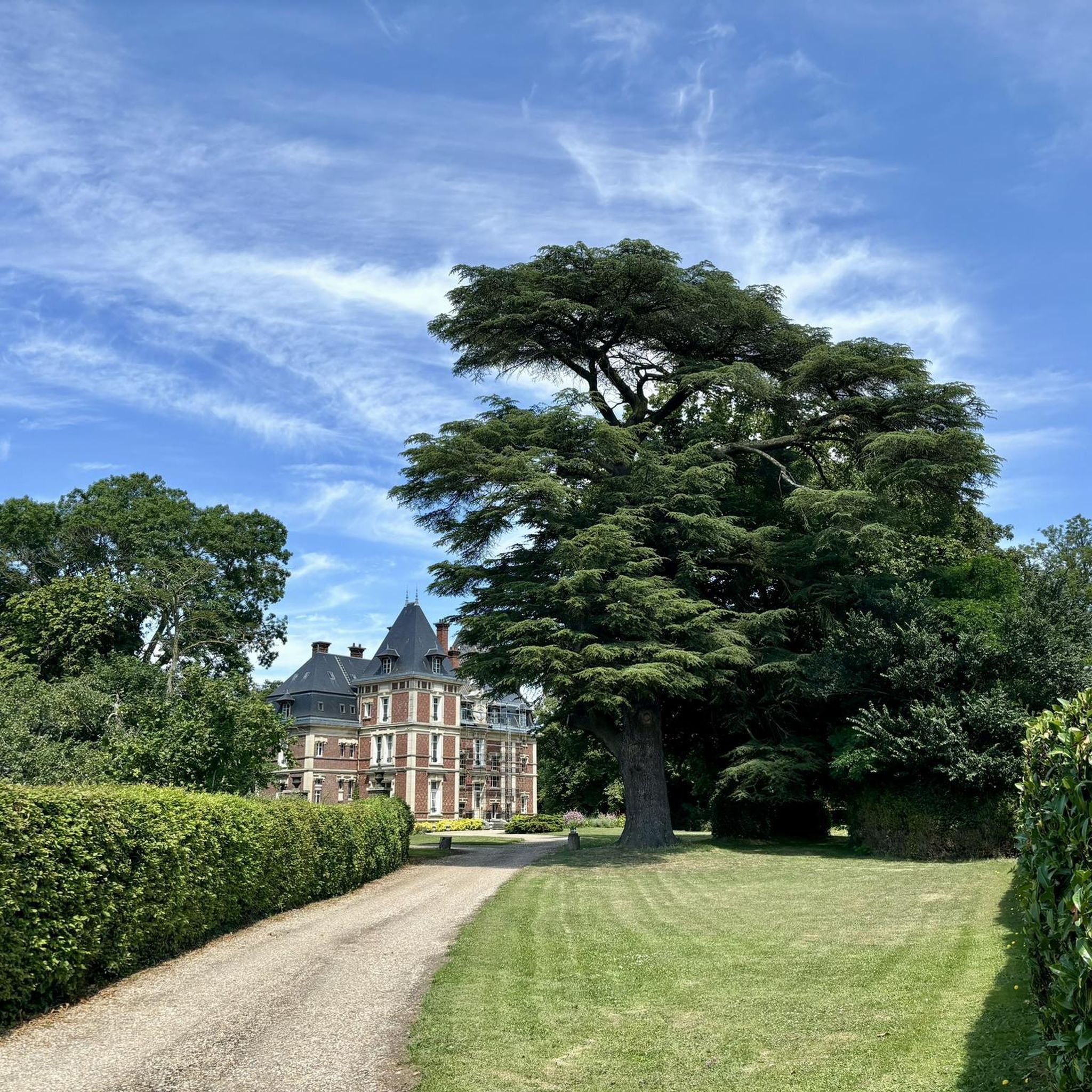
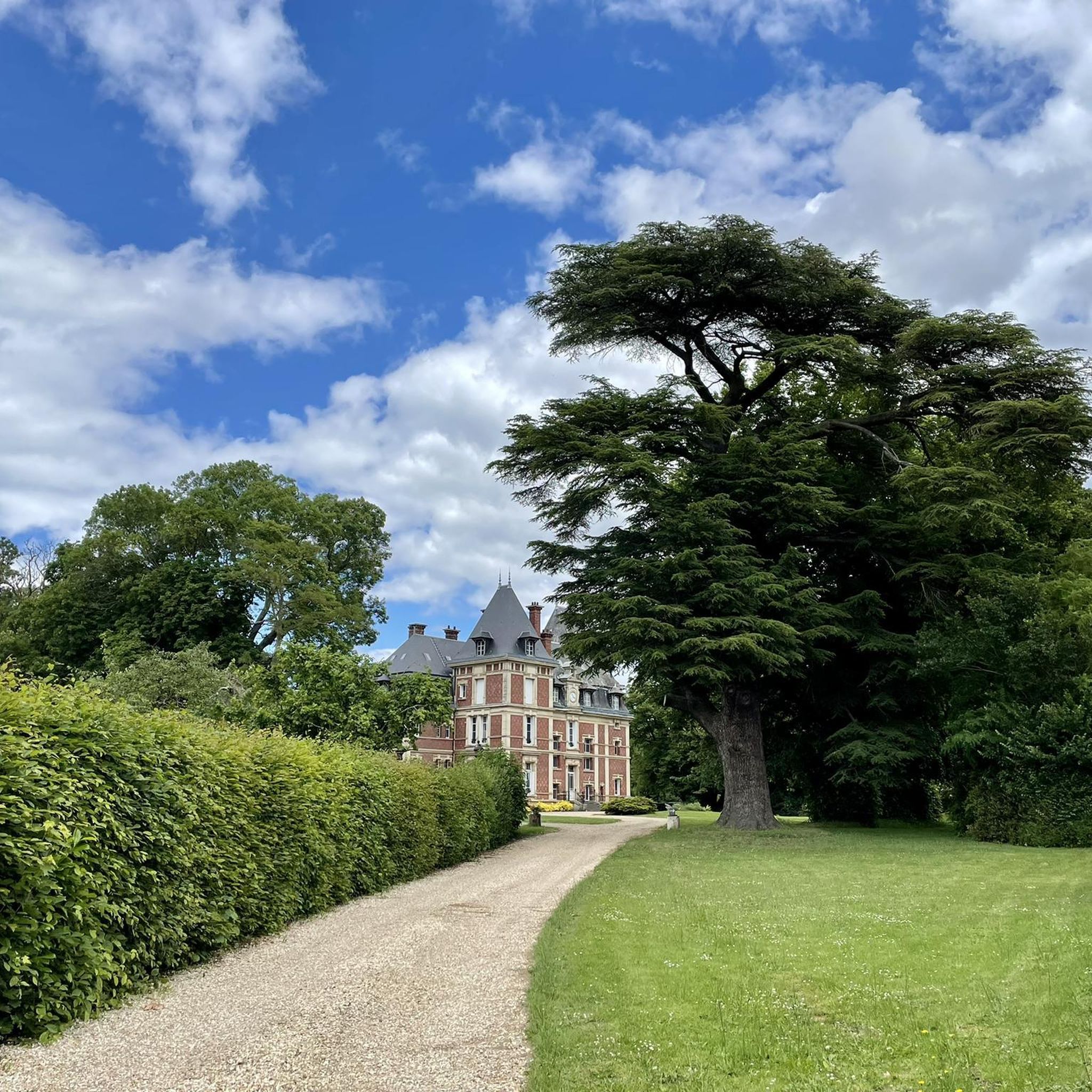
Magnificent view of the Château d'Acquigny (whose garden can be visited) and the Eure valley
0
0
Two magnificent properties between the arms of the Iton
0
0

The classic triptych of the small French village in one place: the church, the castle and the town hall.
0
0
Former Seigneury dating from the 15th century, rebuilt in 1725, the Château d’Emalleville is a small typical Norman castle built in salmon brick and period stone. It was completely restored from 1991 and has been listed in the Supplementary Inventory of Historic Monuments (ISMH) since 1996.
0
0

Located on the banks of the Iton, the castle was built in 1775, in the neoclassical style characteristic of this period. The cut stone facades have retained their monumentality (basement, noble floors and attic), reinforced by the austerity of the few decorative elements (pediment, cornices). The facades and roofs of the four buildings on the farm were listed in the MH in 1977, the castle, the so-called chalet house, the stables and sheds as well as the cellar located in the commune of Acquigny were listed in 1994 in the MH.
0
0

This castle is ideally placed at the confluence of the Eure and the Iton rivers. This stream was diverted from its bed to feed the moats of this beautiful building. It can be admired from the park gate.
1
0

The Château de Houetteville, a private castle visible from the road, is an old Renaissance castle transformed into a neo-medieval castle by Henri Jacquelin around the 1930s. “Jacquelin again transformed a simple neo-classical house in Houetteville into a medieval castle, with astonishing fantasy. In an economically paralyzed country, Houetteville was perhaps the last neo-Gothic castle in France. Extravagant edifice, which prefers to ignore its time to artificially continue a way of life long gone.”
0
0
Frequently Asked Questions
What types of castles can I expect to see around La Chapelle-Du-Bois-Des-Faulx?
The region offers a diverse range of architectural styles, from 14th-century origins to 19th-century transformations. You can find neo-medieval, neoclassical, and Renaissance-style castles. For example, Houetteville Castle was originally Renaissance and later transformed into a neo-medieval style, while Amfreville-sur-Iton Castle showcases neoclassical design.
Which castles offer a glimpse into medieval history?
For a strong sense of medieval history, consider visiting the evocative ruins of Château Gaillard, built in the 12th century by Richard the Lionheart, located about 22 km east-north-east. The Château d'Emalleville, originally a 15th-century seigneury, also offers a look into earlier periods, rebuilt in 1725 and listed in the Supplementary Inventory of Historic Monuments.
Are there castles with extensive parks or natural surroundings for walks?
Yes, the Château de la Chapelle du Bois des Faulx is surrounded by a 25-hectare park, perfect for walks and relaxation. Additionally, the Château d'Acquigny is beautifully situated at the confluence of the Eure and Iton rivers, with its park nicknamed 'a love of garden.' The Château des Bois Francs boasts an impressive 310 hectares of forest and 15 hectares of lakes, ideal for appreciating the Norman countryside.
Are any of the castles particularly family-friendly?
Several castles in the area are noted as family-friendly. The Château d'Acquigny is a great option. The Château de la Chapelle du Bois des Faulx, while a private residence, offers an outdoor play area and children's playground for guests staying there, making it suitable for families seeking an intimate stay.
What outdoor activities can I do near these castles?
The region around La Chapelle-Du-Bois-Des-Faulx offers various outdoor activities. You can find numerous routes for cycling and hiking. For example, there are road cycling routes like the 'Houetteville Castle – Château d'Acquigny loop' and touring bicycle routes such as the 'Acquigny Castle – Acquigny railway bridge loop.' Hiking enthusiasts can explore trails like the 'Château d'Emalleville loop.' You can find more details on these and other routes in the Hiking around La Chapelle-Du-Bois-Des-Faulx and Cycling around La Chapelle-Du-Bois-Des-Faulx guides.
What is the historical significance of the castles in this region?
The castles in the Eure department of Normandy reflect centuries of history. From the 12th-century strategic stronghold of Château Gaillard to the 16th-century Renaissance design of Château d'Acquigny, built as a tribute of love, and the 18th-century neoclassical elegance of Amfreville-sur-Iton Castle, they showcase evolving architectural styles and the region's rich past. Many, like the Château d'Emalleville, have been carefully restored, preserving their heritage.
What is the best time of year to visit the castles around La Chapelle-Du-Bois-Des-Faulx?
Visiting during spring or autumn generally offers pleasant weather for exploring the castle grounds and surrounding parks. The lush greenery of spring or the vibrant colors of autumn enhance the scenic beauty. Summer is also popular, though it can be busier. Winter visits might offer a quieter experience, but some attractions or outdoor areas may have reduced hours or accessibility.
Are there any lesser-known or 'hidden gem' castles worth exploring?
While not widely publicized, the Château d'Emalleville, a typical Norman castle rebuilt in 1725 with salmon brick and period stone, offers a charming and less-traveled experience. It has been meticulously restored and is listed in the Supplementary Inventory of Historic Monuments, making it a quiet discovery for history enthusiasts.
What kind of amenities can I expect at the Château de la Chapelle du Bois des Faulx?
The Château de la Chapelle du Bois des Faulx, a 19th-century family home, offers an intimate setting for stays. Guests can enjoy modern amenities such as free Wi-Fi, an outdoor play area, a children's playground, barbecue facilities, and on-site private parking, all within its historic ambiance and expansive 25-hectare park.
Are there any castles that showcase 19th-century architecture?
Yes, the Château de la Chapelle du Bois des Faulx itself is a beautiful 19th-century family home built in 1883. Another notable example is the Château de Condé-sur-Iton, which features a 19th-century 'new castle' alongside an older medieval structure, offering a blend of architectural periods.
What do visitors appreciate most about the castles in this area?
Visitors often appreciate the diverse architectural styles, from medieval ruins to neoclassical elegance, and the rich historical narratives associated with each site. The serene natural settings, such as the expansive parks and river confluences, are also highly valued for walks and relaxation. The intimate and authentic experience offered by some of the privately-owned, family-occupied châteaux is also a unique draw.
Is parking available at the castles?
For the Château de la Chapelle du Bois des Faulx, on-site private parking is available for guests. For other castles, parking availability can vary. It is generally advisable to check specific castle websites or local information for details on parking facilities before your visit, especially for smaller or privately-owned sites.
Most popular routes around La Chapelle-Du-Bois-Des-Faulx
Most popular attractions around La Chapelle-Du-Bois-Des-Faulx

Get inspired with the komoot mobile app


Explore more
Looking for the best castles somewhere else? Discover other guides around La Chapelle-Du-Bois-Des-Faulx:
