Top 5 Castles around Schleithal
Best castles around Schleithal are located in the surrounding region, particularly the Northern Vosges and Alsace. This area is known for its rich medieval history and natural rock formations, with many castles integrated into the sandstone landscape. While Schleithal itself does not host major castles, its proximity makes it a gateway to exploring these historical sites. Visitors can discover a variety of medieval castles, many of which are easily accessible.
Best castles around Schleithal
- The most popular castles is Tour…
Last updated: June 24, 2026
Ruins of Moulin Saint Rémy and Trimmichmuehl Mill
Highlight • Historical Site
Translated by Google •
Tip by

Tour des Bouchers (Metzgerturm) Lauterbourg
Highlight • Historical Site
Translated by Google •
Tip by

Sign up now to discover places like this
Get recommendations on the best single tracks, peaks, & plenty of other exciting outdoor places.
Sign up for free
Ruins of Trimmich Castle
Highlight • Castle
Translated by Google •
Tip by
Wissembourg Fortifications and Powder Tower
Highlight • Historical Site
Translated by Google •
Tip by

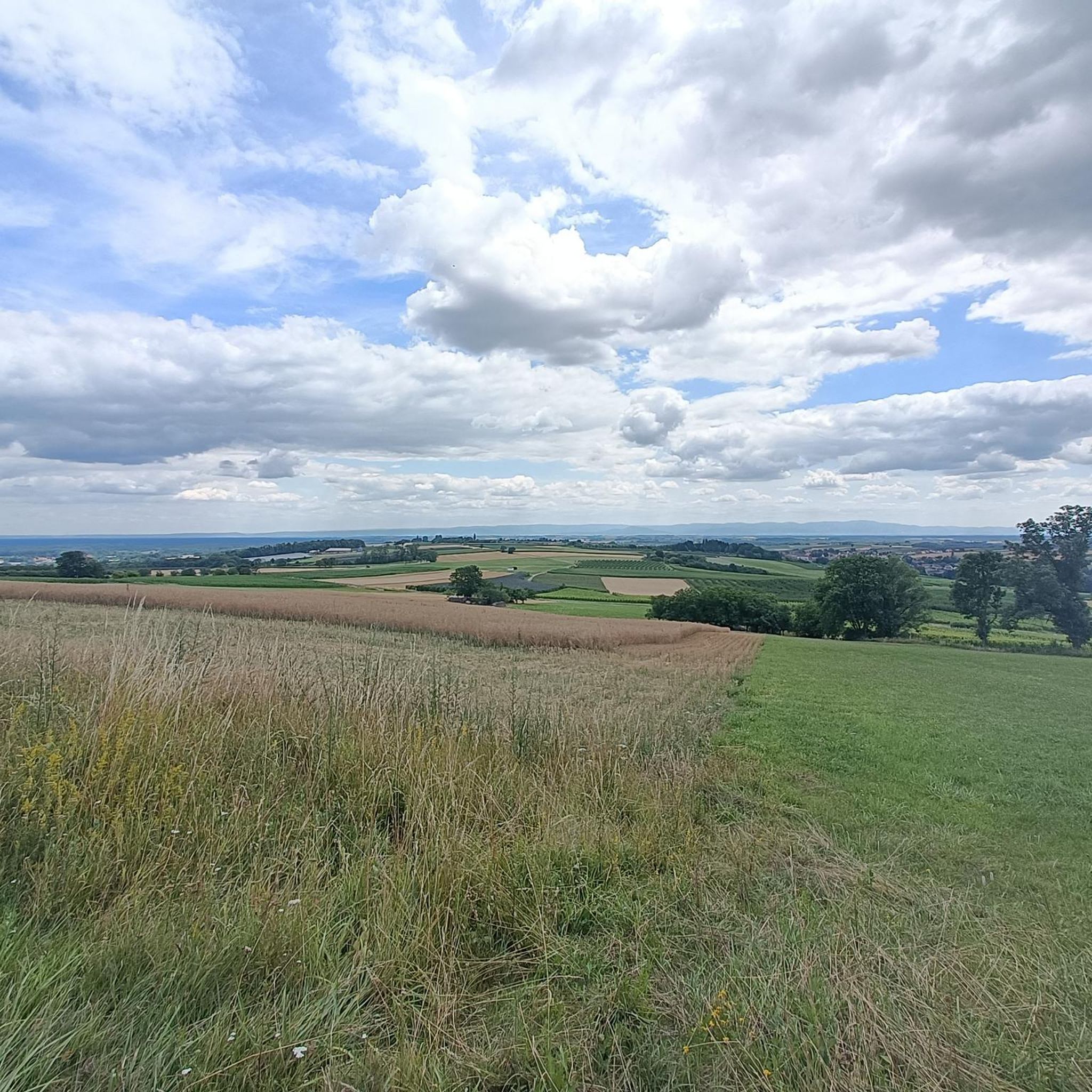
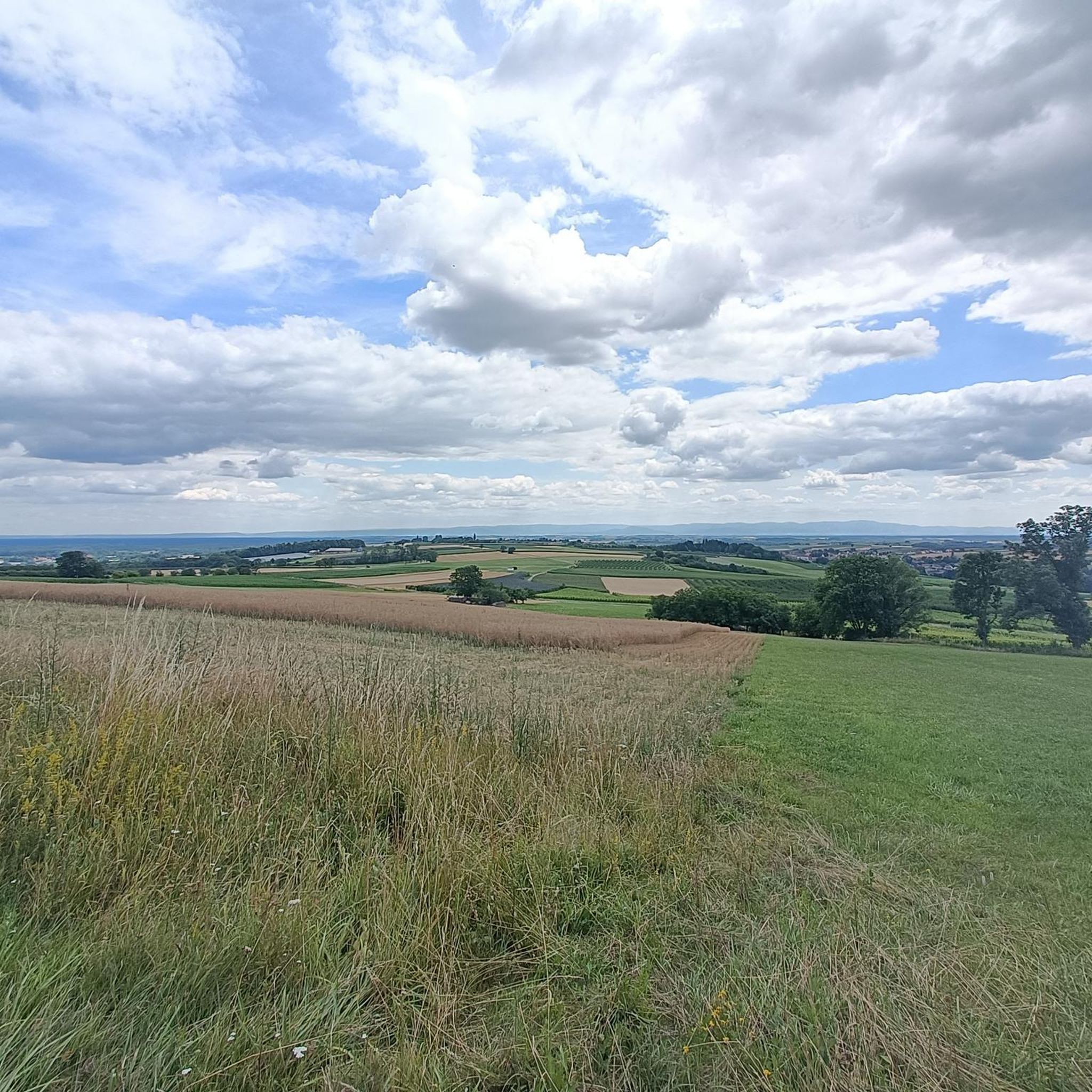
View of Château du Langenberg
Highlight • Viewpoint
Translated by Google •
Tip by

Start today with a free account
Your next adventure awaits.
Login or Signup

Tips from the Community

Beautiful view down into the Lauter valley.
0
0

The Lauter Bridge is right next to it. The German text on the information board is somewhat misleading (20 km long bridge). Please compare it with the English or French text.
0
0

impressive gate system
0
2

The 'Tour des Bouchers' - Butcher's Tower is one of the 15 towers that were built at the end of the 13th century as part of a fortress wall. The tower is called the "Butcher's Tower" because the butcher's guild was responsible for it. When the fortress was demolished in 1706, the Butcher's Tower remained with a few other towers. The tower was used as a prison until the middle of the 18th century. In 2017-2020, the exterior of the Butcher's Tower was restored. https://de.wikipedia.org/wiki/Metzgerturm_(Lauterbourg)
1
0

Definitely worth a visit
1
1

Church of Sainte-Trinity Lauterbourg The church's choir, built in the Gothic style, was built in 1467 during the term of Speyer's Bishop Matthias von Rammung. The roof structure and organ of the church burned in the great city fire of 1678, after which the church was restored and re-consecrated in 1683. In 1711 the church was too small for the growing population, so it was demolished except for the choir and replaced by a new building in its current form, which was completed in 1716 and consecrated in 1719. In 1779 an organ was purchased from Ferdinand Stieffell in Rastatt. During the French Revolution the church was temporarily secularized. A complete renovation took place in 1878. The church was damaged in the Second World War. Jean Gaudin from Paris created today's church windows in 1950. In the 1970s and 1980s the church was renovated inside and out. Source and more: https://de.wikipedia.org/wiki/Dreifaltigkeitskirche_(Lauterbourg)
0
1

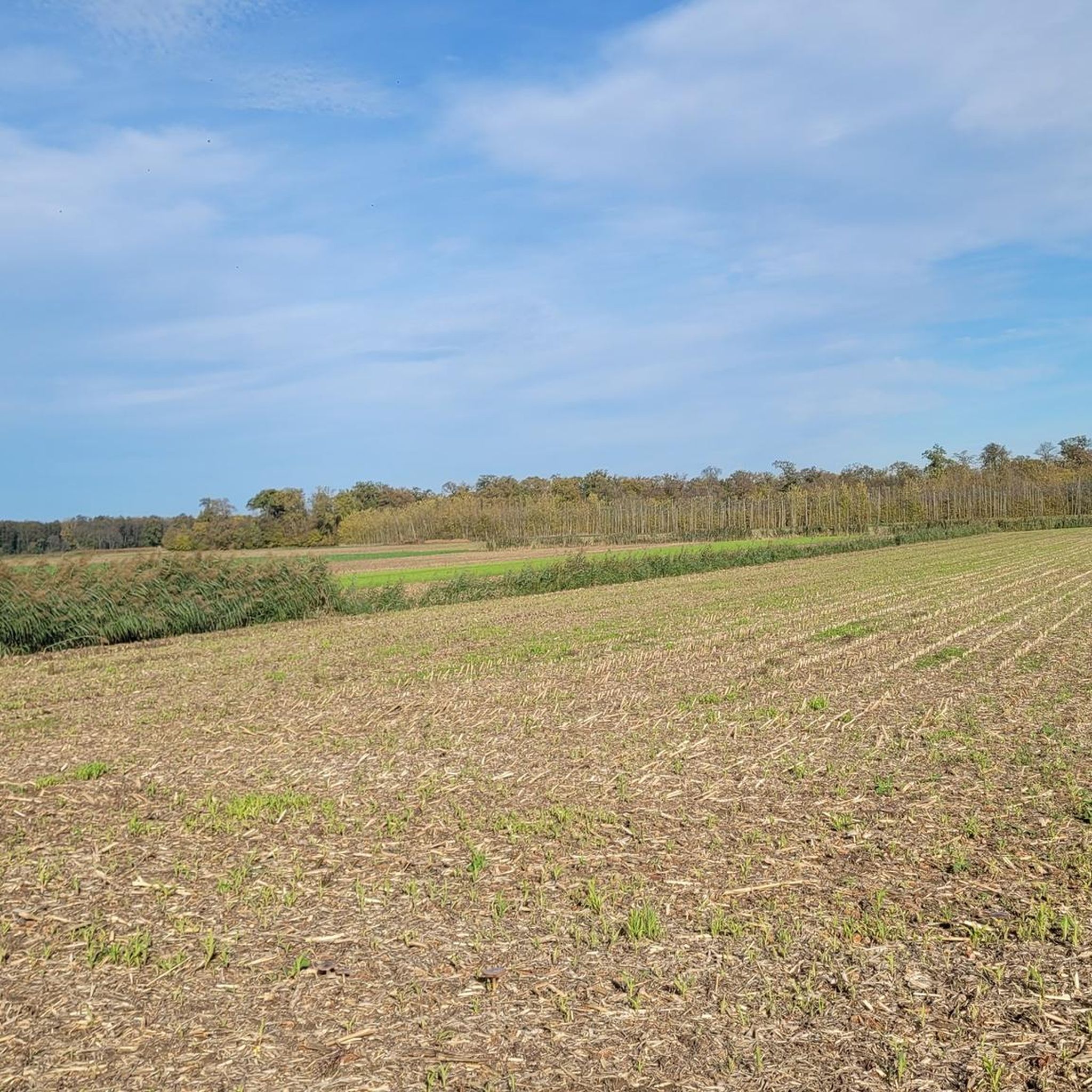
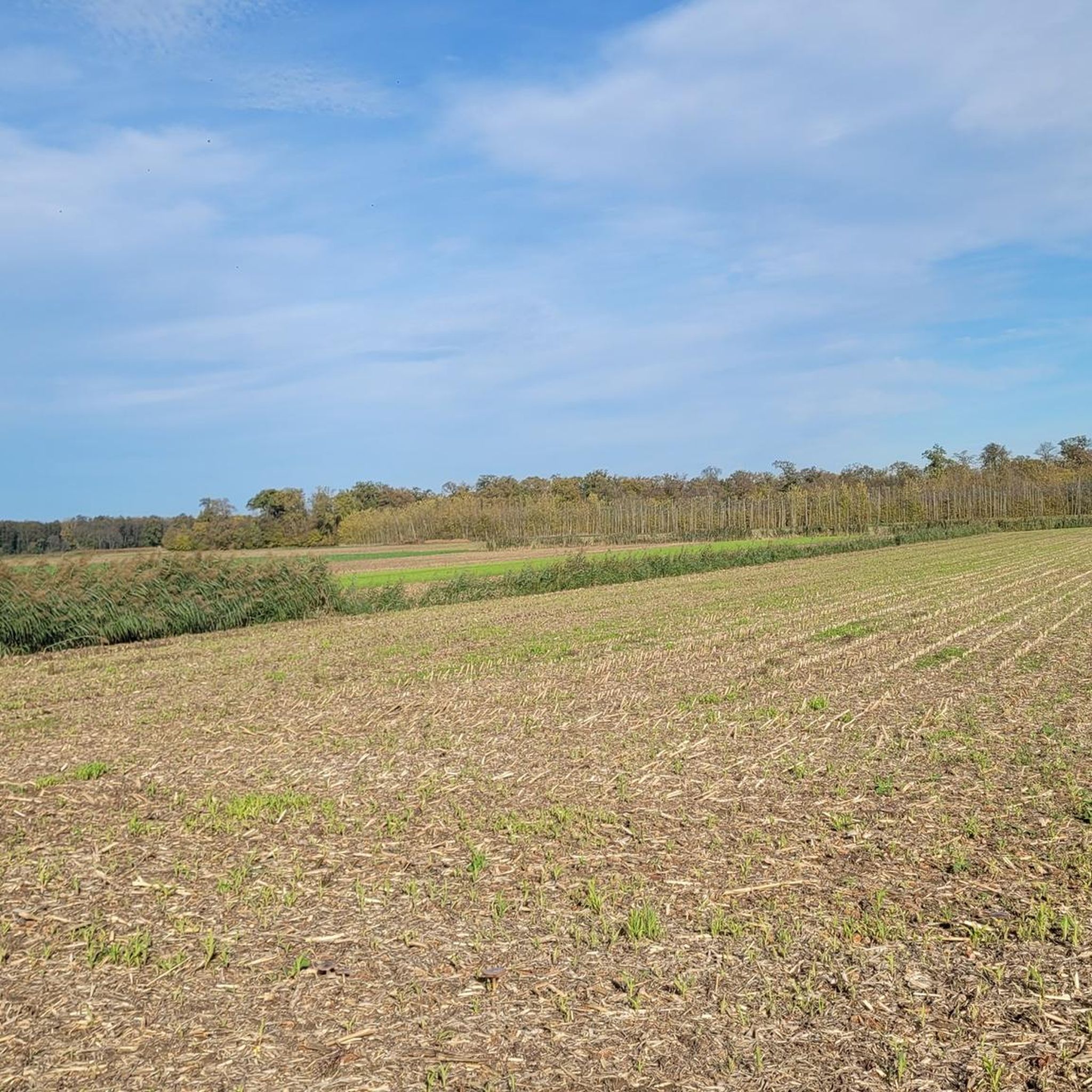
There was once a mill at the site near the Lauter, of which only the remains of the mill canal and the foundation walls can be seen. There was a castle a little further south: Trimmich was the eastern castle located in all directions of Weißenburg. There was also a mill there on the Lauter until German soldiers reduced the place to rubble in 1939. There is almost nothing left of either. But some foundation walls can be made out in the thicket.
4
0
Parts of the old fortifications with the powder tower. Wissembourg (the monastery) has been on a border since the 7th century. Today the fortifications are in the middle of Europe.
2
4
Frequently Asked Questions
What types of castles can I expect to find near Schleithal?
The region surrounding Schleithal, particularly the Northern Vosges and Alsace, is rich with medieval castles. You'll find a variety, including impressive ruins, well-preserved structures, and unique 'rock castles' or 'semi-troglodytic' sites where parts are carved directly into the sandstone, often integrated with natural rock formations.
Are there any family-friendly castles to visit near Schleithal?
Yes, Tour des Bouchers (Metzgerturm) Lauterbourg is a historical site that is part of a medieval fortress and is considered family-friendly. Additionally, Fleckenstein Castle, located about 21 km from Schleithal, is particularly appealing for families, offering engaging 'puzzle tours' with a knight spirit named Hugo.
Which castles offer the best panoramic views?
For spectacular panoramic views, visit View of Château du Langenberg, which offers vistas over the Lautertal near Weiler/Wissembourg. The Wegelnburg Castle Ruins, as the highest castle in the Palatinate, also provide breathtaking views over the gently rolling hills of the Wasgau region. Hohenbourg Castle offers beautiful views of both Fleckenstein Castle and Wegelnburg Castle.
What historical fortifications can I explore in the area?
Beyond traditional castles, you can explore significant historical fortifications. The Wissembourg Fortifications and Powder Tower are well-preserved sections of the historic city wall. The Tour des Bouchers (Metzgerturm) Lauterbourg is another remnant of a medieval fortification, once featuring 15 towers.
What outdoor activities can I do near these castles?
The region around Schleithal offers various outdoor activities. You can find numerous hiking trails, such as the 'Schleithal – Boundary stone loop' or the 'Schleithal loop', which are moderate to easy. For cycling, routes like 'Wissembourg – View of the Lauter loop' are available. You can explore more options for hiking, cycling, and running around Schleithal.
Are there any castle ruins worth visiting for their historical significance?
Absolutely. The Ruins of Trimmich Castle served as an eastern outpost and, while mostly foundation walls remain, offer a glimpse into the region's past. Château du Loewenstein, also known as Löwenstein Castle, is a beautiful ruin first mentioned in the 13th century and provides a compelling historical site with great views.
What is the best time of year to visit the castles around Schleithal?
The Northern Vosges region, where many of these castles are located, is beautiful throughout the year. Spring and autumn offer pleasant temperatures for exploring and hiking, with vibrant foliage. Winter visits can also be atmospheric, especially for exploring ruins like Trimmich Castle when vegetation is less dense.
How accessible are the castles for visitors, including parking and public transport?
Many castles in the region are accessible by car, with parking often available nearby. For instance, Fleckenstein Castle has been renovated and made accessible for tourism. While public transport options might be limited directly to some remote castle ruins, major sites are generally reachable. It's advisable to check specific access details for each castle.
Can I combine a castle visit with a hike?
Yes, many castles in the Northern Vosges are integrated into the landscape and are excellent starting points or destinations for hikes. The Wegelnburg Castle Ruins, for example, are situated at 571 meters above sea level, making them a great goal for a scenic hike. You can find various hiking trails in the area that pass by or lead to these historical sites.
What makes Wasigenstein Castle unique?
Wasigenstein Castle is a unique two-part complex situated above the Langental valley. It's notable for its close proximity to the German-French border, just 350 meters away, offering insights into the historical borderlands and the strategic importance of these medieval strongholds.
Are there any lesser-known or hidden castles to discover near Schleithal?
While not entirely hidden, the Ruins of Trimmich Castle are less prominent than some larger sites, with mostly foundation walls remaining. Exploring such sites, especially in winter when vegetation is sparse, can offer a more secluded historical experience.
How long should I plan for a castle visit?
The duration of a visit depends on the castle and your interest. For larger, more developed sites like Fleckenstein Castle, you might spend 2-3 hours, especially if participating in guided tours or family activities. For ruins like Château du Loewenstein or Trimmich Castle, an hour or two might suffice, often combined with a hike to and from the site.
Most popular routes around Schleithal
Most popular attractions around Schleithal

Get inspired with the komoot mobile app


Explore more
Looking for the best castles somewhere else? Discover other guides around Schleithal:
