Top 3 Castles around Houetteville
Best castles around Houetteville are situated in a region characterized by its river landscapes, including the confluence of the Eure and Iton rivers. The area features a rich architectural history, with structures dating from the 14th century onwards. Houetteville's historical significance is reflected in its diverse castle styles, ranging from Renaissance to neo-medieval and neoclassical designs. These historical sites are often found along riverbanks, integrating with the natural environment.
Best castles around Houetteville
- The most popular castles is Acquigny Castle…
Last updated: June 24, 2026
Houetteville Castle
Highlight • Castle
On the circuit "Château Gaillard - Château de Gaillon Circuit from Gaillon - Aubevoye" I do not recommend the Caer/St Vigor part because the traffic there is dangerous for cyclists. Preferably use the small parallel roads.
Good road.
Rein.
Translated by Google •
Tip by

Acquigny Castle
Highlight • Castle
Translated by Google •
Tip by

Sign up now to discover places like this
Get recommendations on the best single tracks, peaks, & plenty of other exciting outdoor places.
Sign up for free
Amfreville-sur-Iton Castle
Highlight • Castle
Translated by Google •
Tip by

Church and Château of La Chapelle-du-Bois-des-Faulx
Highlight • Historical Site
Translated by Google •
Tip by

Château d'Emalleville
Highlight • Castle
Translated by Google •
Tip by
Start today with a free account
Your next adventure awaits.
Login or Signup
Tips from the Community

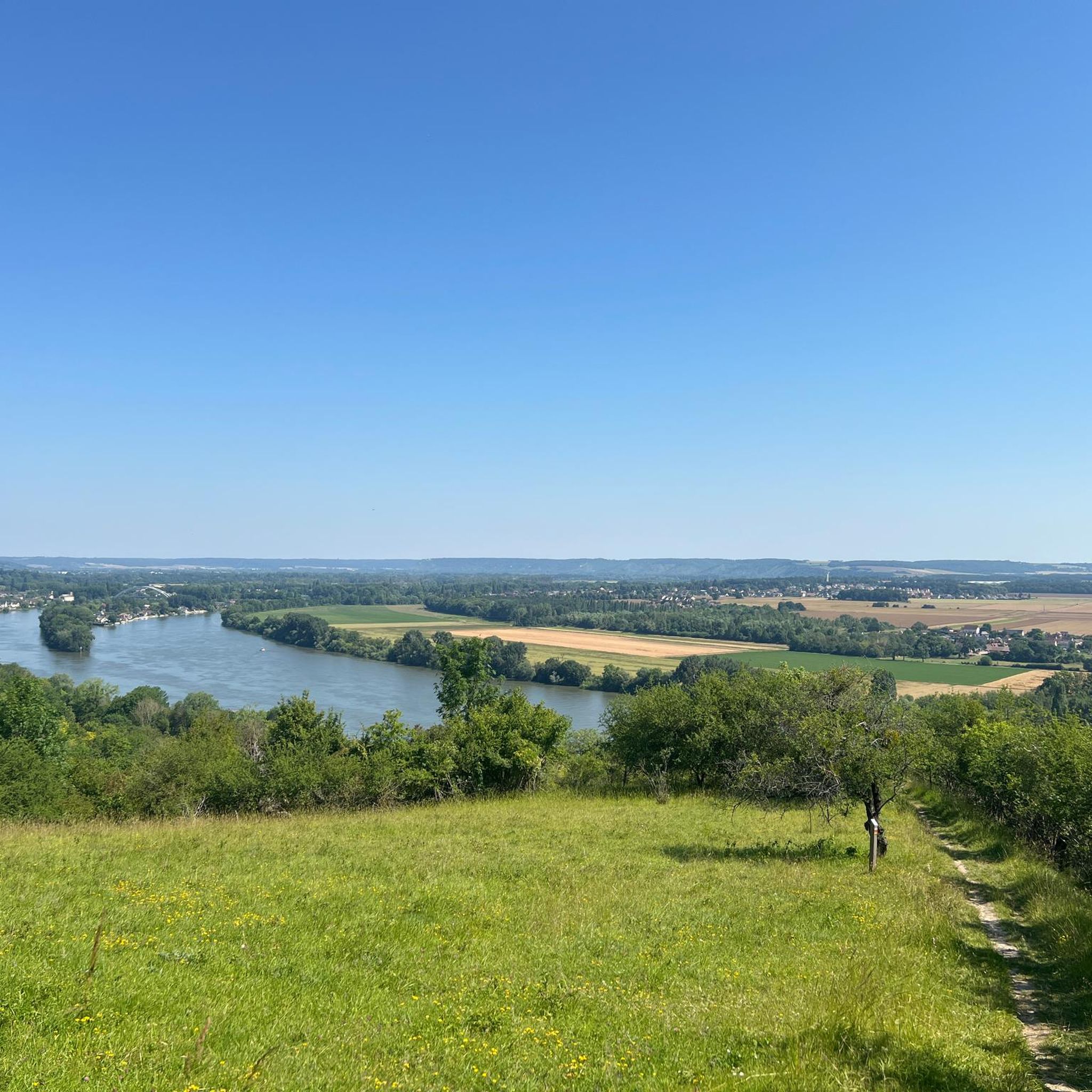
Magnificent view of the Château d'Acquigny (whose garden can be visited) and the Eure valley
0
0
Two magnificent properties between the arms of the Iton
0
0

The classic triptych of the small French village in one place: the church, the castle and the town hall.
0
0
Former Seigneury dating from the 15th century, rebuilt in 1725, the Château d’Emalleville is a small typical Norman castle built in salmon brick and period stone. It was completely restored from 1991 and has been listed in the Supplementary Inventory of Historic Monuments (ISMH) since 1996.
0
0

Located on the banks of the Iton, the castle was built in 1775, in the neoclassical style characteristic of this period. The cut stone facades have retained their monumentality (basement, noble floors and attic), reinforced by the austerity of the few decorative elements (pediment, cornices). The facades and roofs of the four buildings on the farm were listed in the MH in 1977, the castle, the so-called chalet house, the stables and sheds as well as the cellar located in the commune of Acquigny were listed in 1994 in the MH.
0
0

This castle is ideally placed at the confluence of the Eure and the Iton rivers. This stream was diverted from its bed to feed the moats of this beautiful building. It can be admired from the park gate.
1
0

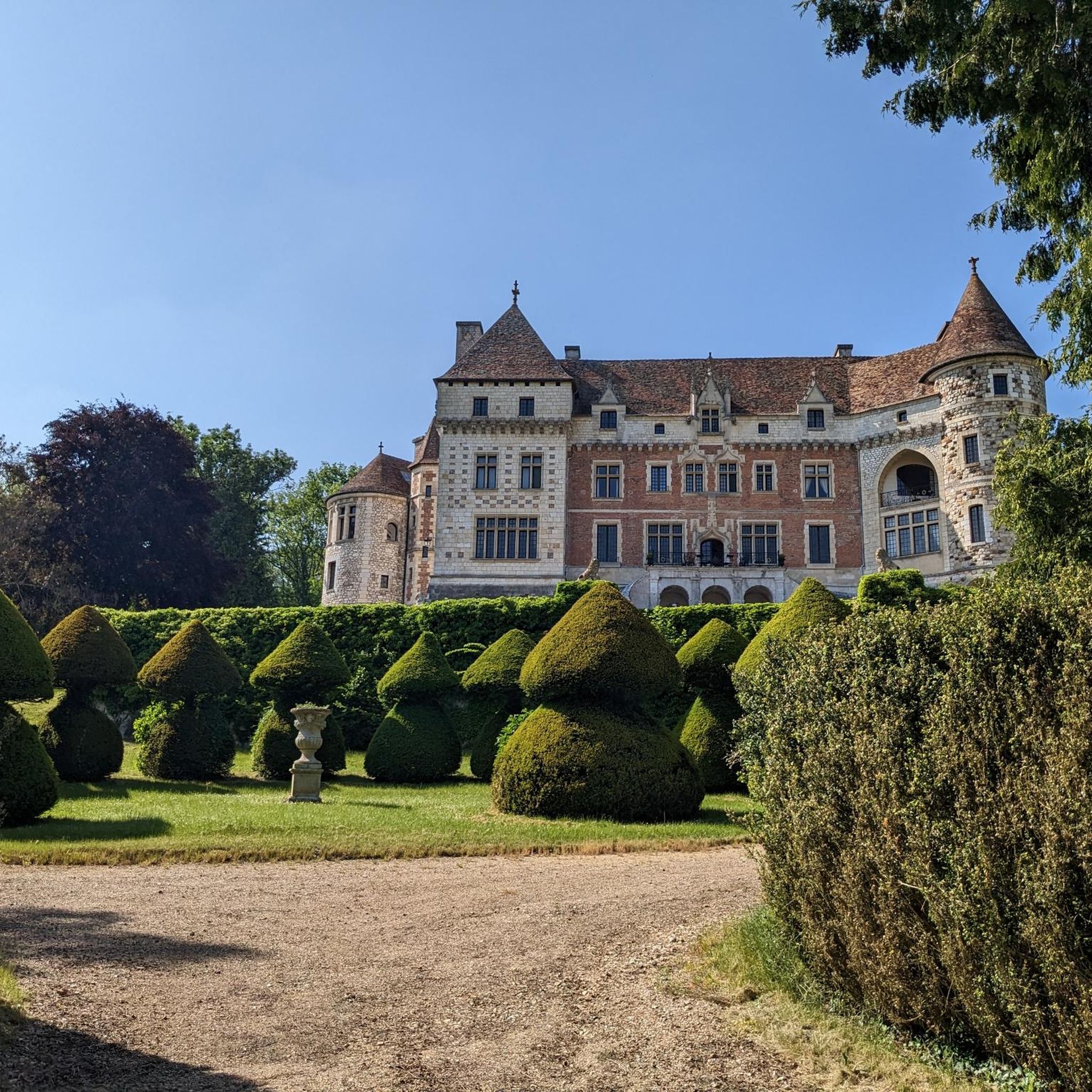
The Château de Houetteville, a private castle visible from the road, is an old Renaissance castle transformed into a neo-medieval castle by Henri Jacquelin around the 1930s. “Jacquelin again transformed a simple neo-classical house in Houetteville into a medieval castle, with astonishing fantasy. In an economically paralyzed country, Houetteville was perhaps the last neo-Gothic castle in France. Extravagant edifice, which prefers to ignore its time to artificially continue a way of life long gone.”
0
0
Frequently Asked Questions
What architectural styles can I expect to see in the castles around Houetteville?
The castles in the Houetteville area showcase a diverse range of architectural styles. You can find structures from the 14th century onwards, including Renaissance, neo-medieval, and neoclassical designs. For example, Acquigny Castle is a Renaissance building, while Houetteville Castle was transformed into a neo-medieval style. Amfreville-sur-Iton Castle features a neoclassical design.
Are there family-friendly castles to visit near Houetteville?
Yes, several castles in the area are considered family-friendly. Acquigny Castle and Château d'Emalleville are both tagged as family-friendly, offering enjoyable experiences for all ages.
What natural features are prominent around the castles in Houetteville?
The region is characterized by its river landscapes, particularly the confluence of the Eure and Iton rivers. Many castles, such as Acquigny Castle, are ideally situated at these river junctions or along their banks, integrating with the natural environment. Amfreville-sur-Iton Castle is also located directly on the banks of the Iton.
Can I combine a castle visit with outdoor activities like hiking or cycling?
Absolutely! The area around Houetteville offers various outdoor activities. You can find numerous hiking trails, such as the 'Château d'Emalleville loop from Brosville' or the 'Amfreville Church – Amfreville-sur-Iton Castle loop'. There are also running trails and gravel biking routes available. For more details on routes, you can explore the hiking guide, running guide, and gravel biking guide for Houetteville.
What do visitors particularly enjoy about the castles in this region?
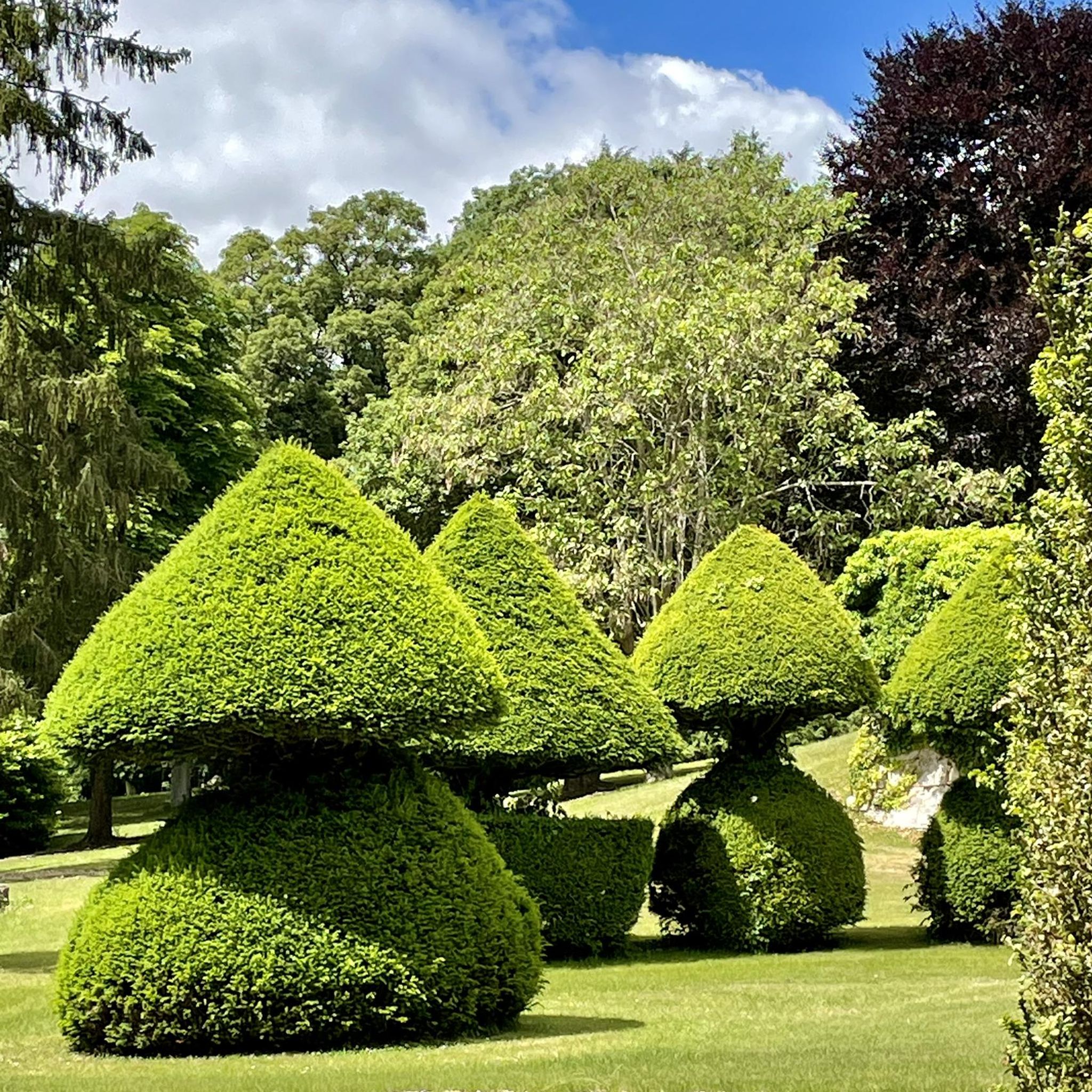
Visitors appreciate the rich architectural history and the scenic locations of the castles. For instance, Acquigny Castle is admired for its unique design and its placement at the confluence of the Eure and Iton rivers, with its park often referred to as a 'love of garden'. The transformation of Houetteville Castle into a neo-medieval style also captures interest.
Are there any lesser-known or 'hidden gem' castles worth visiting?
While the main castles are well-known, Château d'Emalleville, a former seigneury dating from the 15th century and rebuilt in 1725, offers a charming experience. It's a typical Norman castle built with salmon brick and period stone, completely restored and listed in the Supplementary Inventory of Historic Monuments.
What is the best time of year to visit the castles around Houetteville?
The region's river landscapes and castle grounds are particularly beautiful during spring and summer when the foliage is lush. Autumn also offers picturesque views with changing leaf colors. While specific opening hours vary, visiting during warmer months generally allows for more comfortable exploration of the outdoor areas and gardens.
Is parking available at the castles?
While specific parking details for each castle are not always provided, most historical sites of this nature typically offer visitor parking. Houetteville Castle is visible from the road, suggesting relatively easy access, and other castles like Acquigny Castle, with its extensive park, would likely have designated parking areas.
Are there any castles that are easily visible or accessible from public roads?
Yes, Houetteville Castle is a private castle that is notably visible from the road, proudly dominating the meanders of the Iton. This allows for easy viewing even if you're just passing by.
What kind of historical significance do the castles in this area hold?
The castles around Houetteville reflect a rich architectural history spanning centuries. They range from 14th-century origins to Renaissance constructions like Acquigny Castle, built in 1557, to neoclassical designs such as Amfreville-sur-Iton Castle from 1775. Many have undergone transformations, like Houetteville Castle, which was a Renaissance castle transformed into a neo-medieval style in 1935, showcasing evolving tastes and historical periods.
Are there any religious or community sites near the castles?
Yes, some castle sites are part of a broader historical complex. For example, the Church and Château of La Chapelle-du-Bois-des-Faulx offers the classic triptych of a small French village: the church, the castle, and the town hall, all in one location. Additionally, the Church of Acquigny is mentioned in connection with Acquigny Castle.
Most popular routes around Houetteville
Most popular attractions around Houetteville

Get inspired with the komoot mobile app


Explore more
Looking for the best castles somewhere else? Discover other guides around Houetteville:
