Top 4 Gorges around Le Pègue
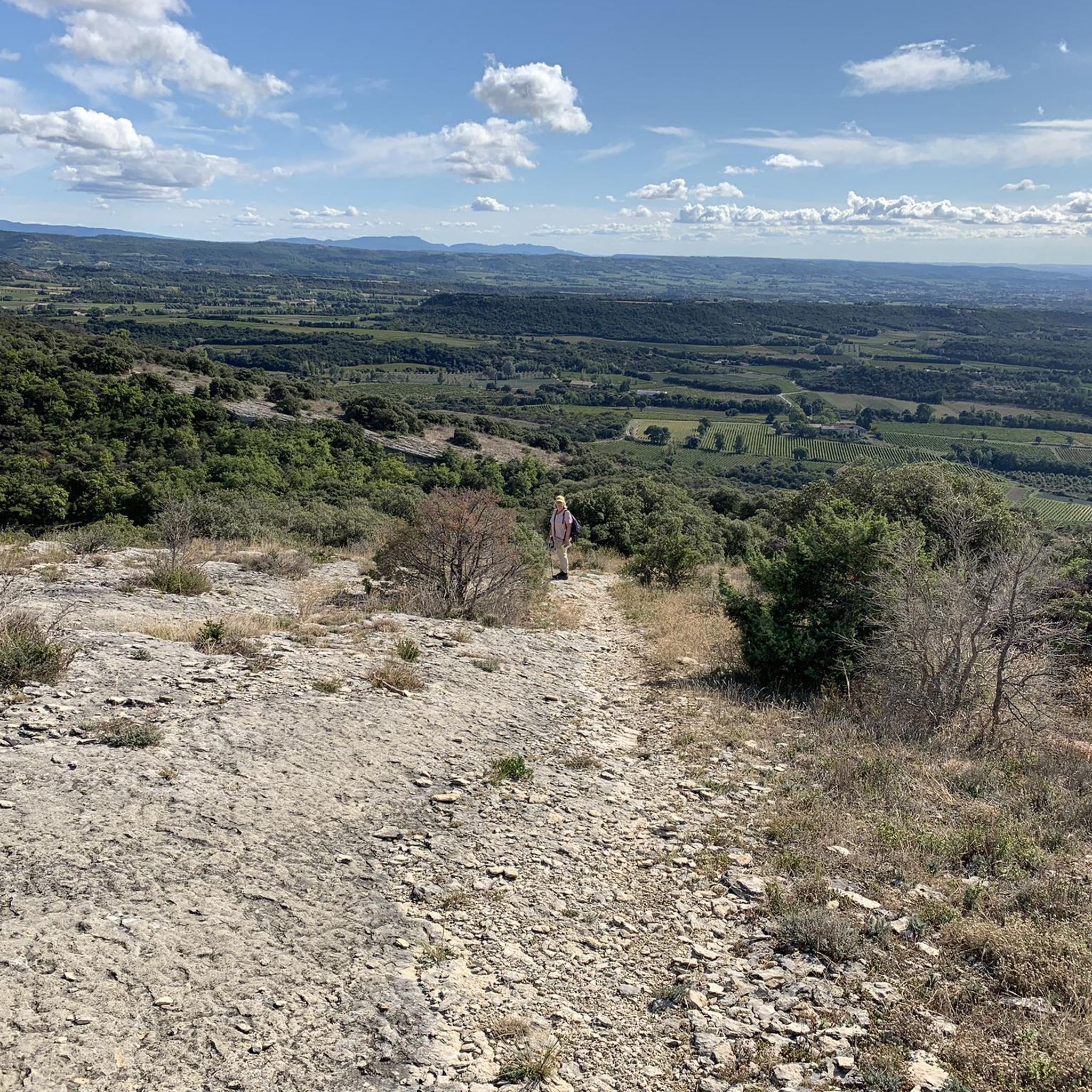
Best canyons around Le Pègue are located in the surrounding Drôme department of southeastern France, a region known for its natural gorges and ravines. This area features unique geological formations and opportunities for outdoor activities. The landscape combines green oaks, pines, vineyards, and rocky faults, providing diverse terrain for exploration.
Best canyons around Le Pègue
- The most popular canyons include Gorges de Trente-Pas, a gorge that offers beautiful views. This route is appreciated for its scenic drive through a…
Last updated: June 24, 2026
Sausse Pass
Highlight (Segment) • Mountain Pass
Translated by Google •
Tip by

Trente-Pas gorge
Highlight • Gorge
Translated by Google •
Tip by

Sign up now to discover places like this
Get recommendations on the best single tracks, peaks, & plenty of other exciting outdoor places.
Sign up for free
Le Trou de Souris Rock Arch
Highlight • Natural Monument
Translated by Google •
Tip by

Riverbed Trail in Parc Naturel Régional des Baronnies Provençales
Highlight (Segment) • Trail
Tip by

Start today with a free account
Your next adventure awaits.
Login or Signup
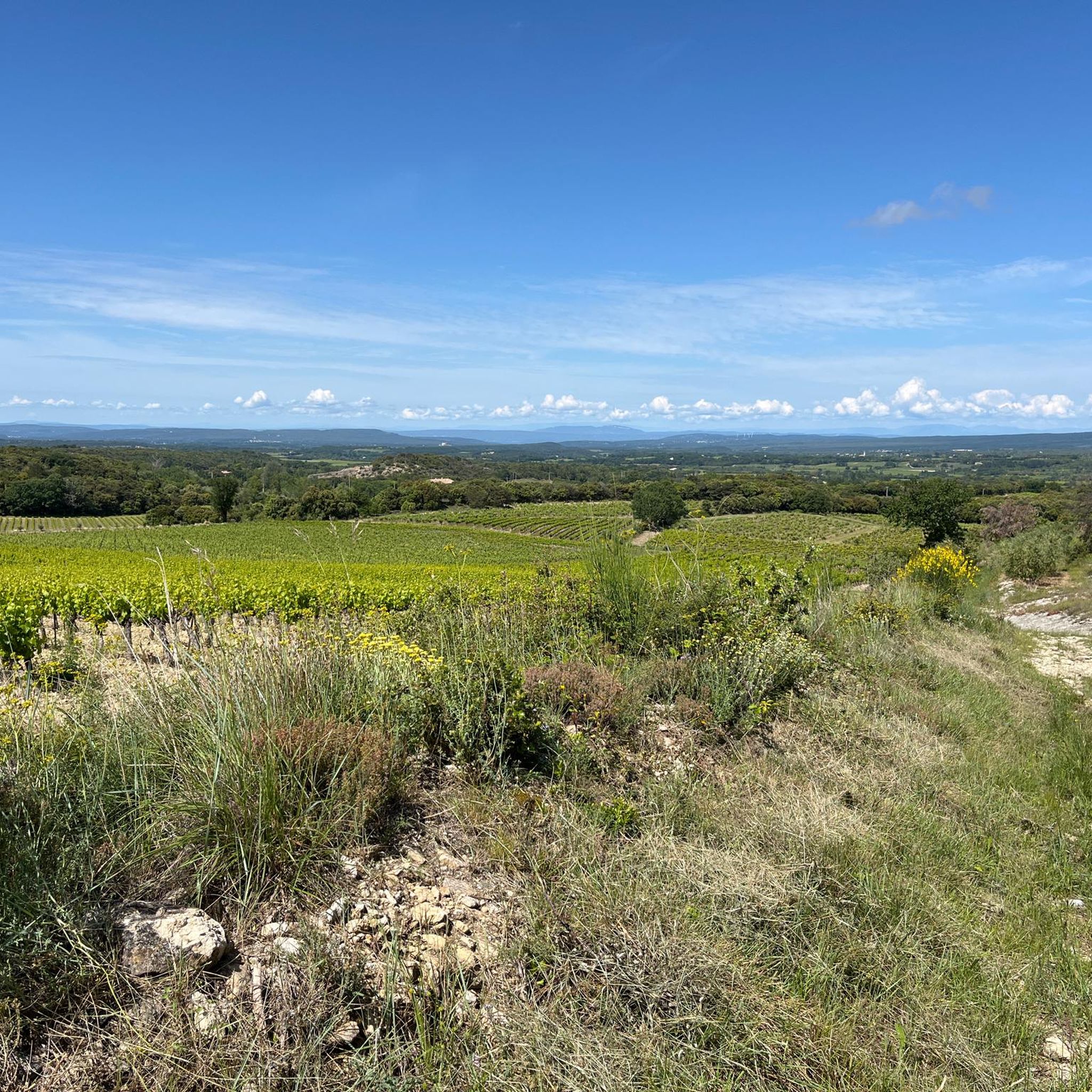
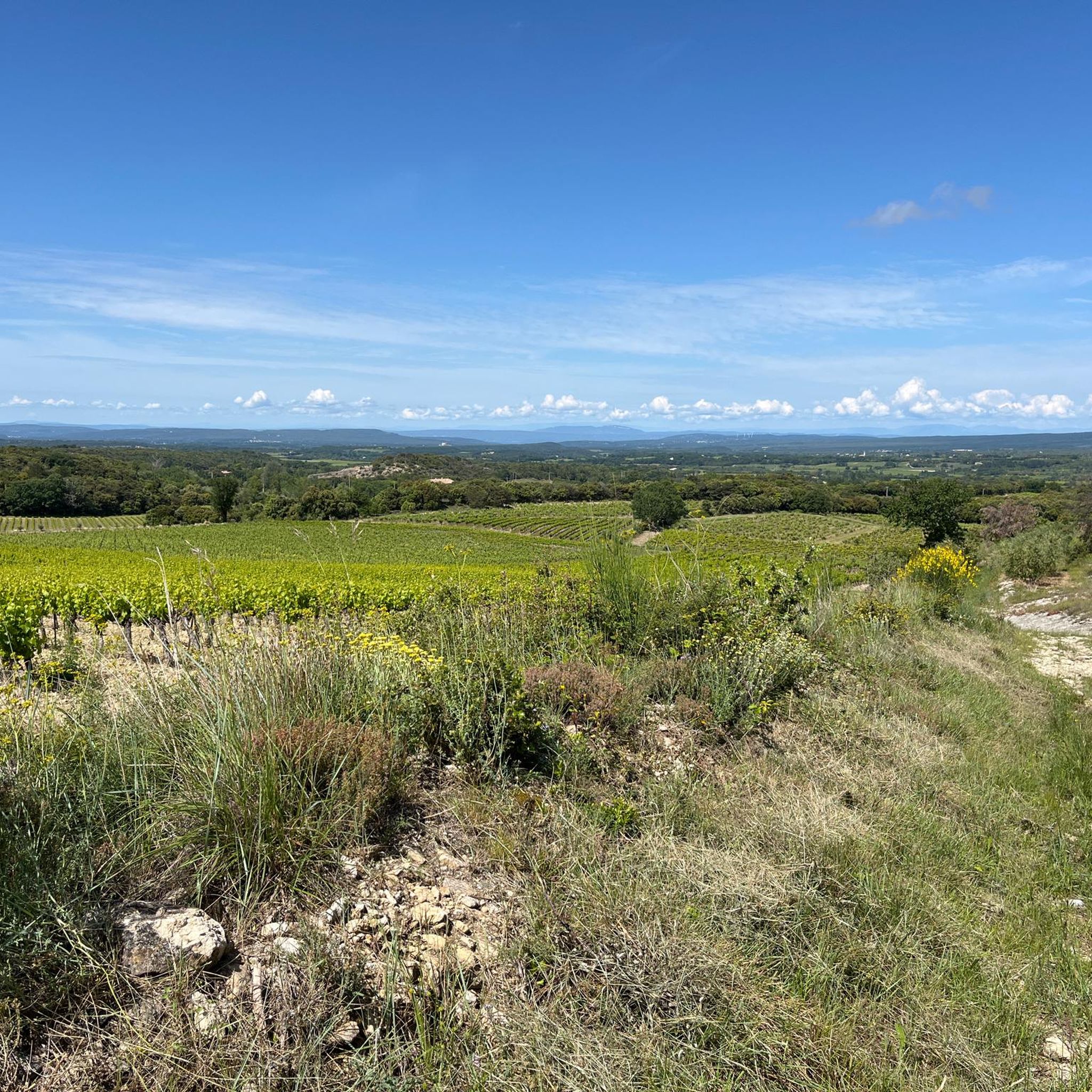
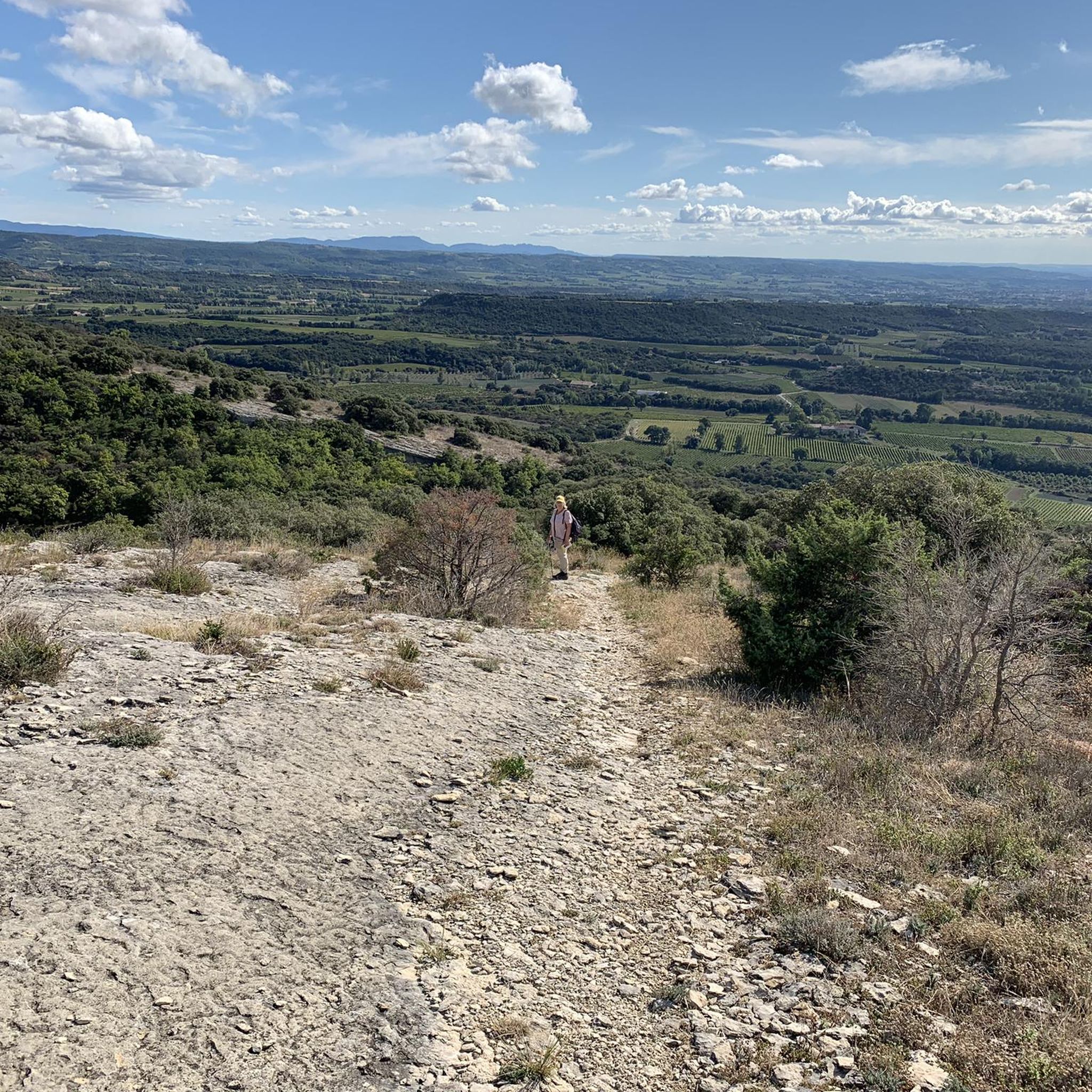
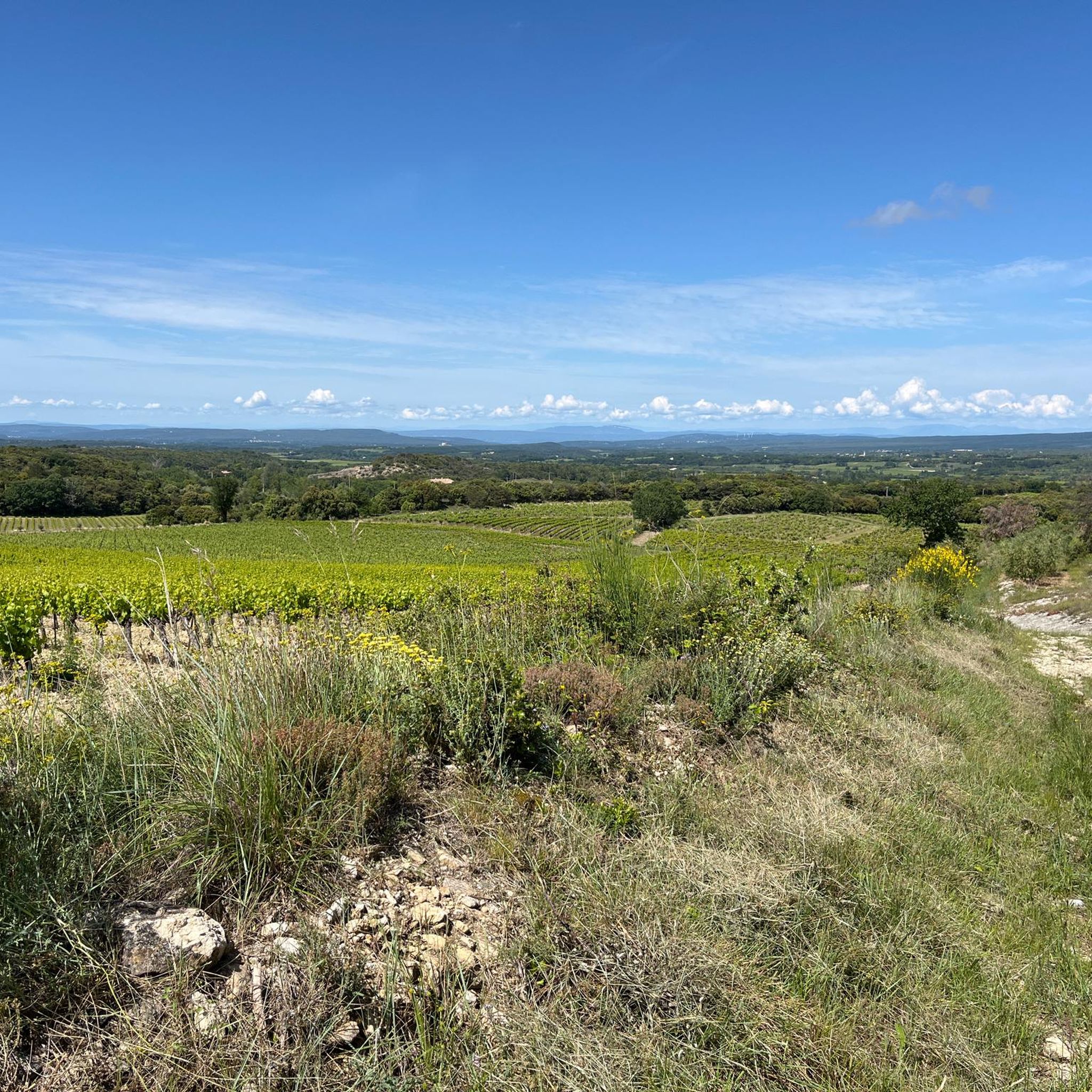

Tips from the Community


Very nice climb. Not too difficult, not too long. I stayed at the col a few years ago, so on every ride I had to climb this col. Always done with great pleasure.
1
0

The footpath seems to follow the riverbed for parts of this section. I was there at end of June & the river (stream really) was low, so that was OK. Be careful because there's a right turn up the right hand side of the valley (to get to the summit), not signposted. There were a few false starts finding this turn.
1
0

Not particularly high, but a great area to do some stretching
0
0

Pretty shaded gorges with typical road of this region.
0
0

A classic that notably offers passage through the Trente-Pas gorges and under a characteristic arch. A not particularly difficult climb which is done gently.
0
0

I must say that in the direction of the descent it is easier, but not prettier
0
0

wonderful descent from the Col de la Sausse down through the Trente Pas gorge to the Bentrix river
0
0
Frequently Asked Questions
What types of canyons and gorges can I explore around Le Pègue?
The region around Le Pègue, in the Drôme department, offers a variety of natural gorges and ravines. You'll find impressive geological formations carved by rivers, featuring white limestone cliffs, rock arches, and shaded passages. The landscape is characterized by green oaks, pines, vineyards, and rocky faults, providing diverse terrain for exploration.
Which are some of the most notable gorges near Le Pègue?
Beyond the immediate vicinity, the spectacular Gorges de Trente-Pas is a popular choice, known for its beautiful views. Another significant natural formation is the Sausse Pass, which includes passage through gorges and offers a viewpoint. You can also discover Le Trou de Souris Rock Arch, a unique natural monument found within shaded gorges along the Col de la Sausse.
Are there any particularly deep or scenic canyons in the wider region?
Yes, the Gorges de la Nesque, located about 48 kilometers from Le Pègue, is a spectacular canyon. It stretches for approximately 20 kilometers with cliffs up to 400 meters deep in some places, offering breathtaking landscapes carved by the Nesque river into white limestone.
What outdoor activities can I do near these canyons?
The area around Le Pègue is excellent for various outdoor activities. You can enjoy hiking on trails that often incorporate gorges and ravines, or go cycling, especially along scenic routes like the D942 through the Gorges de la Nesque. For more specific routes, you can explore options like those found in the Hiking around Le Pègue guide or the Cycling around Le Pègue guide.
Are there family-friendly options for exploring the canyons?
While some ravines can be challenging, many areas offer accessible viewpoints and shorter walks suitable for families. The panoramic roads through gorges, such as the D942 in the Gorges de la Nesque, provide stunning views that can be enjoyed by all ages from a vehicle, with opportunities for short, easy strolls at designated viewpoints.
What natural features can I expect to see in the canyons around Le Pègue?
You'll encounter impressive geological formations like deep gorges, towering limestone cliffs, and unique rock arches such as Le Trou de Souris Rock Arch. The landscape is also rich in biodiversity, with lush green vegetation, green oaks, pines, and vineyards. The Gorges de la Nesque, for instance, is a Natura 2000 site known for birdwatching, including golden eagles and peregrine falcons.
Are there any historical or cultural sites within or near the canyons?
Yes, the region holds historical significance. The Gorges de la Nesque area has evidence of human presence dating back 150,000 years, including prehistoric remains. You can also find the troglodytic chapel Saint Michel de Anesca, a 12th-century chapel nestled within the canyon, adding a cultural dimension to the natural beauty.
What is the best time of year to visit the canyons around Le Pègue?
Spring and autumn are generally ideal for visiting the canyons. The weather is pleasant for hiking and cycling, and the natural scenery is vibrant. In spring, you'll see fresh greenery, while autumn brings beautiful colors to the foliage. Summers can be hot, making early mornings or late afternoons preferable for activities.
What are some popular viewpoints or scenic drives in the area?
The D942 road through the Gorges de la Nesque is a majestic panoramic drive with several notable stops, including the Castelleras lookout, which offers an impressive vista of the gorges and the majestic Rocher du Cire. The Gorges de Trente-Pas also offers beautiful views from its scenic drive.
Can I find trails that follow riverbeds in the canyons?
Yes, some trails in the region, such as the Riverbed Trail in Parc Naturel Régional des Baronnies Provençales, follow riverbeds for parts of their sections. These can offer a unique perspective of the canyon's geology, especially when water levels are low. Always check conditions, as riverbed trails can be challenging and require careful navigation.
What do visitors enjoy most about the canyons and gorges near Le Pègue?
Visitors frequently appreciate the stunning natural beauty and the sense of tranquility. The scenic drives, breathtaking views from various lookouts, and the opportunities for outdoor activities like cycling and hiking through unique geological formations are often highlighted. The area's rich biodiversity and historical elements also add to the experience.
Most popular routes around Le Pègue
Most popular attractions around Le Pègue

Get inspired with the komoot mobile app


Explore more
Already discovered everything in this region? See additional gorges around Le Pègue for your next adventure:
